Whether a Bull Terrier Needs a Medicated Shampoo
It’s a truly frustrating experience to watch your beloved Bull Terrier constantly scratching, licking, or developing red, irritated patches on their skin. You try everything you can think of – better food, more frequent brushing, special treats – but sometimes, those general care routines just aren’t enough. The question of whether a medicated shampoo is the answer often looms large, and navigating the options can feel overwhelming. This guide is here to shed light on when a medicated shampoo might be necessary for your Bull Terrier, what kind to use, and how to apply it effectively to bring your pup relief.
Understanding Bull Terrier Skin Sensitivities
Bull Terriers are known for their distinctive looks, their boundless energy, and their loving, clownish personalities. What many new owners don’t immediately realize, however, is that this wonderful breed can be particularly prone to skin issues. It's not uncommon to find yourself constantly checking their coat for any new bump or scratch, feeling like their skin is constantly on high alert.
The Delicate Nature of Their Skin
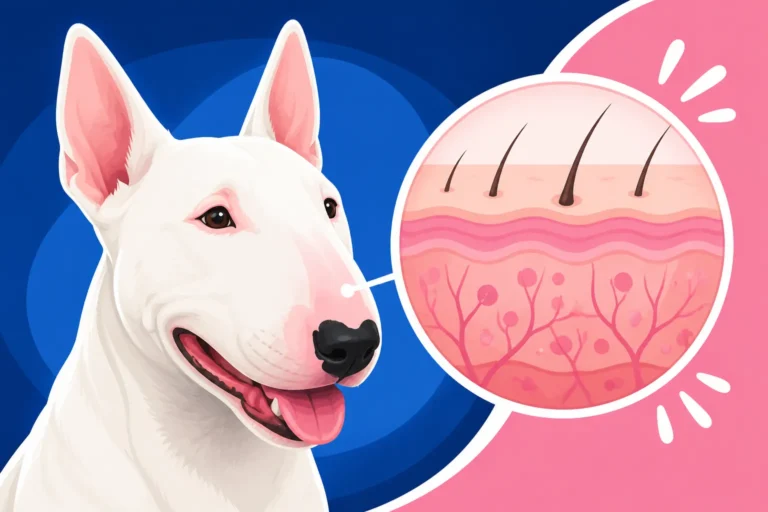
Our Bull Terriers, with their short, sleek coats, might appear to have robust skin, but in reality, it's often quite delicate and susceptible to various irritations. Unlike breeds with thick double coats that offer more protection, a Bull Terrier's skin is more exposed and can react quickly to environmental allergens, parasites, or even dietary triggers. This inherent sensitivity means that what might be a minor irritation for another dog can escalate into a full-blown skin condition for a Bull Terrier, leading to discomfort and secondary infections.
Genetics play a significant role here, too. Certain lines may have a predisposition to allergies or immune-mediated skin problems. It's a cruel irony that such a hardy-looking dog can have such a vulnerable outer layer, but understanding this is the first step in providing them with the best care. If you've ever felt like your Bull Terrier's skin is constantly battling something, you're not imagining things; it truly is A Bull Terrier's Skin Is Its Weakest Point.
Common Skin Problems That Might Warrant Medicated Shampoo
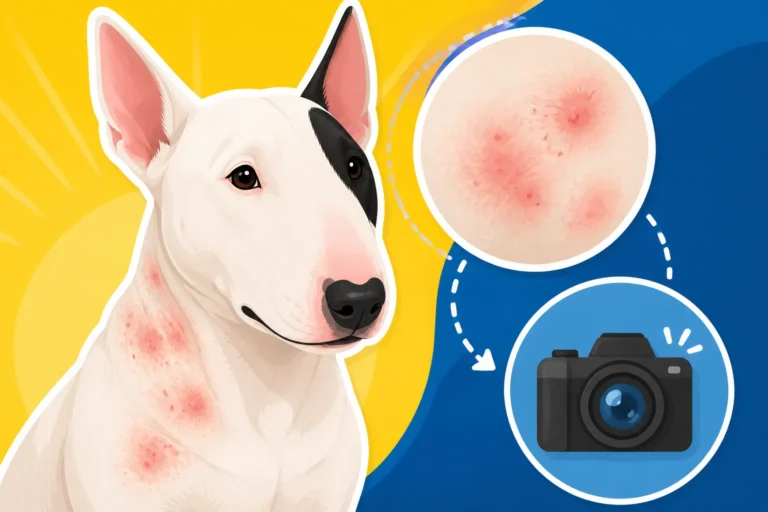
Bull Terriers can experience a range of skin issues, from the everyday itch to more serious conditions requiring veterinary intervention. One of the most common culprits is allergies. Just like people, Bull Terriers can be allergic to things in their environment (pollen, dust mites), certain foods, or even ingredients in their grooming products. These allergies often manifest as itchy skin, redness, rashes, or recurrent ear infections. It’s a cyclical nightmare: they itch, they scratch, they create tiny breaks in the skin, and then bacteria or yeast move in, making the problem even worse.
Beyond allergies, we see parasitic infestations, like Demodectic Mange, which can wreak havoc on a Bull Terrier's skin, especially in puppies or those with compromised immune systems. You might notice thinning hair, red patches, or a greasy feel to their coat. Then there are bacterial or fungal infections, which often occur as secondary issues from all that scratching and licking. These can cause widespread skin inflammation, scabbing, and a distinct odor. Identifying these issues early is crucial, and often, a medicated shampoo is a key part of the treatment plan. You can learn more about specific skin conditions like Whether a Bull Terrier Gets Skin Allergies or Demodectic Mange in a Bull Terrier.
When a Medicated Shampoo Becomes a Necessity
It's tempting to grab the first "itch relief" shampoo you see on the shelf when your Bull Terrier is scratching relentlessly. However, a medicated shampoo isn't just a fancy soothing wash; it's a therapeutic tool designed to treat specific skin conditions. Using the wrong one, or using it at the wrong time, can be ineffective or even harmful.
Diagnosing the Underlying Issue
The absolute first step before reaching for any medicated shampoo is a visit to your veterinarian. I cannot stress this enough. Self-diagnosing your Bull Terrier's skin problem is a recipe for frustration and potentially worsening their condition. What looks like a simple rash could be a symptom of a much more complex internal problem, or it could be a sign of a highly contagious issue for other pets. Your vet will perform a thorough examination, which often includes skin scrapes to look for mites, cytology (taking a sample to look for bacteria or yeast under a microscope), or even fungal cultures. In some cases, a biopsy might be needed, or they might recommend allergy testing to pinpoint specific triggers.
Without a proper diagnosis, you're essentially shooting in the dark. A medicated shampoo for a bacterial infection won't help a fungal one, and neither will solve a primary allergy problem on its own. Your vet's expertise is invaluable in understanding Whether a Bull Terrier's Skin Needs a Vet or a Shampoo. They can determine the precise type of infection or inflammation your Bull Terrier is battling and prescribe or recommend the appropriate medicated product.
Types of Conditions That Benefit from Medicated Washes
Once your vet has identified the problem, they can guide you towards the right medicated shampoo. These shampoos are formulated with active ingredients specifically targeting different pathogens or conditions. For instance, if your Bull Terrier has a bacterial skin infection, often called pyoderma, your vet might prescribe an antibacterial shampoo containing ingredients like chlorhexidine or benzoyl peroxide. These powerful agents work to kill bacteria on the skin surface, reducing inflammation and promoting healing.
Fungal infections, such as ringworm or yeast overgrowth (Malassezia dermatitis), require antifungal shampoos. These typically contain ingredients like miconazole or ketoconazole, which disrupt the fungal cell walls and stop their growth. These infections can be particularly stubborn, and consistent treatment is key. Lastly, for parasitic issues like Demodectic mange, specific antiparasitic shampoos containing ingredients like selenium sulfide can be part of a broader treatment plan. It’s critical to understand that medicated shampoos are usually just one component of a multi-faceted treatment approach, often combined with oral medications, dietary changes, or environmental management. You can learn more about specific treatments like How to Bathe a Bull Terrier With Demodex.
Different Types of Medicated Shampoos and Their Uses
Walking down the pet shampoo aisle, or browsing online, can feel like navigating a chemistry lab. There are so many bottles claiming to do so many things! But when your Bull Terrier truly needs a medicated shampoo, understanding the active ingredients and what they target is vital. This knowledge, coupled with your vet's advice, empowers you to make an informed choice.
Antifungal Shampoos
Antifungal shampoos are specifically designed to combat fungal or yeast infections on your Bull Terrier's skin. These infections can manifest as itchy, red, greasy, or scaly patches, sometimes with a distinctive musty odor. Common active ingredients you'll find in these formulations include miconazole and ketoconazole. Miconazole works by inhibiting the growth of fungi and yeasts, while ketoconazole also stops their replication and spread. These ingredients are effective against common culprits like Malassezia yeast, which often thrives in warm, moist areas such as paw pads, skin folds, and ears.
When using an antifungal shampoo, the "contact time" is particularly important. You can't just lather and rinse; the active ingredients need time to work on the fungal organisms. This usually means leaving the shampoo on for 5-10 minutes, as directed by your vet or the product label. This can be a challenge with a wiggly Bull Terrier, but it's crucial for the shampoo to be effective. Repeated treatments over several weeks are often necessary to fully clear a fungal infection.
Antibacterial Shampoos
Bacterial skin infections, or pyoderma, are another common reason for a medicated shampoo. These often arise when a Bull Terrier scratches an itch, creating small breaks in the skin that allow bacteria, usually Staphylococcus, to proliferate. Symptoms can include pustules, crusts, red bumps, and hair loss. Antibacterial shampoos are formulated to kill these bacteria and reduce inflammation. The most common active ingredient is chlorhexidine, a powerful antiseptic that is effective against a broad spectrum of bacteria. It works by binding to the skin and releasing its antiseptic properties over time, offering a residual effect even after rinsing.
Another ingredient you might encounter is benzoyl peroxide, which not only kills bacteria but also helps to flush hair follicles, making it particularly useful for conditions like deep pyoderma or follicular issues. Like antifungal shampoos, antibacterial shampoos require a proper contact time. Your vet will specify the frequency of baths, which might start as often as every other day and then taper off as the infection improves. Consistency is key, and understanding How Often a Bull Terrier Should Be Bathed in general versus for medicated purposes is important.
Antiparasitic Shampoos
While often not the sole treatment for internal or deeply embedded parasites, certain medicated shampoos can play a role in managing external parasitic infestations. For example, some shampoos are formulated with ingredients like pyrethrin or selenium sulfide to help control fleas, ticks, or mites like Demodex. When addressing Demodectic Mange in a Bull Terrier, a vet might include an antiparasitic shampoo as part of a comprehensive treatment protocol that also involves oral medications or dips. These shampoos work by directly killing or repelling the parasites on the skin surface.
However, it's crucial to use these with caution and only under veterinary guidance, as some ingredients can be strong or potentially toxic if misused. Never assume an over-the-counter flea and tick shampoo is suitable for a specific parasitic condition without consulting your vet. For instance, while some medicated shampoos might aid in the removal of mites, they are rarely sufficient on their own to eradicate a full-blown Demodectic mange infestation. Always follow the instructions meticulously and keep an eye out for any adverse reactions.
Soothing & Hypoallergenic Shampoos (Non-medicated but often recommended alongside or for prevention)
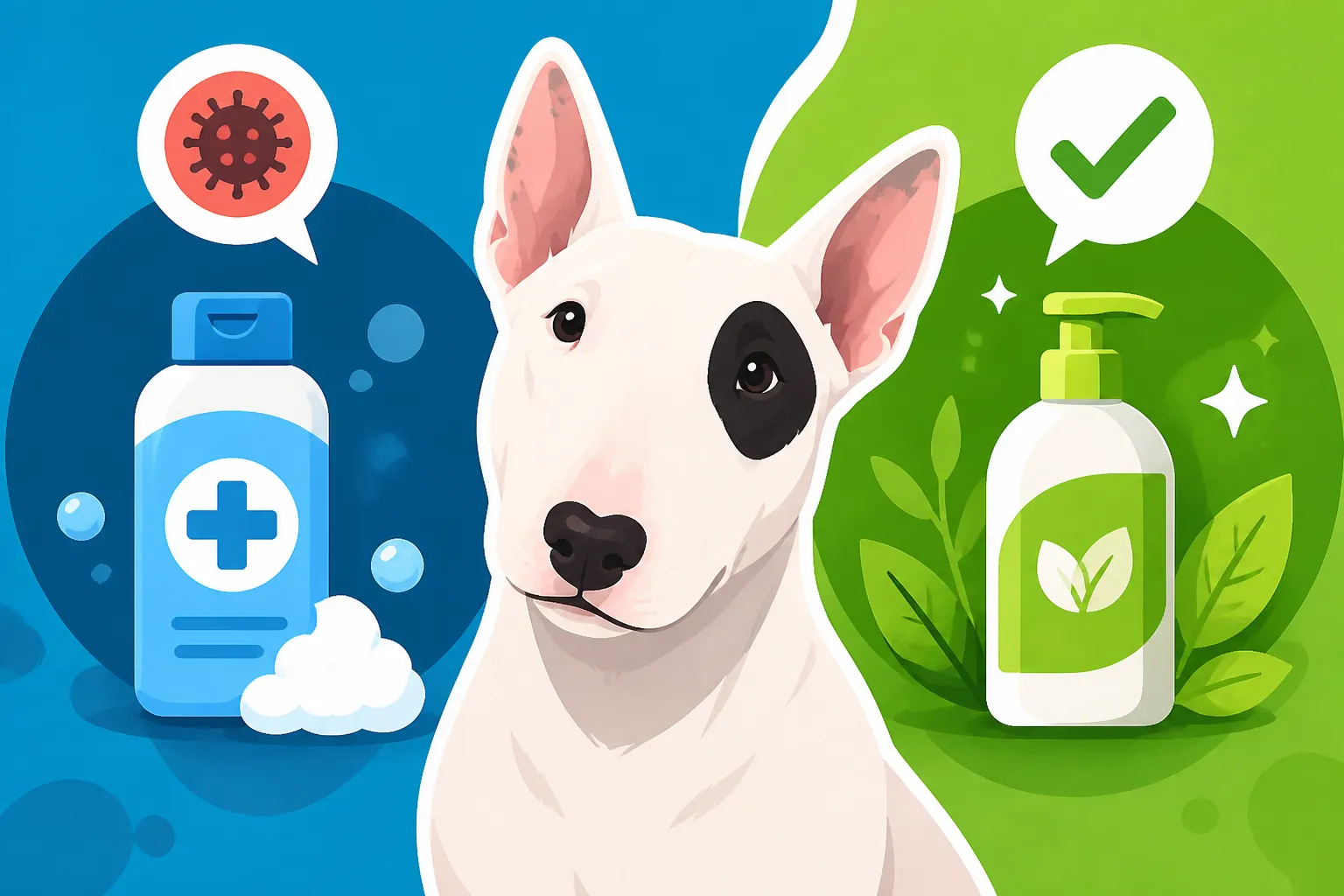
It's worth noting that not every skin irritation calls for a powerful medicated shampoo. Often, for mild dryness, general itchiness, or as a maintenance shampoo after a medicated course, your vet might recommend a soothing or hypoallergenic shampoo. These are not technically "medicated" in the sense of containing active drugs to kill pathogens, but they are crucial for maintaining skin health. Ingredients like oatmeal, aloe vera, and gentle emollients help to moisturize the skin, reduce inflammation, and calm irritation without harsh chemicals or fragrances that could trigger further sensitivities in a Bull Terrier.
These shampoos are excellent for providing comfort and supporting the skin's natural barrier function. They can be particularly useful for Bull Terriers prone to environmental allergies, helping to wash away pollen and irritants after outdoor activities. While they won't cure an infection, they can prevent minor irritations from escalating and keep your Bull Terrier feeling more comfortable. Many brands, including those found on Chewy or Amazon, offer excellent gentle formulations designed for sensitive skin, but always double-check the ingredient list and consider your vet's suggestions for Which Shampoo Suits a Bull Terrier's Skin.
Here's a quick overview of common medicated shampoo types and their uses:
| Shampoo Type | Common Active Ingredients | Primary Use | What it Treats |
|---|---|---|---|
| Antibacterial | Chlorhexidine, Benzoyl Peroxide | Bacterial skin infections (Pyoderma) | Staph bacteria, hot spots, folliculitis |
| Antifungal | Miconazole, Ketoconazole | Fungal and yeast infections | Ringworm, Malassezia yeast overgrowth |
| Antiparasitic | Pyrethrin, Selenium Sulfide | External parasites | Fleas, ticks, mites (e.g., Demodex) |
| Keratolytic/Seborrheic | Salicylic Acid, Coal Tar, Sulfur | Seborrhea (oily or dry skin, scaling) | Dandruff, greasy coat, hyperkeratosis |
| Soothing/Hypoallergenic | Oatmeal, Aloe Vera, Ceramides | General dryness, mild itch, allergy relief | Irritated skin, maintenance after treatment |
The Process of Bathing a Bull Terrier with Medicated Shampoo
Giving a Bull Terrier a bath can be an adventure, even with regular shampoo. Adding the need for specific contact times and a potentially unwell dog can make it a real challenge. But with the right approach and a calm demeanor, you can make the process as stress-free and effective as possible for your furry friend.
Preparing for a Medicated Bath
Before you even turn on the water, get everything ready. Gather your medicated shampoo, several towels (maybe even an old one you don't mind getting stained), a non-slip mat for the tub or shower, cotton balls for your Bull Terrier's ears (to prevent water from getting in and causing ear infections), and plenty of high-value treats. Make sure the bathroom is warm, as a damp Bull Terrier can get cold quickly, especially if they're not feeling well. If your dog is anxious about baths, a calm, reassuring tone and perhaps some prior positive association with the bathroom can help. A lick mat smeared with peanut butter stuck to the side of the tub can be a lifesaver, providing a distraction and positive reinforcement throughout the bath.
Brushing your Bull Terrier thoroughly before the bath is also a good idea. This helps remove loose hair, dirt, and any matted fur, allowing the shampoo to reach the skin more effectively. This initial grooming also allows you to check for any new What a Bull Terrier's Bald Patch Means or other skin lesions that your vet might need to know about.
Step-by-Step Application
Now for the main event! First, thoroughly wet your Bull Terrier's coat with lukewarm water. Make sure the water penetrates all the way down to the skin, not just the surface fur. Start from the neck and work your way down, being careful around their face. Many Bull Terriers aren't huge fans of water directly on their face, so use a damp cloth to gently wipe that area.
Next, apply the medicated shampoo. Start with a small amount and work it into a rich lather, again beginning from the neck and moving down their body, including legs and tail. Pay special attention to any areas of particular concern, such as red patches, scabs, or areas of hair loss. Massage the shampoo deeply into the skin. This isn't just about cleaning; it's about ensuring the active ingredients make direct contact with the affected skin cells and pathogens. Refer to your vet's instructions or the product label for the specific "contact time" – this is usually 5-10 minutes. During this time, keep your Bull Terrier engaged with the lick mat or gentle praise. Don't leave them unattended with shampoo on their coat.
Once the contact time is up, rinse, rinse, rinse! This is arguably the most crucial step. Any residue left on the skin can cause irritation or even make the problem worse. Use plenty of lukewarm water and keep rinsing until the water runs clear and you can no longer feel any slickness on their coat. Finally, gently towel dry your Bull Terrier. If they tolerate a low-heat hairdryer, that can help ensure they are completely dry, preventing new yeast or bacterial growth in damp areas.
Frequency and Duration of Treatment
The frequency and duration of medicated shampoo treatments are entirely dependent on your Bull Terrier's specific diagnosis and your vet's recommendations. There's no one-size-fits-all answer here. For acute infections, your vet might recommend bathing every other day or every few days initially, then gradually reducing the frequency as the skin condition improves. For chronic conditions or as a maintenance therapy for allergies, baths might be prescribed once a week or every couple of weeks.
It's absolutely vital to stick to the schedule your veterinarian provides, even if your Bull Terrier's skin appears to be getting better. Stopping treatment too soon can lead to a quick relapse of the infection. Your vet will advise you on how long the course of treatment should last and when to schedule a follow-up appointment to assess progress. They may also discuss additional supportive care, such as supplements or dietary changes, to support overall skin health. Remember, consistency is your greatest ally in clearing up stubborn skin issues.
Potential Pitfalls and Important Considerations
While medicated shampoos are powerful tools in managing Bull Terrier skin conditions, they're not without their potential downsides. Understanding these pitfalls and adopting a holistic approach can help you navigate treatment successfully and ensure your Bull Terrier's long-term well-being.
Overuse and Misuse
One of the biggest mistakes owners make is overusing or misusing medicated shampoos. It's a common misconception that if a little is good, more must be better. However, medicated shampoos are potent. Using them too frequently, or when they're not actually needed, can strip your Bull Terrier's skin of its natural oils, leading to excessive dryness, irritation, and a compromised skin barrier. This can actually make your Bull Terrier more susceptible to future infections or exacerbate existing conditions. Think of it like using a strong antibiotic when you only have a common cold – it's unnecessary and can cause more problems than it solves.
Furthermore, using a medicated shampoo designed for one type of infection (e.g., antifungal) to treat another (e.g., bacterial) will be ineffective and can delay proper treatment. This misuse can also mask underlying symptoms, making it harder for your vet to get an accurate diagnosis later on. Always, always defer to your vet's instructions regarding the specific product, concentration, frequency, and contact time. Don't assume.
Allergic Reactions to Shampoos
Just as Bull Terriers can have allergies to food or environmental factors, they can also have reactions to ingredients within shampoos themselves, even medicated ones. While these shampoos are designed to help, your individual Bull Terrier might be sensitive to a specific fragrance, dye, preservative, or even an active medicinal ingredient. Symptoms of an allergic reaction to a shampoo can include increased redness, intensified itching, hives, swelling, or even new rashes appearing after bathing. If you notice any worsening of your Bull Terrier's condition, or the appearance of new, concerning symptoms immediately after a medicated bath, rinse their coat thoroughly with plain water and contact your veterinarian right away.
It’s important to share any known sensitivities or previous reactions with your vet so they can select the most appropriate and safest shampoo for your Bull Terrier. Sometimes, a patch test on a small area of skin might even be recommended before a full bath, especially if your Bull Terrier has a history of severe allergies or very reactive skin. Always be observant during and after the first few medicated baths.
The Importance of a Holistic Approach
Medicated shampoos are a fantastic tool, but they are often just one piece of a much larger puzzle when it comes to managing Bull Terrier skin health. A truly effective approach is a holistic one that addresses all contributing factors. This means looking beyond just the skin surface. Diet plays a massive role in skin and coat health; a high-quality, balanced diet rich in omega fatty acids can support a healthy skin barrier. For Bull Terriers with allergies, a hypoallergenic diet might be necessary. You might want to explore topics like Whether a Bull Terrier's Skin Improves With Diet.
Environmental factors are also crucial. Regularly cleaning your home to reduce dust mites, using hypoallergenic bedding, and considering air purifiers can make a big difference for Bull Terriers with environmental allergies. Consistent, gentle grooming routines, even between medicated baths, can also prevent skin issues from flaring up. This includes regular brushing, checking for any new bumps or irritations during your The Weekly Skin Check Every Bull Terrier Needs, and ensuring their skin stays moisturized. And, of course, regular follow-up appointments with your vet or a veterinary dermatologist are essential to monitor progress and adjust treatment plans as needed.
Where to Find Quality Medicated and Gentle Shampoos
Once your veterinarian has given you a diagnosis and a specific recommendation, the next step is acquiring the right shampoo. This can sometimes feel like a treasure hunt, but with clear guidance, you'll know exactly where to look for reliable products.
Consulting Your Veterinarian for Recommendations
Your veterinarian is, without a doubt, your primary and most trusted resource when it comes to medicated shampoos. They have access to professional-grade products that may not be available over-the-counter, and they can provide precise instructions on dosage, frequency, and contact time. Often, they will stock the specific medicated shampoo they recommend directly at their clinic, making it incredibly convenient for you to get started with treatment right away. This also ensures you’re getting the exact product they had in mind for your Bull Terrier’s unique situation.
Beyond just handing you a bottle, your vet can also explain the active ingredients, potential side effects, and what to look out for during treatment. This personalized guidance is invaluable and ensures you're not just buying a product, but implementing a tailored treatment plan. Don't hesitate to ask them about alternatives if the first recommended option proves difficult to obtain or if your Bull Terrier reacts negatively to it.
Reputable Online Retailers and Pet Stores
Once you have a specific product name or active ingredient from your vet, you have more options for where to purchase it. Reputable online retailers are often a convenient choice, especially if your vet doesn't carry the product or if you need to buy in bulk. Websites like Chewy and Amazon offer a vast selection of pet products, including many veterinary-recommended shampoos. When ordering online, always double-check the product name, the active ingredients, and the concentration to ensure it matches your vet's recommendation exactly. Read reviews, but remember that individual results vary, and your vet's advice is paramount.
Some larger pet store chains also carry a selection of medicated or specialty shampoos. While they might not have the full range of prescription-strength options your vet offers, they often stock gentle, hypoallergenic, or soothing shampoos that are excellent for maintenance or minor irritations. Always check the labels carefully and, if in doubt, take a picture of the ingredients and product name to send to your vet for approval before purchasing. Remember, a "natural" or "gentle" label doesn't always mean it's right for a specific medical condition, so always prioritize your vet's clinical advice.
Disclaimer
This article is for general informational purposes only and does not constitute professional advice. Laws, prices and regulations vary by location and change over time. Consult a qualified professional for guidance on your specific situation.