Ears, Eyes and Tail: the Parts of a Bull Terrier to Check
One of the most common pitfalls new Bull Terrier owners fall into is thinking that because these dogs have short coats, they're low maintenance. While that might be true for a quick brush, the real work lies in the details—specifically, their ears, eyes, and tail, which are prone to specific issues that can quickly escalate if you're not paying attention. This guide will walk you through exactly what to look for, how to perform routine checks, and when to know it's time to call in the professionals, ensuring your quirky companion stays as healthy and happy as possible.
Why Daily Checks Aren't Just for Show Dogs: The Bull Terrier Advantage
You might picture show dogs undergoing rigorous daily grooming sessions, but for a Bull Terrier, regular, proactive checks of their ears, eyes, and tail aren't about winning ribbons; they're about preventing discomfort, pain, and expensive vet bills down the line. Our beloved Bullies are famously stoic, often hiding signs of pain or irritation until a problem is well advanced. This means the responsibility falls squarely on us, their human companions, to be vigilant and spot potential issues before they become major headaches.
Beyond the Breed Standard: Health and Comfort
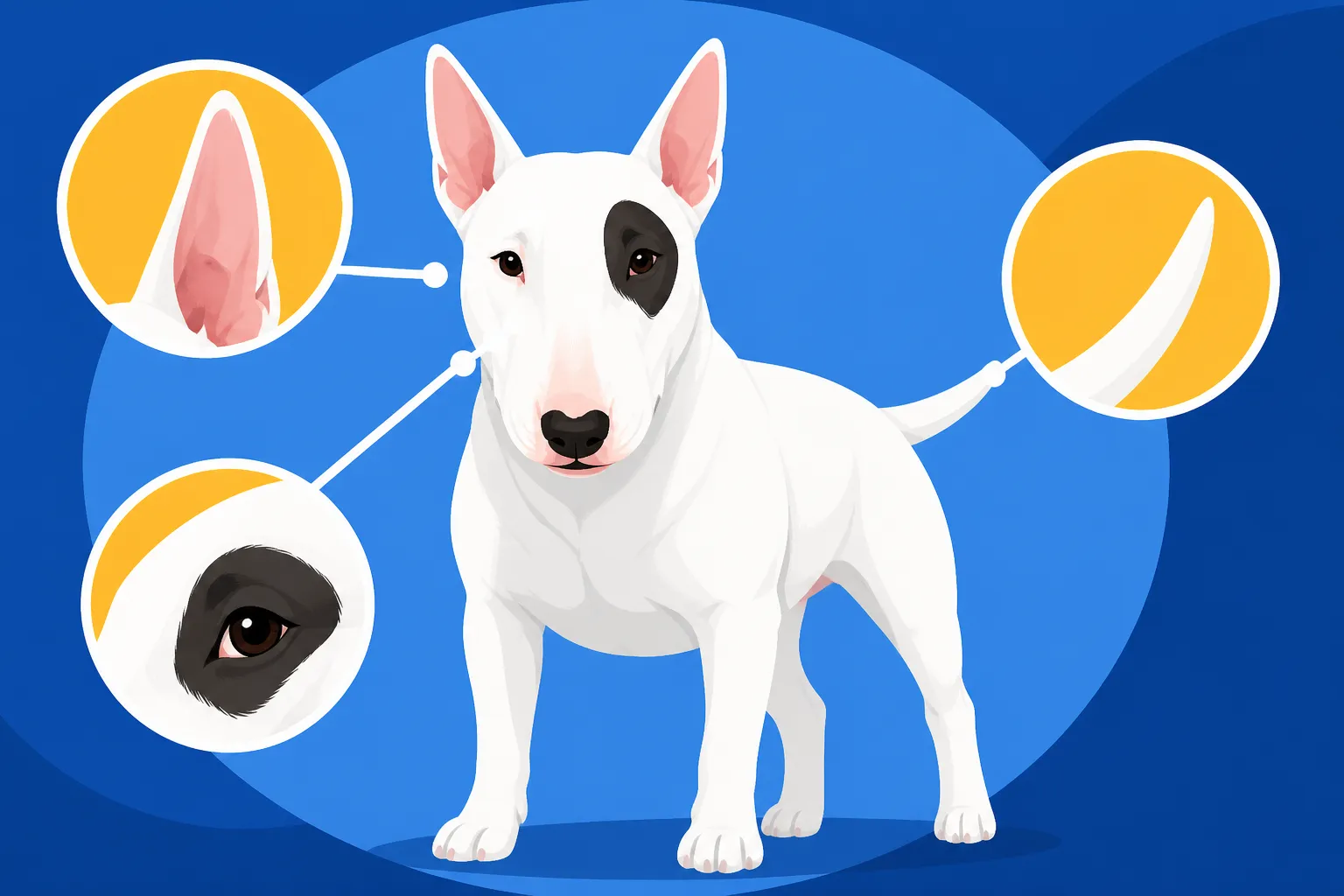
While the breed standard talks about "small, triangular eyes" and "fine ears," for an owner, these descriptors translate into areas that need special attention. A Bull Terrier's erect, open ears, for example, can be magnets for debris and moisture, leading to infections. Their distinctive, deep-set eyes, while charming, can sometimes harbor irritants or show subtle signs of deeper health concerns. And that wagging tail, often an instrument of pure joy, can also be surprisingly vulnerable to injury. Understanding these unique characteristics isn't just about appreciating the breed; it's about safeguarding their daily comfort and long-term health. We want our dogs living their best lives, free from preventable irritation.
Think of it like this: you wouldn't ignore a persistent cough in a child, expecting them to just "power through" it. Our Bull Terriers deserve the same level of attentive care. These daily checks become a bonding ritual, a quiet moment where you connect with your dog, not just as a pet, but as a cherished family member whose well-being depends on your watchful eye. It's about being proactive, not reactive, and catching those little things before they blossom into big, uncomfortable problems.
The Bull Terrier's Stoic Nature: Why You Need to Look Closer
One of the most endearing, yet challenging, traits of a Bull Terrier is their incredible resilience and tendency to mask discomfort. They aren't complainers by nature. A Bull Terrier might have a painful ear infection, a scratch in its eye, or a sore tail, and still greet you with a full-body wiggle and an enthusiastic demand for a walk. This "tough dog" facade can sometimes fool even experienced owners into thinking everything is fine, when beneath the surface, an issue is brewing. This is why a hands-on, thorough check is so crucial.
You can't just rely on them vocalizing pain or limping obviously. Often, the first signs are subtle changes in behavior: a slight head tilt, more frequent blinking, or a less vigorous wag. By making these checks a routine part of your day, you train yourself to notice these minute deviations from their normal happy-go-lucky selves. It's about learning their language, not just relying on human expectations of how pain should manifest. This vigilance is a testament to the deep love and commitment we have for these unique dogs.
Decoding Your Bull Terrier's Unique Ears
The Bull Terrier's ears are a hallmark of the breed, standing erect and pointing forward, giving them that alert, intelligent expression. While these upright ears look sturdy, they are actually quite delicate and require regular attention. Because they are open and exposed, they can easily collect dirt, dust, pollen, and even tiny insects, all of which can lead to irritation or infection. Understanding how to properly inspect and clean them is fundamental to your Bull Terrier's overall well-being.
The Erect Ear: What to Look For and How to Clean It
When you're inspecting your Bull Terrier's ears, you want to be looking for a few key things. First, take a good sniff. A healthy ear should have little to no odor. If you detect a yeasty, sweet, or generally unpleasant smell, that's often the first sign of trouble. Next, look inside the ear canal. It should be clean, pale pink, and relatively free of excessive wax or debris. A small amount of light brown wax is normal, but dark brown, black, or yellowish discharge, especially if chunky or profuse, is a red flag. Redness, swelling, or any scabs or sores on the pinna (the floppy part) or inside the canal also warrant investigation. How Often a Bull Terrier's Ears Need Checking should guide your routine.
For cleaning, consistency is key. You don't need to deep-clean every single day, but a quick visual inspection and a gentle wipe with a damp cotton ball once or twice a week is a great preventative measure. When it's time for a more thorough cleaning, use a veterinarian-approved ear cleaner. Never use cotton swabs deep inside the canal, as this can push debris further in and potentially damage the eardrum. Instead, apply the cleaner to a cotton ball or a soft cloth, then gently wipe the visible parts of the outer ear and the entrance to the canal. Many owners find it helpful to gently massage the base of the ear to help loosen any wax after applying the cleaner. Your Bull Terrier might shake their head vigorously afterward, which is normal and helps dislodge any remaining liquid.
Common Ear Issues: From Mites to Allergies
Bull Terriers, like many breeds, are susceptible to a range of ear problems. Ear mites, while more common in puppies, can affect dogs of any age, causing intense itching and producing a dark, crumbly discharge that often resembles coffee grounds. These tiny parasites are highly contagious and require veterinary treatment. Another prevalent issue is yeast infections, which thrive in warm, moist environments. You'll often notice a strong, sweet-sour odor, along with reddish skin and a brownish-yellow discharge. Bacterial infections, on the other hand, can present with a more pus-like discharge and a foul odor, often accompanied by pain and swelling.
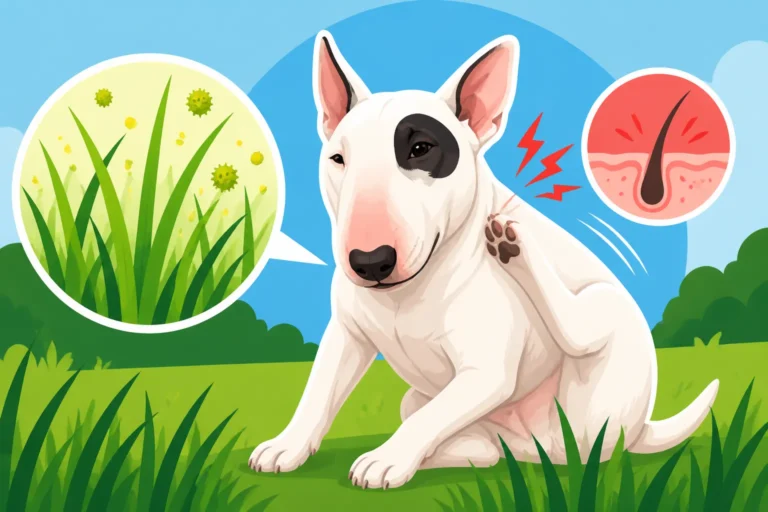
Beyond infections, many Bull Terriers suffer from allergies, which can manifest as chronic ear inflammation. If your dog is constantly scratching their ears, rubbing their head, or shaking it frequently, and there are no visible signs of mites or obvious infection, allergies might be the culprit. This can be food-related or environmental. Addressing the underlying allergy is crucial to resolving recurrent ear issues, as simply treating the secondary infection won't prevent it from returning. If you're consistently dealing with ear problems, it's worth discussing allergy testing with your vet. How Often a Bull Terrier Gets Ear Mites can provide more detail on these tiny pests.
When to Call the Vet About Ear Problems
Knowing when a home remedy or routine cleaning isn't enough is critical. If you notice any of the following signs, it's time to book an appointment with your veterinarian: a strong, persistent odor; excessive discharge (especially if it's yellow, green, or black); redness, swelling, or heat in or around the ear; scabs, sores, or excessive hair loss; persistent head shaking or ear scratching; reluctance to have their ears touched; pain when opening their mouth; or any changes in balance or hearing. These could all indicate a serious infection or other underlying condition that requires professional diagnosis and treatment.
Your vet will likely use an otoscope to look deep into the ear canal, check for foreign bodies, assess the eardrum, and may take a swab for microscopic analysis to identify bacteria, yeast, or mites. Timely intervention can prevent infections from becoming chronic, spreading deeper into the ear, or causing permanent damage. Never try to treat a suspected infection with old medications or home remedies without a proper diagnosis, as this can often make the problem worse or mask important symptoms. Remember, your vet is your best partner in keeping your Bull Terrier's ears healthy. You can find many of these ear cleaning solutions and even ear-specific dietary supplements on sites like Chewy, but always check with your vet before introducing anything new into their care routine, especially if there's an active issue.
Navigating the Bull Terrier's Triangular Eyes
The Bull Terrier's eyes are truly unique, small, dark, and set deep within their skull, giving them that iconic triangular appearance. This distinctive look, while adorable, also means their eyes need careful monitoring. Unlike some breeds with large, exposed eyes, a Bull Terrier's eyes are relatively protected, but this doesn't make them immune to problems. In fact, their deep-set nature can sometimes make it harder to spot issues until they've progressed, making your routine checks all the more important.
The Distinctive Eye: What's Normal and What's Not
When you're looking at your Bull Terrier's eyes, you want to see them clear, bright, and free of excessive discharge. The whites of their eyes (the sclera) should be white, without any significant redness or yellowing. Their pupils should be equal in size and react to light. A small amount of clear, watery discharge, especially in the mornings, can be normal and easily wiped away. However, any thick, colored discharge—yellow, green, or white—is a definite sign of trouble. You should also watch for excessive tearing, redness in the conjunctiva (the pink tissue around the eye), cloudiness of the cornea, or any visible foreign objects.
Sometimes, you might notice their third eyelid (nictitating membrane) showing more than usual, or a haziness developing, particularly in older dogs. These are all clues that something might be amiss. A healthy Bull Terrier's eyes should look vibrant and alert, reflecting their curious and playful nature. Any dullness or signs of discomfort, like squinting or rubbing their face, should be immediately investigated.
Cleaning and Caring for Those Small, Deep-Set Eyes
Regular, gentle cleaning around the eyes can prevent buildup and reduce the risk of irritation. Use a soft, clean cloth or a cotton ball dampened with warm water to gently wipe away any crusts or discharge from the corners of their eyes. Always wipe away from the eye, towards the nose, and use a fresh part of the cloth or a new cotton ball for each eye to prevent cross-contamination if one eye is infected. If your Bull Terrier has a lighter coat, you might notice some tear staining, which is a brownish discoloration in the fur below the eye. While often cosmetic, excessive tear staining can sometimes indicate blocked tear ducts or irritation, so it's worth mentioning to your vet if it's new or worsening.
Remember, the goal is gentle care. Never put anything directly into your dog's eye unless specifically instructed by a veterinarian. If you suspect a foreign object or irritation, resist the urge to rub or try to remove it yourself, as this can cause further damage. Instead, flush the eye gently with a sterile saline solution (the kind made for human contact lenses, without any added chemicals or preservatives) or plain water. This can sometimes dislodge minor irritants. However, if the irritation persists or worsens, professional help is needed.
Eye Problems to Watch For in Bull Terriers
Bull Terriers can be prone to several eye conditions. Conjunctivitis, or "pink eye," is a common inflammation of the eye's lining, often caused by allergies, bacteria, or viruses, and presents with redness, swelling, and discharge. Corneal ulcers, which are open sores on the surface of the eye, can be incredibly painful and are often caused by trauma, foreign bodies, or chronic irritation. Symptoms include squinting, excessive tearing, redness, and cloudiness. These require immediate veterinary attention to prevent permanent vision loss. Signs a Bull Terrier's Eye Is Irritated offers more insight into these issues.
Other conditions to be aware of include dry eye (keratoconjunctivitis sicca), where the eyes don't produce enough tears, leading to chronic irritation and potential damage. You might see a thick, sticky discharge and redness. In some cases, Bull Terriers can also develop primary lens luxation, where the lens of the eye detaches, causing pain and vision problems. This is an emergency condition. While less common, glaucoma, an increase in eye pressure, can also occur. Any sudden changes in your Bull Terrier's eyes, particularly signs of pain, vision impairment, or severe redness, should prompt an immediate call to your vet. Products like saline washes can be purchased from Amazon, but again, always consult with your vet if you suspect a medical problem.
Understanding and Protecting Your Bull Terrier's Tail
That thick, low-set, tapering tail of a Bull Terrier isn't just for balance; it's a powerful indicator of their mood and a tool for communicating their boundless joy. A happy Bull Terrier's tail can wag with such incredible force and enthusiasm that it can become a source of injury, both to itself and to anything (or anyone) in its path. Protecting this expressive appendage is an often-overlooked aspect of Bull Terrier care, but one that can prevent a lot of pain and mess.
The Bull Terrier Tail: A Happy Danger Zone
Imagine the sheer power behind a Bull Terrier's full-body wag – it’s like a happy, blunt instrument. This incredible strength, coupled with their short, sparse hair, can make their tails vulnerable to what is affectionately (and sometimes frustratingly) known as "happy tail syndrome." It's not a medical condition in itself, but rather a descriptive term for repetitive trauma to the tail tip. Picture a Bull Terrier thumping its tail against a hard wall, a kennel bar, or even a piece of furniture, day in and day out, fueled by pure excitement. The skin on the tail tip can easily split open, creating a wound that is incredibly difficult to heal because, well, the dog just keeps wagging it!
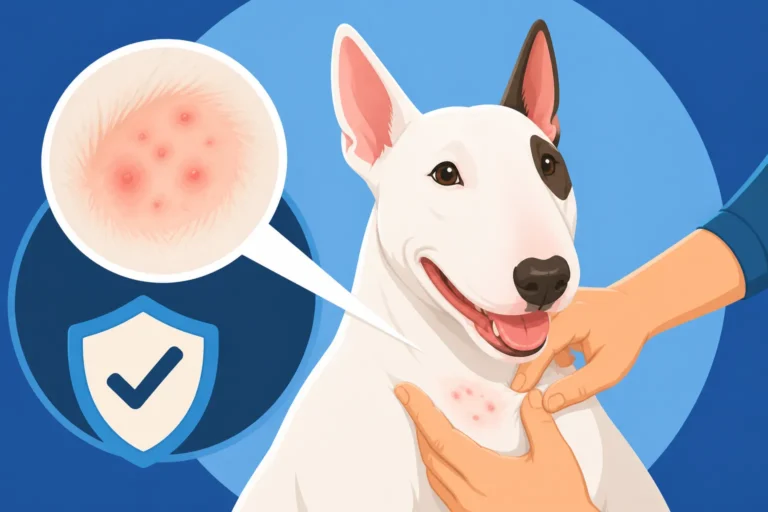
Beyond "happy tail," the tail can also be subject to simple cuts, scrapes, or even fractures, especially if it gets caught in a door or is stepped on. Because the tail is an extension of the spine, any severe injury can be quite painful and might require more than just a quick bandage. During your regular checks, feel along the length of the tail for any bumps, swelling, or areas of tenderness. Look for any scabs, redness, or hair loss. A healthy Bull Terrier tail should move freely and look consistent from base to tip, without any obvious abnormalities.
"Happy Tail" Syndrome: More Than Just a Wag
"Happy tail syndrome" is a frustrating cycle. The dog wags its tail, hits something hard, the skin splits, it bleeds. You clean it, bandage it, and the dog, being a Bull Terrier, sees you, gets excited, and wags its tail again, reopening the wound. It's a testament to their joyful spirit, but a nightmare for healing. The continuous motion makes it almost impossible for the wound to scab over and heal properly. This can lead to chronic infections and, in severe cases, the unfortunate necessity of tail amputation. How a Bull Terrier Injures Its Tail highlights just how easily this can happen.
Prevention is key. If you know your Bull Terrier is a vigorous wagger, especially in confined spaces like a crate or certain areas of your home, try to minimize hard surfaces. You might consider soft bumpers on crate walls or moving furniture away from common wagging zones. For dogs that frequently hit their tail, protecting the tip before an injury occurs can be very beneficial. This might involve a specialized tail bandage or wrap designed to cushion the tip.
Preventing and Managing Tail Injuries
Once a tail injury, particularly "happy tail," occurs, managing it becomes a top priority. The first step is to gently clean the wound with a mild antiseptic solution, like chlorhexidine diluted with water, or simply warm water and gentle soap. Dry the area thoroughly. Then, you need to apply a protective dressing. This isn't just any bandage; it needs to be secure enough to stay on despite wagging, but not so tight that it cuts off circulation. Often, vets recommend a combination of a non-stick pad, gauze, and self-adhesive veterinary wrap. You can find options for bandages and antiseptic sprays on platforms like Amazon or Chewy, making it easy to keep a first-aid kit stocked.
It's crucial to check and change the dressing frequently to ensure the wound stays clean and dry. Your vet may also prescribe antibiotics if there's an infection. In some stubborn cases, where the tail tip simply won't heal due to constant re-injury, your veterinarian might recommend a short course of medication to help calm the dog or even a light sedation to allow the wound to start healing. Sometimes, an Elizabethan collar (the "cone of shame") can be necessary, not to stop them from licking, but to create a barrier between the wagging tail and hard surfaces. If your Bull Terrier has a persistent tail injury, or if the wound is deep, large, or shows signs of severe infection, immediate veterinary attention is paramount. How to Treat a Bull Terrier's Happy Tail provides more guidance.
Putting It All Together: A Weekly Head-to-Tail Routine
You might be thinking, "This sounds like a lot of work!" And yes, consistent care requires effort, but integrating these checks into a regular routine makes them much less daunting. Instead of a sporadic, panicked inspection when you suspect a problem, imagine a calm, positive weekly session that strengthens your bond with your Bull Terrier and allows you to catch issues early. This proactive approach saves you stress, saves your dog discomfort, and often saves you money in the long run by preventing minor problems from becoming major ones.
Establishing a Positive Inspection Routine
The key to a successful routine is to make it a positive experience for your Bull Terrier. Start early, especially with puppies, associating handling with praise, gentle words, and delicious treats. Don't force anything. If your dog resists, back off, try again later, or break it down into smaller steps. For instance, one day you might just gently touch their ears, give a treat, and stop. The next, you might briefly lift the ear flap. Gradually, they'll learn that these checks are nothing to fear and often lead to tasty rewards. This is also a great opportunity for some quiet bonding time, just you and your Bull Terrier.
Pick a consistent time and place. Maybe it's after their evening walk, while they're relaxed, or during a quiet moment on the sofa. Lay them down or have them sit comfortably. Work through each area systematically: start with the ears, move to the eyes, then the mouth and teeth, and finally the tail and paws. By having a predictable order, you're less likely to miss anything, and your Bull Terrier will learn what to expect. This routine isn't just for spotting problems; it's also about reinforcing their comfort with handling, which is invaluable for vet visits and grooming.
Essential Tools for Your Bull Terrier's Care Kit
Having the right tools on hand makes these routine checks much easier and more effective. You don't need a professional groomer's arsenal, but a few key items will be incredibly helpful.
| Tool Category | Specific Items | Purpose |
|---|---|---|
| Ear Care | Vet-approved ear cleaner, cotton balls/pads | Cleaning external ear, wiping away debris |
| Eye Care | Soft, clean cloths; sterile saline solution | Wiping away discharge, flushing minor irritants |
| Tail & Skin | Mild antiseptic solution, non-stick pads, vet wrap | Cleaning minor cuts, bandaging tail injuries |
| General | High-value treats, flashlight, a good brush | Positive reinforcement, better visibility, coat health |
Keeping these items organized and readily accessible means you won't be scrambling when you need them. For example, a quality ear cleaner, recommended by your vet, should be a staple. Don't cheap out on ear cleaners, as some can be irritating. Cotton balls are perfect for gentle ear and eye wiping. For potential tail issues, a roll of self-adhesive vet wrap and some non-stick gauze pads from a brand like Johnson & Johnson or generic store brands found on Chewy or Amazon will be invaluable. And always, always have those high-value treats on hand to make every interaction a positive one. The Weekly Skin Check Every Bull Terrier Needs talks about more comprehensive skin care, but these basic tools are a great start for specific areas.
The Benefits of Consistent, Proactive Care
The biggest benefit of consistent, proactive care is early detection. Catching an ear infection in its initial stages means a simpler, less expensive, and less painful treatment course for your Bull Terrier. Ignoring it can lead to chronic infections, deep-seated pain, and potentially surgical interventions. The same goes for eye injuries or tail trauma. A small cut addressed promptly heals quickly; a neglected wound can become a serious problem. You also become intimately familiar with your Bull Terrier's normal health, making it easier to spot subtle changes that might indicate systemic issues.
Beyond health, these routines deepen your bond. Your Bull Terrier learns to trust you with their well-being, associating your touch with comfort and positive experiences. It's a fundamental part of responsible pet ownership, transforming you into a vigilant advocate for your dog's health. You're not just feeding and walking them; you're actively safeguarding their comfort and quality of life. This consistent care contributes significantly to The Ten to Fourteen Years a Bull Terrier Gets, ensuring those years are as healthy and happy as possible.
Beyond the Surface: When to Seek Professional Help
Even with the most diligent home care, there will be times when your Bull Terrier needs professional veterinary attention. Knowing when to escalate a concern from home management to a vet visit is a critical part of being a responsible owner. Never hesitate to call your vet if you're unsure; a quick phone call can often alleviate worries or confirm that an appointment is indeed necessary.
Recognizing Red Flags Across Ears, Eyes, and Tail
As we've discussed, certain signs in the ears, eyes, and tail are clear indicators that your Bull Terrier needs a vet. For the ears, persistent odor, copious discharge (especially yellow, green, or black), redness, swelling, pain, head shaking, or rubbing are all red flags. If your Bull Terrier is yelping when you touch their ear, or seems disoriented, that's an emergency. For the eyes, any sudden onset of redness, cloudiness, squinting, excessive tearing, colored discharge, or visible pain (like your dog trying to rub their eye or keeping it closed) requires immediate attention. Don't wait on eye issues. With the tail, an open wound that won't heal, deep lacerations, extreme pain, or any suspicion of a fracture (e.g., the tail hangs limply or at an odd angle) are all reasons to see the vet without delay.
It's also important to consider your dog's overall demeanor. Is your Bull Terrier normally bouncy and full of life, but now lethargic? Are they refusing food or water? These general signs of illness, coupled with any specific issues in their ears, eyes, or tail, should always prompt a vet visit. Bull Terriers can be tough, but they shouldn't have to suffer in silence.
The Importance of Regular Vet Check-ups
Even if your Bull Terrier seems perfectly healthy, routine veterinary check-ups are non-negotiable. These annual or bi-annual visits are opportunities for your vet to perform a thorough physical examination, often spotting subtle issues you might miss at home. They can conduct specific tests, such as checking for Whether a Bull Terrier Puppy Can Be Screened for Nephritis or performing a The Yearly Urine Test Every Bull Terrier Owner Should Book which are vital for breed-specific health concerns. During these visits, your vet can also professionally clean and examine ears, check eye health, and assess the tail for any underlying issues or signs of arthritis, especially in older dogs.
Think of these check-ups as your ultimate line of defense. They allow for preventative care, vaccinations, parasite control, and the establishment of a baseline for your dog's health. This baseline becomes incredibly important if your Bull Terrier does develop an issue, as it gives your vet a clear picture of what's "normal" for your individual dog. It's a partnership between you and your vet to ensure your Bull Terrier enjoys a long, healthy life.
Documenting Changes for Your Veterinarian
When you do need to take your Bull Terrier to the vet for a specific concern, having a clear and detailed account of the issue can be incredibly helpful for diagnosis. It's easy to forget details when you're worried. Try to document:
- When did you first notice the problem? (e.g., "three days ago, after our walk in the park")
- What specific symptoms are you seeing? (e.g., "left ear smells bad, scratching it constantly, brownish discharge")
- Has it gotten worse, better, or stayed the same?
- Are there any other symptoms? (e.g., "also seems a bit tired, not eating as much")
- What have you tried at home? (e.g., "wiped the ear with warm water, tried to put an old ear drop in but he wouldn't let me")
- Any recent changes in diet, environment, or routine? (e.g., "new bag of food," "we visited my sister's dog," "new cleaning product in the house")
Taking photos or even short videos of the issue, especially for something like head shaking or a visible injury, can also be extremely beneficial for your vet. This detailed information helps your vet zero in on the problem much more quickly, leading to a more accurate diagnosis and effective treatment plan. It’s all part of being the best advocate for your Bull Terrier's health, ensuring they get the timely and appropriate care they deserve.
Disclaimer
This article is for general informational purposes only and does not constitute professional advice. Laws, prices and regulations vary by location and change over time. Consult a qualified professional for guidance on your specific situation.