How to Treat a Bull Terrier’s Happy Tail
Oh, the infamous "happy tail" – if you've ever owned a Bull Terrier, or even just loved one, you know the joyous, yet sometimes destructive, force that is their tail. It's a wag that starts at their shoulders and goes all the way down, thumping against everything in its path. But what happens when that exuberant wag turns into a painful injury? It’s a heartbreaking sight for any owner: a tail tip that just won't heal, leaving blood streaks on your walls and a constant worry in your mind. This guide is here to walk you through understanding, treating, and ultimately preventing this uniquely Bull Terrier problem, helping you keep your clown's tail as happy and healthy as they are.
Understanding "Happy Tail" in Your Bull Terrier
"Happy tail" isn't just a cute phrase; it's a real and often frustrating medical issue that Bull Terrier owners frequently encounter. It's the kind of thing that catches you off guard, usually after a particularly enthusiastic greeting or a joyful zoomie session.
What Exactly Is Happy Tail?
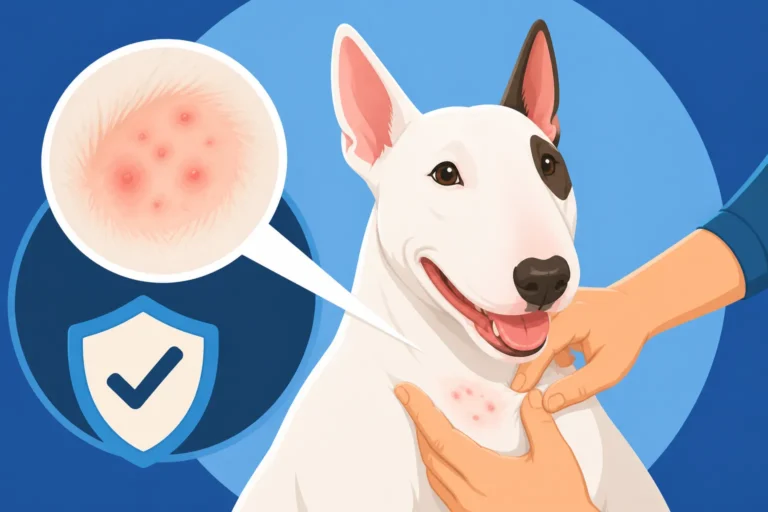
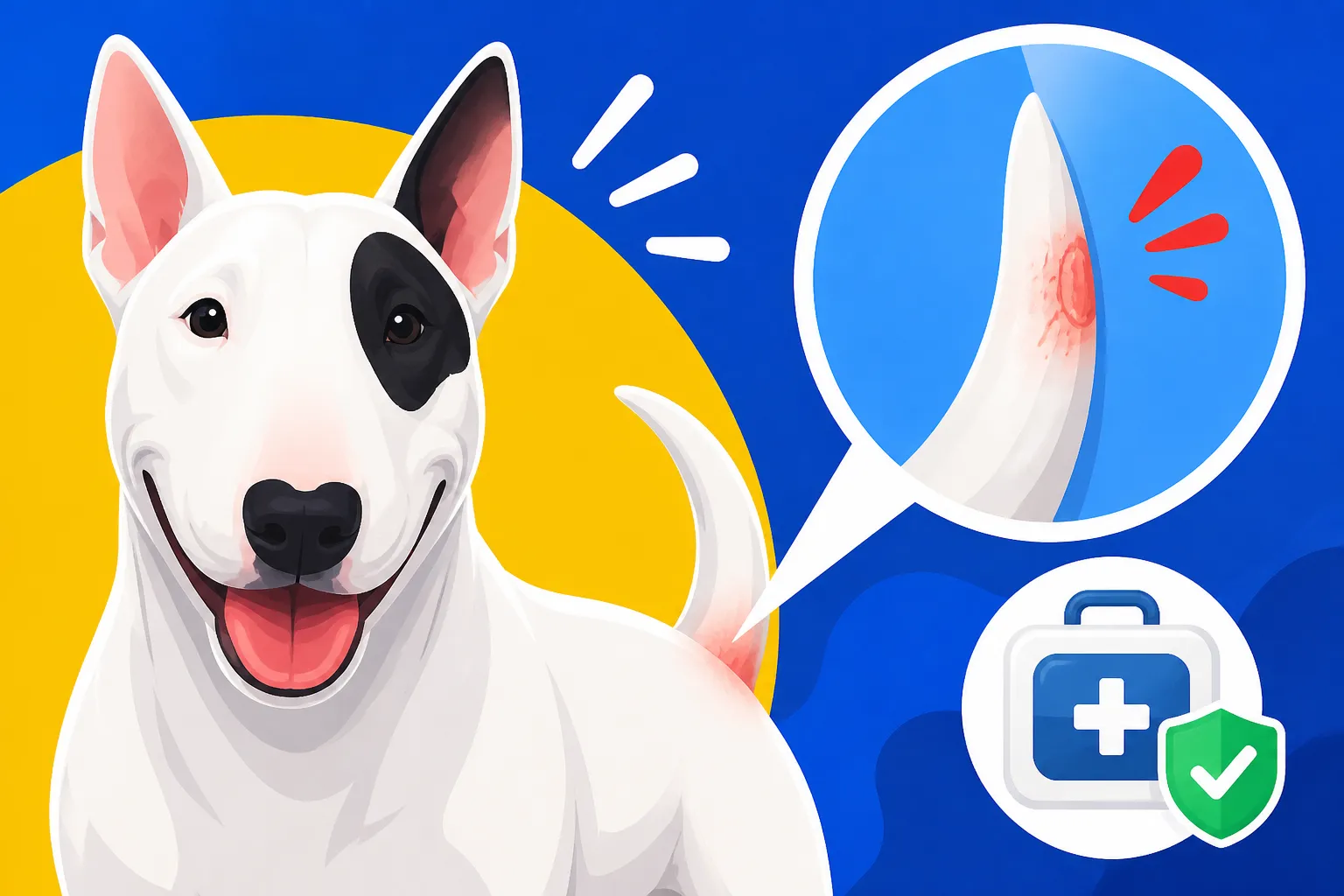
At its core, happy tail syndrome is a self-inflicted injury, typically to the tip or middle section of a dog's tail. It happens when a dog repeatedly wags its tail with such force against hard surfaces – think walls, furniture, crate bars – that the skin breaks open. Because of the sheer power and speed of a Bull Terrier's wag, and the relatively thin skin covering their tails, these injuries can be deep, bleed a lot, and be incredibly difficult to heal. It's a vicious cycle: the dog wags, the wound reopens, it gets more irritated, and the cycle continues. It’s one of those things that really drives home the reality that A Bull Terrier's Skin Is Its Weakest Point in many ways, beyond just allergies.
Many breeds can get happy tail, but our Bull Terriers seem to have a special knack for it. Their whole body gets involved in the wag, making their tail a powerful percussive instrument that just doesn't know its own strength.
Why Bull Terriers Are Susceptible
There are a few key reasons why Bull Terriers are particularly prone to happy tail, and they mostly boil down to their unique anatomy and irrepressible personalities. First, their tails are often relatively stiff and can be quite thick at the base, tapering to a fine point. This combination, when coupled with their robust muscle structure and sheer enthusiasm, means a wag packs a considerable punch. Second, their short, sparse coat doesn't offer much padding or protection for the skin underneath, especially at the more vulnerable tip. Imagine hitting your finger repeatedly with a hammer; that's essentially what happens to a Bull Terrier's tail against a hard surface.
Beyond the physical, there's the psychological component: Bull Terriers are notoriously happy-go-lucky. They greet you with their whole heart, and that means their whole body, including that powerful tail. They don't just gently swish; they thump with unbridled joy. This isn't a problem when they're in an open field, but put them in a confined space like a kennel run, a tight hallway, or even just near a coffee table, and that happy wag becomes a weapon against itself. It’s a testament to their boundless energy and affectionate nature that such a problem even exists.
Recognizing the Signs of Happy Tail
Spotting happy tail early can save you a lot of grief (and cleanup). The first signs are usually small. You might notice tiny specks of blood on your walls, especially at tail height, or a faint red mark on the sofa. Your dog might not even seem bothered at first, continuing to wag as usual. As the injury progresses, you’ll see actual blood, often quite a bit of it, as the wound struggles to scab over between wags.
Look closely at your Bull Terrier's tail, especially the last few inches. You might find:
- Redness or irritation: The skin looks raw or inflamed.
- Missing fur: The fur around the tip might be rubbed away.
- Scabs that won't stay: A scab forms, but then breaks open with the next wag.
- Oozing or bleeding: Fresh blood, sometimes in surprisingly large amounts, especially after they've been excited.
- Swelling: The tail tip might look a little puffy.
- Sensitivity: Your dog might flinch or pull their tail away if you try to touch the affected area, indicating pain.
It’s crucial to catch this early because once the skin is broken, it's very hard for it to heal on its own without intervention. Watching the tail (Whether a Bull Terrier's Tail Needs Watching) isn't just about general health; it's about proactively checking for these seemingly minor issues before they become major headaches.
Immediate First Aid and Veterinary Care
Once you’ve identified a happy tail injury, swift action is key. The goal is to stop the damage and promote healing before it spirals into a chronic problem or infection.
Stopping the Bleeding and Cleaning the Wound
Your first priority is to stop the bleeding. It can look alarming, but often, gentle pressure will do the trick. Grab a clean cloth or some sterile gauze and apply firm, direct pressure to the bleeding tip for several minutes. If the bleeding is heavy or won't stop after 5-10 minutes, that's a sign to head to the vet immediately.
Once the bleeding is controlled, it's time to clean the wound. You'll want to gently wash the area with warm water and a mild antiseptic solution. Your vet can recommend a pet-safe antiseptic, or sometimes even just a saline solution will work to remove any dirt or debris. Pat the area dry very carefully. Avoid harsh scrubbing, which can irritate the wound further. You might need a second pair of hands to distract your excited Bull Terrier during this process – a chew toy or a spoonful of peanut butter can be invaluable!
When to See the Vet
While you can manage very minor scrapes at home, happy tail often requires professional veterinary attention. You should absolutely contact your vet if:
- The bleeding is profuse or doesn't stop with direct pressure.
- The wound is deep, looks infected (redness, swelling, pus, foul odor), or seems very painful.
- Your Bull Terrier is constantly licking or chewing at the tail, which can worsen the injury.
- You’ve tried home care for a day or two, and the wound shows no signs of improvement, or it keeps reopening.
- Your dog seems generally unwell, lethargic, or develops a fever, which could indicate a systemic infection.
Don't hesitate. Happy tail can be incredibly stubborn, and an infection can quickly become serious. What seems like a small wound can turn into a big headache, both for your dog and your wallet. Investing in an emergency fund early on, perhaps What a Bull Terrier's Emergency Fund Should Hold, can ease the stress of these unexpected vet visits.
Veterinary Treatment Options
When you get to the vet, they'll thoroughly examine the tail and determine the best course of action. Common veterinary treatments for happy tail include:
- Cleaning and Debridement: The vet will meticulously clean the wound, often trimming the fur around it, and remove any dead tissue to promote healing.
- Bandaging: This is perhaps the most critical component. A specialized, well-padded bandage is applied to protect the tail, absorb any discharge, and prevent further injury. This isn't just any bandage; it often involves multiple layers, sometimes even a rigid splint or pipe, to immobilize the tip and give it a chance to heal. These bandages need to be changed regularly, often every few days, which might mean multiple vet visits or learning how to do it yourself with proper instruction.
- Sutures (Stitches): For deeper wounds, the vet might need to stitch the skin back together. However, sutures on a tail can be tricky because of the constant movement and tension.
- Antibiotics: If there’s any sign of infection, or a high risk of it, your vet will likely prescribe oral antibiotics to prevent or treat bacterial growth.
- Pain Management: Your Bull Terrier will likely be in pain, especially if the injury is significant. Your vet will prescribe pain relief medication to keep them comfortable during recovery.
- Cone of Shame (E-Collar): To prevent your Bull Terrier from licking, chewing, or interfering with the bandage, a cone will almost certainly be necessary. It’s not fun, but it’s vital for healing.
- Sedation: In some cases, especially for severe or painful wounds, or if your Bull Terrier is particularly uncooperative, sedation might be necessary for proper examination and bandaging.
The costs for these treatments can add up, from the initial consultation to repeat bandage changes and medications. It's an unfortunate part of owning a breed with such joyful energy.
Long-Term Management and Prevention Strategies
Dealing with an active happy tail injury is one thing, but preventing recurrence and ensuring long-term healing is another challenge entirely. This often involves a multi-pronged approach that addresses environment, behavior, and even diet.
Protecting the Tail During Recovery
Once your vet has cleaned and bandaged the tail, your job is to keep that bandage on and protected. This is often easier said than done with a spirited Bull Terrier!
- The Cone: As mentioned, the Elizabethan collar (e-collar or "cone of shame") is non-negotiable. Your Bull Terrier will try to get at the bandage, and the cone is your best defense. Make sure it's properly fitted so they can't reach around it.
- Tail Wraps/Protectors: Beyond the vet-applied bandage, you might need additional external protection. Some owners get creative with PVC pipes cut to size, wrapped in padding and tape, to act as a rigid shield around the tail bandage. Others use soft fabric sleeves or socks, but these offer less impact protection. You can often find specialized tail protectors online, perhaps on sites like Chewy or Amazon, designed for dogs with happy tail. The goal is to create a barrier between the tail and any hard surface.
- Crate Rest: Limiting your Bull Terrier’s movement during the initial healing phase is critical. A secure crate can prevent them from knocking their tail against furniture or walls. Make sure the crate is large enough for them to stand and turn comfortably, but not so large that they can build up momentum for a tail wag. If your Bull Terrier is particularly prone to destruction, you might need to invest in Which Crate Holds a Bull Terrier that can withstand their efforts.
- Soft Surfaces: In the areas where your Bull Terrier spends most of their time outside the crate, try to pad hard surfaces. Draping blankets or towels over sharp table corners, door frames, or even walls at tail height can reduce impact.
Recovery can be a lengthy process, often taking weeks or even months for severe cases, as tails notoriously heal slowly due to poor blood supply to the tip.
Environmental Modifications
Prevention is always better than cure, and modifying your home environment can significantly reduce the risk of future happy tail injuries.
- Pad Those Walls: Consider strategically placing padded panels or heavy fabric protectors on walls, especially in high-traffic areas or spots where your Bull Terrier frequently greets visitors. This could be in entryways, around their favorite lounging spots, or near windows they like to look out of.
- Relocate Furniture: If possible, rearrange furniture to create wider pathways and fewer obstacles for that enthusiastic tail. Move coffee tables or side tables away from areas where your Bull Terrier expresses their excitement.
- Outdoor Spaces: If your Bull Terrier spends time in a kennel or run, ensure the walls are smooth and free of sharp edges or wire mesh that could catch or damage the tail.
- Avoid Confined Spaces When Excited: Try to manage situations where your Bull Terrier gets overly excited in tight spaces. For example, when you come home, try to greet them in a more open area or outside, where their tail can wag freely without hitting anything.
It's about creating a "tail-safe zone" where your Bull Terrier can be themselves without literally injuring themselves in the process. This might involve a bit of renovation or creative decorating, but the peace of mind is well worth it.
Behavioral Adjustments and Enrichment
While you can't stop a Bull Terrier from being a Bull Terrier, you can manage their excitement and provide outlets for their energy that don't involve self-harm.
- Calm Greetings: Teach your Bull Terrier to offer a calmer greeting when you arrive home or when guests visit. This might involve ignoring them until they settle, or asking for a "sit" before showering them with attention. Positive reinforcement is key here.
- Plenty of Exercise: A tired Bull Terrier is a happy Bull Terrier, and often a calmer one. Ensure they get enough physical activity to burn off that boundless energy. How Much Exercise a Bull Terrier Actually Needs can vary, but consistent walks, playtime, and mental stimulation are crucial. A Bull Terrier with pent-up energy is more likely to launch into explosive, high-impact wags.
- Mental Stimulation: Don't forget their brains! Puzzle toys, training sessions, and scent work can tire them out mentally, leading to less restless behavior and potentially less frantic tail wagging indoors. Consider using interactive toys that dispense treats from brands like Kong or even some options you can find on Amazon to keep their minds engaged.
- Desensitization: If there are specific triggers for excessive tail wagging (e.g., the doorbell, certain people), try to gradually desensitize them to these stimuli in a controlled, positive way.
It’s about channeling that incredible zest for life into constructive activities rather than allowing it to manifest as a painful injury.
Nutritional Support for Healing
While diet alone won't cure happy tail, proper nutrition can absolutely support the healing process and promote healthy skin and coat, making future injuries less likely.
- High-Quality Diet: Ensure your Bull Terrier is on a high-quality, balanced diet that meets all their nutritional needs. A diet rich in essential fatty acids (Omegas 3 and 6) can contribute to healthy skin elasticity and resilience. Many premium dog food brands, including those found on Chewy or even fresh food services like Ollie, prioritize these ingredients.
- Omega Fatty Acid Supplements: Fish oil (omega-3s) can be particularly beneficial for skin health. Discuss with your vet whether a supplement is appropriate for your Bull Terrier and what dosage they recommend. These anti-inflammatory properties can aid in wound healing.
- Zinc Supplementation: While not directly for happy tail, zinc is vital for skin health. Bull Terriers can sometimes be prone to Zinc Responsive Dermatosis in a Bull Terrier, which makes their skin more fragile. If your vet suspects any underlying skin issues, they might recommend a zinc supplement.
Always consult your veterinarian before adding any supplements to your dog's diet, as too much of a good thing can sometimes be harmful.
Living with a Bull Terrier Prone to Happy Tail
The reality of happy tail is that for some Bull Terriers, it can become a recurring issue, turning joyful wags into a source of constant worry for their devoted owners. It truly can feel like a battle to keep the tail intact.
The Emotional Toll on Owners
Let's be honest, dealing with happy tail is incredibly frustrating. You love your Bull Terrier’s enthusiasm, but seeing blood on your walls, worrying about infection, and constantly reapplying bandages can wear you down. There's the financial strain of vet visits, the logistical nightmare of keeping a cone on, and the guilt that you can't seem to stop your dog from hurting themselves, simply by being happy. It’s a unique kind of owner angst, where their joy literally causes them pain.
It’s okay to feel overwhelmed. Many Bull Terrier owners share this struggle. Remember that you're doing your best, and this isn't a reflection of your care, but rather a stubborn trait of the breed itself. Find support in online communities or local Bull Terrier clubs where others understand exactly what you're going through. Share tips, vent your frustrations, and remember that you're not alone in this particular battle.
Essential Supplies to Have on Hand
Being prepared can make a huge difference when happy tail strikes. Assemble a basic first-aid kit specifically for tail injuries:
- Non-Stick Pads/Gauze: For covering wounds.
- Self-Adhering Bandage Wrap (Vet Wrap): This is fantastic for securing bandages without sticking to fur.
- Medical Tape: For extra security.
- Antiseptic Solution: Pet-safe wound cleanser.
- Blunt-Tip Scissors: For carefully cutting tape and wrap without nicking skin.
- E-Collar (Cone): Having one on hand that fits your Bull Terrier comfortably means immediate protection.
- Extra Bedding/Towels: To protect surfaces from blood during initial bleeding or if a bandage comes loose.
- Heavy Duty Crate: If not already using one, a sturdy crate is invaluable for managing recovery.
- Cleaning Supplies: Enzymatic cleaners for blood stains on carpets or upholstery.
Having these items readily available means you can act quickly, which can significantly improve outcomes and reduce stress when that inevitable tail thump leads to trouble. It’s part of the comprehensive care you learn to provide, much like anticipating general needs covered in What the First Year With a Bull Terrier Costs.
When Amputation Becomes a Consideration
This is the hardest conversation any Bull Terrier owner facing chronic happy tail will ever have: the possibility of tail amputation. For many, it feels extreme, even cruel. However, when happy tail becomes a persistent, painful, and unresolvable issue despite all conservative treatments, amputation of a portion of the tail may be the kindest long-term solution.
Reasons a vet might recommend amputation include:
- Chronic, Non-Healing Wounds: If the tail tip consistently reopens, gets infected, and never truly heals, leading to ongoing pain and discomfort for the dog.
- Severe Infection: An infection that has spread into the bone (osteomyelitis) or is otherwise untreatable with antibiotics.
- Degenerative Changes: Long-term damage to the tail tissue that makes healing impossible.
- Impact on Quality of Life: If the constant bandaging, cone-wearing, and pain significantly diminish your Bull Terrier's joy and ability to live a normal life.
Amputation is always a last resort, a choice made after exhausting all other options. It's a major surgery and comes with its own recovery, but for some Bull Terriers, it provides immense relief from chronic pain and allows them to live a bandage-free, truly happy life. Your vet will discuss the risks, benefits, and what recovery will entail, helping you make the most informed decision for your beloved companion.
Ultimately, dealing with happy tail requires patience, vigilance, and sometimes, a lot of creativity. But with the right approach, you can ensure your Bull Terrier’s magnificent, joyous tail remains a source of happiness, not heartache.
| Happy Tail Severity | Signs to Look For | Recommended Action |
|---|---|---|
| Minor Scrape/Abrasion | Small, superficial break in skin; slight redness; minimal or no blood; dog seems unbothered. | Clean gently with warm water/mild antiseptic. Monitor closely. Apply a light, protective bandage if possible. |
| Moderate Wound | Visible bleeding (stops with pressure); scab that keeps reopening; moderate redness/swelling; dog might occasionally lick. | Clean wound thoroughly. Apply firm pressure to stop bleeding. Secure a proper bandage. Contact vet for advice, possible antibiotics, and professional bandaging. |
| Severe Wound | Profuse bleeding that won't stop; deep cut or open sore; signs of infection (pus, foul smell); significant pain; dog constantly licking/chewing. | Immediate veterinary attention is critical. Vet will clean, possibly suture, bandage securely, prescribe antibiotics/pain meds, and enforce cone wear. |
| Chronic/Recurrent | Repeated moderate to severe injuries over time despite interventions; wound never fully heals; ongoing pain/discomfort for dog. | Consult your vet for long-term management strategies, environmental changes, and potentially discuss tail amputation as a last resort. |
Disclaimer
This article is for general informational purposes only and does not constitute professional advice. Laws, prices and regulations vary by location and change over time. Consult a qualified professional for guidance on your specific situation.