When a Bull Terrier’s Spinning Needs a Vet
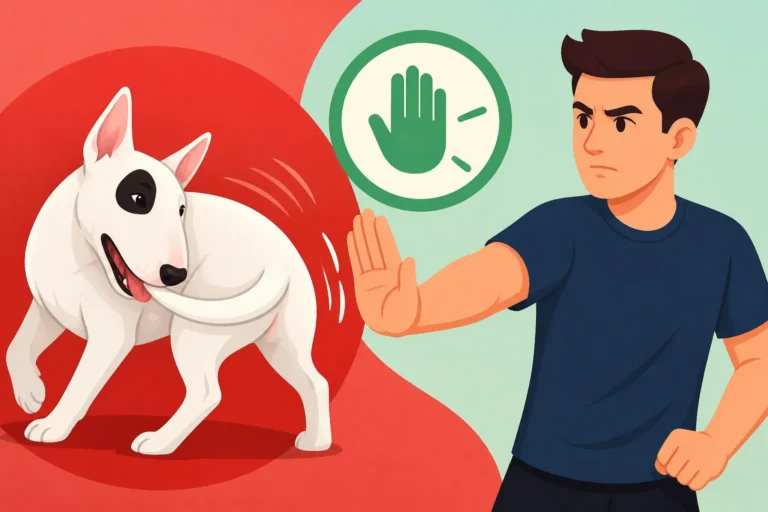
It's an experience many Bull Terrier owners know all too well: you turn your back for a moment, and your typically goofy, charming companion has suddenly transformed into a whirling dervish, chasing their tail in tight circles, sometimes for what feels like an eternity. While some tail chasing is just playful silliness, there comes a point when this quirky behavior signals something deeper, something that genuinely requires a professional veterinary assessment. This guide will help you understand when your Bull Terrier's spinning moves beyond a harmless habit and becomes a cause for real concern, requiring a visit to your vet.
Understanding Bull Terrier Spinning: More Than Just a Quirk
Bull Terriers are renowned for their unique personalities, often described as a "three-year-old in a dog suit." Their antics can be incredibly endearing, and sometimes, those antics involve a vigorous session of tail chasing or spinning. It's a behavior that can range from a quick burst of energy to a persistent, almost trance-like activity that leaves owners wondering what exactly is going on.
What Normal Bull Terrier Spinning Looks Like
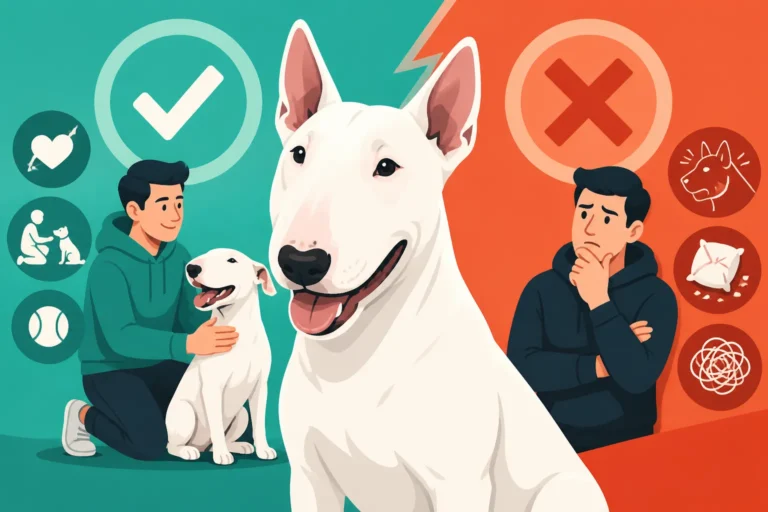
In many instances, a Bull Terrier spinning after its tail is simply an expression of pure joy, excitement, or a way to burn off a sudden burst of energy. Imagine coming home after a long day, and your Bull Terrier greets you with an enthusiastic wiggle, followed by a celebratory spin that eventually leads to a playful grab at their own tail. This kind of spinning is usually short-lived, easily interrupted, and often accompanied by other signs of happiness, like a wagging tail, relaxed body language, and bright, attentive eyes. It might happen before a walk, when a favorite toy is brought out, or when they're particularly hyped up about mealtime. It's an occasional, context-dependent behavior that seems to be a natural part of their high-energy, clownish nature. How Often a Bull Terrier Spins in a Day will often vary wildly with these 'normal' spins.
You'll notice that they can break out of it quickly if you call their name, offer a treat, or toss a ball. There's no franticness to it, no self-injury, and they're fully aware of their surroundings. It's more like a dog-version of a child doing 'zoomies' around the living room – a release of pent-up excitement. For many Bull Terrier owners, this type of spinning is just another charming trait in their beloved, quirky companion, a testament to their boundless enthusiasm for life.
When the Spinning Becomes a Concern
The line between playful antics and concerning behavior can feel blurry, but there are definite indicators that your Bull Terrier's spinning is no longer just a quirky habit. The biggest red flag is when the spinning becomes compulsive, meaning it's repetitive, difficult to interrupt, and seems to happen without an obvious external trigger. Instead of a joyful burst of energy, it might look more like an almost frantic, focused behavior where your dog seems "lost" in the moment, oblivious to your attempts to get their attention. This is often described as Why a Bull Terrier Chases Its Tail in a way that suggests a problem.
You might notice the spinning increasing in frequency or duration, or perhaps it starts to cause physical harm, like raw spots on the tail tip or pads from constant friction. If the spinning appears to stem from anxiety, stress, or boredom, or if it happens in contexts where your dog would normally be calm and relaxed, it's time to pay closer attention. When a Bull Terrier starts spinning in a vacant or almost trance-like state, unresponsive to their name or even loud noises, it definitely warrants a veterinary evaluation. This can sometimes be a sign of a more serious underlying issue rather than just a behavioral quirk, and ignoring it could lead to the problem escalating.
Medical Conditions That Can Cause Spinning
When your Bull Terrier’s spinning shifts from playful to problematic, it’s crucial to consider potential medical causes. This isn't just about behavioral issues; many physical ailments, from subtle discomfort to serious neurological conditions, can manifest as compulsive spinning or tail chasing. Ignoring these signs could mean missing an opportunity to address a treatable condition early.
Neurological Issues and Compulsive Disorders
Bull Terriers, unfortunately, are genetically predisposed to certain neurological conditions that can present as compulsive behaviors, including persistent spinning or tail chasing. One of the most common and concerning is Canine Compulsive Disorder (CCD), which in Bull Terriers, often manifests as spinning, tail chasing, or self-mutilation. This isn't just a bad habit; it's a neurological condition similar to Obsessive-Compulsive Disorder in humans. A dog caught in the throes of a compulsive spin may seem disconnected from reality, difficult to interrupt, and the behavior can escalate over time. It's a genuine struggle for the dog, not a choice.
Beyond CCD, other neurological problems can also cause spinning. Seizures, for instance, can sometimes present atypically, with a dog spinning in circles rather than the more classic convulsive movements. If you've ever wondered Whether Bull Terrier Tail Chasing Is a Seizure, it's a valid concern. Partial seizures or focal seizures can cause repetitive, automatic behaviors like spinning. Brain tumors, inflammatory conditions of the brain, or even certain metabolic disorders affecting brain function can also lead to disoriented circling or compulsive movements. These conditions require immediate veterinary attention, often involving specialized diagnostics like an MRI to get a clear picture of what's happening internally. Distinguishing between a behavioral compulsion and a neurological seizure can be challenging, even for experienced owners, and is best left to a professional. How a Bull Terrier Seizure Differs From a Spin can be subtle to the untrained eye.
Pain and Physical Discomfort
It might seem counterintuitive, but pain or discomfort in various parts of the body can absolutely drive a Bull Terrier to spin. Dogs, being masters of hiding pain, often express their distress through behavioral changes rather than overt limping or whining. If your Bull Terrier is experiencing pain in their tail, hindquarters, or even their ears, spinning can become a self-soothing mechanism, an attempt to escape or alleviate the discomfort.
For example, an ear infection, especially a deep-seated one, can cause intense itching, irritation, and disequilibrium, leading a dog to shake their head and then perhaps spin in an attempt to relieve the sensation. Spinal issues, like a pinched nerve or a disc problem, can cause radiating pain or numbness that might prompt a dog to chase their tail, trying to "catch" the source of the strange sensation. Even anal gland issues or dermatological problems around the tail base can trigger frantic tail chasing. Imagine how irritating constant itching or a dull ache can be; a dog doesn't have the same coping mechanisms as humans and might resort to repetitive movements. Always remember that any sudden change in behavior, including increased spinning, could be your Bull Terrier's subtle way of telling you they're hurting.
Other Underlying Health Concerns
Beyond neurological conditions and localized pain, a spectrum of other health issues can contribute to or directly cause a Bull Terrier to spin excessively. Nutritional deficiencies, particularly certain vitamin or mineral imbalances, can impact neurological function and lead to unusual behaviors. For instance, in some breeds, certain nutritional deficiencies have been linked to compulsive disorders. While not as common as other causes, it's still a factor to consider in a holistic approach to diagnosis.
Furthermore, issues with vision or inner ear problems (vestibular disease) can cause disorientation and a loss of balance, leading a dog to circle or spin. If your Bull Terrier is constantly bumping into things, seems wobbly, or if their head is tilted, and this is accompanied by spinning, it could point to an issue with their balance system. Even systemic diseases that cause general malaise, discomfort, or anxiety can trigger or exacerbate compulsive behaviors. A thorough vet examination, including blood work, can help rule out these broader medical concerns and ensure that no stone is left unturned in understanding why your Bull Terrier has suddenly decided to take up competitive spinning.
| Symptom Category | Normal Bull Terrier Spinning | Concerning Bull Terrier Spinning |
|---|---|---|
| Triggers | Excitement, anticipation, play, owner interaction | No obvious trigger, stress, anxiety, boredom, sudden onset |
| Duration | Short bursts (seconds to a minute) | Prolonged (minutes, hours), repetitive episodes |
| Interruptibility | Easily distracted by voice, toy, treat | Difficult or impossible to interrupt, appears "zoned out" |
| Awareness | Engaged, responsive to surroundings | Unresponsive, disconnected, eyes may seem vacant |
| Frequency | Occasional, context-dependent | Increasing frequency, daily, multiple times a day |
| Physical Signs | Playful body language, no self-harm | Self-mutilation (tail, paws), frantic movements, panting, drooling |
| Associated Behaviors | Happy tail wag, playful nips, zoomies | Hiding, aggression, anxiety, house soiling, changes in appetite |
| Age of Onset | Any age (often puppy/young adult) | Can start at any age, but sudden onset in adults is more concerning |
What to Document Before Your Vet Visit
When your Bull Terrier starts spinning in a way that worries you, the most powerful tool you have before stepping foot in the vet’s office is thorough documentation. Vets rely heavily on your observations, and a clear, detailed picture of the behavior can dramatically narrow down potential causes, saving time, stress, and sometimes, even money on diagnostics.
Keeping a Detailed Log
The human memory is notoriously fallible, especially when we're worried about our beloved pets. That's why keeping a written log is absolutely essential. Don't just make mental notes; grab a small notebook or use an app on your phone to record every instance of spinning. For each episode, you'll want to note:
- Date and Time: Precision matters. Was it always at the same time? After a certain activity?
- Duration: How long did the spinning last? Even if it's "a few minutes," try to time it.
- Triggers: What was happening right before the spinning started? Was someone at the door? Did you pick up their leash? Were they alone and bored? Was it What Sets Off a Bull Terrier's Spinning?
- What You Did to Interrupt: Did you call their name? Offer a treat? Try to physically stop them? How did they respond? Did they even seem to notice you? How to Interrupt a Bull Terrier's Tail Chasing can provide vital clues.
- Associated Behaviors: Were they panting? Drooling? Showing aggression? Did they relieve themselves inappropriately? Were their eyes dilated or vacant? Did they seem disoriented afterwards?
- Environment: Where did it happen? Indoors or out? In a quiet room or a busy one?
- Overall Health: Any changes in appetite, thirst, urination, defecation, or energy levels around the time of the spinning?
- Medications/Diet Changes: Have you recently changed their food, added supplements, or started any new medications?
A detailed log helps your vet spot patterns that might be invisible to you in the moment. It transforms anecdotal observations into concrete data points, which are invaluable for diagnosis.
Video Evidence Is Your Best Friend
A picture is worth a thousand words, and a video is worth a million, especially when it comes to observing unusual animal behavior. What you describe might be interpreted differently by your vet, but a video leaves no room for ambiguity. If your Bull Terrier is spinning, try to capture an episode on your phone. Don't worry about getting a perfect, cinematic shot; just focus on clearly showing the behavior.
Try to capture the entire episode if possible, or at least a significant portion from start to finish. Show the dog's full body, their tail, and their facial expressions. If they seem unresponsive to your voice, try to capture yourself calling their name or making a noise to demonstrate their lack of awareness. If you suspect the spinning is related to boredom or separation anxiety, setting up a home camera (many pet cameras like those on Amazon work great) to record when you're not home can provide crucial insights. Sometimes the behavior only manifests when the owner isn't present, and seeing this can be a game-changer for diagnosis. This visual evidence can help your vet determine if it's a compulsive disorder, a type of seizure, or something else entirely. It also saves your dog from potentially undergoing unnecessary stress at the clinic trying to recreate the behavior.
Preparing for a Thorough Discussion
Once you have your log and videos, organize your thoughts for your vet appointment. Think about your Bull Terrier's full history:
- Puppyhood: Did the spinning start early? Were there any unusual behaviors as a puppy? The Age Bull Terrier Tail Chasing Starts can be an important piece of information.
- Past Medical Issues: Any previous injuries, illnesses, or surgeries?
- Current Medications: List everything they are taking, even supplements.
- Diet: What do they eat, how much, and how often?
- Exercise Routine: How much physical and mental exercise do they get daily?
- Household Changes: Any new pets, people, or significant changes in routine at home?
Be prepared to answer questions honestly and openly. Remember, your vet is your partner in this, and providing them with all the pieces of the puzzle gives your Bull Terrier the best chance at an accurate diagnosis and effective treatment plan. Think about any questions you have as well, so you don't leave feeling overwhelmed or confused.
What to Expect at the Vet and Beyond
Bringing your Bull Terrier to the vet for compulsive spinning can feel daunting, especially if you’re unsure of the cause. Knowing what to expect during the diagnostic process and potential treatment options can help ease your mind and prepare you for the journey ahead. The goal is always to find the root cause, whether it's behavioral or medical, and provide your dog with the relief they need.
The Diagnostic Process
When you arrive at the vet, the first step will be a comprehensive physical examination. Your vet will look for any obvious signs of pain, injury, or underlying conditions. They’ll carefully check your Bull Terrier’s ears, eyes, teeth, skin, and joints. They’ll also perform a neurological exam, assessing your dog’s reflexes, coordination, and awareness. This initial exam is crucial for ruling out basic physical causes of discomfort or disorientation.
After the physical exam, your vet will delve into the history you’ve meticulously documented. This is where your detailed log and video evidence become invaluable. Based on these findings, your vet may recommend further diagnostics. Common next steps often include:
- Blood Work and Urinalysis: These tests can reveal metabolic imbalances, organ dysfunction (like kidney or liver disease), infections, or other systemic issues that might impact neurological function or general well-being. What a Bull Terrier's Yearly Bloodwork Should Cover is a good question to ask, as some conditions like kidney disease can certainly impact general health and behavior.
- Imaging: X-rays of the spine or limbs might be ordered if pain is suspected. In more complex neurological cases, an MRI or CT scan might be recommended. These advanced imaging techniques provide detailed views of the brain and spinal cord, helping to identify tumors, inflammation, or structural abnormalities. Your vet may even refer you to a veterinary neurologist for this. Whether a Bull Terrier Should Have an MRI is a question many owners face when confronted with unusual neurological symptoms.
- BAER Test: If hearing issues are suspected, especially in a white Bull Terrier, a BAER test (Brainstem Auditory Evoked Response) could be performed to assess hearing in each ear. A partial or complete loss of hearing in one ear can sometimes lead to disorientation and circling behavior.
- Referral to a Specialist: For complex cases, especially those with strong neurological or behavioral components, your vet might recommend consulting a board-certified veterinary neurologist or a veterinary behaviorist. These specialists have advanced training and diagnostic tools to get to the bottom of challenging cases. They can help differentiate between a primary behavioral issue and a neurological one, offering a more nuanced diagnostic and treatment plan.
Treatment Options and Management
Once a diagnosis is made, treatment will depend entirely on the underlying cause. If a medical condition is identified, treatment will focus on addressing that specific issue.
- For Pain: If the spinning is due to pain, your vet will prescribe appropriate pain relief, anti-inflammatory medications, or recommend other therapies like physical rehabilitation.
- For Infections: Bacterial or fungal infections (e.g., in the ears or skin) will be treated with antibiotics, antifungals, or medicated shampoos.
- For Neurological Conditions: If a neurological condition like a seizure disorder is diagnosed, anti-seizure medications will be prescribed. For Canine Compulsive Disorder (CCD), treatment often involves a multi-modal approach combining medication, behavior modification, and environmental management. Medications such as selective serotonin reuptake inhibitors (SSRIs) or tricyclic antidepressants (TCAs) may be used to help regulate brain chemistry and reduce compulsive urges.
Behavior modification is a critical component for compulsive disorders. This involves working with a qualified professional, like a veterinary behaviorist or a certified professional dog trainer, to implement strategies that reduce stress, provide appropriate enrichment, and teach your Bull Terrier alternative behaviors. This isn't about "punishing" the spinning, but rather redirecting the underlying urge. Enrichment, like puzzle toys, scent work, or engaging training sessions, can give your Bull Terrier a productive outlet for their energy and mental focus. What Enrichment a Spinning Bull Terrier Needs is crucial for managing these behaviors. You might find resources on platforms like BAXTER & Bella incredibly helpful for guidance on positive reinforcement training and enrichment strategies.
Environmental management is also key. This might mean reducing stressors in the home, ensuring a consistent routine, and providing a safe, predictable environment. For example, ensuring your Bull Terrier gets enough quality sleep can sometimes reduce episodes, as Whether Overtiredness Triggers Bull Terrier Spinning is a real possibility. In some cases, specific dietary changes or supplements might also be recommended. Remember, treating compulsive behaviors is often a long-term commitment, requiring patience, consistency, and a close working relationship with your veterinary team. But with the right diagnosis and management plan, you can significantly improve your Bull Terrier’s quality of life.
Disclaimer
This article is for general informational purposes only and does not constitute professional advice. Laws, prices and regulations vary by location and change over time. Consult a qualified professional for guidance on your specific situation.