The Age a Bull Terrier’s Dog Tolerance Changes
One of the most disheartening experiences for a Bull Terrier owner is watching their happy-go-lucky puppy, who once played beautifully with every dog it met, suddenly start showing signs of intolerance or even aggression as it matures. It’s a common, often frustrating, reality that many of us face, leaving us wondering where our friendly, social pup went. This guide will explore the typical age range when a Bull Terrier's dog tolerance can shift, what factors contribute to these changes, and how you can proactively manage these new social dynamics to ensure a harmonious life for your beloved companion.
Understanding the Bull Terrier's Social Nature
Bull Terriers, with their distinctive egg-shaped heads and mischievous grins, are often described as "clowns in a dog suit." They are known for their lively, affectionate, and often comical personalities. However, beneath that playful exterior lies a breed with a deep history rooted in bull-baiting and dog-fighting, which, despite generations of selective breeding away from aggression, still manifests as a strong, sometimes complicated, instinct when it comes to interactions with other canines. This inherent strength and determination mean that while they are devoted to their human families, their relationships with other dogs can be a different story entirely.
The "Clown in a Dog Suit" Phenomenon: Why Early Socialization Matters
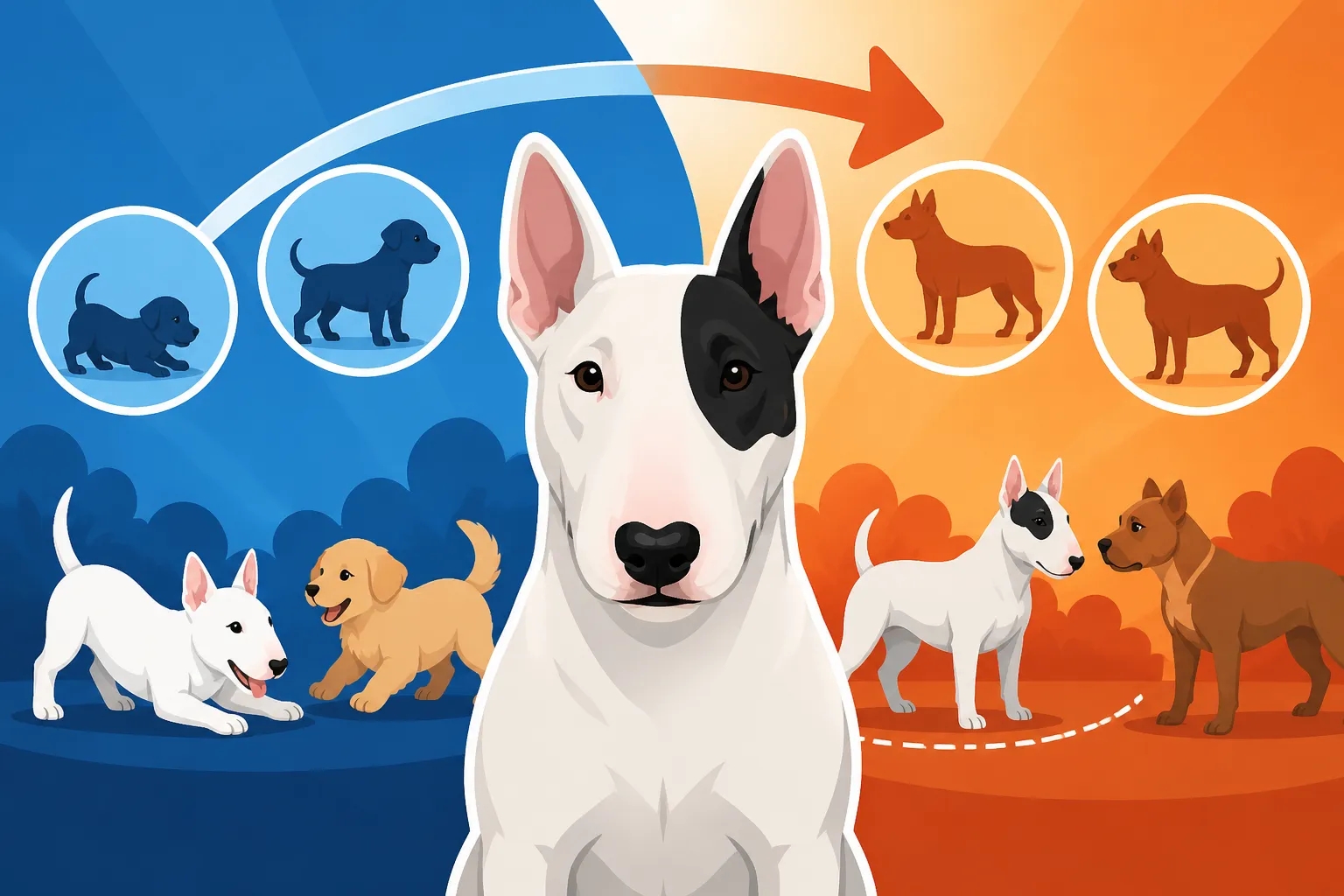
When they are puppies, Bull Terriers are often bundles of joy and curiosity, eager to explore the world and make friends. This early stage is crucial for socialization. Puppy classes, positive experiences with a variety of calm, vaccinated dogs, and exposure to different environments all contribute to building a resilient, confident adult dog. We want to teach them that other dogs are not a threat, but rather can be a source of neutral or even positive interaction.
It’s easy to get lulled into a false sense of security during this period. Your Bull Terrier puppy might be the life of the party at the dog park, seemingly without a care in the world. They might wrestle and tumble with dogs of all sizes, showing no signs of the issues that might emerge later. This is why it’s so important to recognize that while early socialization is vital, it doesn't always inoculate them against later changes in temperament. Think of it as laying a strong foundation, but not a foolproof shield. For more on their general demeanor, you might find What a Bull Terrier's Temperament Is Really Like insightful.
Early Puppy Interactions: What to Expect and What to Watch For
In puppyhood, Bull Terriers typically exhibit what we’d consider normal puppy play: mouthing, chasing, pouncing, and lots of body language that clearly signals their intentions are friendly. They might be a bit rougher than some breeds, enjoying a good wrestling match, but they usually respond well to corrections from older, more experienced dogs or to their human's gentle interventions.
However, even in puppies, there can be subtle cues. Are they overly intense with certain play partners? Do they ignore signals from other dogs to back off? Are they easily overstimulated? These aren't necessarily red flags for aggression, but they are indicators of a strong personality and play style that will require ongoing management and thoughtful socialization choices. Focus on quality over quantity – controlled, positive interactions are far more beneficial than free-for-all playdates that might overwhelm them or teach them bad habits. Teaching a Bull Terrier Puppy to Stop Nipping is a great resource for managing those early, mouthy tendencies.
The Genetics of Dog-Dog Intolerance in Bull Terriers
It’s important to understand that some of a Bull Terrier's dog-dog social dynamics are rooted in genetics and breed history. While modern Bull Terriers are bred to be companion animals, they still carry the legacy of their ancestors. This can manifest as what's often referred to as "dog-selectivity" or "dog-dog intolerance" rather than outright aggression. It means they might get along famously with one dog, tolerate another, and completely dislike a third, often with little obvious reason from a human perspective.
This isn't a fault in their character; it's a characteristic of the breed. It means that as they mature, their natural inclinations might become more pronounced. This isn't something that can be trained out completely, but it can certainly be managed and mitigated through consistent training, careful management, and understanding their individual triggers and preferences. Knowing this upfront helps owners manage expectations and prepare for potential challenges down the line.
The Shifting Sands of Adolescence: When Tolerance Starts to Wane
This is often the period that catches owners by surprise. Your sweet, social puppy starts to grow up, and suddenly, those playful puppy antics around other dogs morph into something more serious. It can be incredibly disheartening, making you question everything you thought you knew about your dog. But rest assured, this isn't uncommon for many breeds, and particularly for Bull Terriers.
The Critical Period: Roughly 12 to 24 Months
For many Bull Terriers, the most significant shift in dog-dog tolerance tends to occur during adolescence, typically between 12 and 24 months of age. Some might start showing changes a little earlier, around 8-10 months, while others might not fully "settle" until they are closer to three years old. This aligns with the general maturation timeline for dogs, when they hit social maturity and their full adult personality begins to emerge.
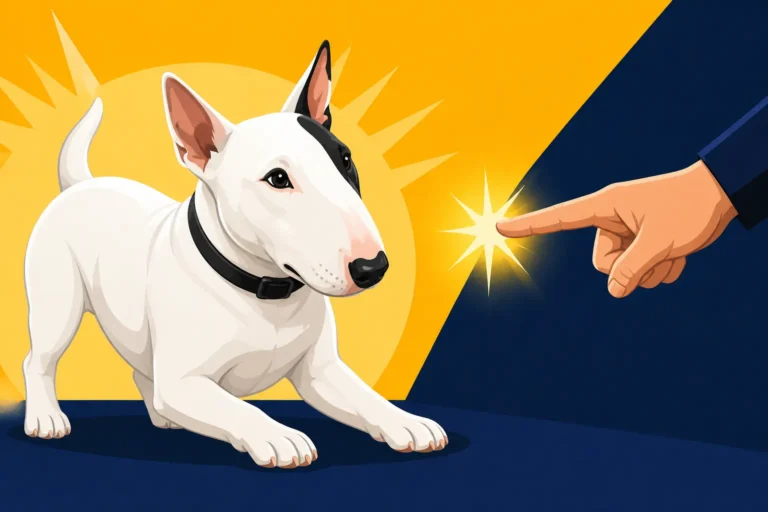
During this phase, hormones are surging, and they're testing boundaries, much like human teenagers. What might have been tolerated as a puppy becomes a challenge to their developing sense of self and their desire to protect their space, resources, or even their human. A playful nip from another dog might suddenly be met with a growl or a snarl instead of a playful response. The ability to distinguish between appropriate and inappropriate play might diminish, and their patience for other dogs' rude manners might shorten considerably. This can make interactions with new dogs, or even familiar ones, much more unpredictable. If you're wondering when they truly mature, take a look at The Age a Bull Terrier Finally Settles.
Subtle Signs of Changing Tolerance: How to Spot Trouble Early
It's crucial to be a keen observer during this period. The changes in dog tolerance are rarely sudden; there are usually subtle signals before a full-blown confrontation.
Here's what to watch for:
- Stiffening Body Language: Instead of loose, wiggly body language, they might become rigid, tail held high or low and tucked.
- Hard Stares: A direct, intense stare at another dog, often accompanied by a closed mouth.
- Growling or Snarling: This is a clear warning. Never punish a growl, as it's their way of communicating discomfort before escalating.
- Resource Guarding: Protecting toys, food, or even their human from other dogs. This can also extend to prime resting spots or even a favorite patch of grass.
- Displacement Behaviors: Yawning, licking lips, sniffing the ground excessively, or turning their head away. These indicate stress and a desire to avoid interaction.
- Leash Reactivity: Barking, lunging, or growling at other dogs while on a leash. This is often a frustration response, especially if they can't greet another dog or if they feel vulnerable on the leash. Why a Bull Terrier Fixates on a Dog Across the Street touches on this behavior.
- "Bullying" Behavior: Consistently pinning another dog, body slamming them, or not respecting their "stop" signals during play. How Rough a Bull Terrier Plays With Other Dogs might provide further context.
| Behavior | What it Might Indicate (especially when new or escalating) |
|---|---|
| Stiff body, hard stare | Discomfort, potential challenge |
| Lip licking, yawning, sniffing | Stress, desire to avoid conflict |
| Growling, snarling | Warning, "back off" |
| Lunging, barking on leash | Frustration, fear, territoriality |
| Resource guarding | Protecting valued items/people/space |
| Avoiding other dogs | Disinterest, or trying to prevent conflict |
If you start seeing any of these behaviors, it's a sign that you need to adjust your approach to dog-dog interactions. It’s not about blame; it’s about recognizing the changes and adapting.
When Neutering or Spaying Impacts Social Dynamics
Many owners wonder if spaying or neutering will help calm their Bull Terrier and improve dog tolerance. While it can sometimes reduce certain hormone-driven behaviors, such as roaming or marking, the impact on dog-dog social dynamics is not a guaranteed fix.
For some dogs, removing the hormonal influence can lead to a slight decrease in reactivity, especially if the behavior was tied to breeding instincts. For others, particularly males with existing same-sex aggression tendencies, the effect might be minimal or even, in rare cases, exacerbate certain anxieties if the dog's confidence was tied to its intact status. Whether Neutering Calms a Bull Terrier provides a more detailed discussion on this topic. It's crucial to consult with your veterinarian and a qualified behaviorist to discuss the pros and cons for your individual dog, rather than seeing it as a magic bullet for social issues. Behavior is complex, and rarely boils down to a single cause or solution.
Managing Adult Bull Terrier Dog-Dog Interactions
Once your Bull Terrier has matured and its true social preferences (or lack thereof) have emerged, the goal shifts from broad socialization to careful management and proactive training. This doesn't mean your Bull Terrier can never be around other dogs; it just means those interactions need to be thoughtfully curated and supervised.
Proactive Strategies for Safe Encounters
Safety is paramount, both for your Bull Terrier and for other dogs. Here are some strategies:
- Controlled Introductions: Avoid off-leash dog parks, especially if you're noticing changes in tolerance. These environments are unpredictable and can quickly escalate. Instead, arrange controlled, on-leash "parallel walks" with known, calm dogs. This allows them to be in the presence of another dog without direct pressure to interact.
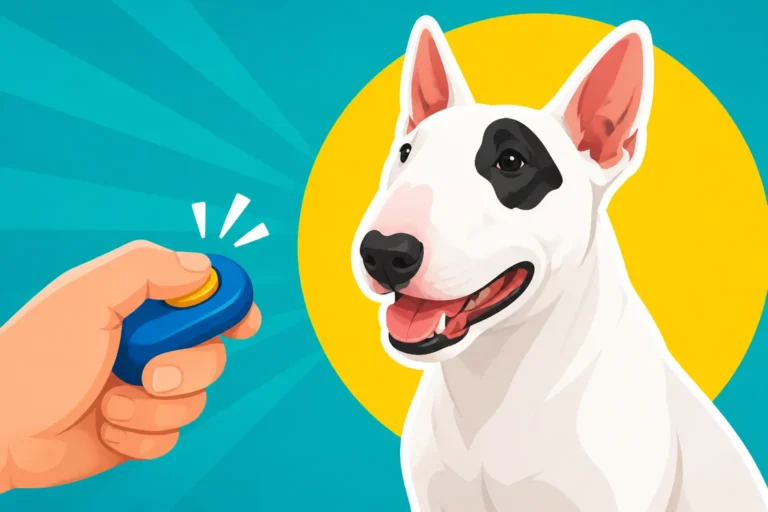
- Positive Reinforcement: Continue to heavily reward calm, polite behavior around other dogs. If your Bull Terrier sees another dog and offers a calm "check-in" with you (looking at you, sitting), reward that heavily with high-value treats. This teaches them that ignoring other dogs or being neutral gets them good things. Online platforms like BAXTER & Bella offer excellent modules on continued positive reinforcement training, which can be invaluable for consistent application.
- Leash Management: Invest in a sturdy, comfortable harness or head halter that gives you good control without causing pain or discomfort. This is not about force, but about safety. Avoid retractable leashes, which give you less control and can be dangerous. Which Harness Holds a Bull Terrier offers great advice on appropriate gear.
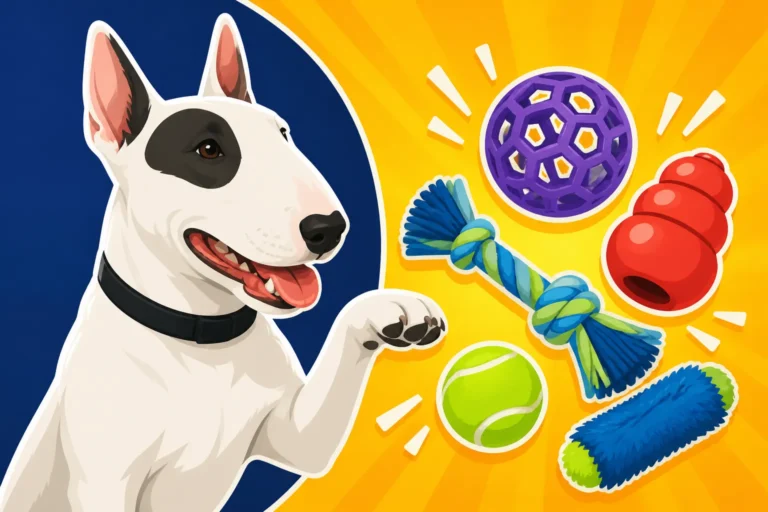
- Enrichment at Home: Ensure your Bull Terrier is well-exercised and mentally stimulated at home so they aren't carrying pent-up energy into public interactions. Puzzle toys, scent games, and structured training sessions can help fulfill their needs. Which Puzzle Toys Occupy a Bull Terrier has some excellent suggestions.
Remember, the goal isn't necessarily for your Bull Terrier to be best friends with every dog, but to be able to exist peacefully and safely in the presence of others.
Recognizing and Avoiding Conflict Triggers
Understanding what sets your Bull Terrier off is critical for preventing incidents. Keep a journal of interactions: what was the environment like? What kind of dog did they react to (size, breed, energy level)? What was the other dog doing? What was your Bull Terrier doing just before the reaction?
Common triggers include:
- High-energy, pushy dogs: Many Bull Terriers do not appreciate overly exuberant play styles or dogs that invade their personal space without proper social cues.
- Intact males/females: Hormonal differences can lead to increased tension. Why Two Same Sex Bull Terriers Fight delves into these dynamics.
- Small, yappy dogs: The high-pitched barking and quick movements can be irritating or perceived as a threat.
- Crowded environments: Dog parks, busy walking trails, or pet store aisles can be overwhelming.
- Resource guarding scenarios: Food, toys, or even your attention can become flashpoints.
Once you identify triggers, you can actively avoid them. If your Bull Terrier struggles with high-energy dogs, don't put them in situations where they'll be overwhelmed. Cross the street when you see a dog that might be a problem. Communicate clearly with other dog owners about your dog's needs ("My dog needs space"). It's always better to prevent an incident than to manage one.
Living with Multiple Dogs: Strategies for Bull Terrier Households
If you already have multiple dogs, or are considering adding another to a Bull Terrier household, careful planning is essential, especially once your Bull Terrier has reached adolescence. A Bull Terrier with Other Dogs is a vital read for anyone in this situation.
- Careful Matching: If adding a new dog, look for a temperament that complements your Bull Terrier's. Often, a dog of the opposite sex, with a calmer, more deferential personality, works best. Avoid another strong, dominant personality.
- Separate Resources: This is huge. Feed dogs in separate rooms or crates. Provide individual beds and toys to prevent resource guarding. Supervise all chew time, or give high-value chews when dogs are separated. Even separate water bowls can reduce potential tension.
- Individual Attention: Ensure each dog gets dedicated one-on-one time with you, whether it's walks, training, or cuddle sessions. This prevents competition for your attention.
- Structured Play: Supervise all play sessions. Interrupt if play gets too rough or intense. Teach a "break" or "settle" cue. Remember, How a Bull Terrier Plays With Children and other dogs often involves robust physical interaction.
- Crate Training: Crate training is invaluable for creating safe spaces, managing introductions, and allowing dogs to have alone time from each other. Heavy duty crates, available on platforms like Amazon, are often necessary for a determined Bull Terrier.
Living with multiple dogs and a Bull Terrier that develops intolerance is absolutely achievable, but it requires vigilance, consistency, and a deep understanding of your dogs' individual personalities.
Seeking Professional Guidance
It’s easy to feel isolated and overwhelmed when your Bull Terrier’s dog tolerance changes. You might feel like you’ve failed or that your dog is "bad." Please know that this is far from the truth. Seeking professional help is a sign of responsible pet ownership, not failure.
When to Consult a Behaviorist or Trainer
If you’re seeing consistent reactivity, aggression, or significant changes in your Bull Terrier’s behavior around other dogs, it's time to call in the cavalry. A certified professional dog trainer (CPDT) or, for more severe cases, a certified veterinary behaviorist (DACVB) can provide invaluable support.
They can:
- Assess your dog: A professional can accurately read your Bull Terrier's body language and identify the root cause of the behavior (fear, frustration, resource guarding, genetic predisposition).
- Create a tailored plan: They'll develop a safe, ethical, and effective training and management plan specific to your dog's needs and your household's dynamics.
- Teach you skills: They'll guide you on proper leash handling, counter-conditioning, desensitization, and interruption techniques.
- Rule out medical issues: Sometimes, pain or an underlying medical condition can trigger behavioral changes. A vet behaviorist can help rule this out.
Don't wait until things escalate dramatically. Early intervention is always best. Whether an Adult Bull Terrier Can Learn to Tolerate Dogs highlights the positive outcomes possible with dedicated work.
The Role of Training in Maintaining Harmony
Consistent, positive reinforcement training is your best friend when managing a Bull Terrier with changing dog tolerance. It's not about forcing them to "like" other dogs, but teaching them appropriate responses and giving them the skills to navigate the world calmly.
Think about structured activities where your Bull Terrier can excel without direct dog-dog pressure. Agility, scent work, or obedience training can provide mental and physical outlets, building their confidence and strengthening your bond. How a Bull Terrier Does at Agility can offer inspiration for engaging activities. Even if your Bull Terrier becomes highly dog-selective, continuing to train them to focus on you, to "leave it," and to maintain a calm demeanor is paramount. These skills empower you to redirect their attention and manage situations effectively, keeping everyone safe and happy. The goal is a confident, well-adjusted dog that respects boundaries, both human and canine.
Disclaimer
This article is for general informational purposes only and does not constitute professional advice. Laws, prices and regulations vary by location and change over time. Consult a qualified professional for guidance on your specific situation.