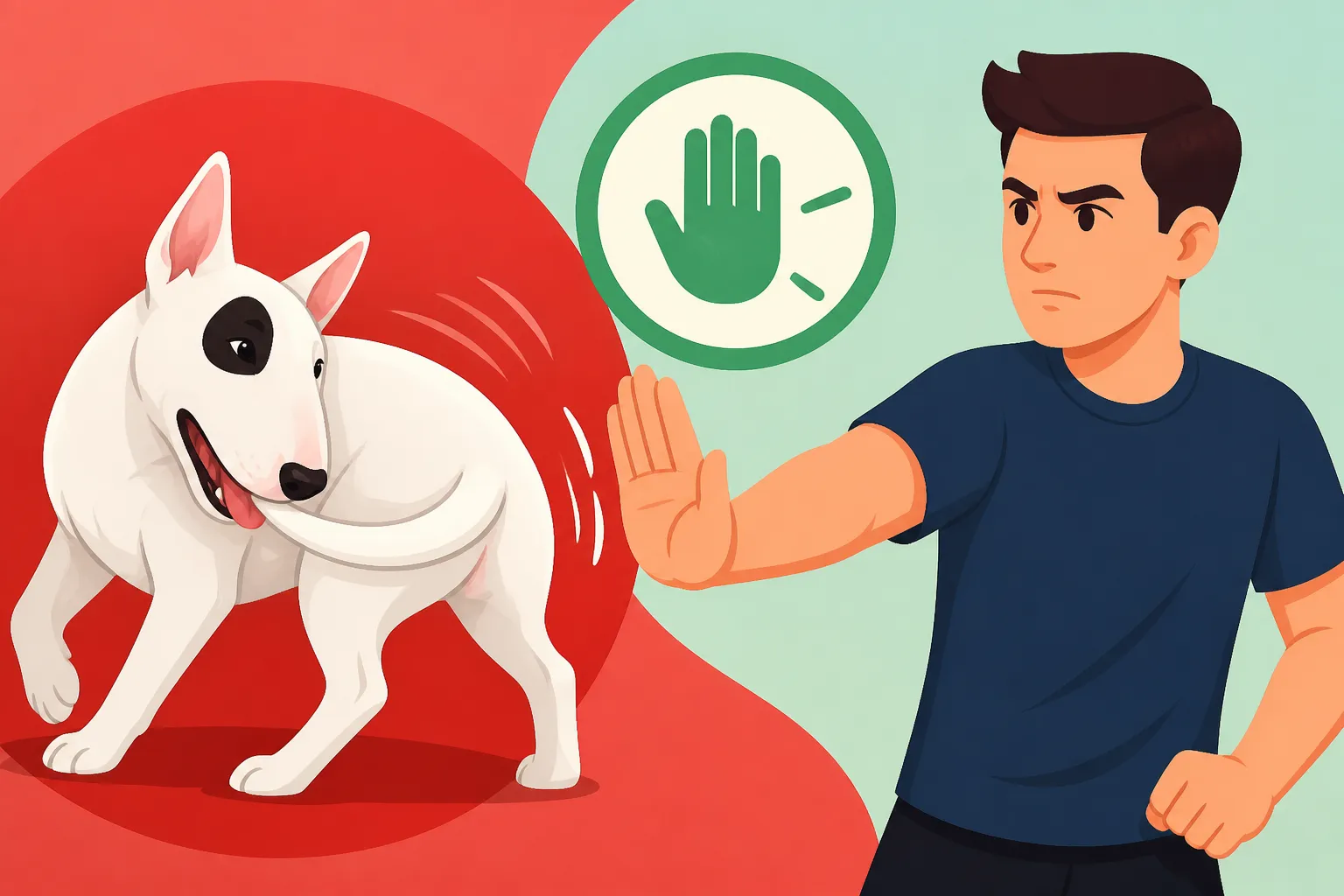
How to Interrupt a Bull Terrier’s Tail Chasing
Oh, the tail chase! If you're a Bull Terrier owner, you know the drill: that sudden, intense whirl, the focused eyes, the determined snap at their own tail. It can start as a quirky, amusing habit, but for many of us, it quickly escalates into something more concerning and disruptive. It’s frustrating to watch your beloved clown spin into a frantic blur, sometimes hurting themselves or ignoring everything you say. This guide is here to walk you through exactly how to interrupt that obsessive behavior in the moment and, more importantly, how to set up a long-term strategy to help your Bull Terrier find healthier outlets and peace.
Understanding Why Your Bull Terrier Chases Its Tail
Before we can effectively interrupt and manage tail chasing, we need to dig into why Bull Terriers, in particular, often fall into this particular rabbit hole. It’s rarely just simple play, and understanding the root causes is the first step toward a lasting solution.
Is It Just Play, or Is There More Going On?
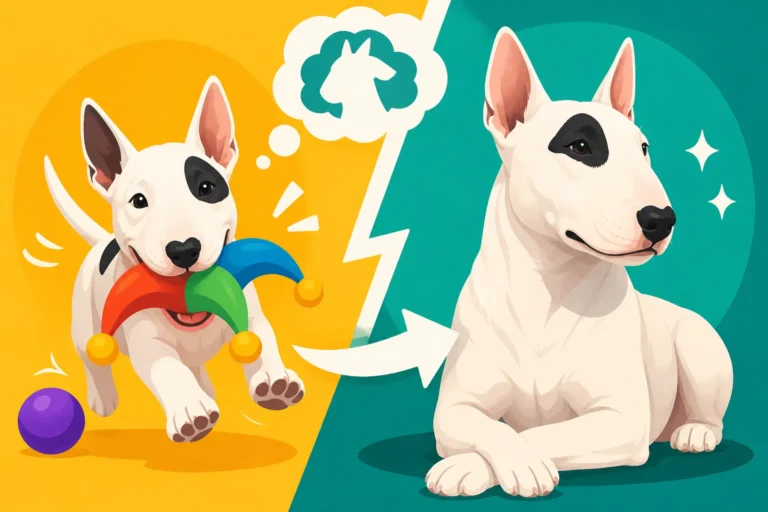
At first glance, a Bull Terrier chasing its tail might look like typical puppy antics. Many young dogs will do a playful spin or two, especially when they're full of beans. However, with Bull Terriers, this behavior often carries a deeper, more complex origin. It's crucial to differentiate between a brief, happy-go-lucky swat at their own wagging flag and a sustained, intense, almost trance-like pursuit. If your Bull Terrier is ignoring external stimuli, seems unable to stop, or becomes agitated if you try to intervene, you're likely dealing with something beyond mere play. This isn't just a game; it's a fixation that can easily escalate into a full-blown compulsive disorder, often referred to as Canine Compulsive Disorder (CCD). The intensity and repetitive nature are key indicators that something more is at play.
The Neurological Connection to Compulsive Behaviors
It's widely accepted now that Why a Bull Terrier Chases Its Tail often has a strong genetic and neurological component, especially in breeds like Bull Terriers. This isn't a "naughty" behavior; it's often rooted in how their brains are wired. Think of it less like a choice and more like an involuntary loop. These behaviors are thought to be related to disorders in the brain's serotonin pathways, similar to Obsessive-Compulsive Disorder (OCD) in humans. When a Bull Terrier starts chasing its tail compulsively, it can become a self-reinforcing cycle. The act itself might release endorphins, providing a temporary "fix" or relief from underlying anxiety or stress, making it incredibly hard for them to stop once they've started. This neurological predisposition means that simply telling them "no" or punishing them is not only ineffective but can actually worsen the anxiety driving the behavior. It's a complex interplay of genetics, environment, and internal chemistry that manifests as this sometimes baffling and distressing behavior. Many owners wonder Whether Bull Terrier Tail Chasing Is a Seizure, and while it often looks like one, it's typically a different neurological phenomenon.
Environmental Triggers and Boredom
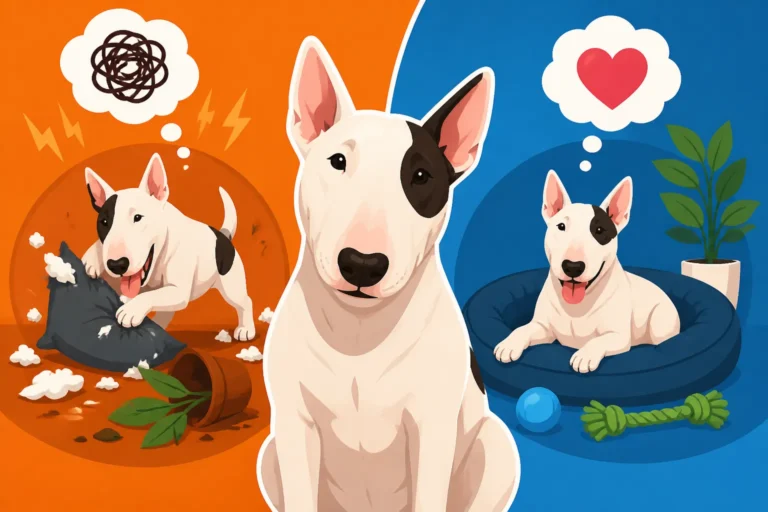
Even with a genetic predisposition, environment plays a massive role in triggering and intensifying tail chasing. A Bull Terrier is an incredibly intelligent, high-energy breed that thrives on mental and physical engagement. If they're under-exercised, under-stimulated, or left alone for long periods without appropriate outlets, boredom can quickly become a significant trigger. Imagine being cooped up all day with nothing to do; eventually, you'd find something to occupy yourself, even if it's destructive or repetitive. For a Bull Terrier, that "something" can easily become their tail. Stress, anxiety, changes in routine, loud noises, or even frustration can also act as triggers, causing them to self-soothe by spinning. It's their way of coping with an overwhelming situation or a lack of meaningful activity. Understanding these triggers is crucial for preventing the behavior before it even begins. You might find that the tail chasing flares up after a particularly quiet day, or when you've been busy and haven't had a chance to give them their usual structured playtime and training sessions.
Early Recognition: Spotting the Signs Before It Becomes a Habit
Catching tail chasing early, before it's deeply ingrained, is your best defense. The sooner you identify the subtle shifts from playful curiosity to compulsive behavior, the more effective your interventions will be.
Subtle Cues and Escalation
Tail chasing rarely starts as a full-blown frenzy. Often, it begins with more subtle cues that are easy to miss or dismiss as typical puppy behavior. You might notice your Bull Terrier glancing repeatedly at their tail, twitching it more frequently, or giving a quick, low-key snap that seems almost accidental. They might start to engage in quick, single spins before settling. The key is to observe the context and intensity. Is it happening more frequently? Does it seem to escalate when they're stressed, bored, or over-excited? Does it take them longer to disengage? As the behavior progresses, the spins become tighter, faster, and more prolonged. Their focus narrows, their body language becomes tense, and they may even growl or snap if you try to physically intervene. This escalation is a warning sign that the behavior is shifting from an innocent habit to a compulsive one. Keeping a mental note, or even a literal log, of these early occurrences can help you spot patterns and intervene before it becomes a deep-seated issue.
When Tail Chasing Becomes Obsessive
The line between a harmless quirk and an obsessive compulsion can be blurry, but there are clear markers. Obsessive tail chasing involves an inability to easily disengage. Your Bull Terrier might ignore your calls, treats, or favorite toys when deep in a spin. They might pant heavily, drool, or even damage their own tail or hindquarters in their frantic efforts. The behavior often appears ritualistic, occurring at specific times or in response to particular triggers, almost like a routine they must perform. You might notice they get visibly agitated if interrupted, or that the behavior seems to offer them a strange, almost dissociative relief. This is where the self-reinforcing loop truly takes hold, making it incredibly difficult for the dog to stop on their own. This obsessive state is a clear signal that the behavior is no longer under their conscious control and requires a dedicated, multi-faceted approach to manage. It's also at this stage that you might notice other subtle behaviors, like staring at lights or shadows, or repetitive pacing, which are common companions to tail chasing in Bull Terriers, indicating a broader compulsive disorder.
The Age It Typically Starts
While any dog can pick up a habit, the intense, compulsive form of tail chasing in Bull Terriers usually begins during their adolescent period. The Age Bull Terrier Tail Chasing Starts is often around 6 to 24 months old, coinciding with a time of significant brain development and emotional maturation. This is a period when many Bull Terriers are testing boundaries, experiencing hormonal shifts, and potentially feeling a heightened sense of anxiety or frustration if their needs aren't met. It’s not uncommon for owners to notice the first serious episodes around their first birthday or shortly after. However, don't be fooled into thinking a young pup won't start; early signs can emerge even younger. By recognizing this typical age range, owners can be particularly vigilant during this developmental window, ensuring ample mental and physical stimulation to hopefully prevent the behavior from taking root. If you see early signs in a younger pup, addressing them immediately can prevent a much harder battle down the line.
Immediate Intervention Strategies: How to Interrupt in the Moment
When your Bull Terrier is caught in the grip of a tail-chasing episode, immediate, calm, and effective interruption is key. The goal isn't punishment, but rather to gently break their focus and redirect their energy.
The Power of Positive Interruption
The first rule of interrupting tail chasing is never to use punishment. Yelling, scolding, or physically restraining your Bull Terrier will only increase their anxiety and stress, making the compulsive behavior worse in the long run. Instead, focus on positive interruption. This means using a sudden, neutral, and surprising cue to break their focus without causing fear. A sharp clap, a loud whistle, or even a distinctive vocalization can work. The moment they pause or look at you, immediately reward them. This teaches them that disengaging from the tail chase leads to something good.
Think of it like this: they're in a trance, and you need to snap them out of it gently. You're not punishing the act of tail chasing, but rewarding the interruption and subsequent redirection. This positive association is vital for building trust and encouraging them to look to you when the urge to spin arises. Consistency is paramount here; every successful interruption followed by a reward strengthens the desired behavior. How a Spinning Bull Terrier Is Treated often starts with these immediate, positive interruptions.
Using Sound and Movement to Break Focus
To effectively interrupt a Bull Terrier in the throes of a tail chase, you need something that cuts through their intense focus. A sudden, unexpected sound is often highly effective. This could be a loud, neutral "HEY!", a sharp clap, or even dropping a small, non-breakable item nearby (but not at them). The key is for the sound to be startling enough to momentarily break their concentration, but not scary.
Similarly, a sudden, non-threatening movement can work. This might involve stepping between them and their tail, or quickly walking past them in their peripheral vision. The goal is to redirect their sensory input. Once their focus is broken, even for a split second, that's your window for redirection. Keep your voice calm and upbeat. Avoid anything that might be perceived as aggressive, as this can easily backfire and cause them to become more frantic or even defensive. Some owners find that a specific toy squeaker, kept solely for this purpose, can be highly effective because of its unique, attention-grabbing sound.
Redirection with High-Value Rewards
Once you've successfully interrupted the tail chase, the next critical step is immediate redirection using a high-value reward. This means offering something so enticing that it completely eclipses the appeal of their tail. This could be their absolute favorite treat (think real meat, cheese, or hot dogs), a cherished squeaky toy, or an exciting game of fetch with a special ball. The moment they shift their attention to you, present the reward.
Engage them immediately in a different, appropriate activity. Ask for a simple "sit" or "down," then reward them. Play a quick game of "find the treat" or engage in a vigorous session with a flirt pole. The idea is to quickly shift their mental and physical state away from the compulsive behavior. Over time, your Bull Terrier will start to associate being interrupted during a tail chase with the opportunity for something wonderful, rather than a negative experience. It's about building new, positive neural pathways. For high-value toys, many owners find options on Amazon that can withstand the powerful Bull Terrier jaw.
Long-Term Management: Preventing Recurrence and Reducing Intensity
Interrupting in the moment is a temporary fix. For lasting change, you need a comprehensive long-term strategy that addresses the underlying causes and provides healthy alternatives.
Enriching Your Bull Terrier's Environment
A bored Bull Terrier is a recipe for disaster, and tail chasing is often a symptom of insufficient mental stimulation. Environmental enrichment is paramount. This means providing a variety of activities that engage their powerful minds and bodies throughout the day. Puzzle toys, like those found on Amazon or Chewy, that dispense treats are fantastic for making them "work" for their food. Snuffle mats, lick mats, and Kongs stuffed with frozen peanut butter or yogurt can keep them occupied for significant periods. Rotating toys regularly keeps them fresh and exciting.
Consider scent work or hide-and-seek games, which tap into their natural hunting instincts. Even simple things like varying your walk routes or introducing them to new, safe environments can provide novel sensory input. What Enrichment a Spinning Bull Terrier Needs goes far beyond just physical exercise; it's about stimulating their brains and preventing the mental void that leads to compulsive behaviors. A Bull Terrier thrives on having a "job," even if that job is just figuring out how to get kibble out of a dispenser.
Structured Exercise and Mental Stimulation
Bull Terriers are robust dogs with a surprising amount of energy, despite their compact build. They need consistent, structured exercise that goes beyond a casual stroll around the block. This means vigorous play sessions, brisk walks, and opportunities to run in a secure area. However, physical exercise alone isn't enough; it must be paired with mental stimulation. Obedience training, even for adult dogs, provides crucial mental engagement. Practicing commands, learning new tricks, or even participating in dog sports like agility or obedience can channel their intelligence and energy productively.
Short, frequent training sessions (5-10 minutes, several times a day) are often more effective than one long, tedious session, as Bull Terriers can have a short attention span for repetitive tasks. Use positive reinforcement and keep it fun! This blend of physical and mental activity helps deplete their excess energy and provides appropriate outlets for their innate drive, reducing the likelihood of boredom or anxiety-driven behaviors like tail chasing. Remember, a tired Bull Terrier is usually a well-behaved Bull Terrier, but a mentally stimulated one is truly content. You might be surprised at How Much Exercise a Bull Terrier Actually Needs.
Diet, Supplements, and Veterinary Consultation
Sometimes, underlying nutritional deficiencies or imbalances can contribute to neurological issues that manifest as compulsive behaviors. While it's not a magic bullet, reviewing your Bull Terrier's diet with your veterinarian is a sensible step. Ensure they are on a high-quality, balanced diet appropriate for their age and activity level. In some cases, veterinarians might suggest supplements known to support neurological health, such as omega-3 fatty acids (fish oil), or specific amino acids.
It's crucial to approach any dietary or supplement changes under professional guidance, as self-prescribing can be ineffective or even harmful. Moreover, a comprehensive veterinary check-up is essential to rule out any physical discomfort or medical conditions that could be driving the tail chasing. Pain, skin irritations, allergies, or even neurological conditions like epilepsy (though less common, Whether a Bull Terrier Gets Epilepsy is a valid concern) can sometimes present with similar repetitive behaviors. Your vet can perform a thorough examination and recommend blood tests or other diagnostics to ensure there isn't an underlying medical cause exacerbating the problem.
When to Seek Professional Help for Bull Terrier Tail Chasing
While many owners can manage mild tail chasing with consistent redirection and environmental enrichment, there comes a point where professional intervention is necessary. Don't hesitate to reach out if the behavior is escalating, causing injury, or significantly impacting your Bull Terrier's quality of life.
Consulting Your Veterinarian for Medical Causes
Your first port of call should always be your veterinarian. As mentioned, repetitive behaviors like tail chasing can sometimes stem from physical pain, skin irritation, allergies, or even more complex neurological conditions. A thorough physical exam, blood tests, and possibly even imaging (like X-rays or an MRI in severe cases) can rule out these potential medical causes. Your vet can check for things like anal gland issues, skin infections on the tail or rear, or even orthopedic pain that might cause them to focus intensely on that area.
If medical causes are ruled out, your vet can still be a huge asset in managing the behavioral aspect. They can discuss potential medication options if the tail chasing is severe and impacting their well-being, often prescribing selective serotonin reuptake inhibitors (SSRIs) or tricyclic antidepressants (TCAs) to help modulate brain chemistry and reduce compulsive urges. These medications are not a cure-all but can significantly lower anxiety and the intensity of the behavior, making behavioral modification techniques more effective. Always work closely with your vet to determine the appropriate course of action and dosage.
The Role of a Certified Behaviorist
If medical issues have been ruled out and the tail chasing persists or intensifies, the next step is to consult a certified professional dog behaviorist. This isn't just a dog trainer; a behaviorist has specialized education and experience in diagnosing and treating complex behavioral problems, including compulsive disorders. They can observe your Bull Terrier, assess their environment, and help identify specific triggers you might have missed.
A behaviorist will develop a tailored behavior modification plan that goes far beyond simple interruption. This plan will likely include specific techniques for desensitization and counter-conditioning, strategies for environmental management, and guidance on how to provide appropriate outlets for your Bull Terrier's energy and intelligence. They can help you implement a consistent routine, teach you new ways to interact with your dog, and provide tools to redirect the behavior positively. Organizations like the Certification Council for Professional Dog Trainers (CCPDT) or the Animal Behavior Society list certified professionals. Programs like BAXTER & Bella, while often focused on puppy training, sometimes offer resources or referrals for more advanced behavioral challenges, or their trainers might have foundational advice that can apply. A good behaviorist will work in conjunction with your veterinarian, creating a holistic approach to your Bull Terrier's well-being. Whether a Bull Terrier Owner Should Hire a Behaviorist is often a crucial decision for severe cases.
Considering Medication for Severe Cases
For Bull Terriers with severe, ingrained, or self-injurious tail chasing, medication can be a necessary and humane part of the treatment plan. As discussed, these aren't "happy pills" but rather medications that help rebalance brain chemistry, reducing the intensity of the compulsive urge and lowering overall anxiety. They can make your Bull Terrier more receptive to behavioral training and environmental changes, allowing them to learn and cope more effectively.
Medication is typically used in conjunction with a robust behavior modification program, not as a standalone solution. It's often a long-term commitment, and finding the right medication and dosage can take time and careful monitoring by your veterinarian. Possible side effects and potential drug interactions will be discussed thoroughly. While the idea of medicating your dog might feel daunting, for a Bull Terrier locked in a relentless cycle of self-chasing, it can offer immense relief and significantly improve their quality of life, allowing them to finally settle and engage more positively with their world. It's about breaking that relentless cycle so they can finally find some peace.
Tail Chasing Management: A Quick Reference Guide
This table summarizes key strategies for managing tail chasing in your Bull Terrier.
| Category | Strategy | Key Actions | Why it Helps |
|---|---|---|---|
| Immediate Interrupt | Positive Interruption | Sharp, neutral sound (clap, whistle), sudden non-threatening movement to break focus. | Stops the behavior loop without fear, makes them look to you. |
| Redirection | Offer high-value treat/toy immediately after interruption. Engage in alternative activity. | Creates positive association with stopping, channels energy productively. | |
| Long-Term Prevention | Environmental Enrichment | Puzzle toys (Amazon), snuffle mats, frozen Kongs, varied walks, scent games. | Prevents boredom, satisfies mental needs, provides appropriate outlets. |
| Structured Exercise | Daily vigorous play, brisk walks, obedience training. | Depletes excess energy, builds focus, reduces anxiety. | |
| Consistent Routine | Predictable feeding, exercise, and training times. | Reduces stress, provides a sense of security and control. | |
| Professional Help | Veterinary Check-up | Rule out pain, skin issues, allergies, or neurological conditions. Discuss diet/supplements. | Addresses underlying medical causes, guides dietary choices. |
| Certified Behaviorist | Develops tailored behavior modification plan, identifies triggers, teaches advanced techniques. | Provides expert guidance for complex compulsive behaviors, offers specialized strategies. | |
| Medication (Vet-Prescribed) | Consider for severe, persistent cases after medical clearance. Used with behavior modification. | Helps rebalance brain chemistry, reduces intensity and anxiety, aids training effectiveness. |
Disclaimer
This article is for general informational purposes only and does not constitute professional advice. Laws, prices and regulations vary by location and change over time. Consult a qualified professional for guidance on your specific situation.