Whether a Bull Terrier Grows Out of the Clowning
Many Bull Terrier owners, especially those navigating the whirlwind of puppyhood or the boisterous teenage months, often find themselves wondering, with a mix of exasperation and deep affection, if their clownish companion will ever truly settle down. It's a valid question, born from living with a breed renowned for its boundless energy, quirky antics, and a seemingly endless supply of mischief. This guide is here to shed light on the Bull Terrier's unique temperament, helping you understand what "settling down" really means for these extraordinary dogs and how you can foster a harmonious life together at every stage.
Understanding the Bull Terrier's Innate Clowning Nature
Let's be honest, part of the Bull Terrier's undeniable charm is their inherent silliness, their "clowning" behavior that can turn an ordinary moment into a laugh-out-loud spectacle. It's not a phase they're destined to outgrow entirely, but rather a fundamental facet of their personality that continues to evolve as they mature. This isn't just about youthful exuberance; it's woven into the very fabric of the breed.
The "Three-Year-Old in a Dog Suit" Phenomenon
If you've spent any time around Bull Terriers, you've probably heard the affectionate, yet utterly accurate, description of them as a "three-year-old in a dog suit." This isn't just a cute saying; it perfectly encapsulates their playful, demanding, and often utterly oblivious nature. They possess an almost childlike wonder and an unshakeable belief that the world revolves around them and their desire for fun. This isn't a sign of immaturity that will simply vanish with age, but rather a consistent personality trait.
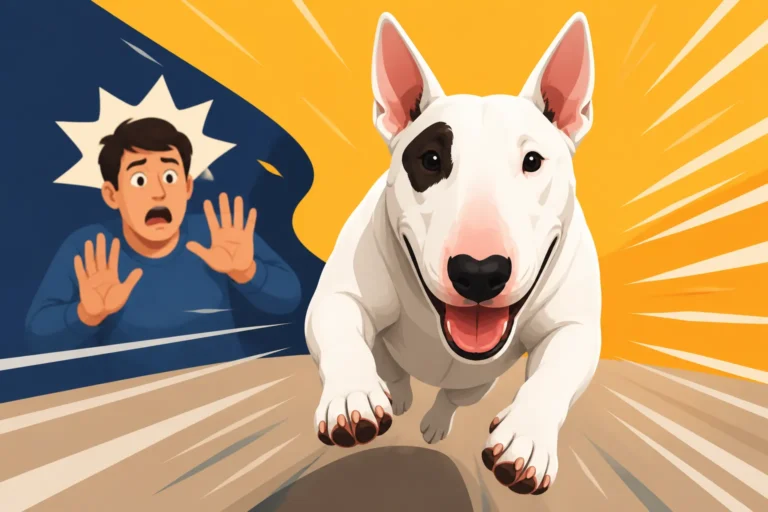
When a Bull Terrier decides it's playtime, whether by body-slamming you from a dead run or performing a frantic "zoomie" circuit through the living room, it's often with the single-minded focus of a toddler. They thrive on attention, interaction, and being the center of your universe. Many owners find themselves smiling through the chaos, even as they pick up the latest casualty of their Bull Terrier's boundless energy. This persistent playfulness is a huge part of How Clownish a Bull Terrier Is and why they capture so many hearts.
Why This Playfulness Persists
Unlike some breeds that mellow considerably after their first year or two, the Bull Terrier’s zest for life often remains strong well into adulthood. This isn't a flaw; it's a feature. Their high intelligence often comes with a mischievous streak, and they’re constantly looking for ways to engage, entertain themselves, and, let's be real, test boundaries. This drive for engagement, combined with their strong will, means they aren't content to simply sit quietly and observe. They want to participate, often with gusto.
This persistent playfulness is also linked to their lineage as companion dogs, bred to be engaging and entertaining. While their ancestors had other jobs, modern Bull Terriers thrive on human companionship and interaction. Without sufficient mental and physical stimulation, that playful energy can easily turn into destructive boredom. It's crucial for owners to understand that this isn't a temporary state; it's a long-term commitment to providing outlets for their unique spirit. Understanding What a Bull Terrier's Temperament Is Really Like helps set realistic expectations for their energy levels.
Managing the Adolescent Bull Terrier's Energy
The adolescent phase, typically from around 6 months to 2-3 years, is often when the "clowning" is at its peak intensity. This is a crucial period for channeling that abundant energy into productive behaviors and solidifying good habits. It's less about stopping the clowning and more about guiding it.
Channels for Their Zest for Life
Adolescent Bull Terriers are like turbocharged little tanks, and if you don't give them appropriate "off-ramps" for their energy, they'll create their own, often at the expense of your furniture, shoes, or peace of mind. Regular, vigorous exercise is non-negotiable. We're talking long walks, spirited games of fetch, or even structured playdates. However, it’s not just about physical exertion. These intelligent dogs need mental stimulation just as much, if not more, to truly tire them out.
Think about incorporating activities that challenge their brains, like puzzle toys, scent work, or obedience training that requires sustained focus. A bored Bull Terrier is a destructive Bull Terrier, and trust me, they are incredibly creative when left to their own devices. Consider a variety of activities to keep them engaged, as they can tire of repetition quickly. Providing appropriate chew toys – the truly indestructible kind you might find on Amazon – is also vital to redirect their powerful jaws away from your possessions.
The Role of Consistent Training and Enrichment
Training is absolutely paramount for a Bull Terrier, not to strip them of their personality, but to provide structure and communication. They are smart, but also famously stubborn. They'll train when they see the point, which means you need to be consistent, patient, and highly motivating. Positive reinforcement methods work best, as harsh corrections can cause them to shut down or become even more determined to do their own thing. Online programs, like those offered by BAXTER & Bella, can provide excellent structured guidance and support for tackling Bull Terrier-specific training challenges from the comfort of your home.
Enrichment isn't just about toys; it's about making their daily life interesting. This could be rotating their toys, hiding treats for them to find, or taking them to new places to explore new smells. A common frustration for owners is when What a Bull Terrier Does When It Is Bored turns into chewing up the sofa or barking incessantly. Anticipating their needs and preemptively providing suitable outlets for their energy and intelligence will go a long way in managing their adolescent antics.
Here's a quick look at how their needs evolve:
| Life Stage | Typical Behaviors & Energy | Training Focus | Key Needs |
|---|---|---|---|
| Puppy | High energy, mouthing, exploration, short attention span, frequent naps. | Socialization, basic manners (sit, stay), potty training, bite inhibition. | Structured play, safe chew toys, frequent naps, early exposure to sights/sounds. |
| Adolescent | Peak energy, testing boundaries, bursts of zoomies, strong will, increased destruction if bored. | Consistency, impulse control, advanced obedience, channeling energy constructively. | Daily vigorous exercise, mental games, durable chew toys, positive reinforcement. |
| Adult | Mellows slightly, maintains playful core, selective listening, loves routine. | Reinforce commands, maintain mental challenges, ensure continued physical activity. | Regular exercise, puzzle feeders, social interaction, consistent boundaries. |
| Senior | Reduced energy, more resting, may still have playful moments, less physical stamina. | Gentle exercise, comfort, mental stimulation at their pace, joint care. | Soft bedding, shorter walks, warmth, easily accessible food/water, vet check-ups. |
The Reality of "Settling Down" with Age
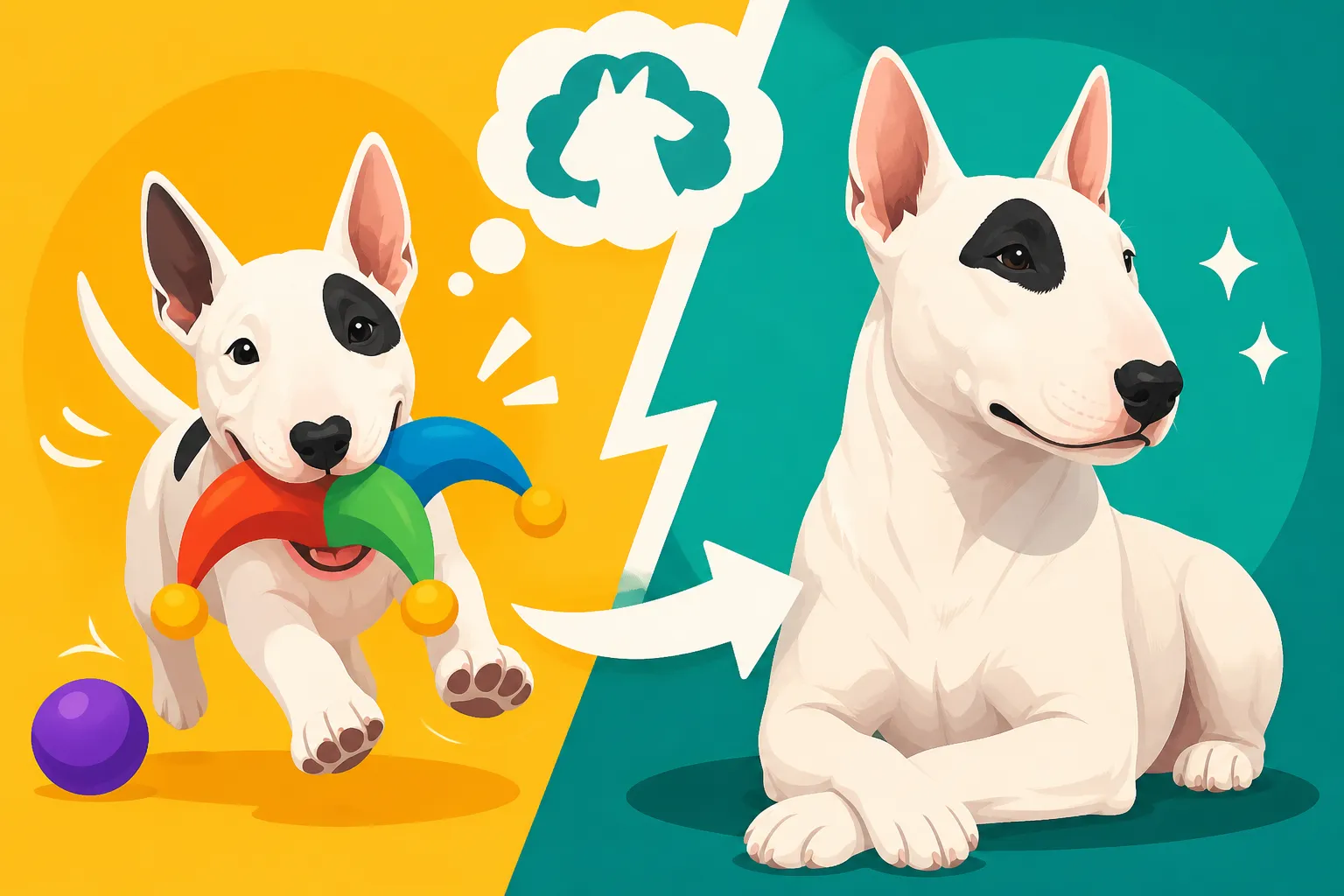
Many hopeful Bull Terrier owners envision a future where their boisterous youngster transforms into a sedate, quiet adult. The reality is a little more nuanced. While they certainly mature, and their frantic energy might lessen, the core of their clownish, engaging personality often remains.
Maturation vs. Complete Transformation
A Bull Terrier will absolutely mature. Their brain develops, their impulse control improves (with consistent training, of course!), and they often become more settled in their routines. This "settling" usually means less frantic energy around the house, fewer sudden bursts of destructive zoomies, and a greater ability to relax. However, it doesn't typically mean they become a couch potato. They retain their playful spirit, their quirky ways, and their endearing stubbornness. You might notice that The Age a Bull Terrier Finally Settles is closer to three or four years old, rather than the one-year mark many people expect with other breeds.
Think of it less as a complete transformation and more as a refinement of their existing personality. The rough edges get smoothed out, the sheer volume of energy might decrease slightly, but the joyful, unique Bull Terrier spirit persists. They learn how to be part of the family without constant chaos, but they'll still likely seek out playtime and interaction with their trademark exuberance. You might still get a gentle head nudge demanding attention, or an insistent stare urging you to play, long into their senior years.
Adapting Your Expectations and Lifestyle
One of the most important things a Bull Terrier owner can do is adjust their expectations. If you're hoping for a dog that's content to lie quietly at your feet all day, only stirring for a polite walk, a Bull Terrier might not be the right fit. Instead, embrace their unique nature. Understand that their "clowning" is a form of engagement and affection. It’s part of Why a Bull Terrier Is Called a Three Year Old in a Dog Suit, and it’s what makes them so special.
This often means adapting your lifestyle to accommodate their needs. This isn't a passive breed; they thrive on interaction and being involved in family life. This might mean dedicating specific times each day for play and mental games, or ensuring they get sufficient off-leash exercise in a secure area. It also means accepting that your Bull Terrier will likely always have a playful, sometimes mischievous, streak. Many long-time Bull Terrier owners find that this is precisely what they love most about the breed. What many experienced owners wish they had known, or at least accepted earlier, is What Bull Terrier Owners Wish They Had Known about their enduring high spirits.
Practical Strategies for a Harmonious Home
Living with an energetic, clownish Bull Terrier can be incredibly rewarding, but it requires proactive strategies to ensure both you and your dog are happy and well-adjusted. It's about channeling their natural inclinations, not suppressing them.
Engaging Their Minds and Bodies
To truly manage a Bull Terrier's energy and curb destructive behaviors, you need to engage both their formidable bodies and their clever minds. Physical exercise should be consistent and sufficient. This might mean a good long walk or run in the morning, followed by another session in the evening. However, remember that pure physical exertion isn't enough. They need to think.
Consider dog sports like agility, obedience, or scent work. Even if you're not competing, the training involved provides immense mental stimulation. At home, rotate toys frequently to keep them novel. Invest in good quality puzzle toys – many excellent options can be found on Amazon – that make them work for their food or treats. These can keep them engaged for a surprising amount of time. You can also teach them new tricks, practice advanced obedience cues, or set up simple scent games around the house. Whether a Bull Terrier needs a job (Why a Bull Terrier Needs a Job) is a resounding yes; providing purpose helps them thrive.
Creating a Predictable Environment
Bull Terriers, despite their wild antics, often thrive on routine and predictability. Knowing what to expect can help them feel secure and reduce anxiety, which can sometimes manifest as excessive "clowning" or destructive behavior. Establish consistent feeding times, walk schedules, and training sessions. This structure helps them understand their place in the household and what's expected of them.
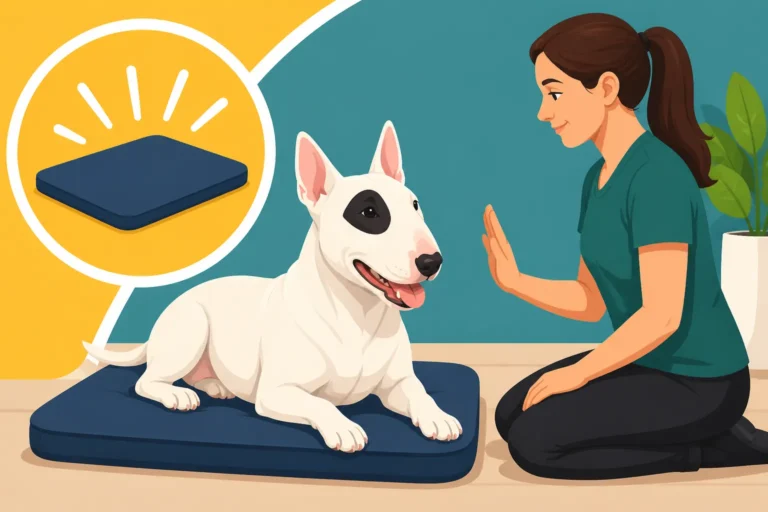
When left alone, ensure their environment is truly Bull Terrier-proofed. This means putting away anything valuable or dangerous they might be tempted to chew. A sturdy, secure crate can be an invaluable tool for preventing destruction and providing a safe den, especially during their more boisterous adolescent phase. Even as they age, maintaining a consistent routine is important. Caring for an Old Bull Terrier still involves routine, even if the activities are gentler. While their enthusiasm for life may never entirely fade, with consistent management, plenty of appropriate outlets for their energy, and a deep appreciation for their unique personality, your Bull Terrier will indeed "settle" into a wonderful, albeit still wonderfully goofy, companion.
Disclaimer
This article is for general informational purposes only and does not constitute professional advice. Laws, prices and regulations vary by location and change over time. Consult a qualified professional for guidance on your specific situation.