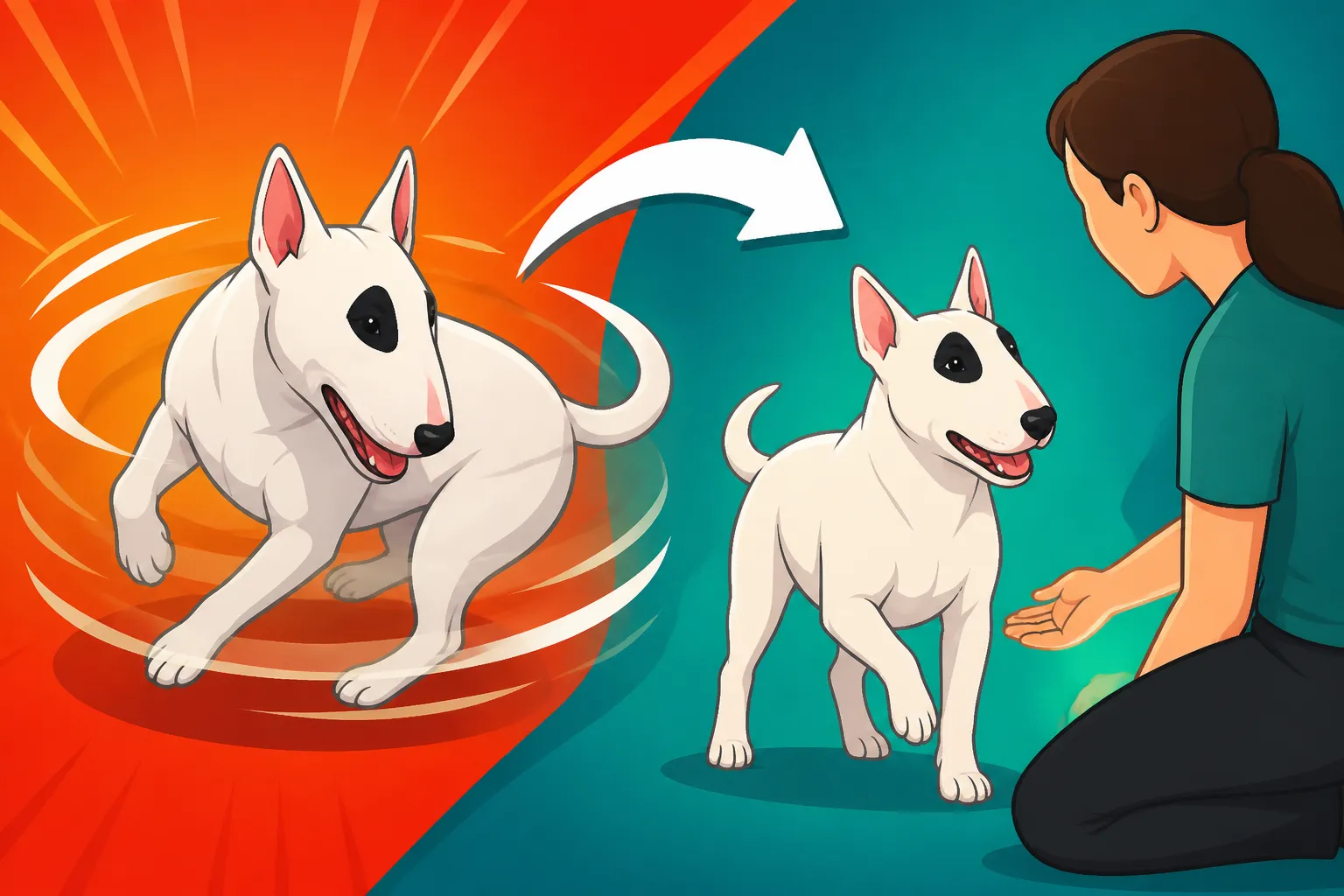
Redirecting a Bull Terrier That Has Started Spinning
It’s a sight that can be both alarming and heartbreaking: your energetic Bull Terrier, usually full of joyous antics, suddenly fixates on its tail, begins to spin wildly, sometimes even gnawing at itself or the air. This isn't just a quirky habit; for many Bull Terrier owners, it's a perplexing and often frustrating behavior that can escalate, leaving you feeling helpless and worried. This comprehensive guide will delve into why your beloved Bull Terrier might be spinning, how to identify the triggers, and most importantly, equip you with practical, empathetic strategies to redirect this challenging behavior and help your dog find peace.
Understanding the "Spin": More Than Just a Game
When a Bull Terrier starts spinning, it's often more than just a playful chase of its tail. This behavior can range from an occasional, seemingly innocuous whirl to an intense, compulsive loop that consumes the dog's attention and can even lead to self-harm. Owners frequently describe a look in their dog's eyes that suggests they're "not really there," detached from their surroundings. This distinction is crucial because treating a casual game of tail-chasing is very different from managing a deeply ingrained, potentially pathological spinning habit. It's vital to recognize that your Bull Terrier isn't doing this to spite you or simply because it's bored in a normal way; there's often an underlying cause that needs uncovering.
What Does Bull Terrier Spinning Look Like?
Imagine your Bull Terrier, usually so attentive, suddenly snaps its head to its rear, as if a fly just landed there. Instead of a quick swat, its head might dip, its body might coil, and then it explodes into a tight, frantic circle, often chasing its tail. This can last for a few seconds or several minutes. Sometimes the dog might bark, growl, or even scream during these episodes. Their focus becomes entirely internal, oblivious to your calls, treats, or attempts to interrupt. The intensity can vary greatly; some dogs might do a few quick turns and stop, while others will spin until they collapse, panting and disoriented. It’s not just chasing a visible tail; sometimes, they're chasing an invisible "phantom" on their flank or hip.
For many owners, the first time they witness this, it's startling. You might instinctively try to stop it, grab their collar, or distract them, only to find they're unresponsive, or worse, they snap or react negatively. This can be truly unsettling, making you feel disconnected from your normally loving companion. The frantic nature of the spin, the relentless pursuit, and the dog's seeming inability to control itself are all hallmarks of a problem that needs careful investigation, not just a casual dismissal.
The Difference Between Play and Compulsion
It's easy to mistake a brief tail-chase for normal play, especially in a breed as notoriously clownish and energetic as the Bull Terrier. However, there's a world of difference between a playful swat at their tail and a compulsive spinning episode. Playful tail-chasing is usually brief, easily interrupted, and often accompanied by other play cues like a relaxed body posture, a "play bow," or a wagging tail. The dog will break off if you offer a toy or call their name, and they'll re-engage with you happily. It's interactive and fluid.
Compulsive spinning, on the other hand, is repetitive, ritualistic, and often difficult to interrupt. The dog's body language might be tense, ears pinned, eyes wide or glazed over. They might pant excessively, drool, or even lose their balance. When interrupted, they can be confused, irritable, or immediately resume the behavior. This isn't fun for them; it's a behavior they feel compelled to perform, almost like an addiction, and it can be a huge source of stress for them, even if it looks like frantic energy. Recognizing this difference is the first critical step in providing appropriate help for your Bull Terrier.
Why Bull Terriers Spin: Unpacking the Causes
The perplexing nature of Bull Terrier spinning often leaves owners wondering "why?" The truth is, there isn't one single answer. This behavior can be a complex interplay of genetics, medical conditions, and environmental factors. It’s rarely straightforward, which is why a multi-faceted approach, often starting with veterinary consultation, is almost always necessary. We know that in some breeds, including Bull Terriers, certain behaviors like spinning or Tail Chasing in a Bull Terrier Is a Medical Problem can have a strong genetic component, but that doesn't mean it's untreatable.
Medical Underpinnings of Spinning
Before jumping to behavioral conclusions, it is absolutely essential to rule out any underlying medical issues. Think of it like a persistent cough in a human – it could be allergies, or it could be something much more serious. For Bull Terriers, spinning can sometimes be a red flag for physical discomfort or neurological problems. Inner ear infections, for instance, can cause dizziness and disorientation, leading a dog to spin in circles as they try to regain their balance. Imagine how disorienting vertigo must be; a dog experiencing this might spin instinctively.
Other neurological conditions, such as focal seizures (sometimes called partial seizures), can manifest as repetitive, seemingly purposeless behaviors like spinning or fly-snapping. Whether Bull Terrier Tail Chasing Is a Seizure is a common question, and indeed, some forms of seizure can present this way, where the dog appears somewhat conscious but is unable to control its actions. Brain tumors, pain in the spine or hips causing irritation, or even vision problems that make a dog feel disoriented can all lead to spinning. This is why a thorough veterinary check-up, including blood work and potentially advanced imaging like an MRI, is the first and most critical step. Your vet might look for signs of pain, neurological deficits, or even certain metabolic imbalances that could be influencing the behavior.
Behavioral Components and Compulsive Disorders
Once medical causes have been thoroughly investigated and, ideally, ruled out, we can then turn our attention to behavioral components. For many Bull Terriers, spinning can develop into a true Canine Compulsive Disorder (CCD), akin to Obsessive-Compulsive Disorder in humans. These behaviors are often self-reinforcing and can provide a release for underlying stress or anxiety. A dog might start spinning due to boredom, frustration, or pent-up energy, and over time, the act of spinning itself becomes a coping mechanism, a ritual they perform when feeling overwhelmed.
Consider a Bull Terrier left alone for long periods without adequate mental or physical stimulation. Why a Bull Terrier Cannot Be Left Alone All Day is a crucial piece of understanding their needs. These intelligent, high-energy dogs need outlets for their brains and bodies. If they don't get appropriate exercise, enrichment, or training, they might channel that frustration into repetitive behaviors. Anxiety, whether separation-related, generalized anxiety, or fear of specific triggers (like thunderstorms or loud noises), can also fuel spinning. The behavior offers a predictable, self-soothing action in an unpredictable or stressful world. It’s important to acknowledge that once a behavior becomes compulsive, it’s not simply a matter of "stopping" it; the dog often genuinely feels unable to cease without intervention and support.
Early Signs and Prevention: Catching It Before It Escalates
Wouldn't it be wonderful to catch these behaviors before they become deeply entrenched habits? While not always possible, understanding the early indicators and proactively providing the right environment can make a world of difference for a Bull Terrier prone to spinning. This isn't about blaming the owner; it's about empowering you with knowledge to create the best possible life for your unique dog. Every Bull Terrier is an individual, but many share common traits that, if not properly managed, can contribute to the development of compulsive behaviors.
Recognizing Subtle Cues and Triggers
Spinning rarely appears out of nowhere as a full-blown compulsion. Often, there are subtle cues that, in hindsight, might have indicated a developing issue. Perhaps your Bull Terrier started briefly snapping at its flank after being startled, or maybe you noticed it chasing its tail a bit more intently than usual when it was particularly excited or frustrated. Some dogs might pace or whine before a spinning episode begins. It’s like a pressure cooker slowly building steam before the lid finally rattles. Observing when and where the spinning occurs is also critical. Does it happen when you're about to leave the house? After a high-energy play session? When a new person enters the room? Identifying these triggers is like finding the "on" switch for the behavior.
Keeping a journal can be incredibly helpful here. Note down: the time, duration, intensity of the spin, what happened immediately before and after, and anything unusual about the dog’s environment or your interactions. Over time, patterns might emerge. For example, you might realize that spinning frequently occurs right after a walk where they were frustrated by not being able to greet another dog, or when they haven't had a proper chew session all day. These observations are gold for your vet and any behavior professional you might consult, helping them connect the dots and pinpoint the underlying stressors.
Proactive Enrichment and Mental Stimulation
Prevention, especially for a breed as smart and active as the Bull Terrier, hinges heavily on providing adequate physical and mental enrichment. A tired Bull Terrier is usually a well-behaved Bull Terrier, but "tired" doesn't just mean physically exhausted; it means mentally satisfied too. Think beyond just walks. Daily exercise, ideally How Much Exercise a Bull Terrier Actually Needs, should include varied activities like sniffing games, short bursts of fetch, or even structured leash walks in new environments.
Mental stimulation is equally, if not more, important. Puzzle toys that dispense treats, snuffle mats, and engaging chew toys can provide hours of productive mental work. Brands like Kong or West Paw offer incredibly durable options that can stand up to a Bull Terrier's powerful jaw. You can find a vast selection of these on Amazon, often with different difficulty levels. Short, positive reinforcement-based training sessions, focusing on fun tricks or obedience cues, also burn mental energy. Enrolling in online courses, such as those offered by BAXTER & Bella, can provide structure and new ideas for engaging your dog's mind, helping to build confidence and reduce anxiety. Remember, a Bull Terrier that is constantly engaged and appropriately challenged is less likely to invent its own (often undesirable) ways to cope with boredom or stress.
Immediate Redirection Techniques: What to Do in the Moment
When your Bull Terrier begins to spin, your first instinct might be panic or frustration. However, reacting calmly and having a planned approach can make a significant difference. The goal isn't to punish the spinning, which can often worsen anxiety, but to gently interrupt the behavior and guide your dog toward a more appropriate, calming activity. This can be incredibly challenging, especially when your dog is deeply engrossed in the spinning, but consistency is key.
Breaking the Cycle: Gentle Interruptions
The moment you see your Bull Terrier start to spin, your aim is to break their focus without adding to their stress. Avoid yelling, physically grabbing them, or pushing them, as this can either escalate the behavior, make them fearful, or reinforce it through attention. Instead, try a subtle, non-confrontational interruption. A gentle clap, a specific word cue (like "Enough" or "Find It"), or even dropping a small, highly appealing treat away from them can sometimes break the trance. The key is that the interruption should be just enough to get their attention, but not so startling that it increases their anxiety.
Once you have a split second of their attention, immediately redirect them to something else. This could be throwing a favorite toy in the opposite direction, offering a high-value chew (like a bully stick or a frozen Kong), or starting a quick, fun game of "find the treat" where you scatter small pieces of kibble on the floor. The distraction needs to be more appealing than the spinning itself. If they continue to spin despite your gentle attempts, sometimes simply moving to another room and calling their name from there can work, as it changes their environment and breaks the visual cycle. Remember, this isn't about punishment; it's about providing an alternative.
Offering High-Value Alternatives
The best way to redirect a Bull Terrier, once their focus is broken, is to offer something incredibly rewarding that captures their attention fully. This is where those high-value treats and toys come into play. A squeaky toy that they absolutely adore, a piece of chicken or cheese, or a durable chew that they can really sink their teeth into can be much more compelling than the repetitive motion of spinning. Think about what your Bull Terrier values most – is it food, a specific toy, or perhaps a belly rub?
Keep these "emergency" high-value items readily available in areas where spinning is most likely to occur. If your dog tends to spin in the living room, have a favorite toy stashed under the sofa. If it happens in the kitchen, keep some treats on the counter. Once they engage with the alternative, praise them calmly and genuinely. This helps them associate stopping the spin with a positive outcome. Over time, with consistent redirection and positive reinforcement, your Bull Terrier may start to choose the alternative behavior more readily, even before the spinning fully takes hold. This practice is also covered in methods for How a Spinning Bull Terrier Is Treated, emphasizing positive diversion.
| Redirection Technique | Description | Pros | Cons | When to Use |
|---|---|---|---|---|
| Verbal Cue/Sound | A sharp, non-threatening word (e.g., "Nope!"), clap, or gentle whistle. | Non-physical, can be used from a distance. | May not work if dog is deeply engrossed; can startle. | Early stages of spinning, or when dog is mildly fixated. |
| Toss High-Value Treat | Lob a small, irresistible treat a short distance away from the spinning dog. | Breaks focus, provides immediate positive reinforcement. | Requires quick action; dog might ignore if highly compulsive. | Effective for immediate interruption and redirection to a food reward. |
| Engaging Toy Toss | Throw a favorite squeaky or fetch toy away from the spinning dog. | Redirects energy, encourages play. | Dog might ignore the toy if too fixated on spinning. | When dog usually responds well to toys, especially durable ones from Amazon. |
| Environmental Change | Silently exit the room and call the dog from another space. | Breaks the visual and spatial pattern of the spin. | May not be practical in all situations or if the dog won't follow. | When other methods fail and you need a stronger interruption. |
| Offer Long-Lasting Chew | Present a bully stick, durable chew toy, or frozen Kong. | Provides sustained distraction and mental engagement. | May not interrupt an active spin; better for prevention. | After an interruption, to keep the dog settled and focused on an alternative. |
Long-Term Management Strategies: Breaking the Habit
While immediate redirection helps in the moment, true progress comes from addressing the root causes and implementing long-term management strategies. This requires consistency, patience, and often a commitment to a revised daily routine. It's about retraining your Bull Terrier's brain and body to find healthier outlets for their energy and anxiety, creating new, positive habits that eventually replace the spinning.
Structured Exercise and Mental Engagement
As discussed, Bull Terriers are intelligent and active dogs. A lack of appropriate exercise and mental stimulation is a huge contributing factor to many behavioral issues, including spinning. Think about How Often a Bull Terrier Spins in a Day – if it’s frequent, it’s a strong indicator that their daily needs might not be fully met. Structured exercise doesn't just mean a quick walk around the block. It means walks where they can sniff and explore, short bursts of high-intensity play, and perhaps even activities like flirt pole play (great for channeling prey drive in a safe, directed way) or trick training.
Beyond physical exertion, dedicating time daily to mental games is paramount. This could involve teaching new tricks, practicing obedience commands in different environments, or using interactive puzzle feeders for all their meals instead of a bowl. Consider signing up for an online training program like those offered by BAXTER & Bella. Their structured lessons can provide engaging mental challenges and strengthen your bond, giving your Bull Terrier a "job" to do and a sense of purpose. This kind of consistent mental engagement helps to build their confidence, reduces boredom, and redirects their innate intelligence away from self-soothing (but ultimately damaging) behaviors like spinning.
Environmental Adjustments and Routine
Your Bull Terrier's environment plays a significant role in its overall well-being and can either exacerbate or alleviate compulsive behaviors. Creating a predictable, low-stress routine can be incredibly beneficial. Dogs thrive on routine, as it provides a sense of security and reduces anxiety. Try to feed, walk, play, and train your Bull Terrier at roughly the same times each day. This predictability helps manage their expectations and can reduce anticipatory stress that might trigger spinning.
Observe your home for potential environmental triggers. Is there a specific noise, a reflection, or a particular time of day that seems to trigger the spinning? If your Bull Terrier spins intensely when people come to the door, for example, practicing polite greetings with visitors or creating a designated "safe space" away from the door could help. Ensure they have a comfortable, quiet place to retreat when they need to unwind. A durable, escape-proof crate (perhaps one designed for strong breeds, which can be found on Amazon) can serve as a den, especially if they are prone to destructive chewing when left alone, as discussed in What a Bull Terrier Does When It Is Bored. Minimizing chaos and providing consistent boundaries can go a long way in creating a calmer environment for your Bull Terrier, making them less likely to resort to self-stimulating behaviors.
When to Seek Professional Help: Don't Go It Alone
Dealing with a Bull Terrier that spins compulsively can be isolating and incredibly frustrating. It's easy to feel like you've tried everything, or to blame yourself. But remember, this isn't a reflection of your ability as an owner. Some behaviors require specialized expertise, and there is absolutely no shame in reaching out for professional help. In fact, it's often the most responsible and effective step you can take for your dog's well-being.
Consulting Your Veterinarian First
As mentioned earlier, the very first step when your Bull Terrier starts spinning, or if the behavior changes or intensifies, should always be a visit to your veterinarian. This cannot be stressed enough. When a Bull Terrier's Spinning Needs a Vet is anytime it starts or significantly changes. Your vet needs to perform a thorough physical examination to rule out any underlying medical conditions that could be causing or contributing to the spinning. They'll check for pain, neurological issues, ear infections, or other health problems. They might recommend blood tests, urinalysis, or even refer you for imaging such as X-rays or an MRI, especially if a neurological cause is suspected.
Be completely transparent with your vet about everything you've observed: when the spinning started, How Often a Bull Terrier Spins in a Day, what it looks like, any accompanying symptoms, and what you've tried so far. Share your behavioral journal. This information is invaluable for them to form a complete picture and guide their diagnostic process. If a medical issue is found, treating it might significantly reduce or even eliminate the spinning. If no medical cause is identified, your vet can then refer you to a veterinary behaviorist or a certified professional dog trainer.
Working with a Certified Professional Dog Trainer or Behaviorist
If medical causes have been ruled out, or if the spinning has a strong behavioral component, working with a qualified professional is the next crucial step. This is where the specific knowledge of Bull Terrier behavior and compulsive disorders truly comes into play. A Certified Professional Dog Trainer (CPDT) with experience in compulsive behaviors can help you implement structured training and management plans. They can teach you effective redirection techniques, help you improve your dog's obedience cues, and guide you in providing appropriate mental and physical enrichment. Look for trainers who use positive reinforcement methods, as harsh corrections can worsen anxiety and compulsive behaviors.
For more severe or complex cases, especially those with significant anxiety or suspected Canine Compulsive Disorder, a Veterinary Behaviorist (DACVB) or a Certified Applied Animal Behaviorist (CAAB) is the gold standard. These are highly trained professionals, often with DVM degrees, who specialize in diagnosing and treating behavioral problems. They can assess your Bull Terrier comprehensively, prescribe appropriate medication (if necessary, in conjunction with behavioral modification), and create a tailored treatment plan. They understand the nuances of breed-specific traits, such as Whether Bull Terrier Spinning Is Inherited, and can offer a holistic approach that often includes environmental changes, medication, and specific behavioral exercises. It's an investment, but the improvement in your Bull Terrier's quality of life, and your own, is immeasurable.
Living with a Spinner: Day-to-Day Realities and Support
Living with a Bull Terrier that engages in compulsive spinning can be emotionally and physically draining. It’s not just the dog that’s affected; it impacts the entire household. There are moments of worry, frustration, and sometimes even embarrassment. It's important to acknowledge these feelings and understand that you're not alone. Many Bull Terrier owners face similar challenges, and finding support and managing your own stress is just as important as managing your dog's behavior.
Managing Expectations and Celebrating Small Wins
One of the biggest challenges for owners of spinning Bull Terriers is managing expectations. This isn't usually a quick fix. Compulsive behaviors, especially those that have been present for a while, take time and consistent effort to mitigate. There will be good days and bad days, and setbacks are a normal part of the process. It's easy to get discouraged when you feel like you're not seeing immediate results, but remember that even small improvements are victories worth celebrating. Did your Bull Terrier spin for a shorter duration? Was it easier to interrupt? Did they choose a different coping mechanism for stress even once? These are all signs of progress.
Shift your focus from "curing" the spinning entirely to "managing" and "reducing" its frequency and intensity. The goal is to improve your Bull Terrier's quality of life and reduce their reliance on this behavior as a coping mechanism. This perspective can help alleviate your own stress and allow you to appreciate the incremental changes. Keep that journal going, not just to track triggers, but to note down every little improvement. This visual evidence can be a huge motivator on days when you feel overwhelmed.
Building a Support System and Self-Care
Caring for a dog with a compulsive behavior can feel like a lonely journey. It's crucial to build a support system around you. This might include your vet, a behaviorist, understanding family members, or other Bull Terrier owners who have faced similar issues. Online forums or local breed-specific clubs can connect you with people who truly understand what you're going through. Sharing experiences, tips, and simply knowing you're not the only one can be incredibly validating.
Furthermore, remember to prioritize your own well-being. Burnout is a real risk when dealing with ongoing behavioral challenges. Make sure you take breaks, engage in activities you enjoy, and don't let your dog's issues consume every waking moment. Sometimes, a short break from the intensity can give you a fresh perspective. Your Bull Terrier relies on you to be a calm, consistent, and resilient leader. Taking care of yourself means you can better care for them. Resources for What Enrichment a Spinning Bull Terrier Needs often emphasize the owner's role in providing structured play and activity, and that can be taxing. Don't hesitate to seek out professional help for yourself if you find the stress unmanageable.
Common Misconceptions About Bull Terrier Spinning
In the world of dog behavior, especially with a unique breed like the Bull Terrier, there are a lot of myths and misunderstandings floating around. These can not only be unhelpful but can actively hinder progress in managing your dog's spinning behavior. Separating fact from fiction is crucial to approaching the issue with a clear, empathetic, and effective mindset.
"They're Just Being Stubborn" or "They Know Better"
One of the most damaging misconceptions is that a spinning Bull Terrier is simply "being stubborn," "misbehaving," or doing it to annoy you. This couldn't be further from the truth. As we've explored, spinning is often rooted in medical issues, profound anxiety, or a deeply ingrained compulsive disorder. When a dog is in the grip of a compulsion, they are not consciously choosing to defy you; they are feeling driven to perform the behavior. It's like telling someone with a tic to just "stop it." They likely can't without significant intervention and support.
Labeling your Bull Terrier as stubborn or willful when they are displaying a compulsive behavior creates frustration on your end and can lead to punitive responses that only worsen the dog's underlying anxiety. This, in turn, can intensify the spinning. Instead, approach the behavior with curiosity and compassion: "What is my dog trying to tell me? What need isn't being met?" This shift in perspective is fundamental to finding effective solutions and understanding Why a Bull Terrier Needs a Job and consistent engagement are so vital to their mental health.
"It's Just a Phase, They'll Grow Out of It"
While some mild, occasional tail-chasing in puppies might diminish with maturity and proper socialization, compulsive spinning in Bull Terriers is generally not something they "grow out of." In fact, if left unaddressed, it often becomes more ingrained and severe over time. What starts as a brief, occasional spin can escalate into prolonged, intense episodes that are harder to interrupt and more damaging to the dog's well-being. Ignoring the behavior in hopes it will disappear is akin to ignoring a chronic medical condition – it's unlikely to resolve itself and may worsen.
This misconception can lead to delayed intervention, making the problem harder to treat down the line. It's particularly prevalent with behaviors that might seem quirky at first, but with Bull Terriers, anything that looks repetitive or overly fixated, especially if it's difficult to interrupt, warrants immediate attention. Early intervention, including a veterinary check and consulting with a professional, offers the best chance for successful management and improving your Bull Terrier's quality of life throughout The Ten to Fourteen Years a Bull Terrier Gets.
"They Need More Dominance or a Harsher Hand"
Another dangerous misconception is the idea that a spinning Bull Terrier needs a "harsher hand" or that you need to assert "dominance" over them to stop the behavior. This outdated and scientifically disproven approach is not only ineffective but can be incredibly detrimental. Compulsive behaviors are often anxiety-driven, and punitive methods (yelling, leash corrections, physical punishment) will only increase the dog's fear and stress. When a dog is more stressed, their compulsive behaviors typically worsen, creating a vicious cycle.
Modern, ethical dog training relies on positive reinforcement and force-free methods. These approaches focus on teaching the dog what to do rather than punishing what they shouldn't do. They build trust, reduce stress, and create a positive learning environment. A professional behaviorist or trainer will emphasize understanding the underlying cause of the spinning and addressing that, rather than simply trying to suppress the symptom with force. This gentle, scientific approach is not only more humane but ultimately more successful in the long run for behaviors like spinning.
Conclusion: A Path Forward for Your Spinning Bull Terrier
Witnessing your Bull Terrier engaged in compulsive spinning is undoubtedly distressing, but it's crucial to remember that this behavior is a sign your dog needs help, not judgment. By understanding the potential medical and behavioral causes, identifying triggers, implementing consistent redirection and management strategies, and crucially, seeking professional guidance from your vet and a certified behaviorist, you can significantly improve your Bull Terrier's quality of life.
This journey requires patience, empathy, and persistence. There will be good days and challenging ones, but with a structured approach and a deep commitment to your Bull Terrier's well-being, you can help them find healthier outlets for their energy and anxiety, ultimately leading to a happier, more balanced life for your beloved companion.
Disclaimer
This article is for general informational purposes only and does not constitute professional advice. Laws, prices and regulations vary by location and change over time. Consult a qualified professional for guidance on your specific situation.