Which Lab Runs the Bull Terrier Acrodermatitis Test
Discovering a serious genetic health condition in your beloved Bull Terrier, especially one as devastating as Acrodermatitis, can be absolutely heartbreaking and overwhelming. You're suddenly faced with a flood of information and the urgent need to understand how to get proper testing done, not just for your own dog but potentially for future breeding decisions or to understand your dog's history. This guide is here to walk you through how to identify which laboratories offer the specific DNA test for Bull Terrier Acrodermatitis, ensuring you get accurate and reliable information.
Understanding Bull Terrier Acrodermatitis (AD)
Acrodermatitis, often shortened to AD, is a truly tragic condition unique to Bull Terriers and Miniature Bull Terriers. It’s a inherited disorder that impacts a puppy's ability to absorb zinc, leading to a host of severe health problems. For any Bull Terrier owner or prospective owner, understanding AD is crucial because of its severe prognosis and the impact it has on a puppy's life.
The Genetic Basis of AD in Bull Terriers
At its core, Acrodermatitis is caused by a specific genetic mutation. This isn't just a random occurrence; it's passed down from parent dogs. A Bull Terrier must inherit two copies of the mutated gene—one from each parent—to be affected by AD. If a dog inherits only one copy, it becomes a "carrier," meaning it doesn't show symptoms but can pass the gene on to its offspring. This is why testing the parents, or even whole litters, is so incredibly important for responsible breeding. Without this understanding, breeders might inadvertently produce affected puppies. You can dive deeper into the specifics by reading Which Gene Causes Acrodermatitis in Bull Terriers and How Acrodermatitis Is Inherited in Bull Terriers.
Why Early Diagnosis Matters
The heartbreaking reality of AD is that affected puppies rarely survive past two years of age, and many succumb much earlier. They typically start showing signs between three weeks and a few months old, exhibiting issues like stunted growth, skin lesions, and a weakened immune system. Identifying this condition early through genetic testing can prevent immense suffering for the puppy and emotional distress for the owner. It also provides critical information for breeders to make informed decisions and prevent future occurrences. Knowing the signs, as detailed in Signs a Bull Terrier Puppy Has Acrodermatitis, can prompt immediate action, though sadly, there is no cure, only supportive care. The devastating timeline of this disease is explored further in The Age Acrodermatitis Kills a Bull Terrier.
Identifying Reputable DNA Testing Laboratories
When it comes to genetic testing for a serious condition like Acrodermatitis, you absolutely cannot cut corners. You need a reputable laboratory that provides accurate, reliable results. The landscape of canine genetic testing can feel like a maze, with many options available, so knowing where to look and what to look for is key.
Consulting Breed Clubs and Veterinary Geneticists
The very best first step for any Bull Terrier owner seeking AD testing is to consult their national or regional Bull Terrier club. These organizations are typically at the forefront of breed health initiatives and maintain up-to-date lists of recommended laboratories and health testing protocols. For instance, the Bull Terrier Club of America or similar clubs in other countries often collaborate directly with veterinary geneticists and labs to ensure the tests offered are scientifically validated and accurate for the breed. They can guide you directly to labs that have a proven track record for Bull Terrier-specific genetic testing.
Additionally, don't hesitate to reach out to a veterinary geneticist, especially those affiliated with university veterinary schools. These specialists are experts in inherited diseases and can offer invaluable advice on the most appropriate tests and reputable facilities. They often work with laboratories that conduct ongoing research and maintain the highest standards of genetic analysis. A quick call to your regular vet might also lead you to these resources, as they often have networks for specialized care and testing.
Types of Genetic Testing Providers
Generally, you'll encounter two main types of laboratories that offer canine genetic testing:
- Commercial Canine DNA Testing Companies: These are private companies that specialize in genetic services for pets. Many offer comprehensive panels that can include tests for multiple breed-specific conditions, often at a competitive price point. When evaluating these, look for companies that explicitly state their accreditation, have a history of working with purebred dog communities, and clearly outline their testing methodologies. Some well-known names in the broader canine genetics space might include companies that provide health panels which you can look into for Bull Terrier-specific tests.
- University Veterinary Diagnostic Laboratories: Many universities with strong veterinary programs operate their own diagnostic labs. These labs are often involved in cutting-edge research and may be the original developers of certain genetic tests. They typically have a strong scientific backing and rigorous quality control measures. For example, some universities have renowned genetics departments that have historically been crucial in identifying and offering tests for conditions like AD.
When you're trying to decide, consider these points for any potential lab:
- Breed Specificity: Does the lab specifically mention the Bull Terrier or Miniature Bull Terrier for their Acrodermatitis test? A generic "zinc deficiency" test might not be the precise genetic test you need.
- Scientific Validation: Is the test based on peer-reviewed scientific research? Reputable labs will be transparent about the genetic marker they test for.
- Turnaround Time and Support: What's the typical time frame for results? Do they offer genetic counseling or support if you have questions about the results?
- Sample Requirements: Are the instructions for sample collection clear and easy to follow? Most genetic tests for AD are performed using a simple cheek swab, making it convenient for owners and breeders. You can learn more about the costs involved for this simple collection method in What the Bull Terrier Acrodermatitis Swab Costs.
Comparison of Testing Provider Characteristics
| Feature | Commercial Canine DNA Testing Companies | University Veterinary Diagnostic Laboratories |
|---|---|---|
| Focus | Broad range of breed-specific health panels, often direct-to-consumer | Specialized research, diagnostic services, often primary test developers |
| Scientific Backing | Varies; look for evidence of peer-reviewed research, scientific advisors | Strong academic and research basis, often publish findings |
| Accreditation | May hold various industry accreditations (e.g., ISO, AAVLD) | Typically accredited, often by AAVLD (American Association of Veterinary Laboratory Diagnosticians) |
| Breed Club Relations | Many collaborate with breed clubs, some may be officially recommended | Frequently work closely with national breed clubs on health initiatives |
| Genetic Counseling | Some offer basic interpretation; may refer to specialists | Often provide in-depth counseling and interpretation by veterinary geneticists |
| Cost | Can range widely, often bundled for multiple tests | May be higher for highly specialized tests, but often highly accurate |
It's crucial to confirm that any lab you choose is recognized or recommended by a reputable Bull Terrier breed club or canine health organization. This is your best assurance of getting accurate and reliable results, which are vital for managing this difficult condition. The question of Whether Every Bull Terrier Litter Is Acrodermatitis Tested is often guided by these club recommendations.
The Testing Process: From Sample to Results
Once you've identified a reputable lab, the actual testing process for Acrodermatitis is relatively straightforward, designed to be as minimally invasive as possible for your Bull Terrier.
Collecting and Submitting Your Bull Terrier's DNA Sample
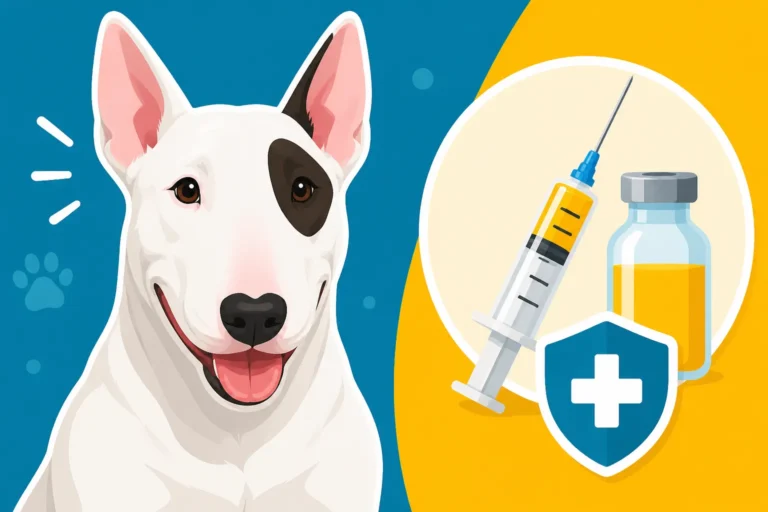
For the vast majority of DNA tests for Acrodermatitis, the sample collection method is a simple cheek swab. This is fantastic news because it means you usually don't need a vet visit just for the sample. The lab will send you a kit, which typically includes sterile swabs, collection tubes, and detailed instructions.
Here’s a general idea of what to expect:
- Preparation: You’ll usually be asked to ensure your Bull Terrier hasn't eaten or nursed for a certain period (e.g., 30 minutes to an hour) before collecting the sample. This helps prevent food particles from contaminating the swab.
- Swabbing: Gently but firmly rub the sterile swab along the inside of your dog’s cheek and under the tongue for about 10-20 seconds. The goal is to collect cells, not just saliva. It sounds tricky, but most dogs tolerate it surprisingly well, especially if you make it a positive experience with praise and a post-swab treat!
- Drying: Allow the swab to air dry completely before placing it in the provided sterile tube or envelope. This prevents mold growth during transit, which could compromise the sample.
- Submission: Fill out all necessary paperwork accurately, including your dog's registered name, microchip number, and your contact information. Package the samples securely according to the lab’s instructions and send them off.
Following these instructions precisely is critical to ensure the lab receives a viable sample and can process your test without delays. Some labs also offer blood sampling, which would require a veterinary visit, but cheek swabs are usually the preferred and easier method for genetic tests.
Understanding the Test Results
Once the lab has processed your Bull Terrier's DNA sample, you'll receive a report outlining the results. These results will typically fall into one of three categories for Acrodermatitis:
- Clear (or Normal): This means your Bull Terrier does not carry the gene mutation for Acrodermatitis and cannot pass it on to any offspring. This is the ideal result for any dog, especially those intended for breeding.
- Carrier: A carrier Bull Terrier has one copy of the gene mutation but generally does not show any clinical signs of Acrodermatitis itself. Carriers are healthy but can pass the mutated gene on to their puppies. This is vital information for breeders, as breeding two carriers together will produce, on average, 25% affected puppies. For more on this, check out Whether an Acrodermatitis Carrier Bull Terrier Is Affected.
- Affected: This result means your Bull Terrier has inherited two copies of the gene mutation and is genetically predisposed to Acrodermatitis. As discussed, these puppies will develop the severe symptoms of the disease. This result is devastating but confirms the diagnosis and helps guide management and care.
Understanding these terms is paramount, especially if you're a breeder. The information helps you make responsible decisions to protect the health of future generations of Bull Terriers.
Beyond the Test: Managing and Preventing AD
Receiving the test results is a significant step, but it's often just the beginning of a larger conversation, especially for breeders or owners facing an affected puppy.
Breeding Decisions and Genetic Counseling
For breeders, genetic test results for AD are invaluable tools. Knowing the genetic status of your breeding stock allows you to make informed decisions that can prevent the birth of affected puppies. For example, a "carrier" dog can still be bred, but only to a "clear" mate. Breeding two carriers together is a recipe for heartbreak. The implications of these pairings are detailed in Whether Two Bull Terrier Acrodermatitis Carriers Should Be Bred. The ultimate goal for responsible breeders is to reduce the incidence of AD in the breed without excessively narrowing the gene pool, gradually working towards a future where the condition is rare or eliminated. This involves careful planning and often genetic counseling to understand the risks and best practices, as covered in Whether Acrodermatitis Can Be Bred Out of Bull Terriers.
Reputable breeders often include health guarantees in their contracts and are transparent about the genetic testing they perform on their breeding dogs. They understand the immense responsibility that comes with producing Bull Terrier puppies and the ethical obligation to screen for known breed-specific conditions. For comprehensive information on what tests a breeder should prioritize, look at What a Bull Terrier Breeder Should Have Tested.
Living with an AD-affected Bull Terrier
While genetic testing is a powerful tool for prevention, sometimes you might encounter an affected Bull Terrier puppy. Living with an AD-affected puppy is incredibly challenging, both emotionally and financially. These puppies require intensive supportive care, which often involves specialized diets, immune support, and treatment for secondary infections. Products from trusted pet retailers like Chewy can be helpful for sourcing specific veterinary diets or supplements that a vet might recommend, although a specific "AD diet" isn't a cure. Similarly, while a service like Ollie offers customizable dog food, an AD-affected Bull Terrier would require strict, vet-prescribed dietary management, not a general custom meal plan.
The prognosis for affected puppies remains poor, and owners must prepare for a difficult journey. The primary goal becomes ensuring the puppy's comfort and quality of life for as long as possible. Pet insurance, such as through providers like Healthy Paws, can be a consideration, but it's important to understand policy details, especially regarding pre-existing conditions if a diagnosis is already made. Early diagnosis, even if devastating, allows for immediate palliative care and prevents prolonged suffering. For a deeper understanding of the grim reality, read Lethal Acrodermatitis Kills a Bull Terrier Puppy Before It Grows Up. Whether you are a breeder or a loving pet owner, being informed about this condition empowers you to make the best decisions for the welfare of these unique dogs.
Disclaimer
This article is for general informational purposes only and does not constitute professional advice. Laws, prices and regulations vary by location and change over time. Consult a qualified professional for guidance on your specific situation.