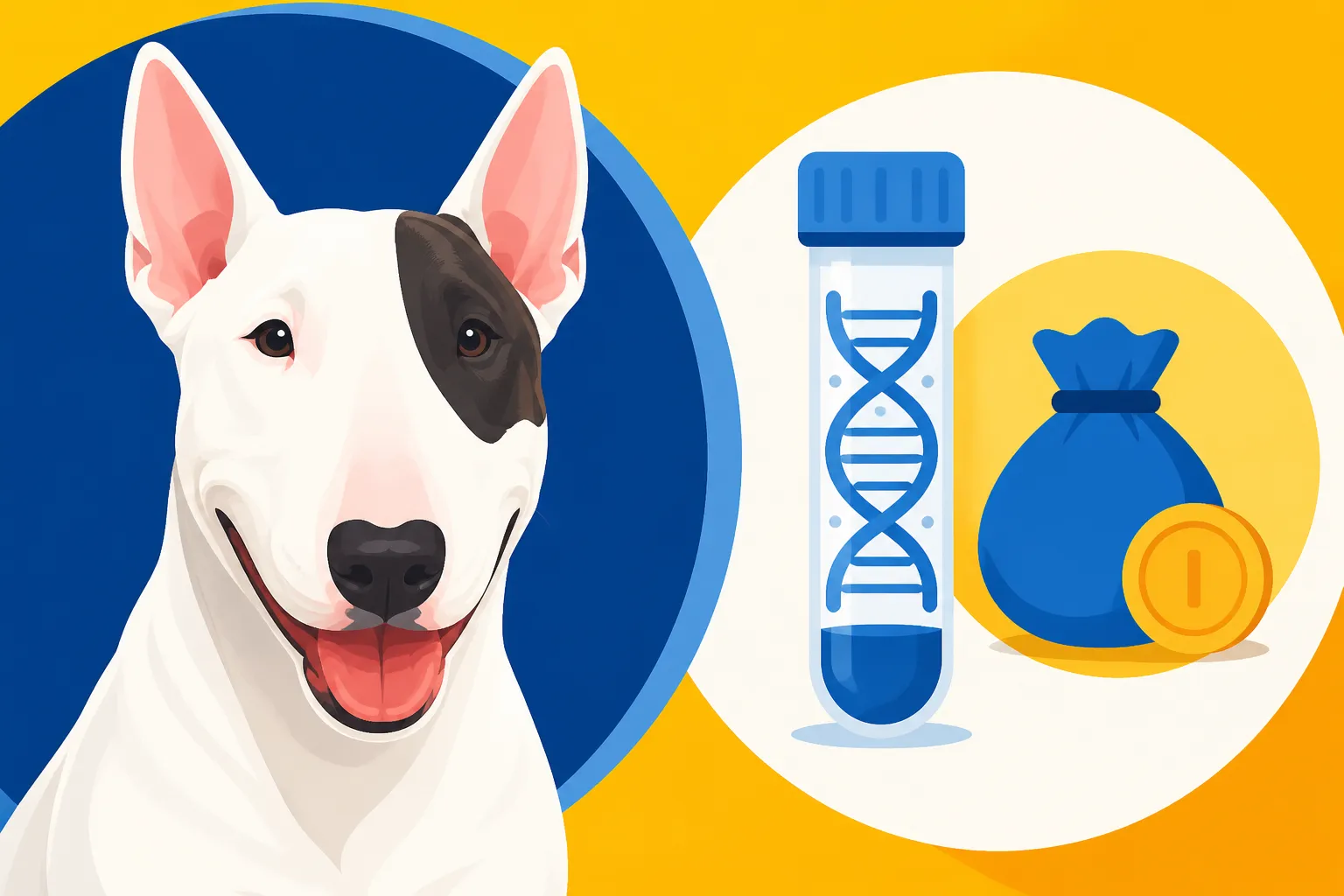
What a Single Bull Terrier DNA Test Costs
When you're bringing a Bull Terrier into your life, whether as a brand-new puppy or an adopted adult, one of the most proactive steps you can take for their well-being is genetic health testing. It’s easy to feel overwhelmed by all the health considerations for this unique breed, and the thought of adding another expense can be daunting. But understanding the specific costs associated with a single Bull Terrier DNA test can empower you to make informed decisions, giving you peace of mind and setting your furry family member up for the healthiest life possible. This guide aims to demystify those costs, breaking down what to expect and why these tests are an invaluable part of responsible Bull Terrier ownership.
The Indisputable Value of DNA Testing for Bull Terriers
Let's be honest, getting a Bull Terrier is an investment in joy, companionship, and sometimes, a little chaos! But with that joy comes responsibility, and a big part of being a responsible Bull Terrier owner is understanding their breed-specific health predispositions. Unlike general health checks that look at current physical condition, DNA tests delve into your dog's genetic blueprint, revealing potential health issues they might develop later in life or even carry and pass on if bred. This isn't about fear-mongering; it's about preparation and prevention.
Understanding Breed-Specific Health Concerns
Bull Terriers, for all their robust charm and undeniable character, are unfortunately prone to several inherited conditions that can range from merely inconvenient to utterly heartbreaking. Knowing your dog's genetic status for these conditions can be a game-changer. For example, one of the most devastating conditions is Lethal Acrodermatitis Kills a Bull Terrier Puppy Before It Grows Up, a genetic disorder that prevents zinc absorption, leading to chronic infections, failure to thrive, and tragically, a very short lifespan. Identifying carriers and affected puppies early through DNA testing is crucial. Similarly, conditions like Hereditary Nephritis, which impacts kidney function, or certain heart conditions that manifest as a The Heart Murmur a Bull Terrier Puppy Should Be Checked For are significant concerns. These aren't always immediately obvious in a playful puppy or a seemingly healthy adult, which is why a DNA test offers such powerful insight into their future. Understanding How Acrodermatitis Is Inherited in Bull Terriers can also help owners and breeders make informed decisions.
Peace of Mind for Owners and Breeders
For a breeder, DNA testing is an ethical imperative. It allows them to make informed breeding choices, aiming to reduce or eliminate the incidence of these diseases in future generations. A reputable breeder will have comprehensive test results for their breeding stock and will happily share them with prospective puppy owners. For you, as an owner, knowing your Bull Terrier’s genetic status means you can work proactively with your veterinarian. If your dog carries a gene for a certain condition, you can discuss early screening protocols, lifestyle adjustments, or simply be more vigilant for specific symptoms. This isn't just about saving money in the long run, though it often does; it's about providing the best possible quality of life for your beloved companion, potentially heading off painful and debilitating illnesses before they take hold.
Differentiating DNA Tests from Other Health Screens
It's easy to confuse DNA tests with other crucial health screenings your Bull Terrier needs. A DNA test identifies genetic markers, indicating a predisposition or carrier status for certain diseases. It's a look at their genetic potential. Other tests, like regular veterinary check-ups, blood work, urine tests, or specialized imaging like an echocardiogram, are diagnostic tools that assess your dog's current health status. For instance, an echocardiogram can detect a present heart condition, while a DNA test might indicate a genetic predisposition to one. Both are vital, but they serve different purposes. You might have already budgeted for routine care, but a DNA test adds another layer of preventative health, complementing rather than replacing those essential vet visits. Think of it this way: knowing What a Bull Terrier's Heart Workup Costs is about diagnosing what's happening now, while a DNA test offers a glimpse into what could happen down the road due to genetics.
Deconstructing the Cost of a Single Bull Terrier DNA Test
So, you're ready to take the plunge and get your Bull Terrier genetically tested. The first question on your mind is probably, "How much is this going to set me back?" The answer, as with many things in pet care, isn't a single number, but rather a range influenced by several factors. It's not uncommon for owners to feel a bit of sticker shock when first looking into these specialized tests, but understanding what you're paying for can help justify the investment.
What Influences the Price Tag
The cost of a Bull Terrier DNA test can vary significantly based on a few key elements:
- Number of Diseases Tested: Are you looking for a single-gene test for a specific condition like Acrodermatitis, or a comprehensive panel that screens for dozens of genetic mutations common in Bull Terriers and other breeds? Single-gene tests are generally less expensive than multi-panel tests.
- The Testing Laboratory: Different genetic testing laboratories offer different services, technologies, and pricing structures. Some labs are highly specialized in certain breeds or conditions, while others offer broader, more generalized panels. Reputable labs often have higher prices due to their scientific rigor and validated results.
- Country and Region: Veterinary costs, including lab work, can differ greatly depending on your geographic location. What one might pay in a rural area could be different from a major metropolitan center.
- Turnaround Time: Some labs offer expedited processing for an additional fee if you need results quickly, for example, for a time-sensitive breeding decision.
- Sample Collection Method: Most DNA tests require a cheek swab, which you can often collect at home. However, some labs prefer or require a blood sample, which necessitates a vet visit and an additional fee for sample collection.
For instance, pinpointing the cost for What the Bull Terrier Acrodermatitis Test Costs specifically will usually be at the lower end of the scale compared to a full panel that includes many other conditions.
The Range of Test Prices
While I can't give you exact dollar figures (prices are always changing, and vary widely by provider), I can give you a sense of the investment. A single-gene test for a specific condition might be in the lower hundreds, whereas a comprehensive breed-specific health panel, checking for numerous genetic markers, could be several hundred dollars. For breeders testing multiple dogs or an entire litter, some labs offer bulk discounts or breeder programs, which can bring the per-dog cost down slightly.
When researching, you’ll find that a standalone test for a condition like Acrodermatitis generally costs less than a full "Bull Terrier health panel" which might include screening for kidney disease markers, cardiac predispositions, and other genetic traits. It's really about how much information you want and need.
Common Testing Labs and Their Offerings
There are several highly respected genetic testing laboratories that serve the canine community, and many offer breed-specific panels or individual tests relevant to Bull Terriers. When considering Which Lab Runs the Bull Terrier Acrodermatitis Test, you'll likely encounter names that come up frequently in breeder circles and veterinary recommendations. These labs often work closely with breed clubs to ensure their panels cover the most prevalent genetic conditions for each breed.
Here’s a general breakdown of what to look for:
| Test Type | What It Covers | Typical Cost Factors | What to Expect |
|---|---|---|---|
| Single-Gene Test | Screens for one specific genetic mutation/disease (e.g., Acrodermatitis). | Lower cost, focused. | Clear positive/negative/carrier result for that one gene. |
| Breed-Specific Panel | Comprehensive screening for multiple genetic diseases and traits common to the Bull Terrier breed. | Higher cost, broad coverage. | Detailed report on several dozen genetic markers relevant to Bull Terriers. |
| "All Breeds" Panel | Screens for a very large number of generic mutations found across many breeds. | Variable cost, very broad. | Extensive results, some of which may not be relevant to Bull Terriers. |
| Parentage/DNA Profile | Verifies parentage or provides a unique genetic ID. | Lowest cost, purely identification. | Not health-related; typically used for registration or breeding verification. |
It's vital to research the specific panels offered by these labs and compare them to the health concerns most relevant to Bull Terriers. The American Kennel Club (AKC) and national Bull Terrier clubs often have recommended health testing protocols, which usually include specific DNA tests. Check if the lab you're considering is well-regarded for accuracy and if their results are accepted by relevant breed registries. The reliability of these tests, such as Whether the Bull Terrier Acrodermatitis Test Is Reliable, is paramount, so always choose a reputable lab.
Hidden Costs and Unexpected Savings in Bull Terrier DNA Testing
While the listed price of a DNA test kit is usually the first thing owners consider, there can be other expenses that creep up, as well as opportunities to save money in the long run. Being prepared for these can prevent unwelcome surprises and help you budget effectively for your Bull Terrier's health.
Vet Consultation Fees
For many genetic tests, particularly those involving blood draws, you'll need to schedule an appointment with your veterinarian. Even if it's a simple cheek swab you could theoretically do at home, some owners prefer the vet to collect the sample to ensure it's done correctly and prevent contamination. This vet visit will, of course, incur a consultation fee, which can range widely depending on your clinic and location. This is an additional expense often not included in the lab's quoted price for the DNA test itself. It's always best to call your vet's office beforehand and ask about their fees for sample collection for genetic testing.
Shipping and Handling
You've got your kit, you've collected the sample – now you have to send it back to the lab. While some kits might include pre-paid postage, many do not. You'll need to account for the cost of shipping, which can vary based on the lab's location (sometimes international) and how quickly you want it to arrive. Expedited shipping can add another layer of cost. Make sure to check the lab's instructions carefully for any specific shipping requirements or preferred carriers to ensure your sample arrives safely and is processed efficiently.
The Long-Term Value of Knowing
Here's where the "unexpected savings" come in. While an upfront DNA test might seem like a luxury, it's truly an investment in your Bull Terrier's future health and your financial peace of mind. Catching a predisposition to a serious condition early, or understanding a genetic risk, can allow for proactive management that may prevent or mitigate the severity of a disease. For example, if you know your Bull Terrier has a genetic marker for a certain kidney issue, you can start monitoring kidney values earlier, make dietary adjustments, and catch any decline long before it becomes an emergency. The costs associated with managing a full-blown crisis, like What Kidney Failure Costs a Bull Terrier Owner, can be astronomical, potentially running into thousands of dollars over a dog's lifetime. Many pet insurance providers, like Healthy Paws, emphasize preventative care, and while DNA tests aren't always directly covered, the information they provide can help you manage conditions that would be covered if they developed. Knowing your dog's genetic risks can help you make wise choices about pet insurance coverage, too, understanding Whether Insurance Covers Bull Terrier Kidney Disease before a condition is considered pre-existing.
Group Discounts and Breeder Programs
If you're connected to the Bull Terrier breeding community, you might find opportunities for cost savings. Many genetic testing labs offer discounted rates for breeders who test multiple dogs from their kennel or entire litters. This benefits everyone by increasing the overall genetic health data for the breed. If you're buying a puppy from a reputable breeder, they should ideally have already performed these tests on the parents and potentially the puppies themselves, saving you the immediate cost. Always ask to see the official documentation of these test results.
Making the Decision: Is a DNA Test Worth It for Your Bull Terrier?
The decision to DNA test your Bull Terrier is a personal one, but it's undoubtedly a powerful tool in responsible pet ownership. It offers a window into your dog's genetic future, allowing for proactive health management and potentially saving you heartache and significant veterinary expenses down the line. It's about being prepared and giving your Bull Terrier the best possible chance at a long, healthy life.
For Prospective Puppy Owners
If you're still searching for your Bull Terrier puppy, DNA testing isn't a cost you'll bear directly, but it should be a critical part of your selection process. A responsible breeder will have already performed genetic health screenings on both parent dogs and will be transparent about the results. They should be able to provide you with official documentation from reputable labs for conditions like Acrodermatitis, Hereditary Nephritis, and any other breed-specific concerns. This ensures that your puppy is coming from a lineage free of these known genetic issues, or at least from parents who are properly tested carriers. Always ask What a Bull Terrier Breeder Should Have Tested and expect clear answers and verifiable results. This initial investment in a well-tested puppy can prevent significant health costs and emotional distress later.
For Current Adult Bull Terrier Owners
Perhaps you adopted an adult Bull Terrier, or you've had your beloved companion for years and are only now learning about the benefits of genetic testing. Is it still worth it? Absolutely. Even if your dog is an adult, a DNA test can provide valuable information. If their history is unknown, or if you're noticing early, subtle signs of a health issue, a DNA test can confirm a genetic predisposition. This knowledge allows your veterinarian to establish a tailored preventative care plan, focusing on early detection and management. It helps you understand risks and monitor for symptoms specific to your dog's genetic profile. While a Bull Terrier's full genetic health panel can be a financial commitment, the information it provides for managing an adult dog's health can be priceless.
Beyond the DNA: Comprehensive Health Planning
It's crucial to remember that a DNA test is just one piece of a much larger health puzzle. While it offers incredible insight into genetic predispositions, it doesn't replace the need for comprehensive veterinary care. Regular check-ups, appropriate nutrition, and a healthy lifestyle are still paramount for your Bull Terrier's well-being.
Your Bull Terrier needs consistent care throughout their life, including:
- Routine Veterinary Visits: Don't skip annual exams, even if your dog seems perfectly healthy. Early detection of non-genetic issues is just as important. For instance, The Yearly Urine Test Every Bull Terrier Owner Should Book is crucial for monitoring kidney health, regardless of genetic predisposition.
- Quality Nutrition: A balanced diet is fundamental. Brands like Ollie and Chewy offer a variety of high-quality foods and specialized diets that can support overall health and address specific needs if genetic predispositions are discovered. A proper diet, for instance, can be critical in managing conditions like kidney disease if a genetic marker is found.
- Appropriate Exercise and Mental Stimulation: Bull Terriers are active and intelligent dogs. They thrive on physical activity and mental challenges. Adequate exercise helps maintain a healthy weight and overall physical condition, which can impact how genetic predispositions manifest.
- Proactive Monitoring: If your DNA test reveals a predisposition, work with your vet to create a monitoring schedule. This might involve more frequent blood tests, imaging, or specific symptom vigilance. This proactive approach is especially important as your Bull Terrier ages. Caring for a Bull Terrier Past Eight involves its own set of considerations, and genetic information can play a role in optimizing their senior care plan.
Ultimately, the cost of a single Bull Terrier DNA test is an investment in knowledge. That knowledge empowers you to be the best advocate for your Bull Terrier, allowing you to provide targeted care, foster their health, and truly enjoy every moment with your extraordinary companion.
Disclaimer
This article is for general informational purposes only and does not constitute professional advice. Laws, prices and regulations vary by location and change over time. Consult a qualified professional for guidance on your specific situation.