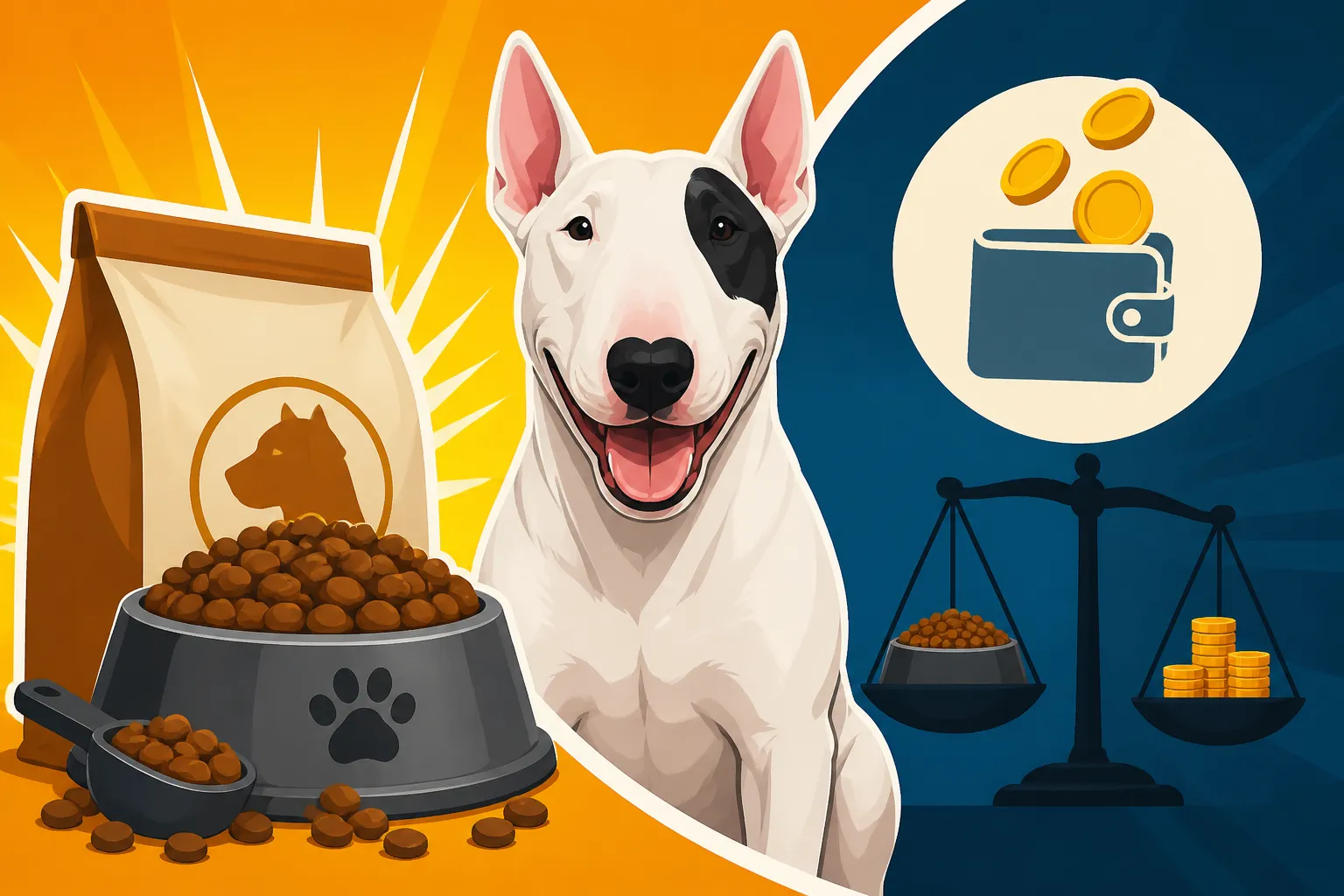
What Feeding Seventy Pounds of Bull Terrier Costs
Bringing a seventy-pound Bull Terrier into your home is an incredible joy, full of snuggles and boundless energy. But let's be realistic: that robust, muscular physique comes with an appetite to match, and many new owners are genuinely surprised by just how much those daily meals can add up. This guide is here to walk you through the true costs involved in keeping your Bull Terrier well-fed and healthy, from puppyhood through their senior years.
Understanding Your Bull Terrier's Dietary Needs
Before we even talk about specific food types or brands, it's crucial to understand why your Bull Terrier needs the nutrition it does. They aren't just any dog; they're a unique breed with specific demands on their diet.
The Bull Terrier's Unique Physique and Metabolism
Bull Terriers are known for their incredibly muscular, athletic build, even when they’re just lounging around. This isn't a fluffy breed that can hide a few extra pounds; every ounce of their weight tends to be dense muscle. Because of this, they have a relatively high metabolic rate compared to some other breeds of similar size. They need a diet that supports this muscle mass, provides sustained energy for their bursts of clownish activity, and helps maintain their overall health. Proteins and fats are crucial components, giving them the fuel they need without packing on unnecessary weight, which can stress joints and other systems.
Think about the sheer force behind a "body slam" from a happy Bull Terrier – that power comes from proper nutrition. If you’re not feeding a diet that provides adequate muscle-building blocks, you might notice a difference in their coat quality, energy levels, and even their ability to recover from exercise. It's not about making them huge; it's about providing the right building blocks for a healthy, functional seventy-pound dog. This often translates to a need for calorie-dense, nutrient-rich foods that aren't necessarily the cheapest options on the shelf.
How Age, Activity, and Health Influence Food Intake
A Bull Terrier's food requirements aren't static; they change significantly throughout their life stages and depend heavily on their daily routine. A growing Bull Terrier puppy, for instance, needs a very different caloric intake than a sedate senior dog. Puppies are like little furnaces, burning through calories for growth, development, and constant play. They often require specialized puppy formulas that support rapid bone and muscle growth, usually fed in smaller, more frequent meals. Moving to adult food at the right time is important for their development; you might find yourself wondering When a Bull Terrier Puppy Moves to Adult Food.
An adult Bull Terrier, especially one that gets plenty of exercise and playtime, will have higher energy demands than one who prefers to be a couch potato. A dog that joins you for long walks or plays vigorously at the park will naturally need more calories to maintain its weight and muscle condition. On the flip side, an older Bull Terrier might start to slow down, and their metabolism can decrease. Feeding the same amount of food to a less active senior dog can quickly lead to weight gain, which is detrimental to their joints and overall health. Furthermore, specific health conditions, such as kidney disease, allergies, or even issues like Tail Chasing in a Bull Terrier Is a Medical Problem that might require medication, can necessitate specialized diets, dramatically affecting both the type and cost of food. For example, if your Bull Terrier is unfortunately diagnosed with kidney issues, you'll soon learn about Feeding a Bull Terrier That Might Have Kidney Disease and the associated dietary changes.
The Different Types of Dog Food and Their Cost Implications
When you walk down the dog food aisle, the sheer number of choices can be overwhelming. Each type comes with its own price tag, convenience factor, and potential health benefits for your Bull Terrier.
Dry Kibble: The Most Common Option
Dry kibble is undoubtedly the most popular choice for many Bull Terrier owners, primarily due to its convenience and typically lower cost compared to other options. It's easy to store, has a long shelf life, and allows for precise portion control. However, within the world of kibble, there's a vast spectrum of quality and price. Cheaper brands often contain more fillers, by-products, and less digestible ingredients. While they might fill your Bull Terrier's stomach, they may not provide the optimal nutrition for their dense muscle and energetic disposition, potentially leading to needing to feed more of it to maintain weight, or worse, health issues down the line.
Premium kibble brands, which focus on high-quality animal proteins, healthy fats, and digestible carbohydrates, will naturally come with a higher price point. These foods are usually more nutrient-dense, meaning your Bull Terrier might need to eat less volume to get the same nutritional benefits. Investing in a good quality kibble can be a smart move, as it forms the foundation of their diet. Many owners find value in ordering larger bags from online retailers like Chewy, often getting a better per-pound price and having it delivered right to their door. You'll want to pay close attention to the feeding guidelines to ensure you're providing How Many Cups a Day an Adult Bull Terrier Eats to keep them at a healthy weight.
Wet Food and Fresh/Raw Diets: Higher Investment, Different Benefits
Moving up the cost ladder, we find wet food, fresh food, and raw diets. Wet food, often found in cans or pouches, is typically more palatable for dogs and provides higher moisture content, which can be beneficial for hydration. However, it's significantly more expensive per calorie than kibble, especially for a seventy-pound Bull Terrier who would need multiple cans a day to meet their caloric needs. It's often used as a topper or an occasional treat rather than a primary diet due to the sheer volume and expense.
Fresh food and raw diets represent another significant leap in cost. Services like Ollie deliver freshly prepared, human-grade meals tailored to your dog's weight and activity level. These diets are highly digestible and can be excellent for dogs with sensitive stomachs or allergies. Owners often report improved coat health, better digestion, and increased energy. However, the cost for a seventy-pound Bull Terrier on a fresh or raw diet can be substantial, often several times more than premium kibble. While the benefits can be great, it's a financial commitment that requires careful consideration. Raw feeding, while popular in some circles, also carries its own set of challenges, including proper handling and storage to prevent bacterial contamination, and ensuring it's nutritionally balanced. These options are often chosen when specific health benefits are sought, or when an owner prioritizes feeding a diet perceived as more natural.
Beyond the Bowl: Treats, Supplements, and Special Diets
Feeding your Bull Terrier isn't just about the main meals. Treats, supplements, and specialized diets for health issues also play a significant role in the overall cost. These additions can quickly inflate your monthly budget if not managed carefully.
The Cost of Training Treats and Chews
Bull Terriers are intelligent but can be notoriously stubborn. Training often requires high-value treats to capture their attention and motivate them. Whether you're working on basic obedience or tackling a specific behavioral challenge, those little reward bites add up. If you're using them frequently, especially during puppyhood or when addressing issues like Teaching a Bull Terrier to Walk Without Pulling, you'll go through a lot. Many owners opt for smaller, soft treats that can be easily broken into even tinier pieces to stretch their dollar while still providing that enticing reward.
Beyond training, chews are an absolute necessity for Bull Terriers. Their powerful jaws and innate need to chew mean that flimsy toys or low-quality chews won't last five minutes. Investing in durable, long-lasting chews—like bully sticks, dental chews, or sturdy rubber toys that can be stuffed with food—is crucial not only for their dental health but also to save your furniture from destruction. While a single quality chew might seem expensive, it's often a better investment than constantly replacing cheaper alternatives. Make sure you choose appropriate Which Chews Are Safe for a Bull Terrier to prevent dental injuries or digestive issues.
Supplements: When Are They Necessary?
The world of dog supplements is vast and often confusing. While a high-quality, balanced diet should ideally provide most of the nutrients your Bull Terrier needs, there are times when supplements become a necessary part of their care. For instance, older Bull Terriers might benefit from joint supplements containing glucosamine and chondroitin to support aging hips and elbows. Dogs with sensitive skin, a common Bull Terrier concern, might need omega-3 fatty acid supplements to improve coat health and reduce inflammation. Some Bull Terriers, particularly white ones, can have skin sensitivities and might benefit from dietary additions, though it's important to differentiate from conditions like Zinc Responsive Dermatosis in a Bull Terrier which is a specific medical condition.
However, it's crucial to consult your veterinarian before adding any supplements to your Bull Terrier's diet. Unnecessary supplementation can be ineffective at best, and at worst, harmful. Your vet can advise whether a particular supplement is genuinely needed based on your dog's health, age, and existing diet. While supplements add to the monthly cost, they can be a worthwhile investment if they help prevent more serious health issues or improve your dog's quality of life. Think of them as targeted support for specific needs, rather than a universal necessity for every Bull Terrier.
Navigating Special Diets for Health Issues
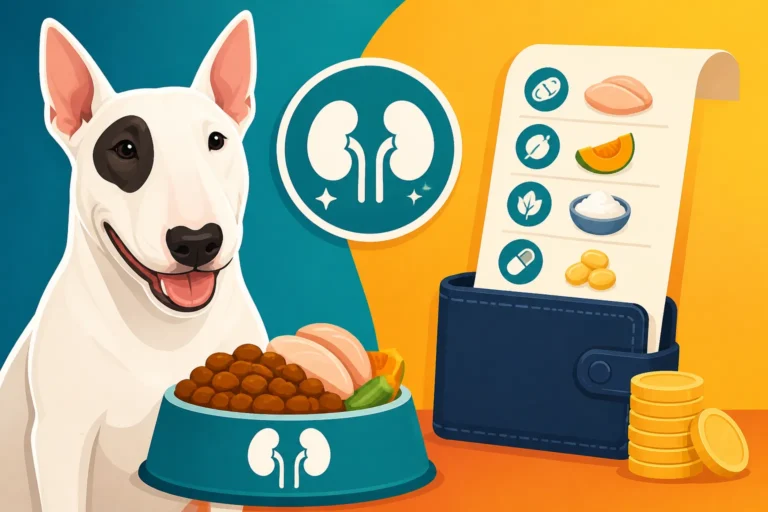
Unfortunately, Bull Terriers are prone to certain health conditions that often require specific dietary interventions. Kidney disease, for example, is a significant concern for the breed, and once diagnosed, a Bull Terrier will almost certainly be prescribed a renal diet. These specialized foods are formulated with lower protein, phosphorus, and sodium levels to help support kidney function and slow disease progression. What a Renal Diet Costs a Bull Terrier Owner is often significantly more than regular kibble, and it's a cost that will be ongoing for the rest of your dog's life.
Similarly, Bull Terriers can suffer from allergies, often manifesting as skin issues. This might necessitate a limited ingredient diet or a hydrolyzed protein diet to identify and avoid allergens. These specialized diets are usually more expensive due to their unique formulations and ingredients. A Bull Terrier's Skin Is Its Weakest Point, and diet can play a big role in managing skin health. Sometimes, these diets are prescribed as part of a broader treatment plan, which might include medications or veterinary visits, further increasing overall costs. It's a prime example of how health directly impacts feeding costs, emphasizing the importance of preventative care and understanding your breed's vulnerabilities.
Estimating Your Monthly and Yearly Food Budget
Getting a handle on the actual costs of feeding your Bull Terrier involves looking at the big picture: not just the price of a bag of food, but all the associated factors over time. This helps you plan financially for the long haul.
Factors Affecting the Long-Term Food Bill
The initial sticker shock of a bag of premium dog food is one thing, but the true cost over a year, or even the Twelve Years of a Bull Terrier, Priced Out, can be quite staggering. The brand of food you choose is a major factor, with high-quality kibbles generally costing more than budget options. However, as discussed, cheaper food might mean feeding more volume, or incurring higher vet bills down the line. Ingredient sourcing and formulation also play a role; foods with exotic proteins or grain-free recipes often carry a premium.
Your purchasing habits also heavily influence the long-term bill. Buying in bulk, for example, often provides a significant per-pound saving. If your Bull Terrier eats a lot each month (How Much an Adult Bull Terrier Eats), buying larger bags can reduce frequent trips to the store and save money in the long run. Keeping an eye out for sales, loyalty programs, or subscription services can also help mitigate costs. However, be mindful of storage: a large bag needs to be kept fresh to prevent spoilage, which can happen with fats going rancid. The current economic climate and supply chain issues can also affect food prices, leading to fluctuations you might not expect.
Practical Tips for Managing Feeding Costs
Managing the cost of feeding a seventy-pound Bull Terrier doesn't mean compromising on quality; it means being a smart shopper and planner. Here’s how:
Firstly, research and compare. Don't just grab the first bag you see. Look at ingredient lists, guaranteed analysis, and feeding guidelines from various reputable brands. Sometimes, a slightly more expensive bag means you feed less per day, making the actual cost per meal comparable or even lower. Online retailers like Chewy often provide detailed ingredient breakdowns and customer reviews, which can be invaluable.
Secondly, consider bulk purchasing. If you have the storage space, buying the largest available bag of your chosen kibble is almost always more cost-effective. Just ensure it's stored in an airtight container to maintain freshness and prevent pests.
Thirdly, leverage subscription services and auto-ship options. Many online pet supply stores offer discounts for setting up recurring deliveries. This not only saves you money but also ensures you never run out of food. Some fresh food services, like Ollie, might offer initial discounts or loyalty programs that can help manage the cost, though they remain a premium option.
Fourthly, homemade treats. While store-bought training treats are convenient, baking simple, healthy treats at home (think boiled chicken, sweet potato slices) can be much cheaper and allow you to control ingredients. This is especially good for dogs with allergies or sensitive stomachs. Just remember to factor them into your Bull Terrier's overall caloric intake to avoid accidental weight gain. You're always working towards keeping What an Adult Bull Terrier Should Weigh stable.
The Hidden Costs of "Cheap" Food
While saving money on your Bull Terrier's food might seem appealing in the short term, the reality is that cutting corners on nutrition often leads to much higher expenses down the road. It's a classic case of paying now or paying much more later.
The Link Between Diet and Health
A low-quality diet, often characterized by cheap fillers, artificial ingredients, and inadequate protein or fat levels, can have a detrimental impact on your Bull Terrier's health. Think about it: that powerful physique needs proper fuel. Poor nutrition can manifest in a variety of ways: a dull, brittle coat, excessive shedding, chronic itching, poor digestion leading to frequent diarrhea or vomiting, low energy levels, and a weakened immune system. Bull Terriers are prone to A Bull Terrier's Skin Is Its Weakest Point, and poor diet can exacerbate skin issues, leading to frequent vet visits for rashes, infections, or hot spots.
Beyond these visible signs, inadequate nutrition can contribute to more serious long-term health problems. A lack of essential nutrients can impact organ function, accelerate the onset of age-related conditions, and make your Bull Terrier more susceptible to illness. For instance, while not a direct cause, poor nutrition won't support kidney health, and later in life, you might be looking at Signs a Bull Terrier's Kidneys Are Failing. Each of these issues means a trip to the veterinarian, diagnostic tests, medications, and potentially specialized diets—all expenses that far outweigh the savings from a cheaper bag of kibble.
The Value of Investing in Quality Food
When you choose a high-quality, nutritionally complete and balanced diet for your Bull Terrier, you're not just buying food; you're investing in their long-term health and well-being. A premium diet provides the optimal blend of nutrients to support their muscle mass, maintain a healthy coat and skin, bolster their immune system, and provide consistent energy. This proactive approach can significantly reduce the likelihood of diet-related health problems, saving you money on veterinary bills in the future.
Consider this: if a Bull Terrier on a cheaper food develops chronic skin allergies or digestive upset, the cost of veterinary consultations, allergy tests, prescription medications, and potentially a therapeutic diet can quickly run into the hundreds or even thousands over time. Conversely, a Bull Terrier fed a high-quality diet is more likely to thrive, have fewer health issues, and generally enjoy a better quality of life. Healthy Paws, a well-known pet insurance provider, often emphasizes the importance of preventative care and good nutrition in avoiding claims, illustrating how a healthy lifestyle, including proper diet, translates to fewer unexpected costs. It’s about understanding that the cost of food is part of a larger picture of care, and a wise investment in their diet is truly an investment in their overall health.
Disclaimer
This article is for general informational purposes only and does not constitute professional advice. Laws, prices and regulations vary by location and change over time. Consult a qualified professional for guidance on your specific situation.