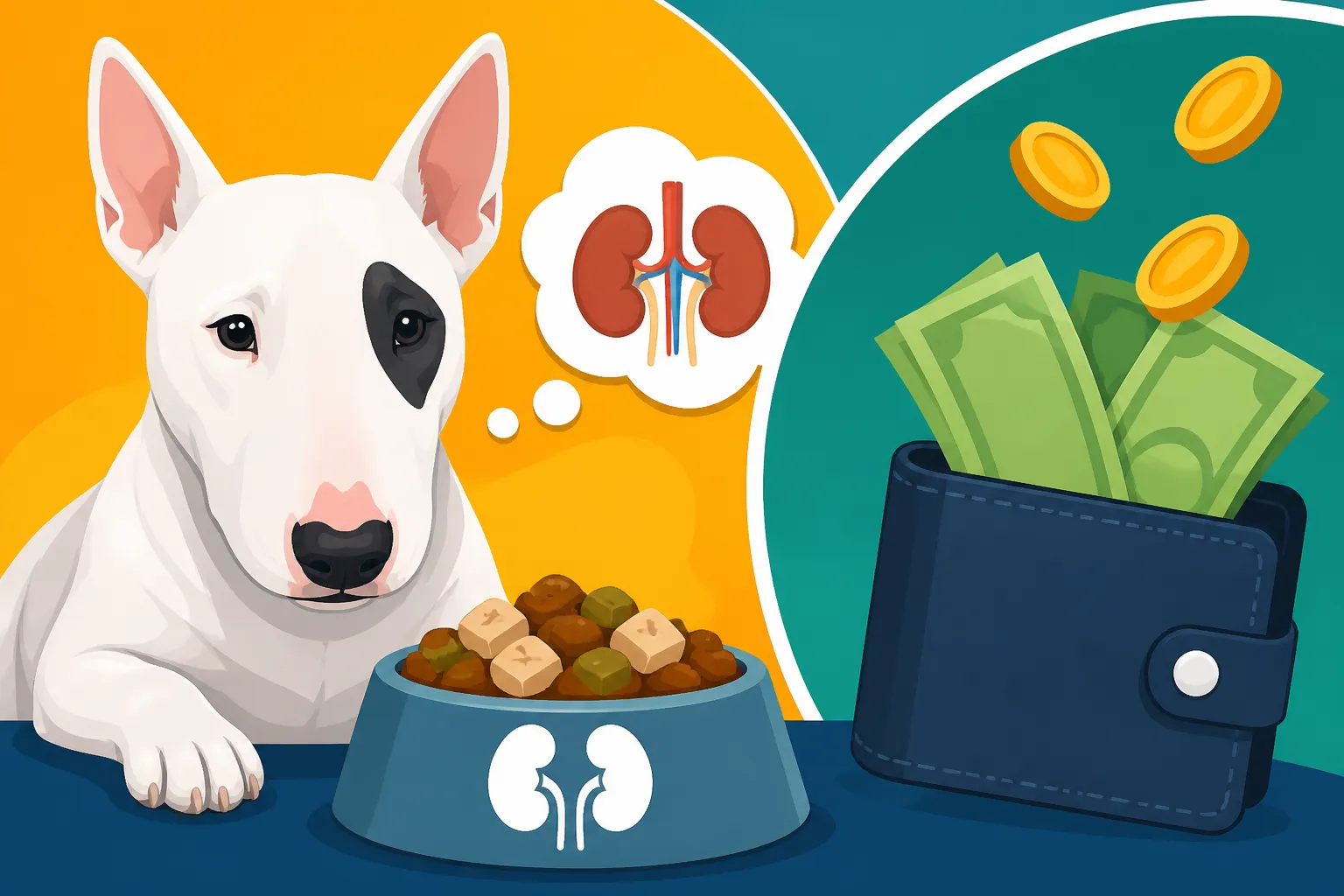
What a Renal Diet Costs a Bull Terrier Owner
Discovering your beloved Bull Terrier has kidney disease can be a truly gut-wrenching moment. Beyond the emotional turmoil, the practical realities, especially the financial implications of ongoing care, can feel overwhelming. This guide aims to provide a clear, realistic breakdown of what a renal diet entails for a Bull Terrier owner, shedding light on the various costs associated with keeping your quirky companion as healthy and happy as possible for as long as possible.
The Critical Role of a Renal Diet in Bull Terrier Kidney Health
When your Bull Terrier receives a diagnosis of kidney disease, it's natural to feel a wave of fear and uncertainty. Many Bull Terriers, unfortunately, are predisposed to kidney issues, with conditions like Hereditary Nephritis being a significant concern within the breed. This isn't just a minor health hiccup; it's a chronic, progressive condition where the kidneys gradually lose their ability to filter waste products from the blood effectively. A specialized diet becomes one of the most powerful tools in your arsenal to slow this progression and maintain your dog's quality of life.
The kidneys are incredible organs, responsible for a multitude of vital functions, from regulating blood pressure to producing hormones and, most famously, filtering toxins. When they start to fail, these toxins build up, making your dog feel unwell and causing further damage. This is where the magic (and necessity) of a renal diet comes into play. It's not about "curing" the disease, as kidney damage is often irreversible, but rather about supporting the remaining kidney function and minimizing the workload on these vital organs.
The transition to a renal diet often happens after specific diagnostic tests, such as a yearly urine test every Bull Terrier owner should book or a more comprehensive blood panel, reveal early signs of kidney compromise. Understanding why this diet is so crucial and what it aims to achieve is the first step in navigating this challenging journey.
Why Bull Terriers Are Prone to Kidney Issues
Bull Terriers, much like some other purebred dogs, have certain genetic predispositions that can make kidney disease a more prevalent concern. One of the most heartbreaking conditions is Hereditary Nephritis, a genetic disorder that can cause kidney failure in relatively young dogs. This isn't an acquired disease; it's something they're born with, and it can start silently damaging their kidneys from an early age. The severity can vary, but for many, it leads to significant kidney deterioration over time.
Beyond Hereditary Nephritis, other forms of kidney disease can affect Bull Terriers, including age-related chronic kidney disease or even polycystic kidney disease, though less common. The key is that these conditions put an immense strain on the kidneys, which are already working hard. When you delve into what Hereditary Nephritis does to a Bull Terrier, you begin to understand the critical importance of early intervention and vigilant management. A seemingly healthy Bull Terrier can mask significant internal changes for a long time, which is why proactive screening is paramount.
Unfortunately, buying an untested Bull Terrier puppy can signal potential future health problems, including genetic kidney issues, if the breeder hasn't conducted proper health screenings on the parents. This underscores the importance of choosing a reputable breeder who prioritizes health testing.
How Kidney Disease Impacts Diet
The moment your Bull Terrier's kidneys aren't functioning optimally, their entire metabolic system is affected. A conventional dog food diet, rich in protein and phosphorus, becomes detrimental because these substances, while essential for healthy dogs, produce waste products that failing kidneys struggle to process. Imagine trying to drain a bathtub with a clogged drain; the water just backs up. That's essentially what happens with a standard diet and compromised kidneys.
A renal diet is scientifically formulated to address these specific challenges. Its primary goals are to:
- Reduce the workload on the kidneys: This is achieved by carefully controlling protein levels. While protein is necessary, too much creates excessive waste products like urea, which the kidneys must filter. Renal diets provide high-quality protein in controlled amounts, just enough to maintain muscle mass without overtaxing the kidneys.
- Minimize phosphorus intake: Phosphorus is a mineral that healthy kidneys excrete. When kidney function declines, phosphorus builds up in the blood, leading to a cascade of problems, including calcium imbalances, bone issues, and further kidney damage. Renal diets significantly restrict phosphorus.
- Regulate sodium: Controlled sodium levels help manage blood pressure, which is often elevated in dogs with kidney disease.
- Provide adequate hydration: Many renal wet foods help increase water intake, which is crucial for kidney health.
- Supply essential vitamins and antioxidants: B vitamins, which are often lost through increased urination, are supplemented, and antioxidants help combat oxidative stress.
Essentially, a renal diet creates an environment that supports the ailing kidneys, slows the progression of the disease, and improves the dog's overall comfort and well-being. It's a fundamental pillar of managing kidney disease in your Bull Terrier.
Signs Your Bull Terrier Might Need a Renal Diet
Recognizing the early signs of kidney disease in your Bull Terrier can make a huge difference in their prognosis and the effectiveness of dietary intervention. Unfortunately, dogs are masters at hiding pain and illness, often not showing obvious symptoms until a significant portion of kidney function is already lost. This is why routine veterinary check-ups and specific screenings are so important.
However, if you observe any of the following, it's crucial to schedule an immediate veterinary appointment:
- Increased Thirst (Polydipsia): You might notice your Bull Terrier drinking more water than usual, and their water bowl emptying faster. This is one of the earliest and most common signs.
- Increased Urination (Polyuria): Hand-in-hand with increased thirst, your dog might need to go outside more frequently, or you might find them having accidents inside, even if they're house-trained. The urine may also appear less concentrated.
- Changes in Appetite/Weight Loss: A decrease in appetite, pickiness, or even complete refusal of food can be a sign. Over time, this can lead to noticeable weight loss and muscle wasting.
- Lethargy or Weakness: Your normally energetic Bull Terrier might seem less playful, more tired, or generally less enthusiastic about activities they once loved.
- Vomiting or Diarrhea: The buildup of toxins can cause gastrointestinal upset.
- Poor Coat Quality: A dull, dry, or unhealthy-looking coat can sometimes be an indicator of underlying health issues, including kidney problems.
- Bad Breath (Halitosis): Uremic toxins accumulating in the body can give your dog's breath a distinct, unpleasant ammonia-like odor.
- Oral Ulcers: In advanced stages, ulcers can form in the mouth due to toxin buildup.
These are all signs a Bull Terrier's kidneys are failing. If you notice your Bull Terrier drinking more than it used to or showing any of these symptoms, don't delay. Early diagnosis and the prompt initiation of a renal diet, along with other supportive care, can significantly impact how long a Bull Terrier lives after a nephritis diagnosis.
Types of Renal Diets and Their Costs for Bull Terrier Owners
Once a renal diet is prescribed, you'll discover there are several avenues to explore, each with its own cost implications and practical considerations. The world of veterinary diets is quite specific, and "renal" isn't just a buzzword; it refers to carefully balanced nutritional profiles that meet the strict requirements of kidney disease management. Generally, you'll be looking at prescription commercial foods, either dry or wet, or potentially a homemade diet formulated with veterinary guidance. The cost of a Bull Terrier's renal diet can vary wildly depending on which route you choose, the brand, and your dog's specific needs.
Prescription Commercial Renal Foods
The most common and often recommended approach for managing kidney disease in Bull Terriers is through commercially prepared prescription renal diets. These diets are developed by veterinary nutritionists and are specifically formulated to have reduced protein (of high quality), restricted phosphorus, controlled sodium, and often increased omega-3 fatty acids and B vitamins. They are not available over the counter and require a veterinarian's prescription, ensuring your dog is on the correct diet for their specific stage of kidney disease.
The convenience factor of these diets is high; they are nutritionally complete and balanced, removing the guesswork and potential for error that can come with homemade options. However, this specialized formulation comes at a premium price compared to standard dog foods.
Dry Kibble: The Foundation of Many Renal Diets
For many Bull Terrier owners, prescription dry kibble forms the backbone of their dog's renal diet. These diets are widely available through veterinary clinics, specialty pet stores, and online retailers like Chewy. They offer a good balance of cost-effectiveness (relative to wet food) and ease of storage.
You'll quickly notice that the price per bag for prescription renal kibble is significantly higher than what you might have paid for your Bull Terrier's previous food. This isn't just because it's "prescription"; it's due to the precise ingredient sourcing, careful formulation, and rigorous testing required to meet the specific nutritional needs of kidney patients. Brands like Royal Canin Veterinary Diet, Hill's Prescription Diet, and Purina Pro Plan Veterinary Diets are common examples, each offering their own renal formulations. For instance, a large bag of renal kibble might cost you considerably more than a bag of premium adult maintenance food, and this is a recurring monthly expense. Given that Bull Terriers are decent-sized dogs, they'll go through these bags fairly quickly, making the monthly bill add up.
Many owners find purchasing these specialized foods from online platforms like Chewy to be convenient and sometimes slightly more economical due to bulk buying options or subscription services. However, it's essential to always have a valid prescription from your veterinarian before purchasing these foods.
Wet Food: Palatability and Hydration at a Higher Price
Prescription wet renal food is often a godsend for Bull Terriers with kidney disease, especially those who are finicky eaters or who need an extra boost of hydration. The increased moisture content in wet food is beneficial for kidneys, helping them flush toxins more effectively. It's also typically more palatable and aromatic, which can encourage a dog with a reduced appetite to eat.
However, the benefits of wet food come with an even higher price tag than kibble. Canned renal diets are sold in individual cans, and depending on your Bull Terrier's size and caloric needs, they might require several cans a day. This quickly escalates the monthly cost. For a medium to large Bull Terrier, feeding solely wet renal food can be a substantial financial commitment. It's not uncommon for owners to mix wet and dry renal food to strike a balance between palatability, hydration, and cost.
For a Bull Terrier, which might be particularly sensitive or develop aversions to food due to nausea associated with kidney disease, the appeal of wet food can be invaluable. However, budgeting for this higher expense is a critical part of planning for your Bull Terrier's ongoing care. Again, retailers like Chewy often carry a wide range of these canned prescription diets, making them accessible once you have a veterinary prescription.
Homemade Renal Diets: The Appeal Versus the Reality
The idea of preparing a homemade renal diet for your Bull Terrier can be appealing for several reasons: you have complete control over the ingredients, it might seem more "natural," and some owners hope it will be more cost-effective. While a homemade diet can be tailored precisely to your dog's individual needs, the reality is far more complex and often not cheaper or easier in the long run.
The Appeal vs. Reality: Cost and Effort
On the surface, buying raw ingredients might appear less expensive than a bag of prescription kibble. You're thinking chicken, rice, vegetables. However, a properly balanced homemade renal diet is not simply about reducing protein or phosphorus; it's about providing the right amount of high-quality protein, precisely controlled phosphorus, and ensuring all other essential nutrients, vitamins, and minerals are present in appropriate quantities, often requiring specialized supplements.
The "cost" isn't just about the ingredients. It includes the cost of consulting with a board-certified veterinary nutritionist – a non-negotiable step if you go this route. These specialists will formulate a diet specific to your Bull Terrier's weight, stage of kidney disease, and any other health conditions. This consultation itself is an upfront expense, and you may need follow-up appointments to adjust the diet as your dog's condition changes. Moreover, the time commitment to meticulously prepare, portion, and often cook these meals daily or weekly is considerable. Factor in the cost of specific measuring tools, storage containers, and supplements, and the initial perceived savings can quickly evaporate.
Many pet parents underestimate the difficulty of formulating a diet that is both kidney-friendly and nutritionally complete. Without expert guidance, you risk inadvertently causing nutritional deficiencies or excesses that could accelerate kidney decline or lead to other health problems for your Bull Terrier.
Challenges of Formulation and Nutritional Balance
The biggest challenge with a homemade renal diet lies in achieving the precise nutritional balance required. This isn't something you can guess at or find reliably on the internet without professional veterinary nutritionist oversight. Kidney disease requires very specific dietary modifications:
- Controlled Protein: Enough for muscle maintenance, but not so much as to create excessive nitrogenous waste. The type of protein also matters (high biological value).
- Phosphorus Restriction: This is perhaps the most critical and hardest to manage. Phosphorus is found in almost all protein sources, and it's notoriously difficult to restrict adequately in a homemade diet without the addition of phosphorus binders.
- Adequate Calories: Dogs with kidney disease often have poor appetites and can lose weight. The diet must be calorie-dense and appealing.
- Sodium Control: To manage blood pressure.
- Supplementation: Often includes B vitamins, omega-3 fatty acids, and specific minerals that might be deficient or lost in kidney disease.
The process involves selecting specific ingredients, calculating nutrient values, cooking methods, and often adding a bespoke vitamin and mineral supplement package. Without this meticulous approach, you risk feeding a diet that, while well-intentioned, could do more harm than good. The specialized knowledge required is why the veterinary nutritionist's role is so vital and why the average Bull Terrier owner typically finds prescription commercial diets to be the safest and most practical choice, despite their higher cost.
Beyond the Bowl: Associated Costs of Kidney Disease Management
Feeding your Bull Terrier a renal diet is undoubtedly a primary expense, but it's crucial to understand that it's just one component of managing kidney disease. The condition often comes with a host of other challenges that require medication, supplements, and frequent veterinary monitoring, all of which add significantly to the overall cost. When considering what treating a Bull Terrier's kidney disease costs, you must account for these additional, often unavoidable, expenses.
Supplements and Medications: A Daily Regimen
As kidney disease progresses, it often brings with it a cascade of secondary issues that require ongoing medical intervention. These aren't optional; they are vital to support your Bull Terrier's comfort and slow the disease's progression. The monthly kidney medication costs can quickly add up.
Phosphorus Binders: Essential for Kidney Support
One of the most common and crucial additions to a renal diet is a phosphorus binder. As mentioned earlier, failing kidneys struggle to excrete phosphorus, leading to high levels in the blood (hyperphosphatemia). This can make your Bull Terrier feel unwell and contribute to further kidney damage. Phosphorus binders are medications or supplements given with meals that bind to phosphorus in the digestive tract, preventing its absorption into the bloodstream.
There are several types of phosphorus binders, ranging from aluminum hydroxide to calcium acetate, and newer, more sophisticated options. Your veterinarian will prescribe the most appropriate type and dosage based on your dog's blood phosphorus levels. These binders are a daily, lifelong expense, and their cost can vary, but they are absolutely essential for managing the disease effectively. You might find yourself purchasing these regularly from your vet or through online pet pharmacies or retailers like Chewy.
Other Supportive Supplements and Medications
Beyond phosphorus binders, a Bull Terrier with kidney disease may need a variety of other medications and supplements to manage symptoms and support overall health:
- Omega-3 Fatty Acids: Often recommended for their anti-inflammatory properties and kidney-protective benefits. These are typically given as fish oil supplements.
- B Vitamins: Kidneys often lose essential B vitamins through increased urination, so supplementation is common.
- Antioxidants: To combat oxidative stress on the body.
- Blood Pressure Medications: High blood pressure (hypertension) is a common complication of kidney disease and can further damage the kidneys, eyes, and heart. Medications like ACE inhibitors or calcium channel blockers are often prescribed.
- Anti-nausea Medications: Many dogs with kidney disease experience nausea and vomiting due to toxin buildup. Medications to alleviate these symptoms can significantly improve their quality of life and encourage eating.
- Appetite Stimulants: If appetite remains poor, your vet might prescribe a medication to help stimulate hunger.
- Erythropoiesis-Stimulating Agents: In later stages, kidneys may not produce enough erythropoietin, leading to anemia. Injections of synthetic erythropoietin might be necessary, which can be quite costly.
- Fluid Therapy: For some dogs, subcutaneous fluid administration at home (under veterinary guidance) becomes necessary to combat dehydration and flush toxins. This involves the cost of fluids, needles, and administration sets.
Each of these items represents an ongoing cost, and a Bull Terrier owner with a kidney-diseased dog will likely face a combination of these expenses on a monthly or quarterly basis.
Veterinary Monitoring and Diagnostics: Regular Check-ups Are Key
Managing kidney disease is a dynamic process; it requires constant vigilance and regular adjustments to treatment plans. This means frequent trips to the veterinarian for monitoring, which adds another layer of expense. These visits aren't just for a quick chat; they involve specific diagnostic tests to track the disease's progression and the effectiveness of the current management strategy.
Regular Bloodwork and Urinalysis
The cornerstone of kidney disease monitoring is routine bloodwork and urinalysis. Your veterinarian will likely recommend these tests every 3-6 months, or even more frequently depending on the stage of the disease and your Bull Terrier's stability.
- Blood Tests: These panels typically include measures of BUN (Blood Urea Nitrogen), Creatinine, and SDMA (Symmetric Dimethylarginine). SDMA is particularly valuable as an early indicator of kidney dysfunction, often rising before BUN and Creatinine. Electrolyte levels (potassium, sodium) and calcium/phosphorus levels are also crucial to monitor.
- Urinalysis: This assesses urine concentration, checks for protein in the urine (proteinuria), and looks for any signs of infection. A UPC ratio (Urine Protein Creatinine ratio) is a specific test that helps quantify protein loss in the urine, which is a key indicator of kidney damage and progression. Understanding what a UPC ratio tells a Bull Terrier owner is vital, as a rising number can signal worsening disease. The cost of collecting a Bull Terrier's UPC sample and having it analyzed is a recurring expense.
These recurring diagnostic costs are essential for making informed decisions about diet adjustments, medication dosages, and overall treatment strategy.
Blood Pressure Checks and Ultrasounds
Beyond the routine blood and urine tests, other diagnostic tools play a role in comprehensive kidney disease management:
- Blood Pressure Checks: As hypertension is a common complication, regular blood pressure monitoring is crucial. This is often done at each vet visit and helps guide the use of blood pressure medications.
- Kidney Ultrasounds: Periodically, an ultrasound of the kidneys might be recommended to assess their size, shape, and internal structure, and to check for any other abnormalities like kidney stones or polycystic kidney disease. While not a regular recurring cost, it is an additional expense that might come up.
- Specialist Consultations: In complex cases, or if your Bull Terrier isn't responding well to treatment, your veterinarian might recommend a consultation with a board-certified veterinary internal medicine specialist or nephrologist. These specialists have advanced training in kidney diseases and can offer more specialized diagnostic and treatment options. Their consultation fees, along with any advanced tests they recommend, will add significantly to the overall bill.
All these appointments, tests, and consultations contribute to the substantial financial commitment of caring for a Bull Terrier with kidney disease.
Long-Term Financial Planning and Support for Renal Bull Terriers
The journey of caring for a Bull Terrier with kidney disease is a marathon, not a sprint. It involves ongoing dedication, emotional resilience, and, undoubtedly, significant financial planning. Understanding how to budget effectively and leverage available support can make this challenging path a bit more manageable.
Pet Insurance and Kidney Disease: Plan Ahead
Pet insurance can be an absolute lifesaver when dealing with a chronic condition like kidney disease in your Bull Terrier, but there's a crucial caveat: it must be in place before the diagnosis. Kidney disease, whether it's Hereditary Nephritis or chronic kidney disease, is almost universally considered a "pre-existing condition" once diagnosed. This means that if your Bull Terrier develops kidney disease after you enroll them in an insurance plan, the plan will likely not cover any of the costs associated with its treatment, including renal diets, medications, or diagnostic tests.
This is why insuring your Bull Terrier as a puppy or young adult, before any signs of illness emerge, is so incredibly important. Many Bull Terrier owners, unfortunately, only start thinking about pet insurance when a health crisis hits, by which time it's often too late for coverage of that specific condition. If you're fortunate enough to have a policy in place, a good provider like Healthy Paws can significantly offset the ongoing costs of a renal diet, medication, and veterinary care. They typically cover a high percentage of eligible veterinary bills after your deductible is met, transforming a potentially devastating financial burden into a manageable one.
It's vital to research different insurance providers and their policies thoroughly, paying close attention to what they define as a pre-existing condition and their coverage for chronic illnesses. Does insurance cover Bull Terrier kidney disease? Yes, if the policy was active and the condition wasn't present during the waiting period. This foresight can be the single most impactful financial decision you make for your Bull Terrier's long-term health.
Budgeting for a Chronic Condition: Strategies and Resources
Living with a Bull Terrier on a renal diet requires a dedicated financial strategy. The costs are recurring and significant, so proactive budgeting is key to avoid feeling overwhelmed.
Creating a Dedicated Fund and Seeking Discounts
One effective strategy is to create a specific savings account or "emergency fund" dedicated solely to your Bull Terrier's ongoing medical needs. Contributing a fixed amount each month, if possible, can help cushion the blow of routine bills and unexpected flare-ups. This is especially important for conditions like kidney disease, where veterinary costs can quickly escalate over time.
When it comes to the renal diet itself, and associated medications, look for ways to reduce costs without compromising care:
- Bulk Purchases: Many online retailers, such as Chewy, offer discounts for buying larger quantities of prescription foods or for setting up auto-ship subscriptions. This can often shave a percentage off the overall cost.
- Comparison Shopping: With a vet's prescription, you can compare prices for medications and specialized foods across various online pharmacies and brick-and-mortar stores. Just ensure you are buying from reputable sources.
- Manufacturer Rebates/Programs: Sometimes, the manufacturers of specific prescription diets or medications offer loyalty programs, coupons, or rebates. Ask your veterinarian if they are aware of any such programs.
- Generic Medications: If applicable and safe for your Bull Terrier's condition, ask your vet if a generic version of a prescribed medication is available. Generic drugs often contain the same active ingredients as their brand-name counterparts but at a lower cost.
- Pet Assistance Programs: In some areas, there are veterinary assistance programs or charities that help pet owners with the costs of long-term care for chronic illnesses. Research local and national organizations that might offer support.
Remember, every little saving adds up, and being proactive in your budgeting can alleviate some of the financial stress during an already difficult time.
Quality of Life vs. Financial Strain: Making Tough Decisions
This is perhaps the hardest part of owning a Bull Terrier with a chronic, progressive illness like kidney disease. There will inevitably come a point where you have to balance the financial strain with your beloved dog's quality of life. As kidney disease progresses, the costs can increase dramatically, especially if complications arise that require hospitalization, extensive fluid therapy, or multiple medications.
It's a conversation many Bull Terrier owners dread, but it's essential to have honest discussions with your veterinarian about your dog's prognosis, the expected progression of the disease, and the realistic outcomes of various treatments. What is the goal of continued treatment? Is it to prolong life at all costs, or to maintain a good quality of life for as long as possible?
Bull Terriers are known for their stoic nature and can be incredibly resilient, often hiding pain effectively. This makes it even harder for us as owners to gauge their true comfort level. Regular discussions with your vet, coupled with keen observation of your Bull Terrier's demeanor, appetite, activity levels, and overall happiness, are crucial. Understanding how a Bull Terrier hides pain can help you recognize subtle cues that indicate they might be struggling, even if they're still wagging their tail.
Sometimes, the most loving decision is to prioritize comfort over aggressive, expensive interventions that may only offer a marginal extension of life with reduced quality. This isn't a failure; it's an act of profound compassion. No amount of money can truly ease the heartache, but having a realistic understanding of the financial commitment allows you to make informed decisions that are best for both you and your cherished Bull Terrier.
Estimated Monthly Costs for a Bull Terrier on a Renal Diet
To give you a clearer picture, here's a general comparison of potential monthly costs for an average-sized Bull Terrier (around 50-60 lbs) on different types of renal diets. Please remember these are rough estimates and can fluctuate significantly based on brand, region, specific medical needs, and whether your dog requires additional medications.
| Category | Prescription Dry Kibble (Estimated) | Prescription Wet Food (Estimated) | Mixed Dry/Wet (Estimated) | Veterinary-Formulated Homemade (Estimated) |
|---|---|---|---|---|
| Renal Food Cost | Moderate | High | Moderate-High | Variable (Ingredients & Prep) |
| Monthly Food Bill | $80 – $150 | $150 – $300+ | $100 – $200 | $100 – $250+ (Ingredients) |
| Supplements/Meds | ||||
| Phosphorus Binders | $20 – $70 | $20 – $70 | $20 – $70 | $20 – $70 |
| Omega-3, B-Vitamins | $15 – $40 | $15 – $40 | $15 – $40 | $15 – $40 |
| Other Meds (BP, Nausea) | $30 – $100+ | $30 – $100+ | $30 – $100+ | $30 – $100+ |
| Vet Visits/Tests | ||||
| Routine Blood/Urine | $50 – $150 (averaged monthly) | $50 – $150 (averaged monthly) | $50 – $150 (averaged monthly) | $50 – $150 (averaged monthly) |
| Specialist Consult | $0 – $100 (averaged monthly) | $0 – $100 (averaged monthly) | $0 – $100 (averaged monthly) | $0 – $100 (averaged monthly) |
| Total Monthly Range | $195 – $510+ | $265 – $760+ | $215 – $660+ | $215 – $710+ |
| Initial Nutritionist Fee | N/A | N/A | N/A | $300 – $800+ (One-time or occasional) |
(Note: "Averaged monthly" for vet visits accounts for tests happening quarterly or semi-annually. Individual months with tests will be higher.)
This table clearly illustrates that managing kidney disease with a renal diet is a significant financial commitment. The actual total what a Bull Terrier costs over its lifetime with a chronic condition can be very substantial.
Disclaimer
This article is for general informational purposes only and does not constitute professional advice. Laws, prices and regulations vary by location and change over time. Consult a qualified professional for guidance on your specific situation.