Which Chews Are Safe for a Bull Terrier
It can be an absolute minefield trying to find a chew toy that stands up to a Bull Terrier’s formidable jaw, let alone one that’s actually safe for them. Many of us have invested in "indestructible" toys only to find them dismantled into tiny, swallowable pieces within minutes, leaving us frustrated and worried about potential vet visits. This guide is here to help you navigate the overwhelming world of dog chews, so you can make informed choices that keep your Bull Terrier happy, occupied, and most importantly, safe.
Understanding Your Bull Terrier's Chewing Power
Let's face it, owning a Bull Terrier means living with a four-legged wrecking ball, especially when it comes to things they can put in their mouths. Their enthusiasm for destruction isn't a flaw; it's a feature, deeply rooted in their genetics and physical makeup. Understanding this power is the first step in finding appropriate and safe outlets for their natural instincts.
The Bull Terrier Jaw: A Force to Be Reckoned With
There's a reason why a Bull Terrier's head shape is so unique and admired, but it's not just for aesthetics. Their powerful, egg-shaped head houses an incredibly strong jaw, packed with formidable teeth designed for serious work. We often talk about their iconic Roman finish or their full, deep muzzle, but beneath that distinctive look lies a bite force that can easily make short work of objects that would deter other breeds. It’s not just a casual chew for them; it’s a commitment.
Many Bull Terrier owners, myself included, have stood aghast as a brand-new toy, heralded as "chew-proof" or "indestructible," is systematically dismantled in a remarkably short period. It’s not uncommon for a determined Bull Terrier to go through a standard nylon bone in an hour or shred a plush toy in mere seconds. This can lead to a lot of wasted money and, more critically, a constant worry about ingested pieces causing internal blockages or choking. You might find yourself asking, "What a Bull Terrier Chews?" and the answer often feels like "everything." This powerful jaw, which allows them to grip and hold, is what makes finding genuinely safe and long-lasting chews such a persistent challenge. How a Bull Terrier's Jaw Is So Powerful is something every owner comes to appreciate, often through the remnants of destroyed household items.
Why Chewing is Essential for Bull Terriers
Beyond mere entertainment, chewing is an absolutely vital activity for a Bull Terrier's overall well-being. Physically, it helps maintain dental hygiene by scraping away plaque and tartar, reducing the risk of gum disease and bad breath. It also exercises their jaw muscles, which, as we've established, are pretty impressive. Think of it as their natural way of keeping their teeth and mouth in top condition, even if it feels like they’re just trying to demolish something. A Bull Terrier's Teeth and That Enormous Jaw are built for gnawing, and they need to use them.
Mentally, chewing is a fantastic stress reliever and boredom buster. Bull Terriers are intelligent, energetic dogs, and if they're not given appropriate outlets for their minds and bodies, they'll invent their own entertainment – which often involves chewing on your furniture, shoes, or anything else they can get their formidable jaws around. A good chew can provide hours of engaging activity, helping to prevent destructive behaviors linked to boredom or anxiety. If your Bull Terrier is left alone and starts to chew on inappropriate items, it's often a sign of under-stimulation. Providing safe, appealing chews can be a critical part of managing What a Bull Terrier Does When It Is Bored and ensuring they don't develop problematic habits.
Safe Chew Options: What Works and What Doesn't
Finding the holy grail of safe and durable chews for a Bull Terrier often feels like a never-ending quest. We've all been there, staring at the vast array of options, wondering which ones will actually survive more than ten minutes. The key is to understand the materials, the risks, and your individual dog's chewing style.
Durable Rubber and Nylon Chews
When it comes to durability, rubber and nylon chews are often the first port of call for Bull Terrier owners. Brands like Kong and Nylabone have built a reputation on creating products designed to withstand powerful chewers. Rubber toys, especially those made from heavy-duty, natural rubber, can be incredibly resilient. The classic Kong, for example, is famous for its almost indestructible nature, and when stuffed with treats, it provides a challenging and rewarding experience that keeps a Bull Terrier engaged for a good long while. The beauty of these is not just their toughness, but also their ability to bounce and be played with, adding another layer of fun. You can find a vast selection of these on sites like Chewy, making it easy to compare options and read reviews from other power-chewer owners.
Nylon chews are another popular choice. These often come in various shapes and sizes, sometimes flavored, designed to stand up to vigorous chewing. They're great for satisfying that deep-seated need to grind and gnaw. However, it's crucial to supervise your Bull Terrier with nylon chews. While incredibly tough, they can still wear down over time, and small, sharp pieces might break off. If your Bull Terrier starts to splinter a nylon chew or is ingesting small pieces, it's time to replace it. The goal is wear, not destruction. Always inspect them regularly for rough edges or sharp points that could injure your dog's mouth. These chews, while durable, can still be responsible for How Often a Bull Terrier Breaks a Tooth if they are too hard or used improperly, so always monitor your dog's interaction.
Edible Chews: A Careful Selection
Edible chews offer the undeniable satisfaction of being completely consumable, but this also means they disappear more quickly and require even stricter supervision. Bully sticks are a popular natural option, being fully digestible and generally safe when sourced from reputable brands. They come in various thicknesses and lengths, so make sure to choose one appropriate for your Bull Terrier's size and chewing intensity. Yak chews (or Himalayan cheese chews) are another excellent, long-lasting natural option. They are very hard but soften slightly with chewing, providing a satisfying, digestible experience.
Dental chews, specifically designed to help clean teeth, are also available, but many are quite soft and won't last long against a determined Bull Terrier. They're usually more about freshening breath and light plaque removal than intense chewing satisfaction. When selecting edible chews, always consider the calorie count, especially if your Bull Terrier is prone to gaining weight. A great place to explore a range of high-quality, natural edible chews is through companies like Ollie, who often focus on wholesome ingredients. For an even wider variety, including bulk options, Amazon can be a good resource, but always scrutinize reviews and product details for safety. Regardless of the type, keep an eye on your dog as they reach the end of an edible chew, as the last small piece can pose a choking hazard. Why a Bull Terrier Swallows Toys and other objects is a real concern, so supervise them closely until the chew is completely gone or small enough to be taken away.
Natural Bones and Antlers: Proceed with Caution
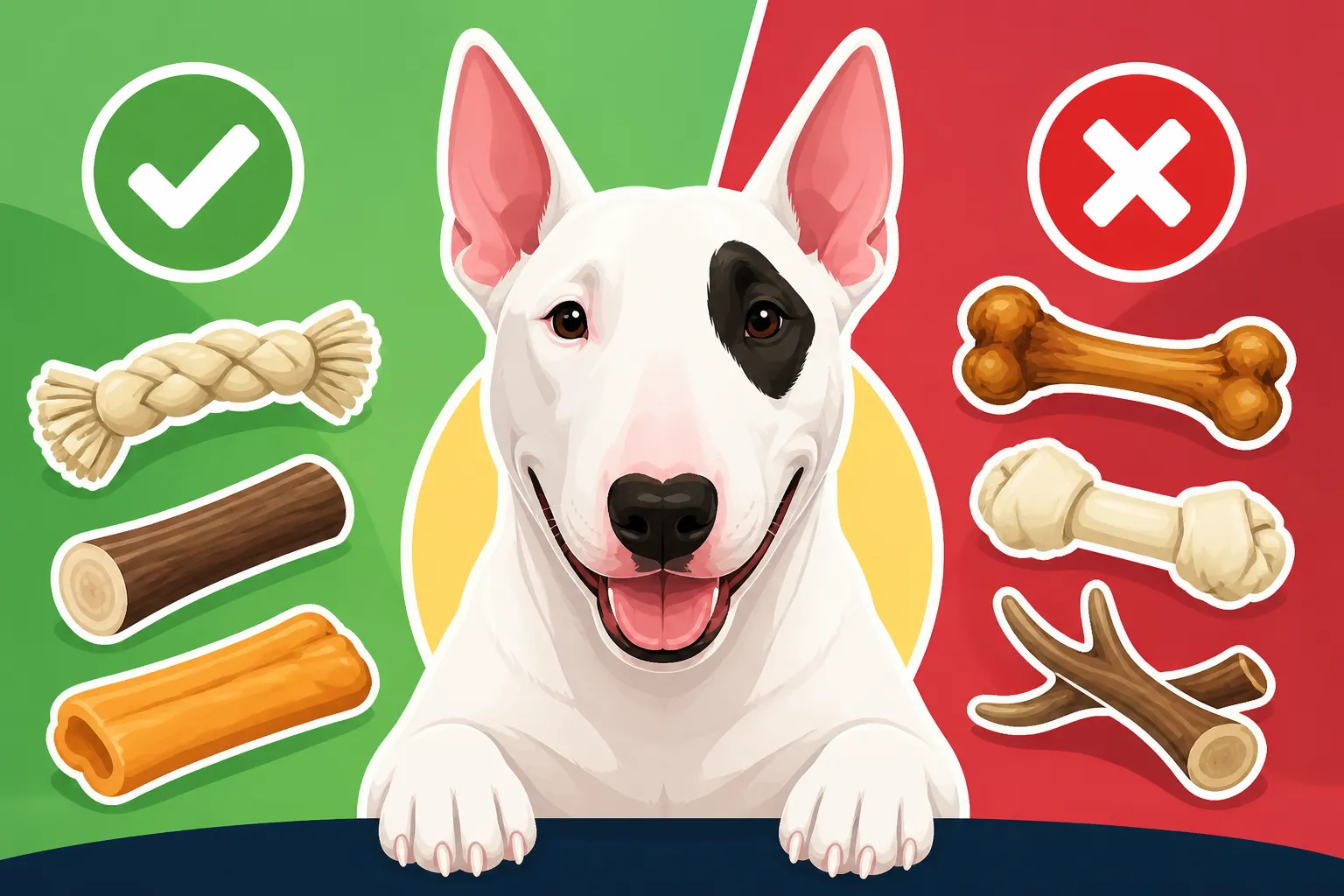
This category is where many owners get into trouble, often with the best intentions. The idea of giving a dog a "natural" bone seems intuitive, but the reality is far more complex and risky for a powerful chewer like a Bull Terrier. Cooked bones of any kind are an absolute no-go. They become brittle and can splinter into sharp shards, leading to mouth injuries, choking, or severe internal damage, including perforations of the esophagus, stomach, or intestines. Raw bones, while generally safer than cooked, still come with risks. Weight-bearing bones from large animals (like femurs) can be too hard, leading to slab fractures and broken teeth. Softer raw bones, like chicken necks or wings, might be appropriate for some dogs, but again, a Bull Terrier's powerful jaw can make quick work of them, leading to large pieces being swallowed whole.
Antlers, often marketed as long-lasting and natural, also present a dilemma. They are extremely hard, and while some Bull Terriers might enjoy them without issue, others can sustain serious dental damage, including fractured molars, which can be incredibly painful and costly to fix. If you absolutely feel the need to offer a natural bone or antler, it is paramount to discuss it with your veterinarian first. They can provide guidance on appropriate types and sizes, and help you understand the specific risks for your dog. For many Bull Terriers, the risk of a broken tooth or internal injury far outweighs the benefit of these types of chews. How a Bull Terrier Hides Pain makes it even more crucial to avoid items that could cause hidden injuries like dental fractures.
What to Absolutely Avoid
To simplify things, let's list the common chew items that are generally considered unsafe for Bull Terriers, no matter how tempting they might seem:
- Cooked Bones: As mentioned, they splinter and are incredibly dangerous. This includes bones from your dinner table, like chicken, pork, or beef ribs.
- Rawhide: While some raw hides might seem fine, many are chemically processed and can swell in the stomach, leading to blockages. Their texture can also make them easy to tear off in large, gummy pieces, posing a choking risk, especially for enthusiastic chewers.
- Ice Cubes: Believe it or not, ice cubes are hard enough to fracture teeth, particularly a powerful jaw like a Bull Terrier's. Stick to plain water.
- Tennis Balls: The fuzzy abrasive surface of tennis balls can act like sandpaper on your Bull Terrier's teeth, slowly wearing down the enamel over time. This can lead to dental sensitivity and other issues.
- Small or Easily Destructible Toys: Anything your Bull Terrier can chew into pieces quickly is a potential choking hazard or an ingestion risk. If you can break it apart with your hands, your Bull Terrier definitely can with their jaw. This includes many plush toys, even those marketed for dogs, if they're not explicitly reinforced for heavy chewers. Save these for supervised, gentle play rather than unsupervised chewing.
Implementing a Safe Chewing Strategy
Finding the right chews is only half the battle. How you present and manage those chews is just as important for ensuring your Bull Terrier's safety and maximizing their enjoyment. A thoughtful chewing strategy can make all the difference, transforming potential hazards into enriching experiences.
Supervised Chewing and Regular Inspection
This is perhaps the most critical rule for Bull Terrier owners: never leave your Bull Terrier unsupervised with a chew, especially a new one. Even the most "indestructible" toy can eventually succumb to their determined jaws, and you need to be there to intervene if pieces break off or if they start to struggle. Imagine if a small chunk of a hard nylon chew breaks off and your Bull Terrier tries to swallow it – immediate intervention could prevent a trip to the emergency vet. This close supervision is key to preventing both choking and the ingestion of potentially harmful fragments.
Beyond active supervision, get into the habit of regularly inspecting all of your Bull Terrier's chews. Look for any signs of severe wear and tear:
- Sharp Edges: Nylon chews can develop sharp points that could cut your dog's mouth.
- Splintering: If a chew is starting to splinter or shed large pieces, it's time to go.
- Cracks: Rubber toys can crack and break apart, especially older ones.
- Size Reduction: Once a chew becomes small enough to fit entirely in your Bull Terrier's mouth, or presents a choking hazard, it's safer to discard it.
Rotating chews can also keep things interesting and help extend their lifespan. Don't leave all the chews out all the time. Offer one or two at a time, then put them away and bring out different ones later. This maintains novelty and keeps your Bull Terrier from becoming bored with the same old thing, which might encourage them to chew on things they shouldn't.
Matching the Chew to Your Bull Terrier's Style
Just like people, not all Bull Terriers chew in the exact same way. Some are "shredders," intent on tearing things apart. Others are "grinders," preferring to slowly wear down hard objects. And some are "gulpers," prone to trying to swallow larger pieces whole. Observing your Bull Terrier's individual chewing style is crucial for selecting the safest and most satisfying options.
For a shredder, robust rubber toys or thick braided ropes (under very strict supervision, as ingested rope can be dangerous) might be better than harder nylon, which they might try to break. For grinders, dense nylon or hard-wearing edible chews might be ideal. And if you have a gulper, avoid anything that could potentially break off into swallowable chunks and stick to large, virtually indestructible rubber toys or interactive feeders. Remember, puppy chewing habits often differ from adult ones; puppies need softer, more flexible options to protect their developing teeth. Teaching a Bull Terrier Puppy to Stop Nipping often involves redirecting their oral fixation to appropriate chew toys designed for young dogs.
When to Consult Your Vet
Even with the best intentions and the safest chews, issues can arise. Knowing when to call your veterinarian is critical for your Bull Terrier's health. You should seek veterinary advice if you notice:
- Broken Teeth: If you suspect your Bull Terrier has fractured a tooth from a hard chew (look for signs of pain, reluctance to chew, or visible damage to the tooth), it's important to get it checked out immediately. How Often a Bull Terrier Breaks a Tooth can be higher with inappropriate chews.
- Digestive Upset: Vomiting, diarrhea, lethargy, or loss of appetite could indicate an internal issue from an ingested piece of chew.
- Excessive Chewing or Sudden Disinterest: A sudden increase in destructive chewing or, conversely, a complete loss of interest in chews, could signal an underlying problem, be it dental pain, anxiety, or another health concern.
- Any unusual behaviors: If your Bull Terrier just seems "off" after a chewing session, a vet visit is always warranted. This is especially true if your Bull Terrier has other health conditions, such as kidney disease. If your Bull Terrier is on a special diet, for example, Which Diet a Bull Terrier With Kidney Disease Needs, your vet can advise on suitable chews that won't interfere with their dietary restrictions.
It’s always better to be safe than sorry when it comes to your beloved Bull Terrier’s health. Your vet is your best partner in navigating these decisions and ensuring they live a long, happy, and chew-filled life.
Here's a quick comparison of common chew types:
| Chew Type | Durability for Bull Terriers | Supervision Level | Common Risks | Best For |
|---|---|---|---|---|
| Durable Rubber Toys | High | Moderate | Ingestion of small pieces if severely damaged | Interactive play, stuffing with treats |
| Hard Nylon Chews | High | High | Broken teeth, ingestion of sharp fragments | Grinders, long-lasting solo chew sessions |
| Bully Sticks | Moderate to High | High | Choking on small end piece, high calorie | Satisfying natural chewing, fully digestible |
| Yak Chews | High | High | Broken teeth, choking on small end piece | Very long-lasting, natural, digestible |
| Dental Chews | Low to Moderate | Low to Moderate | High calorie, not truly long-lasting for BTs | Mild dental hygiene, quick treat |
| Antlers | Very High | Very High | Broken teeth, mouth injuries | Extreme chewers (use with extreme caution) |
| Cooked Bones | Very Low | EXTREMELY HIGH | Splintering, choking, internal perforations | AVOID COMPLETELY |
| Rawhide | Low | High | Choking, intestinal blockage, chemical exposure | AVOID COMPLETELY (or use only with high caution) |
Disclaimer
This article is for general informational purposes only and does not constitute professional advice. Laws, prices and regulations vary by location and change over time. Consult a qualified professional for guidance on your specific situation.