Ectropion in a Bull Terrier
There's nothing quite like looking into your Bull Terrier's expressive, little eyes, but sometimes you might notice something just a bit off – perhaps an eyelid that seems to droop or roll outwards, exposing the delicate pink lining. This unsettling sight, known as ectropion, can be a real worry for Bull Terrier owners, making you wonder if your beloved companion is uncomfortable or even in pain. This comprehensive guide will walk you through what ectropion is, how to spot it, and the best ways to manage it, ensuring your Bull Terrier's eyes stay as bright and healthy as possible.
Understanding Ectropion and Its Presence in Bull Terriers
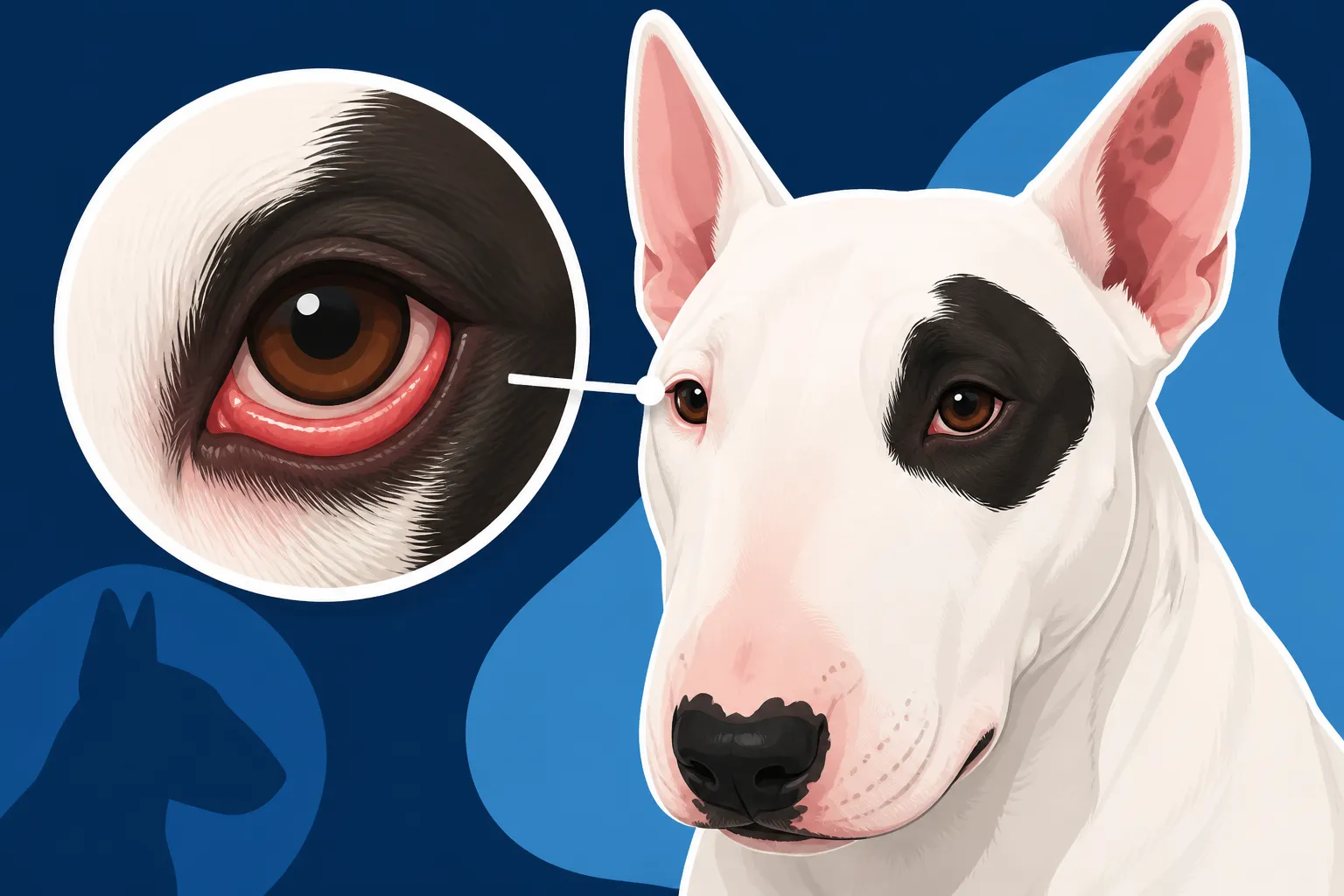
Ectropion is, quite simply, a condition where the eyelid, usually the lower one, turns or rolls outward, leaving the sensitive inner conjunctival tissue exposed. Instead of providing a protective barrier, the eyelid effectively becomes a scoop, collecting dust, debris, and irritants, and preventing the tears from spreading properly across the eye. For Bull Terriers, with their unique head shape and often deep-set, triangular eyes, this condition can sometimes be a more prominent concern, potentially due to their specific facial conformation or genetics.
The Anatomy Behind Ectropion
To truly grasp ectropion, it helps to visualize the structure of your Bull Terrier's eye. Normally, the eyelids fit snugly against the eyeball, acting like natural windshield wipers to spread tears and protect the delicate surface of the cornea. When ectropion occurs, this snug fit is lost. The muscle and fibrous tissue that support the eyelid weaken or develop improperly, causing the lid to sag away from the eye. This outward turning exposes the palpebral conjunctiva – the moist, pink tissue lining the inside of the eyelid – to the air and environment. You might think, "Well, my Bull Terrier has such a tough exterior, surely its eyes are resilient!" But the exposed conjunctiva is incredibly sensitive and not designed for constant exposure, making it prone to drying out, inflammation, and irritation.
While many breeds can be affected by ectropion, some, like the Bull Terrier, might have a predisposition due to their distinctive facial features. Their broad skulls and sometimes deeper-set eyes, combined with variations in eyelid tension, can make them more susceptible. It's not always a dramatic droop; sometimes it's a subtle eversion of just a small part of the lower lid, but even that can be enough to cause problems.
Different Faces of Ectropion in Bull Terriers
Ectropion isn't a one-size-fits-all condition; it can manifest in a few different ways, and understanding these can help you and your vet determine the best course of action for your Bull Terrier.
- Congenital Ectropion: This is the type that your Bull Terrier is born with. It's often genetic and can be seen in puppies as young as a few weeks old. It’s a developmental issue where the eyelids simply don’t form or sit correctly from the start. You might notice your little round of a puppy has perpetually watery eyes or a visible pink rim at the bottom. This type is particularly frustrating because it means your puppy starts life with a disadvantage, and it highlights why it’s so important to choose a responsible breeder who screens for inherited conditions. If you're wondering which specific health screenings a breeder should undertake, you might find our guide on Which Health Tests a Bull Terrier Breeder Should Run really helpful.
- Acquired Ectropion: This type develops later in your Bull Terrier's life, and it can stem from a variety of causes.
- Senile Ectropion: As Bull Terriers age, the muscles and connective tissues around their eyes can lose elasticity and weaken, leading to the eyelids sagging. This is a natural part of aging for some dogs, much like skin sagging in older people.
- Cicatricial Ectropion: This form is caused by scarring or trauma to the eyelid or surrounding skin. Imagine your Bull Terrier getting a cut or an injury near its eye, or having a severe skin infection that heals with scar tissue. This scar tissue can contract and pull the eyelid downwards and outwards.
- Spastic Ectropion: Less common but certainly possible, this can result from a painful eye condition, like a foreign body in the eye or a severe corneal ulcer, which causes your Bull Terrier to squint intensely. This sustained spasm can temporarily evert the eyelid. Once the underlying pain is resolved, this type of ectropion often corrects itself.
- Neurological Ectropion: Rarely, nerve damage to the facial muscles can lead to ectropion, affecting the muscle tone that holds the eyelid in place.
Recognizing the type of ectropion your Bull Terrier might have is the first step in effective management. The underlying cause often dictates the most appropriate treatment, from simple palliative care to surgical intervention.
Recognizing the Signs and Impact on Your Bull Terrier's Comfort
If you suspect your Bull Terrier has ectropion, the signs are usually quite visible, and your dog will often tell you through its behavior that something isn't quite right. It's not just a cosmetic issue; ectropion can lead to significant discomfort and potentially serious secondary health problems if left unaddressed. Paying close attention to your Bull Terrier’s eyes and their general demeanor is crucial.
Visible Symptoms That Demand Attention
The most obvious sign of ectropion is the physical appearance of the eyelid itself. You'll notice:
- Outward-rolled eyelid margin: The lower eyelid, and sometimes even the upper, will sag and turn outwards, revealing the pink or red conjunctival lining. It can look like your Bull Terrier is perpetually "sad" or "tired" due to the droopy appearance.
- Redness and inflammation: The exposed conjunctiva often appears red, swollen, and irritated because it's no longer protected by the eyelid. It's constantly exposed to air, dust, pollen, and other environmental irritants that it's not meant to handle. This can lead to persistent inflammation, a condition known as conjunctivitis, which is very uncomfortable. You might compare it to having a perpetually red, itchy eye yourself.
- Excessive tearing (epiphora): Paradoxically, even though the eyes might feel dry, ectropion often causes excessive tearing. This isn't because the eye is producing too much fluid, but because the eyelid can't effectively channel tears into the tear ducts. Instead, tears spill over the lower lid and onto your Bull Terrier's face, leading to tear staining, especially noticeable on white-coated Bull Terriers.
- Mucous or purulent discharge: The constant irritation can stimulate the eye to produce more mucus, which can be clear, white, or even yellowish-green if a bacterial infection sets in. This discharge can crust around the eye, especially after your Bull Terrier has been sleeping.
- Frequent blinking or squinting: Your Bull Terrier might try to compensate for the discomfort by blinking more often or squinting, particularly in bright light or windy conditions. They're trying to moisten and protect the eye, but the effort is often futile due to the everted lid.
If you notice any of these signs, especially a red or irritated eye, it's always best to consult with your veterinarian. Even if it's not ectropion, many conditions can cause similar symptoms, and early intervention is key. A good resource for understanding general eye irritation can be found in our article Signs a Bull Terrier's Eye Is Irritated.
Behavioral Cues and Secondary Complications
Beyond the visible symptoms, your Bull Terrier's behavior will often give you clues about its discomfort. These behavioral changes often signal a deeper issue that needs attention.
- Rubbing or pawing at the face/eyes: Your Bull Terrier might constantly rub its face against furniture, carpets, or even your leg, or paw at its eyes with its front paws. This is a clear indicator of irritation or itchiness.
- Lethargy or reduced playfulness: If your Bull Terrier is in constant discomfort, it might become less enthusiastic about play, walks, or its usual silly antics. They might seem generally subdued.
- Sensitivity to light: Your Bull Terrier might avoid bright areas or try to stay in shaded spots, as light can exacerbate the irritation caused by the exposed conjunctiva.
The real danger with untreated ectropion lies in the potential for secondary complications. Because the eye is constantly exposed, it’s much more vulnerable.
- Chronic conjunctivitis: This is almost a given with ectropion. The persistent inflammation of the conjunctiva can be incredibly uncomfortable and can make your Bull Terrier's eyes look perpetually sore.
- Dry eye (Keratoconjunctivitis Sicca or KCS): Even with excessive tearing, the exposed surface of the eye can dry out due to improper tear film distribution. This leads to further irritation, and if severe enough, can damage the cornea.
- Corneal ulcers: This is perhaps the most serious complication. The exposed cornea, lacking the protection and lubrication of a properly functioning eyelid, can easily suffer abrasions or scratches. These can develop into painful corneal ulcers, which are open sores on the surface of the eye. Ulcers are not only incredibly painful but can lead to infections, vision impairment, and, in severe cases, even rupture of the eyeball if not treated promptly and aggressively.
- Bacterial infections: The moist, inflamed tissue of the exposed conjunctiva is a perfect breeding ground for bacteria. This can lead to recurrent eye infections, characterized by thick, colored discharge and increased pain.
It's a vicious cycle: the ectropion causes irritation, which can lead to scratching or rubbing, which then worsens the irritation and opens the door for more serious issues. It's why taking action early is so important for your Bull Terrier's long-term comfort and eye health.
Diagnosing and Managing Ectropion: From Mild to Severe Cases
Once you've noticed the tell-tale signs, the next step is a trip to your veterinarian. Diagnosing ectropion is usually pretty straightforward, but figuring out the best management plan for your individual Bull Terrier requires a thorough examination and thoughtful discussion. Don't shy away from asking all your questions; your vet is there to help!
The Veterinary Examination and Diagnostic Steps
When you bring your Bull Terrier in, your vet will perform a comprehensive eye exam. This isn't just a quick peek; they'll be looking for specific details to understand the extent and nature of the ectropion.
- Visual Inspection: First, they'll simply observe your Bull Terrier's eyes. They'll note how much of the eyelid is everted, the degree of redness or swelling, and whether there's any discharge. They'll also check if both eyes are affected and to what degree.
- Palpation: The vet might gently feel the eyelids to assess their tone and structure, looking for any scarring or abnormalities that could be contributing to the issue.
- Fluorescein Stain Test: This is a common and vital test. A harmless orange dye, fluorescein, is dropped onto the eye. If there's any damage to the cornea, such as an abrasion or ulcer, the dye will stick to the damaged area and glow bright green under a special blue light. This helps the vet rule out or identify one of the most serious complications of ectropion.
- Schirmer Tear Test: This test measures tear production. A small strip of filter paper is placed inside the lower eyelid for a minute to see how much moisture it absorbs. This helps determine if your Bull Terrier is also suffering from dry eye, which can coexist with ectropion and worsen the irritation.
- Conjunctival Swab: If there's significant discharge, your vet might take a sterile swab of the conjunctiva to send to a lab for culture and sensitivity testing. This helps identify any bacterial infection and determine which antibiotics will be most effective.
- Overall Health Check: Your vet will also do a general health check, as sometimes ectropion can be a secondary symptom of another underlying condition, or the dog's overall health can impact recovery from any treatment. Remember, comprehensive annual check-ups are important for catching issues early, not just for eyes but for conditions like kidney disease, which our guide, The Yearly Urine Test Every Bull Terrier Owner Should Book, delves into.
Treatment Approaches: From Gentle Care to Surgical Solutions
Based on the diagnosis, your vet will discuss the best course of action. The goal is always to relieve discomfort, protect the eye, and prevent complications.
Non-Surgical Management for Mild Cases
For mild cases of ectropion, or where surgery isn't immediately necessary or an option, conservative management can often provide significant relief.
- Lubricating Eye Drops or Ointments: These are crucial. Applying artificial tears several times a day helps keep the exposed conjunctiva and cornea moist, reducing dryness and irritation. Products like Optixcare Eye Lube or Genteal Gel are commonly recommended. Your vet will instruct you on how often to apply them. This is part of the ongoing eye care regimen, much like how important it is to know Whether a Bull Terrier's Eye Needs Wiping for general cleanliness.
- Topical Anti-Inflammatory Drops: If there's significant inflammation, your vet might prescribe anti-inflammatory eye drops (like those containing corticosteroids, but only if no corneal ulcer is present, as steroids can worsen ulcers).
- Antibiotic Eye Drops/Ointments: If a secondary bacterial infection is present, antibiotic drops or ointments will be prescribed to clear it up.
- Regular Cleaning: Keeping the area around the eyes clean of discharge and debris is vital. Gently wipe with a soft, damp cloth or a veterinary-approved eye wash.
It's important to understand that non-surgical management typically addresses the symptoms of ectropion, not the underlying anatomical defect. It's about managing comfort and preventing complications, often for the long term.
Surgical Correction for More Severe or Persistent Cases
When ectropion is severe, causes chronic pain, leads to recurrent infections, or poses a risk to your Bull Terrier's vision, surgical correction is often the most effective and sometimes the only permanent solution. The thought of eye surgery can be daunting, but for many Bull Terriers, it offers profound relief.
-
When is Surgery Recommended?
- Significant exposure of the conjunctiva leading to chronic dryness and inflammation.
- Recurrent bacterial infections that don't respond well to medical management.
- Development of corneal ulcers.
- Severe discomfort impacting your Bull Terrier's quality of life.
- Congenital ectropion that isn't improving as the puppy grows.
-
Types of Surgical Procedures:
- Hotz-Celsus Procedure: This is one of the most common techniques. It involves removing a crescent-shaped piece of skin and muscle from just below the affected eyelid, then stitching the remaining skin together. This tightens the eyelid and rolls the margin back into its normal position against the eyeball.
- V-Blepharoplasty: For more localized ectropion, a V-shaped incision might be made at the affected area, and the skin then pulled taut and sutured.
- Lateral Canthoplasty: In some cases, reshaping the outer corner of the eye (lateral canthus) can help tighten the entire eyelid structure.
- Combination Techniques: Often, a veterinary ophthalmologist will use a combination of techniques tailored to your Bull Terrier's specific eyelid conformation.
-
The Surgical Process and Recovery:
- Your Bull Terrier will undergo general anesthesia.
- The surgery is performed by a general vet or, ideally, a board-certified veterinary ophthalmologist for the best outcome.
- After surgery, your Bull Terrier will likely wear an Elizabethan collar (the "cone of shame") to prevent pawing at the surgical site.
- You'll be given post-operative eye drops or ointments (often antibiotics and anti-inflammatories) to administer for several weeks.
- Pain medication will be prescribed to ensure comfort during recovery.
- Follow-up visits are crucial to monitor healing and remove sutures. Full recovery typically takes a few weeks.
Financial Considerations and Support
Let's be realistic: medical care for our Bull Terriers, especially specialist procedures like eye surgery, can be expensive. A full eye workup and potential surgery can easily run into hundreds or even a few thousand dollars, depending on the complexity, location, and whether you see a specialist. This is where pet insurance can be a real lifeline. Companies like Healthy Paws offer various plans that can cover a significant portion of unexpected veterinary bills, including diagnostics, specialist consultations, surgery, and medications for conditions like ectropion. It's definitely something to consider, especially given the various health issues Bull Terriers can face throughout their lives. Looking into What Insuring a Bull Terrier Costs a Month could provide some much-needed insight for budgeting.
| Ectropion Severity | Symptoms | Initial Management | Potential Long-Term Management |
|---|---|---|---|
| Mild | Slight outward roll, occasional redness, mild tearing | Lubricating drops/ointments, regular cleaning | Ongoing lubrication, monitoring for worsening |
| Moderate | More noticeable roll, persistent redness, discharge, rubbing | Lubricating & anti-inflammatory drops, antibiotics for infection | Surgical correction often recommended for lasting relief |
| Severe | Pronounced outward roll, chronic inflammation, corneal ulcers/damage | Intensive medical care to stabilize eye | Surgical correction almost always necessary |
Living with Ectropion and Long-Term Outlook
Whether your Bull Terrier's ectropion is managed medically or surgically, it's not usually a "fix it and forget it" situation. Ongoing vigilance and care are often part of the package. The good news is that with proper management, most Bull Terriers with ectropion can live very comfortable, happy lives.
Post-Treatment Care and Ongoing Vigilance
Even after successful surgery, or if you're managing a mild case with drops, consistent care is paramount.
- Adherence to Medication Schedule: If your Bull Terrier is on long-term lubricating drops or any other ophthalmic medication, strict adherence to the vet's schedule is vital. Missing doses can quickly lead to a return of dryness and irritation.
- Regular Eye Cleaning: Gentle cleaning around the eyes with a warm, damp cloth helps remove any residual discharge and keeps the area hygienic. This is important for all Bull Terriers, but especially those prone to eye issues.
- Environmental Management: Try to minimize exposure to irritants. If your Bull Terrier loves to stick its head out the car window, that might need to be reconsidered, as the wind and debris can severely irritate exposed eyes. If they spend a lot of time outside in dusty or windy conditions, consider short walks and indoor play on particularly harsh days.
- Routine Vet Check-ups: Even after initial treatment, regular follow-up appointments with your vet, or even a veterinary ophthalmologist, are important. They can monitor the condition, check for any recurrence, and assess overall eye health. This ties into the broader need for ongoing health monitoring, which can become more frequent as your Bull Terrier enters its senior years, as discussed in our article, Caring for a Bull Terrier Past Eight.
Prognosis and Potential for Recurrence
The prognosis for Bull Terriers with ectropion is generally good, especially with surgical correction. For many dogs, surgery offers a permanent fix, significantly improving their comfort and reducing the risk of secondary complications.
However, it’s important to be realistic:
- Potential for Recurrence: While rare with skilled surgery, there's always a slight chance that some degree of ectropion could recur, particularly if the initial correction was insufficient or if new scar tissue forms. In these cases, a revision surgery might be necessary.
- Managing Related Conditions: If your Bull Terrier also has dry eye (KCS) or allergies, these underlying conditions will still need to be managed separately, even if the ectropion is corrected.
- Lifelong Monitoring: Even if the ectropion is completely resolved, continuing to monitor your Bull Terrier's eyes for any signs of irritation, redness, or discharge is a good practice for any dedicated owner.
Breeder Responsibility and Genetic Considerations
When it comes to congenital ectropion, there's a strong genetic component. Responsible Bull Terrier breeders are acutely aware of such inherited conditions and strive to minimize their occurrence in their lines.
- Screening Parents: Ethical breeders will carefully screen their breeding stock for any signs of ectropion and other eye conditions. While there might not be a specific DNA test for ectropion in Bull Terriers like there is for some other inherited conditions, breeders will rely on thorough veterinary eye examinations by certified veterinary ophthalmologists.
- Avoiding Affected Lines: Breeding dogs that have been diagnosed with congenital ectropion (or who have produced affected offspring) should be avoided to prevent passing the trait down to future generations. If you're looking for a puppy, always ask the breeder about the eye health history of the parents and their lines. A breeder who is transparent about potential health issues, and how they address them, is usually a good sign. Knowing What a Bull Terrier Breeder Should Have Tested is crucial for making an informed choice.
- Early Detection in Puppies: Responsible breeders will also closely monitor their puppies from a young age for any signs of developmental eye issues, including ectropion, and will be upfront with potential owners if a puppy exhibits such a condition.
Ultimately, ectropion, while concerning, is a manageable condition for most Bull Terriers. With attentive ownership, proper veterinary care, and sometimes a surgical intervention, your quirky companion can continue to enjoy clear, comfortable vision throughout its unique lifespan.
Disclaimer
The information provided in this guide is for general informational purposes only and does not constitute veterinary advice. Always consult with a qualified veterinarian for any health concerns or before making any decisions related to your Bull Terrier's health or treatment.