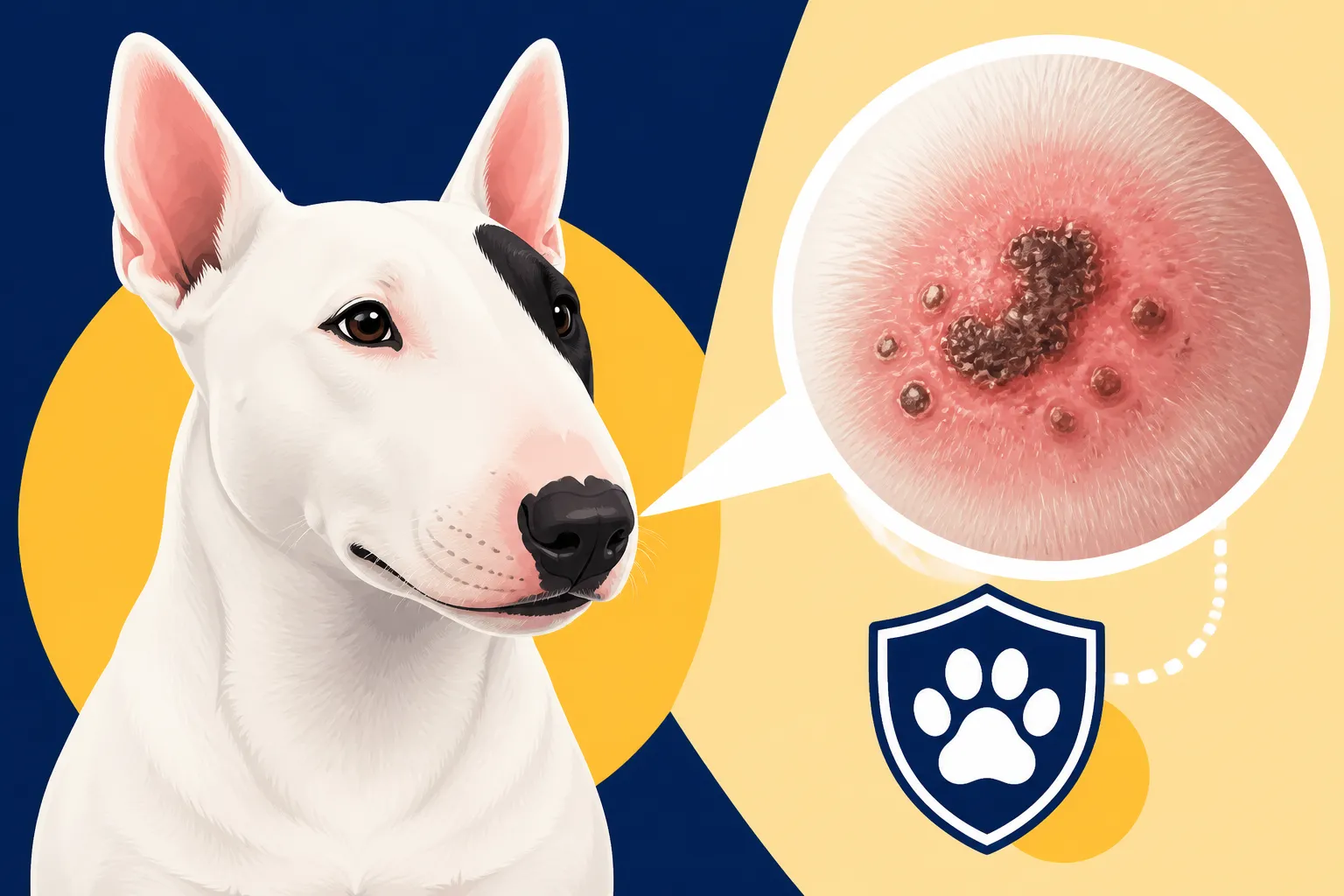
Whether a Miniature Bull Terrier Carries Acrodermatitis
It's heartbreaking to consider your beloved Bull Terrier puppy might be carrying a devastating genetic condition, and for those who cherish the spunky Miniature Bull Terrier, the question often arises: are they susceptible to the same inherited health woes as their standard-sized counterparts? Specifically, the dreadful Acrodermatitis (LA) is a concern that casts a long shadow over the breed. This guide will thoroughly explore whether Miniature Bull Terriers carry the gene for Acrodermatitis, what that means for owners and breeders, and how you can ensure your furry friend has the healthiest start in life.
Understanding Acrodermatitis in Bull Terriers
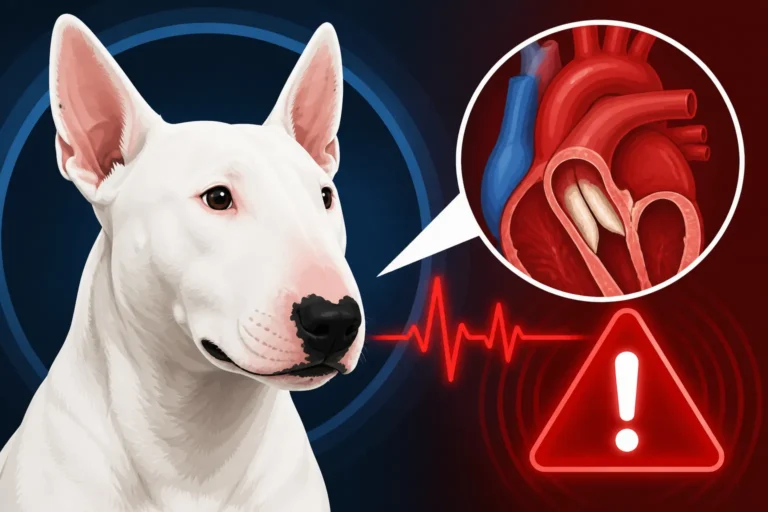
Acrodermatitis is a grim reality for some Bull Terriers, and understanding it is the first step toward prevention. It's a rare, inherited disorder that primarily affects Bull Terriers, both Standard and Miniature. This isn't just a minor skin irritation; it's a systemic failure that profoundly impacts a puppy's quality of life and is, sadly, always fatal.
What is Acrodermatitis?
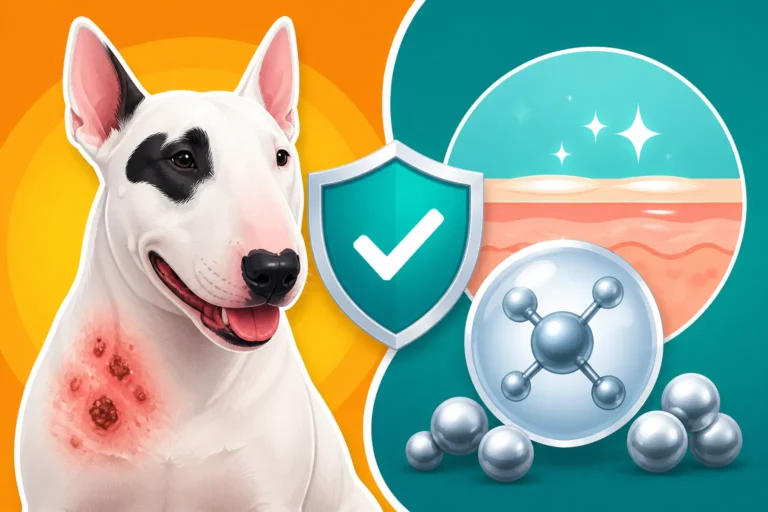
Acrodermatitis, often abbreviated to LA for "Lethal Acrodermatitis," is a severe immunodeficiency disorder that results from a defect in zinc metabolism. What happens is that the affected puppy simply cannot absorb or utilize zinc properly, even if they're getting plenty of it in their diet. Zinc is absolutely crucial for countless bodily functions, especially for healthy skin, a robust immune system, and proper growth and development. Without it, these puppies develop a litany of painful and debilitating symptoms. You might notice their paws appearing red, thickened, and painful, often with crusting and ulceration. This isn't just discomfort; it's a constant source of infection and pain. Beyond the skin issues, these puppies suffer from growth retardation, meaning they simply stop growing and remain significantly smaller than their littermates. They're also prone to constant, overwhelming infections because their immune systems are severely compromised. If you've ever seen a puppy with this condition, you know it's truly devastating. You can learn more about exactly What Lethal Acrodermatitis Does to a Bull Terrier.
How is it Inherited?
The inheritance pattern of Acrodermatitis is autosomal recessive. This technical term simply means that a puppy must inherit two copies of the defective gene – one from each parent – to actually develop the disease. If a puppy inherits only one copy of the gene, they are considered a "carrier" and will not show any symptoms of the disease themselves. They live perfectly normal, healthy lives, but they carry the potential to pass that gene on to their offspring.
Think of it like this:
- Clear (N/N): The dog has two normal genes. It cannot develop Acrodermatitis and cannot pass the gene on.
- Carrier (N/LA): The dog has one normal gene and one Acrodermatitis gene. It will not develop the disease but can pass the Acrodermatitis gene to 50% of its offspring.
- Affected (LA/LA): The dog has two Acrodermatitis genes. It will develop the disease.
For an affected puppy to be born, both parents must be at least carriers. If you breed two carriers together, there's a 25% chance with each puppy that it will be affected, a 50% chance it will be a carrier, and a 25% chance it will be clear. This is why genetic testing is so incredibly important for responsible breeders, as you'll see in our section on How Acrodermatitis Is Inherited in Bull Terriers. The specific gene identified to cause Acrodermatitis in Bull Terriers is a mutation in the MKLN1 gene, confirming its genetic basis.
Acrodermatitis and the Miniature Bull Terrier
Given the tragic nature of Acrodermatitis, it's natural for owners of Miniature Bull Terriers to wonder if their smaller companions are just as vulnerable as the standard size. The answer, unfortunately, is yes – Miniature Bull Terriers are indeed susceptible to carrying and being affected by Acrodermatitis.
The Shared Genetic Legacy
Miniature Bull Terriers and Standard Bull Terriers share a common genetic lineage. While they were recognized as separate varieties by the American Kennel Club in 1991, they both descend from the same foundational stock, specifically the work of James Hinks in the 19th century. The goal was simply to create a smaller version of the beloved Bull Terrier, not to create a genetically distinct breed from entirely different stock. Because of this shared history, any genetic predispositions present in the larger Bull Terrier population, including the gene for Acrodermatitis, are also present in the Miniature Bull Terrier population. It's not a case of the smaller version somehow shedding the genetic baggage of its ancestors; it simply inherited it. Therefore, if you're asking Whether a Miniature Bull Terrier Is Just a Small Bull Terrier, the answer regarding genetics for conditions like LA is largely yes.
Prevalence and Risk in Miniature Bull Terriers
Just like with Standard Bull Terriers, the prevalence of Acrodermatitis carriers in the Miniature Bull Terrier population is not insignificant. While precise global statistics can be hard to pin down, studies and breeder experiences confirm that the carrier rate is high enough that ignoring it would be irresponsible. It's not a condition that has been "bred out" of the Miniature variety.
The risk for an individual Miniature Bull Terrier puppy to be affected by Acrodermatitis directly correlates with the genetic status of its parents. If you acquire a puppy from untested parents, you are taking a significant gamble. An affected puppy will typically start showing severe signs very early in life, often between 3 to 7 weeks of age. They may exhibit stunted growth, painful paw lesions, and recurring infections, leading to a severely compromised immune system. These puppies unfortunately do not survive to adulthood, typically succumbing to the disease before they are 7-8 months old, a truly heartbreaking outcome. This is why testing for the MKLN1 gene mutation is absolutely critical for any responsible Miniature Bull Terrier breeding program.
Testing and Responsible Breeding Practices
For anyone involved with Miniature Bull Terriers – whether you're a prospective owner, a current owner, or a breeder – understanding and utilizing genetic testing is paramount to eradicating Acrodermatitis from the breed.
The Importance of DNA Testing
The good news amidst the severity of Acrodermatitis is that a reliable DNA test exists. This test can definitively identify whether a Bull Terrier (Standard or Miniature) is clear, a carrier, or affected by Acrodermatitis. The test is simple, usually involving a buccal swab (a swab rubbed inside the dog's cheek) collected by a veterinarian or even at home under veterinary guidance, and then sent to a specialized genetic laboratory. Reputable labs like those often utilized by organizations such as the Orthopedic Foundation for Animals (OFA) offer this specific test.
This test became available in 2011, revolutionized responsible breeding, and allows breeders to make informed decisions to avoid producing affected puppies. You can read more about When the Bull Terrier Acrodermatitis DNA Test Arrived. For a minimal cost, often around $50-$75, a breeder can obtain peace of mind and protect their future litters. Knowing the genetic status of both parents is the only way to guarantee that no affected puppies will be born.
Breeding Considerations for Carriers
So, what happens if a Miniature Bull Terrier is identified as a carrier (N/LA)? Does this mean they can never be bred? Not at all! The availability of the DNA test means that carrier dogs can still be part of a healthy breeding program, provided they are only bred to clear (N/N) dogs.
Here's a breakdown of breeding pair outcomes:
| Parent 1 Status | Parent 2 Status | Offspring Possibility | Risk of Affected Puppy |
|---|---|---|---|
| Clear (N/N) | Clear (N/N) | 100% Clear | 0% |
| Clear (N/N) | Carrier (N/LA) | 50% Clear, 50% Carrier | 0% |
| Carrier (N/LA) | Carrier (N/LA) | 25% Affected, 50% Carrier, 25% Clear | 25% |
| Clear (N/N) | Affected (LA/LA) | 100% Carrier | 0% (but affected dog shouldn't be bred) |
As you can see from the table, breeding a carrier to a clear dog will produce a litter with a mix of clear and carrier puppies, but never an affected puppy. This allows breeders to safely retain valuable genetics from carrier lines without risking the devastating outcome of Acrodermatitis. Over time, through careful selective breeding, the goal is to gradually reduce the number of carriers in the population and eventually eliminate the gene entirely, or at least minimize its presence. However, rushing to eliminate carriers can sometimes lead to a reduction in genetic diversity, which can introduce other health problems. A balanced approach using testing is key. This is why reputable breeders carefully manage their breeding programs, considering factors such as Whether Two Bull Terrier Acrodermatitis Carriers Should Be Bred.
What to Ask a Breeder
For prospective Miniature Bull Terrier owners, armed with this knowledge, you have the power to make responsible choices. When speaking with a breeder, it's absolutely essential to ask about Acrodermatitis testing. A reputable breeder will not only be familiar with the condition but will have tested their breeding stock and be eager to share the results with you.
Here’s what you should expect and ask:
- Proof of DNA Testing: Ask to see the official test results for both parents of the puppy you are interested in. These should clearly state whether the parents are clear, carriers, or affected for Acrodermatitis. Reputable labs will issue certificates with the dog's name, registration number, and the test result. Don't settle for "Oh, they're clear" without documentation. This is one of the Which Health Tests a Bull Terrier Breeder Should Run.
- Understanding the Results: Be sure to understand what the results mean. If one parent is a carrier, verify that the other parent is clear. If both parents are carriers, walk away, as there’s a 25% chance of an affected puppy in that litter.
- General Health Philosophy: A breeder's approach to Acrodermatitis testing is often indicative of their overall commitment to health. Ask about other health screenings, such as for hereditary nephritis, heart issues, and deafness, which are also important in the breed. A dedicated breeder will invest in ensuring their dogs are healthy, knowing that responsible breeding helps safeguard the future of the breed. Organizations like Healthy Paws, for example, encourage owners to seek out breeders who prioritize genetic health testing, as it can significantly reduce the risk of future health complications and the associated veterinary costs.
- Transparency and Education: A good breeder will be transparent about the health of their lines and take the time to educate you on the breed's specific health concerns, not just gloss over them. They understand that an informed owner is a better owner.
Remember, a puppy is a significant, long-term commitment. Choosing a breeder who prioritizes genetic health testing, particularly for conditions like Acrodermatitis, is one of the most important decisions you can make to ensure you bring home a healthy, happy Miniature Bull Terrier that can live a full life, free from this terrible disease. Insurers like Healthy Paws often highlight the importance of knowing your pet's genetic predispositions when considering coverage, reinforcing why these questions are vital. It's truly about safeguarding the health and future of these wonderful little clowns.
Disclaimer
Please remember that this information is intended for educational purposes only and should not be taken as professional veterinary advice. Always consult with a qualified veterinarian for any health concerns or before making any decisions about your pet's care.