Why a Bull Terrier Chases Its Tail
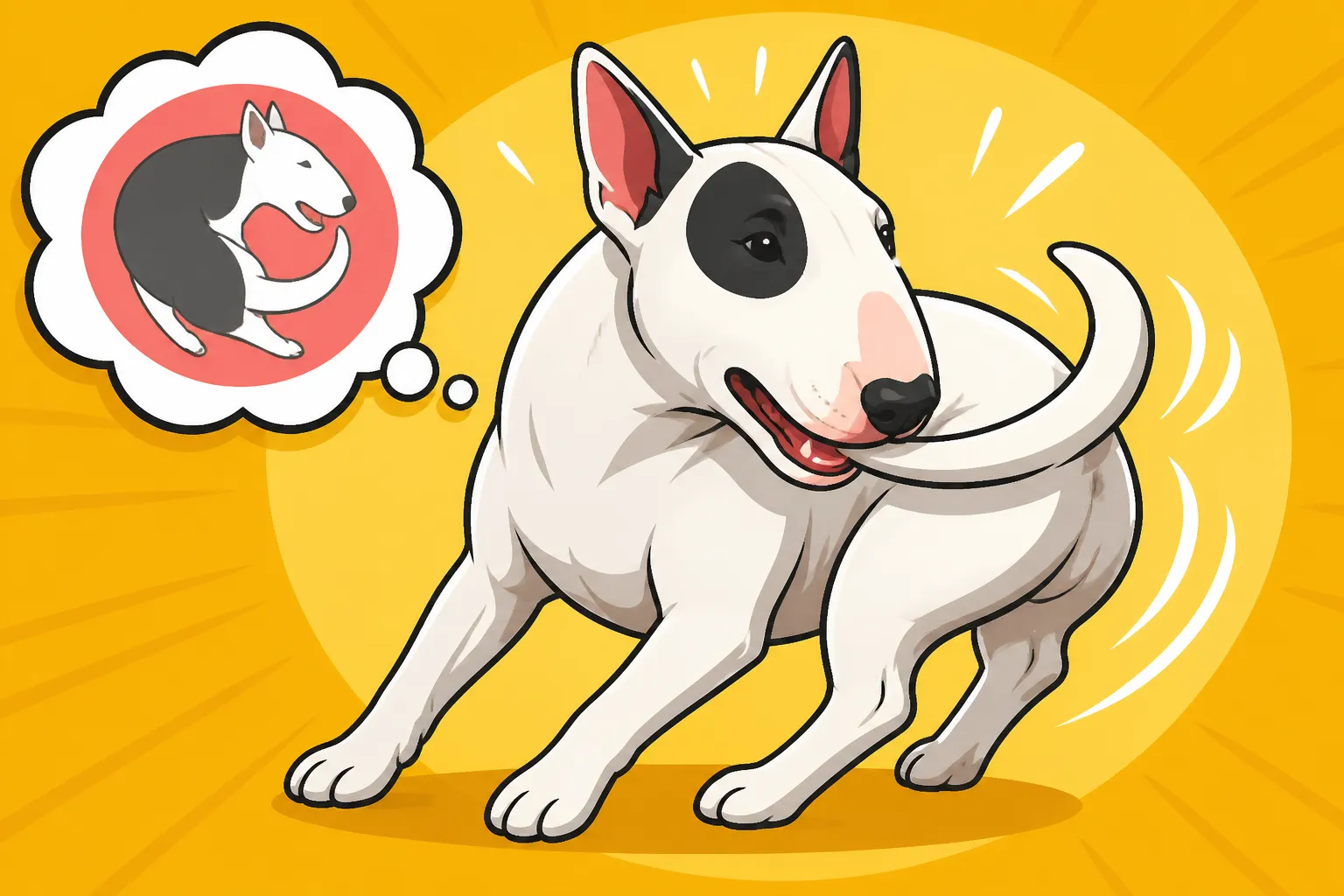
It's incredibly frustrating, perhaps even alarming, to see your beloved Bull Terrier suddenly fixate on its own tail, spinning in tight circles, sometimes for minutes on end, almost as if possessed. You might wonder if it’s just a weird quirk, a game, or something far more serious. This guide is here to shed light on why a Bull Terrier chases its tail, exploring both the harmless habits and the concerning medical or behavioral issues that could be driving this peculiar and often worrying behavior.
Understanding Bull Terrier Tail Chasing: More Than Just a Quirk
When you first notice your Bull Terrier chasing its tail, your immediate thought might be, "Oh, how cute!" or "What a silly dog!" And sometimes, it really is just that – a playful, fleeting moment of chasing something that moves. But with Bull Terriers, this behavior can often delve much deeper, crossing into territory that warrants closer attention. It’s important to distinguish between a casual, playful swat at a tail and a repetitive, compulsive spin that seems to take over your dog.
The Instinctual vs. Obsessive Spectrum
Think about puppies. They often chase their tails as part of exploring their own bodies and learning coordination. It’s a completely normal developmental stage, much like a human toddler discovering their toes. For adult dogs, a quick, occasional tail chase can still be a playful invitation or a burst of pent-up energy. It might happen after a long nap, or when they're particularly excited about seeing you. This kind of tail chasing is usually brief, easily interrupted, and often accompanied by other signs of playfulness, like a loose body and a wagging tail (before it becomes the target).
However, Bull Terriers, known for their unique personalities and sometimes intense focus, can easily tip this behavior into something more obsessive. Unlike a casual play, an obsessive tail chase often appears frantic. The dog might seem completely absorbed, unresponsive to its name or other commands. Their body language might be stiff, their eyes glazed over, and the spinning can be relentless. This isn't just a game; it's a repetitive, ritualistic behavior that can indicate underlying stress, anxiety, or even a medical issue. It’s crucial to recognize this spectrum because treating a playful pup is very different from managing an obsessive condition.
When Tail Chasing Becomes a Problem
So, how do you know if your Bull Terrier's tail chasing has crossed the line from quirky to problematic? There are several red flags to look for. One of the biggest indicators is the inability to interrupt the behavior. If you call your dog's name, clap your hands, or offer a favorite toy, and they don't respond, that's a sign of deep preoccupation. Another serious concern is if the tail chasing starts to escalate in frequency or intensity. What began as an occasional spin might become a daily occurrence, lasting longer each time. Some Bull Terriers might even start to injure themselves, chewing or biting their tails until they become raw, infected, or develop a condition known as "happy tail," where repeated trauma prevents healing.
Furthermore, pay attention to the context. Does the tail chasing happen only at specific times, like when you're about to leave the house, or when they're feeling anxious? Does it seem to be triggered by certain sounds or events? If it interferes with their normal activities – eating, sleeping, interacting with family – or if your Bull Terrier shows signs of distress during or after an episode, it's definitely time to intervene. Ignoring these signs could lead to chronic self-mutilation, increased anxiety, and a diminished quality of life for your quirky companion.
Common Medical Causes Behind the Spin
It’s easy to jump to behavioral conclusions when you see your Bull Terrier chasing its tail, but it’s absolutely critical to rule out any underlying medical issues first. Many conditions can manifest as tail chasing because the dog is attempting to address discomfort, pain, or an unusual sensation. This is especially true for Bull Terriers, a breed known for some specific health vulnerabilities.
Neurological Conditions and Seizures
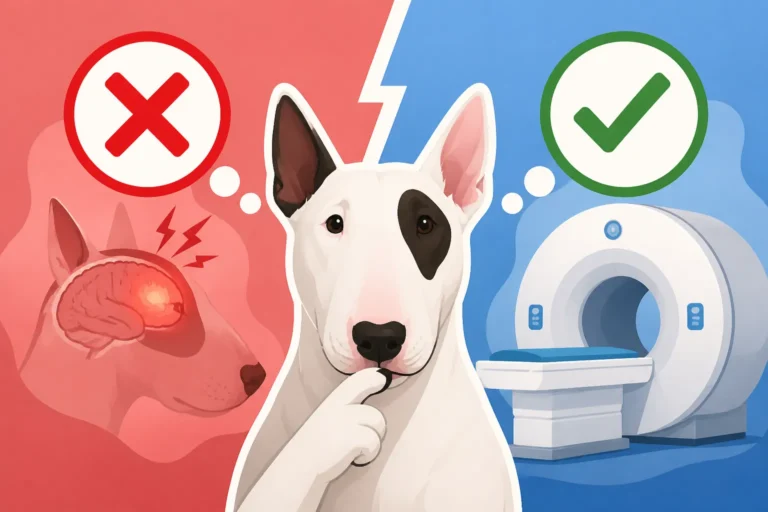
One of the most concerning medical causes of tail chasing, particularly in Bull Terriers, is a neurological problem. While not all spinning is a seizure, some forms of repetitive, compulsive behavior, often referred to as "fly snapping" or "flank sucking," can be a type of focal seizure activity. For Bull Terriers, there's a recognized condition often mistaken for play: a form of seizure activity that manifests as intense, frantic tail chasing, often described as a 'spinning seizure.' If you've ever wondered Whether Bull Terrier Tail Chasing Is a Seizure, it's a valid concern.
These episodes might involve the dog circling intensely, sometimes biting at their tail, and appearing disoriented or even aggressive if interrupted. After the episode, they might seem confused or exhausted. Conditions like epilepsy, brain tumors, or other neurological disorders can cause these types of compulsive behaviors. A thorough veterinary examination, potentially including advanced diagnostics like an MRI or an EEG, would be necessary to diagnose these issues. This is why involving your vet early is paramount; they can help determine How a Bull Terrier Seizure Differs From a Spin and if specialized care, like a neurologist, is needed. Without proper diagnosis, you might be treating a behavioral issue when the true problem is deeply rooted in their brain chemistry.
Pain, Discomfort, and Dermatological Issues
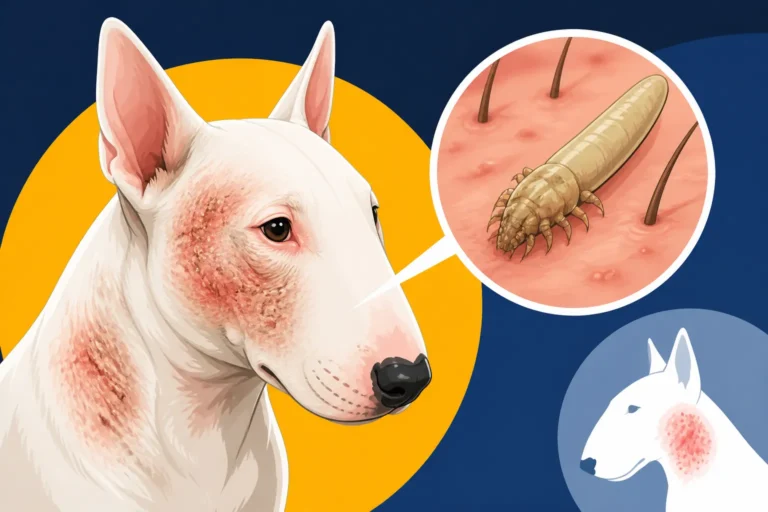
Beyond neurological causes, physical discomfort is a huge driver of tail chasing. Imagine if you had a persistent itch or pain you couldn't quite reach – you'd likely try everything to alleviate it. For Bull Terriers, their short coats and sensitive skin can make them prone to various dermatological issues, which might cause them to excessively lick, chew, or chase their tails. Conditions like allergies (environmental or food-related), flea infestations, skin infections, or even local irritations can make the tail area intensely itchy or painful. Owners often overlook these possibilities because the skin might not show obvious signs at first glance, but a close inspection could reveal redness, scabs, or hair loss. You might want to refer to A Bull Terrier's Skin Is Its Weakest Point for more context on their skin sensitivities.
Other sources of pain could include anal gland issues (impacted or infected glands cause discomfort in the rear end), orthopedic problems in the lower spine or hips, or even an injury to the tail itself. A sprain, fracture, or nerve damage to the tail can cause an intense, painful sensation that the dog tries to "fix" by chasing and biting. Even conditions like Demodectic Mange in a Bull Terrier can lead to intense itching and skin irritation that drives them to chase and bite. Your vet will perform a physical exam, checking for any skin lesions, tenderness, or abnormalities in movement. Don't underestimate the power of physical discomfort to drive seemingly strange behaviors.
Behavioral Factors and Environmental Triggers
Once medical causes have been thoroughly investigated and ideally ruled out or managed, the next logical step is to delve into the behavioral side of tail chasing. Bull Terriers are intelligent, high-energy dogs with strong personalities, and like all dogs, they can develop compulsive behaviors as a coping mechanism for unmet needs or environmental stressors. It's a bit like a person biting their nails when stressed – it's a displacement activity.
Boredom, Stress, and Lack of Enrichment
One of the most common culprits behind repetitive behaviors like tail chasing in active, smart breeds like the Bull Terrier is sheer boredom and a lack of mental and physical stimulation. These dogs were bred for activity and engagement; a sedentary life confined to a house with little to do can quickly lead to frustration and anxiety. When a Bull Terrier is under-exercised or mentally unchallenged, they need an outlet for that pent-up energy. The tail, being readily available and constantly moving, can become an easy, albeit self-destructive, target.
Stress and anxiety also play a huge role. Perhaps there's a new pet in the house, a change in routine, or frequent loud noises that make your Bull Terrier feel insecure. These stressors can trigger a coping mechanism where the dog turns to a repetitive action, such as tail chasing, to self-soothe. Without adequate enrichment – think puzzle toys, regular walks, training sessions, and interactive play – your Bull Terrier might be searching for any activity to fill the void. This is where you might consider What a Bull Terrier Does When It Is Bored and how crucial proper stimulation is. Providing plenty of engaging activities can be a powerful preventative measure, and offering What Enrichment a Spinning Bull Terrier Needs can redirect this energy positively.
Learned Behavior and Attention Seeking
Another significant behavioral aspect is that tail chasing can become a learned behavior, often inadvertently reinforced by owners. Think about it: when your dog starts spinning, what's your first reaction? Often, it's to exclaim, laugh, or try to physically stop them. While your intentions are good, from your Bull Terrier's perspective, this might be interpreted as attention. Even negative attention is still attention, and if they're craving interaction, they'll repeat the behavior that gets a reaction. This is a classic example of Whether Attention Makes Bull Terrier Spinning Worse.
Once the behavior becomes a way to gain attention, it can be incredibly difficult to extinguish. The dog learns that "spinning = human response," and they'll continue to do it, even if it's not truly satisfying them in the long run. This is particularly common in breeds like Bull Terriers who are very people-oriented and thrive on interaction. If you notice the behavior often starts when you're busy or ignoring them, it's highly likely to be a bid for your focus. It's a hard habit to break because every time you react, you're essentially putting another coin in the "spin for attention" slot machine.
Diagnosing the Root Cause of the Tail Chasing
Pinpointing why your Bull Terrier is chasing its tail can feel like detective work, but it's a necessary journey to ensure their well-being. A systematic approach, starting with your veterinarian, is the most effective way to rule out various possibilities and arrive at an accurate diagnosis. Don't try to go it alone or self-diagnose based on online forums.
Comprehensive Veterinary Examination
Your very first step should always be a comprehensive visit to your veterinarian. They are your primary resource for distinguishing between medical and behavioral causes. During this visit, your vet will perform a thorough physical exam, looking for any signs of pain, inflammation, or injury around the tail, hindquarters, and entire body. They'll check for skin conditions, anal gland issues, and orthopedic problems that might be causing discomfort. Don’t be surprised if they also ask about your Bull Terrier's diet, exercise routine, and any changes in their environment, as these can all contribute to physical or psychological stress. It's also a good opportunity for their Yearly Urine Test Every Bull Terrier Owner Should Book to check for other health issues.
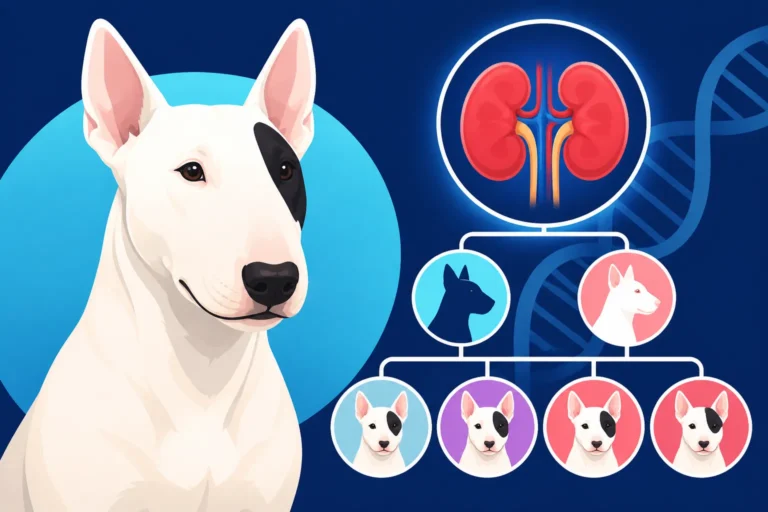
Depending on their initial findings, your vet might recommend diagnostic tests. This could include blood work to check for systemic illnesses, urinalysis, skin scrapings to look for parasites like mites, or even X-rays to check for skeletal issues. If neurological concerns are suspected, they might refer you to a veterinary neurologist for more advanced testing, such as an MRI of the brain or spinal cord, to investigate potential seizure disorders or other brain abnormalities. This is where having pet insurance like Healthy Paws can be incredibly helpful, as diagnostic imaging and specialist consultations can be costly. Early and thorough investigation is key, as conditions like Hereditary Nephritis Takes Bull Terriers in Their Prime mean overall health awareness is vital.
Behavioral Assessment and Management
Once medical causes have been ruled out, or are being simultaneously managed, your vet may recommend consulting with a certified veterinary behaviorist or a professional dog trainer specializing in compulsive behaviors. These experts can help conduct a detailed behavioral assessment, which often involves a deep dive into your Bull Terrier's history, daily routine, environmental factors, and the specific patterns of the tail chasing. They’ll want to know The Age Bull Terrier Tail Chasing Starts, how often it occurs, What Sets Off a Bull Terrier's Spinning, and your reactions to it.
This assessment helps identify triggers (e.g., specific times of day, certain sounds, your departure) and determines if the behavior is a compulsive disorder, attention-seeking, or a response to anxiety or boredom. They might ask you to keep a detailed log of episodes to identify patterns. Based on this information, they can create a tailored behavior modification plan. This might involve increasing enrichment, establishing a consistent routine, teaching alternative behaviors, and implementing management strategies to prevent reinforcement of the tail chasing. It’s a collaborative process that requires commitment from you as the owner, but the results can significantly improve your Bull Terrier’s quality of life.
Here's a quick comparison of potential causes and their signs:
| Cause Category | Common Signs & Triggers | Diagnostic Approach |
|---|---|---|
| Medical/Neurological | Frantic, unresponsive spinning; post-spin disorientation; sudden onset; self-mutilation. | Vet exam, blood/urine tests, skin scrapings, X-rays, MRI/EEG, specialist referral. |
| Pain/Discomfort | Licking/chewing other areas; limping; anal scooting; visible skin irritation; sensitivity to touch. | Vet exam, palpation, imaging (X-rays), skin biopsies, allergy testing. |
| Boredom/Lack of Stim. | Occurs when under-exercised, left alone; seeking attention; destructive behavior elsewhere. | Behavioral history, assessment of daily routine, environmental review. |
| Anxiety/Stress | Triggered by loud noises, changes in routine, separation; other anxiety behaviors (panting, pacing). | Behavioral history, environmental assessment, observation in context. |
| Learned Behavior | Initiated when owner is present/ignoring; stops if attention is removed; no signs of distress. | Behavioral history, owner interaction patterns, attention-seeking cues. |
Effective Management and Treatment Strategies
Once you and your veterinary team have identified the underlying reason (or reasons) for your Bull Terrier's tail chasing, you can implement targeted strategies. Treatment is rarely a one-size-fits-all solution; it often involves a multi-pronged approach combining medical, behavioral, and environmental modifications.
Medical Interventions and Medications
If a medical issue is at the root of the problem, treating that condition will be paramount. For skin allergies or infections, this might involve medicated shampoos, antibiotics, antifungals, or anti-inflammatory drugs. Your vet might suggest a specific diet if food allergies are suspected. For anal gland issues, regular expression or even surgical intervention might be necessary. It's crucial to follow your vet's instructions precisely, as inconsistent treatment can lead to recurring problems.
In cases where neurological conditions, like seizures, are diagnosed, your Bull Terrier may be prescribed anti-epileptic medications. These medications aim to reduce the frequency and intensity of the seizures, improving your dog’s quality of life significantly. It’s a process of finding the right drug and dosage, which might require regular blood tests to monitor levels and adjust as needed. For more complex compulsive disorders that have a neurological component, a veterinary behaviorist might also prescribe psychotropic medications to help manage the underlying anxiety or obsessive thoughts. Brands like Healthy Paws can provide peace of mind by covering eligible costs for these ongoing medications and treatments, which can quickly add up over a dog's lifetime. Remember, these medications aren't a "cure" for behavioral problems but rather a tool to help your Bull Terrier be more receptive to behavior modification techniques.
Environmental Modifications and Training
For behavioral causes, environmental modifications and targeted training are the cornerstone of treatment. The goal is to reduce triggers, provide appropriate outlets for energy, and teach your Bull Terrier more desirable coping mechanisms.
First, increase enrichment and exercise. Bull Terriers need a lot of both. This means not just physical exercise (long walks, runs, fetch) but also mental stimulation. Incorporate Which Puzzle Toys Occupy a Bull Terrier, regular training sessions, scent work, and interactive games. Daily walks should be engaging, allowing them to sniff and explore, rather than just marching in a straight line. If boredom is the driver, filling their day with productive activities can dramatically reduce the urge to self-stimulate.
Second, manage anxiety and stress. Identify and minimize stressors in your Bull Terrier's environment. This might mean providing a quiet, safe space during thunderstorms, using calming pheromone diffusers, or establishing a predictable routine. Some Bull Terriers respond well to calming supplements recommended by your vet.
Third, implement positive reinforcement training. Teach your Bull Terrier alternative behaviors. If they start to spin, immediately redirect them to a more appropriate activity, like a puzzle toy, a game of fetch, or a specific command (e.g., "sit," "stay"). Reward them heavily for engaging in the desired behavior. The key is to catch them before the intense spinning begins. For guidance, consider consulting How to Redirect a Spinning Bull Terrier.
Finally, address attention-seeking behavior by consistently ignoring the tail chasing. This is incredibly difficult but vital. When your Bull Terrier starts to spin for attention, turn your back, walk away, and avoid all eye contact or verbal interaction. Only give attention when they are calm and not chasing their tail. This helps them understand that the behavior is no longer an effective way to get your focus. This requires immense patience and consistency from everyone in the household. It might feel counterintuitive to ignore a distressed dog, but if you've already ruled out medical pain and determined it's an attention-seeking habit, you're doing them a favor in the long run.
Living with a Tail-Chasing Bull Terrier
Navigating life with a Bull Terrier prone to tail chasing can be a journey, especially if the behavior has become deeply ingrained. It demands patience, consistency, and an unwavering commitment to your dog's well-being. It’s not about "fixing" them overnight, but about understanding their unique needs and providing the best possible environment and support.
Even with the most dedicated training and medical management, some Bull Terriers might always have a predisposition to tail chasing, especially if it's a deeply rooted compulsive disorder. In these cases, the goal shifts from complete eradication to effective management and prevention of harm. This means creating a lifestyle that minimizes triggers and maximizes positive outlets. Consistent routines, regular exercise, and plenty of mental stimulation are not just treatment methods; they become pillars of their daily life. This involves ongoing effort, and it’s important to acknowledge that some days might be better than others.
It’s also crucial to continue regular veterinary check-ups to monitor any underlying medical conditions and adjust medications as needed. Your vet or veterinary behaviorist will be your long-term partner in this. Don't hesitate to reach out to them if you notice any changes in the frequency or intensity of the tail chasing, or if new stressors arise. Having a plan, and knowing you have professional support, makes all the difference. Remember, your Bull Terrier isn’t chasing its tail to be naughty; they're expressing an unmet need or an internal struggle. Your understanding and persistent efforts are their best chance at a happy, healthier life.
Disclaimer
The information provided in this article is for educational and informational purposes only and does not constitute veterinary advice. Always consult with a qualified veterinarian for any health concerns or before making any decisions related to your Bull Terrier's care and treatment. Individual results may vary.