How Hereditary Nephritis Is Inherited in Bull Terriers
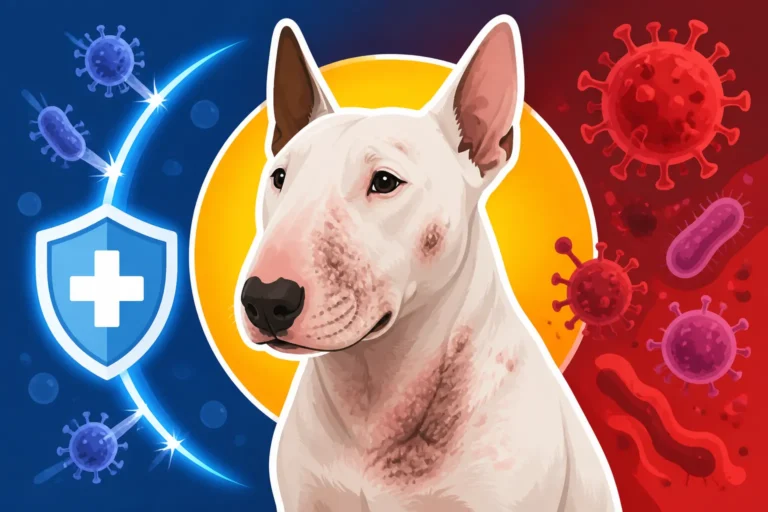
One of the most heartbreaking challenges Bull Terrier owners can face is the diagnosis of Hereditary Nephritis (HN). This insidious kidney disease often strikes seemingly healthy dogs in their prime, leaving families grappling with a devastating prognosis and difficult care decisions. Understanding precisely how this condition is passed down through generations is absolutely crucial for both prospective owners and responsible breeders, offering the best chance to prevent future heartache.
The Devastating Reality of Hereditary Nephritis in Bull Terriers
Hereditary Nephritis isn't just a vague "kidney problem"; it's a specific, genetically-linked disorder that causes progressive and irreversible kidney damage in Bull Terriers. It's a condition that can steal years from a beloved pet's life, turning a vibrant, playful companion into a frail shadow of its former self far too soon. The emotional and financial toll on families is immense, and for many, the journey involves managing a chronic, debilitating illness with no cure.
What Hereditary Nephritis Does to a Bull Terrier
At its core, Hereditary Nephritis results from a defect in the glomerular basement membrane of the kidneys. Imagine your kidneys as sophisticated filters, constantly cleaning your dog's blood. The glomeruli are tiny tufts of capillaries that do the actual filtering, and the basement membrane is a vital part of that filtering unit. In Bull Terriers with HN, this membrane is flawed, allowing essential proteins to leak out of the blood and into the urine, rather than being reabsorbed by the body. This leakage is the hallmark of the disease.
Initially, a Bull Terrier with HN might show no outward signs at all, making it a truly silent threat. As the disease progresses, however, the continuous loss of protein and the escalating damage to the kidney structures lead to chronic kidney failure. Eventually, the kidneys can no longer perform their essential functions, and waste products build up in the blood. This manifests as symptoms like increased thirst and urination, loss of appetite, lethargy, weight loss, and eventually, nausea and vomiting. The age Hereditary Nephritis shows in a Bull Terrier can vary, but it often becomes apparent between two and six years of age, hitting them right when they're at their most active and integrated into the family. It's a cruel twist, robbing them of what should be their healthiest years.
Why HN is Such a Concern for Bull Terrier Owners
The sheer finality and progressive nature of HN make it a profound concern. Unlike some other treatable conditions, once the damage to the kidneys begins, it cannot be reversed. Treatment focuses solely on managing the symptoms and slowing the progression, not on curing the disease. This means a diagnosis of HN reshapes everything about your dog's future, from their diet to their exercise regimen to their vet visits. Many owners find themselves on a steep learning curve, navigating complex dietary restrictions, multiple medications, and the emotional burden of watching their dog decline.
Furthermore, the genetic basis means that without careful breeding practices, the disease continues to circulate within the breed. Reputable breeders work tirelessly to screen their dogs, but for those less scrupulous, or simply uneducated, the risk persists. This is why understanding the inheritance pattern isn't just academic; it's a crucial step in advocating for the health of the entire Bull Terrier breed and ensuring that future puppies don't inherit this debilitating condition. It’s also why a good pet insurance policy, like those offered by Healthy Paws, can be a lifesaver, helping to cover the substantial costs associated with managing a chronic illness like HN.
Unpacking the Genetics: How HN is Inherited
The inheritance pattern of Hereditary Nephritis in Bull Terriers is well-understood, though it took years of dedicated research to pinpoint the specific gene responsible. Knowing this mechanism is key to preventing the disease from being passed on and gives breeders the tools they need to make responsible choices.
The Autosomal Recessive Inheritance Pattern
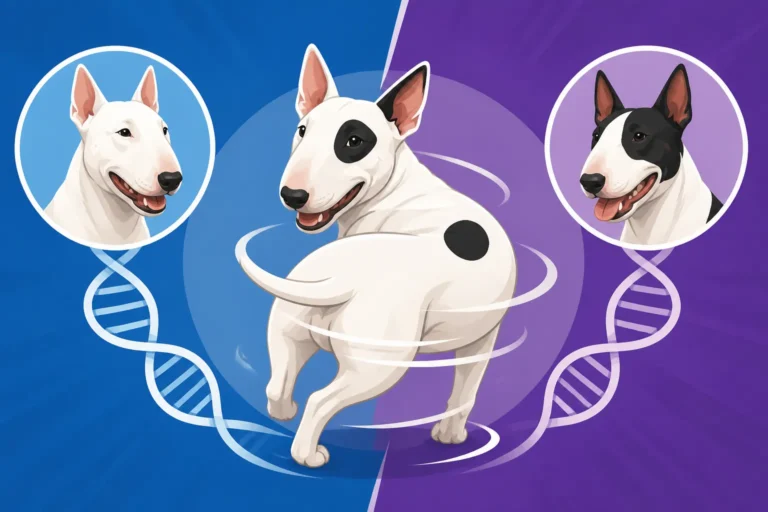
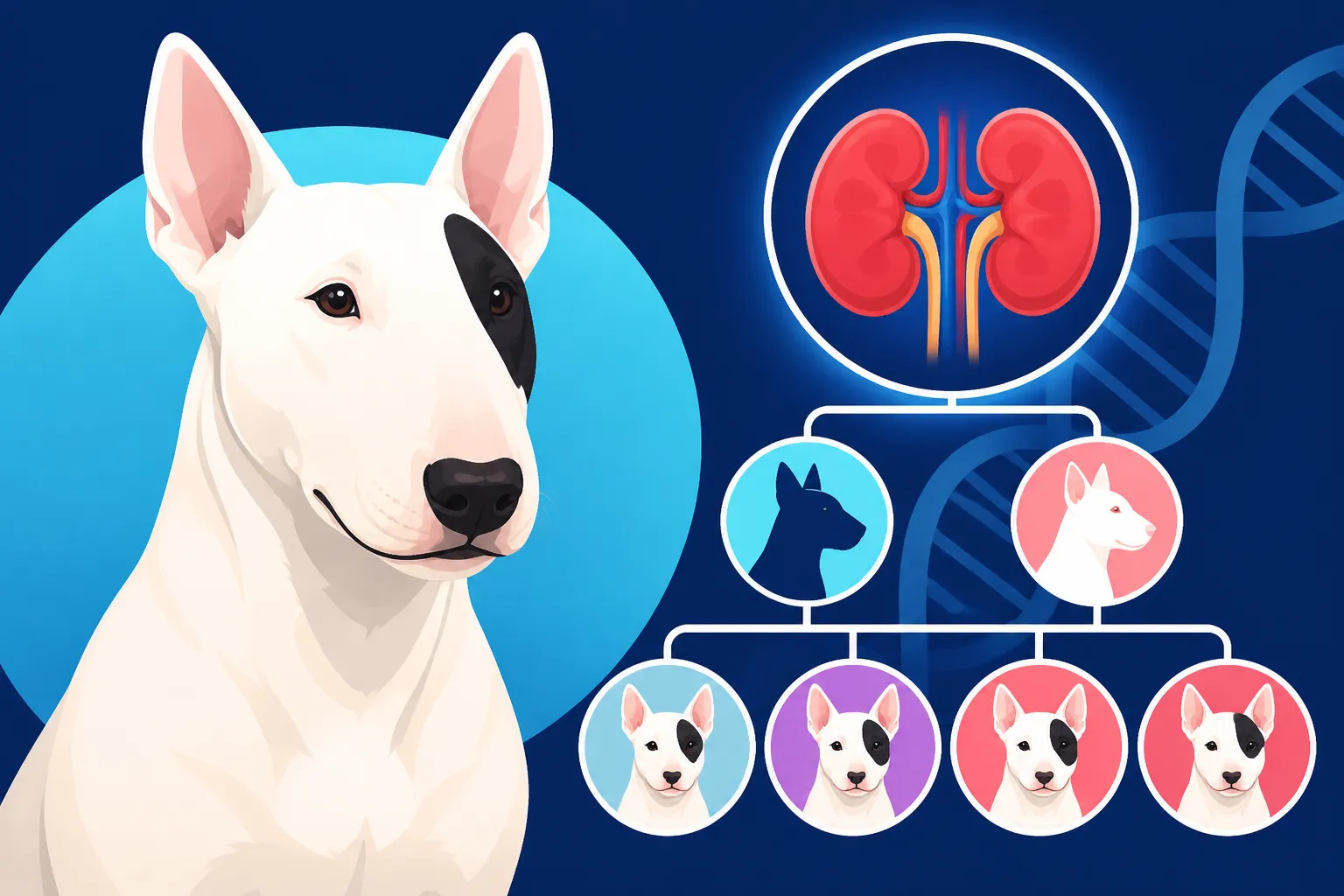
Hereditary Nephritis in Bull Terriers is inherited as an autosomal recessive trait. What does "autosomal recessive" actually mean in plain language? Let's break it down:
- Autosomal: This simply means the gene responsible for HN is located on one of the non-sex chromosomes (autosomes). It's not linked to whether your dog is male or female, which simplifies things a bit compared to sex-linked conditions.
- Recessive: This is the critical part. For a Bull Terrier to develop the disease, it needs to inherit two copies of the faulty gene – one from its mother and one from its father. If it inherits only one copy, it won't get sick, but it will be a "carrier."
Think of it like this: every gene comes in pairs, one from each parent. Let's use "N" for the normal, healthy gene and "n" for the faulty gene that causes HN.
- NN (Clear): This dog has two normal genes. It's healthy and cannot pass the faulty gene to its offspring.
- Nn (Carrier): This dog has one normal gene and one faulty gene. It is clinically healthy and shows no symptoms of HN. However, it can pass the faulty 'n' gene to its puppies.
- nn (Affected): This dog has two faulty genes. It will develop Hereditary Nephritis.
This recessive nature is what makes HN so tricky. Carriers look perfectly healthy, often live long, full lives, and can unknowingly pass the faulty gene to their offspring for generations. It’s a silent threat lurking in the gene pool if not proactively managed.
Understanding Carrier, Affected, and Clear Status
When breeders talk about genetic testing, they're typically looking to determine a dog's status: Clear, Carrier, or Affected.
- Clear (NN): These are the ideal breeding dogs from an HN perspective. They cannot develop the disease and cannot pass the faulty gene on. When bred to another Clear dog, all puppies will be Clear.
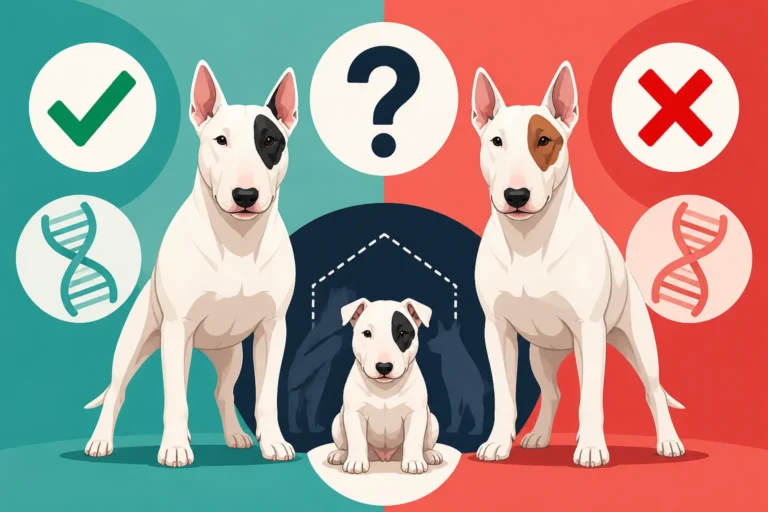
- Carrier (Nn): These dogs are healthy themselves, but they carry one copy of the faulty gene. If a carrier is bred to another carrier, there's a 25% chance of producing affected puppies (nn), a 50% chance of producing carrier puppies (Nn), and a 25% chance of producing clear puppies (NN). This is why breeding two carriers together is strongly discouraged by reputable Bull Terrier clubs and health organizations. It directly risks producing affected puppies.
- Affected (nn): These dogs will develop Hereditary Nephritis. They are typically not used for breeding, both due to their health issues and the certainty of passing on two faulty genes to all offspring.
The goal of responsible breeding is to reduce the number of carriers and eliminate the risk of producing affected dogs. This is done by knowing the genetic status of every dog in a breeding program.
Why One Parent Passes Bull Terrier Nephritis On
While it takes two copies of the recessive gene for a Bull Terrier to be affected, a single parent can indeed pass the potential for the disease onto its offspring. Specifically, if a parent is a carrier (Nn), there's a 50% chance for each puppy in a litter to inherit that single faulty 'n' gene.
Let's look at the possible breeding scenarios and why one parent's status is so critical:
| Sire's Status | Dam's Status | Offspring Possibilities (Percentage) | Risk of Affected (nn) Puppies |
|---|---|---|---|
| Clear (NN) | Clear (NN) | 100% Clear (NN) | 0% |
| Clear (NN) | Carrier (Nn) | 50% Clear (NN), 50% Carrier (Nn) | 0% |
| Clear (NN) | Affected (nn) | 100% Carrier (Nn) | 0% |
| Carrier (Nn) | Carrier (Nn) | 25% Clear (NN), 55% Carrier (Nn), 25% Affected (nn) | 25% |
| Carrier (Nn) | Affected (nn) | 50% Carrier (Nn), 50% Affected (nn) | 50% |
| Affected (nn) | Affected (nn) | 100% Affected (nn) | 100% |
As you can see, even if only one parent is a carrier, that parent is actively contributing to the presence of the 'n' gene in the next generation. The critical danger arises when both parents are carriers. This is why thorough testing of both potential parents is non-negotiable for ethical breeders. Without this knowledge, you're essentially breeding blind, with a significant chance of producing puppies destined for early kidney failure. This is one of the "five tests a Bull Terrier breeder should have paid for."
The Critical Role of Genetic Testing and Screening
Given the autosomal recessive nature of Hereditary Nephritis, testing is the cornerstone of responsible breeding and ownership. It's the only way to accurately identify a dog's genetic status and make informed decisions that protect the breed.
Is There a DNA Test for Bull Terrier Nephritis
Yes, absolutely! This is fantastic news for the breed. In 2011, researchers identified the specific gene mutation responsible for Hereditary Nephritis in Bull Terriers. This breakthrough led to the development of a DNA test that can definitively determine whether a Bull Terrier is Clear (NN), a Carrier (Nn), or Affected (nn). This test is usually a simple cheek swab, making it non-invasive and easy to administer, even at home with a kit from a reputable veterinary genetics lab like PennGen or Canine HealthCheck.
The availability of this DNA test means there's no longer any excuse for breeding dogs without knowing their HN status. It empowers breeders to make pairings that guarantee no affected puppies will be born. For instance, breeding a Clear (NN) dog to a Carrier (Nn) dog will produce only Clear and Carrier puppies, but no Affected puppies. While some might argue against breeding carriers at all, responsible management allows valuable genetics from carrier lines to be preserved, provided they are always bred to clear mates and their offspring are then tested. This careful approach helps maintain genetic diversity within the breed while actively working to reduce the prevalence of the faulty gene.
Screening Puppies vs. Adults
The beauty of the DNA test is that it can be performed at any age, even on young puppies. This means that a responsible breeder can test an entire litter and provide prospective owners with the definitive HN status of their puppy before it even goes home. This transparency is invaluable. If you're looking for a Bull Terrier puppy, always ask to see the DNA test results for HN for both parents, and ideally, for the puppy itself. This is part of Which certificates a Bull Terrier breeder must hand over.
For adult Bull Terriers whose status is unknown (perhaps they came from a less scrupulous breeder or a rescue), testing is still highly recommended. Knowing an adult dog is a carrier doesn't mean they will get sick, but it informs any future breeding decisions (if applicable) and gives you peace of mind regarding that specific genetic risk. However, it's important to remember that the DNA test tells you about the genetic predisposition, not the current kidney function. For that, other screenings are necessary.
What a UPC Ratio Tells a Bull Terrier Owner
While the DNA test tells you if your dog has the genetic blueprint for HN, a Urine Protein:Creatinine (UPC) ratio test tells you about the actual health of your dog's kidneys right now. The UPC ratio is a yearly urine test every Bull Terrier owner should book. It measures the amount of protein leaking into the urine compared to creatinine, a waste product that should be consistently present.
- Why it's important: A consistently elevated UPC ratio is a strong indicator of kidney disease, including HN. Because HN causes protein leakage from the very beginning, a rising UPC can be an early warning sign, often long before any outward symptoms appear.
- How it works: Your vet collects a urine sample from your Bull Terrier, ideally a first-morning sample, and sends it to a lab. The lab analyzes the protein and creatinine levels and gives a ratio.
- Interpreting results: A normal UPC ratio is typically less than 0.2. Ratios between 0.2 and 0.5 might warrant monitoring or further investigation, especially in a Bull Terrier, while ratios consistently above 0.5 are often indicative of significant protein-losing nephropathy. Your vet will guide you through the results.
The UPC test is a vital diagnostic tool that complements the genetic DNA test. Even if your Bull Terrier is genetically clear of HN, other kidney issues can still arise, making the yearly UPC screen an essential part of their routine health check-up. The cost of a Bull Terrier's UPC screen costs each year is relatively low compared to the benefits of early detection. Regular monitoring helps ensure that any kidney issues, whether genetic or otherwise, are caught and managed as early as possible.
Ethical Breeding Practices to Combat HN
The knowledge about HN's inheritance pattern and the availability of DNA testing place a significant responsibility on Bull Terrier breeders. Ethical breeding is not just about producing beautiful dogs; it's about producing healthy ones.
Making Informed Breeding Decisions
Ethical breeders prioritize health above all else. When it comes to Hereditary Nephritis, this means several things:
- Mandatory DNA Testing: Every potential breeding dog must be DNA tested for HN status (Clear, Carrier, Affected) before being considered for breeding. There's simply no excuse for skipping this step.
- Strategic Pairings:
- Clear x Clear: This is the safest pairing, guaranteeing all puppies will be Clear (NN).
- Clear x Carrier: This pairing is acceptable in some breeding programs, especially if the Carrier dog possesses other exceptional qualities important for the breed's future. It will produce approximately 50% Clear and 50% Carrier puppies. However, all puppies from such a pairing MUST be DNA tested before being sold or placed in breeding homes, and buyers must be fully informed.
- Carrier x Carrier: This pairing should be strictly avoided. It carries a 25% risk of producing affected (nn) puppies, which is an unacceptable risk when a simple DNA test can prevent it.
- Affected x Any: Breeding an affected dog is highly unethical. All offspring would receive at least one faulty gene, and most pairings would result in affected puppies.
By adhering to these principles, breeders can systematically reduce the prevalence of the faulty HN gene in the Bull Terrier population and ensure that no puppy ever suffers from this preventable genetic disease. This commitment to health also extends to other critical screenings recommended by the Bull Terrier Club, such as cardiac evaluations and BAER testing for deafness. The Bull Terrier Club runs a health program dedicated to helping breeders make these responsible decisions.
The Impact of Breeding Untested Carriers
The consequences of breeding untested carriers are severe and far-reaching. Imagine a breeder who doesn't believe in genetic testing, or simply isn't aware of the risks. They might breed two outwardly healthy Bull Terriers, both of whom happen to be carriers (Nn). From that litter, approximately one in four puppies will be affected (nn), meaning they will develop Hereditary Nephritis and face a shortened, challenging life. The remaining puppies will either be clear or, more likely, also carriers, perpetuating the cycle.
This irresponsible breeding floods the market with dogs that carry a ticking time bomb in their genes. Buyers, often unaware of the specific health risks, fall in love with these puppies, only to face devastating diagnoses and immense veterinary bills down the line. It undermines years of effort by dedicated breeders and researchers to improve the health of the breed. This is why it's so important for prospective owners to do their homework and ensure they are buying from a breeder who can provide verifiable health clearances, including the HN DNA test results, for both parents. An instance where veterinary insurance from providers like Healthy Paws becomes invaluable is if you unknowingly acquire a puppy from such a breeding and it later develops HN, helping to manage the extensive costs of long-term care.
Whether a Nephritis Bull Terrier Should Be Neutered
If a Bull Terrier is diagnosed as affected (nn) with Hereditary Nephritis, or even if it's confirmed as a carrier (Nn), the strong recommendation from health organizations and ethical breeders is that they should be neutered or spayed.
- Affected Dogs (nn): These dogs are suffering from a serious, life-limiting illness. Breeding them would be highly unethical, as they would pass two copies of the faulty gene to all their offspring, guaranteeing every puppy would be a carrier at best, and likely affected. Their focus should be on comfort and managing their disease, not reproduction.
- Carrier Dogs (Nn): While carriers are healthy, they still carry the faulty gene. If a carrier is of exceptional quality and a breeder wishes to incorporate its other valuable traits into the gene pool, it can be bred, but only to a proven Clear (NN) mate, and all offspring must be tested. However, for the average pet owner with a carrier dog, or for a rescue dog whose lineage isn't fully known, spaying or neutering is the safest and most responsible course of action to prevent the accidental propagation of the HN gene. This helps reduce the overall number of carriers in the breed, moving towards a healthier future.
This decision is about protecting future generations of Bull Terriers from this preventable disease.
Living with an HN-Affected Bull Terrier
Receiving a diagnosis of Hereditary Nephritis for your Bull Terrier is undeniably a shock. It's a journey filled with unique challenges, but also immense love and dedication. Understanding what to expect and how to manage the condition can help you provide the best possible quality of life for your beloved companion.
Early Signs and Diagnosis
One of the frustrating aspects of HN is its insidious onset. Early signs are often subtle and easily missed, mimicking other less serious issues. You might notice your Bull Terrier drinking more water than usual, which naturally leads to more frequent urination. They might have a slightly reduced appetite or seem a bit more tired. As the disease progresses, these signs become more pronounced:
- Increased Thirst (Polydipsia): Your dog empties their water bowl faster, asks for water more often.
- Increased Urination (Polyuria): More frequent potty breaks, larger puddles, or accidents in the house.
- Weight Loss: Despite eating, they may start to lose muscle mass and appear thinner.
- Lethargy: Reduced energy, less enthusiastic for walks or play.
- Poor Coat Quality: A dull, dry coat can sometimes be an indicator of underlying health issues.
- Vomiting/Nausea: As toxins build up in the blood.
- Bad Breath (Uremic Breath): A distinct ammonia-like odor.
A diagnosis usually begins with that crucial annual UPC ratio screening. If protein in the urine is consistently elevated, your vet will likely recommend further diagnostics. This might include blood tests to check kidney function markers like BUN (Blood Urea Nitrogen) and creatinine, and potentially a full urinalysis to look for other abnormalities. In some cases, a kidney ultrasound or even a kidney biopsy might be needed to definitively confirm Hereditary Nephritis and rule out other causes of kidney disease. These diagnostic steps are often covered by robust pet insurance plans, underscoring the value of a policy from providers like Healthy Paws from an early age.
How a Bull Terrier With Nephritis Is Managed
Managing a Bull Terrier with HN is a long-term commitment focused on slowing the progression of the disease, alleviating symptoms, and maintaining comfort. There's no cure, but proactive management can significantly extend and improve quality of life. Key components of management include:
- Dietary Modifications: This is paramount. A specific renal diet, lower in protein, phosphorus, and sodium, is essential. The goal is to reduce the workload on the kidneys and minimize the buildup of waste products. High-quality prescription renal diets are available from brands like Hill's Prescription Diet k/d or Royal Canin Renal Support. It's vital to transition slowly and ensure your dog eats consistently.
- Medications:
- ACE Inhibitors: Drugs like enalapril or benazepril are commonly prescribed to reduce protein loss in the urine and help control blood pressure.
- Phosphorus Binders: As kidney function declines, phosphorus levels in the blood can rise, which is harmful. Binders, given with food, help prevent the absorption of phosphorus.
- Antacids/Anti-emetics: To manage nausea and vomiting.
- Potassium Supplements: Kidney disease can sometimes lead to low potassium levels.
- Fluid Therapy: In later stages, subcutaneous fluids administered at home can help flush toxins and keep your dog hydrated.
- Regular Monitoring: Frequent vet visits are necessary to monitor kidney values via blood work, urine protein levels (UPC), and blood pressure. These checks help your vet adjust medications and diet as needed.
- Hydration: Always ensure fresh water is available. Encouraging water intake can help the kidneys.
- Environmental Adjustments: Keep your dog comfortable, reduce stress, and ensure easy access to potty areas.
This comprehensive approach helps to manage the effects of the disease. While challenging, seeing your Bull Terrier respond positively to treatment and regain some vitality makes all the effort worthwhile.
How Long a Bull Terrier Lives After a Nephritis Diagnosis
This is often the hardest question for owners, and unfortunately, there's no single answer. The lifespan of a Bull Terrier after an HN diagnosis varies significantly depending on several factors:
- Stage of Diagnosis: If HN is caught very early (e.g., through routine UPC testing before symptoms appear), management can begin sooner, potentially slowing progression and extending life more effectively.
- Severity of the Disease: Some dogs have a more aggressive form of HN, while others progress more slowly.
- Compliance with Treatment: Strict adherence to diet and medication regimens plays a huge role.
- Individual Response: Every dog is different, and some simply respond better to treatment than others.
- Complications: Other health issues that arise can complicate management and shorten life.
Generally, the prognosis for Hereditary Nephritis is guarded. Without intervention, Bull Terriers with HN typically succumb to kidney failure by 2-6 years of age. With diligent management, however, some dogs can live for several more years, sometimes even reaching typical Bull Terrier lifespan of ten to fourteen years, though this is less common for affected individuals. It's a testament to the resilience of these dogs and the dedication of their owners and veterinary teams. The goal is always quality of life over quantity, ensuring every day is as comfortable and happy as possible.
Hope for the Future: Research and Prevention
While Hereditary Nephritis remains a devastating diagnosis, the scientific advancements in understanding its genetic basis and the ongoing dedication of breeders and researchers offer significant hope for the future of the Bull Terrier breed.
Current Research Efforts and Advances
The identification of the COL4A1 gene mutation as the cause of HN was a monumental step, directly leading to the development of the DNA test. But research doesn't stop there. Scientists continue to explore:
- Genetic Modifiers: Are there other genes that influence how quickly HN progresses in affected dogs? Understanding these could lead to more nuanced treatments.
- Novel Therapies: Beyond managing symptoms, researchers are always looking for new medications or therapies that could repair kidney damage or halt disease progression more effectively.
- Early Biomarkers: Can we find even earlier, more specific indicators of HN than the UPC ratio, allowing for intervention at an even more nascent stage?
- Breed-Specific Data: Organizations like the Orthopedic Foundation for Animals (OFA) and the Canine Health Information Center (CHIC) continue to collect data on Bull Terrier health, including HN, which helps researchers track prevalence and the effectiveness of breeding programs.
These ongoing efforts are critical. Every piece of new knowledge brings us closer to better prevention strategies and more effective ways to help Bull Terriers diagnosed with this challenging condition.
The Collective Responsibility of Breeders and Owners
Ultimately, the long-term eradication of Hereditary Nephritis from the Bull Terrier breed rests on the collective shoulders of everyone involved:
- Breeders: Must commit to 100% DNA testing of all breeding stock, using these results to make informed and ethical breeding decisions. They must be transparent with prospective puppy buyers, providing all health clearances without hesitation. This aligns with what a Bull Terrier breeder should have tested.
- Prospective Owners: Have a responsibility to educate themselves. Ask questions, demand to see health certificates for both parents (including HN DNA status, cardiac clearances, and BAER tests), and choose a breeder who prioritizes health and transparency. Don't be swayed by lower prices from breeders who cut corners on testing; the initial savings can lead to immense heartache and expense later on.
- Current Owners: If you own a Bull Terrier whose lineage isn't fully known, consider having them DNA tested for HN, especially if you ever consider breeding (though for pets, spaying/neutering is usually the best choice). Regular veterinary check-ups and annual UPC screens are vital for early detection, as outlined in The Yearly Kidney Screen a Bull Terrier Needs for Life.
- Veterinarians: Should be knowledgeable about breed-specific conditions like HN in Bull Terriers and actively recommend appropriate screening tests.
By working together, supporting ethical breeding practices, and demanding transparency, we can continue to reduce the incidence of Hereditary Nephritis. This commitment not only honors the Bull Terrier breed but also ensures that more of these wonderful, clownish companions get to live the full, healthy lives they deserve, without the shadow of this devastating disease.
Disclaimer
The information provided in this article is for general educational purposes only and is not a substitute for professional veterinary advice. Always consult with a qualified veterinarian for any health concerns or before making any decisions about your pet's health or treatment.