What a UPC Ratio Tells a Bull Terrier Owner
Few things are more disheartening for a Bull Terrier owner than the quiet, nagging worry about their beloved companion's health, especially when it comes to inherited conditions. Kidney disease, particularly Hereditary Nephritis, casts a long shadow over our quirky, clownish friends, making every sniffle and subtle change a potential cause for alarm. This guide aims to demystify one of the most vital tools in early detection and ongoing management: the Urine Protein Creatinine (UPC) ratio, providing you with the knowledge to be your Bull Terrier's best advocate.
Understanding the Bull Terrier's Unique Kidney Risks
Our Bull Terriers are truly special, known for their egg-shaped heads, mischievous personalities, and unwavering loyalty. But like many purebred dogs, they come with a genetic predisposition to certain health challenges. For Bull Terriers, kidney disease, specifically Hereditary Nephritis (HN), is a primary concern, and understanding this risk is the first step toward proactive care.
The Shadow of Hereditary Nephritis
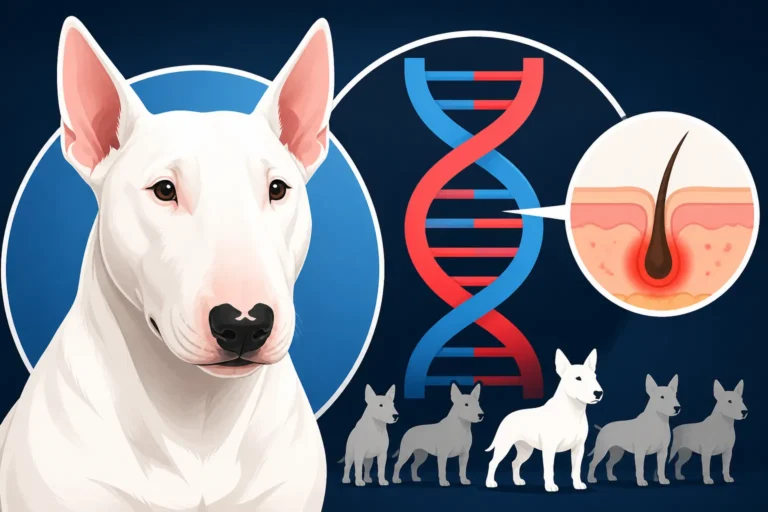
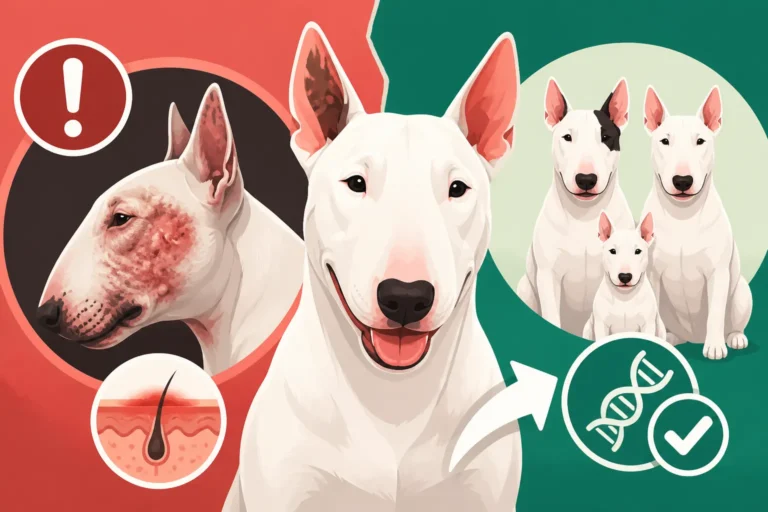
Hereditary Nephritis is a devastating inherited disorder that primarily affects Bull Terriers, gradually destroying the kidneys and leading to early renal failure. It's not just a general "kidney problem" that any dog might get in old age; it's a specific, genetically-linked condition that typically manifests in young to middle-aged dogs, often before the age of six. For an owner, watching your vibrant, energetic Bull Terrier slowly decline from a disease that could have been identified earlier is truly heartbreaking. This condition silently progresses, damaging the delicate filtering units within the kidneys until they can no longer function effectively, and the early signs can be incredibly subtle, easily mistaken for normal puppy antics or slight off days. Learning about Hereditary Nephritis Takes Bull Terriers in Their Prime is essential for any owner. This form of kidney disease is particularly insidious because it involves a defect in the glomerular basement membrane, which is the filtration barrier in the kidneys. Instead of perfectly filtering waste while retaining vital proteins, the damaged membrane begins to leak, allowing precious proteins to escape into the urine. This constant protein loss is detrimental and a key indicator of the disease's progression. Understanding How Hereditary Nephritis Damages a Bull Terrier's Kidneys underscores why proactive monitoring is so vital.
Why Regular Kidney Monitoring is Crucial
Given the prevalence and severity of Hereditary Nephritis in the breed, regular kidney monitoring isn't just a good idea—it's absolutely essential. We can't afford to wait for obvious symptoms like excessive thirst, increased urination, or lethargy, because by then, significant, irreversible kidney damage has already occurred. Think of it like a smoke detector in your house; you don't wait for the flames to appear before checking its batteries. Early detection allows for interventions that can significantly slow the progression of the disease, improving your Bull Terrier's quality of life and potentially extending their lifespan. This proactive approach should start from a young age, ideally with puppies from reputable breeders who have screened their breeding stock. Responsible breeders will often share the results of kidney health tests for both parents, helping to minimize the risk, but even with careful breeding, vigilance remains key for every Bull Terrier. This is why The Yearly Urine Test Every Bull Terrier Owner Should Book is not just a recommendation but a critical part of their annual health regimen.
What Exactly is a UPC Ratio?
When it comes to monitoring kidney health, especially for a breed like the Bull Terrier with known predispositions, a simple urinalysis isn't always enough. While a basic dipstick test can hint at protein in the urine, it's not precise and can be easily influenced by factors like urine concentration. That's where the Urine Protein Creatinine (UPC) ratio comes in, offering a far more accurate and actionable insight into what's happening inside your dog's kidneys.
Protein in Urine: A Red Flag
Normally, a healthy dog's kidneys are incredibly efficient, filtering waste products from the blood while carefully retaining essential proteins. These proteins are vital for numerous bodily functions, from building and repairing tissues to fighting infections. When the delicate filters (glomeruli) in the kidneys become damaged, they start to leak, allowing protein to escape into the urine. This condition is called proteinuria. Finding protein in your Bull Terrier's urine, especially consistently, is a significant red flag because it indicates that the kidneys are not functioning correctly. It's not necessarily a diagnosis of Hereditary Nephritis on its own, but it's a strong indicator that further investigation is warranted. Early detection of proteinuria via the UPC ratio is crucial because it often precedes other, more obvious clinical signs of kidney disease. If your dog is losing protein, it means their body is being depleted of these essential building blocks, and the kidneys are under stress. This can lead to a cascade of problems, impacting overall health and well-being.
How the Test is Performed
Getting a UPC ratio for your Bull Terrier is a relatively straightforward process, though it requires a specific type of urine sample for accuracy. The ideal sample is a "first-morning void" – essentially, the very first urine your dog passes after a long period of rest, such as overnight. This urine tends to be the most concentrated and provides the most reliable snapshot of kidney function, as it minimizes the impact of hydration levels throughout the day. Your veterinarian will typically ask you to collect a mid-stream sample, meaning you let your dog start urinating, then catch a portion of the urine mid-flow in a clean, sterile container provided by the clinic. This helps to avoid contamination from bacteria or debris that might be present at the beginning or end of urination. Once collected, the sample needs to be refrigerated and brought to the clinic as soon as possible for analysis. The lab then measures the amount of protein and creatinine in the urine. Creatinine is a waste product that is normally excreted at a relatively constant rate, so measuring it alongside protein allows for a standardized ratio, making the result more accurate regardless of how dilute or concentrated the urine is. This eliminates variables that can make a simple dipstick test misleading, providing a clearer, more objective picture of kidney health. This proactive screening, ideally annually, is a small but critical step in ensuring your Bull Terrier's long-term well-being.
Interpreting Your Bull Terrier's UPC Results
Once you've had your Bull Terrier's UPC test done, the next step is to understand what those numbers actually mean. It's easy to get overwhelmed by medical jargon, but breaking down the results into clear categories can help you and your vet determine the best course of action. Remember, the UPC ratio is a powerful tool, but it's one piece of a larger puzzle.
What the Numbers Mean: Healthy vs. Concerning
The UPC ratio is a single number, but its interpretation is nuanced. Generally, the lower the number, the better. Here’s a breakdown of what typical ranges indicate for dogs, though your vet will always interpret these in the context of your individual Bull Terrier's health, age, and other test results:
| UPC Ratio Range | Interpretation | What it Means for Your Bull Terrier |
|---|---|---|
| < 0.2 | Normal | Excellent! Kidney protein leakage is minimal or non-existent. Continue routine monitoring. |
| 0.2 – 0.4 | Borderline | Mild proteinuria. This range warrants careful monitoring. It could be benign, or an early sign of kidney issues. Your vet might re-test or look for other causes. |
| > 0.4 – 0.5 | Mild Proteinuria | More significant protein leakage. This is concerning, particularly for a Bull Terrier. Further investigation and possibly intervention are usually recommended. |
| > 0.5 | Overt Proteinuria | Definite and clinically significant protein loss. This level strongly indicates kidney disease or other serious underlying issues that require immediate attention and management. |
For Bull Terriers, due to their genetic predisposition to Hereditary Nephritis, even a persistent UPC in the 0.2-0.4 range can be cause for closer scrutiny, whereas in other breeds, it might be less alarming. A consistent value above 0.4, especially in a young Bull Terrier, needs to be taken very seriously as it can be an early indicator of developing kidney disease. This is particularly relevant when considering conditions like Hereditary Nephritis Takes Bull Terriers in Their Prime.
Factors That Can Skew Results
It's important to understand that a single elevated UPC ratio isn't always definitive proof of chronic kidney disease. Several transient factors can cause a temporary rise in protein excretion, leading to a "false positive" or a misleadingly high result. For instance, a urinary tract infection (UTI) or inflammation in the urinary tract can introduce protein into the urine. Similarly, extreme excitement, stress, strenuous exercise, or even certain medications can temporarily impact kidney filtration and cause protein levels to fluctuate. Your Bull Terrier might have had a particularly stressful vet visit, which could slightly elevate the numbers. Even a small amount of blood in the urine, either visible or microscopic, can contribute to an elevated protein reading. That’s why veterinarians often recommend retesting an elevated UPC ratio after a period, or running additional tests like a full urinalysis with sediment examination, blood work, or even a urine culture to rule out these confounding factors. They might also check for Signs a Bull Terrier's Kidneys Are Failing by examining other clinical symptoms and blood parameters. Don't panic over one high result; instead, work with your vet to get a comprehensive picture.
When to Act on a High UPC
If your Bull Terrier's UPC ratio comes back consistently elevated, especially above 0.4-0.5, it's time for prompt action and a thorough diagnostic workup with your veterinarian. This is not a number to ignore, especially with the breed's genetic risks. A persistently high UPC indicates ongoing protein loss, which, left unmanaged, can accelerate kidney damage and impact your dog's overall health. Your vet will likely recommend further blood tests, such as a complete blood count (CBC) and a biochemistry panel, to assess kidney function markers like BUN (blood urea nitrogen) and creatinine, as well as electrolyte levels. They might also suggest imaging like an abdominal ultrasound to examine the structure of the kidneys for any abnormalities, cysts, or changes in size. In some cases, particularly if Hereditary Nephritis is suspected, more specialized tests or even a kidney biopsy might be considered to get a definitive diagnosis. The goal is to identify the underlying cause of the proteinuria so that targeted treatment can begin as early as possible. Remember, early intervention can make a significant difference in slowing the progression of kidney disease and improving your Bull Terrier's quality of life. This is where pet insurance, like a plan from Healthy Paws, can really make a difference, helping to cover the costs of these crucial diagnostic tests and treatments.
Beyond the Numbers: Follow-up and Management
Receiving a high UPC ratio for your Bull Terrier can be daunting, but it's important to remember that it's a starting point, not an end. It opens the door to further investigation and, crucially, to management strategies that can significantly impact your dog's future. The journey from diagnosis to management requires a dedicated partnership with your veterinarian.
Further Diagnostic Steps After a High UPC
Once a consistently elevated UPC ratio points towards proteinuria, your veterinarian will want to delve deeper to pinpoint the exact cause and assess the extent of kidney involvement. This typically involves a battery of additional diagnostic tests. Blood tests are paramount, including a full chemistry panel to check kidney function markers like blood urea nitrogen (BUN), creatinine, and phosphorus, as well as electrolyte balance. These numbers will provide insights into how well the kidneys are filtering waste from the blood. A complete blood count (CBC) can also rule out other systemic issues or infections.
Beyond blood work, imaging studies are often recommended. An abdominal ultrasound allows your vet to visualize the kidneys, assess their size, shape, and internal architecture, and look for any structural abnormalities like cysts (which can be seen in conditions like Polycystic Kidney Disease in a Bull Terrier) or other lesions. In some cases, particularly when trying to get a definitive diagnosis for complex kidney diseases or to guide prognosis, your vet might recommend a kidney biopsy. This involves taking a small tissue sample from the kidney for microscopic examination. While more invasive, a biopsy can provide crucial information about the specific type and severity of kidney damage, guiding the most effective treatment plan. The thought of these tests can be stressful, but understanding their purpose can help you stay focused on helping your Bull Terrier.
Managing Proteinuria in Bull Terriers
Managing proteinuria in Bull Terriers, especially when it's linked to an underlying kidney condition like Hereditary Nephritis, is a multi-faceted approach aimed at reducing protein loss, mitigating further kidney damage, and managing any associated symptoms. The cornerstone of treatment often involves medications that help reduce protein leakage from the kidneys and control blood pressure. Angiotensin-converting enzyme (ACE) inhibitors, such as enalapril or benazepril, are commonly prescribed. These drugs work by dilating the blood vessels leading to the kidneys, which in turn reduces the pressure within the delicate filtering units (glomeruli), thereby decreasing protein leakage. High blood pressure (hypertension) is a common complication of kidney disease and can further damage the kidneys, so blood pressure medication might also be necessary.
Additionally, if there's any evidence of infection or inflammation contributing to the proteinuria, appropriate antibiotics or anti-inflammatory medications will be administered. Your veterinarian will tailor a specific medication regimen based on your Bull Terrier's individual needs, the severity of the proteinuria, and any other co-existing conditions. Regular follow-up appointments, including repeat UPC tests and blood pressure checks, are crucial to monitor the effectiveness of these medications and adjust dosages as needed. It's a long-term commitment, but one that can significantly improve your dog's comfort and health. These treatments, while vital, can accumulate costs, and this is where having pet insurance like Healthy Paws can alleviate some of the financial burden, allowing you to focus purely on your dog's care.
The Role of Diet and Medication
Diet plays an incredibly significant role in managing proteinuria and kidney disease in Bull Terriers. A prescription renal diet is often recommended, specifically formulated to support kidney function. These diets are typically lower in protein, but crucially, the protein they do contain is of high quality and easily digestible. This helps to reduce the workload on the kidneys by minimizing the production of nitrogenous waste products that the kidneys have to filter. Renal diets are also carefully controlled for phosphorus content, as high phosphorus levels can contribute to kidney damage. They are often enriched with omega-3 fatty acids, which have anti-inflammatory properties that can be beneficial for kidney health. Feeding your Bull Terrier a specialized diet can feel like a big change, but it’s a critical component of their treatment plan. Exploring Which Diet a Bull Terrier With Kidney Disease Needs can provide a comprehensive understanding of these dietary changes.
Beyond diet, specific medications target the underlying issues. As mentioned, ACE inhibitors are key in managing proteinuria and blood pressure. Additionally, your vet might prescribe phosphorus binders, which are given with meals to reduce the absorption of phosphorus from the gut if blood phosphorus levels are too high. In some cases, appetite stimulants or anti-nausea medications might be needed to help maintain your Bull Terrier's appetite, as kidney disease can often cause a decrease in hunger. Supplements like B vitamins might also be suggested to replace those lost through increased urination. Managing a Bull Terrier's kidney disease requires a holistic approach, where diet and medication work hand-in-hand to support their kidneys and improve their overall well-being. Keeping up with these dietary needs and medications can add up, making the value of a comprehensive pet insurance policy all the more clear. For many owners, the cost of special food and medications, like What a Renal Diet Costs a Bull Terrier Owner and What a Bull Terrier's Monthly Kidney Medication Costs, can be substantial over time.
Living with a Bull Terrier on Kidney Management
Discovering your Bull Terrier has kidney issues, especially something as serious as Hereditary Nephritis, can be a heavy blow. It changes the dynamic of care significantly, moving from routine maintenance to vigilant, ongoing management. But it's absolutely possible to give your Bull Terrier a fulfilling life, even with these challenges, through careful monitoring, lifestyle adjustments, and strong support systems.
Long-term Monitoring and Lifestyle Adjustments
Living with a Bull Terrier on kidney management means becoming incredibly attentive to their daily routine and maintaining consistent communication with your veterinary team. Long-term monitoring is paramount. This includes regular check-ups, often every 3-6 months, which will typically involve repeating UPC ratios, full blood panels to check kidney values (BUN, creatinine, phosphorus), and blood pressure monitoring. Your vet may also recommend repeating the How Often a Bull Terrier's Urine Should Be Tested schedule more frequently than once a year. These frequent checks help track the progression of the disease and allow for timely adjustments to medications or diet.
Lifestyle adjustments often revolve around diet – strictly adhering to the prescribed renal diet is non-negotiable. Hydration is also critical; always ensure fresh, abundant water is available, and encourage drinking. Some owners even switch to wet food or add water to dry kibble to increase water intake. Exercise might need to be moderated if your Bull Terrier is feeling lethargic, but maintaining a healthy, gentle routine is still beneficial. The focus shifts from high-impact activities to more relaxed walks and mental enrichment to minimize stress on their body. This ongoing vigilance might seem overwhelming at first, but it quickly becomes a natural part of caring for your beloved companion. Knowing How Long a Bull Terrier Lives After a Nephritis Diagnosis can help you prepare for the journey ahead, focusing on quality of life.
The Emotional Toll on Owners
Let's be real: caring for a Bull Terrier with a chronic illness like kidney disease takes an immense emotional toll. There's the initial shock and grief, the worry about their prognosis, and the constant stress of monitoring symptoms and managing medications. It's perfectly normal to feel overwhelmed, frustrated, sad, or even guilty. You might find yourself obsessing over every sip of water, every dropped piece of kibble, or every slight change in their energy levels, constantly asking yourself, "Are Signs a Bull Terrier's Kidneys Are Failing showing?" The financial strain can also add to this burden; specialized diets, frequent vet visits, and medications can quickly accumulate, sometimes making you feel like you're choosing between your dog's health and your own financial stability.
It’s crucial to acknowledge these feelings and not bottle them up. Many owners feel isolated, but you are not alone. There are countless Bull Terrier owners navigating similar challenges. Allowing yourself to feel these emotions is healthy, and finding ways to cope is essential for both your well-being and your ability to continue providing the best care for your dog. Remember, your Bull Terrier senses your emotions, so managing your own stress is indirectly beneficial for them too.
Support Systems and Resources
You don't have to go through this journey alone. Building a robust support system is incredibly important. First and foremost, rely on your veterinary team. They are your primary resource for medical advice, treatment plans, and monitoring. Don't hesitate to ask questions, no matter how small they seem. If possible, consider seeking a referral to a veterinary internal medicine specialist who has expertise in kidney disease; their advanced knowledge can be invaluable.
Beyond professional medical help, connecting with other Bull Terrier owners can provide immense comfort and practical advice. Online forums, breed-specific social media groups, and local Bull Terrier clubs often have members who have faced similar challenges. Sharing experiences, asking for tips on picky eaters on renal diets, or simply commiserating with someone who truly understands can be incredibly therapeutic. Organizations dedicated to Bull Terrier health, such as the Bull Terrier Club of America Health & Education Committee, often provide resources and support. Finally, don't overlook the importance of pet insurance. A good policy, like those offered by Healthy Paws, can significantly reduce the financial stress associated with chronic illnesses, covering a large percentage of unexpected veterinary bills, diagnostics, and ongoing treatments. Understanding Whether Insurance Covers Bull Terrier Kidney Disease can offer a vital layer of security and peace of mind, allowing you to focus on loving and caring for your unique Bull Terrier.
Disclaimer
The information provided in this article is for general informational purposes only and is not a substitute for professional veterinary advice. Always consult with a qualified veterinarian for any health concerns or before making any decisions related to your Bull Terrier's care and treatment.