Whether Insurance Covers Bull Terrier Kidney Disease
One of the most heartbreaking realities of sharing your life with a Bull Terrier is the potential for serious health issues, and kidney disease, particularly hereditary nephritis, can cast a long shadow over their future and your finances. Many devoted owners find themselves grappling with astronomical vet bills, desperately wondering if their pet insurance will actually step up when their beloved dog needs it most. This comprehensive guide will walk you through the intricate world of pet insurance and Bull Terrier kidney disease, helping you understand what coverage you can realistically expect and how to best prepare for these challenging times.
Understanding Kidney Disease in Bull Terriers
Before diving into the specifics of insurance, it's vital to grasp the nature of kidney disease in our Bull Terriers. Unlike a sudden accident, kidney disease often develops insidiously, sometimes showing subtle signs for years before a full diagnosis. This slow progression can be a double-edged sword when it comes to insurance claims.
The Genetic Predisposition to Hereditary Nephritis
Bull Terriers are unfortunately prone to a specific, inherited form of kidney disease called Hereditary Nephritis (HN). This isn't just a generic "kidney issue"; it's a condition where the filtering units of the kidneys, called glomeruli, don't develop correctly or break down prematurely. It's a cruel twist of genetics that can impact even young dogs. Owners often don't realize the severity until symptoms become undeniable, like increased thirst and urination, vomiting, or lethargy. It's a silent killer that slowly robs your dog of their vitality. What Hereditary Nephritis Does to a Bull Terrier offers a deeper look into the pathology of this devastating disease.
The insidious nature of hereditary nephritis means that by the time overt symptoms appear, the disease is often advanced. This makes early screening incredibly important. Breeders committed to the health of the breed will perform specific tests, like a yearly urine protein-to-creatinine (UPC) ratio, to catch early indicators. If you're considering a Bull Terrier puppy, understanding their genetic lineage and screening history is paramount.
Diagnosing Kidney Disease: The Path to Proof
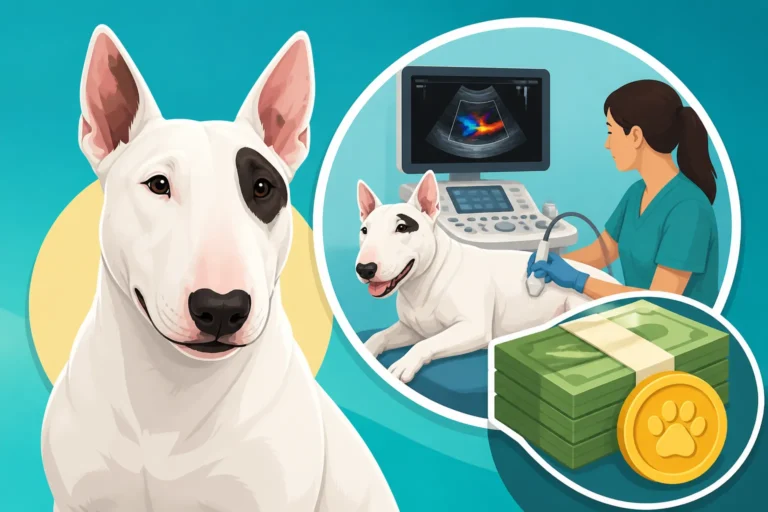
Diagnosing kidney disease involves a series of tests, not just a single magic bullet. Your vet will typically start with blood work to check kidney values (BUN, creatinine, phosphorus) and a urinalysis. The urine protein-to-creatinine (UPC) ratio is particularly crucial for detecting early protein leakage, a hallmark of HN. If these initial tests raise red flags, more advanced diagnostics might be recommended, such as an abdominal ultrasound to examine the kidney structure or even a kidney biopsy for a definitive diagnosis of HN.
Each of these diagnostic steps carries its own cost, and it's a journey you embark on hoping for the best but preparing for the worst. Getting a diagnosis can be emotionally taxing, and the financial stress only compounds it. Knowing What a UPC Ratio Tells a Bull Terrier Owner can empower you to understand one of the earliest and most critical indicators.
How Pet Insurance Handles Illness Coverage
Pet insurance is designed to help offset the costs of unexpected veterinary care. However, not all policies are created equal, and the fine print, especially regarding chronic conditions like kidney disease, can be confusing and frustrating.
The Basics of Accident & Illness Plans
Most pet owners opt for an "accident and illness" plan, which covers a wide range of medical conditions, including injuries, infections, and many common diseases. These plans typically involve a deductible (what you pay before insurance kicks in), reimbursement percentage (the portion of the vet bill the insurer pays), and an annual limit. For ongoing conditions like kidney disease, the annual limit is particularly important, as treatment can be continuous and costly.
Imagine your Bull Terrier, Buster, suddenly starts showing signs of illness. You take him to the vet, and after several tests, he's diagnosed with a new infection. An accident and illness plan would likely cover the consultation fees, diagnostics, and medication, subject to your deductible and reimbursement rate. This is where pet insurance truly shines – for the unexpected, acute problems that pop up.
Chronic Conditions and Renewal Policies
Kidney disease is a chronic condition, meaning it requires ongoing management rather than a one-time cure. This is where insurance policies need careful scrutiny. Once your Bull Terrier is diagnosed with kidney disease, it becomes a "pre-existing condition" for future insurance policies or for that specific insurer if you switch. However, if the condition develops after your policy's waiting period and while your coverage is active, most reputable accident and illness plans will cover the continuing costs associated with managing it, year after year, as long as you maintain continuous coverage.
This includes things like regular blood tests, specialized prescription diets, medications to manage symptoms (like blood pressure or phosphorus binders), and even advanced treatments. The key is that the condition must not have shown any symptoms or been diagnosed before you enrolled or during your initial waiting period. It's a crucial distinction that can mean the difference between extensive coverage and no coverage at all.
The Big Hurdle: Pre-Existing Conditions
This is where the rubber meets the road for many Bull Terrier owners facing a kidney disease diagnosis. The definition of a "pre-existing condition" is the single most significant factor in whether your insurance will cover the astronomical costs of kidney care.
Defining "Pre-Existing" in Pet Insurance
A pre-existing condition is generally defined as any illness or injury that showed symptoms or was diagnosed before your pet's insurance policy began, or during the waiting period after you enrolled. This definition can vary slightly between providers, but the core concept remains the same. If your Bull Terrier, let's call her Daisy, showed excessive thirst or had an elevated UPC ratio recorded in her vet notes before you bought her Healthy Paws policy (or during the typical 14-day illness waiting period), then any subsequent diagnosis and treatment for kidney disease would almost certainly be excluded.
This is why many experienced Bull Terrier owners will tell you to get pet insurance as early as possible, ideally when your puppy is still quite young and healthy. The younger they are, the fewer opportunities there have been for any health issues to manifest, which could later be deemed pre-existing. When a Bull Terrier Should Be Insured Before Screening is a topic worth exploring further to grasp the timing implications.
What if My Bull Terrier Has Undiagnosed Symptoms?
This is a particularly thorny area. Sometimes, a Bull Terrier might exhibit subtle, non-specific symptoms that aren't immediately identified as kidney-related. For example, a slight decrease in appetite, a little more napping than usual, or perhaps drinking a bit more water. If these symptoms are noted in vet records before your insurance policy starts, and later diagnosed as kidney disease, the insurer might still classify it as pre-existing, even if the formal diagnosis came later.
It's a frustrating scenario for owners because you might not even realize what those early signs meant at the time. This is why thorough vet check-ups before purchasing insurance can sometimes work against you if a symptom is noted, even if benign. Conversely, if you don't have regular vet visits, you might miss early signs, but also not have anything on record that could be flagged. It's a difficult balance. Transparency with your vet is always important, but understanding the implications for insurance is also key.
Bilateral Conditions and Exceptions
Some policies have specific rules for "bilateral conditions," meaning conditions that can affect both sides of the body (like cruciate ligament tears in both knees). While kidneys are a paired organ, hereditary nephritis typically affects both concurrently or is considered a systemic disease rather than two separate "events." Generally, if one kidney is affected and deemed pre-existing, the other kidney (or the overall kidney disease) will also be considered pre-existing, preventing coverage for its development or treatment.
It's rare for insurance to make exceptions for genuinely pre-existing conditions. Some policies might cover curable pre-existing conditions if the pet has been symptom-free and treatment-free for a significant period (e.g., 6-12 months). However, progressive, irreversible conditions like hereditary nephritis are almost never covered if they manifest before coverage begins. This is a critical distinction to be aware of when reviewing policy documents.
Navigating Insurance Policies for Bull Terriers
Choosing the right pet insurance for a Bull Terrier, especially with their known health challenges, requires a deep dive into the policy details. Don't just look at the monthly premium; look at what's truly covered.
Key Policy Aspects to Scrutinize
When comparing pet insurance plans for your Bull Terrier, pay close attention to several factors:
- Deductibles: This is the amount you pay out-of-pocket before your insurance starts reimbursing. Options might range from a low annual deductible to a per-incident deductible. A lower deductible means more frequent payments from the insurer, but often a higher monthly premium.
- Reimbursement Percentages: Typically 70%, 80%, or 90%. This is the percentage of eligible vet bills the insurance company will pay after your deductible is met.
- Annual Limits: This is the maximum amount the policy will pay out in a policy year. For a chronic, expensive condition like kidney disease, a higher annual limit (or even unlimited coverage, if available) is highly desirable. What Treating a Bull Terrier's Kidney Disease Costs can easily run into thousands of dollars annually, making a robust annual limit essential.
- Waiting Periods: All policies have waiting periods before coverage for accidents or illnesses begins. For illnesses, this is often 14 days, but some can be longer. Be aware of these periods.
- Exclusions: This is where pre-existing conditions and sometimes specific breed-related conditions are detailed. Always read this section carefully.
When you're comparing providers like Healthy Paws, make sure to get a clear understanding of these points. Don't hesitate to call their customer service with specific questions about how hereditary nephritis might be handled if it were to develop after enrollment.
What Is Typically Covered (Post-Enrollment)
If your Bull Terrier develops kidney disease after their insurance policy's waiting period and without any prior symptoms or diagnosis, most comprehensive accident and illness plans should cover:
- Diagnostic Tests: Blood tests (BUN, creatinine, phosphorus, CBC, chemistry panels), urinalysis, UPC ratios, and ultrasounds.
- Veterinary Consultations: Visits to your primary vet and potentially specialists (e.g., internal medicine specialists for kidney disease).
- Medications: Prescribed drugs to manage blood pressure (e.g., ACE inhibitors), phosphorus binders, anti-nausea medications, appetite stimulants, and anemia treatments.
- Fluid Therapy: Subcutaneous fluids administered at home or in the clinic for dehydration or to support kidney function.
- Specialized Diets: Prescription renal diets are a cornerstone of kidney disease management. Some policies cover a portion of prescription food costs, especially if ordered from reputable pet supply retailers like Chewy, while others do not. This is a big one to confirm, as these diets can be expensive. For instance, if your vet recommends a particular prescription renal diet, check if your insurance plan includes coverage for it. Similarly, if you're exploring fresh food options for health optimization, like those offered by Ollie, verify if your specific plan might cover vet-prescribed versions of such diets, though this is less common for non-prescription fresh food.
Consider this table to help illustrate the coverage landscape for Bull Terrier kidney disease:
| Feature | Typically Covered (If Not Pre-Existing) | Rarely/Never Covered (If Pre-Existing) |
|---|---|---|
| Initial Diagnostics | Blood panels, urinalysis, UPC ratio, ultrasound, biopsy to confirm post-enrollment onset | Any tests related to symptoms or diagnosis prior to policy start/waiting period |
| Medications | ACE inhibitors, phosphorus binders, anti-nausea, appetite stimulants, anemia treatments | Medications for pre-existing symptoms |
| Prescription Diets | Often partial coverage for vet-prescribed renal diets (check policy specifics, especially for Chewy or Ollie) | Over-the-counter foods, or prescription diets for pre-existing conditions |
| Fluid Therapy | In-clinic or at-home subcutaneous fluids, IV fluids during crises | Fluids administered before policy effective date |
| Specialist Consults | Consultations with internal medicine specialists | Specialist visits for pre-existing conditions |
| Preventative Care | Not typically covered by accident/illness plans (requires separate wellness plan) | Not applicable to illness coverage |
| Deductibles/Reimbursement | Applies to covered claims | No reimbursement if condition is pre-existing |
| Annual Limits | Applies to total covered claims within a policy year | No claims if condition is pre-existing |
Asking the Right Questions to Your Insurer
When talking to potential insurance providers about your Bull Terrier, be direct and specific. Don't assume anything.
- "How do you define a pre-existing condition, specifically for a chronic, progressive illness like hereditary nephritis?"
- "What are your waiting periods for illnesses, and are there any extended waiting periods for orthopedic issues or specific breed conditions?"
- "Do you cover prescription diets prescribed by a veterinarian for kidney disease? If so, what percentage and are there any caps?" This is particularly important for products you might purchase from Chewy.
- "What are your annual limits, and how do they apply to ongoing chronic conditions like kidney disease?"
- "Do I need to submit medical records at enrollment, or only if I file a claim?" (They will almost always require them when you file your first claim, so prepare for this.)
- "If my Bull Terrier has a normal UPC ratio now, but it elevates in two years, will treatment be covered?"
Getting clear, written answers (or at least documenting who you spoke to and when) can save you a lot of heartache down the line.
Alternatives and Financial Planning for Kidney Disease
Even with the best insurance, or if you find yourself without coverage for a pre-existing condition, managing Bull Terrier kidney disease is a significant financial undertaking. It's wise to have a multi-faceted approach to financial planning. What a Bull Terrier's Lifetime Kidney Bill Runs is a sobering read that underlines the importance of this planning.
Building an Emergency Fund
One of the most practical steps any pet owner can take, especially for a breed with known health predispositions like the Bull Terrier, is to build a dedicated emergency fund. This fund can act as a buffer for unexpected vet bills, whether for diagnostics, medications, or even a sudden crisis related to kidney disease. Aim to have several thousand dollars readily accessible, specifically for your pet's health needs.
Think of it this way: if your insurance has a high deductible, or if a particular treatment isn't fully covered, your emergency fund can bridge that gap. For those without insurance, it's an absolute necessity. It provides peace of mind and allows you to make medical decisions based on what's best for your dog, rather than solely on what you can afford at that exact moment.
Considering a Pet Savings Account
Beyond a general emergency fund, some financial institutions offer specialized pet savings accounts. These can be a great way to earmark funds specifically for your Bull Terrier's ongoing health needs. Setting up automatic transfers, even small ones, can accumulate a substantial amount over time. This approach works well for managing predictable costs associated with chronic conditions, such as monthly prescription food orders through Chewy or regular medication refills.
This is different from an emergency fund because it's specifically for planned or anticipated recurring expenses, rather than sudden, unforeseen emergencies. For a Bull Terrier with a kidney diagnosis, you'll know there will be ongoing costs, so a dedicated savings account can help you budget and prepare.
Investigating Financial Aid and Assistance Programs
If you're faced with a kidney disease diagnosis and limited financial resources, don't despair. There are organizations and programs designed to help pet owners cover veterinary costs.
- Breed-Specific Rescues: Many Bull Terrier rescues offer assistance to owners of Bull Terriers with medical needs, even if the dog wasn't adopted through them. They often have funds dedicated to supporting the breed's health.
- Veterinary School Programs: University veterinary teaching hospitals often have funds for owners facing difficult financial situations, especially if their case can contribute to veterinary education.
- National and Local Charities: Organizations exist that provide financial aid for pets requiring extensive medical treatment. A quick online search for "pet financial aid" or "veterinary assistance programs" in your area can yield several options.
- Payment Plans: Your veterinary clinic might offer in-house payment plans for large bills, or they might work with third-party financing options like CareCredit. While not free money, these can break down a large sum into manageable monthly payments.
While these programs aren't a guarantee, they can be a lifeline for owners struggling to provide necessary care. It's always worth asking your vet's office for a list of resources they recommend.
The Role of Diet and Early Intervention
While not directly about insurance coverage, it's impossible to discuss Bull Terrier kidney disease and costs without mentioning the critical role of diet and early intervention. A vet-prescribed renal diet is often the cornerstone of managing kidney disease once diagnosed. These diets are carefully formulated to reduce the workload on the kidneys, lower phosphorus, and provide high-quality, easily digestible protein.
Reputable pet food brands, often available through retailers like Chewy, offer a variety of prescription renal diets, both wet and dry. Some newer, fresh food services, such as Ollie, are also exploring therapeutic options, but it's crucial that any dietary change for a Bull Terrier with kidney disease is made under strict veterinary guidance. Starting a suitable diet early can slow progression and improve quality of life, potentially delaying the need for more aggressive (and expensive) interventions. Which Diet a Bull Terrier With Kidney Disease Needs goes into more detail on this vital aspect of care.
Ultimately, ensuring your Bull Terrier receives regular check-ups, including that crucial yearly UPC screen, is the best proactive measure you can take. If caught early, management can be more effective, and you'll be better positioned to utilize any insurance coverage you have in place.
Disclaimer
This article is for general informational purposes only and does not constitute professional advice. Laws, prices and regulations vary by location and change over time. Consult a qualified professional for guidance on your specific situation.