Whether Only White Bull Terriers Were Shown at First
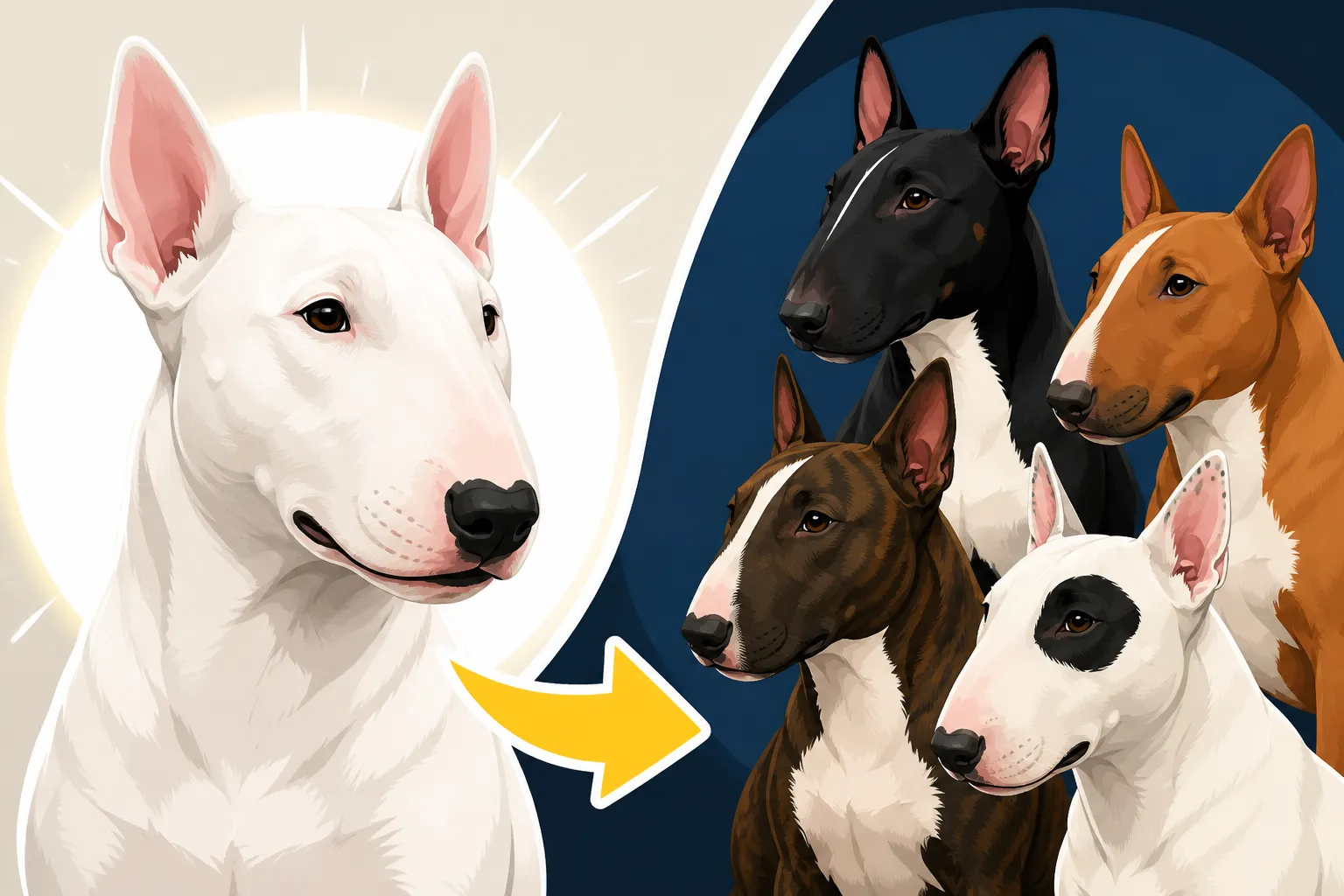
When people ask whether only white Bull Terriers were shown at first, the short answer is: the breed’s earliest show-ring identity was overwhelmingly white, but that does not mean colored dogs never existed. The distinction between the dogs shown, the type breeders promoted and the ancestry behind the breed makes the history easier to understand.
Why the first Bull Terriers were presented as white
James Hinks made white a defining look
In the mid-1800s, Birmingham breeder James Hinks helped shape the Bull Terrier into a more recognizable companion and show dog. White dogs became closely associated with his breeding program and with the polished public image he wanted the emerging breed to have. The story is not that every dog related to the breed suddenly had a white coat; it is that white became the look most deliberately promoted.
That emphasis helped distinguish Hinks’s dogs from the rougher, more varied bull-and-terrier dogs that had existed before the Bull Terrier became established as a show breed. A white coat was easy for spectators and judges to recognize, and it supported the impression of a refined, consistent type. If you want the broader background, James Hinks Built the Bull Terrier in Birmingham in the 1860s explains how the breed took shape.
The preference also reflected the tastes of the period. Breeders and admirers prized an elegant, distinctive dog, and a clean white coat made a striking impression in the ring. White did not simply happen to be common in the earliest show photographs and accounts; it became part of the breed’s public identity. Why Hinks Wanted an All White Dog looks more closely at that choice.
Early shows promoted a white ideal
A famous early example is Puss, a white Bull Terrier associated with Hinks and shown at the Cremorne exhibition in 1862. Puss is often mentioned because the dog represents the kind of Bull Terrier the public was being invited to admire: white, smooth-coated and recognizably different from the less standardized dogs of earlier bull-and-terrier types.
That does not prove that every dog in every early exhibition was white. Historical descriptions and records can be incomplete, and the dogs people called Bull Terriers were not always defined as consistently as the breed is today. But the white dog was clearly the show-ring ideal at the breed’s beginning. When people say “the first Bull Terriers were white,” they are usually describing that ideal rather than making a claim about every related dog alive at the time.
The nickname “White Cavalier” captures this carefully cultivated image. It referred to the white Bull Terrier as a stylish companion, not to a separate breed or a guarantee that all early dogs were white. What the White Cavalier Name Meant explains why that label became attached to the breed.
Were colored dogs present before the show-ring ideal changed?
Bull-and-terrier ancestry was more varied
The Bull Terrier developed from dogs with mixed backgrounds, and the broader bull-and-terrier population was not limited to white coats. Dogs behind the breed could show a range of colors and markings. The crucial distinction is between those earlier, variable dogs and the more standardized Bull Terrier that Hinks and other breeders presented to the public.
In other words, a white show dog could be promoted as the ideal even while colored dogs existed among related working and breeding populations. Breed history is rarely a tidy sequence in which one color disappears and another appears overnight. It is more accurate to think of white as a deliberate early emphasis, while color remained part of the wider ancestry and later returned more visibly to the show breed.
This is why claims such as “Bull Terriers were always white” can be misleading. They compress a complicated history into a simple rule. Early show promotion favored white, but the breed’s background was broader than the dogs most often celebrated in the ring. For a closer look at the place of color in the breed’s history, see Colored Bull Terriers Were a Separate Fight.
White was favored, not the only possible coat in the breed’s history
For a period, white Bull Terriers dominated the public image of the breed. Breeders and show enthusiasts who wanted to preserve that look had reason to favor white dogs, and colored dogs did not initially enjoy the same status. That difference in popularity and acceptance can make it seem as though colored Bull Terriers did not exist at all.
But a dog’s visibility in the show ring is not the same as its existence in the broader population. A color can be uncommon, unfashionable or excluded from a preferred type without being absent from the breed’s ancestry. This distinction matters whenever a historical account describes a dog as “the first” or says a color was “introduced.” Sometimes the wording refers to the first widely recognized show examples, rather than the first dog with that appearance.
So, were only white Bull Terriers shown at first? The most careful answer is that early Bull Terrier showing centered on white dogs, and white was the breed’s dominant early show identity. It is too absolute to turn that into a claim that no colored Bull Terrier or related dog existed anywhere at the time.
How colored Bull Terriers became accepted
Breeders worked to bring color back into the breed
As the breed developed, breeders sought to establish colored Bull Terriers as recognized members of the breed rather than leave them outside the white-dog ideal. This was a gradual change in breeding and acceptance, not a sudden moment when colored dogs appeared from nowhere. The history involved breeders using dogs with color in their ancestry and working to produce a consistent Bull Terrier type in colored coats.
The names and dates associated with this process can vary depending on whether an account is describing early breeding efforts, show recognition or a formal change in breed rules. Those are related milestones, but they are not identical. A colored dog might be bred, exhibited or discussed before a kennel organization formally recognized a colored variety.
That distinction helps explain why one source may emphasize a breeder’s contribution while another focuses on the year colored dogs were accepted in the show world. For the recognition milestone, see When Colored Bull Terriers Were Accepted. For the people involved, Who Bred the First Colored Bull Terriers gives a more focused account.
Outcrossing and breed development played a part
The return of color is often linked to the use of Staffordshire Bull Terrier ancestry in breeding programs. Breeders were not simply painting a white dog’s history into a new coat; they were working with inheritance and selecting dogs to preserve or strengthen color while maintaining the Bull Terrier’s distinctive structure and character. Which Breed Brought Color Back Into the Bull Terrier explores that part of the story.
Outcrossing is a breeding tool, not a shortcut that instantly produces a finished breed type. The resulting dogs still had to be selected over generations for the characteristics breeders wanted. The process also helps explain why colored Bull Terriers became an important part of the breed while white dogs continued to be bred and shown.
Today, Bull Terriers can be white or colored, with recognized colors and patterns that include combinations such as brindle, red, fawn and tricolor. The details of permitted markings can depend on the registry and its standard. For a practical overview, Which Colors a Bull Terrier Comes In covers the modern range.
| Question | Careful answer |
|---|---|
| What was the earliest show-ring ideal? | Predominantly white Bull Terriers |
| Does that mean every early Bull Terrier was white? | No. Related bull-and-terrier dogs had a wider range of coats |
| Did colored Bull Terriers become accepted later? | Yes. Their recognition and popularity developed over time |
| Are colored Bull Terriers a different breed today? | No. White and colored dogs are varieties of the Bull Terrier |
| Does coat color alone tell you whether a dog is healthy? | No. Health depends on more than coat color, and screening matters |
What this history means for Bull Terrier owners today
Coat color does not tell the whole health story
The early preference for white coats is part of the breed’s history, but it should not be treated as a modern health recommendation. White Bull Terriers can have hearing impairment, and colored dogs can also be deaf. Coat color may be relevant to understanding risk, but it cannot tell an owner whether an individual puppy can hear. A BAER test is used to assess hearing in each ear; Why a White Bull Terrier Should Be BAER Tested explains why this screening matters.
When speaking with a breeder, ask for the puppy’s own test results rather than relying on a statement about its color, its parents or the general health of the litter. A responsible discussion should include what testing was done, what the results mean and whether the breeder will share documentation. What a Bull Terrier Breeder Should Have Tested is a useful next read if you are evaluating a litter.
Color also does not determine whether a Bull Terrier is a good fit for your home. Temperament, socialization, health history and the dog’s individual needs matter far more than whether its coat is white, brindle or tricolor. If you are comparing dogs, focus on clear health records and realistic conversations with the breeder or rescue rather than treating one color as an automatic guarantee.
White skin needs practical attention
White Bull Terriers may have areas of pale or pink skin that are more vulnerable to sun exposure, particularly where the coat is thin. Owners should provide shade, avoid long periods of intense sun and ask a veterinarian what sun protection is appropriate for their dog. Do not assume that a coat makes every patch of skin equally protected. Sunburn on a White Bull Terrier offers more detail about prevention and what to watch for.
If you are shopping for dog-safe sun-protection items, retailers such as Chewy may be one place to compare product descriptions. Read labels closely and ask your veterinarian before applying a product, especially if your dog licks its skin or has a history of irritation. The same care applies when looking for shirts or other coverage on Chewy: fit, breathability and the dog’s comfort matter more than the color or style.
A retailer can help you browse, but it cannot assess your dog’s skin or diagnose a sore patch. If you notice persistent redness, crusting, a new lump or a wound that does not heal, contact your veterinary clinic rather than trying a succession of products. Chewy listings may help you compare general supplies, but a skin change needs individual attention. For more on how color relates to health, Whether a Colored Bull Terrier Is Healthier can help put broad claims in perspective.
The best answer is about show history, not an absolute rule
The first Bull Terriers presented to the show-going public were overwhelmingly white, and white became a defining part of the breed’s early image. That is why the short version of the history often sounds like “only white Bull Terriers were shown at first.”
The longer and more accurate version is that early show breeders strongly favored the white ideal, while colored dogs and color-bearing ancestry existed in the wider population. Colored Bull Terriers later gained recognition through deliberate breeding and changes in acceptance. Today, both white and colored dogs belong to the breed, and neither coat color by itself tells you everything you need to know about a dog.
Disclaimer
This article is for general informational purposes only and does not constitute professional advice. Laws, prices and regulations vary by location and change over time. Consult a qualified professional for guidance on your specific situation.