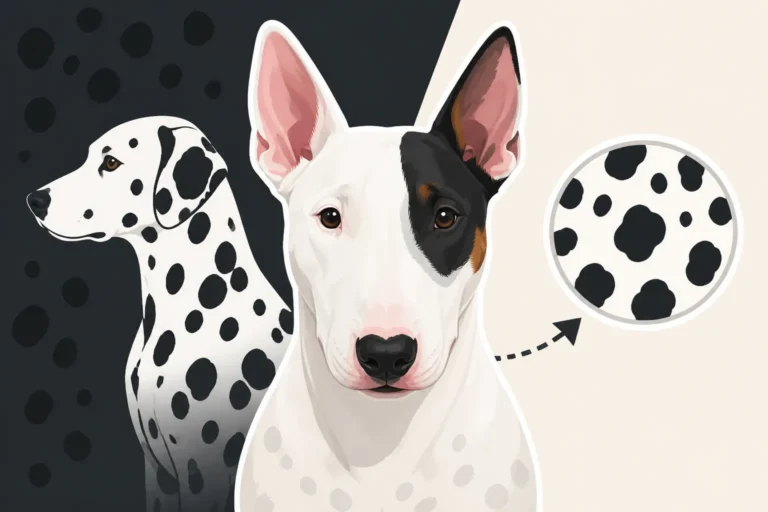
When Colored Bull Terriers Were Accepted
For many new Bull Terrier enthusiasts, the image that first comes to mind is the iconic, pure white 'White Cavalier'. It’s a powerful, almost aristocratic look that has defined the breed for generations. But when you start looking into the breed's history, you quickly discover that this wasn't always the only accepted color, and the journey to embrace colored Bull Terriers was a long and often contentious one. This guide will take you through the fascinating history of color acceptance in our beloved Bull Terriers, exploring why white was king for so long and the eventual triumph of a more diverse palette.
The Early Days: White Was King
When you delve into the origins of our distinctive Bull Terriers, it becomes clear that the initial vision for the breed was singularly focused on one striking characteristic: an immaculate white coat. This wasn't just a preference; it was foundational to the breed's identity in its formative years. Imagine the Victorian era, full of specific aesthetic ideals, and you begin to understand the pull of a dog that looked so pristine and distinguished.
James Hinks' Vision for the White Cavalier
The man credited with developing the modern Bull Terrier, James Hinks of Birmingham, had a very specific ideal in mind. He wasn't content with the motley, often rough-and-tumble "Bull and Terriers" of his time. He envisioned a dog that was both powerful and elegant, a gentleman's companion with a fierce loyalty but a refined appearance. For Hinks, that ideal was embodied in a dog of pure, unblemished white. This dedication to white wasn't just a whim; it was a deliberate breeding choice that shaped the very essence of the early Bull Terrier. You can read more about his foundational work in James Hinks Built the Bull Terrier in Birmingham in the 1860s.
Hinks' breeding program, which began in the 1860s, aimed to create a dog distinct from its fighting forbears. He brought in dogs like the English White Terrier (a breed now extinct) and possibly the Dalmatian and Pointer, all contributing to the creation of the Bull Terrier's unique structure and, crucially, its pure white coat. This new breed, with its distinctive egg-shaped head and triangular eyes, became known as the "White Cavalier," a name that reflected its impeccable appearance and its dignified, if tenacious, temperament. The emphasis on white was so strong that any color at all, even a small patch, was often seen as a flaw and could disqualify a dog from the show ring.
The Perceived Purity of White
The allure of the white coat went beyond mere aesthetics; it was imbued with a sense of purity, elegance, and even status. In the social climate of the time, a pure white dog was seen as a symbol of refinement, a companion fit for the aristocracy and the emerging middle class who valued distinction. The sheer effort involved in keeping a white dog spotless was itself a marker of privilege, signaling that the owner had the resources and time to maintain such an immaculate animal. This cultural perception cemented the white Bull Terrier's place as the definitive example of the breed.
Furthermore, there was a historical context where the Bull Terrier was presented as a dog of courage and dignity, rather than a mere fighting machine. The moniker The White Cavalier: Why the Bull Terrier Never Started Fights underscored this image, portraying the dog as a noble animal that, while capable, preferred to avoid conflict. The pure white coat served as a visual metaphor for this idealized temperament – clean, unmarred, and above reproach. This intense focus on white meant that for many decades, a Bull Terrier simply had to be white to be considered a true representative of the breed standard.
The Reintroduction of Color: A Battle for Acceptance
Despite the enduring popularity and perceived purity of the white Bull Terrier, a growing number of breeders and enthusiasts began to advocate for the reintroduction of colored varieties. This wasn't merely a matter of personal preference; it stemmed from a recognition of potential health benefits and a desire to preserve valuable genetic diversity that was being inadvertently lost in the relentless pursuit of an all-white ideal.
Ted Lyon and the Return of Brindles
One of the most significant figures in the movement to reintroduce color was Ted Lyon, an influential breeder from England. Lyon, along with others, recognized that continuously breeding for pure white could lead to a narrowing of the gene pool, potentially exacerbating certain hereditary health conditions. He began to champion the reintroduction of colored Bull Terriers, particularly brindles, which harkened back to the breed's early ancestors. This was a bold move, as the prevailing sentiment within the Bull Terrier community was still heavily biased towards white. You can learn more about Who Bred the First Colored Bull Terriers.
Lyon and his contemporaries understood that the original "Bull and Terrier" crosses that formed the breed's foundation were not exclusively white; they carried a variety of colors, including brindle, red, and black. By bringing these colors back into the breeding pool, they aimed to improve the overall vigor and genetic health of the breed. It was a long uphill battle against established tradition and deep-seated prejudices, but their persistence eventually started to sway opinions, demonstrating that a Bull Terrier's value wasn't solely tied to the absence of color in its coat.
The Practicality of Colored Dogs
Beyond the genetic considerations, there were also practical arguments for the acceptance of colored Bull Terriers. While the "White Cavalier" was stunning, its pristine coat often presented challenges for owners. White dogs tend to show dirt and grime much more easily, requiring frequent bathing and grooming to maintain their immaculate appearance. For families who wanted a robust, active companion, the constant cleaning could be a chore. A colored coat, particularly brindles or reds, could be much more forgiving, making the dog a more practical choice for many households.
Moreover, the relentless breeding for white had inadvertently led to an increased incidence of certain health issues, most notably deafness, in the all-white population. While not every white Bull Terrier is deaf, the gene for extreme white patterning is linked to cochlear atrophy in some cases. Introducing color allowed for breeding strategies that could potentially reduce the prevalence of these issues, creating a healthier, more robust breed overall. This move towards color was about more than just aesthetics; it was a pragmatic step towards ensuring the long-term well-being of the Bull Terrier breed, a sentiment reflected in discussions like How Many White Bull Terriers Are Born Deaf and Whether a Colored Bull Terrier Is Healthier.
The Long Road to Official Recognition
The journey for colored Bull Terriers to gain official recognition was a marathon, not a sprint. It involved intense debate, lobbying, and a gradual shift in mindset within the established canine organizations and breed clubs. The traditionalists held firm for many years, but the undeniable advantages of a broader gene pool and the growing number of dedicated colored Bull Terrier breeders eventually won out.
Early Debates and Opposition
The early 20th century was a period of significant contention within the Bull Terrier world regarding color. Proponents of white argued fiercely for the preservation of Hinks' original vision, often viewing colored dogs as a regression to the breed's less refined ancestors. They worried that allowing color would dilute the unique identity of the "White Cavalier" and feared a loss of distinctiveness. These debates played out in kennel club meetings, dog shows, and breed publications, creating a schism between those who championed tradition and those who advocated for progress.
The opposition wasn't always rooted in malice, but often in a deep-seated reverence for the breed's history and its iconic white image. For many, the Bull Terrier was white, and any deviation felt like an affront to its legacy. Overcoming this ingrained perception required sustained effort and compelling evidence that colored Bull Terriers could be just as typey, healthy, and charismatic as their white counterparts. It wasn't enough to just breed colored dogs; breeders had to demonstrate their quality consistently.
The Role of Breed Clubs
Breed clubs played a pivotal role in both resisting and eventually accepting colored Bull Terriers. Initially, many clubs, driven by their members' preference for white, upheld strict standards that either excluded colored dogs entirely or relegated them to separate, less prestigious classes. This created significant frustration for breeders who believed in the value of colored lines and felt their dogs were being unfairly judged. However, as the movement for color gained momentum, and dedicated breeders like Ted Lyon proved the quality of their colored stock, the pressure on these clubs mounted.
Eventually, the more forward-thinking individuals within these clubs began to advocate for change, pushing for revisions to the breed standard. This internal advocacy was crucial. It meant that the arguments for color were no longer coming solely from outside the establishment but were gaining traction from within. The clubs had to grapple with scientific evidence regarding genetics and health, as well as the growing practical concerns of maintaining a healthy breed. The process was slow, often involving amendments and re-amendments to official documents.
Formal Acceptance and Standards
It was in the early 20th century that colored Bull Terriers finally began to gain formal acceptance in various kennel clubs. The exact dates varied by country, but a notable milestone occurred in England. In 1931, the Kennel Club in the UK officially recognized colored Bull Terriers, allowing them to be shown in the same classes as whites. This was a monumental victory, signaling a significant shift in the breed's trajectory. Soon after, other major kennel clubs, including the American Kennel Club (AKC), followed suit. When the AKC Recognized the Bull Terrier marked a turning point for the breed in North America.
With formal acceptance came the need for clear standards for colored Bull Terriers. These standards outlined which colors and markings were permissible, ensuring that while color was now embraced, the distinctive Bull Terrier type – its head, expression, body structure – remained paramount. The accepted colors typically included brindle, red, fawn, black brindle, and tricolor (black, tan, and white). This meant that dogs with these colors could now compete fairly in the show ring, legitimizing the efforts of those who had worked so tirelessly for their recognition. This acceptance meant more than just being able to show; it meant that the breed's health and future were being considered with a broader perspective.
Here's a simplified timeline of key shifts in color acceptance:
| Era | Primary Focus | Colored Bull Terriers Status | Key Development |
|---|---|---|---|
| 1860s – Early 1900s | Pure White | Generally excluded | James Hinks establishes the "White Cavalier" ideal |
| Early 1900s – 1930s | Growing Debate | Informal acceptance | Ted Lyon champions colored lines; arguments for health and diversity gain traction |
| 1931 (UK) | Official Acceptance | Recognized for showing | The Kennel Club (UK) officially recognizes colored Bull Terriers |
| Post-1936 (USA) | Widespread Acceptance | Standardized in the US | AKC formally recognizes colored Bull Terriers after initial separate showing |
Understanding Modern Bull Terrier Colors
Today, the Bull Terrier breed embraces a diverse palette of colors, a testament to the perseverance of dedicated breeders and the evolution of breed standards. Far from being a niche preference, colored Bull Terriers are now just as cherished and recognized as their white counterparts, each bringing their own unique beauty to the distinctive Bull Terrier form.
Standard Accepted Colors
The official breed standards, established by major kennel clubs around the world, now recognize a range of colors for the Bull Terrier. These include solid white, of course, but also brindle (a striking pattern of stripes), red, fawn (a light tan), black brindle, and tricolor (a combination of black, tan, and white). Any of these colors, or combinations thereof, are fully acceptable provided they adhere to the standard's guidelines regarding markings and overall appearance. For instance, in a white Bull Terrier, a small patch of color on the head is often permissible, but extensive body markings would be considered a fault. For colored Bull Terriers, white markings are often present on the chest, legs, and muzzle.
The beauty of this acceptance is the variety it brings to the breed without compromising its essential characteristics. Whether you prefer the classic elegance of a white, the dramatic stripes of a brindle, or the rich warmth of a red, you're still getting the same robust, playful, and utterly unique Bull Terrier personality. It's truly wonderful to see the spectrum of colors at a dog show, showcasing the breed's genetic depth and visual appeal. When you're looking into adding a Bull Terrier to your family, understanding Which Colors a Bull Terrier Comes In can help you appreciate the full range of options.
Color Genetics and Variety
Understanding the genetics behind Bull Terrier colors can be quite fascinating. The original white coat, while striking, comes with its own genetic considerations, including the predisposition to deafness in some cases, as mentioned earlier. The reintroduction of color has allowed for a broader genetic base, which can be beneficial for overall breed health. For example, brindle is a dominant pattern, meaning a dog only needs one copy of the brindle gene to express it. Red and fawn are recessively inherited variations of phaomelanin expression, leading to their distinct hues. Tricolor dogs carry genes for both black and tan markings along with white spotting.
Breeders now utilize this understanding of color genetics to make informed decisions, not just for aesthetics but for health and temperament. The focus is always on breeding healthy, typey dogs first and foremost, with color being an additional, celebrated trait. This scientific approach ensures that the breed continues to thrive, moving beyond the historical limitations of a single color preference. If you're considering buying a puppy, a reputable breeder will be transparent about the color genetics in their lines and how they contribute to the overall health and diversity of their puppies.
The Impact of Color Acceptance on the Breed
The acceptance of colored Bull Terriers was a transformative moment, not just for the appearance of the breed, but for its fundamental health, genetic diversity, and public perception. It demonstrated a willingness within the breed community to evolve and adapt for the betterment of the dogs themselves.
Expanding the Gene Pool
Perhaps the most profound impact of accepting colored Bull Terriers was the expansion of the breed's gene pool. When breeding was restricted to almost exclusively white dogs, the pool of potential mates was significantly narrower. This intense selection for a single trait could inadvertently lead to a higher concentration of other undesirable recessive genes, including those linked to various health issues. By allowing colored dogs into the breeding program, breeders suddenly had access to a much wider range of healthy, genetically diverse individuals.
This broader genetic base has been instrumental in improving the overall health and vigor of the Bull Terrier breed. It allows breeders to select for desirable traits, such as good temperament, sound structure, and longevity, without being overly constrained by coat color. The ability to breed healthy, structurally correct colored dogs alongside whites has strengthened the breed as a whole, making it more resilient and reducing the risk of genetic bottlenecks that can plague breeds with very limited genetic diversity. This helps in securing The Ten to Fourteen Years a Bull Terrier Gets for future generations.
Dispelling Misconceptions
The historical emphasis on white led to some misconceptions, with some mistakenly believing that colored Bull Terriers were somehow "less pure" or not true examples of the breed. The official acceptance of color helped to dismantle these myths. It affirmed that a Bull Terrier's worth and adherence to type are determined by its overall conformation, temperament, and health, not solely by the absence of pigment in its coat. This shift in perspective allowed for a greater appreciation of the breed's inherent qualities, regardless of its coloring.
For owners, this meant they no longer had to feel that their colored Bull Terrier was a second-class citizen in the breed world. It fostered a more inclusive community where all properly bred Bull Terriers, whether white, brindle, red, or tricolor, were equally valued and celebrated. This acceptance has undoubtedly encouraged more people to consider the breed, knowing that they have a wider variety of choices and that any color is a legitimate and beautiful expression of the Bull Terrier standard.
Maintaining Breed Type
Despite the introduction of various colors, a critical aspect of the acceptance process was the unwavering commitment to maintaining the distinctive Bull Terrier "type." This meant that regardless of coat color, the dogs still had to possess the characteristic egg-shaped head, small triangular eyes, muscular body, and unique personality that define the breed. The acceptance of color was never about creating a new kind of dog but about broadening the visual spectrum within the existing, cherished type. Discussions around How the Bull Terrier's Head Changed Over Time or The Bull Terrier Is the Only Breed With a Triangular Eye remain central to the breed's identity.
Breeders worked diligently to ensure that colored lines adhered to these foundational physical and temperamental standards. This dedication ensured that the Bull Terrier remained recognizable and true to its heritage, even as its coat options expanded. The breed standard serves as the blueprint, guiding breeders in their efforts to produce sound, healthy, and typical Bull Terriers, color preferences notwithstanding. It’s a delicate balance that has been successfully achieved, resulting in a breed that is as visually diverse as it is consistently unique in its conformation and character.
Disclaimer
This article is for general informational purposes only and does not constitute professional advice. Laws, prices and regulations vary by location and change over time. Consult a qualified professional for guidance on your specific situation.