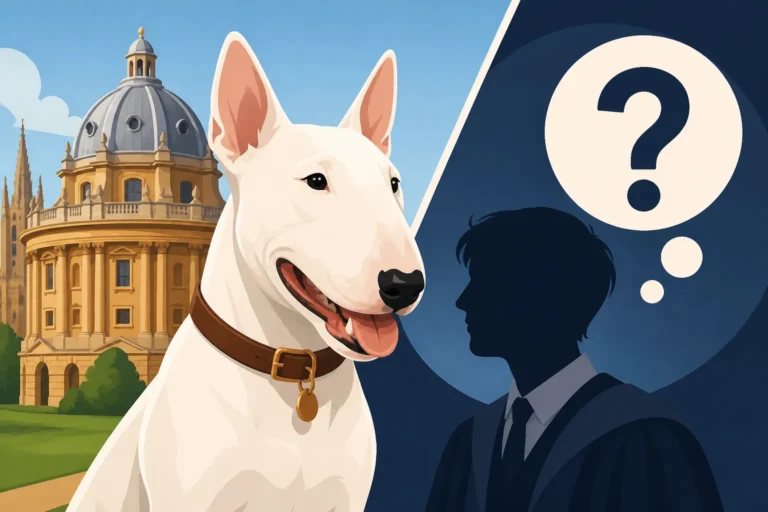
Which Breed Brought Color Back Into the Bull Terrier
A white Bull Terrier may be the image that first comes to mind, but the breed was not always limited to white coats. Color returned through deliberate breeding with Staffordshire-type dogs, especially in the work of breeders such as Ted Lyon. This guide explains which breed brought color back, why the change was controversial, and how colored Bull Terriers became part of the breed.
The breed that brought color back
Staffordshire-type dogs carried color into the Bull Terrier
The breed most closely associated with bringing color back into the Bull Terrier is the Staffordshire Bull Terrier. More precisely, the historic dogs used in these crosses were Staffordshire-type Bull-and-Terrier dogs; they existed before the Staffordshire Bull Terrier became a formally recognized breed in its modern form.
The distinction matters because breed names and boundaries were not as fixed in the nineteenth and early twentieth centuries as they are today. Breeders worked with related dogs that could be described by type, locality, or ancestry rather than by a present-day pedigree label. Those Staffordshire-type dogs carried coat colors that had become less visible in the fashionable white Bull Terrier lines.
The aim was not simply to make a different-looking dog. Crosses were used to reintroduce color and strengthen the colored strain, while breeders continued selecting for the Bull Terrier’s recognizable build and character. Brindle, red, and other colored coats could appear in the descendants. The name most often connected with this effort is Ted Lyon, a breeder who helped establish the colored Bull Terrier as a serious and lasting part of the breed.
The history is sometimes shortened to “a Staffordshire Bull Terrier brought back color.” That is a useful answer, but it can give the impression that one modern, registered dog was crossed once and immediately produced today’s colored Bull Terrier. The actual story unfolded over generations, within a changing dog-breeding landscape. For background on the people involved, see Who Ted Lyon Was to the Bull Terrier and Who Bred the First Colored Bull Terriers.
Why color had faded from the show ring
James Hinks is widely associated with developing and promoting the elegant white Bull Terrier in the 1860s. White dogs became especially fashionable, and breeders and exhibitors increasingly emphasized the all-white look. As that preference took hold, colored Bull Terriers received less attention and were less prominent in the show ring.
That preference shaped what people came to recognize as the “proper” Bull Terrier. The white coat became closely tied to the breed’s public image, even though color had not been absent from its wider ancestry. When a trait is out of fashion for long enough, it can seem as if it never belonged in the breed at all. That is part of why the return of colored dogs stirred such strong reactions among breeders.
The debate was not only about appearance. Breeders who valued white dogs worried that introducing colored ancestry could change the type they had worked to establish. Supporters of colored dogs, meanwhile, wanted their animals accepted as Bull Terriers rather than treated as inferior or separate. The disagreement became a lasting chapter in the breed’s history, explored further in Colored Bull Terriers Were a Separate Fight and Whether Only White Bull Terriers Were Shown at First.
How colored Bull Terriers became accepted
Breeders had to preserve type as well as color
Bringing color back was only one part of the job. Breeders also had to produce dogs that looked and behaved recognizably like Bull Terriers. A dog with a colored coat was not automatically a good example of the breed; breeders still had to pay attention to structure, movement, soundness, and temperament.
This is where careful selection across generations mattered. Breeders sought colored dogs with the Bull Terrier’s distinctive outline and head, rather than simply prioritizing a new coat pattern. The process took patience, and it helped shape the argument that colored dogs could belong within the same breed rather than stand apart as a separate variety.
It is also why the history should not be reduced to one cross or one breeder. Ted Lyon is an important name in the story, but the work depended on a broader effort to establish colored lines and win acceptance for them. For more on the recognition process, see When Colored Bull Terriers Were Accepted and Which Colors a Bull Terrier Comes In.
Acceptance did not mean the disagreement vanished
Once colored Bull Terriers gained formal acceptance, the argument over white and colored dogs did not simply disappear. Some people continued to prefer the white variety, while others supported colored dogs as an important part of the breed’s future. Preferences can persist long after a kennel club or breed organization has made a rule official.
Over time, colored Bull Terriers became a recognized and familiar part of the breed. Today, coat color can help distinguish individual dogs, but it does not by itself tell you whether a Bull Terrier is healthy, well bred, or a good fit for a particular home. Responsible breeding, health testing, and sound care matter far more than whether a coat is brindle, red, or white.
The history is a reminder that breed standards and fashion are not the same thing. Standards set out how a breed is assessed; fashion influences which features people admire most at a given time. The two can overlap, but popularity should not be mistaken for proof that one variety is inherently better.
| Question | Short answer | Why it matters |
|---|---|---|
| Which breed brought color back? | Staffordshire-type Bull-and-Terrier dogs, associated with the later Staffordshire Bull Terrier | These dogs carried colors that had become less common in fashionable white lines |
| Which breeder is often linked with the colored strain? | Ted Lyon | His work helped establish and promote colored Bull Terriers |
| Did one cross create the modern colored Bull Terrier? | No; the change developed through selection over generations | Breeders also worked to retain Bull Terrier type |
| Are colored Bull Terriers a separate breed? | No, they are part of the Bull Terrier breed | Coat color does not make a dog a different breed |
What the color history means for Bull Terrier owners
Coat color is not a shortcut to judging health
It is easy to assume that a colored coat signals a different kind of dog, but color alone is not a reliable health guide. A Bull Terrier’s health depends on many factors, including inherited conditions, breeding choices, veterinary care, and the individual dog’s circumstances. A breeder’s willingness to discuss health screening is more useful than a promise that a particular color is healthier.
The same principle applies when choosing a puppy. Ask about the parents, available health records, how puppies are raised, and what support the breeder offers after placement. If a seller focuses heavily on a rare or fashionable color while avoiding questions about health and temperament, treat that as a reason to slow down and ask more.
For an overview of the breed’s appearance and its variations, Colored Bull Terriers Were a Separate Fight offers useful historical context, while Whether Color Affects a Bull Terrier's Price at All addresses how color can influence buyer expectations. Neither coat color nor a higher asking price proves that a dog has been responsibly bred.
White and colored dogs can both need thoughtful skin care
The history of color is also a practical reminder that coat shade and skin deserve separate attention. White Bull Terriers can have pale or pink skin that is more vulnerable to sun exposure, but colored dogs still need ordinary skin care and protection from irritation. Watch for persistent redness, sores, unusual patches, or changes that do not settle; a veterinarian can help determine whether the issue is sun damage, allergy, infection, or something else.
For a white dog, shade and limiting strong sun exposure are sensible first steps. If you are considering a dog-safe sunscreen, check the ingredient label carefully and ask your veterinarian which products are appropriate. Chewy can be one place to compare pet-care supplies, but a retailer listing is not a substitute for veterinary guidance—especially if your dog already has a skin condition.
A light shirt or sun-protective garment may help during outdoor time, provided it fits comfortably and does not cause overheating. When browsing clothing or skin-care supplies through Chewy, focus on fit, dog-safe labeling, and whether the item suits your dog’s actual needs rather than buying based on coat color alone. Chewy may also be convenient for basic grooming supplies, but persistent itching or a changing skin patch calls for a veterinary check, not just a new shampoo.
How to understand the history without oversimplifying it
Separate ancestry, breed names, and modern standards
Historical accounts can sound contradictory because they use “Staffordshire Bull Terrier” as shorthand for dogs that lived before the modern breed was formally established. The label helps readers identify the type of dog associated with the return of color, but it can blur the fact that the dogs and breeding categories of that period did not map neatly onto today’s registered breeds.
It is also helpful to separate ancestry from recognition. A dog can contribute traits to a breed without being considered a member of that breed under a later standard. Similarly, the presence of a colored ancestor does not mean every modern colored Bull Terrier has an identical pedigree path. Breed development is a population story, not a single-family tree.
When you encounter a simplified claim—“this one breed made Bull Terriers colored”—look for the underlying point: Staffordshire-type dogs carried color into breeding lines where white had become dominant, and breeders then selected for both color and Bull Terrier characteristics. That is the most useful way to hold the history in mind without pretending the process was instant or perfectly documented.
Keep the coat story in perspective
The return of color is an interesting part of Bull Terrier history, but it is only one part. The breed’s recognizable form, its changing standards, and the people who shaped it all contribute to the story. For a wider look at that development, see Where the Bull Terrier Comes From, How the Bull Terrier's Head Changed Over Time, and When the English White Terrier Died Out.
For prospective owners, the practical takeaway is simple: a colored Bull Terrier is not a different breed, and a white Bull Terrier is not the only authentic one. Color reflects a history of breeding choices and shifting preferences. When choosing a dog, put responsible breeding, suitable temperament, and long-term care ahead of coat fashion.
Disclaimer
This article is for general informational purposes only and does not constitute professional advice. Laws, prices and regulations vary by location and change over time. Consult a qualified professional for guidance on your specific situation.