Signs a Bull Terrier Puppy Has Acrodermatitis
It's incredibly distressing to watch a new Bull Terrier puppy struggle, especially when they aren't growing or thriving like their littermates, exhibiting strange skin issues, or just generally seem "off." It’s natural to hope these early indicators are just minor puppy quirks, perhaps a common skin irritation, or a fleeting bout of pickiness. But for Bull Terrier owners, these could be the devastating first whispers of Acrodermatitis, a condition that no owner ever wants to face. This comprehensive guide will meticulously walk you through precisely what to look for, helping you identify the critical and often subtle symptoms of this rare, inherited condition in Bull Terrier puppies.
Understanding Acrodermatitis in Bull Terriers
When you bring a Bull Terrier puppy into your home, you're dreaming of a lifetime of clownish antics, loyal companionship, and robust health. Discovering a genetic health condition can be a heartbreaking reality. Acrodermatitis (AD) is one of those deeply unfair conditions that specifically target our beloved Bull Terriers. It’s not just a fancy name for a skin problem; it’s a systemic breakdown that impacts nearly every part of a puppy's development.
What Acrodermatitis Truly Is
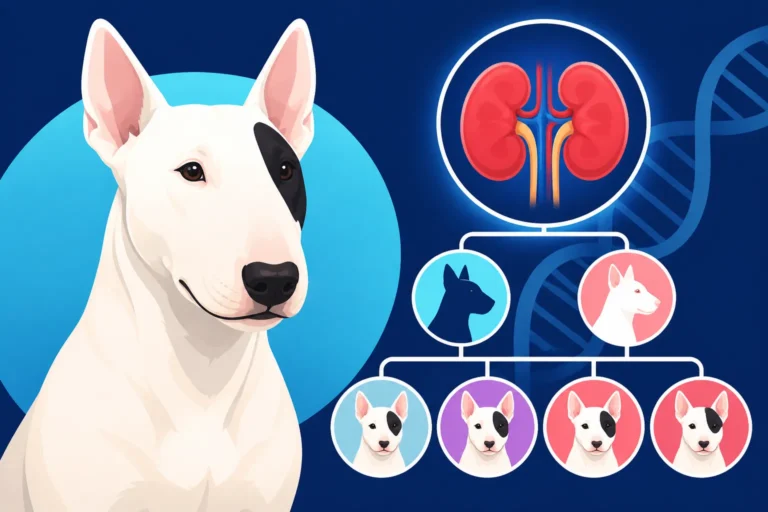
Acrodermatitis isn't simply a case of a Bull Terrier puppy needing more zinc in their diet. It’s a cruel, inherited genetic disorder where the puppy’s body cannot properly absorb or metabolize zinc, even when there's plenty of it available in their food. This crucial distinction means you can feed them the most zinc-rich diet imaginable, and it won't fix the problem because their internal systems are fundamentally broken in this regard. Zinc is an absolute powerhouse mineral, essential for countless bodily functions, from immune system strength and skin health to growth, metabolism, and even neurological development. Without it, everything starts to falter. This profound malabsorption leads to a cascading failure of the puppy’s immune system, severe and persistent skin problems, and significant developmental delays that quickly become apparent. If you're curious about the specifics, you can learn more about What Lethal Acrodermatitis Does to a Bull Terrier and Which Gene Causes Acrodermatitis in Bull Terriers.
The core issue stems from a specific gene mutation unique to Bull Terriers. While it’s often called "Lethal Acrodermatitis" because of its grave prognosis, understanding that it's a zinc malabsorption issue rather than a simple deficiency helps grasp the challenge. The puppy's gut simply isn't equipped to pull zinc from food and put it to use where it's needed throughout the body. This is why supportive care, while necessary, can only ever manage symptoms, not cure the underlying problem. It creates a domino effect where one system's failure leads to another, making the puppy increasingly vulnerable and sickly.
Why Early Detection Matters So Much
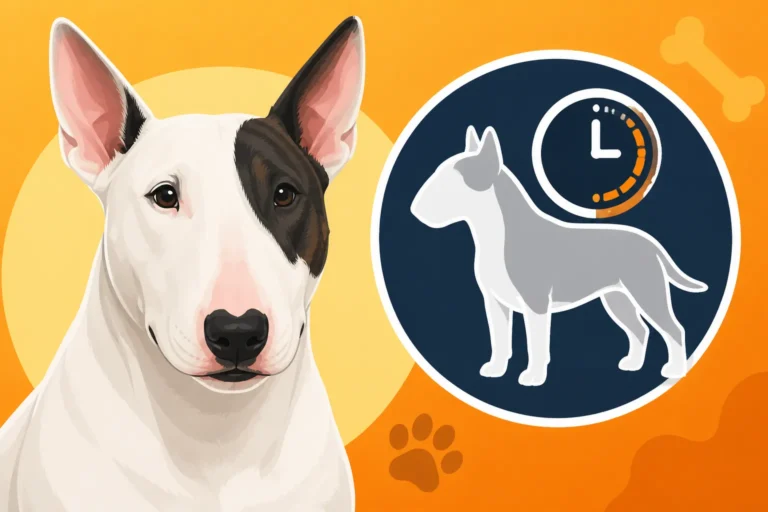
The heartbreaking truth of Acrodermatitis is its progressive and, without intervention, invariably fatal nature. This isn't a condition that puppies "grow out of." Instead, it steadily worsens, leading to a profound decline in health and quality of life. For owners, spotting those early signs is absolutely crucial, even if it feels overwhelming. While there is no cure, understanding the condition and identifying it promptly means you can work with your veterinarian to implement supportive care that might improve your puppy's comfort and extend their life, albeit usually for a limited time. The alternative is watching them suffer unknowingly, which is a burden no dedicated owner should bear.
Beyond the immediate welfare of the puppy, early detection also plays a vital role in addressing breeder responsibilities and preventing future occurrences. Responsible breeders test their breeding stock for the gene responsible for AD. If a puppy is diagnosed, it highlights the importance of genetic testing for both parents to ensure carriers are not bred together again. Knowing what to look for can help potential owners ask the right questions and ensure their chosen breeder has conducted the proper health screens, which includes understanding What a Bull Terrier Breeder Should Have Tested. The emotional toll on families who pour their love and resources into a puppy, only to discover a terminal genetic condition late in its progression, is immense, making early recognition a compassionate imperative.
The Early, Subtle Signs of Acrodermatitis in Puppies
Acrodermatitis doesn't typically announce itself with a bang; instead, it often begins with subtle, easily overlooked symptoms that can be mistaken for more common puppy ailments. This makes diligent observation critical for Bull Terrier owners, especially during the first few months of life. Catching these early hints can make a world of difference in understanding and managing this condition.
Skin Lesions and Paw Pad Changes
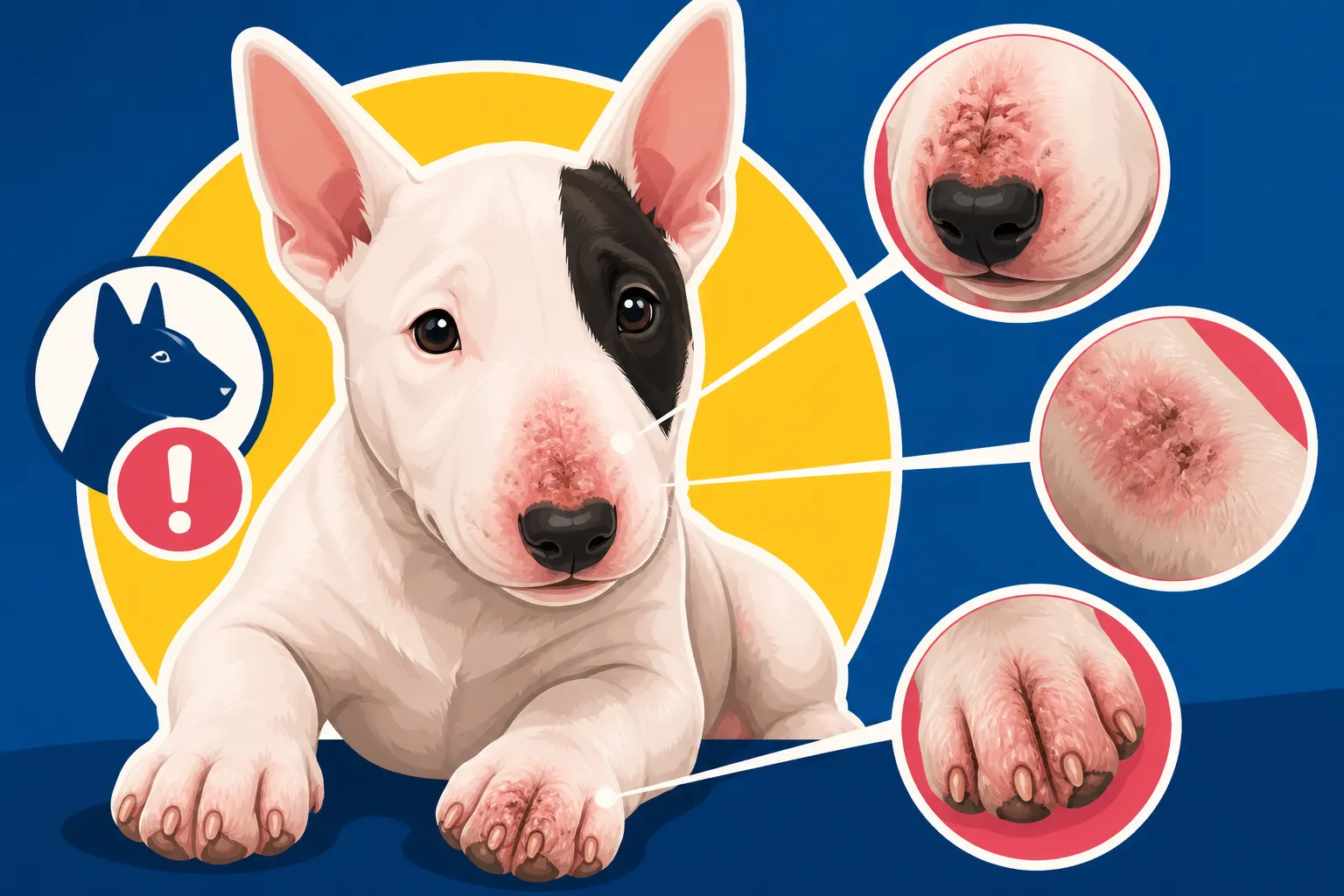
One of the hallmark early indicators of Acrodermatitis often manifests on the skin, particularly around orifices and on the paw pads. You might start to notice redness, a bit of crusting, or slight scaling around the eyes, muzzle, and ears. Sometimes, these small changes extend to the genitals or anus. It’s not necessarily a widespread rash at first, but rather localized areas that seem perpetually irritated or a bit tougher than they should be. The challenge is these can easily be mistaken for puppy acne, minor irritations from playing, or even just dirt. However, what sets AD apart is the persistence and often symmetrical nature of these lesions.
The paw pads are another critical area for observation. In the early stages, they might appear slightly thickened or hyperkeratotic – meaning the skin is abnormally thick. As the condition progresses, these pads can become quite hard, crusty, and even crack, leading to significant pain and lameness. Imagine walking on perpetually cracked heels; that's what your puppy might be experiencing. These changes can make walking, playing, and even standing uncomfortable, potentially causing your puppy to hesitate or appear sore. Owners often wonder What an Acrodermatitis Bull Terrier's Paws Look Like in these situations. The compromised skin barrier in these areas also makes them highly susceptible to secondary bacterial or fungal infections, leading to inflammation, itching, and a worsening of the overall skin condition. This can quickly spiral into more overt symptoms that are harder to ignore.
Growth Stunting and Failure to Thrive
Perhaps one of the most heartbreaking early signs is a noticeable failure to thrive and growth stunting. You might observe that your Bull Terrier puppy, despite seeming to eat relatively well, just isn't keeping pace with their littermates or other puppies of the same age and breed. They might be consistently smaller, appear thinner, or generally seem less robust than their peers. This isn’t simply about being the "runt" of the litter; it’s a sustained lack of appropriate growth and development that becomes increasingly apparent over weeks. It's a clear signal that something fundamental in their system isn't allowing them to utilize nutrients efficiently.
This isn't just a cosmetic issue of size. Zinc plays a fundamental role in cell division, protein synthesis, and overall metabolic function, so its malabsorption directly impedes normal physical development. Puppies with Acrodermatitis often exhibit a general lack of energy and lethargy, preferring to rest while their siblings are tumbling and playing. Their muscle development might be noticeably poor, contributing to a weaker appearance. Owners might initially put this down to individual variation or being a "calm" puppy, but in the context of other symptoms, it forms a critical piece of the puzzle. Understanding Why an Acrodermatitis Bull Terrier Puppy Stops Growing highlights the insidious nature of this condition. It's a clear indication that the puppy's body isn't getting the foundational support it needs to build a healthy, strong frame, regardless of how much you try to feed it.
More Advanced Symptoms You Cannot Ignore
As Acrodermatitis progresses, the subtle initial signs give way to more pronounced and debilitating symptoms. These advanced indicators often represent a significant decline in the puppy's overall health and underscore the systemic nature of the disease. At this stage, the picture becomes clearer, but the prognosis also becomes more dire.
Recurrent Infections and Immune Compromise
One of the most devastating consequences of zinc malabsorption in Bull Terrier puppies is the severe compromise of their immune system. Zinc is absolutely critical for the proper functioning and development of immune cells, so without it, the body's defenses are left severely weakened. This leads to a relentless cycle of recurrent and often severe infections that simply refuse to clear up or rapidly return after treatment. You might find yourself at the vet constantly for issues like persistent pneumonia, deep-seated skin infections that don't respond to antibiotics, chronic ear infections, or recurring gastrointestinal bugs. It’s an exhausting and demoralizing experience for both the puppy and the owner.
These infections are typically more severe and prolonged than what a healthy puppy would experience. They might require stronger, longer courses of medication, or they might become resistant to standard treatments, leading to frustration and increasing concern. The puppy becomes a magnet for every pathogen, unable to mount an effective defense. This ongoing battle takes a massive toll on their already struggling bodies, contributing further to their failure to thrive and overall weakness. It’s a clear and undeniable sign that something fundamental is wrong with their ability to fight off disease, as explained further in Why an Acrodermatitis Bull Terrier Catches Every Infection.
Digestive Issues and Appetite Changes
Beyond visible skin problems and stunted growth, Acrodermatitis often wreaks havoc on a puppy's digestive system, leading to a range of challenging symptoms. You might notice your Bull Terrier puppy becoming incredibly picky about their food, or perhaps they show a poor appetite altogether. They might nibble at meals, turn their nose up at previously enjoyed treats, or simply lack the robust hunger typical of a growing puppy. This isn't just a behavioral quirk; it's often a symptom of their internal discomfort and inability to properly process nutrients. This difficulty with food can lead to owners asking, Whether an Acrodermatitis Bull Terrier Puppy Can Eat enough to survive.
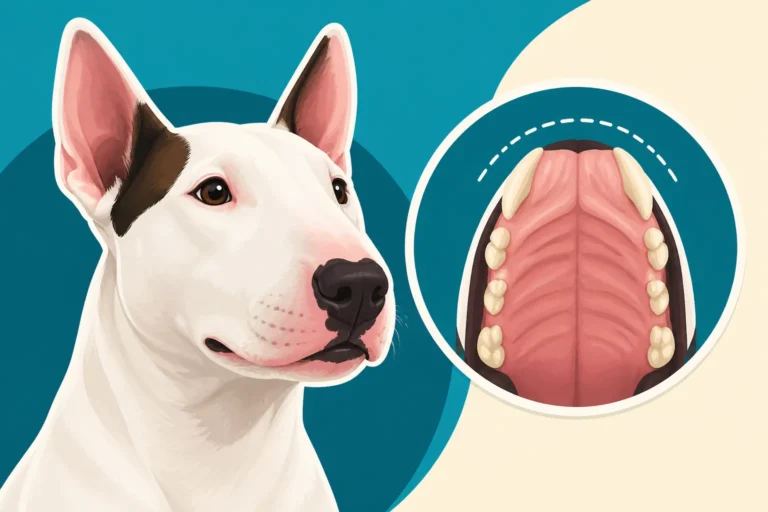
Even when they do eat, puppies with AD often experience chronic gastrointestinal upset, manifesting as persistent diarrhea, frequent vomiting, or stools that are consistently soft and malformed. Despite consuming food, their bodies simply cannot absorb the necessary nutrients, leading to continued weight loss, muscle wasting, and a gaunt appearance. This malabsorption means they are starving at a cellular level, even with a full stomach. Furthermore, some affected puppies can develop oral lesions or an arched palate, making the physical act of eating painful or difficult. These painful mouth issues can further exacerbate their reluctance to eat, creating a vicious cycle of malnutrition and further decline.
Neurological and Behavioral Red Flags
While less commonly discussed as primary early indicators, neurological and behavioral changes can also emerge as Acrodermatitis progresses, providing further clues to the systemic nature of the disease. Initially, these might be subtle shifts: a general lethargy or apathy that goes beyond normal puppy sleepiness. Your Bull Terrier puppy might lack the characteristic exuberance and playful energy that is so typical of the breed. They might prefer to lie quietly, showing less interest in toys, interactions, or exploring their environment compared to their more robust littermates.
In some more advanced or severe cases, subtle tremors or other neurological signs can begin to manifest, though these are thankfully not the first things you usually see. These could include uncoordinated movements, muscle weakness, or an inability to stand steadily. Behaviorally, the puppy might become more irritable, sensitive to touch, or simply less engaged. These changes are a direct result of zinc's vital role in brain function and nervous system health. While often subtle, when these behavioral and neurological deviations are observed in conjunction with the more prominent skin and growth issues, they paint a comprehensive and alarming picture of a puppy struggling deeply with a serious, underlying condition.
Differentiating Acrodermatitis from Other Puppy Ailments
The early signs of Acrodermatitis can be incredibly deceptive, mimicking a host of more common and less severe puppy problems. This is precisely what makes early diagnosis so challenging and often delayed. As an owner, it's crucial to understand these distinctions, not to self-diagnose, but to provide your vet with the most accurate picture possible.
Ruling Out Common Skin Conditions
When you first notice crusty patches around your Bull Terrier puppy's mouth or on their little paws, your mind might jump to common puppy skin issues. And frankly, your vet might initially think the same. Conditions like Demodectic Mange in a Bull Terrier, bacterial pyoderma, or even common fungal infections can present with redness, scaling, and hair loss that look strikingly similar to the early skin lesions of AD. Puppy impetigo, a superficial bacterial skin infection, also produces pustules and crusts that could cause confusion.
The key difference, however, lies in the underlying cause and the response to treatment. While an Acrodermatitis puppy will undoubtedly develop secondary bacterial or fungal infections due to their compromised skin barrier, treating only these secondary issues will not resolve the problem. The lesions will persist, spread, or quickly return, leaving you feeling like you're constantly chasing a moving target. If your vet treats a "standard" skin infection, and it doesn't clear up as expected, or keeps coming back, that should raise a serious red flag. This is why digging deeper with diagnostics, potentially including skin biopsies for histology and, most importantly, genetic testing, is vital for a definitive diagnosis. It’s also important to remember that The Bull Terrier's Skin Is Its Weakest Point generally, so they can be prone to various dermatological issues, making AD even harder to pinpoint amidst other common problems.
When It's More Than Just a "Picky Eater"
Many Bull Terrier puppies can be a bit opinionated about their food, and some periods of slower growth are entirely normal. It’s easy to dismiss a puppy's slight lack of appetite or slower weight gain as simply being a "picky eater" or a smaller member of the litter. You might try switching foods, adding tempting toppers, or worrying about parasites. And indeed, parasites or other congenital issues can certainly cause poor growth and appetite. However, when these symptoms appear alongside the characteristic skin lesions, recurrent infections, and a general lack of vitality, it strongly points towards something more serious than dietary preferences or typical puppy issues.
A Bull Terrier puppy with Acrodermatitis isn't just being difficult; their body is fundamentally failing to utilize the nutrients they consume. They might be eating a high-quality food in appropriate amounts, but their internal system for zinc absorption is broken, meaning they're essentially starving at a cellular level. This leads to profound weakness and a lack of energy that goes beyond normal puppy behavior. If you’ve tried various feeding strategies, ruled out parasites, and the puppy still lags significantly behind in growth and health, it's time to consider something like AD. This "failure to thrive" in a puppy, especially a Bull Terrier, should always prompt a thorough investigation that goes beyond simply adjusting their kibble.
What to Do If You Suspect Acrodermatitis
Discovering or even suspecting that your Bull Terrier puppy might have Acrodermatitis is an incredibly stressful and frightening experience. It's a condition that demands immediate and decisive action. Time is of the essence, not just for the puppy's sake, but for your peace of mind and to understand the implications for the future.
Urgent Vet Consultation and Diagnostic Steps
If you've noticed a cluster of the symptoms we've discussed – persistent skin lesions, particularly on the face and paws, failure to grow, recurrent infections, or chronic digestive issues – do not hesitate. You need to get your Bull Terrier puppy to a veterinarian immediately. This isn't a situation for a "wait and see" approach. Be prepared to provide a detailed history of the symptoms, when they started, how they've progressed, and any treatments you've tried. Take photos if you have them, and if possible, bring records of the puppy's weight gain (or lack thereof).
Your veterinarian will likely perform a thorough physical examination and suggest various diagnostic tests. These might include blood work to check general health, rule out other conditions, and look for signs of infection. They may take skin scrapings or biopsies of the lesions to check for parasites, fungal infections, or characteristic changes indicative of AD. While blood zinc levels can sometimes be low in AD puppies, they aren't always conclusive, as the problem is absorption, not necessarily dietary intake. The most definitive diagnostic tool is a genetic DNA test. This test can confirm the presence of the specific mutation responsible for Acrodermatitis. It's highly accurate and can quickly provide the answer you desperately need, as detailed in Whether the Bull Terrier Acrodermatitis Test Is Reliable. Getting a definitive diagnosis is crucial for understanding the prognosis and making informed decisions about care.
When facing potential expensive diagnostics and ongoing care, many owners appreciate having pet insurance. Companies like Healthy Paws can provide a financial safety net for unexpected illnesses. If you have a policy in place before symptoms appeared, it could significantly ease the burden of diagnostic tests and potential treatments, allowing you to focus on your puppy's well-being.
Discussing Breeder Responsibilities and Genetic Testing
Once Acrodermatitis is suspected or confirmed, it is imperative to contact your breeder immediately. A reputable and responsible Bull Terrier breeder should be made aware of the diagnosis, as it has significant implications for their breeding program. Many breeders offer health guarantees, and understanding the terms of your contract in light of this diagnosis is important. This is not about blame, but about transparency and working together to prevent future cases. They should be willing to discuss the situation openly and provide any necessary documentation, including their own health testing records.
This tragic diagnosis highlights the absolute importance of genetic testing for breeding dogs. The gene responsible for Acrodermatitis is inherited in an autosomal recessive pattern. This means a puppy must inherit two copies of the mutated gene (one from each parent) to be affected. Dogs that carry only one copy are clinically normal but can pass the gene to their offspring. Responsible breeders should DNA test their breeding stock for AD to identify carriers and ensure that two carriers are never bred together. Knowing Whether Two Bull Terrier Acrodermatitis Carriers Should Be Bred is fundamental to eradicating this disease. Therefore, when selecting a puppy, always ask for proof of genetic testing for both parents. Learn more about Whether Every Bull Terrier Litter Is Acrodermatitis Tested to ensure you're making an informed choice. It's a sad reality that some breeders may be unaware or choose not to test, but your experience can help raise awareness and push for better breeding practices within the Bull Terrier community.
Acrodermatitis Symptom Checklist
To help you organize your observations, here's a checklist of symptoms to discuss with your veterinarian if you suspect Acrodermatitis in your Bull Terrier puppy:
| Symptom Category | Early Signs (Subtle) | Advanced Signs (Cannot Ignore) |
|---|---|---|
| Skin & Paws | Redness, mild crusting around muzzle, eyes, or ears; slightly thick paw pads | Severe crusting, scaling, bleeding lesions; cracked/painful paw pads; secondary bacterial/fungal infections |
| Growth & Development | Noticeably smaller than littermates; slower weight gain; lower energy levels | Significant growth stunting; emaciation despite eating; severe lethargy; developmental delays |
| Immune System | Minor infections that are slow to resolve or return quickly | Frequent severe infections (respiratory, GI, skin, ears); poor response to standard treatments |
| Digestive System | Picky eating or decreased appetite; occasional soft stool or mild GI upset | Chronic diarrhea or vomiting; severe weight loss; oral lesions making eating difficult |
| Behavioral/Neurological | Less playful, more subdued or quiet than peers; less curious or engaged | Apathy, weakness, reluctance to move; possible tremors or coordination issues (less common early) |
Disclaimer
I am not a veterinarian or medical professional. The information provided in this guide is for informational purposes only and should not be considered as medical advice. Always consult with a qualified veterinarian for any health concerns or before making any decisions about your Bull Terrier's care.