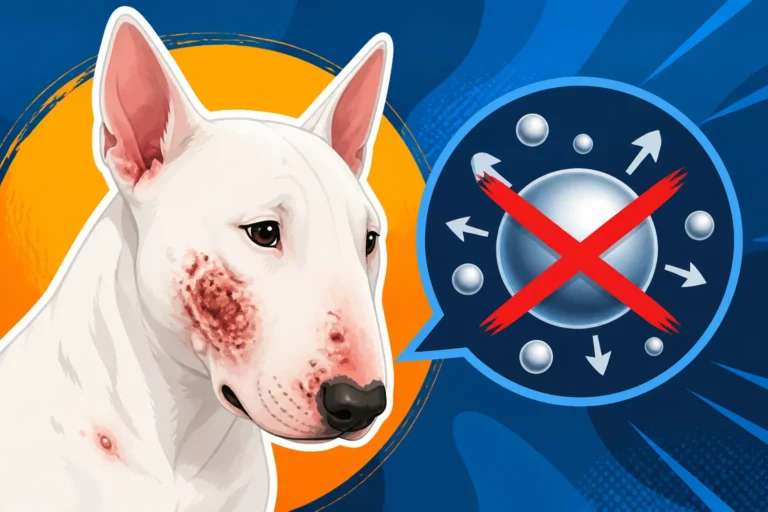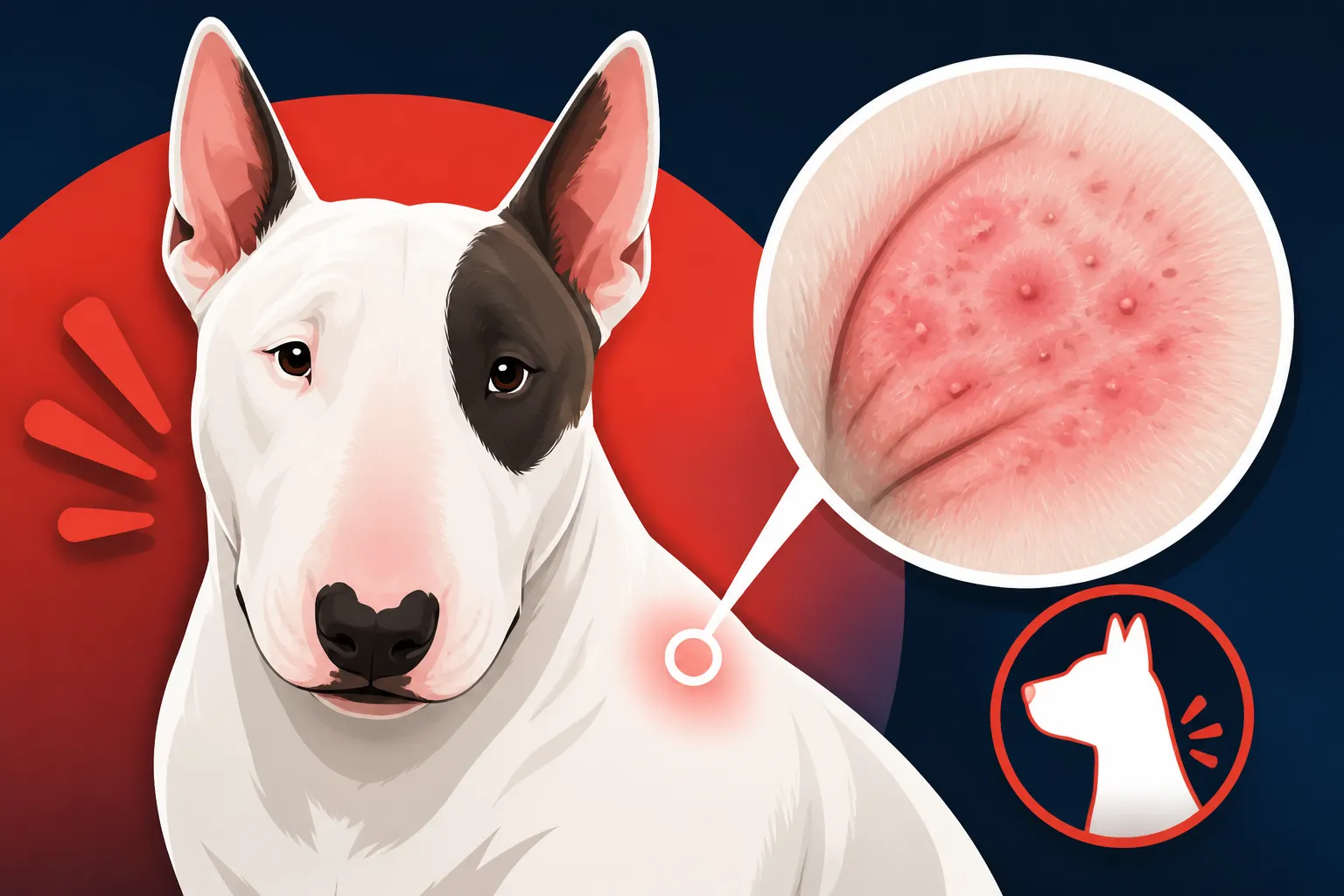
A Bull Terrier’s Skin Is Its Weakest Point
It's incredibly frustrating, isn't it? You adore your Bull Terrier – that goofy grin, that sturdy, unique physique – but sometimes it feels like their skin is in a constant battle against… well, everything. One day it's a mysterious rash, the next it's incessant itching, and before you know it, you're on a first-name basis with your vet and stocking a small pharmacy of shampoos and ointments. You're not alone; many Bull Terrier owners face this uphill struggle. This guide is here to shed light on why your Bull Terrier's skin often feels like its Achilles' heel, detailing common problems, what causes them, and practical strategies to bring your beloved companion some much-needed relief.
Understanding the Bull Terrier's Unique Skin
The Bull Terrier, with its distinctive egg-shaped head and muscular build, is a breed like no other. But beneath that short, sleek coat lies skin that, for many, can be surprisingly delicate. It’s not just bad luck when your Bull Terrier develops a skin issue; there are often underlying genetic factors and breed-specific predispositions that make them more susceptible.
Why Their Skin is Different and Delicate
Unlike some double-coated breeds with thick fur designed to protect against the elements, the Bull Terrier's single, short coat offers less physical protection to the skin underneath. Their skin is often thinner and can be more prone to irritation from external factors like allergens, parasites, and even sunlight. This lack of a dense undercoat means anything that gets past the top layer of hair directly impacts the epidermis, leading to quicker onset and often more severe reactions. Think of it like a person with very fair, thin skin compared to someone with naturally more resilient, thicker skin; what might be a minor irritant for one could be a full-blown crisis for the other. This inherent fragility means a proactive approach to skin care is not just advisable, it’s essential for Bull Terriers.
Genetic Predispositions and Inherited Conditions
Unfortunately, certain skin conditions are simply "in the cards" for some Bull Terriers due to their genetic lineage. Responsible breeders work hard to minimize these risks, but they can still emerge. For instance, some Bull Terriers can be prone to conditions like Lethal Acrodermatitis Kills a Bull Terrier Puppy Before It Grows Up, a devastating inherited disorder that severely impacts zinc absorption and leads to severe skin lesions, growth retardation, and immune deficiency. While rare, it highlights how genetic factors profoundly influence skin health in the breed. Similarly, certain types of allergies, like atopic dermatitis, have a strong genetic component. If your Bull Terrier's parents or siblings had persistent skin issues, there's a higher chance your dog might too. This knowledge isn't meant to cause worry but to empower you to be vigilant and work closely with your veterinarian.
The Link Between Coat Color and Skin Sensitivity
It's a common observation among Bull Terrier enthusiasts: white Bull Terriers often seem to have more sensitive skin than their colored counterparts. This isn't just anecdotal; there's a scientific basis for it. White coats, particularly in breeds derived from white-coated ancestors, can sometimes be linked to a lack of pigment in the skin itself. This lack of melanin, while giving them their stunning appearance, also leaves their skin more vulnerable to environmental damage, most notably from the sun. You'll find that a Why a White Bull Terrier Sunburns far more easily than a brindle or tri-color Bull Terrier, leading to redness, flaking, and even painful blisters. Beyond sunburn, some research suggests a general correlation between white coat color and increased susceptibility to certain skin allergies and autoimmune conditions, although the exact mechanisms are still being fully explored. It's a key reason why a A Bull Terrier's Skin Is Its Weakest Point often feels like an understatement.
Common Allergic Reactions and Irritations
Allergies are perhaps the most common reason Bull Terrier owners find themselves constantly battling skin issues. Just like people, dogs can react to a myriad of things in their environment or diet, leading to maddening itchiness and discomfort.
Atopic Dermatitis Environmental Allergies
Atopic dermatitis is essentially environmental allergies that manifest on the skin. Your Bull Terrier isn't reacting to pollen in its eyes or sneezing; it's reacting with itchy, inflamed skin. Common culprits include pollens from trees, grasses, and weeds, dust mites, mold spores, and even components of human dander. The itching can be relentless, leading your dog to scratch, lick, and chew themselves raw, particularly on their paws, belly, flanks, and around their ears. This constant self-trauma often leads to secondary bacterial or yeast infections, making the problem even worse. It’s a vicious cycle that can leave both you and your dog exhausted. Diagnosis often involves a process of elimination, blood tests, or intradermal skin testing, often with a veterinary dermatologist. Managing atopy is usually a multi-faceted approach, involving medications, special shampoos, and sometimes immunotherapy, known as allergy shots, to desensitize your dog to specific allergens. It's not a quick fix, but with patience, many dogs find significant relief.
Food Allergies
While less common than environmental allergies, food allergies can be another significant source of skin irritation for Bull Terriers. Instead of environmental triggers, the immune system overreacts to a protein source in their diet. Common offenders often include beef, chicken, dairy, wheat, and soy. The symptoms often mimic environmental allergies, with intense itching, redness, and recurrent ear infections, but they might also include gastrointestinal upset like vomiting or diarrhea. The frustration here is that many owners try switching foods, only to find no relief, because they often switch to another common protein. The gold standard for diagnosing food allergies is an elimination diet, where your dog eats a novel protein or hydrolyzed protein diet for 8-12 weeks, and nothing else. This means absolutely no treats, no table scraps, no flavored medications – strict adherence is key. If symptoms improve, then food items are slowly reintroduced to identify the specific allergen. This process can be demanding, but identifying and removing the offending ingredient can be life-changing for your Bull Terrier's skin.
Contact Dermatitis
Contact dermatitis occurs when your Bull Terrier's skin directly touches an irritant or allergen. This isn't about something they've ingested or inhaled, but something they've physically brushed against. Common causes include certain chemicals in cleaning products, lawn treatments, pesticides, harsh shampoos, certain fabrics, or even plants like poison ivy (though less common in dogs than people). The reaction typically appears on areas with less fur coverage, such as the belly, paws, chin, or inner thighs, manifesting as redness, bumps, and intense itching in the affected area. The good news is that contact dermatitis is often easier to pinpoint than other allergies. If you notice a reaction after a walk in a freshly treated yard, or after using a new laundry detergent on their bedding, that's a strong clue. Identifying and removing the offending agent is usually enough to resolve the issue. For instance, if your Bull Terrier develops irritated paws after walks, a quick rinse of their feet with water after coming inside might prevent further flare-ups.
Parasitic Skin Invaders
Even the cleanest Bull Terrier can fall victim to tiny, unwelcome guests. Parasites are a notorious cause of skin problems, leading to intense itching, hair loss, and secondary infections.
Demodectic Mange in a Bull Terrier
Demodectic mange, often simply called "demodex," is a common skin condition in Bull Terriers, particularly puppies or those with compromised immune systems. Unlike sarcoptic mange (scabies), which is highly contagious and intensely itchy, demodex is caused by microscopic mites (Demodex canis) that are a normal part of a dog's skin fauna. Most dogs live with them harmoniously. However, in puppies with immature immune systems, or adult dogs with underlying health issues (stress, illness, poor nutrition), these mites can proliferate unchecked, leading to skin problems. The classic signs are patches of hair loss, redness, and sometimes scaling, often starting around the face and forelegs. It's usually not very itchy unless a secondary bacterial infection develops. Diagnosing demodex requires a veterinarian to perform a deep skin scraping and examine it under a microscope to find the mites. Treatment involves specific medications (oral or topical), and it's crucial to follow your vet's instructions carefully to eradicate the mites and prevent recurrence. For many Bull Terriers, Demodectic Mange in a Bull Terrier is a frustrating, but treatable, condition.
Flea Allergy Dermatitis
Even if you don't see fleas, a single bite can send a flea-allergic Bull Terrier into a frenzy of itching. Flea allergy dermatitis (FAD) is one of the most common allergic skin diseases in dogs. It's not the fleas themselves that cause the intense reaction, but proteins in their saliva. Just one flea bite can trigger a widespread, severe allergic reaction that can last for weeks, causing your Bull Terrier to scratch, chew, and lick almost incessantly. The characteristic signs include intense itching, especially at the base of the tail, inner thighs, and belly, leading to redness, bumps, scabs, and hair loss. Secondary bacterial infections are very common. The best defense is a good offense: year-round, consistent flea prevention is paramount. Many excellent products are available, from oral medications to topical spot-ons, such as those covered by Healthy Paws pet insurance if prescribed by your vet. Discuss with your veterinarian which product is best for your Bull Terrier and your local flea population. Don't underestimate the power of a single flea to wreak havoc on your Bull Terrier's sensitive skin.
Other External Parasites Like Ticks and Mites
While fleas and demodex are common, other external parasites can also cause significant skin irritation. Ticks, though primarily known for transmitting diseases, can cause localized skin irritation, redness, and even painful bite reactions, especially if your Bull Terrier is sensitive to their saliva. Mites other than demodex, such as sarcoptic mites (scabies) or cheyletiella mites (walking dandruff), can also infest a Bull Terrier's skin. Sarcoptic mange, in particular, causes extremely intense itching, often worse at night, and can lead to widespread hair loss, scabs, and crusting. It's highly contagious to other dogs and can even cause transient itching in humans. Cheyletiella mites, while less common, create flaky, dandruff-like skin that can be mildly itchy. If you notice your Bull Terrier scratching excessively, has unexplained hair loss, or scabs, it's always best to get them to the vet for a thorough examination and skin scrapings to rule out these unwelcome hitchhikers. Early detection and treatment are key to resolving these issues and preventing their spread.
Bacterial and Fungal Skin Infections
Sometimes, the primary skin issue – whether it's allergies, parasites, or an underlying health condition – creates an opportunity for opportunistic bacteria and yeast to take hold. These secondary infections can transform mild irritation into a severe, painful skin problem.
Pyoderma Bacterial Skin Infections
Pyoderma simply means "pus in the skin" and refers to a bacterial infection of the skin. These infections often occur as a secondary complication to another underlying problem, like allergies or parasites, which compromise the skin barrier and allow bacteria (most commonly Staphylococcus) to overgrow. You might see red bumps, pustules (small pus-filled pimples), scabs, crusting, and patches of hair loss. The skin can be itchy, painful, and sometimes emit an unpleasant odor. Pyoderma can range from superficial (affecting the surface of the skin) to deep (affecting deeper layers and hair follicles), with deep pyoderma being more serious and painful. Treatment typically involves a course of oral antibiotics, often for several weeks, combined with medicated shampoos or topical treatments. It's crucial to complete the entire course of antibiotics, even if the skin looks better, to prevent recurrence and antibiotic resistance. Without addressing the underlying cause, pyoderma is likely to keep coming back, creating a frustrating cycle for you and your Bull Terrier. Many owners find their Bull Terrier needs a specific Which Shampoo Suits a Bull Terrier's Skin to manage these types of issues effectively.
Yeast Infections Malassezia Dermatitis
Yeast infections on the skin, primarily caused by Malassezia pachydermatis, are another common secondary invader in Bull Terriers, especially those with allergies or compromised immune systems. This yeast is normally present on a dog's skin and in their ears, but an imbalance can lead to overgrowth. The affected skin often appears red, greasy, scaly, and can be intensely itchy. A distinct, often pungent, musty odor is a hallmark sign of a yeast infection. Common areas affected include the paws (especially between the toes), skin folds, armpits, groin, and ears. The skin can also become thickened and hyperpigmented (darkened) over time, a condition known as "elephant skin." Diagnosis is usually made by taking a skin swab or tape prep and examining it under a microscope to identify the yeast. Treatment typically involves antifungal shampoos, wipes, and sometimes oral antifungal medications, especially for widespread or persistent infections. Managing the underlying allergy or condition is essential to prevent recurrent yeast infections.
Hot Spots Acute Moist Dermatitis
Hot spots, or acute moist dermatitis, are aptly named: they are sudden, rapidly appearing, often painful, red, moist, and inflamed skin lesions. They occur when a Bull Terrier persistently licks, chews, or scratches a particular area, often triggered by a minor itch from a flea bite, an insect sting, an allergic reaction, or even boredom. The self-trauma quickly breaks the skin barrier, allowing bacteria to move in and cause a superficial infection that spreads rapidly. These lesions are incredibly common in Bull Terriers and can grow dramatically in a matter of hours. You'll often see them on the head, neck, hips, or tail base. The key to treating hot spots is to first shave the fur around the area to allow it to dry and to clean it thoroughly. Then, topical medications (antibiotics, steroids) are applied, and an Elizabethan collar (the "cone of shame") is almost always necessary to prevent further self-mutilation. Addressing the initial trigger, like flea prevention, is crucial to prevent future hot spots. Ignoring a hot spot will only allow it to become larger and more painful, leading to a much longer recovery period.
Hormonal and Autoimmune Skin Conditions
Beyond external factors and common allergies, sometimes your Bull Terrier's own internal systems can cause skin problems. Hormonal imbalances or an overzealous immune system can lead to frustrating and often chronic dermatological issues.
Hypothyroidism and Its Skin Effects
Hypothyroidism, a condition where the thyroid gland doesn't produce enough thyroid hormone, can have a wide range of systemic effects, and the skin is often one of the first places symptoms appear. While not exclusively a Bull Terrier problem, it's something to be aware of. Dogs with hypothyroidism often develop a dull, dry, brittle coat, excessive shedding, and bilateral (symmetrical) hair loss, often affecting the flanks and tail (a "rat tail" appearance). The skin itself can become thickened, scaly, and greasy, and they may be more prone to secondary bacterial or yeast infections due to a compromised immune response. Other signs include weight gain despite no change in diet, lethargy, cold intolerance, and a generally sad expression. Diagnosis involves a blood test to check thyroid hormone levels. Fortunately, hypothyroidism is usually very manageable with daily oral thyroid hormone supplementation. Once treatment begins, skin and coat quality typically improve over several weeks to months, making your Bull Terrier much more comfortable.
Zinc-Responsive Dermatosis in a Bull Terrier
This is a condition particularly relevant to Bull Terriers, as they can have a genetic predisposition to it, especially those that cannot absorb zinc efficiently. Zinc Responsive Dermatosis in a Bull Terrier occurs when the dog's body either doesn't absorb enough zinc from its diet or can't utilize the zinc it does absorb properly. Zinc is vital for healthy skin and immune function. Without adequate zinc, Bull Terriers can develop characteristic skin lesions, often around the eyes, mouth, ears, and pressure points like elbows and hocks. The skin becomes red, crusty, scaly, and thickened, sometimes with hair loss. The lesions can be itchy and painful, and secondary infections are common. While not the same as Lethal Acrodermatitis, which is a much more severe, often fatal zinc deficiency, zinc-responsive dermatosis can be debilitating if left untreated. Diagnosis is based on clinical signs, sometimes a skin biopsy, and a trial of zinc supplementation. Treatment involves providing oral zinc supplements, often for life, and careful monitoring to ensure proper absorption without causing zinc toxicity. This is a condition where early recognition can make a huge difference in your Bull Terrier's quality of life.
Pemphigus Foliaceus Autoimmune Skin Disease
Pemphigus foliaceus (PF) is an autoimmune skin disease, meaning the body's immune system mistakenly attacks its own healthy skin cells, specifically the connections between them. This leads to the formation of pustules and crusts on the skin. While PF can affect any breed, certain breeds, including Bull Terriers, are considered to be at a higher risk. The lesions typically start as pustules that quickly rupture, forming yellowish crusts, often affecting the face, ears, footpads, and sometimes the whole body. The footpads can become crusty, thickened, and painful, making walking difficult. Unlike bacterial pustules, those from PF often don't contain bacteria. Diagnosis usually requires a skin biopsy, which is then examined by a veterinary pathologist. Treatment for pemphigus foliaceus involves immunosuppressive medications, most commonly corticosteroids, to calm the overactive immune system. These medications often need to be given long-term, and while PF can be challenging to manage, many Bull Terriers can achieve remission or live comfortably with careful medication management.
Sun-Related Skin Issues, Especially for White Bull Terriers
The bright white coat of many Bull Terriers is striking, but it comes with a significant caveat: increased vulnerability to the sun's harmful rays. This isn't just about a simple sunburn; prolonged sun exposure can lead to serious, long-term health problems.
Sunburn and Sun Damage
Just like fair-skinned people, white Bull Terriers can get a nasty sunburn surprisingly quickly. Their lack of pigment (melanin) in their skin provides very little natural protection against ultraviolet (UV) radiation. Areas with sparse hair coverage, such as the bridge of the nose, ear tips, belly, inner thighs, and anywhere the hair parts, are particularly susceptible. A sunburn manifests as red, painful skin, which can sometimes blister and peel. Repeated sunburns, even mild ones, cause cumulative damage to the skin cells. Over time, this damage can lead to chronic irritation, thickening of the skin, and a higher risk of developing more serious conditions. It's a preventable problem, but one that many owners unfortunately learn about the hard way during a sunny day at the park. Protecting your white Bull Terrier from the sun is paramount, especially during peak UV hours.
Actinic Keratosis and Skin Cancer
The long-term consequence of repeated sun exposure and sun damage in white Bull Terriers is an increased risk of developing precancerous lesions, known as actinic keratosis, and various forms of skin cancer. Squamous cell carcinoma is a common type of sun-induced skin cancer seen in dogs, particularly on the nose, ear tips, and other exposed areas. These lesions can appear as non-healing sores, raised crusty areas, or abnormal growths. They might start small and innocuous but can become invasive and spread if not detected and treated early. Similarly, mast cell tumors can sometimes be linked to sun exposure, though their cause is multifactorial. Melanomas, while often dark, can also occur in less pigmented areas. Regular, thorough examination of your Bull Terrier's skin, especially in sun-exposed areas, is vital for early detection. If you notice any suspicious growths or non-healing sores, a prompt veterinary visit is crucial for diagnosis and intervention. This is why a The Weekly Skin Check Every Bull Terrier Needs is so important.
Preventative Measures Against Sun Damage
Preventing sun damage in your white Bull Terrier requires a proactive and consistent approach. The simplest and most effective measure is to limit their exposure to direct sunlight during peak UV hours, typically between 10 AM and 4 PM. Instead, plan walks and outdoor play for early mornings or late evenings. When they are outside, seek shaded areas. For unavoidable sun exposure, apply pet-safe sunscreen to vulnerable areas like the nose, ear tips, and belly. Products specifically formulated for dogs, such as those from brands like Epi-Pet or My Dog Nose It!, are ideal. Avoid human sunscreens that may contain zinc oxide or salicylates, which can be toxic if ingested. Another excellent option is protective clothing, such as lightweight UV-blocking shirts or vests, which can be surprisingly comfortable for your Bull Terrier and offer a physical barrier against the sun. Remember, even on cloudy days, UV rays can penetrate, so vigilance is key. These measures are not overkill; they are essential for the long-term health of your white Bull Terrier's skin.
Managing and Treating Bull Terrier Skin Problems
Once you've identified a skin problem, the journey to relief involves accurate diagnosis and a tailored treatment plan. There's no one-size-fits-all solution, and sometimes it takes a bit of detective work and trial-and-error to find what works best for your Bull Terrier.
Diagnostic Approaches to Skin Issues
When your Bull Terrier is scratching, flaky, or has unusual bumps, the first step is always a visit to your veterinarian. They are your best ally in unraveling the mystery of skin problems. A thorough physical exam will be conducted, along with a detailed history of the problem – when it started, how it progresses, any changes in diet or environment, and what treatments you've tried. From there, your vet may recommend a variety of diagnostic tests:
- Skin Scrapings: To check for mites like Demodex or Sarcoptes.
- Cytology: Examining samples from skin lesions (pustules, crusts, ears) under a microscope to identify bacteria, yeast, or inflammatory cells.
- Fungal Culture: To diagnose ringworm, a common fungal infection.
- Blood Tests: To check for underlying systemic diseases like hypothyroidism, or to test for environmental allergies (though these are often less accurate than skin testing).
- Elimination Diet Trials: As discussed, for suspected food allergies.
- Skin Biopsy: Taking a small tissue sample for histopathological examination, particularly for autoimmune diseases, certain cancers, or persistent undiagnosed conditions.
- Allergy Testing: Intradermal skin testing (done by a veterinary dermatologist) or blood tests for environmental allergens.
These tests help piece together the puzzle, ensuring that treatments are targeted and effective, rather than just masking symptoms. Sometimes, a general practitioner may refer you to a veterinary dermatologist, a specialist who has advanced training in skin conditions and access to more specialized diagnostic tools.
Treatment Options Medications, Diet, and Supplements
Once a diagnosis is made, treatment can range widely. For infections, antibiotics (oral or topical) and antifungal medications are prescribed. Steroids (oral or topical) are often used to reduce inflammation and itching, especially in acute allergic flare-ups, but their long-term use requires careful monitoring. Newer medications, such as Apoquel and Cytopoint, offer targeted relief for allergic itching with fewer side effects than steroids, and can be a game-changer for Bull Terriers with chronic allergies.
Diet plays a crucial role for some Bull Terriers. For those with confirmed food allergies, a strict prescription hydrolyzed or novel protein diet is essential. Even for dogs without food allergies, some owners find that a high-quality, balanced diet rich in omega-3 fatty acids can support overall skin health and reduce inflammation. If you're wondering Whether a Bull Terrier's Skin Improves With Diet, the answer can often be a resounding yes, depending on the underlying issue. Supplements like fish oil (omega-3 fatty acids) are often recommended for their anti-inflammatory properties and to improve skin barrier function. Zinc supplements, as mentioned earlier, are vital for Bull Terriers with zinc-responsive dermatosis. Probiotics might also be considered to support gut health, which is increasingly linked to skin health. Always discuss any dietary changes or supplements with your veterinarian to ensure they are appropriate and safe for your specific Bull Terrier.
Long-Term Management and Prevention
For many Bull Terriers, especially those with chronic allergies or genetic predispositions, skin care isn't a one-and-done event; it's a lifelong commitment. Prevention and long-term management are about creating a routine that supports their sensitive skin.
- Regular Bathing: Using medicated or soothing shampoos (e.g., oatmeal-based) can help control allergens, bacteria, and yeast on the skin, and hydrate the skin barrier. The frequency depends on the individual dog and condition, but many Bull Terriers benefit from regular baths, often weekly or bi-weekly. Knowing How Often a Bull Terrier Should Be Bathed is key.
- Consistent Flea and Parasite Control: This is non-negotiable for preventing flea allergy dermatitis and other parasitic infestations.
- Environmental Control: Minimizing exposure to known allergens (e.g., wiping paws after walks, using air purifiers, frequent vacuuming).
- Ear Cleaning: Regular cleaning with appropriate solutions can prevent ear infections, which often go hand-in-hand with skin allergies.
- Monitoring and Early Intervention: Regularly inspecting your Bull Terrier's skin for any new redness, bumps, or excessive licking can help catch problems early before they become severe. This is where The Weekly Skin Check Every Bull Terrier Needs comes into play.
- Good Nutrition: A balanced diet provides the building blocks for healthy skin and a robust immune system.
It's a lot to keep track of, but the comfort and well-being of your Bull Terrier are worth the effort. Consider pet insurance options from providers like Healthy Paws, as chronic skin conditions can incur significant veterinary costs over time, helping to make long-term management more feasible without financial strain.
The Lifelong Commitment to Skin Health
Owning a Bull Terrier means accepting their unique quirks and sensitivities, and their skin often falls into that category. It's a journey, not a sprint, and sometimes it feels like a marathon of managing flare-ups and maintaining comfort.
The Importance of Weekly Skin Checks
A routine weekly skin check is one of the most powerful tools you have in your arsenal. Because Where a Bull Terrier's Skin Trouble Starts can sometimes be subtle, early detection can prevent minor irritations from escalating into full-blown crises. Set aside a specific time each week to gently run your hands over your Bull Terrier's entire body. Pay close attention to areas prone to issues: between their toes, in their armpits and groin, around their ears and muzzle, and along their belly. Look for any redness, bumps, scabs, flakes, or bald patches. Feel for any lumps, bumps, or changes in skin texture. Take a sniff – any unusual or "yeasty" odors can signal trouble. If you notice a What a Bull Terrier's Bald Patch Means, don't ignore it. Catching things early means your vet can intervene before the problem becomes widespread and more difficult to treat, saving your Bull Terrier discomfort and you potentially higher vet bills. This habit is critical for all Bull Terriers, but especially those with a history of skin issues.
Grooming and Bathing Routines Tailored to Their Needs
While Bull Terriers are generally low-maintenance in terms of grooming, their sensitive skin demands a thoughtful approach to bathing. Regular bathing can be therapeutic for many skin conditions, washing away allergens, surface bacteria, and yeast, and soothing inflamed skin. However, using the wrong products or bathing too frequently can strip natural oils and exacerbate dryness.
Grooming Table for Bull Terrier Skin Care
| Activity | Frequency | Purpose | Key Considerations |
|---|---|---|---|
| Weekly Skin Check | Weekly | Early detection of issues | Inspect all areas, feel for changes, note odors |
| Bathing | Every 1-4 weeks | Cleanse, soothe, manage infections | Use vet-prescribed or gentle, hypoallergenic shampoo, avoid harsh chemicals, ensure thorough rinsing |
| Brushing | 2-3 times/week | Distribute natural oils, remove loose hair | Use a soft rubber curry brush or grooming mitt |
| Paw Wiping | After every walk | Remove allergens, irritants | Use pet-safe wipes or damp cloth, especially for allergic dogs |
| Sunscreen | Daily (seasonal) | Protect white/pink skin from UV damage | Apply pet-safe sunscreen to nose, ears, belly during peak sun |
If your vet has prescribed a medicated shampoo, follow their instructions precisely for contact time and frequency. For maintenance, choose a gentle, soap-free, hypoallergenic shampoo with ingredients like oatmeal or ceramides that help hydrate and protect the skin barrier. Always ensure you rinse thoroughly, as shampoo residue can be irritating. After bathing, gently pat your Bull Terrier dry; avoid harsh rubbing that could irritate sensitive skin. A gentle brush a few times a week can also help distribute natural oils and remove loose hair, further supporting skin health.
When to See a Vet Dermatologist
While your primary veterinarian can handle many routine skin issues, there are times when consulting a veterinary dermatologist is highly beneficial, and even necessary. If your Bull Terrier's skin problems are chronic, recurrent, severely itchy, painful, or don't respond to standard treatments, it's time to consider a specialist. A dermatologist has advanced training and experience in diagnosing and treating complex skin conditions, including challenging allergies, autoimmune diseases, and resistant infections. They have access to specialized diagnostic tools and a deeper understanding of advanced treatment protocols, including immunotherapy. Don't feel like you're "failing" if you need to see a specialist; think of it as giving your Bull Terrier the best possible chance at long-term relief and comfort. They can often provide a fresh perspective and tailored solutions that can significantly improve your Bull Terrier's quality of life. Even if the immediate concern is a simple rash, understanding the complete picture of Whether a Bull Terrier Gets Skin Allergies can prevent years of frustration.
Disclaimer
This article is intended for informational purposes only and does not constitute veterinary advice. Always consult with a qualified veterinarian for any health concerns or before making any decisions about your pet's health or treatment plan.