Why a Bull Terrier’s Ears Stand Up
One of the most distinctive features of a Bull Terrier, right up there with their unique egg-shaped head, is that pair of perfectly erect, pointed ears. If you're new to the breed, you might wonder if they always stand up like that, or if it's something that happens over time. This guide will delve into exactly why and how a Bull Terrier's ears stand tall, what it means for the breed, and what to expect as your own little land shark grows.
The Breed Standard: Why Those Ears Stand Tall
When you look at a Bull Terrier, their ears are undeniably a hallmark of the breed. They contribute so much to that alert, intelligent, and sometimes mischievous expression we all adore. But it's not just a cute quirk; it's a deeply ingrained part of their genetic makeup and a key characteristic defined by the breed standard.
The Ideal Bull Terrier Ear Set
The official breed standard for the Bull Terrier, as recognized by organizations like the American Kennel Club, is quite specific about ear set. It calls for "small, thin, and placed close together." Crucially, they should be "erect" and "point straight upward." This description isn't just about aesthetics; it describes a functional and historical aspect of the breed. Imagine a dog with a robust build and a keen intellect – those ears are perfectly designed to convey attentiveness and an awareness of their surroundings. They're a stark contrast to the floppy, pendulous ears you might see on a Basset Hound or a working-style Labrador, which often hang down the sides of the head. The Bull Terrier's ear set is meant to be striking and purposeful.
For new owners, it can be a source of both pride and a little anxiety, especially if their puppy's ears are still playing hide and seek with gravity. But rest assured, for a well-bred Bull Terrier, those ears are destined for greatness! This particular ear shape and carriage are deeply connected to the overall desired look and temperament that James Hinks, the breed's creator, envisioned when he developed the "White Cavalier" back in the 1860s. He wanted a dog that looked clean, elegant, and ready for anything.
Genetics and Inherited Traits
So, why do Bull Terrier ears stand up? The simple answer lies in genetics. This characteristic is a heritable trait, meaning it's passed down from parent to offspring. Responsible Bull Terrier breeders meticulously select for this and many other traits defined in the breed standard. It's not something you can "train" into a dog; it's either there in their genetic code or it isn't.
Think of it like eye color in humans – you either inherit blue eyes or you don't. Similarly, Bull Terriers inherit the genes that dictate the structure and strength of the cartilage in their ears, leading to that iconic erect carriage. When a breeder plans a litter, they consider the ear set of both parent dogs, alongside many other health and conformation traits. What a Bull Terrier Breeder Should Have Tested delves deeper into the comprehensive health screening that good breeders undertake, which includes ensuring sound structure, not just ear set. You won't find a Bull Terrier from a reputable line with permanently floppy ears, because breeders work hard to maintain the integrity of the breed's unique appearance.
This genetic predisposition means that most Bull Terrier puppies, barring any unusual circumstances or health issues, will develop those erect ears naturally. Owners typically don't need to intervene, unlike some other breeds where ear taping or posting is common practice to achieve a desired ear carriage. This natural process is a testament to the strong genetic foundation of the breed.
The Anatomy Behind Those Pointy Ears
To truly appreciate why a Bull Terrier's ears stand up, it helps to understand a little about the physical structures involved. It's more than just a visual trait; it's about the unique composition of their ear cartilage and supporting muscles.
Cartilage and Muscle Structure
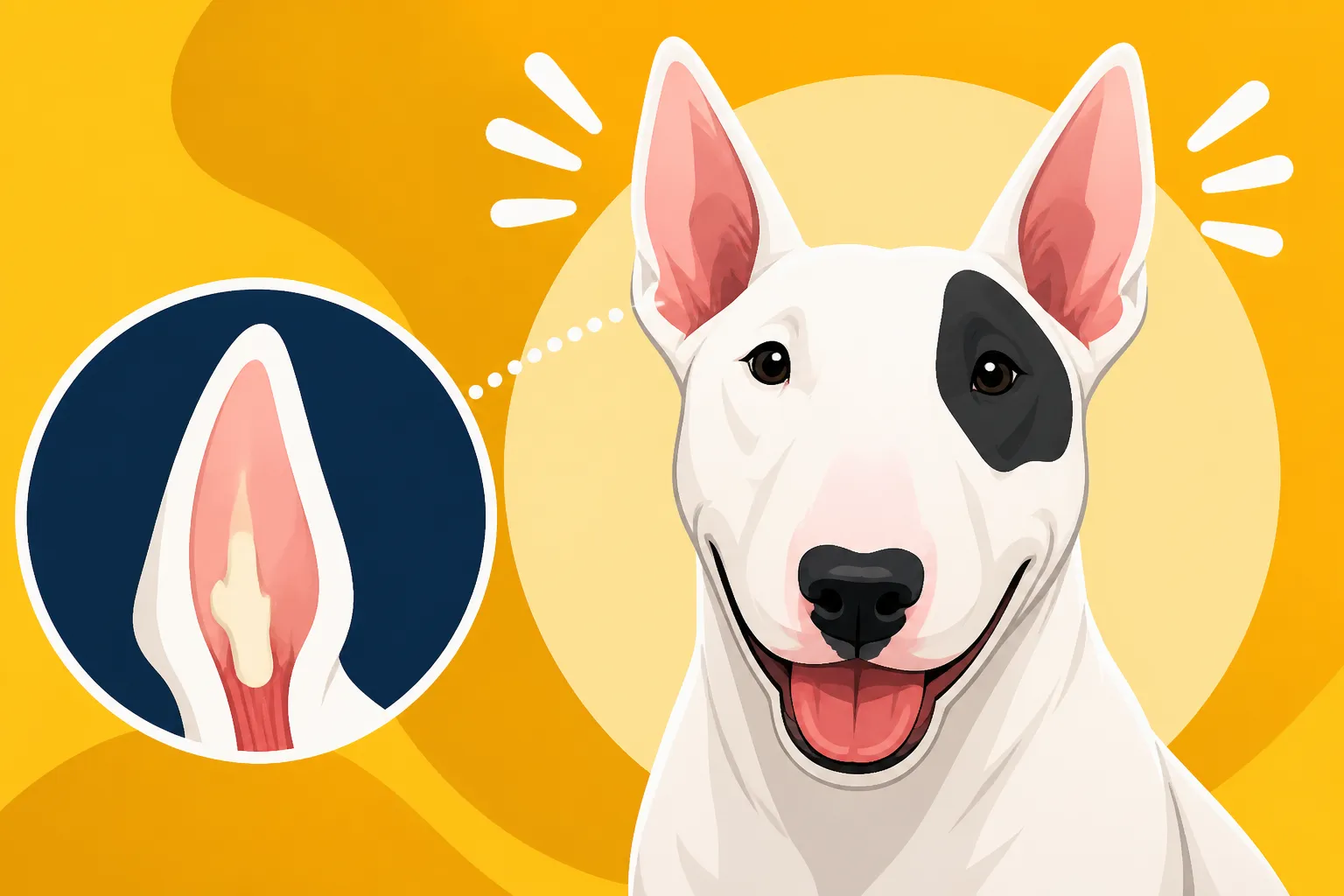
The primary reason a Bull Terrier's ears stand erect is the specific nature of their ear cartilage. Unlike breeds with floppy ears, Bull Terriers possess a thicker, firmer, and more robust cartilage structure within their ear pinna (the visible part of the ear). This cartilage forms a strong, supportive framework that allows the ear to stand upright without external support. Think of it like a sturdy tent pole compared to a limp piece of fabric.
Accompanying this strong cartilage are a sophisticated network of muscles that control ear movement. These muscles are quite powerful and allow Bull Terriers to swivel their ears independently, rotating them to hone in on sounds. You'll notice your Bull Terrier's ears twitching and turning as they listen intently, much like a radar dish. This mobility is vital for their auditory perception and also allows for a wide range of expressions, from alert and curious to slightly flattened when they're feeling a bit cheeky or playful. The high set of their ears also contributes to their ability to pick up sounds from various directions, making them incredibly aware of their surroundings.
Comparing to Dropped Ear Breeds
When you compare a Bull Terrier's ear anatomy to that of a dropped-ear breed, the differences become quite clear. Breeds like Beagles or Cocker Spaniels have much softer, thinner cartilage in their ears, or their ears are simply too large and heavy to stand on their own. The muscles that control their ears are also configured differently, primarily for moving the ear closer to the head or slightly raising it, rather than maintaining a fully erect position.
Furthermore, the placement and attachment points of the ears on the skull vary. A Bull Terrier's ears are set relatively high on their head, providing a better foundation for standing upright. In contrast, many dropped-ear breeds have ears set lower on the skull. This anatomical distinction highlights the deliberate breeding efforts that went into shaping the Bull Terrier's unique look. It's not just a happy accident; it's a feature that has been selected and refined over generations to produce the characteristic Bull Terrier silhouette.
The Journey from Puppy Floppy to Adult Erect
If you've brought home a Bull Terrier puppy, you might be looking at their adorable, sometimes-floppy ears and wondering when they'll finally "pop up." It's a common concern, and a perfectly normal part of a Bull Terrier's development.
The "Teething Phase" Ear Phenomenon
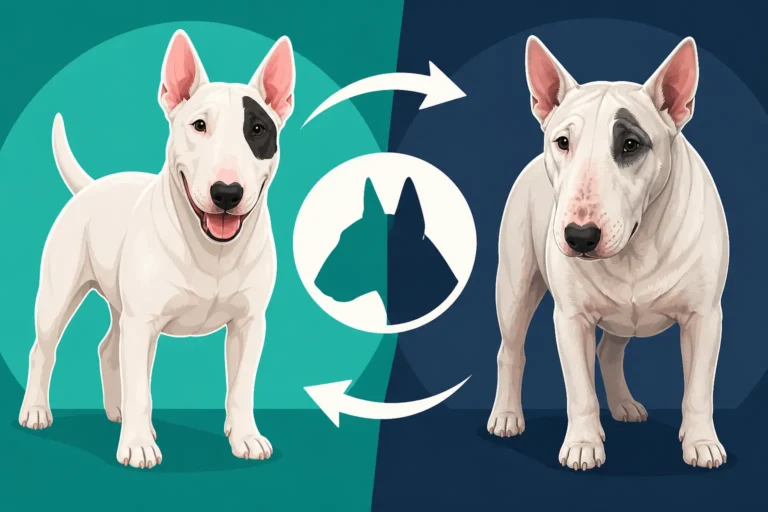
One of the most common reasons Bull Terrier puppy ears might not stand perfectly erect right away, or might even fluctuate between standing and flopping, is the teething process. This period, usually between 3 to 6 months of age, is a crucial time for a puppy's development. Their little bodies are working overtime to grow adult teeth, and the calcium and other nutrients in their system are being heavily utilized for bone and tooth formation.
Sometimes, this intense demand for resources can temporarily affect the cartilage in their ears. You might see one ear stand up proudly, while the other remains stubbornly floppy, or both ears might go up and down like little flags in the wind. This is often referred to as "teething ears" or "flyaway ears." It's a completely normal, if sometimes amusing, phenomenon. Most of the time, once the teething phase is complete and the puppy's body settles into a more stable growth pattern, the ears will firm up and stand permanently. As long as the puppy is otherwise healthy and growing well, there's usually no need for concern. I remember with my own Bull Terriers, the suspense was real! One day they'd be up, the next they'd be flapping like sails. It adds to their clownish charm, for sure!
Factors Affecting Ear Set Development
While genetics is the primary driver behind a Bull Terrier's erect ears, several other factors can influence the timeline and eventual success of their ear set. Understanding these can help ease any worries you might have.
First and foremost, as mentioned, genetics plays the starring role. If both parents have correct, strong ear sets, it's highly probable their offspring will too. Reputable breeders can often show you photos of their puppies and adult dogs, demonstrating consistent ear development within their lines. Don't be shy about asking a breeder about the ear set history of their dogs – it's a legitimate question.
Secondly, nutrition is incredibly important. A high-quality, balanced diet provides all the essential vitamins, minerals, and proteins necessary for healthy growth, including the development of strong cartilage. While no specific "ear-standing supplement" is needed or recommended for Bull Terriers, ensuring your puppy receives good nutrition from brands like Ollie, known for their fresh, balanced meals, or quality kibble found on Chewy, is vital for overall health. A puppy that isn't receiving adequate nutrition, or is growing too rapidly, might experience delays in cartilage development. When a Bull Terrier Puppy Moves to Adult Food discusses the transition and importance of appropriate feeding.
Finally, general health and stress can also play a temporary role. A puppy experiencing a significant illness or prolonged stress might have their resources diverted from non-essential development, which could include ear cartilage. This is why regular vet check-ups are so important. Your vet will monitor your puppy's overall health and growth. The Heart Murmur a Bull Terrier Puppy Should Be Checked For is another crucial health check during puppyhood that impacts their overall well-being. A healthy puppy is a puppy whose body can dedicate its resources to growing strong bones, teeth, and, yes, those magnificent ears.
Addressing Common Concerns and Myths
As a Bull Terrier owner, you'll inevitably encounter a few myths or well-meaning but misguided advice about ear development. Let's clear up some of the most common ones.
To Tape or Not to Tape?
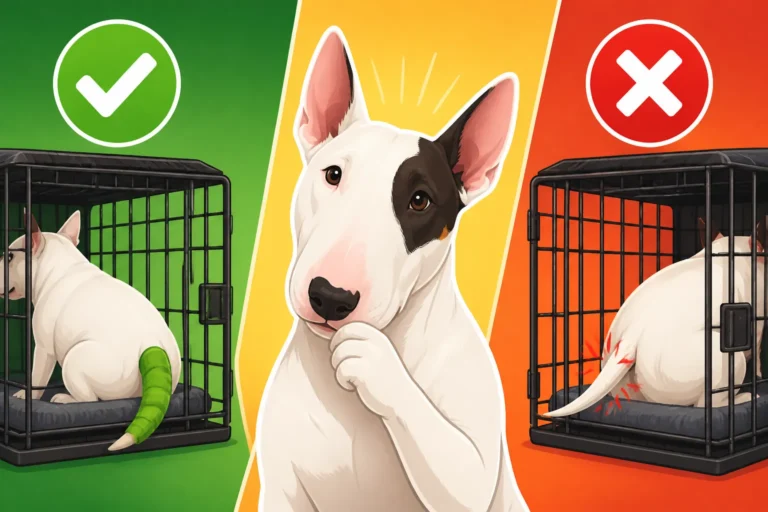
For many breeds, particularly those with naturally floppy ears where an erect ear is desired (like some Dobermans or Great Danes historically), ear taping or posting is a common, though often controversial, practice. However, when it comes to Bull Terriers, the answer to "to tape or not to tape" is a resounding not to tape. Bull Terrier ears are naturally designed to stand erect, and forcing them into position with tape is almost universally unnecessary and can even be detrimental.
Unlike breeds where the cartilage might need structural support to stand, a Bull Terrier's cartilage is inherently strong enough to achieve the desired upright position on its own. Attempting to tape them can cause irritation, prevent natural air circulation, and potentially weaken the developing cartilage or cause skin issues. Furthermore, it goes against the natural development of the breed's ear set. If your Bull Terrier puppy's ears are still playing peek-a-boo during the teething phase, patience is truly the best approach. Trust that if your puppy comes from good breeding, those ears will sort themselves out in due time. Focus on providing excellent nutrition and a healthy environment, rather than trying to force nature.
When to Be Concerned About Ear Set
While patience is key during puppyhood, there are a few scenarios where it might be prudent to consult your veterinarian about your Bull Terrier's ears.
- Persistent Floppiness Beyond the Teething Phase: If your Bull Terrier is well past 6-7 months of age, has finished teething, and their ears consistently remain completely floppy with no signs of wanting to stand, it might be worth a vet check. This isn't usually a medical emergency, but it could indicate an underlying issue with cartilage development, or perhaps even a past injury you weren't aware of. However, it's crucial to understand that even if they remain floppy, it doesn't diminish their value as a loving companion, though it might mean they wouldn't conform to show standards.
- One Ear Up, One Ear Down (and staying that way): Sometimes, one ear stands perfectly while the other remains stubbornly down. Again, in a very young puppy, this is often temporary. But if it persists well into adolescence (8-12 months), it's worth mentioning to your vet. They can check for any unnoticed trauma, chronic ear infections, or structural anomalies that might be preventing one ear from standing. How Often a Bull Terrier's Ears Need Checking details the importance of regular ear examinations to catch issues early.
- Signs of Discomfort or Swelling: If you notice your Bull Terrier's ear drooping suddenly along with signs of pain, swelling, discharge, or a foul odor, that's an immediate cause for concern, regardless of age. This could indicate an ear infection or injury that needs prompt veterinary attention. Keeping those ears clean is important; you can find gentle ear cleaning solutions and soft wipes on sites like Amazon or Chewy, but always consult your vet for a diagnosis if you suspect an infection. How to Clean a Bull Terrier's Erect Ear offers practical tips for routine care.
Ultimately, your Bull Terrier's ears are a remarkable part of their unique charm. For most, they'll pop up on their own, a testament to the strong genetic traits within the breed. Enjoy the journey of watching your puppy grow, ears and all!
Disclaimer
This article is for general informational purposes only and does not constitute professional advice. Laws, prices and regulations vary by location and change over time. Consult a qualified professional for guidance on your specific situation.