Why a Bull Terrier Litter With Five Clear Tests Costs More
It’s a common scenario: you’re dreaming of bringing a Bull Terrier puppy into your home, you start looking at breeders, and then you see the price tags. Some puppies seem to be offered at what feels like a "deal," while others, seemingly identical, come with a much higher cost. This often leaves prospective owners scratching their heads, wondering why there's such a disparity. Today, we're going to dive deep into exactly why a Bull Terrier litter that comes with five clear health tests has a higher price point, and why that investment is truly worth every penny for your peace of mind and your puppy's future.
Understanding the Foundation: What "Five Clear Tests" Actually Means for a Bull Terrier
When you hear a reputable Bull Terrier breeder talk about "five clear tests," they aren't just making a casual statement. This refers to a very specific, extensive, and expensive battery of health screenings designed to identify genetic predispositions common in the breed. These tests are the bedrock of responsible breeding, ensuring that parents aren't passing on preventable, heartbreaking, and costly conditions to their offspring. It’s about being proactive, not reactive, when it comes to the health of these magnificent dogs.
The Core Five: Kidney, Heart, BAER, PLL, and LAD
Let's break down these crucial five tests. Each one targets a specific, significant health concern within the Bull Terrier breed, and receiving a "clear" result from a specialist is a huge green light.
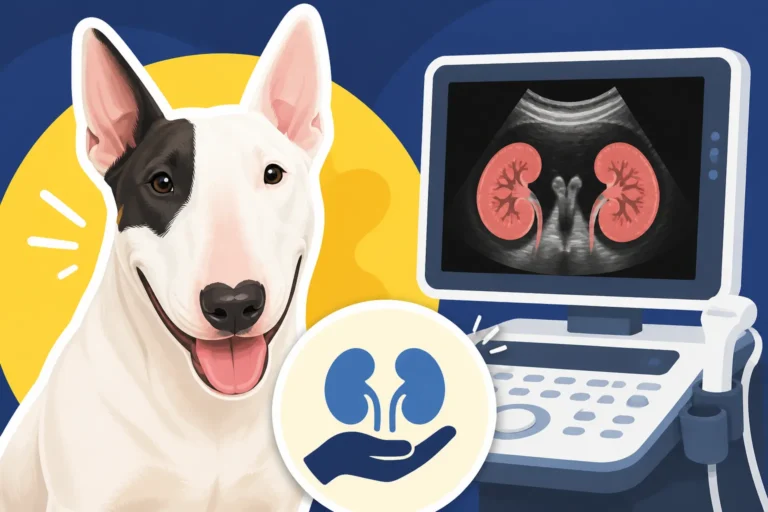
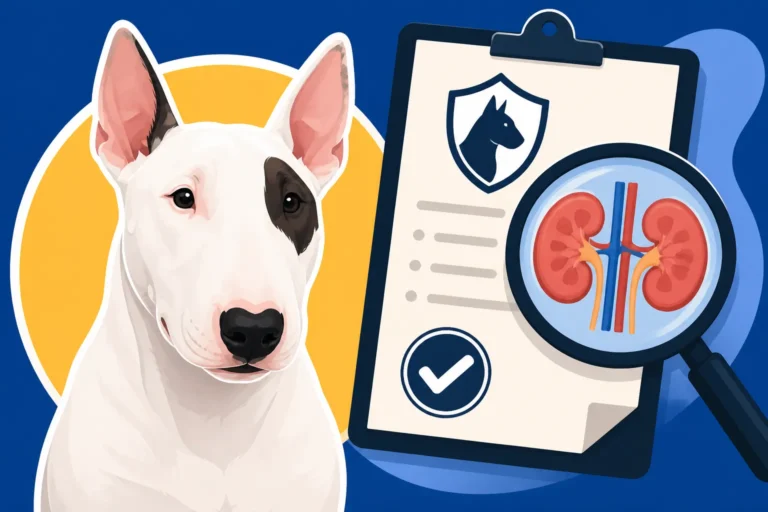
First, we have kidney testing, primarily for Hereditary Nephritis (HN) and Polycystic Kidney Disease (PKD). These are devastating conditions that can cause kidney failure, often taking Bull Terriers in their prime. Breeders perform regular urinalysis, including a UPC (Urine Protein Creatinine) ratio, and ideally, kidney ultrasounds on their breeding stock. A "clear" kidney result means the parents show no signs of protein leakage or cysts, significantly reducing the risk for their puppies. Imagine falling in love with a vibrant puppy only for it to start showing signs of kidney disease at a young age; it’s a gut-wrenching experience that early testing aims to prevent. For more on this, consider exploring Hereditary Nephritis Takes Bull Terriers in Their Prime.
Next up is heart testing. Bull Terriers can be prone to various cardiac issues, particularly mitral valve dysplasia (MVD) and aortic stenosis (AS). A "clear" heart test typically involves an echocardiogram performed by a board-certified veterinary cardiologist. This isn't just a vet listening with a stethoscope; it's a detailed ultrasound of the heart to check for structural abnormalities and proper blood flow. Getting a puppy from parents with clear hearts gives you immense reassurance that you're less likely to face the challenges of managing a severe heart condition. Learning about The Heart Murmur a Bull Terrier Puppy Should Be Checked For can shed more light on the importance of this screening.
Then there's BAER (Brainstem Auditory Evoked Response) testing for deafness. This is especially vital for white Bull Terriers, who have a higher incidence of congenital deafness due to the gene associated with their white coat. A BAER test is a neurological test that measures the electrical activity of the brain in response to auditory stimuli, confirming hearing in each ear. A "clear" BAER test means the puppy can hear on both sides. Bringing home a deaf puppy, while manageable for dedicated owners, presents unique training and safety challenges. Breeders committed to health will test every single puppy in the litter. This is why Why a White Bull Terrier Should Be BAER Tested is such an important topic for prospective owners.
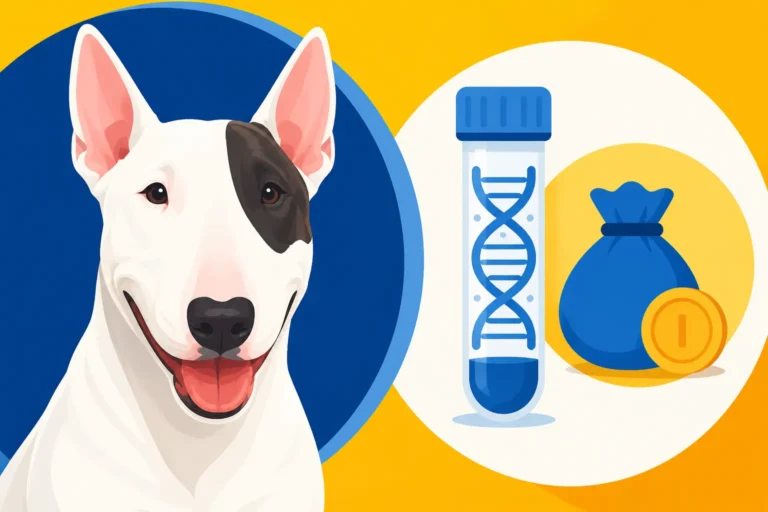
Primary Lens Luxation (PLL) is another serious inherited eye condition where the lens of the eye dislocates, causing pain and eventually blindness if not treated. Fortunately, there's a DNA test for PLL. A "clear" result means the dog does not carry the gene and cannot pass it on to its offspring. This simple cheek swab can prevent a lifetime of expensive surgeries, eye drops, and potential vision loss for your future companion. It's a huge relief to know your puppy is genetically free from this particular worry.
Finally, Lethal Acrodermatitis (LAD) is a truly devastating, incurable genetic skin and immune system disorder unique to Bull Terriers. Puppies affected by LAD typically don't survive past two years of age, suffering immensely from severe skin lesions, immune deficiencies, and a failure to thrive. There is a DNA test for LAD, allowing breeders to identify carriers and affected dogs. A "clear" LAD test means the parents are either clear or carriers wisely bred to a clear dog, ensuring no affected puppies are born. The thought of losing a puppy so young to such a cruel disease is heart-wrenching, making the LAD test profoundly important. You can find more information about this condition in Lethal Acrodermatitis Kills a Bull Terrier Puppy Before It Grows Up.
The "Clear" Distinction: More Than Just a Vet Check-up
It's absolutely crucial to understand that "clear" from these five tests is far more comprehensive and specific than a routine veterinary check-up. When your local vet gives a puppy a clean bill of health at eight weeks, they're checking for obvious signs of illness, listening to the heart, feeling the joints, and generally assessing overall wellness. This is a vital step, of course, but it doesn't delve into the genetic predispositions or hidden structural issues that these specialized tests address.
For instance, a general vet might hear a slight murmur in a puppy, but only a board-certified veterinary cardiologist with specialized equipment like an echocardiogram can determine if that murmur is an "innocent" puppy murmur that will fade, or if it indicates a serious structural heart defect like MVD or AS. Similarly, an ordinary vet can't definitively diagnose Hereditary Nephritis from a basic urine sample; it requires specific tests like a UPC ratio performed regularly, and often an ultrasound by a specialist. A DNA test for PLL or LAD is a completely different ballgame, requiring lab analysis that no general vet visit can provide.
These specialist clearances mean that an expert in that specific field (cardiology, ophthalmology, genetics, audiology) has examined the breeding dog and deemed them free of these particular issues. This isn't just a stamp of approval; it's a testament to the breeder's dedication to truly understanding and mitigating health risks. When a breeder presents you with these clearances, they are providing evidence of a significant investment in time, money, and expertise that ultimately benefits you and your future Bull Terrier. This level of thoroughness ensures that the health claims are backed by scientific data and specialist opinions, offering a much higher degree of confidence in your puppy's foundational health.
The Investment in Health: Why Testing Isn't Cheap for Breeders
Let's be real: running a responsible breeding program, especially for a breed like the Bull Terrier with specific health concerns, is not a get-rich-quick scheme. It requires substantial financial outlay, dedicated time, and a deep commitment to the welfare of the dogs and the future of the breed. The higher price you see for a well-tested litter directly reflects these significant investments. It's not just about paying for the puppy; it's about contributing to a system that prioritizes health and ethical practice.
The Cost of Each Individual Test
Breaking down the costs for each of the core five tests really puts things into perspective. These aren't just one-off fees; they are often recurring, especially for things like annual kidney screenings or cardiac re-evaluations.
Consider the kidney screenings. A UPC ratio test needs to be done regularly, sometimes annually, throughout a breeding dog's life. While a single UPC can be relatively affordable, a full kidney workup, including an ultrasound, can be a much larger expense. Imagine this repeated for every breeding dog, year after year. For a specific cost, you might look into What a Bull Terrier's UPC Test Costs. The cardiac screening, involving a board-certified veterinary cardiologist and an echocardiogram, is another significant cost. It's often required every few years, or before each breeding, depending on the dog's age and the breed club recommendations. These specialist appointments carry their own fees, in addition to the actual scan. To understand more about this specific expense, see What an Echocardiogram Costs on a Bull Terrier.
Then there are the DNA tests for PLL and LAD. While these are usually one-time expenses for the breeding dog, they are still specialized lab fees. If a breeder has multiple breeding animals, these costs add up. For instance, if you want to know about What the Bull Terrier Acrodermatitis Swab Costs, you'll see it's a distinct lab service. The BAER test is performed on each individual puppy in a litter, usually around 6-8 weeks of age, adding a per-puppy cost to the breeder's expenses. A full litter of puppies means multiplying this cost. If you're curious about What a Bull Terrier's BAER Test Costs, that information is available too. Add to this patella checks, eye exams by veterinary ophthalmologists (distinct from PLL DNA), and general health checks, and the numbers climb rapidly. A breeder isn't just paying for these tests once; they're paying for them for each breeding dog, and then again for each puppy in the litter where applicable.
Time, Travel, and Expertise: Beyond the Lab Fees
The financial cost of the tests themselves is only part of the equation. Breeders also invest a tremendous amount of time, effort, and logistical planning into getting these tests done. It’s not always as simple as walking into your local vet clinic.
Many of these specialized tests require appointments with board-certified specialists who might not be located in the breeder's immediate vicinity. This means travel – often long drives, sometimes even overnight stays – to reach a veterinary cardiologist, ophthalmologist, or a facility equipped for BAER testing. These trips take breeders away from their jobs, their families, and their other responsibilities, adding an unseen cost in terms of lost income or personal time. Imagine a breeder driving for three hours with an entire litter of eight-week-old Bull Terrier puppies just to get their BAER tests done – it's a huge undertaking!
Furthermore, scheduling these appointments, coordinating with specialists, and understanding the complex results requires a level of dedication and knowledge that goes far beyond casual pet ownership. Reputable breeders are constantly educating themselves, attending seminars, and staying current with breed-specific health recommendations. They spend hours interpreting genetic reports, consulting with vets, and ensuring their breeding decisions are sound. This expertise isn't developed overnight; it's a continuous commitment to the breed's well-being. This comprehensive approach to health testing is a cornerstone of what makes a reputable breeder truly stand out and is why their puppies command a price that reflects this thoroughness. For a complete picture, it's worth knowing What a Bull Terrier Breeder Should Have Tested.
Mitigating Future Financial and Emotional Heartache for Owners
The upfront cost of a health-tested Bull Terrier puppy might seem high, but it's a calculated investment that pays dividends in reducing future financial burdens and, more importantly, saving you from immense emotional distress. No amount of money can truly compensate for the heartbreak of watching a beloved companion suffer from a preventable genetic illness.
The Avoidance of Devastating Genetic Conditions
The real value of these clear tests comes into sharp focus when you consider the alternative: bringing home a puppy with an undiagnosed genetic condition. Think about the conditions we discussed earlier: Hereditary Nephritis, Lethal Acrodermatitis, and severe congenital heart disease. These aren't minor ailments; they are life-altering, often life-ending, and always incredibly difficult to manage.
Imagine you've brought home an adorable Bull Terrier puppy, full of life and mischief. Then, as it grows, you start noticing subtle signs. With Hereditary Nephritis, it might be increased thirst and urination, then lethargy and poor appetite, slowly progressing to kidney failure. You would be looking at a future filled with specialized diets, medications, frequent vet visits, and eventually, the crushing decision of euthanasia, often before the dog has reached middle age. It's a progressive disease that steals years from your dog's life and leaves you feeling helpless.
Or consider Lethal Acrodermatitis. A puppy affected by LAD starts showing symptoms early – severe skin lesions, foot pad deformities, and a failure to thrive. It can't absorb zinc properly, leading to a cascade of health problems and constant infections. These puppies rarely live past two years old, spending much of their short lives in discomfort. The emotional toll of watching a puppy you adore suffer from such a cruel, untreatable condition is profound. This isn't just about saving money; it's about saving yourself and your dog from incredible suffering.
Even a serious congenital heart defect, while sometimes manageable, often means a reduced lifespan, limitations on exercise, and the constant worry of sudden cardiac events. The joy of having a healthy, playful Bull Terrier is incomparable to the stress of managing a severe, genetically inherited disease. The clear tests performed by responsible breeders are their best effort to prevent these tragedies from happening to you and your new family member.
Long-Term Savings on Vet Bills and Specialized Care
While the initial cost of a health-tested puppy is higher, the potential long-term savings on veterinary bills can be astronomical. Treating chronic, progressive genetic conditions requires ongoing, often expensive, care.
Let's revisit Hereditary Nephritis. Once diagnosed, managing kidney disease involves a special renal diet (which can be more expensive than regular food), multiple medications to manage blood pressure, phosphorus levels, and other symptoms, and frequent bloodwork and urine tests to monitor progression. These costs quickly add up, easily surpassing the initial difference in puppy price. For more details, refer to What Kidney Failure Costs a Bull Terrier Owner or What a Renal Diet Costs a Bull Terrier Owner. If your dog needs to go on a specialized diet, you might find providers like Chewy offer a wide selection to choose from, or a company like Ollie might deliver fresh, balanced meals tailored to specific health needs, but these still come with a cost.
A dog with severe heart disease might require daily medication, regular echocardiograms, and potentially even specialist consultations with a veterinary cardiologist. These interventions are life-extending but not curative, and they are costly. A puppy born with PLL might require multiple expensive eye surgeries to prevent blindness and manage pain. These procedures, combined with post-operative care and ongoing medication, represent a significant financial burden.
Contrast this with a Bull Terrier from health-tested parents. While no dog is guaranteed to be free from all health issues throughout its life – accidents happen, and other conditions can arise – you've significantly reduced the risk of these specific, often devastating, genetic diseases. This translates to fewer specialist visits, fewer costly medications, and a lower likelihood of requiring lifelong specialized care. Many owners find that pet insurance, from providers like Healthy Paws, can be invaluable for unexpected health issues, but it's important to remember that most policies don't cover pre-existing or congenital conditions that were present before coverage began. Choosing a health-tested puppy minimizes the chance of starting with such a condition, allowing your insurance to be there for true unknowns. The peace of mind that comes from knowing you've done your best to start with a healthy foundation is truly priceless.
The Ethical Breeder's Commitment to the Breed Standard
Responsible breeders are more than just people who produce puppies. They are custodians of the breed, deeply committed to preserving and improving its health, temperament, and conformation. The investment in extensive health testing is a hallmark of this commitment, distinguishing them from those who breed purely for profit without regard for the future well-being of the dogs.
Upholding Breed Health and Integrity
Ethical breeders see themselves as stewards of the Bull Terrier breed. They understand the genetic challenges inherent in the lines and take proactive steps to minimize the prevalence of known hereditary diseases. Their goal isn't just to produce cute puppies, but to produce healthy, sound Bull Terriers that embody the best qualities of the breed. This means making difficult breeding decisions, sometimes choosing not to breed a dog that carries a genetic trait, even if it has excellent conformation, because its health risks outweigh the benefits.
They painstakingly research pedigrees, not just for looks, but for health clearances going back generations. They want to ensure they are breeding dogs that will contribute positively to the breed's genetic pool, improving overall health and longevity. This dedication benefits every Bull Terrier owner, not just those who buy from their current litter, as it contributes to a stronger, healthier breed overall. A reputable breeder's commitment to health testing is a testament to their love for the breed and their desire to see it thrive for generations to come. They adhere to the recommendations laid out by the national breed clubs, such as those covered in Which Health Tests a Bull Terrier Breeder Should Run.
The True Cost of "Bargain" Puppies
It's tempting to look at a lower-priced Bull Terrier puppy and see a bargain. However, in the world of purebred dogs, a significantly lower price almost invariably comes with hidden costs and ethical concerns. These "bargain" puppies often originate from breeders who skip essential health testing, cut corners on nutrition, socialization, and veterinary care, and ultimately prioritize profit over welfare. For more on this, you might be interested in What an Untested Bull Terrier Puppy Signals.
When a breeder doesn't perform the core five health tests, they are essentially selling you a genetic lottery ticket. You might get lucky, or you might end up with a puppy destined for a short life of suffering and exorbitant vet bills, as we've discussed. The few hundred or even thousand dollars saved on the initial purchase can quickly be dwarfed by thousands more in veterinary expenses for preventable conditions. Moreover, these breeders often don't provide proper early socialization, which is crucial for a Bull Terrier's temperament. They might not screen potential owners, or offer lifelong support for the puppies they produce.
The true cost of a "bargain" puppy isn't just financial; it's the emotional devastation of dealing with a seriously ill dog, the ethical compromise of supporting irresponsible breeding practices, and the potential behavioral challenges that arise from a poorly raised puppy. Choosing a well-tested litter means you're not just buying a puppy; you're buying into a philosophy of responsible breeding that seeks to minimize suffering and maximize the joy of dog ownership.
The Value Proposition: More Than Just a Price Tag
Ultimately, the higher cost of a Bull Terrier litter with five clear tests isn't just a price tag; it's a value proposition. It represents a commitment to quality, health, and a responsible approach to dog breeding that extends far beyond the moment you take your puppy home. This investment offers tangible and intangible benefits that truly enhance the experience of owning one of these unique companions.
Peace of Mind and Predictability
One of the greatest, yet often unquantifiable, benefits of purchasing a health-tested Bull Terrier puppy is the profound peace of mind it provides. Knowing that both parents have been screened for the most serious genetic conditions prevalent in the breed allows you to breathe a little easier. While no dog owner is immune to the unexpected – and accidents or non-genetic illnesses can still occur – you've dramatically reduced the risk of facing the heartbreak and financial strain of a genetically inherited disease.
This predictability means you can focus on the joys of puppyhood: training, socialization, and bonding with your new family member, rather than constantly worrying about potential health bombs ticking away. You can plan for your dog's future, envisioning the full The Ten to Fourteen Years a Bull Terrier Gets, with a greater sense of confidence in their health foundation. It allows you to build a stable routine and invest your emotional energy into nurturing a happy, well-adjusted dog, rather than navigating the complex and emotionally draining world of chronic illness management. While pet insurance, like Healthy Paws, can certainly offer a safety net for unforeseen medical needs, starting with a puppy from health-tested lines proactively reduces the likelihood of encountering preventable, costly conditions that might be excluded as pre-existing by an insurer.
Supporting Responsible Breeding Practices
When you choose to pay a higher price for a Bull Terrier puppy from a litter with five clear health tests, you are doing more than just buying a dog. You are actively voting with your wallet to support and encourage responsible breeding practices. Your choice sends a clear message that you value health, ethics, and the long-term well-being of the breed over a lower upfront cost.
This support is crucial for the future of the Bull Terrier. Reputable breeders rely on the income from their puppies to cover the extensive costs of health testing, quality food, veterinary care, proper facilities, and ongoing education. By choosing them, you help sustain their efforts to maintain and improve the breed's health. Conversely, choosing a cheaper, untested puppy inadvertently supports breeders who may be contributing to the proliferation of genetic diseases, ultimately harming the breed as a whole. Your decision as a buyer has a direct impact on the breeding landscape and the health trajectory of the Bull Terrier for generations to come. It’s a powerful act of consumer responsibility that benefits everyone involved, most importantly, the dogs themselves.
What to Expect When Investing in a Health-Tested Bull Terrier
Making the decision to invest in a health-tested Bull Terrier puppy is a significant step, and it comes with certain expectations and responsibilities on both sides. A reputable breeder will be transparent and eager to share documentation, and they will also become a lifelong resource for you and your new companion.
Documentation and Transparency
A responsible Bull Terrier breeder will be completely transparent about the health testing performed on their breeding stock and, where applicable, on the puppies themselves. They won't just tell you the parents are "clear"; they will provide verifiable documentation. This means you should expect to see copies of official health certificates for each parent, including:
- OFA (Orthopedic Foundation for Animals) or PennHIP certifications for patella luxation (if they test for that, which is often recommended for Bull Terriers).
- Veterinary cardiologist reports detailing the echocardiogram results and the specific grades for any heart murmurs.
- BAER test results for each individual puppy in the litter, signed by the audiologist or veterinarian who performed the test.
- DNA test results from reputable laboratories for PLL and LAD, confirming the genetic status of the parents.
- UPC ratio results from laboratory analysis, ideally with a history of annual screening.
- Kidney ultrasound reports from a veterinary radiologist if that was part of their kidney screening protocol.
Don't be shy about asking to see these documents. A reputable breeder will be proud to show them to you and will take the time to explain what each one means. They understand that you are making a substantial investment, both financially and emotionally, and they want you to feel confident in your choice. This level of transparency is a non-negotiable part of purchasing a healthy, well-bred Bull Terrier puppy. For a clearer picture of what to expect, consider reviewing Which Certificates a Bull Terrier Breeder Must Hand Over.
The Lifelong Relationship with a Reputable Breeder
When you purchase a Bull Terrier puppy from a responsible breeder who performs extensive health testing, you're not just making a one-time transaction. You're entering into a lifelong relationship with someone who is deeply invested in the well-being of the dog you're bringing home.
A good breeder will be a valuable resource for you throughout your dog's life. They will be available to answer questions about health, training, diet (perhaps recommending brands like Chewy for supplies or Ollie for specialized food needs), and behavior. They've likely spent years, if not decades, studying the breed, and their experience is an invaluable asset to new owners. They will often require a contract that outlines their responsibilities and yours, including clauses about returning the dog if circumstances change, rather than having it end up in a shelter. They truly care about where their puppies go and how they fare in their new homes.
This ongoing support can be incredibly reassuring, especially for first-time Bull Terrier owners who might encounter unique breed-specific behaviors or health considerations. This continued connection is part of the "value-add" of a higher-priced, health-tested puppy. It’s a testament to the breeder's commitment to their dogs and their belief in the quality they produce. They are there to celebrate your dog's triumphs and help navigate its challenges, forming a partnership that lasts for the entirety of your Bull Terrier's life.
Disclaimer
This article is for general informational purposes only and does not constitute professional advice. Laws, prices and regulations vary by location and change over time. Consult a qualified professional for guidance on your specific situation.