What a Bull Terrier Contract Says About Nephritis
Bringing home a Bull Terrier puppy is a joyous occasion, but it also comes with a lot of responsibility, and let's be honest, a fair bit of anxiety about their health. One of the biggest worries many new Bull Terrier owners face is understanding the fine print of a breeder's contract, especially when it comes to serious hereditary conditions like nephritis. It can feel overwhelming trying to decipher what exactly you're covered for, and what your options are if the unthinkable happens. This guide will help you understand what breeder contracts typically say about nephritis, what red flags to watch for, and how to best prepare for your Bull Terrier’s future.
What is Nephritis and Why is it a Concern for Bull Terriers?
Before we dive into the legalese of breeder contracts, it's really important to grasp what Hereditary Nephritis is and why it's such a significant concern specifically for our beloved Bull Terriers. This isn't just any kidney issue; it's a genetic ticking clock that often goes unnoticed until it's far too late. Understanding the enemy is the first step in being able to protect your furry family member.
The Silent Threat of Hereditary Nephritis
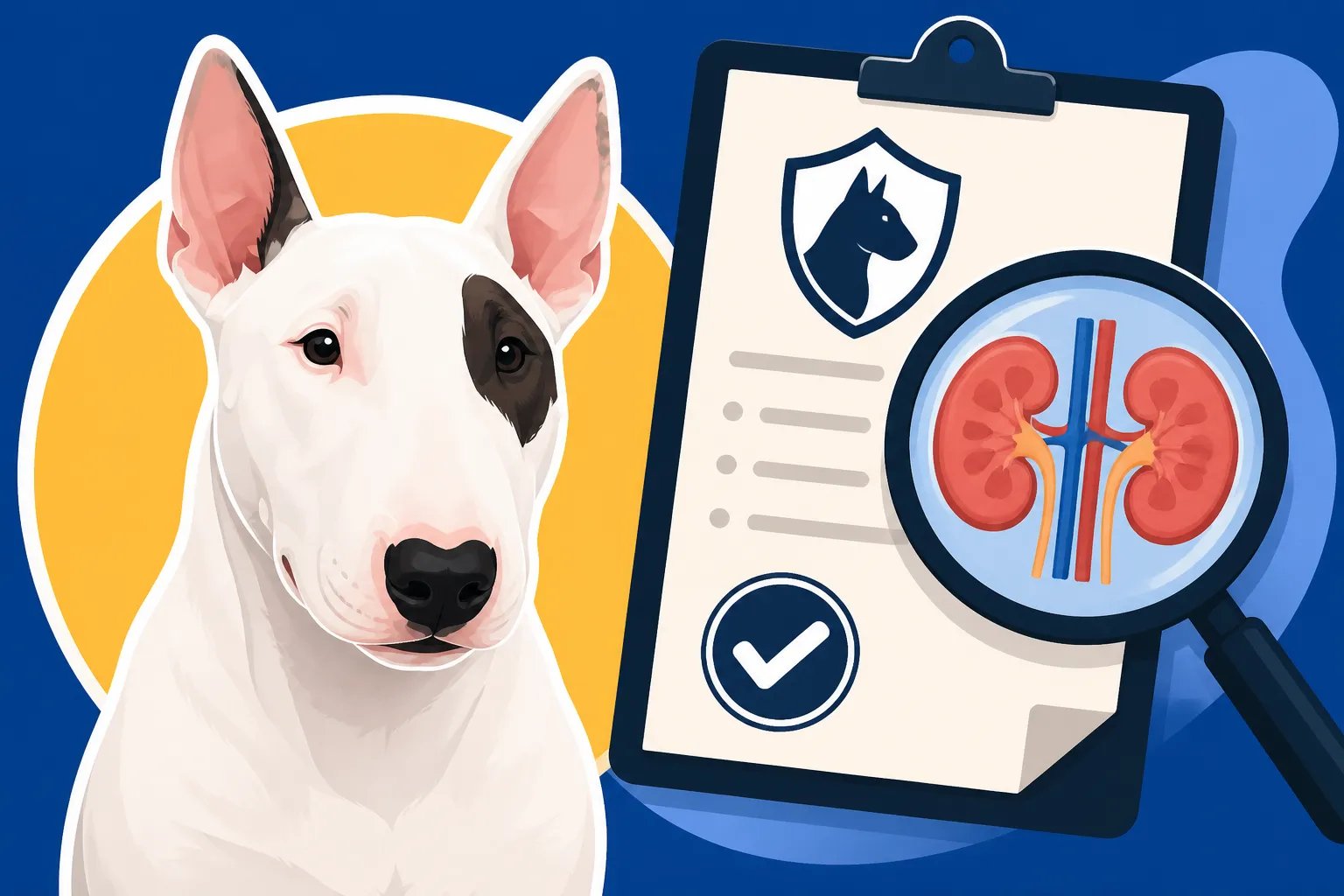
Hereditary Nephritis (HN) in Bull Terriers is a particularly cruel disease because it often progresses silently, with very few outward signs until the kidneys are severely damaged. It’s caused by a genetic defect that affects the basement membrane of the kidney’s filtering units, known as glomeruli. Essentially, these filters become leaky, allowing protein to escape into the urine, which is a key indicator of the disease. The insidious nature of HN means a puppy can appear perfectly healthy and playful, only to develop symptoms of kidney failure months or even years down the line. It's truly heartbreaking to witness, and the thought of it is a genuine worry for any Bull Terrier owner. You can learn more about this by reading What Hereditary Nephritis Does to a Bull Terrier.
This makes routine screening incredibly important, even for seemingly healthy dogs. Early detection is paramount, not necessarily for a cure, but for managing the condition and extending a Bull Terrier's quality of life. Without specific testing, a dog might only show non-specific signs like increased thirst or decreased appetite, which can easily be attributed to other, less serious ailments, delaying proper diagnosis until the disease has already taken a significant toll.
How Nephritis Impacts a Bull Terrier's Health
When Hereditary Nephritis takes hold, the kidneys gradually lose their ability to filter waste products from the blood, leading to a build-up of toxins in the body. This process is relentless and irreversible. As the disease advances, a Bull Terrier might experience a range of symptoms, including excessive drinking and urination, lethargy, loss of appetite, weight loss, vomiting, and even a dull, unhealthy coat. The chronic loss of protein through the urine can also lead to complications like swelling in the legs or abdomen. The financial and emotional toll on owners is immense, as they watch their vibrant, goofy companions slowly fade away.
The severity and progression of HN can vary, but sadly, it often leads to premature death if not managed carefully. It's a condition that truly impacts a Bull Terrier in their prime, sometimes taking them before they've even reached middle age. This makes the breeder's role and the terms of their contract incredibly important, as they hold the key to minimizing the risk of this devastating disease entering your home. Understanding How Hereditary Nephritis Is Inherited in Bull Terriers is also crucial for prospective owners.
Understanding Breeder Contracts: Key Clauses to Look For Regarding Health Guarantees
When you bring a Bull Terrier puppy home, that contract isn't just a formality; it's a critical document that outlines the responsibilities of both you and the breeder. Many owners skim over it in their excitement, but when it comes to a serious, hereditary condition like nephritis, those clauses can make all the difference. Knowing what to look for can save you a world of heartache and financial strain later on.
The "Health Guarantee" Clause and Its Limitations
Almost every reputable breeder will include some form of a "health guarantee" in their contract. This is designed to protect you against congenital or hereditary defects that might manifest after you take your puppy home. However, not all health guarantees are created equal. Some might be very broad, covering a wide range of conditions for a short period (e.g., 72 hours for infectious diseases), while others might be specific to hereditary conditions for a longer term, perhaps one or two years.
It's absolutely vital to read this section meticulously. Look for the exact duration of the guarantee, what conditions it explicitly covers (or excludes), and what the breeder's proposed recourse is. Is it a full refund? A replacement puppy from a future litter? Do you need to return the affected dog? These are incredibly difficult decisions to face, so understanding the terms beforehand, when emotions aren't running high, is paramount. Sometimes, the "guarantee" may simply be a replacement puppy, which, while well-intentioned, doesn't address the medical bills for the affected dog you've already bonded with.
Specifics on Hereditary Conditions: Nephritis
This is where the rubber meets the road for Bull Terrier owners. A comprehensive contract from a truly responsible breeder should specifically address hereditary conditions common in the breed, and given its prevalence, Hereditary Nephritis should be explicitly mentioned. Look for language that details the breeder's responsibility if your Bull Terrier is diagnosed with HN within the guarantee period.
A good contract might stipulate that the breeder will offer a replacement puppy or a partial refund upon confirmation of a diagnosis, often requiring documentation from a board-certified veterinary specialist. Be wary of contracts that are vague or only cover "life-threatening" conditions without further clarification, as this leaves too much open to interpretation. Ideally, the contract should outline the specific diagnostic steps required, such as a UPC (Urine Protein Creatinine) ratio test, as described in What a UPC Ratio Tells a Bull Terrier Owner, and potentially even a kidney biopsy if deemed necessary by a vet. The more specific the language regarding HN, the better protected you are.
What to Expect from a Reputable Breeder's Contract
Beyond specific health clauses, a reputable breeder's contract will demonstrate a commitment to the breed's health and well-being. It should clearly state that both parent dogs were health-tested for common Bull Terrier ailments, including genetic tests for conditions like LAD (Lethal Acrodermatitis) and, importantly, regular kidney screenings for HN. You should expect to see details about these tests and receive copies of the results for both parents.
A strong contract will also emphasize ongoing communication and support from the breeder, even after the sale. They might require you to keep them updated on your dog’s health, especially if any issues arise, as this helps them monitor their lines. Furthermore, a responsible breeder’s contract will often include clauses about spaying/neutering (if sold as a pet), proper care, and a “return to breeder” clause, ensuring the dog never ends up in a shelter. It's a reflection of their lifelong commitment to the dogs they produce. When you're talking with breeders, make sure to ask them about Which Health Tests a Bull Terrier Breeder Should Run.
Here's a quick comparison of what you might see in breeder contracts regarding nephritis:
| Contract Clause Aspect | Less Reputable/Vague Contract | Reputable/Specific Contract |
|---|---|---|
| Health Guarantee Duration | Short (e.g., 72 hours, 6 months) | Longer (e.g., 1-2 years, sometimes lifetime for specific conditions) |
| Conditions Covered | "General health," "life-threatening defects," vague terms | Explicitly lists Hereditary Nephritis, heart, deafness, etc. |
| Proof of Diagnosis Required | Vet letter, possibly from any vet | Board-certified specialist diagnosis, specific tests (e.g., UPC ratio) |
| Recourse Offered | Replacement puppy (return original dog often required) | Replacement puppy, partial refund, or contribution to treatment costs |
| Breeder Testing Disclosure | Minimal or verbal assurance, no documentation | Copies of parent health clearances (UPC, LAD DNA, Cardiac, BAER) |
| Return Clause | Often absent, or difficult terms | Clear "return to breeder at any time" clause, no questions asked |
Navigating Nephritis in Your Bull Terrier: Beyond the Contract
Even with the most ironclad contract and the most diligent breeder, health issues can sometimes arise. The reality is that owning a Bull Terrier means being prepared for potential health challenges, and nephritis, unfortunately, is one of them. While a contract provides a framework, your proactive care and financial planning are just as crucial in safeguarding your dog's well-being.
Early Detection and Ongoing Management
Once you have your Bull Terrier, regardless of what the contract says, your commitment to their health is paramount. For conditions like nephritis, early detection is truly the best defense. This means regular veterinary check-ups and adhering to recommended screenings, such as annual urine protein-creatinine (UPC) ratio tests. These simple, non-invasive tests can detect protein leakage in the urine, often long before any clinical signs of kidney disease appear. Your vet can advise you on How Often a Bull Terrier's Urine Should Be Tested.
If a diagnosis of nephritis is confirmed, the journey shifts to management. While there's no cure for Hereditary Nephritis, dietary changes, medication to reduce protein loss, and careful monitoring can significantly slow the progression of the disease and improve your Bull Terrier’s quality of life. This often involves a prescription renal diet, blood pressure medication, and regular follow-up visits with your veterinarian or a veterinary internal medicine specialist. It's a commitment that requires dedication and often a change in lifestyle for both you and your dog.
Financial Considerations and Pet Insurance
Let's be realistic: managing a chronic condition like nephritis can be incredibly expensive. From specialized diets available at places like Chewy, to ongoing medications, bloodwork, and specialist consultations, the costs can quickly add up. This is where pet insurance becomes an invaluable safety net. Many owners, myself included, have found peace of mind knowing that a significant portion of these ongoing veterinary expenses can be covered.
When looking into pet insurance, it’s critical to choose a provider like Healthy Paws that has a good reputation for covering hereditary and chronic conditions. However, be aware that most policies will not cover pre-existing conditions. This means it's usually best to enroll your Bull Terrier in a pet insurance plan when they are young and healthy, before any signs of hereditary issues manifest. Carefully read the policy details, understand deductibles, reimbursement percentages, and any per-incident or annual limits. It’s a worthwhile investment that can truly make a difference if your Bull Terrier ever faces a long-term health battle. Insuring a Bull Terrier against what it actually gets, especially hereditary issues, is something to seriously consider. Insuring a Bull Terrier Against What It Actually Gets and Whether Insurance Covers Bull Terrier Kidney Disease are important topics to research.
Seeking Support and Expert Advice
Facing a diagnosis of nephritis in your Bull Terrier can feel isolating and overwhelming. Remember, you're not alone. There are numerous resources available to help you navigate this challenging journey. Your primary veterinarian is your first point of contact, but don't hesitate to ask for a referral to a veterinary internal medicine specialist, especially for complex kidney cases. These specialists have advanced training and experience in managing chronic diseases and can offer the most up-to-date treatment protocols.
Beyond medical professionals, consider seeking support from breed-specific online communities or local Bull Terrier clubs. Connecting with other owners who have experience with nephritis can provide invaluable emotional support, practical tips, and shared experiences. Sometimes, just knowing someone else understands what you're going through can make a huge difference. Organizations dedicated to Bull Terrier health research can also be a source of information and hope.
The Importance of Responsible Breeding and Ongoing Screening
The fight against hereditary diseases like nephritis truly begins with responsible breeding practices. As prospective and current Bull Terrier owners, understanding the breeder's role and our own responsibilities in promoting healthy bloodlines is crucial. A good contract is a symptom of a good breeder, not a substitute for one.
The Role of Health Testing in Breeding Programs
A responsible Bull Terrier breeder isn't just breeding for conformation or temperament; they are breeding for health. This means rigorously screening their breeding stock for known hereditary conditions. For nephritis, this involves annual UPC ratio tests on all breeding dogs. Only dogs with consistently clear kidney test results should be considered for breeding.
Furthermore, reputable breeders are transparent about their health testing practices and eager to share the results with prospective puppy buyers. They understand that these tests are an investment in the future health of the breed and that an educated buyer is a good buyer. They will happily provide copies of health clearances for both parents, often certified by veterinary specialists or breed health organizations. This proactive approach by breeders is the single most effective way to reduce the incidence of hereditary diseases in future generations. You should ask to see these results.
Your Responsibility as a Bull Terrier Owner
As a Bull Terrier owner, your role in supporting the breed's health goes beyond just signing a contract. It involves a commitment to ongoing preventative care, education, and open communication. Firstly, ensure you are taking your Bull Terrier for regular veterinary check-ups and performing recommended screenings, like annual UPC tests, even if your dog appears healthy. Early detection, as we've discussed, is key.
Secondly, if your Bull Terrier is diagnosed with a hereditary condition, communicate openly with your breeder. This feedback is invaluable to them for monitoring their lines and making informed breeding decisions moving forward. They are usually just as invested in the health of their puppies as you are. Finally, consider becoming an advocate for responsible breeding practices by supporting breeders who prioritize health testing and transparency, and by educating other potential owners about the importance of these practices. By working together, owners and breeders can strive to ensure that future generations of Bull Terriers are as healthy and happy as possible. The Yearly Urine Test Every Bull Terrier Owner Should Book is something every owner should schedule.
Disclaimer
This article is for general informational purposes only and does not constitute professional advice. Laws, prices and regulations vary by location and change over time. Consult a qualified professional for guidance on your specific situation.