What a Bull Terrier’s BAER Test Costs
The sheer joy and unmistakable personality of a Bull Terrier are truly captivating, but for many who are welcoming one of these unique dogs into their home, concerns about potential health issues can cause real anxiety. Among these, inherited deafness is a significant worry, especially for those beautiful white coats. Finding out if your Bull Terrier can hear properly is vital for their well-being and your peace of mind, and that’s where the BAER (Brainstem Auditory Evoked Response) test comes in. This guide will meticulously break down the costs associated with this essential diagnostic tool, helping you understand the financial landscape of safeguarding your Bull Terrier's hearing from the very start.
What is a BAER Test and Why is it Essential for Bull Terriers?
Bringing a Bull Terrier puppy home is an exciting time, filled with dreams of adventures and cuddles. But beneath the surface, there's a serious responsibility to ensure their health. One of the most important checks a Bull Terrier, particularly a white one, needs is a BAER test. It's not just a fancy vet visit; it's a critical diagnostic tool that provides definitive answers about their hearing ability. Without it, you might be unknowingly bringing a deaf puppy into a world not set up for their unique needs, or missing crucial information about your dog's future.
Understanding the BAER Test Procedure
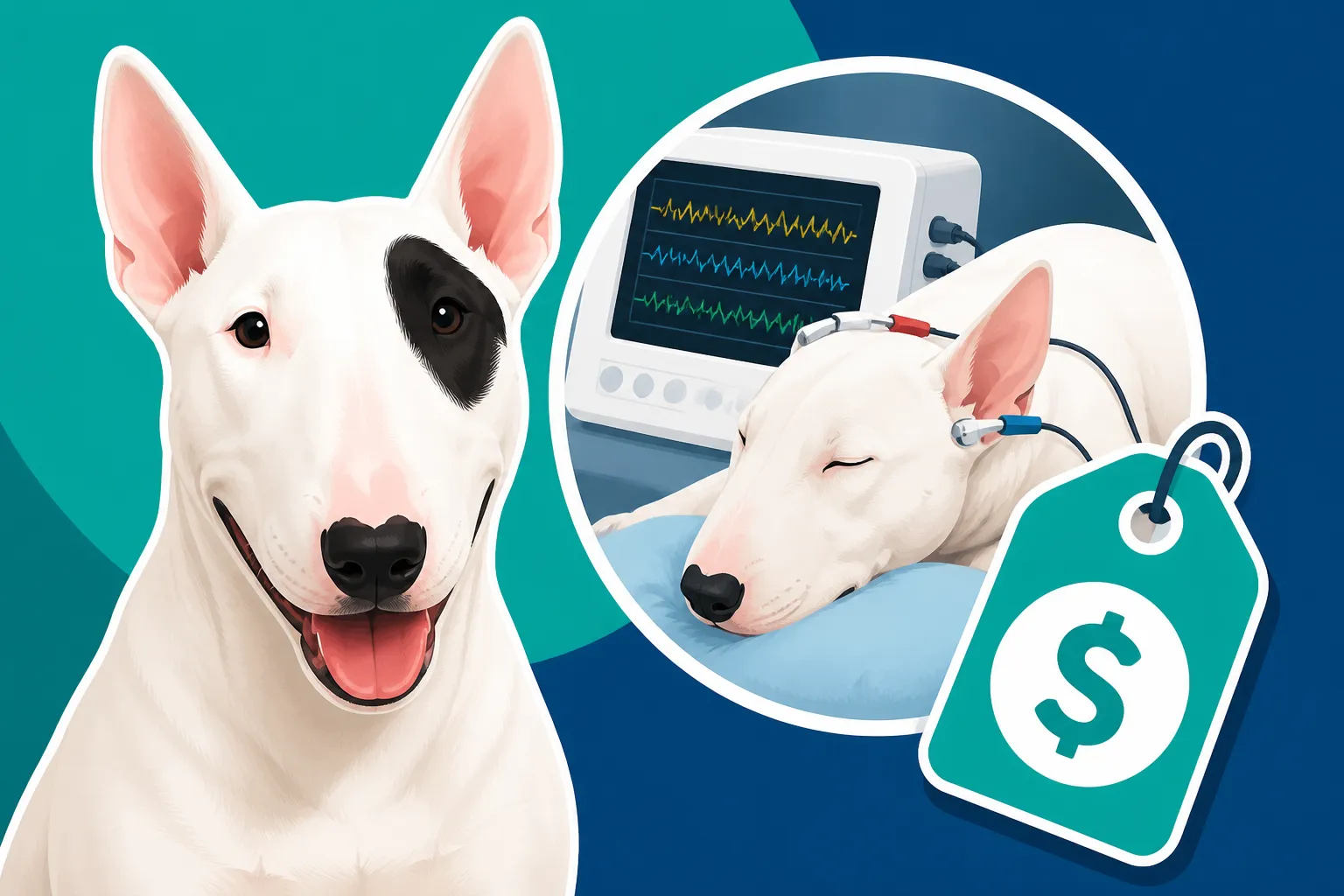
Imagine a tiny headset being placed on your puppy's head, electrodes gently attached to certain points, and then little clicks being played into their ears. That's essentially what happens during a BAER test. It's a non-invasive procedure where specialized equipment measures the electrical activity in the brainstem in response to auditory stimuli. Essentially, it checks if sound signals are traveling correctly from the ear to the brain. Your puppy will typically be mildly sedated for this test, ensuring they remain calm and still so the readings are accurate and undisturbed. It's a quick process, usually lasting only about 15-30 minutes per dog, but the information it provides is priceless.
The actual testing involves placing small needle electrodes under the skin (usually on the top of the head and near each ear), which connect to a computer. Earphones are placed into the puppy's ear canals, delivering specific sound clicks. The computer then records the brain's response to these sounds. If there’s no response from one or both ears, it indicates deafness. A veterinary neurologist or a specially trained veterinarian usually performs this test, as interpreting the subtle brainwave patterns requires significant expertise. This is not a test your general practice vet usually performs in their own clinic, meaning you'll likely be traveling to a specialist center.
The Genetic Link to Deafness in Bull Terriers
Deafness in Bull Terriers isn't just a random occurrence; it's often linked to their genetics, particularly the genes responsible for their stunning white coats. This isn't unique to Bull Terriers, as many other white-coated breeds, like Dalmatians, also carry a higher risk. The pigment-producing cells (melanocytes) play a role in the development of the inner ear. When these cells are absent or dysfunctional, which happens in some genetically white dogs, it can lead to degeneration of the hearing structures, resulting in deafness. This makes the BAER test less about "if" and more about "to what extent" for many white Bull Terrier puppies.
It's a condition that can manifest as unilateral deafness (deaf in one ear) or bilateral deafness (deaf in both ears). While a unilaterally deaf dog can often lead a relatively normal life, relying on their good ear, a bilaterally deaf dog requires specific training and handling to thrive. This genetic predisposition means that responsible breeders will always prioritize BAER testing their litters, providing transparency about the puppies' hearing status. This test helps ensure that a puppy who is deaf can be placed in a home equipped to meet their needs, rather than discovering it much later. You can learn more about How Many White Bull Terriers Are Born Deaf here.
Why a White Bull Terrier Should Be BAER Tested
Given the strong genetic link between white coats and deafness, it's virtually non-negotiable that a white Bull Terrier should be BAER tested. While colored Bull Terriers are at a lower risk, they are not entirely immune, so many breeders opt to test all puppies regardless of color. The argument against testing, usually based on cost, pales in comparison to the consequences of not knowing. Imagine bringing home a vibrant, playful puppy, only to realize months later, through frustrating communication issues or alarming close calls, that they can't hear you.
Early detection allows you to adapt immediately. If a puppy is found to be deaf, you can start visual-based training from day one, use appropriate safety measures, and simply understand their world better. It prevents confusion for both you and your dog, building a stronger bond based on clear communication. A deaf dog can absolutely lead a full and happy life, but it requires an informed owner. The BAER test provides that foundational knowledge. For further reading, check out Why a White Bull Terrier Should Be BAER Tested.
Factors Influencing the Cost of a BAER Test
So, you understand why the BAER test is so important. Now, let's get into the nitty-gritty of what it costs. It's not a fixed price like a bag of kibble; several variables can swing the final bill significantly. Understanding these factors will help you budget appropriately and know what questions to ask when you're looking for a testing facility. It can be frustrating to get vastly different quotes, but usually, there's a good reason behind the variation.
Geographic Location and Clinic Type
Just like real estate, veterinary services are subject to regional pricing differences. A BAER test performed in a bustling metropolitan area, with higher overheads and specialist demand, will almost certainly cost more than one in a rural setting. Similarly, the type of clinic matters. A large veterinary teaching hospital affiliated with a university, offering cutting-edge equipment and multiple specialists, might have higher fees compared to a smaller, private specialist clinic.
The availability of specialists also plays a role. If there's only one veterinary neurologist within a 200-mile radius, they can set their prices accordingly. In areas with more competition or more practitioners trained to perform BAER tests, prices might be more competitive. It's always a good idea to call around to different facilities in your region to get a few quotes. Remember to ask specifically if the quote includes sedation, interpretation, and a formal certificate.
The Specialist's Expertise and Equipment
The BAER test requires specialized equipment and, more importantly, a trained eye to interpret the results accurately. This isn't a test that every general practice veterinarian is equipped or trained to perform. Often, it's done by a veterinary neurologist or an audiologist. Their expertise comes with a cost, reflecting their advanced training, certifications, and experience in dealing with delicate neurological measurements.
High-quality equipment is also a factor. The machinery itself is expensive to purchase and maintain, and the facility needs to ensure it's properly calibrated for reliable results. Clinics that invest in the latest technology and employ highly qualified personnel will naturally charge more for their services. This is not a test where you want to cut corners; accurate results are paramount. The peace of mind that comes from a definitively read BAER test is worth the investment in a reputable specialist.
Testing Multiple Puppies in a Litter
One common scenario that affects the overall cost, though perhaps not the per-puppy price, is when a breeder tests an entire litter. Most specialist clinics offer a reduced rate per puppy when multiple puppies from the same litter are tested at the same time. This makes sense from the clinic's perspective: they set up the equipment once, the sedation protocol can be streamlined, and it's more efficient for their staff.
For breeders, this bulk discount is a significant incentive to test every puppy, regardless of coat color. It's part of Which Health Tests a Bull Terrier Breeder Should Run as standard practice. If you are purchasing a puppy from a breeder, inquire about their BAER testing process. A reputable breeder will have already performed this test on the entire litter and will readily provide you with the certification for your chosen puppy. This ensures you’re getting transparency and reduces your personal cost to zero, as it's typically factored into the puppy's purchase price.
Breaking Down the Typical BAER Test Experience and Associated Fees
Understanding the overall price is one thing, but knowing what individual components contribute to that cost can help demystify the bill. A BAER test isn't just a single charge; it's a package of services. From the moment you arrive at the clinic to receiving the results, various elements contribute to the final expense.
Initial Consultation and Sedation Considerations
When you arrive at the specialist clinic, there will usually be an initial consultation with the veterinarian or neurologist. This isn't just a meet-and-greet; it's a crucial step where they assess your Bull Terrier's general health, discuss any concerns you might have, and ensure they are fit for sedation. Even though the sedation is usually mild, a thorough check-up is always prudent. This consultation will be a separate charge on your bill.
Sedation is almost always required for puppies to ensure they remain completely still during the test. Any movement can interfere with the delicate electrical readings, leading to inconclusive or inaccurate results. The cost of sedation will depend on the puppy's weight, the type of sedative used, and the monitoring required during the process. While it's a necessary component, it adds to the overall cost. For adult Bull Terriers, who might be more resistant to staying still, deeper sedation might be required, which could slightly increase the cost.
The Testing Itself: What the Fee Covers
The core fee for the BAER test covers the use of the specialized equipment, the time of the technician and specialist performing the test, and the actual recording of the brainwave activity. This is the largest single component of the BAER test cost. It's important to remember that this fee is for the procedure, regardless of the outcome. Whether your Bull Terrier hears perfectly or is bilaterally deaf, the technical work involved is the same.
During the test, the specialist will run the clicks into each ear individually and sometimes both together. The readings are displayed on a computer screen, showing a waveform. The presence and shape of this waveform indicate whether the brain is receiving the auditory signals. A lack of a discernable waveform usually points to deafness in that ear. This part of the process is highly technical and requires precision.
Interpreting the Results and Certification
Once the test is completed, the veterinary neurologist or specialist will interpret the data. This involves analyzing the waveforms, noting their presence or absence, and determining if the hearing is normal, unilaterally deaf, or bilaterally deaf. This interpretation is a critical part of the service, as it translates complex technical data into a clear diagnosis. You will typically receive a written report, often accompanied by a certificate stating the hearing status of your Bull Terrier. This certificate is vital, especially for breeders who need to demonstrate the health clearances of their dogs.
The certification might also include information like the date of the test, the facility where it was performed, and the microchip number of your Bull Terrier to ensure accurate identification. This document serves as official proof of your dog's hearing status. If you are questioning a breeder's claims about their puppies' health, you might consider Whether a Bull Terrier Breeder Will Show BAER Results.
Here's a quick overview of what typically contributes to the cost:
| Cost Component | Description | Impact on Price |
|---|---|---|
| Initial Consultation | Vet's time to assess health and suitability for sedation. | Moderate |
| Sedation | Medication and monitoring to keep the puppy calm and still. | Moderate |
| Equipment & Technician | Use of specialized BAER machine and trained personnel time. | High |
| Specialist Interpretation | Expert analysis of waveforms and diagnosis. | High |
| Official Certification | Formal documentation of hearing status. | Low |
| Geographic Location | Regional cost of living and demand for specialist services. | Varies |
| Number of Puppies Tested | Bulk discounts often apply for multiple littermates. | Discount/Lower |
Navigating Potential Additional Costs and Follow-Up Care
The BAER test provides invaluable information, but if the results indicate deafness, either unilateral or bilateral, it’s just the beginning of a different journey. There will be adjustments, and sometimes, additional costs beyond the initial test. It's essential to be prepared for these possibilities, as the welfare of your deaf Bull Terrier depends on your informed commitment.
Managing Unilateral or Bilateral Deafness
If your Bull Terrier is found to be unilaterally deaf, meaning deaf in one ear, they often adapt remarkably well. They learn to compensate by relying on their good ear and other senses. You might not even notice it without the BAER test. The primary "cost" here is awareness – understanding that sounds from their deaf side might be missed, and adapting your communication slightly. They can often live a completely normal life, though you might need to be mindful of approaching them from their hearing side. You can learn more about Whether a Unilaterally Deaf Bull Terrier Lives Normally.
Bilateral deafness, however, requires a more significant commitment. A dog that is deaf in both ears will rely entirely on visual cues, vibrations, and scent. This means a complete overhaul of your communication methods. The "costs" here are less financial and more in terms of time, patience, and dedication to specialized training. This may involve enrolling in classes specifically for deaf dogs or working with a behaviorist experienced in visual training. This isn't just about basic commands; it's about building a consistent, visual language with your dog for everything from recall to emotional cues.
Behavioral Training and Enrichment for Deaf Bull Terriers
Training a deaf Bull Terrier relies heavily on visual signals, hand gestures, and consistent body language. This can be incredibly rewarding, but it takes time and a different approach than with a hearing dog. You might invest in books, online courses, or consult with professional dog trainers specializing in deaf dogs. The cost here isn't just financial; it's an investment of your personal time and effort. For example, instead of a verbal "sit," you'll use a clear hand signal. For treats that are both high-value and healthy, which can be invaluable for training a deaf Bull Terrier with visual cues, you might explore options from companies like Ollie.
Enrichment is also crucial. Deaf dogs can't enjoy the same auditory stimulation as hearing dogs, so you'll need to focus on games that engage their other senses. Scent work, puzzle toys, and visual tracking games can be wonderful ways to keep their minds active and prevent boredom. You might find specialized interactive toys or even training aids on sites like Chewy that can greatly benefit a deaf Bull Terrier. These types of activities not only provide mental stimulation but also strengthen the bond between you and your unique companion.
Special Equipment and Lifestyle Adjustments
Beyond training, there might be some specific equipment or lifestyle changes to consider. A vibrating collar can be an invaluable tool for recall or getting your deaf Bull Terrier's attention at a distance, as it provides a tactile cue instead of a sound. Some owners also opt for specialized harnesses or vests that clearly indicate "I AM DEAF" to alert others, especially when out in public. These items represent a small, but important, financial outlay.
More significantly, managing a deaf Bull Terrier requires a keen awareness of their surroundings. This means a securely fenced yard is non-negotiable, and off-leash walks in unsecured areas are generally ill-advised due to the inability to call them back verbally. You might need to adjust your home environment, perhaps using visual alerts for doorbells or smoke alarms, or ensuring gates are always locked. Ultimately, the biggest adjustment is simply learning to see the world through your deaf Bull Terrier's eyes, and appreciating their amazing adaptability. For some, finding a suitable home for a deaf puppy is a priority, and discussions around Whether a Deaf Bull Terrier Should Be Placed in a Home are common.
Considering Pet Insurance for BAER Testing and Ongoing Care
The idea of pet insurance often comes up when discussing diagnostic tests and potential health issues. It's a way to mitigate some of the financial burden that comes with responsible pet ownership. But when it comes to the BAER test and deafness, the landscape of what's covered can be a bit nuanced.
Does Pet Insurance Cover Congenital Conditions Like Deafness?
This is a critical question, and the answer largely depends on the specific policy and when you enroll. Deafness in Bull Terriers, particularly if genetically linked and present from birth, falls under the category of a congenital or hereditary condition. Many pet insurance policies do offer coverage for hereditary and congenital conditions, but there's a significant caveat: the condition must not be pre-existing.
For a BAER test, if you enroll your Bull Terrier puppy in an insurance plan before the test is performed and before any signs of deafness are noted, the test itself and any subsequent management of diagnosed deafness might be covered. However, if the deafness is detected before the policy's waiting period ends, or if you only get insurance after the diagnosis, it will almost certainly be considered pre-existing and excluded from coverage. This is why early enrollment, ideally when your Bull Terrier is still a young puppy, is so important if you plan to rely on insurance for such matters. Providers like Healthy Paws offer various plans that might include coverage for hereditary conditions, provided the issue wasn't known prior to enrollment.
Choosing the Right Policy for a Bull Terrier Puppy
When selecting a pet insurance policy for a Bull Terrier, you need to look beyond the monthly premium. Scrutinize the fine print regarding hereditary and congenital conditions, especially given the breed's predispositions. Look for policies that offer comprehensive coverage and have a clear definition of what constitutes a "pre-existing condition." Some policies might differentiate between curable and incurable pre-existing conditions, but for a lifelong condition like deafness, it's usually a permanent exclusion if diagnosed beforehand.
Consider the annual limits, deductibles, and reimbursement percentages. A policy with a higher reimbursement percentage (e.g., 90%) and a lower deductible will offer more financial relief in the long run, even if the monthly premium is slightly higher. It's an investment in your peace of mind and your Bull Terrier's future health. Don't forget to look into plans that have a strong reputation for covering a wide array of Bull Terrier health concerns, like What a Bull Terrier's Heart Workup Costs or What Kidney Failure Costs a Bull Terrier Owner, as these are other areas where costs can quickly add up.
The Value of Early Insurance Enrollment
The overarching message regarding pet insurance and the BAER test is clear: enroll early. The moment you bring your Bull Terrier puppy home, or even before if your breeder allows you to secure a policy, is the ideal time. This ensures that any conditions that manifest after enrollment and after the waiting periods are met, including deafness confirmed by a BAER test, stand a much better chance of being covered.
Waiting until you suspect a problem, or until after diagnostic tests like the BAER test are performed, will almost certainly lead to the condition being classified as pre-existing, leaving you to bear the full cost. While pet insurance does come with a monthly cost, which you can investigate further with articles like What Insuring a Bull Terrier Costs a Month, the financial safety net it provides for unforeseen accidents and illnesses, or even inherited conditions caught early, can be invaluable over your Bull Terrier's lifetime.
Is the BAER Test Worth the Investment?
After delving into the procedure, the factors influencing its cost, and the potential follow-up care, the question remains: is the BAER test truly worth the investment? For any responsible Bull Terrier owner, the resounding answer is yes. The value extends far beyond the monetary cost, touching upon ethics, well-being, and the bond you share with your unique companion.
Peace of Mind for Owners and Breeders
For both new owners and dedicated breeders, the BAER test offers unparalleled peace of mind. As an owner, knowing your Bull Terrier's hearing status from the outset eliminates anxiety and allows you to prepare appropriately. There's no agonizing over whether your dog is ignoring you or genuinely can't hear. You have a definitive answer. This knowledge empowers you to communicate effectively and provide the best possible environment.
For breeders, it's an ethical imperative. Responsible breeders strive to produce healthy puppies, and part of that commitment involves screening for known genetic issues. Providing BAER certificates for every puppy in a litter demonstrates integrity and transparency. It assures prospective owners that they are getting a puppy whose health has been properly assessed, and it allows the breeder to confidently place deaf puppies in homes that are well-prepared to care for them. This commitment to health testing is a hallmark of a reputable breeder, and for more on that, consider reading What a Bull Terrier Breeder Should Have Tested.
Ensuring a Lifetime of Appropriate Care
A Bull Terrier diagnosed with deafness, especially bilateral deafness, requires specific care and a tailored approach to training and daily life. The BAER test provides the crucial information needed to implement this appropriate care from day one. You can start visual cue training immediately, establish routines that prioritize their safety (like never allowing them off-leash in an unfenced area), and learn to "speak" their language.
Without the BAER test, deafness might go undiagnosed for months, leading to frustration for both dog and owner. A deaf puppy might be labeled as "stubborn" or "untrainable" when, in reality, they simply cannot hear. This misunderstanding can damage the bond and lead to behavioral issues born out of confusion. The BAER test ensures your Bull Terrier receives the understanding and care they deserve for a happy, fulfilling life. It really lays the foundation for Caring for a Bull Terrier Past Eight, ensuring their foundational needs are met from the beginning.
The Ethical Responsibility of Testing
Ultimately, investing in a BAER test for your Bull Terrier is an act of ethical responsibility. It's a commitment to your dog's welfare, acknowledging the breed's genetic predispositions and proactively addressing them. By choosing to BAER test, you're not just buying a diagnostic service; you're investing in your Bull Terrier's quality of life and your ability to be the best possible owner for them.
It allows for informed decisions, whether it's about training methods, safety protocols, or even considering Whether a Deaf Bull Terrier Should Be Bred. The cost, while significant for some, is a small price to pay for the profound difference it can make in the life of a deaf dog and the preparedness of their human family. It’s about setting your Bull Terrier up for success in a world that often relies on sound, giving them every chance to thrive.
Disclaimer
This article is for general informational purposes only and does not constitute professional advice. Laws, prices and regulations vary by location and change over time. Consult a qualified professional for guidance on your specific situation.