Whether the Dalmatian Is in the Bull Terrier
Oh, the storied history of our beloved Bull Terriers! It's a journey filled with fascinating twists and turns, and one of the most persistent whispers you'll hear in dog circles is about the supposed connection to the Dalmatian. Many folks see that pristine white coat, that strong, athletic build, and immediately jump to conclusions. This guide is here to unravel that mystery, diving deep into the breed's origins and separating the fact from the enduring myths about whether the Dalmatian truly played a part in shaping the Bull Terrier we adore today.
The Origins of the Bull Terrier: James Hinks' Vision
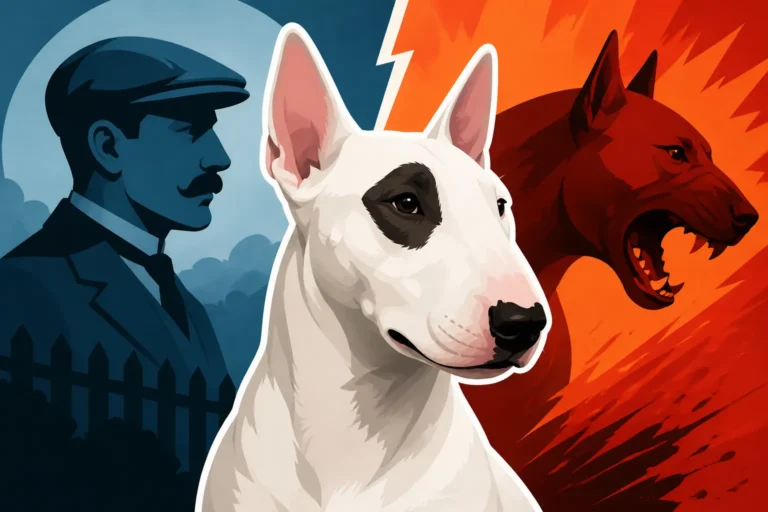
To understand where the Bull Terrier came from, and whether the Dalmatian had a hand in its creation, we really need to cast our minds back to the bustling streets of 19th-century Birmingham, England. This was a time of immense social and industrial change, and with it came a shift in people's relationships with their dogs. No longer were dogs solely for work or brutal fighting; a new ideal was emerging: the companion dog, the gentleman's pet, elegant and distinctive, yet still retaining a hint of the strength and courage that defined the "bull and terrier" types of the era.
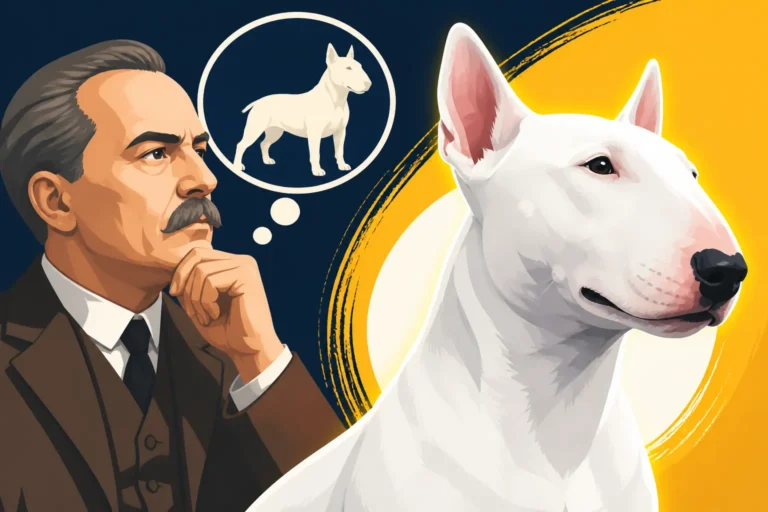
This is where James Hinks steps onto the stage. He was a visionary, a man with a keen eye for dogs and an even keener sense of what the public desired. Hinks wasn't just breeding dogs; he was creating a brand, an icon. He looked at the existing bull and terrier crosses – rough, sometimes intimidating, often multi-colored dogs – and saw potential for something truly special. He envisioned a dog that combined power and grace, a canine that could be a loyal companion and a showstopper in the burgeoning dog shows of the time. This wasn't about bloodsport, though the fighting dog heritage was undeniable; it was about elevating a type into a breed of distinction.
Who James Hinks Was and His Goal
James Hinks wasn't just any dog breeder; he was a proprietor of birds and animals, a man immersed in the animal trade in Birmingham. He had an intimate understanding of breeding principles and a clear aesthetic goal. His aim was to refine the existing "Bull and Terrier" type, which was essentially a crossbreed used for fighting and ratting, into a more elegant and uniform dog. He wanted to maintain the courage and hardiness but add a striking appearance – primarily a pure white coat and a refined head shape. This was a significant departure from the diverse, often patched or brindle dogs that were common at the time.
His goal was to create a dog that embodied the spirit of the era's burgeoning gentility and sportsmanship. This new breed, he imagined, would be known for its pluck and loyalty, but also for its distinctive beauty. It would be a dog that could hold its own, but one that was equally at home by a gentleman's side, turning heads with its unique look. His success would be demonstrated not just in the show ring but in the widespread adoption and admiration for his creation. He genuinely believed he could craft something superior, a dog with both formidable presence and impeccable manners. Where the Bull Terrier Comes From
The Foundation Breeds Before the Dalmatian Question
Before we even get to the possibility of Dalmatians, it's crucial to understand the established genetic bedrock of the Bull Terrier. Hinks primarily worked with two distinct breeds. The first, and arguably the most vital for imparting strength and tenacity, was the Old English Bulldog. This was not the squat, heavy-set Bulldog we know today, but a taller, more athletic animal, bred for bull-baiting and renowned for its immense courage and powerful bite. This breed provided the Bull Terrier with its formidable physique and its famously determined disposition.
The second key ingredient, used to infuse elegance and a specific type of white coat, was the now-extinct English White Terrier. This was a graceful, spirited terrier, known for its clean white coat and refined structure. It provided the sleeker lines and the desired color that Hinks was after, helping to move away from the coarser appearance of the pure bull-and-terrier crosses. It was the careful blending of these two distinct types – the brute strength of the Bulldog and the refined elegance of the English White Terrier – that laid the true genetic foundation for what would become the Bull Terrier. Which Breeds Went Into the Bull Terrier
The "White Cavalier" and the Quest for Purity
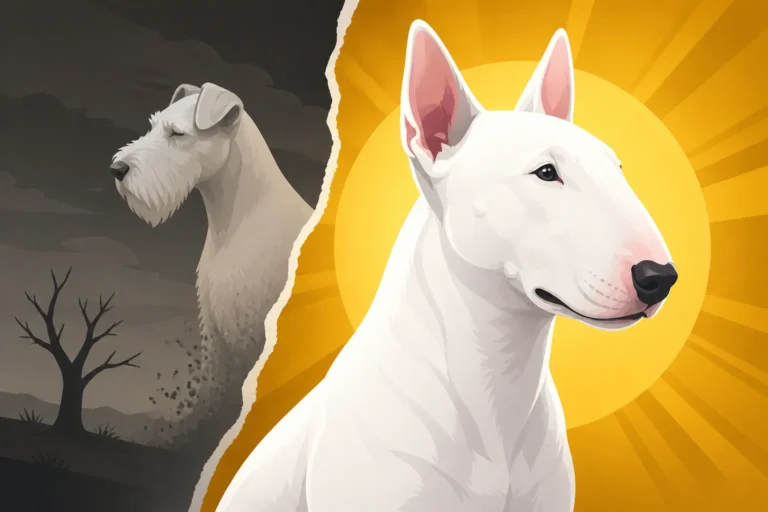
The early Bull Terriers, particularly those championed by James Hinks, were almost exclusively white. This wasn't just a happy accident; it was a deliberate and strategic breeding choice that shaped the breed's initial identity and nickname. The term "White Cavalier" wasn't just a pretty moniker; it encapsulated the ideal Hinks was striving for: a dog that was noble, courageous, and impeccably presented. This intense focus on a pure white coat, however, also inadvertently laid the groundwork for many of the health challenges that early Bull Terriers faced, and led people to speculate about other breeds with white coats.
The pursuit of this aesthetic ideal was relentless. Hinks meticulously selected for dogs that exhibited the cleanest, brightest white, often to the exclusion of other traits, assuming the temperament and structure could be maintained. This single-minded focus was revolutionary for its time, creating a uniform look in a world where many dog types were still quite varied in appearance. It was this dazzling, unblemished white that truly captured the public's imagination and set the Bull Terrier apart from its more rustic ancestors.
Why the All-White Coat Was So Desired
In the mid-19th century, the pure white coat was a symbol of status and refinement. A pristine white dog suggested careful breeding, cleanliness, and a certain aristocratic air. For Hinks, establishing the Bull Terrier as an all-white breed served several purposes. Firstly, it created a distinctive and immediately recognizable look that separated his dogs from the motley crew of general "fighting dogs" of the era. Imagine the visual impact of a uniform, snow-white dog at a time when most working dogs were camouflaged in darker, more practical colors.
Secondly, it appealed to the emerging class of gentlemen who sought a dog that was both a formidable companion and a fashionable accessory. The "White Cavalier" could accompany its owner anywhere – to the club, on a stroll through the park, or even into a gentleman's study – without looking out of place. This desire for a clean, almost pristine appearance drove Hinks's breeding decisions and became a hallmark of his kennel. It wasn't just about color; it was about purity of form and a visual statement. Why Hinks Wanted an All White Dog
The Role of the English White Terrier
The English White Terrier was absolutely instrumental in Hinks's quest for the pure white Bull Terrier. This now-extinct breed, while a terrier in type, was specifically bred for its elegant conformation and its striking, all-white coat. It contributed significant genes for refinement, a smoother build, and, crucially, the desired pure white pigmentation that Hinks was so dedicated to establishing. Without the English White Terrier, the Bull Terrier would likely have remained a more varied, piebald, or brindle dog, much closer in appearance to its Old English Bulldog ancestry.
It's believed that the English White Terrier was itself a descendant of earlier white terrier types, and its influence on the Bull Terrier helped to dilute some of the heavier, more robust characteristics of the Bulldog. It introduced a more agile frame and a certain keenness of expression. While it brought the coveted white coat, it also, unknowingly at the time, brought the genetic predisposition for deafness that would later become a significant challenge for the all-white Bull Terriers. It's a testament to the complexities of selective breeding; you gain one desirable trait, sometimes at the expense of another. When the English White Terrier Died Out
The Dalmatian Connection: Fact or Fiction?
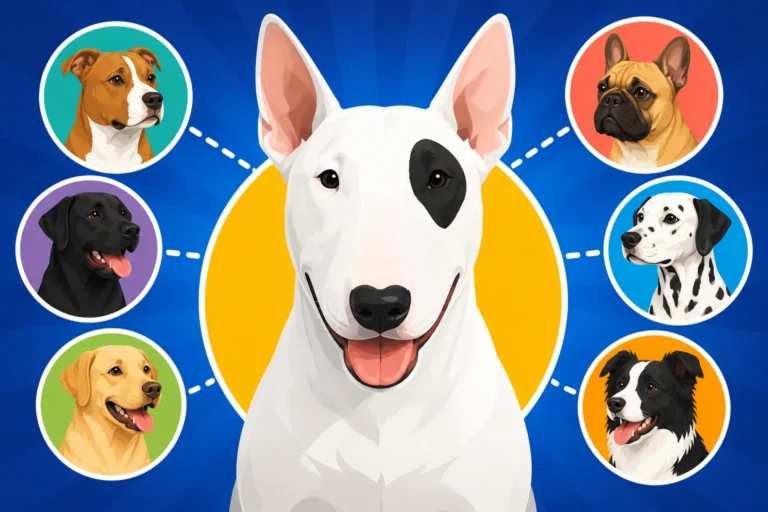
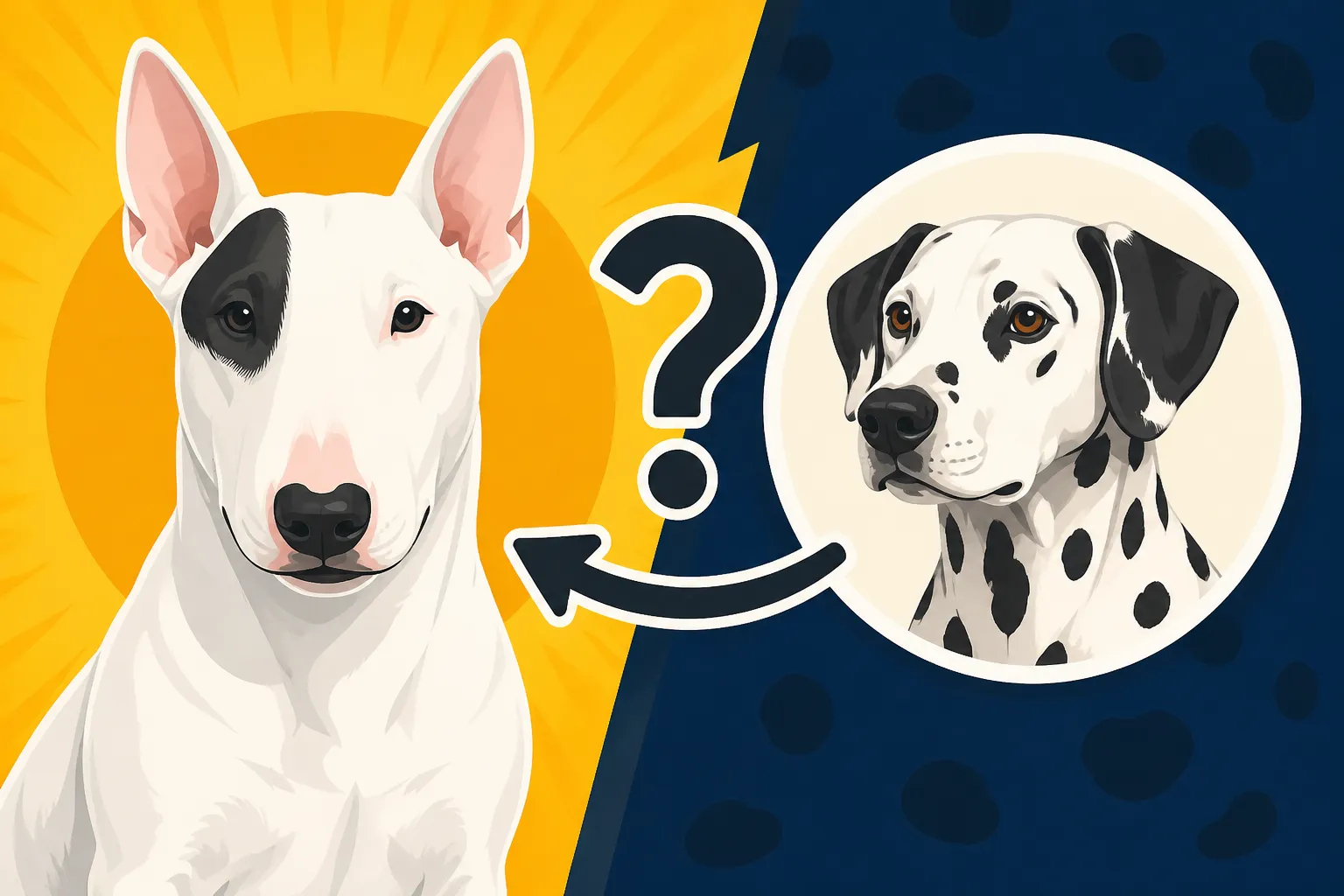
Now, let's get to the heart of the matter: the Dalmatian. It's a question that surfaces time and again, often fueled by the visual similarities between a white Bull Terrier and a Dalmatian. Both are undeniably athletic, can possess a striking white base coat, and have a certain aristocratic bearing. It's easy to see why the casual observer might connect the dots. However, when we delve into historical records and the accounts of the breed's founders, the picture becomes much clearer, and often quite different from popular speculation.
The idea of the Dalmatian's involvement in the Bull Terrier's creation is a fascinating piece of breed lore, but like many such tales, it needs to be examined critically. Was there a deliberate cross, a strategic infusion of Dalmatian blood, or are the perceived similarities merely a happy coincidence of convergent evolution, where different breeds, developed for different purposes, happen to share some superficial traits? Understanding the true answer requires a look at the intentions of the breeders and the documented lineage.
The Theory of Dalmatian Influence on Bull Terrier Appearance
The primary reason for suspecting Dalmatian involvement typically stems from a few observations. Firstly, Dalmatians are well-known for their elegant, muscular build and, of course, their often predominantly white coats, albeit famously patterned with spots. Early Bull Terriers, particularly Hinks' "White Cavaliers," also presented with a striking white coat and a powerful, agile physique. The similarities in general body type, the clean lines, and the sense of athletic grace can lead one to think of a shared ancestry.
Some theories propose that a small amount of Dalmatian blood might have been introduced to further refine the Bull Terrier's conformation, to enhance its 'gentlemanly' appearance, or perhaps to help stabilize the white coat. Dalmatians were, after all, known as coach dogs, symbols of status, and were appreciated for their stamina and presence. It's not a huge leap to imagine a breeder, striving for a particular aesthetic, considering various avenues to achieve it. However, the question remains whether this consideration ever translated into actual breeding practice on a significant scale.
Historical Evidence and Breeder Accounts
When we turn to historical evidence and the records left by James Hinks and his contemporaries, the inclusion of the Dalmatian as a primary foundation breed for the Bull Terrier is generally not supported. Hinks himself detailed his primary cross as being between the Old English Bulldog and the English White Terrier. While he was an experimental breeder and may have dabbled with various crosses in his early development phases, there is no strong, widely accepted documentation or consistent anecdotal evidence that points to the Dalmatian being a significant or deliberate part of the Bull Terrier's established lineage.
Breed historians and Bull Terrier enthusiasts often emphasize that the distinct egg-shaped head and triangular eye, which are hallmarks of the Bull Terrier, were developed through meticulous selective breeding within the established Bull/English White Terrier crosses, not by introducing an outside breed like the Dalmatian. While similarities in some characteristics might exist due to shared distant ancestors (many breeds have complex histories), or simply due to selective pressures for similar physical traits, a direct, impactful Dalmatian contribution to the Bull Terrier's core genetic makeup is largely considered a myth rather than a historical fact. Which Breeds Went Into the Bull Terrier
Similarities and Differences in Breed Standards
Let's do a quick comparison of the two breeds, looking at their official standards and common characteristics. This can help us appreciate where the visual confusion might arise, and where the distinctiveness truly lies.
| Feature | Bull Terrier (Standard) | Dalmatian |
|---|---|---|
| Origin Purpose | Pit fighting, ratting, companion (refined) | Coach dog, guard, companion |
| Head Shape | Unique "egg-shaped" or "downface," no stop | Flat top skull, moderate stop |
| Eye Shape/Color | Small, dark, triangular, deeply set | Round, dark or amber (match coat/nose), intelligent expression |
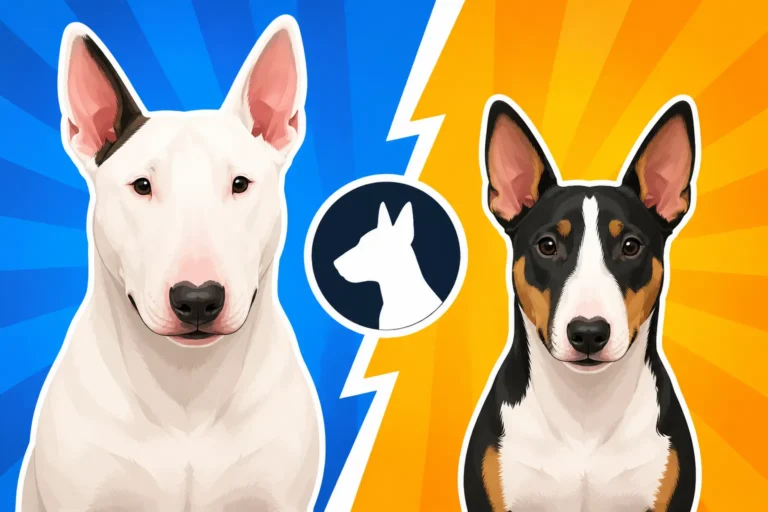
| Coat Color | White, brindle, red, fawn, tricolor, black/brindle | Pure white with distinct black or liver spots |
| Build | Muscular, powerful, compact; "gladiator of the canine race" | Strong, muscular, active; built for stamina and speed |
| Temperament | Feisty, mischievous, playful, stubborn, devoted, energetic | Outgoing, energetic, playful, intelligent, can be aloof |
| Health Concerns | Deafness (white), kidney disease, heart issues, skin allergies | Deafness, urinary stones, skin allergies |
As you can see, while both breeds are undeniably muscular and can have a white base, the specific details of their head, eye, and coat patterns are quite distinct. The Bull Terrier's unique "egg head" with no stop and its small, triangular eyes are defining features not found in the Dalmatian. Furthermore, while both can be prone to deafness, it arises from different genetic pathways related to their distinct white coat genetics. So, while superficially similar in some aspects, their core defining traits and breed histories diverge quite significantly.
Beyond the White: The Reintroduction of Color
While James Hinks's original vision for the Bull Terrier was overwhelmingly white, the breed's journey didn't stop there. As the breed gained popularity, breeders began to realize some of the inherent challenges associated with breeding exclusively for an all-white coat. Health issues, most notably hereditary deafness, became more prevalent, prompting a re-evaluation of breeding practices. This led to a crucial turning point in the breed's history: the deliberate reintroduction and acceptance of colored Bull Terriers.
This shift wasn't just about aesthetics; it was a pragmatic move driven by health concerns and a desire to broaden the genetic pool. It allowed breeders to step back from the intense selection pressure for pure white, which had inadvertently concentrated genes for deafness. The re-emergence of color marked a significant evolution for the Bull Terrier, demonstrating the breed's resilience and the dedication of breeders to its long-term health and vitality. It also reopened the question of which breeds might have been used to bring those colors back.
The Rise of Colored Bull Terriers
The dedication to the all-white Bull Terrier was strong for decades, cementing its status as the "White Cavalier." However, the stark reality of health problems, particularly bilateral and unilateral deafness, which was significantly more common in all-white dogs, began to prompt serious consideration among breeders. It became increasingly clear that a broader gene pool, and a break from the single-minded focus on white, was necessary for the breed's future. The recognition of these issues led to a movement to embrace the colors that had always been present in the ancestral lines but were actively bred out.
By the early 20th century, colored Bull Terriers began to gain formal acceptance in the show ring. This was a hard-won battle for many breeders who recognized the importance of diversity. They understood that solely prioritizing coat color above all else was not sustainable for the breed's overall health. The acceptance of colored varieties meant that dogs with brindle, red, fawn, and tricolor markings could be celebrated and contribute to the breed's genetic health, offering a wider selection for breeding programs and a potential reduction in the incidence of certain genetically linked conditions. When the Colored Bull Terriers Were Accepted
How Color Was Reintroduced and If Dalmatians Played a Role
The reintroduction of color into the Bull Terrier breed was a fascinating and well-documented process, and crucially, it largely did not involve Dalmatians. Instead, the color genes were primarily brought back by crossing the established white Bull Terriers with Staffordshire Bull Terriers, or similar colored bull and terrier types that still carried the desired color genetics from their shared ancestry. These crosses reintroduced brindle, red, fawn, and black into the Bull Terrier lines. The offspring of these crosses, once they met the evolving Bull Terrier type standard, were then bred back into the main Bull Terrier population.
This strategic reintroduction of color was a careful balancing act, aimed at incorporating the desired pigmentation without losing the unique Bull Terrier head shape, body type, and temperament that Hinks had worked so hard to establish. It was a gradual process of outcrossing and then careful line breeding to cement the new colored varieties while maintaining breed type. The goal was to reclaim the robust health that might have been compromised by generations of extreme selection for pure white, while still celebrating the Bull Terrier's unique charm and character. There is no historical evidence to suggest Dalmatians were used in this effort.
Understanding Breed Influence and Modern Genetics
The story of the Bull Terrier, like many breeds, is a complex tapestry woven from various threads of ancestry, selective breeding, and evolving ideals. While the direct, significant influence of the Dalmatian on the Bull Terrier's creation or even the reintroduction of color is not supported by historical evidence, the speculation itself highlights a common fascination with breed origins. In today's world of advanced genetics and a deeper understanding of hereditary traits, we can look back at these historical puzzles with new insight, appreciating the legacy of early breeders while also understanding the nuances of genetic inheritance.
Modern breeding practices are far more informed, focusing not just on aesthetics but also on comprehensive health testing and genetic diversity. This helps to ensure the longevity and well-being of breeds like the Bull Terrier. The journey from the old "Bull and Terrier" to the distinctive Bull Terrier we know today is a testament to dedicated breeders striving for an ideal, even if that path sometimes led to unexpected challenges or popular misconceptions about its true genetic blueprint.
The Nature of Breed Creation and Genetic Pools
Breed creation is rarely a simple, one-time event with a clear, immutable list of ingredients. It's often an ongoing process of selection, refinement, and sometimes, strategic outcrossing to introduce new traits or bolster genetic health. Early breed developers, like James Hinks, were working with a much less precise understanding of genetics than we have today. They relied on observation, instinct, and a keen eye for what "worked." The genetic pool of any nascent breed is a dynamic entity, influenced by initial crosses, subsequent selective breeding, and sometimes, unofficial or undocumented additions.
The Bull Terrier's genetic pool primarily reflects its Bulldog and English White Terrier heritage. Over time, as a breed becomes more established, its gene pool tends to close off, meaning new infusions from other distinct breeds become rare and often controversial. This makes the initial foundational crosses the most critical in shaping a breed's fundamental characteristics. While some shared, very distant ancestors might exist between many terrier or bull-type dogs and other breeds like the Dalmatian, it doesn't imply a direct, deliberate cross during the Bull Terrier's formation.
The Legacy of Early Breeding Decisions
The decisions made by early breeders, particularly James Hinks, cast a long shadow over the Bull Terrier breed. The intense focus on creating an all-white "White Cavalier" undoubtedly cemented the breed's iconic look but also introduced significant challenges related to deafness, a common issue in many all-white animals. This legacy forced later generations of breeders to confront these health issues head-on, leading to the eventual acceptance of colored Bull Terriers as a means to improve the breed's overall health and genetic diversity.
This history teaches us a valuable lesson about the double-edged sword of selective breeding: while it allows for the development of distinct and aesthetically pleasing traits, it also requires vigilance and adaptability to address unforeseen health consequences. The Bull Terrier's journey is a powerful example of a breed that has evolved and adapted, demonstrating the commitment of its fanciers to both its unique appearance and its robust health. It's a testament to how far breed management has come, moving from pure visual ideals to a more holistic approach. The White Cavalier: Why the Bull Terrier Never Started Fights
The Importance of Verified Pedigrees for Modern Breeders
In the modern era, the guesswork and anecdotal history of breed creation have been largely replaced by science and verifiable documentation. For today's Bull Terrier breeders, understanding and maintaining accurate pedigrees is paramount. These records don't just tell a story of lineage; they are vital tools for managing genetic health, predicting traits, and making responsible breeding decisions. A reliable pedigree helps breeders avoid common pitfalls like inbreeding depression or the inadvertent propagation of hereditary diseases.
Reputable breeders will meticulously record and often share the ancestry of their dogs, ensuring transparency and accountability. Furthermore, the advent of DNA testing has revolutionized our ability to confirm parentage, identify carriers of certain genetic conditions, and even, in some cases, trace more distant ancestry. While DNA testing might not definitively prove or disprove every historical rumour about distant crosses, it provides an invaluable tool for ensuring the genetic integrity and health of current and future generations of Bull Terriers. When looking for a puppy, always ask to see the parents' pedigrees and health certifications. What a Bull Terrier Breeder Should Have Tested
When all is said and done, the enduring connection between the Bull Terrier and the Dalmatian seems to live mostly in the realm of popular imagination rather than historical fact. While both breeds share a certain athleticism and can feature a striking white coat, their paths diverged quite distinctly, shaped by different breed goals and foundational stock. The Bull Terrier, with its truly unique egg-shaped head and captivating personality, stands as a testament to the singular vision of James Hinks, a true original through and through.
Disclaimer
This article is for general informational purposes only and does not constitute professional advice. Laws, prices and regulations vary by location and change over time. Consult a qualified professional for guidance on your specific situation.