When the Bull Terrier Reached America
For many of us who adore the Bull Terrier, there's a natural curiosity about how these distinctive, charming clowns made their way across the pond to become such a beloved part of American households. It's not just about a date on a calendar; it's a journey filled with passion, perseverance, and a growing appreciation for a truly unique breed. This guide dives deep into the fascinating story of the Bull Terrier's arrival and establishment in the United States, exploring the early challenges, the devoted fanciers who championed them, and how their presence helped shape the breed we know and love today.
The Early Days: Crossing the Atlantic
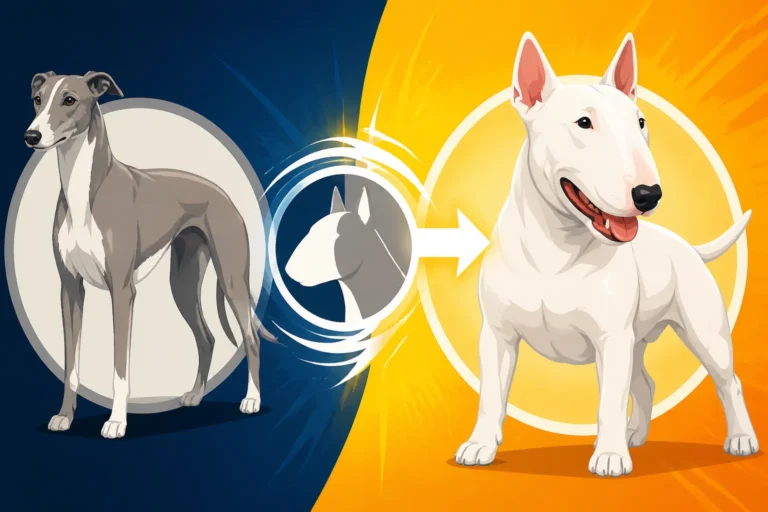
The Bull Terrier, as we know it, emerged from the gritty streets and ambitious breeding programs of 19th-century England. James Hinks, a true visionary, is widely credited with refining the breed in Birmingham in the 1860s, creating the "White Cavalier" from the earlier bull-and-terrier types. His goal was to produce a dog of beauty, courage, and refinement, moving away from the bare-knuckle fighting arenas and towards a gentleman's companion. Once this distinctive breed began to solidify its look and temperament in Britain, it wasn't long before its unique appeal caught the eye of dog enthusiasts beyond the English Channel.
Early European Popularity and Export
Before they made a significant splash in America, Bull Terriers were already gaining traction in other parts of Europe, particularly as companions for officers and gentlemen. Their reputation as a dog of courage, combined with their striking appearance, made them quite fashionable. English breeders, proud of their creation, were keen to export their best specimens, not just for profit but also to spread the breed's influence and ensure its continued development. This early enthusiasm meant that well-bred Bull Terriers were already traveling internationally, setting the stage for their eventual journey to the United States.
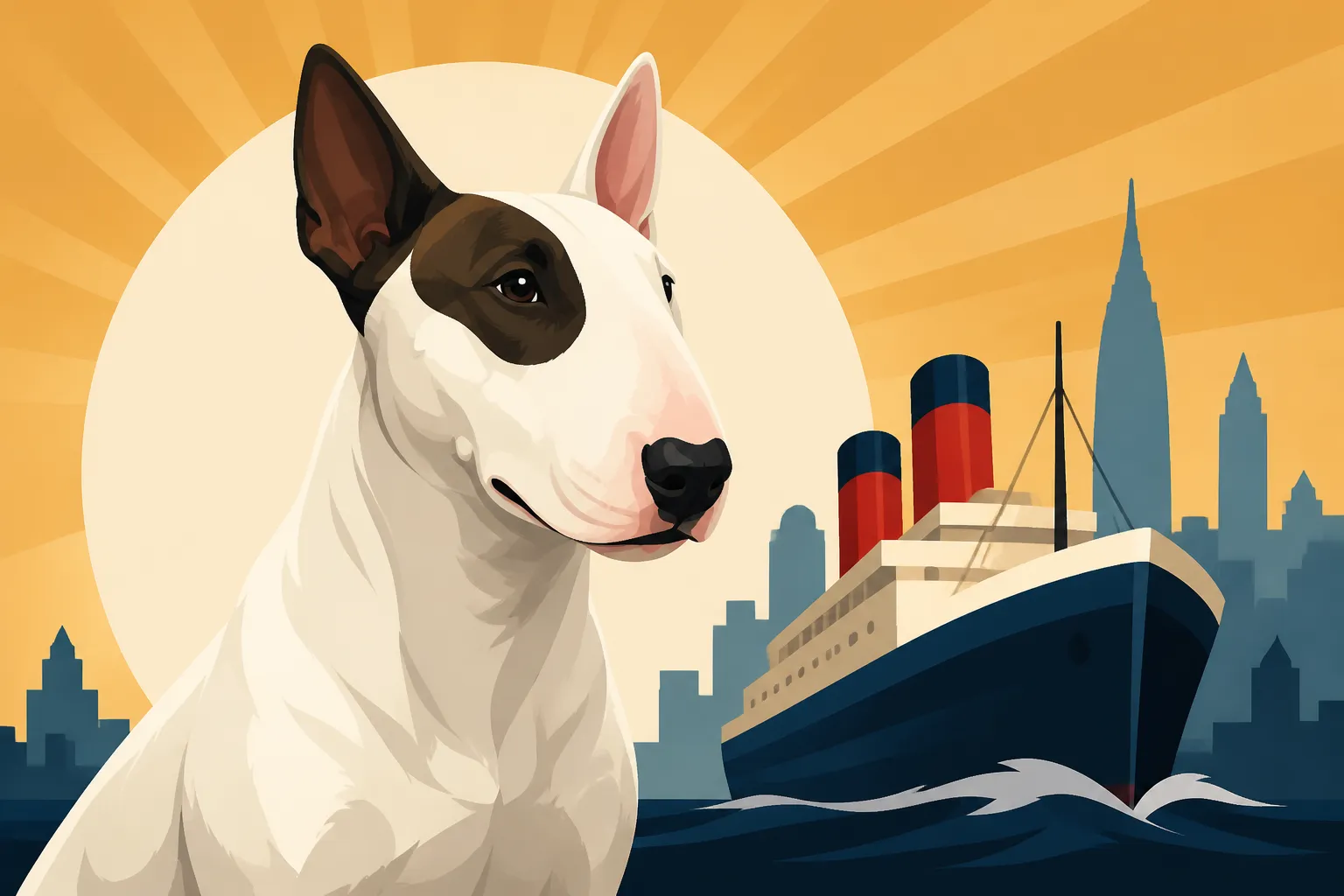
It's easy to imagine these early Bull Terriers arriving in bustling ports, perhaps alongside other prized livestock or exotic goods, a testament to their growing status. These weren't just any dogs; they were representatives of a burgeoning canine aristocracy, albeit one with a working-class origin. The distinct egg-shaped head and muscular physique, combined with their intelligent, often mischievous gaze, surely turned heads even then. This growing reputation, fueled by successful showings and enthusiastic owners, naturally piqued interest among American dog fanciers who were always on the lookout for the next impressive canine to add to their growing kennels.
The First Recorded Arrivals
Pinpointing the exact moment a Bull Terrier first set paw on American soil is a bit like trying to catch smoke. Records from the late 19th century can be spotty, and many dogs arrived without extensive documentation, often as personal companions rather than formal imports for breeding programs. However, it's generally accepted that Bull Terriers began appearing in the United States in the 1870s and 1880s, brought over by English immigrants, wealthy travelers, or American enthusiasts captivated by the breed's reputation and unique charm. These initial arrivals were likely scattered, with individual dogs making their way to various parts of the burgeoning nation.
One of the earliest documented instances of Bull Terrier participation in an American dog show dates back to the late 1870s. This suggests that even if records of individual imports were scarce, the breed was present and generating enough interest to be exhibited. The dogs that first arrived were often direct descendants of Hinks' original lines, embodying the "White Cavalier" ideal. These early specimens were crucial, as they formed the genetic foundation for the American Bull Terrier population. Without them, the breed's unique characteristics might have been diluted or lost in the New World, making the foresight and dedication of those early importers incredibly significant. We can only imagine the excitement as these dogs, fresh off the boat, were introduced to American audiences, each one a living testament to its English heritage.
Making a Name in the New World
Once on American shores, the Bull Terrier quickly began to forge its identity, moving from a curious import to a recognized and celebrated breed. The United States, with its expanding cities and growing leisure class, offered fertile ground for dog fancying to flourish, and the Bull Terrier was perfectly positioned to capture the hearts and minds of a new generation of owners and breeders.
The Appeal to American Fanciers
American dog fanciers of the late 19th and early 20th centuries were a diverse group, but many shared a common admiration for dogs that combined strength, spirit, and distinctive good looks. The Bull Terrier, with its powerful build, courageous demeanor, and unforgettable "downface" profile, fit this bill perfectly. Unlike some other breeds that were primarily working dogs, the Bull Terrier offered a unique blend of athleticism and companionability. They were perceived as loyal, protective, and full of character – traits that resonated deeply with the American ethos of individualism and resilience.
Their imposing yet often comical appearance also played a significant role. The singular, egg-shaped head and small, triangular eyes set them apart from other terrier breeds and working dogs. This visual uniqueness made them desirable as show dogs and conversation starters. They weren't just pets; they were statements. Furthermore, the breed’s reputation as the "White Cavalier" — a dog that would bravely defend its master but would not initiate a fight — appealed to a society that valued honorable character. This narrative helped solidify their image as more than just a formidable dog; they were a dog with a code of conduct. It's this complex character, a mix of tough exterior and gentle soul, that has continued to charm Bull Terrier owners for generations.
Early American Kennel Clubs and Recognition
As the number of Bull Terriers in the US grew, so did the need for formal recognition and organized breeding efforts. This was a period of great expansion for American kennel clubs, which sought to establish breed standards, organize dog shows, and maintain reliable registries. The American Kennel Club (AKC) played a pivotal role in this process, providing the framework necessary for breeds to be officially recognized and to thrive. For the Bull Terrier, securing this recognition was a crucial step in its journey to becoming a mainstream breed in America.
The Bull Terrier was officially recognized by the AKC in 1885, a testament to its established presence and growing popularity. This recognition provided a formal platform for American breeders to operate, allowing for standardized showing, breeding, and record-keeping. Suddenly, Bull Terriers in America weren't just imported curiosities; they were part of a structured national canine community. This formalization was incredibly important for maintaining the breed's integrity and ensuring that future generations adhered to the accepted type. It also spurred competition among breeders, driving them to produce high-quality specimens that could excel in the show ring, further solidifying the breed's reputation and enhancing its desirability among prospective owners. This era marked the transition from scattered imports to a truly established and organized breed presence. For more on this, you can check out When the AKC Recognized the Bull Terrier.
Here's a simplified timeline of key events in the Bull Terrier's journey to America:
| Event | Approximate Period | Significance |
|---|---|---|
| Breed Refinement in England | 1860s | James Hinks creates the distinct "White Cavalier" type. |
| First US Arrivals | 1870s – 1880s | Individual Bull Terriers begin to be imported by enthusiasts. |
| AKC Recognition | 1885 | Official recognition by the American Kennel Club. |
| Formation of Bull Terrier Clubs | Late 1800s – Early 1900s | Dedicated American breeders establish clubs to promote and protect the breed. |
| Acceptance of Colored Bull Terriers | 1930s | AKC accepts colored Bull Terriers, expanding the breed's varieties. |
| Post-WWII Popularity Surge | Mid-20th Century | Breed gains wider recognition and popularity across the US. |
The Role of Importation and Breeding in the USA
The initial waves of Bull Terriers arriving in the United States laid the groundwork, but the true establishment of the breed required dedicated efforts in local breeding and strategic importation. American fanciers didn't just admire the breed; they actively worked to cultivate and strengthen its presence within their own country. This often involved overcoming significant challenges and making tough decisions about the direction of the breed.
Establishing American Bloodlines
Once the initial Bull Terriers were in the US, the focus shifted from mere acquisition to developing stable, healthy American bloodlines. This wasn't a simple task; early breeders had limited access to large gene pools, often relying on a relatively small number of imported dogs. The goal was to reproduce the qualities admired in the English imports while adapting to the American environment and breeding practices. This meant carefully selecting breeding pairs, scrutinizing pedigrees, and often traveling to other kennels to ensure genetic diversity. It was a painstaking process, but one that was absolutely essential for the breed's long-term success.
These foundational American lines were built on the principle of preserving the breed's core characteristics: its unique head, muscular body, and distinctive temperament. Breeders meticulously documented their dogs, often keeping hand-written records of matings, births, and show results. It was a labor of love, driven by a deep respect for the breed and a desire to see it flourish. The decisions made by these early pioneers continue to influence American Bull Terrier lines today, demonstrating the lasting impact of their dedication. They weren't just creating puppies; they were shaping the future of the breed in a new nation. For an understanding of the historical context, delve into Which Breeds Went Into the Bull Terrier.
Challenges of Breeding in a New Environment
Breeding Bull Terriers in America presented its own set of unique challenges. Beyond the logistical hurdles of importing fresh stock, breeders had to contend with a different climate, varying local veterinary practices, and the evolving understanding of canine genetics. Early knowledge of hereditary health conditions was far less advanced than it is today, making selective breeding a more instinctual art than a scientific process. Breeders had to navigate issues like small litter sizes, puppy mortality, and the unpredictable nature of inherited traits without the benefit of modern DNA tests or comprehensive veterinary diagnostics.
Furthermore, public perception and breed-specific legislation, even in rudimentary forms, could influence breeding decisions. There was a constant balancing act between producing dogs that met the breed standard and ensuring they were well-adjusted, healthy companions. Establishing a network of like-minded breeders and mentors was crucial for sharing knowledge and resources. It was a slow, deliberate process, often marked by trial and error, but the perseverance of these early American Bull Terrier enthusiasts ultimately ensured the breed's successful integration and growth. They faced an uphill battle, but their passion for these distinctive dogs propelled them forward.
The Impact of American Culture on the Breed
The Bull Terrier’s journey to America wasn't just about physical relocation; it was about cultural assimilation and adaptation. As the breed settled into its new home, it began to reflect and influence American society, becoming more than just a dog, but a cultural touchstone.
Bull Terriers as Companions and Show Dogs
In America, the Bull Terrier quickly cemented its dual role as both a cherished family companion and a formidable competitor in the show ring. Its striking appearance and engaging personality made it a natural choice for those seeking a dog that stood out from the crowd. American families, particularly those with a bit of disposable income, found a loyal and playful friend in the Bull Terrier. Their reputation for being great with children, when properly raised and socialized, also contributed to their appeal as family pets.
Simultaneously, the competitive spirit of American dog shows provided a significant platform for the breed to gain recognition and acclaim. Winning Best in Show at prestigious events not only elevated individual dogs and kennels but also boosted the breed's overall popularity. Fanciers took immense pride in breeding and exhibiting dogs that embodied the idealized standard, fueling a vibrant show circuit. This emphasis on both companionability and conformation excellence helped to shape the breed's development in the US, ensuring that beauty and temperament were equally valued. The show ring wasn't just about ribbons; it was about validating the breeders' efforts and showcasing the breed's inherent quality.
Iconic American Bull Terriers
Over the decades, several Bull Terriers have captured the American imagination, becoming cultural icons and further endearing the breed to the public. These dogs, whether real or fictional, played a significant role in elevating the breed's profile and shaping its image in the collective consciousness. From the silver screen to advertising campaigns, the unique look and expressive personality of the Bull Terrier proved to be incredibly photogenic and memorable.
Perhaps one of the most famous examples is Spuds MacKenzie, the canine mascot for Bud Light in the 1980s. Spuds, a white Bull Terrier, became an overnight sensation, personifying a fun-loving, party-going image that was highly marketable. Although the campaign eventually faced scrutiny, Spuds left an indelible mark on popular culture and introduced the Bull Terrier to millions of Americans who might never have encountered the breed otherwise. Another beloved Bull Terrier icon is Bullseye, the loyal and instantly recognizable mascot for Target Corporation, with her iconic red bullseye marking around her eye. These high-profile roles helped to solidify the Bull Terrier's image as a friendly, distinctive, and intelligent dog, influencing public perception and driving interest in the breed for years to come. Such widespread exposure made the breed a household name, showcasing its charisma far beyond the confines of dog shows and dedicated fancier circles.
The Evolution of the Breed Standard in America
While the American Bull Terrier shares a common lineage with its English counterparts, the breed's development in the United States saw a subtle yet significant evolution, particularly concerning the interpretation and emphasis of the breed standard. This divergence, however slight, reflects the unique priorities and influences of American breeding philosophy.
Differences in Breeding Goals
Initially, American breeders strived to adhere as closely as possible to the English standard, given that the foundation stock was imported directly from England. However, over time, certain nuances began to emerge in breeding goals. While both countries shared the fundamental appreciation for the breed's distinctive egg-shaped head and muscular physique, there could be subtle differences in emphasis, perhaps on size, bone structure, or even specific elements of temperament. For instance, some American lines might have placed a slightly higher premium on a certain degree of bone or substance, or on a more exuberantly outgoing temperament, while English lines maintained a more traditional focus.
These subtle shifts weren't necessarily a conscious divergence but rather an organic evolution influenced by individual breeders' preferences, local show ring trends, and the available genetic pool. The isolation of American breeding programs from their English origins, albeit with continued careful importation, naturally led to different strains and family lines developing unique characteristics. Understanding these nuances is crucial for any aspiring Bull Terrier owner or breeder, as it highlights how the breed adapts while retaining its core identity. It's a testament to the resilience of the breed standard that despite these minor variations, the recognizable Bull Terrier type has remained consistent across continents.
The Importance of Health Testing
As the Bull Terrier breed became more established in America, and veterinary science advanced, a greater emphasis was placed on understanding and mitigating hereditary health issues. Early breeders, operating with limited scientific knowledge, focused heavily on conformation and basic soundness. However, over time, it became apparent that certain health concerns, such as hereditary nephritis, heart issues like mitral valve dysplasia, and deafness (especially in white Bull Terriers), were prevalent within the breed. This growing awareness led to a stronger call for responsible health testing.
Today, reputable American Bull Terrier breeders are acutely aware of the importance of health screening for their breeding stock. They regularly test for conditions like hereditary nephritis, conducting yearly urine protein-to-creatinine (UPC) ratio tests, and performing cardiac evaluations (echocardiograms) to screen for heart murmurs or other abnormalities. BAER testing for deafness is also standard practice, particularly for white puppies. This proactive approach to health is a cornerstone of responsible breeding in the US and reflects a collective commitment to improving the breed's overall well-being. Ensuring puppies come from tested parents gives new owners a much better start, and accessing necessary supplies for these vital health checks, or even special diets, is made easy through resources like Chewy, which carries a wide range of veterinary-specific products. It’s an investment that pays dividends in the health and longevity of these wonderful dogs. For further reading, check out What a Bull Terrier Breeder Should Have Tested.
The Modern Bull Terrier in the USA
The journey from early imports to beloved American icons has shaped the Bull Terrier into the dog we recognize today. However, the modern era brings its own set of considerations and challenges for owners and enthusiasts in the United States.
Current Popularity and Challenges
In contemporary America, the Bull Terrier enjoys a steady, if not overwhelming, popularity. It’s a breed that consistently appeals to those seeking a dog with character, charisma, and a distinctive look, but it’s not as common as some other breeds. This moderate popularity can be both a blessing and a curse. On one hand, it often means that dedicated breeders can maintain high standards without succumbing to the pressures of mass production. On the other hand, it can make finding a reputable breeder a bit more challenging, as there are fewer to choose from compared to more common breeds.
Challenges in the modern American context often revolve around public perception and breed-specific legislation. Despite their "White Cavalier" history, Bull Terriers sometimes get unfairly lumped into broad categories of "bully breeds," leading to restrictions in housing, insurance, and even certain cities. Educating the public about the true temperament of the Bull Terrier – its clownish nature, loyalty, and intelligence – remains an ongoing effort for breed advocates. Responsible ownership, including thorough socialization and training, is paramount to ensure that these wonderful dogs continue to thrive and overcome misconceptions. Owning a Bull Terrier in America means being an ambassador for the breed, constantly demonstrating their true, loving nature.
Resources for American Bull Terrier Owners
For anyone considering bringing a Bull Terrier into their American home, or for current owners looking for support, there's a wealth of resources available. The Bull Terrier Club of America (BTCA) is the national parent club and an invaluable first stop. They provide information on breed health, ethical breeding practices, and a directory of reputable breeders and local clubs. Connecting with regional Bull Terrier clubs can offer opportunities for community, mentorship, and participation in events like specialty shows or fun days. These clubs are often a lifesaver, providing a network of experienced owners who understand the unique quirks and needs of the breed.
Beyond breed-specific organizations, general pet supply retailers like Chewy offer an enormous range of products tailored to Bull Terriers, from durable toys that can stand up to their powerful jaws to specialized diets for sensitive stomachs or kidney support. Online forums and social media groups dedicated to Bull Terriers also provide a supportive community where owners can share experiences, ask questions, and celebrate their dogs. Access to reliable veterinary care, especially from vets familiar with breed-specific health issues, is also crucial. From puppyhood through their senior years, which you can learn more about in Caring for an Old Bull Terrier, having these resources makes the journey of Bull Terrier ownership in America a rewarding one. Being prepared with the right information and support network is key to a happy, healthy life with your Bull Terrier.
Disclaimer
This article is for general informational purposes only and does not constitute professional advice. Laws, prices and regulations vary by location and change over time. Consult a qualified professional for guidance on your specific situation.