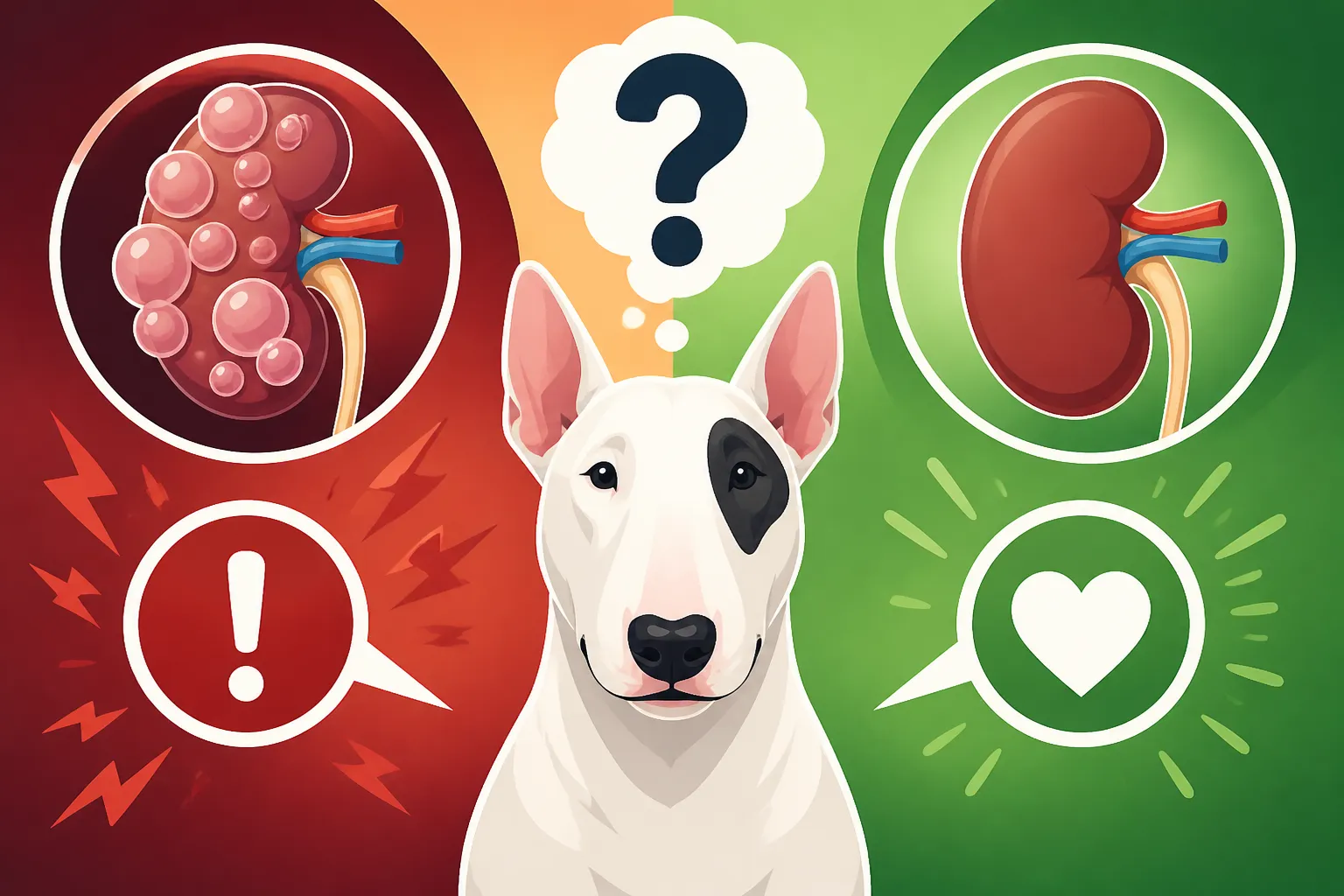
Whether Bull Terrier Kidney Cysts Always Cause Trouble
Discovering your beloved Bull Terrier has kidney cysts can be incredibly alarming. Many of us automatically assume the worst, imagining a rapid decline in health and a future filled with costly, complicated medical interventions. This guide is here to unravel the complexities of kidney cysts in Bull Terriers, helping you understand when they're a mere incidental finding and when they truly signal a more serious underlying issue.
Understanding Kidney Cysts in Bull Terriers
When a veterinarian mentions kidney cysts, it's natural for your mind to race. For Bull Terrier owners, especially, there's a heightened awareness of kidney health, given the breed's predispositions. Let's delve into what these cysts actually are and why our quirky, egg-headed companions might develop them.
What are Renal Cysts and Why Do Bull Terriers Get Them?
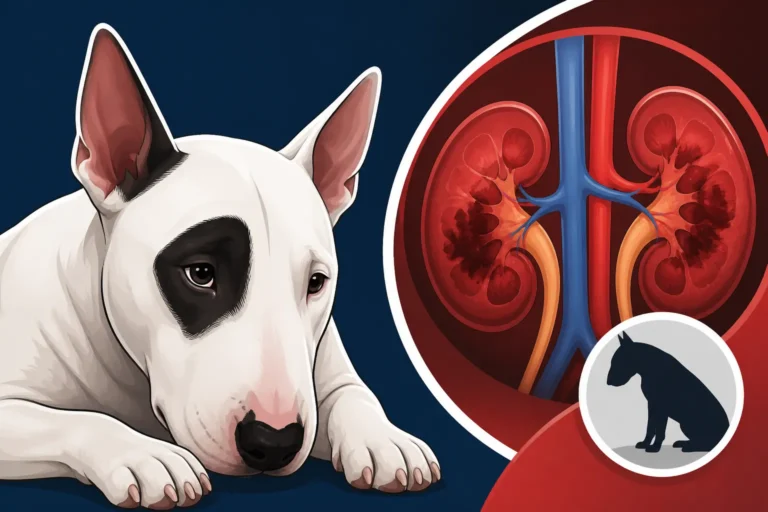
A renal cyst is essentially a fluid-filled sac that forms within the kidney. Think of it like a tiny, harmless bubble. These cysts can vary dramatically in size, from microscopic to several centimeters in diameter, and they can be solitary or appear in multiples. For many breeds, a single, small renal cyst might be an incidental finding, meaning it's discovered during an examination for something completely unrelated and often poses no threat to the dog's health.
However, Bull Terriers, particularly the Miniature Bull Terrier, have a well-documented genetic predisposition to a condition called Polycystic Kidney Disease (PKD). This isn't just about one or two simple cysts; PKD is a progressive disease where numerous cysts form and gradually enlarge, ultimately replacing healthy kidney tissue and impairing kidney function. While PKD is often talked about in cats, especially Persians, it's a very real concern for our Bull Teriers. It's crucial to understand that not every cyst found is indicative of PKD. Some cysts can be acquired later in life due to injury, infection, or other kidney issues, but the genetic link is paramount for our breed.
How Cysts are Detected and Diagnosed
The diagnosis of kidney cysts in Bull Terriers typically begins with an ultrasound examination. This non-invasive imaging technique allows your veterinarian to visualize the kidneys, assess their size, shape, and internal structure, and identify any abnormalities like fluid-filled cysts. Often, these cysts are discovered accidentally during an ultrasound performed for other reasons – perhaps your dog was experiencing abdominal discomfort, or the vet was checking for something else entirely. It’s not uncommon for a concerned owner, keeping up with recommended screenings, to discover them during a routine wellness check-up, too.
Once cysts are detected, your veterinarian will want to gather more information. This usually involves a comprehensive blood panel and a urinalysis to assess kidney function. They'll look at markers like BUN (blood urea nitrogen) and creatinine in the blood, which indicate how well the kidneys are filtering waste. A yearly urine test every Bull Terrier owner should book is essential, as it helps detect changes early. The urinalysis will check for protein in the urine, a critical indicator of kidney damage. Sometimes, a specific test called a Urine Protein-to-Creatinine (UPC) ratio will be recommended. This is a crucial step in distinguishing benign cysts from more serious kidney disease, as what a UPC ratio tells a Bull Terrier owner can provide invaluable insights into how well the kidneys are performing their job.
When Kidney Cysts Become a Concern
While the discovery of any abnormality can be scary, it's important to remember that not all kidney cysts are created equal. The real concern arises when these cysts begin to impact the kidney's ability to function properly.
Size, Number, and Location: Factors that Matter
The impact of kidney cysts on your Bull Terrier's health is largely dependent on a few key factors: their size, their number, and their location within the kidney. A single, small cyst, perhaps just a few millimeters in diameter, that's located superficially and isn't growing, is often considered benign. These types of cysts may never cause any problems and might simply be monitored over time. They don't typically displace enough healthy kidney tissue to disrupt the organ's vital filtering function.
However, the situation shifts considerably when cysts become large, numerous, or are situated in critical areas. If cysts grow to a significant size, they can compress and destroy surrounding healthy nephrons – the tiny filtering units of the kidney. When there are many cysts, especially if they're bilateral (affecting both kidneys), the cumulative effect can be a substantial reduction in functional kidney tissue. This is particularly concerning in conditions like Polycystic Kidney Disease, where the kidneys can become almost entirely taken over by cysts. Additionally, a cyst strategically located near the ureter (the tube that carries urine from the kidney to the bladder) or within the renal pelvis could potentially cause an obstruction, leading to hydronephrosis (swelling of the kidney due to urine backup) or other severe complications. These scenarios often lead to the signs a Bull Terrier's kidneys are failing which need immediate veterinary attention.
Signs That Cysts Might Be Causing Trouble
When kidney cysts begin to compromise kidney function, your Bull Terrier might start showing subtle, or sometimes obvious, clinical signs. It's vital to be vigilant and aware of these indicators, as early detection can significantly impact the management and prognosis. One of the most common early signs of kidney issues, including those caused by problematic cysts, is an increase in thirst and urination. You might notice your dog drinking more water than usual, requiring more frequent potty breaks, or even having accidents indoors. This happens because the damaged kidneys can no longer concentrate urine effectively.
Other signs can include lethargy, a general decrease in energy levels, and a reduced interest in activities they once loved. Your Bull Terrier might seem more tired, sleep more, or just not have their usual zest for life. A decrease in appetite, leading to weight loss, is another common symptom as kidney disease progresses. Nausea and vomiting can also occur, as toxins that the kidneys normally filter out build up in the bloodstream. While these signs are general indicators of kidney disease and not exclusively linked to cysts, they absolutely warrant a veterinary visit and thorough investigation into kidney health. This is where diagnostic tools like the UPC ratio mentioned earlier become invaluable in pinpointing the extent of the kidney damage.
Polycystic Kidney Disease (PKD) vs. Simple Cysts
It’s really important to distinguish between a simple, often harmless, renal cyst and Polycystic Kidney Disease (PKD), especially in a Bull Terrier. A simple renal cyst is usually an isolated, single (or very few) fluid-filled sac within the kidney. These cysts are typically non-progressive, meaning they don't grow or multiply to the point of causing widespread kidney damage. Many dogs live their entire lives with simple cysts without any impact on their health, never developing kidney disease from them. They are often just an anatomical variant, something the vet might note but not worry too much about, unless they grow significantly or cause pain.
Polycystic Kidney Disease, on the other hand, is a specific, inherited genetic disorder. For Bull Terriers, this is a significant concern. PKD is characterized by the development of numerous cysts that are present from birth, though they may be too small to detect in young puppies. Over time, these cysts progressively enlarge and multiply, taking over healthy kidney tissue. This gradual destruction of functional nephrons ultimately leads to chronic kidney disease and, eventually, kidney failure. Unlike simple cysts, PKD is inherently progressive and will invariably impact kidney function. While Miniature Bull Terriers are more commonly associated with PKD, standard Bull Terriers can also be affected. Breeders should be actively screening their breeding stock for Polycystic Kidney Disease in a Bull Terrier, ideally using genetic tests if available, or at minimum, regular kidney ultrasounds, to try and eradicate this devastating condition from their lines.
Managing Bull Terriers with Kidney Cysts
Finding out your Bull Terrier has kidney cysts, whether simple or indicative of PKD, can feel overwhelming. But understanding the path forward in terms of management and care is key to giving your dog the best possible quality of life.
Monitoring and Regular Check-ups
For Bull Terriers with kidney cysts, especially if they are small or if the dog is asymptomatic, diligent monitoring is the cornerstone of management. Even if the initial assessment suggests benign simple cysts, it's crucial to establish a routine of regular veterinary check-ups. These appointments should typically include a physical examination, blood tests (to check kidney values like BUN, creatinine, and phosphorus), and a urinalysis to check for protein and specific gravity. The frequency of these checks will depend on your dog's age, the size and number of cysts, and whether any signs of kidney impairment are present. For many, a bi-annual or annual check-up, including a urine test, is recommended. Remember, how often a Bull Terrier's urine should be tested might need to be more frequent if there are already signs of kidney stress.
Beyond blood and urine tests, repeat abdominal ultrasounds are often recommended. These allow your veterinarian to track the size and number of the cysts over time and to assess the overall architecture of the kidneys. If a cyst is growing rapidly, or new cysts are appearing, this might signal a more aggressive course of disease. This proactive monitoring allows for early intervention if the cysts begin to compromise kidney function. It's also worth considering pet insurance, like Healthy Paws, early in your Bull Terrier's life. While they typically don't cover pre-existing conditions, having a policy in place before any kidney issues are diagnosed can make the financial burden of ongoing monitoring, specialist consultations, and potential treatments much more manageable.
Supportive Care and Treatment Options
If your Bull Terrier's kidney cysts begin to cause symptoms or impair kidney function, supportive care becomes essential. The goal isn't to remove the cysts themselves (which is rarely practical or safe unless they are causing acute obstruction or pain), but rather to manage the symptoms of kidney disease and slow its progression. This often begins with dietary modifications. A prescription renal diet, typically lower in protein and phosphorus, and sometimes sodium, is commonly recommended. The specific protein and phosphorus levels are designed to reduce the workload on the kidneys and minimize the buildup of waste products in the blood. For many Bull Terrier owners, understanding which diet a Bull Terrier with kidney disease needs is a significant first step in managing the condition.
Beyond diet, your veterinarian might prescribe medications to manage specific aspects of kidney disease. These can include ACE inhibitors to help control blood pressure and reduce protein loss in the urine, phosphorus binders to prevent hyperphosphatemia, and anti-nausea medications to improve appetite and comfort. In some cases, if dehydration is a concern, subcutaneous fluids might be administered at home. The long-term management of kidney disease, especially progressive conditions like PKD, can be extensive and costly. This is where a robust pet insurance plan can truly be a lifesaver. Companies like Healthy Paws can provide significant financial relief for prescription diets, medications, routine bloodwork, and specialist visits, allowing you to focus on your Bull Terrier's well-being without constant worry about mounting vet bills.
Living with a Bull Terrier and Kidney Cysts
The journey of living with a Bull Terrier, especially one with a health concern like kidney cysts, is a deeply personal one. Understanding the implications for their daily life and the importance of responsible choices can make all the difference.
Quality of Life and Prognosis
When managing kidney cysts in a Bull Terrier, the primary focus is always on maintaining a good quality of life. For many Bull Terriers with simple, non-progressive cysts, their quality of life remains excellent. These dogs often show no symptoms, their kidney function remains normal, and they can enjoy a full, active life without special interventions beyond routine monitoring. In these cases, the prognosis is excellent, and the cysts are simply something to be aware of, rather than a cause for daily concern.
However, if your Bull Terrier has Polycystic Kidney Disease (PKD) or if large, numerous cysts are significantly impairing kidney function, the prognosis is more guarded. PKD is a progressive disease, meaning kidney function will eventually decline. Despite this, with proactive management – including dietary changes, medications, and regular veterinary care – many Bull Terriers can live comfortably for extended periods, even years, after diagnosis. The key is to work closely with your veterinarian to monitor their condition, adjust treatments as needed, and be attuned to changes in their behavior or appetite. The ultimate goal is to ensure that every day is a good day, prioritizing comfort and happiness. While it's tough to think about, understanding what most Bull Terriers die of helps us focus on preventative and ongoing care for known breed specific health issues, extending their cherished years.
Prevention and Responsible Breeding
For a breed like the Bull Terrier, where kidney issues, including PKD, can be a concern, prevention through responsible breeding practices is paramount. If you are considering bringing a Bull Terrier into your home, it is absolutely essential to choose a reputable breeder who prioritizes health testing. They should be transparent about the health of their breeding stock and be able to provide documentation for all relevant screenings. This includes testing for what a Bull Terrier breeder should have tested, specifically for kidney health. This often involves annual kidney ultrasounds and UPC ratio screenings on breeding dogs, particularly those known to carry the PKD gene or from lines where it has appeared.
A responsible breeder will never breed a dog diagnosed with PKD, nor will they breed two carriers of a known genetic kidney disease. They should be proactive in working with geneticists and veterinary specialists to try and eliminate these conditions from the breed. By supporting breeders who commit to comprehensive health screening and ethical breeding practices, prospective owners can significantly reduce the risk of acquiring a Bull Terrier puppy destined to develop severe kidney disease from cysts. This careful selection process is the most impactful way we, as Bull Terrier enthusiasts, can contribute to the long-term health and well-being of the breed.
Comparing Kidney Cysts in Bull Terriers
To help clarify the differences and potential implications, here's a comparison between typically benign simple cysts and more problematic cysts, often associated with Polycystic Kidney Disease (PKD).
| Feature | Simple Cysts (Typically Benign) | Problematic Cysts / Polycystic Kidney Disease (PKD) |
|---|---|---|
| Number | Usually solitary or very few | Numerous, often bilateral (affecting both kidneys) |
| Size | Small, often stable in size | Progressively enlarge over time |
| Progression | Non-progressive, do not typically multiply or grow to compromise function | Progressive, multiply and grow, leading to gradual kidney tissue destruction |
| Cause | Often incidental, can be acquired due to minor injury or anomaly | Inherited genetic condition |
| Impact on Kidney Function | Minimal to none; kidney values typically remain normal | Impairs kidney function, eventually leading to chronic kidney disease/failure |
| Symptoms | Generally asymptomatic | Symptoms often appear as kidney function declines (increased thirst, lethargy, etc.) |
| Detection | Incidental finding during ultrasound for other reasons | Often detected via ultrasound, sometimes in young animals, especially Mini Bulls |
| Management | Monitoring with regular vet checks (urine, bloodwork, occasional ultrasound) | Comprehensive management: diet, medications, close monitoring, supportive care |
| Prognosis | Excellent, dog usually lives a normal lifespan | Guarded, but quality of life can be maintained for years with proper management |
Disclaimer
The information provided in this article is for educational purposes only and is not a substitute for professional veterinary advice. Always consult with a qualified veterinarian regarding your Bull Terrier's health, diagnosis, and treatment options. Medical conditions can vary greatly, and only a veterinarian can provide an accurate diagnosis and personalized care plan.