Whether a Bull Terrier’s Tail Needs Watching
If you're a Bull Terrier owner, or thinking about becoming one, you've probably heard a thing or two about their unique personality, their goofy antics, and maybe even their stubborn streak. But what many folks don't realize until they're living with one of these wonderful, robust characters is that a Bull Terrier's tail isn't just a charming appendage that wags with gusto; it's a part of their body that can be surprisingly vulnerable and, frankly, a real source of frustration and mess if not properly "watched." This guide is all about helping you understand why your Bull Terrier's tail needs your vigilant attention, what to look for, and how to keep it healthy and happy.
The Bull Terrier Tail: More Than Just a Wag
Let's be honest, we often take our dogs' tails for granted. They wag when they're happy, tuck when they're scared, and sometimes swish like a pendulum when they're contemplating mischief. But for a Bull Terrier, that tail is a muscular, powerful extension of their spine, and its unique characteristics can make it susceptible to specific problems that many other breeds might not face.
Understanding the Bull Terrier's Tail Anatomy
A Bull Terrier's tail is generally described as thick at the base, tapering to a fine point, and carried horizontally. It's not a fluffy, plume-like tail that's easily cushioned by thick fur, nor is it a docked nub. It's a relatively short, smooth-coated tail, robust and full of muscle, acting as a crucial counterbalance when they're running, jumping, or doing their characteristic "zoomies." Underneath that smooth, often sparsely haired skin, there are caudal vertebrae – a series of small bones – surrounded by muscles, tendons, nerves, and blood vessels.
This anatomical structure means that while it's strong, it lacks the natural padding that many other breeds have. Imagine trying to protect a delicate instrument with only a thin layer of plastic wrap; that's sometimes what it feels like with a Bull Terrier's tail. The skin, while resilient, is directly over bone and muscle, making it less forgiving when it encounters hard surfaces. This lack of heavy fur means any injury is often immediately visible and can be surprisingly deep. Furthermore, their powerful build means their wag is not just a gentle flutter; it's a full-body expression of joy and enthusiasm that can generate a surprising amount of force.
Common Misconceptions About Tail Health
One of the biggest misconceptions I hear from new Bull Terrier owners, and even some seasoned ones, is that because their coat is short and they seem so tough, their tail must be equally invulnerable. "It's just a tail, what could happen?" they might think. Oh, if only that were true! People often assume that skin issues are limited to the body or paws, but the tail is absolutely part of the skin and coat system, and it can suffer from dryness, allergies, or even small bumps and scrapes that go unnoticed.
Another common oversight is attributing any tail-related issue solely to an injury. While trauma is a huge factor, as we'll discuss, sometimes underlying health conditions can manifest in the tail. A Bull Terrier might be constantly licking or biting at their tail not just because of a minor itch, but because of a deeper skin irritation, allergies, or even neurological discomfort. It's easy to dismiss a bit of tail chewing as a behavioral quirk, but it's always worth a closer look. So, next time you're giving your Bull Terrier a good scratch, don't forget to give that tail a thorough inspection too. It's a vulnerable area that needs far more attention than it often gets.
Why a Bull Terrier's Tail is Prone to Injury and Issues
If you've ever had the joy of being greeted by a Bull Terrier whose whole body wags with excitement, you'll know the sheer force behind that tail. It's a magnificent display of pure happiness, but it's also why their tails can become a source of trouble. They put their heart and soul into every wag, and sometimes that heart-and-soul wag collides with reality.
The "Happy Tail" Syndrome in Bull Terriers
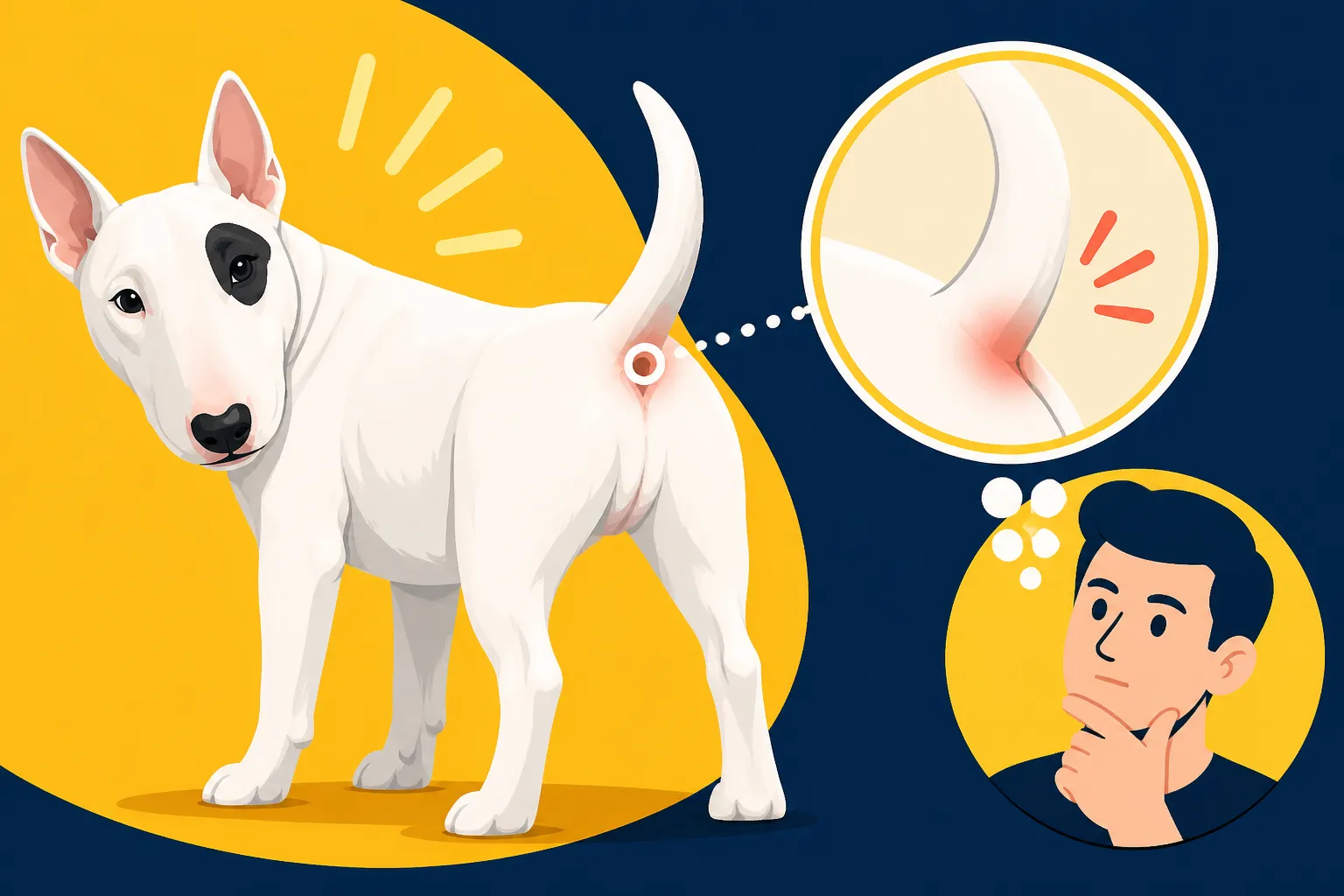
The term "Happy Tail" syndrome sounds almost charming, doesn't it? Like a whimsical ailment. In reality, it's anything but. "Happy Tail" is the affectionate, albeit misleading, term for a tail injury caused by a dog vigorously wagging its tail against hard surfaces. Think of it as repetitive trauma. For a Bull Terrier, with its powerful, muscular tail and often very short, coarse hair, it's a particular hazard.
Imagine your Bull Terrier greeting you at the door, thrilled to see you after a long day. Their tail is going like a metronome on overdrive, banging against the door frame, the wall, the coffee table leg, or even the bars of their crate. Because their tail lacks a thick, protective fur coat, the skin on the tip (and sometimes along the length) takes the brunt of this impact. It can lead to splits, cuts, and abrasions that bleed, sometimes quite profusely. And here's the kicker: because they continue to wag, even when it's bleeding, these wounds often struggle to heal, constantly reopening and becoming reinfected. It’s a vicious cycle of exuberant joy leading to injury, then injury preventing proper healing because the joy (and the wag) just can’t be contained. It’s truly heartbreaking to see, and the mess of blood on your walls and furniture can be startling for an unprepared owner.
Tail Tip Injuries and Splits
Beyond the full-blown "Happy Tail" syndrome, specific tail tip injuries are incredibly common in Bull Terriers. The very end of the tail, being the furthest point from the body and often the thinnest, is particularly vulnerable. It's like the little finger on your hand – always bumping into things. A tail tip can split open from a single forceful whack against a sharp corner or a hard floor. These aren't just superficial scrapes; these can be surprisingly deep, exposing raw tissue and making your Bull Terrier incredibly uncomfortable.
The challenge with these splits is that they’re in an area of constant motion. Every time your Bull Terrier wags, the skin pulls, preventing the wound from knitting together. Even if you manage to bandage it, the strong wagging can dislodge the bandage, leading to further trauma or contamination. This makes healing a prolonged and frustrating process for both you and your dog. You might notice small scabs that seem to disappear quickly, only to reappear with a tiny speck of blood, indicating the split hasn’t truly closed. It's a pain to manage, and it can sometimes become a chronic issue if not addressed proactively. You can find products designed to protect these areas, often available through retailers like Chewy or Amazon, but choosing the right one requires knowing exactly what you're up against.
Other Potential Tail Problems (Not Just Trauma)
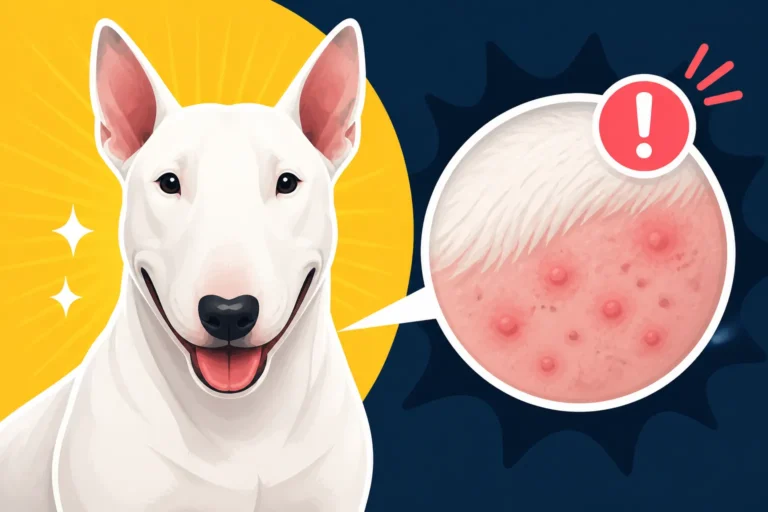
While Happy Tail and tail tip injuries are the most common concerns, a Bull Terrier's tail isn't immune to other issues. Just like the rest of A Bull Terrier's Skin Is Its Weakest Point, the skin on their tail can suffer from dryness, flakiness, or develop rashes. Allergies, whether environmental or food-related, can cause intense itchiness, leading your Bull Terrier to chew or lick at their tail excessively, which can then lead to secondary infections. If you notice your Bull Terrier obsessively gnawing at the base or along the length of their tail, don't just assume it's boredom; it could be a sign of underlying skin irritation. Whether a Bull Terrier Gets Skin Allergies can certainly extend to this area.
Less commonly, but still important to consider, are neurological issues or even underlying orthopedic problems that might manifest as changes in tail carriage or function. If your Bull Terrier suddenly holds their tail differently, seems to have lost control over its movement, or shows signs of pain without a visible injury, it’s always best to consult your veterinarian. Sometimes, an issue that seems like a simple skin irritation can be something more complex. Keeping a close eye on your Bull Terrier’s tail is just as important as monitoring other parts of their body, as it can be an early indicator of a wide range of health concerns.
The Importance of Routine Tail Checks and Prevention
The best defense against tail injuries and issues in your Bull Terrier is a good offense. That means regular checks and proactive prevention. It might feel like just one more thing on your long list of pet care tasks, but trust me, it’s far less stressful than dealing with a bloody, non-healing tail wound.
How to Perform a Weekly Tail Check
Incorporating a thorough tail check into your weekly routine, perhaps during your Bull Terrier's regular grooming session or even just when you're cuddling on the sofa, can make all the difference. Think of it as part of The Weekly Skin Check Every Bull Terrier Needs. Here’s how to do it:
First, visually inspect the entire length of the tail, especially the tip. Look for any redness, swelling, cuts, scabs, or bald patches. Bull Terriers have short coats, so any deviation from smooth, healthy skin should be noticeable. Pay close attention to the very tip, as this is the most common site of injury.
Next, gently run your hands along the tail from base to tip. Feel for any lumps, bumps, or areas that seem unusually warm. While doing this, watch your Bull Terrier's reaction. Do they flinch, pull away, or show any signs of discomfort? This could indicate a deeper bruise or fracture that isn't visible on the surface. Check for any discharge or foul odor, which could signal an infection.
Finally, observe their natural tail carriage and movement. Does it seem normal? Is your Bull Terrier holding it lower or stiffer than usual? Are they favoring one side? Any change in how they use their tail can be a subtle sign that something is amiss. Early detection is key to preventing minor issues from becoming major problems, and a quick weekly check can catch things before they escalate.
Preventing Tail Injuries in an Active Bull Terrier
Prevention is paramount when it comes to Bull Terrier tails. Given their enthusiastic nature and tendency for "happy tail," you need to think about their environment and routines. One of the simplest yet most effective steps is to ensure their living spaces are "tail-safe." If your Bull Terrier spends time in a crate, consider padding the inside. Many owners line crates with soft blankets or use crate covers, which can absorb some of the impact of a vigorous wag. Whether a Bull Terrier's Tail Should Be Protected in a Crate is definitely something to consider from day one.
Beyond crates, think about your home environment. Are there sharp corners on furniture? Hard walls in narrow hallways where they often greet you? Sometimes, simply rearranging furniture or using child-proof corner protectors can minimize impact zones. For really enthusiastic waggers, some owners have found success with specialized tail wraps or light protective sleeves that can be worn for short periods in high-risk situations (like during intense greeting rituals). You can often find these types of protective gear on pet supply sites like Amazon or Chewy. Teaching your Bull Terrier to settle calmly when guests arrive, or when you return home, can also help reduce the frantic wagging that leads to injury. It's not about stopping their joy, but about managing the expression of that joy safely. Even something as simple as providing enough appropriate exercise helps manage their overall energy levels, reducing the intensity of their explosive bursts of excitement. How Much Exercise a Bull Terrier Actually Needs can often impact how much energy they have to put into their tail wags!
| Tail Symptom | Potential Cause | Action to Take |
|---|---|---|
| Visible cuts, scrapes | Trauma (Happy Tail), self-mutilation | Clean, bandage, observe; Vet if deep or bleeding |
| Swelling, bruising | Blunt force trauma, infection | Cold compress, pain relief; Vet if severe |
| Licking/chewing | Itchiness (allergies, dry skin), pain, anxiety | Check for visible issues; Vet if persistent |
| Redness, rash, flakiness | Allergies, infection, dry skin | Hypoallergenic shampoo; Vet for diagnosis |
| Foul odor, discharge | Infection (bacterial, fungal) | Vet for diagnosis and antibiotics |
| Limpness, loss of movement | Trauma (fracture), nerve damage | Immediate vet visit |
| Tail held tucked/stiff | Pain, fear, discomfort | Observe other symptoms; Vet if no obvious cause |
| Bald patches | Licking, mites (Demodex), fungal infection | Vet for skin scraping and diagnosis |
When to Seek Veterinary Attention for Tail Issues
While minor scrapes might be something you can manage at home with a bit of first aid, there are definite red flags that scream "vet visit NOW." Ignoring serious tail injuries or persistent problems can lead to chronic pain, infection, and even more drastic interventions down the line.
Signs That Warrant an Immediate Vet Visit
It can be tough to know when to escalate a concern to a professional, especially with a breed as stoic as the Bull Terrier, who can sometimes mask pain surprisingly well. However, if you notice any of the following, don't hesitate:
- Profuse or uncontrolled bleeding: If the tail is gushing blood or bleeding heavily for more than a few minutes despite pressure, it's an emergency. Tail wounds can bleed a lot due to the blood supply in the area.
- Deep cuts or exposed tissue/bone: If you can see deeper layers of skin, muscle, or even bone, this is a serious injury that requires immediate veterinary attention to prevent infection and ensure proper healing.
- Extreme pain or lameness: If your Bull Terrier yelps, cries, or actively guards their tail, or if they are limping or refusing to move, they are in significant pain.
- Loss of tail function: If the tail is limp, dragging, or your Bull Terrier can't wag it normally, it could indicate nerve damage or a fracture.
- Persistent licking, chewing, or self-mutilation: While some licking is normal, if your Bull Terrier is constantly gnawing at their tail to the point of causing further injury, it needs professional intervention. This could be due to intense pain, severe itchiness, or behavioral issues.
- Signs of infection: Redness, swelling, heat, pus, or a foul odor coming from the tail are all indicators of an infection that needs antibiotics and professional care.
- Any change that doesn't improve: If you've been managing a minor issue at home for a couple of days and it's not getting better, or if it seems to be worsening, it's time for a vet check.
Remember, a Bull Terrier's tail isn't just cosmetic; it's an important part of their body. Prompt veterinary care can often prevent a small problem from becoming a much larger, more complicated one.
Managing and Treating Tail Injuries
When you bring your Bull Terrier in for a tail injury, your vet will first assess the severity of the wound. For minor cuts and abrasions, treatment might involve cleaning the wound thoroughly, shaving the surrounding hair (if any) to keep it clean, and applying a topical antibiotic ointment. A protective bandage will likely be applied to shield the wound from further trauma and contamination. However, bandaging a Bull Terrier's tail can be tricky; it needs to be secure enough to stay on despite vigorous wagging, but not so tight that it cuts off circulation. This is where professional application is really important.
For more severe "Happy Tail" injuries or deep splits, the approach might be more intensive. This could include sutures to close deep lacerations, oral antibiotics to combat infection, and pain medication to keep your Bull Terrier comfortable. In some chronic or extremely severe cases, especially where the tail tip repeatedly gets injured and fails to heal, your vet might even recommend a partial tail amputation (caudectomy) to remove the damaged section. This is always a last resort, of course, but it can be the kindest option for a Bull Terrier experiencing ongoing pain and bleeding. After treatment, strict rest and continued monitoring at home are crucial for healing. You might need to use an Elizabethan collar (the "cone of shame") to prevent your dog from licking or chewing at the bandage or wound, and follow-up vet visits will be necessary to ensure proper healing. It’s a dedicated process, but getting How to Treat a Bull Terrier's Happy Tail right means a healthier, happier Bull Terrier in the long run.
Long-Term Care and Living with a Tail-Prone Bull Terrier
Living with a Bull Terrier means accepting their spirited nature, and that often includes a tail that's seen a bit of action. Long-term care isn't just about reacting to injuries but creating an environment and lifestyle that minimizes risks and promotes overall health, including the health of that magnificent tail.
Diet and Supplements for Skin and Coat Health (Including Tail)
A healthy tail starts from the inside out. A balanced, high-quality diet plays a crucial role in maintaining strong skin, a robust immune system, and a healthy coat – all of which contribute to the tail's resilience. Look for dog foods that list a named animal protein as the first ingredient and contain a good balance of essential fatty acids, particularly Omega-3 and Omega-6. These fats are vital for skin barrier function and can help keep the skin supple and less prone to dryness and cracking.
Some owners also choose to supplement their Bull Terrier's diet with fish oil or other omega fatty acid supplements. Before adding any supplements, it's always best to chat with your vet to ensure it's appropriate for your individual dog, especially if they have any underlying health conditions. Brands like Ollie, known for their fresh, human-grade ingredients, often formulate their recipes with skin and coat health in mind, offering a good base for overall well-being. A diet that supports healthy skin can mean less irritation and less brittle skin on the tail, making it theoretically more resistant to the minor scrapes and bumps of daily life. Whether a Bull Terrier's Skin Improves With Diet is a common question, and the answer is often a resounding yes! A dog with good skin health is generally a dog with a healthier tail. Also, if there are concerns about specific deficiencies, such as zinc, your vet might recommend targeted supplements, as Whether a Bull Terrier Needs Zinc is sometimes a consideration for their skin health.
Adapting Your Home Environment
Making your home a "tail-friendly" zone is an ongoing process, especially if you have a particularly enthusiastic Bull Terrier. It's not about stifling their joy, but about subtly adjusting their surroundings to prevent injuries. Here are some practical tips:
- Crate Comfort: If your Bull Terrier is crated, ensure the crate is generously lined with soft bedding. Think about fitting a crate cover, not just for coziness, but to provide a softer bumper against enthusiastic wags. A heavy-duty crate, like those often needed for a powerful Bull Terrier, might have sharp edges or hard bars that can be particularly unforgiving. Which Crate Holds a Bull Terrier securely should also be one that protects them from themselves.
- Furniture Pads: Apply soft corner protectors to sharp furniture edges, especially coffee tables or end tables that sit at tail-wagging height.
- "Safe Zones": Identify areas where your Bull Terrier tends to wag most intensely (e.g., near the front door, by their favorite window) and try to keep these areas clear of hard, unyielding objects.
- Behavioral Adjustments: While you can't stop a Bull Terrier from being happy, you can work on training them to offer a calmer greeting. Teaching a "four on the floor" or a "place" command when people arrive can help channel their excitement away from destructive tail-waving. Consistency and positive reinforcement are key here. This also connects to training principles like How Quickly a Bull Terrier Puppy Learns the Door, aiming for controlled excitement rather than chaotic greetings.
By being mindful of their environment and offering positive alternatives, you can significantly reduce the risk of tail injuries, saving yourself a lot of worry and your Bull Terrier a lot of discomfort. It's all about making small, smart adjustments for their long-term well-being.
Disclaimer
This article is for general informational purposes only and does not constitute professional advice. Laws, prices and regulations vary by location and change over time. Consult a qualified professional for guidance on your specific situation.