Which Brush Suits a Bull Terrier
The idea that a Bull Terrier, with its seemingly short, smooth coat, doesn't need much in the way of grooming is a misconception I hear all too often. Many new owners, drawn in by that iconic profile, quickly discover that their Bull Terrier sheds, has surprisingly sensitive skin, and definitely benefits from regular brushing. The frustration sets in when you realize your "easy-care" dog is leaving fine white hairs on every dark surface, or worse, developing skin irritations. This guide is here to cut through the confusion and help you choose the right tools and techniques to keep your Bull Terrier's coat healthy, shiny, and manage that shedding, making grooming a pleasant experience for both of you.
Understanding the Bull Terrier Coat: More Than Just "Short Hair"
It's easy to look at a Bull Terrier and think, "Oh, a short-haired dog, no big deal!" But the reality of their coat, while certainly less demanding than a fluffy Golden Retriever, comes with its own set of nuances that impact how you groom them and what tools you'll need. Their smooth, tight coat is part of their charm, but it's also a key player in their unique grooming needs.
The Unique Texture and Density of a Bull Terrier's Coat
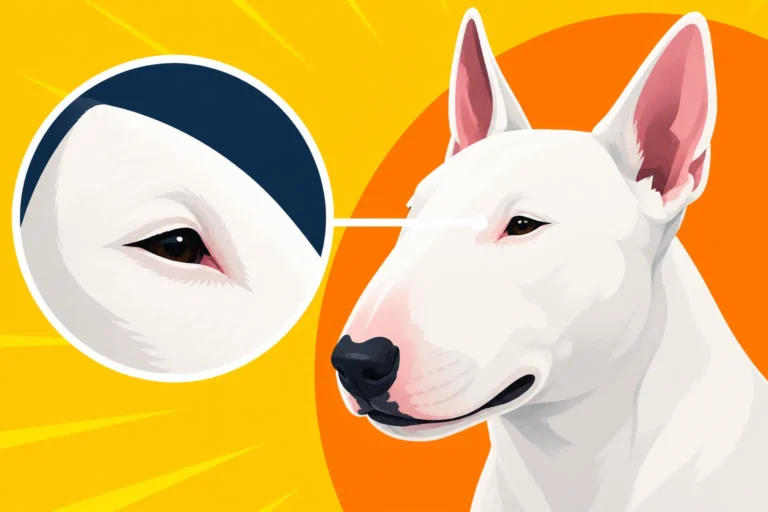
A Bull Terrier's coat is often described as harsh to the touch, or coarse, rather than silky soft. It's short, flat-lying, and quite dense, even without a noticeable undercoat for much of the year. This dense, wiry texture means that when hairs do shed, they tend to stick to fabrics like tiny, stubborn needles. It’s not like a fluffy cloud of hair you can easily vacuum; these hairs embed themselves. You might notice this more if you have dark furniture or clothes, where those shed hairs, especially from a white Bull Terrier, really stand out. Understanding this texture is the first step in choosing a brush that can effectively grab and remove those loose hairs without irritating their skin. Many traditional brushes designed for longer coats simply glide over a Bull Terrier's dense, short fur without achieving much. This is also why Why a Bull Terrier's Coat Feels Harsh can be a bit of a surprise to new owners expecting something softer.
How a Bull Terrier's Coat Contributes to Shedding
Despite their short hair, Bull Terriers are consistent, year-round moderate to heavy shedder. They might not blow their coat in dramatic clumps like a Husky, but they continuously release a steady stream of individual hairs. This shedding often ramps up during seasonal changes, particularly in spring as they shed their denser winter coat. The problem isn't the volume of hair so much as its persistent nature and how it adheres to everything. You'll find it on your clothes, your sofa, your car seats, and probably even in your morning coffee if you're not careful! Without regular brushing, these shed hairs accumulate, not only making your house look like a Bull Terrier exploded in it, but also potentially leading to skin issues for your dog. Those dead hairs can trap dirt and skin oils, creating an environment ripe for irritation. To understand more about this, it's worth reading How Much a Short Coated Bull Terrier Actually Sheds.
The Delicate Nature of Bull Terrier Skin Underneath
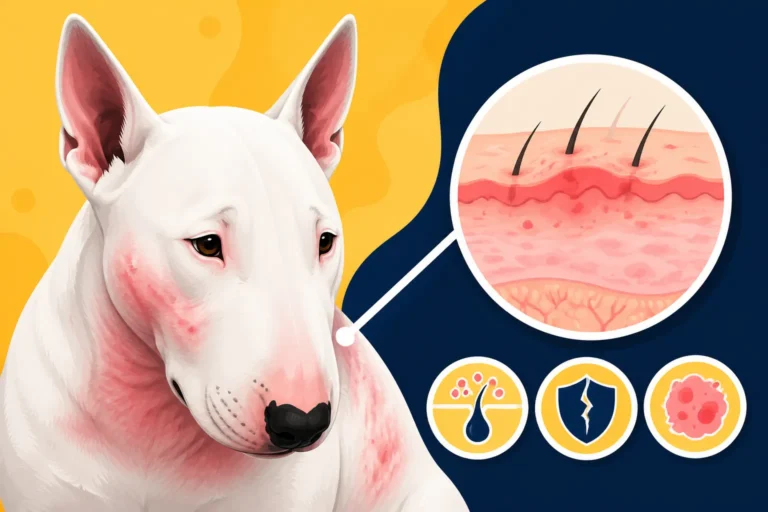
Beneath that tough, short coat lies skin that can be surprisingly sensitive and prone to issues. Bull Terriers, especially white ones, are known for having delicate skin. They can be susceptible to allergies, hot spots, sunburn, and other dermatological concerns. A Bull Terrier's Skin Is Its Weakest Point is not an exaggeration. This sensitivity is a critical factor when selecting grooming tools. A brush that's too harsh or used with too much pressure can easily scratch, irritate, or even break the skin, leading to discomfort or secondary infections. You need brushes that are effective at removing loose hair and stimulating circulation, but gentle enough to respect their delicate dermal layer. Regular inspection of their skin during brushing is crucial. If you spot any redness, bumps, or flaking, it’s a sign to re-evaluate your tools and technique, and potentially consult your vet.
The Core Brushing Tools for a Bull Terrier
When it comes to grooming your Bull Terrier, you don't need an arsenal of fancy equipment. A few key tools, used correctly, will make all the difference in managing their coat and keeping their skin healthy. These are the workhorses of the Bull Terrier grooming kit.
Rubber Curry Brushes and Grooming Mitts: The Everyday Heroes
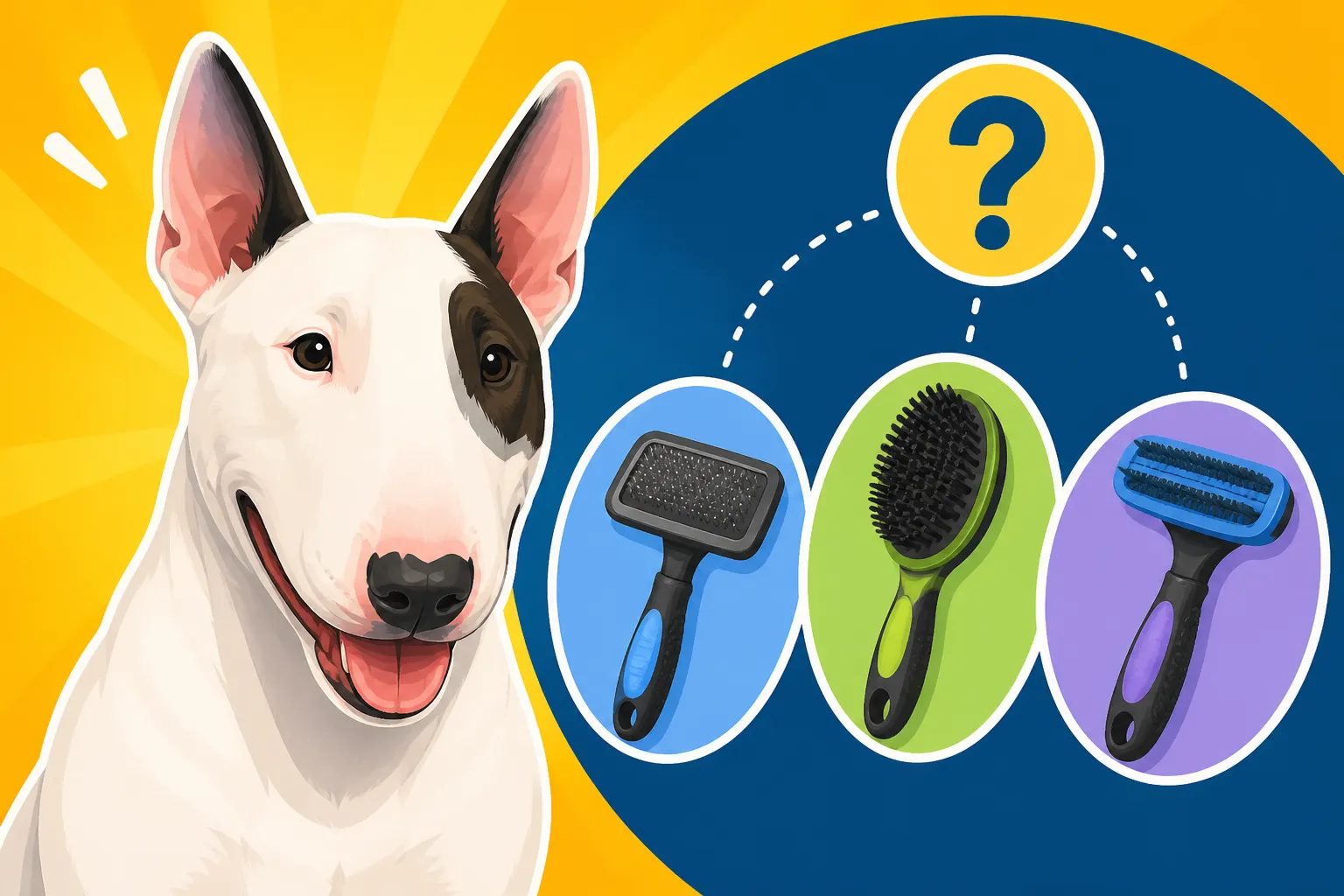
For a Bull Terrier, a good quality rubber curry brush or grooming mitt is your absolute best friend. These tools are designed perfectly for their short, dense coat. The rubber nubs effectively grab loose, dead hairs without pulling on healthy ones or scratching the skin. When you use a rubber curry, it also provides a wonderful massage that stimulates blood circulation, which is great for skin health, and helps distribute natural oils throughout their coat, promoting a healthy shine. My personal preference is often a grooming mitt that you wear on your hand, because it allows for a more natural petting motion, which most Bull Terriers adore. It feels like a luxurious spa treatment to them, rather than a chore. You can easily find excellent options for rubber curry brushes and mitts on platforms like Amazon or Chewy, often with ergonomic designs that make them comfortable for you to use. These are ideal for daily or every-other-day brushing sessions to keep shedding under control and their coat looking its best.
Bristle Brushes: For Shine and Finishing Touches
While the rubber curry does the heavy lifting, a natural bristle brush, or a softer synthetic bristle brush, comes in handy for the finishing touches. These brushes have densely packed bristles that are typically softer than the nubs on a curry brush. They excel at smoothing the coat, removing any lingering dust or fine particles, and enhancing that signature Bull Terrier shine. Think of it as polishing their coat after you've removed the bulk of the loose hair. A bristle brush also gently massages the skin and helps spread those natural oils. It's not the primary deshedding tool, but it's excellent for daily maintenance and for giving their coat a beautiful luster. When choosing one, look for bristles that aren't too stiff or sharp, to ensure it’s comfortable for your Bull Terrier's sensitive skin.
Fine-Toothed Combs: Handling Loose Undercoat and Debris
Despite popular belief, some Bull Terriers can develop a fine, wispy undercoat, especially in colder climates or during winter. This might not be obvious until you try to comb it out. A fine-toothed comb, often called a flea comb, can be surprisingly effective at catching these sparse, shedding underhairs that the curry brush might miss. It's also invaluable for meticulously checking for fleas, ticks, or any small skin abnormalities during your The Weekly Skin Check Every Bull Terrier Needs. Run the comb gently through their coat, especially along the back and flanks, and you might be surprised at how much fine fluff it catches. Be extra careful when using a metal comb, as its teeth can be sharp. Always use light pressure and go slowly, especially over bony areas or any spots where their skin might be more exposed. This isn't a tool for vigorous raking; it's for precision work and inspection.
| Brush Type | Best Use Case | Pros | Cons |
|---|---|---|---|
| Rubber Curry Brush | Daily shedding, massage, circulation, oil spread | Gentle, effective on short coats, dogs often enjoy it | May not remove deepest undercoat (if present) |
| Grooming Mitt | Daily shedding, bonding, gentle skin stimulation | Feels like petting, easy to use, great for sensitive dogs | Less aggressive hair removal than some curry brushes |
| Bristle Brush | Polishing, shine, removing fine dust, distributing oils | Creates a glossy finish, gentle massage | Not effective for primary deshedding |
| Fine-Toothed Comb | Detecting fleas/ticks, sparse undercoat, skin check | Precision, good for inspection | Can be harsh if used incorrectly, not for general brushing |
Specialty Brushes for Bull Terrier Grooming Challenges
While the core tools handle most of a Bull Terrier's grooming needs, there are a few specialized options that can be incredibly helpful for particular challenges or situations. These aren't necessarily everyday tools but can be invaluable when the circumstances call for them.
Deshedding Tools: Managing Seasonal Sheds (with caution)
Ah, the deshedding tool – often a double-edged sword for short-coated breeds. Tools like a specialized shedding blade or even a very carefully used FURminator (or similar brand available on Chewy or Amazon) can be incredibly effective at removing large amounts of loose, dead hair quickly, especially during those heavy seasonal sheds. However, and this is a big however, they must be used with extreme caution on a Bull Terrier. Their short, dense coat and delicate skin mean that over-use or improper technique can lead to serious skin irritation, brush burn, or even damage to the healthy topcoat.
My advice? If you choose to use one, do so sparingly – perhaps once or twice a week during peak shedding season, and only for short sessions. Use very light pressure, keeping the tool almost parallel to their body, and pay close attention to your dog's reaction. If you see any redness, or if your Bull Terrier shows signs of discomfort, stop immediately. These tools are designed to pull hair, and a Bull Terrier doesn't have the protective layer of a thick undercoat, so their skin is more exposed to potential irritation.
Static and Sensitive Skin Solutions
Winter months or very dry climates can often lead to static electricity in a Bull Terrier's coat, making grooming a crackling, uncomfortable experience. This is especially true after a bath if their skin isn't properly moisturized. For these situations, a specialized anti-static grooming spray can be a lifesaver. You can lightly mist their coat before brushing to reduce static and make the process more comfortable for both of you. Some sprays also contain conditioners that add moisture back into the skin and coat, which is a huge plus for sensitive Bull Terrier skin.
For Bull Terriers with ongoing skin sensitivities or allergies, choosing the right brush is just one part of the puzzle. Consider a brush with extremely soft, rounded tips or even a plush grooming glove made of microfiber. The goal is to be as gentle as possible. If your Bull Terrier struggles with What a Bull Terrier Is Most Often Allergic To, a gentle grooming routine with minimal friction is paramount to avoid exacerbating skin conditions.
Brushes for Dirt, Mud, and Outdoor Adventures
Bull Terriers are active, curious dogs who love to explore, which often means getting into dirt, mud, or burrs. While a bath is sometimes unavoidable, a good utility brush can save you from a full wash after every adventure. A stiff-bristled brush, perhaps one with short, sturdy synthetic bristles, can be excellent for dislodging dried mud, loose dirt, and even some burrs from their coat before they track it all through your house. This type of brush is used to physically knock off debris, rather than to deshed.
Keep a dedicated "outdoor brush" by the door or in your car for post-adventure clean-ups. For those really sticky situations, like mud caked deep into their short fur, a damp washcloth followed by a good rub-down with a rubber curry brush can often do the trick before the dirt dries and hardens. This practice helps keep them clean and reduces the frequency of full baths, which can sometimes dry out sensitive Bull Terrier skin if done too often.
Beyond the Brush: Enhancing Your Bull Terrier's Coat Health
While brushing is undeniably important, a healthy, shiny coat isn't just about the tools you use. It's a reflection of your Bull Terrier's overall health, and several other factors play a huge role in keeping their skin and fur in top condition. Ignoring these elements can lead to frustrating grooming challenges, no matter how good your brush is.
The Role of Diet in a Healthy Coat
You truly are what you eat, and the same goes for your Bull Terrier. A high-quality diet is the absolute foundation of a healthy coat and skin. Look for dog foods that list a named meat source as the first ingredient and contain healthy fats like omega-3 and omega-6 fatty acids, often found in fish oils or flaxseed. These fatty acids are crucial for skin barrier function and coat luster. If your Bull Terrier's coat seems dull, dry, or their skin is flaky, the first place to look is their bowl.
Supplements, like fish oil, can also work wonders for many Bull Terriers. You can find high-quality fish oil supplements specifically formulated for dogs on Chewy or Amazon. Just a daily drizzle over their food can significantly improve skin hydration and coat shine. However, always discuss any major dietary changes or supplements with your vet, especially if your Bull Terrier has other health concerns. They can help you determine if Whether a Bull Terrier's Skin Improves With Diet is the right path for your specific dog.
Bathing Practices and Choosing the Right Shampoo
Bathing a Bull Terrier isn't typically an everyday affair, nor should it be, especially given their sensitive skin. Over-bathing can strip their skin of natural oils, leading to dryness, itchiness, and irritation. Generally, a bath every 4-6 weeks is sufficient, or as needed if they've gotten particularly dirty. The key is to use the right products.
When choosing a shampoo, prioritize formulas specifically designed for sensitive skin, hypoallergenic properties, or those containing soothing ingredients like oatmeal or aloe vera. Avoid harsh detergents, strong fragrances, or artificial dyes, as these can easily trigger skin reactions. Which Shampoo Suits a Bull Terrier's Skin is incredibly important. After bathing, make sure to rinse thoroughly – any shampoo residue left on the skin can cause irritation. Gently towel dry, and if your Bull Terrier tolerates it, a cool-to-warm setting on a hairdryer can speed up the process, but always be mindful not to overheat their skin.
Environmental Factors and Skin Irritations
Beyond diet and bathing, your Bull Terrier's environment plays a significant role in their skin and coat health. Common irritants can include pollens, dust mites, certain cleaning products, and even some types of bedding. If you notice your Bull Terrier scratching or developing hot spots, it's worth considering what environmental factors might be at play. For instance, Why Grass Makes a Bull Terrier Itch for some sensitive individuals.
Regularly washing their bedding with a gentle, unscented detergent can help reduce allergen buildup. Keeping your home clean and vacuumed can also minimize dust mites. For outdoor activities, consider rinsing their paws and belly after walks, especially if they've been in tall grass or areas treated with chemicals. Sunburn is also a very real concern for white Bull Terriers, who have pink, unpigmented skin. Providing shade and even applying dog-safe sunscreen to exposed areas like their nose and ear tips can prevent painful burns and long-term skin damage.
Brushing Techniques: Making Grooming a Positive Experience
Grooming your Bull Terrier should be a time for bonding and positive interaction, not a wrestling match. With their strong personalities and sometimes stubborn streaks, approaching grooming with patience and positive reinforcement is key to ensuring they tolerate, and even enjoy, the process.
Introducing the Brush to a Bull Terrier Puppy
Starting early is paramount. As soon as you bring your Bull Terrier puppy home, begin introducing them to the brush. Keep sessions short, literally just a few seconds at first. Let them sniff the brush, touch it to their body gently, and immediately reward with a high-value treat and praise. Don't try to actually "brush" at this stage; just associate the brush with good things.
As they get more comfortable, gradually increase the duration of the brushing and start making gentle strokes with a soft rubber curry mitt. Always brush in the direction of hair growth, never against it, to avoid pulling or irritating the skin. If your puppy tries to mouth the brush, redirect them to a chew toy. Consistency is more important than length of session in these early stages. Building a positive foundation now will save you a lot of headaches as they grow older and stronger. Remember, Bull Terriers can be opinionated, and a bad early experience can lead to a lifelong aversion to grooming.
Establishing a Regular Grooming Routine
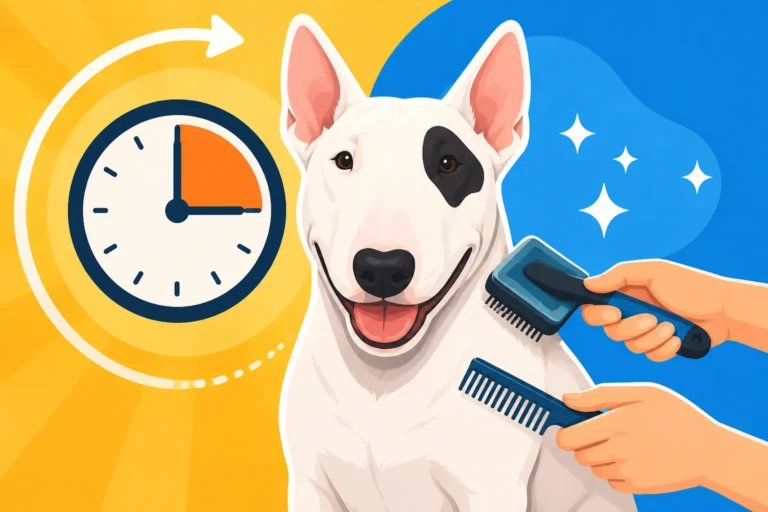
Once your Bull Terrier is comfortable with the brush, establish a consistent routine. For most Bull Terriers, two to three times a week is ideal for managing shedding and maintaining skin health. During peak shedding seasons, you might even find yourself brushing daily. Choose a time when your Bull Terrier is calm and relaxed, perhaps after a good walk or a play session when they're a bit tired.
Find a comfortable spot – on the floor, on a raised grooming table if they're trained for it, or even just sitting on the couch with you. The consistency of the time and place can help signal to your Bull Terrier what's expected. Make it a peaceful ritual. Talk to them in a soothing voice, offer gentle praise, and use the opportunity to perform your How Often a Bull Terrier's Ears Need Checking or a quick dental check. Over time, this routine becomes a predictable and enjoyable part of their life.
Making Grooming Fun and Rewarding
For a Bull Terrier, who always needs to see the point in something, making grooming enjoyable is crucial. Integrate treats, praise, and even favorite toys into your brushing sessions. Keep high-value treats handy and offer them frequently throughout the session, especially when they remain still or tolerate a more sensitive area being brushed.
If your Bull Terrier gets restless, take a short break, engage in a quick game, then return to brushing. Don't force them or make it a battle, as this can create negative associations. You want them to view the brush as a precursor to treats or cuddles, not punishment. If you have an older Bull Terrier who is suddenly averse to grooming, consider if there's any discomfort. Sometimes, pain from conditions like arthritis (especially as they enter The Age a Bull Terrier Is Considered Senior) can make them sensitive to touch. Always end on a positive note, even if it's just one last brush stroke followed by a jackpot of treats and affection. This reinforces the idea that grooming is a good thing and builds a stronger bond between you.
When to Seek Professional Grooming Advice for Your Bull Terrier
While regular home grooming is essential, there are times when a professional's eye or a veterinarian's expertise becomes necessary. Recognizing these moments can prevent minor issues from escalating into major problems for your Bull Terrier's health and comfort.
Recognizing Persistent Skin or Coat Issues
You're the one who sees your Bull Terrier every day, and you're the first line of defense against health issues. If, despite consistent grooming and a good diet, you're noticing persistent skin problems such as excessive itching, redness, flaky patches, sores, unusual lumps, or changes in hair growth (like bald spots), it's time to consult your veterinarian. These can be signs of underlying medical conditions, including allergies, infections (bacterial, fungal, or parasitic), hormonal imbalances, or even more serious dermatological diseases. Demodectic Mange in a Bull Terrier is one such condition that requires veterinary diagnosis and treatment.
A professional groomer might also be able to spot subtle changes you've missed, especially if they have experience with the Bull Terrier breed. They can offer insights on medicated shampoos or topical treatments if recommended by your vet. Don't try to self-diagnose or treat persistent skin issues, as this can often make things worse.
Dealing with Anxiety or Aggression During Grooming
Some Bull Terriers, despite your best efforts, might develop significant anxiety or even aggression around grooming. This isn't just a matter of stubbornness; it could stem from past negative experiences, pain, or simply a deeply ingrained aversion. If your Bull Terrier growls, snaps, tries to bite, or becomes excessively stressed during grooming, it’s a clear signal that you need help. Trying to force the issue can erode your bond and even be dangerous for you.
In these situations, it's wise to consult with a professional dog trainer specializing in positive reinforcement, or a certified veterinary behaviorist. They can help you identify the root cause of the behavior and develop a desensitization and counter-conditioning plan to gradually change your Bull Terrier's emotional response to grooming tools and handling. Sometimes, a gentle groomer who understands canine behavior can work wonders, especially if they use techniques that build trust and minimize stress.
Consulting a Dermatologist or Holistic Vet
For complex or chronic skin and coat issues that don't respond to general veterinary treatment, your vet might recommend a referral to a veterinary dermatologist. These specialists have advanced training in skin conditions and can perform more in-depth diagnostics, such as biopsies, specialized allergy testing, or specific cultures, to pinpoint the exact problem. They can then develop a highly tailored treatment plan, which might involve prescription medications, specialized diets, or immunotherapy.
Alternatively, some owners find success with holistic veterinarians who take a broader approach to health, considering diet, environment, stress levels, and natural remedies alongside conventional treatments. They might explore options like specific supplements or dietary changes beyond what a general vet might suggest. For a Bull Terrier that constantly struggles with skin issues, exploring all avenues can be incredibly beneficial for their comfort and long-term well-being. This might involve diving deep into topics like Whether a Bull Terrier's Skin Improves With Diet with a specialist.
Disclaimer
This article is for general informational purposes only and does not constitute professional advice. Laws, prices and regulations vary by location and change over time. Consult a qualified professional for guidance on your specific situation.