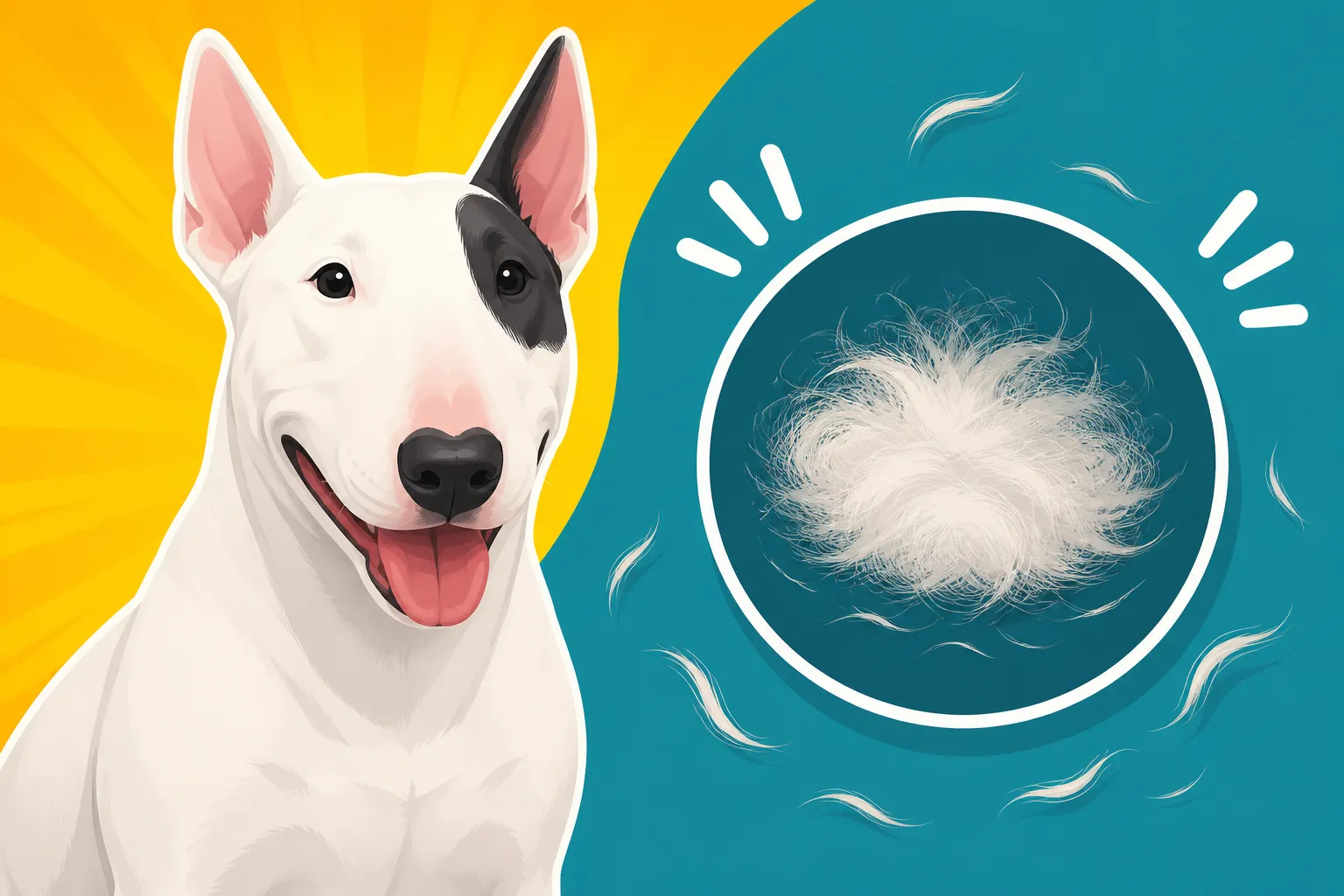
How Much a Short Coated Bull Terrier Actually Sheds
You might look at that sleek, short Bull Terrier coat and think, "Ah, finally, a dog that won't shed much!" It's a common misconception, and many new Bull Terrier owners are quickly surprised by the reality. While their hair might not float around in fluffy tumbleweeds, these sturdy, egg-headed companions are far from shed-free. This comprehensive guide will help you understand the unique nature of their coat, the shedding patterns you can expect, and practical strategies to keep your home from becoming a furry landscape.
Understanding the Bull Terrier Coat
The Bull Terrier’s coat is quite distinctive, just like their unique appearance. It’s short, dense, and feels coarse to the touch, providing a protective layer without being overly thick or fluffy. Many people assume that a short-coated dog automatically means minimal shedding, and while it's true you won't be finding long strands tangled in your carpet, the short, stiff hairs come with their own set of challenges. This section will delve into the characteristics of their coat and why its brevity doesn't translate to a hair-free home.
The Anatomy of a Bull Terrier's Coat
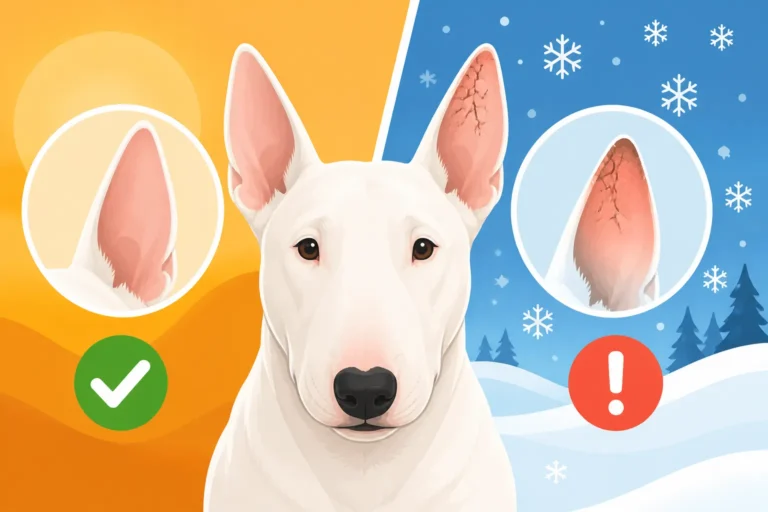
A Bull Terrier’s coat is typically described as short, flat, harsh to the touch, and glossy. Unlike many breeds, they usually lack a dense undercoat, which is often what contributes to the massive seasonal "blow-outs" seen in double-coated dogs like Huskies or German Shepherds. This single coat is designed for durability and protection rather than insulation, making them susceptible to cold weather. The hair itself is quite fine but also very strong, and its shortness means it often gets woven deeply into carpets, upholstery, and clothing rather than sitting on the surface.
This particular coat characteristic is where the surprise often lies for new owners. You see the smooth, almost painted-on look of their coat, especially if you have a white Bull Terrier, and assume grooming will be a breeze and shedding negligible. However, every single hair on that sleek body has a life cycle, and when it reaches its end, it detaches. Because these hairs are short and light, they don't always clump together; instead, they become airborne or embed themselves into fabrics, making them surprisingly tenacious to remove. This is a common point of frustration, as you might brush them and still find hairs everywhere.
Why a Short Coat Still Sheds
It's a biological fact that all dogs with hair shed; it's part of the natural hair growth cycle. Each hair follicle goes through phases: anagen (growth), catagen (transition), and telogen (rest), followed by exogen (shedding). Even though Bull Terriers have short hair, these cycles are still occurring across their entire body, all the time. The perceived "minimal shedding" is often in comparison to long-haired breeds, but it doesn't mean no shedding. In fact, a short, stiff hair can be more problematic than a long, soft one when it comes to removal from fabrics.
Think of it this way: a long hair might sit on the surface and be easily vacuumed or picked up with a lint roller. A short Bull Terrier hair, however, acts almost like a tiny needle, embedding itself into the weave of your sofa, car seats, or favorite sweater. It’s not about the quantity of hair lost in total, but the type of hair and how it integrates itself into your living space. This is why many owners will tell you that while a Bull Terrier doesn't leave huge clumps, they leave a pervasive, hard-to-remove layer of fine, stiff hairs that seem to defy gravity and cling to everything. How Much a Bull Terrier Sheds goes into more detail about this.
Comparing to Other Short-Coated Breeds
While the Bull Terrier sheds, it’s worth noting that the experience can differ even among other short-coated breeds. For example, a Boxer or a Great Dane might shed a similar volume of short hairs, but the Bull Terrier's hair often has a slightly coarser texture that can make it particularly clingy. Breeds like the Dalmatian, known for their short, white coats, also shed persistently, and their hairs can be equally difficult to remove from dark fabrics. Conversely, some short-coated breeds, like certain Pointers, might have a finer, softer hair that is less prone to embedding.
The unique combination of the Bull Terrier’s coarse, short, single coat means they are constant, rather than seasonal, shedders. You won't typically see dramatic changes in coat density or texture throughout the year, but rather a steady, low-level release of hair that can ramp up at certain times. This consistency means that a proactive grooming routine is essential, rather than waiting for a "shedding season" to kick in. Understanding this distinction helps in managing expectations and setting up an effective strategy for hair control, rather than being constantly surprised by the ever-present fur.
The Shedding Cycle: It's Not Always What You Think
Many dog owners are familiar with the concept of "shedding season" where their furry companions seem to lose half their body weight in hair. While some breeds certainly have pronounced seasonal sheds, the Bull Terrier’s shedding pattern is a bit different. It’s less about dramatic seasonal changes and more about a consistent, year-round process, with some noticeable fluctuations. Understanding this cycle is key to managing the hair in your home and keeping your Bull Terrier comfortable.
Constant, Low-Level Shedding
The truth is, your Bull Terrier is shedding almost all the time. Every single hair follicle on their body is on its own individual timeline, growing, resting, and eventually falling out to make way for new growth. Because they have a single, relatively short coat without a dense underlayer, you won't often see large tufts or mats of hair coming off. Instead, it’s a constant, low-level release of individual hairs. These hairs, being short and stiff, have a knack for working their way into fabrics, making them hard to spot until you're covered in them.
This continuous shedding means that if you wait too long between brushing sessions, you're essentially allowing all that loose hair to accumulate on your dog, only for it to transfer to your couch, clothes, or floor. Regular, even daily, grooming can make a significant difference in collecting these hairs before they migrate. It’s not glamorous, but it’s the reality of living with a Bull Terrier. Ignoring it only means more time spent with a lint roller and vacuum later on.
Seasonal Shedding Surges
While Bull Terriers don't experience the dramatic "coat blow" of many double-coated breeds, they do have periods where shedding intensifies. You'll likely notice an increase in shedding during spring as they lighten their coat for warmer weather, and again in the autumn as they prepare for winter. Even though their coat isn't thick, these minor seasonal adjustments are still a biological response to changes in temperature and daylight hours. During these times, that "low-level" shedding can feel quite a bit higher.
During these seasonal surges, you might find yourself needing to brush your Bull Terrier more frequently – perhaps every other day, or even daily, to keep up. This is also when products designed specifically for "deshedding" can be particularly helpful. Don't be surprised if your usually manageable amount of hair suddenly seems overwhelming; it's a normal part of their biological rhythm. Just be consistent with your grooming, and the surge will eventually pass, returning to the usual constant hum of hair loss. How Much a Bull Terrier Sheds in Spring can give you more insights here.
Puppy Coat Changes
When you first bring home a Bull Terrier puppy, their coat might be incredibly soft and fine. You might even think, "Oh, this won't be bad at all!" However, just like human babies, puppies undergo a coat change as they mature. This transition typically happens between 6 months and a year of age, as their softer puppy fluff gives way to the coarser, denser adult coat. During this period, you can expect an increase in shedding as the old coat is replaced by the new.
This isn't usually a dramatic, alarming event, but rather a gradual increase in the amount of hair you find around the house and on your puppy. It's a perfectly normal developmental stage. This transition period is an excellent time to get your puppy accustomed to regular grooming routines, including brushing and bathing. Establishing positive associations with these activities now will make managing their adult shedding much easier down the line, saving you and your Bull Terrier a lot of stress in the future.
Factors Influencing Bull Terrier Shedding
Shedding isn't just a random act; it's often influenced by a variety of factors, both internal and external. Understanding these can help you pinpoint if your Bull Terrier's shedding is normal or if something else might be at play. From what you feed them to their overall health, many elements contribute to the condition of their coat and how much hair they're losing.
Diet and Nutrition's Role
What you feed your Bull Terrier plays a massive role in the health of their skin and coat, and by extension, their shedding levels. A diet rich in high-quality protein, essential fatty acids (like Omega-3 and Omega-6), and vitamins can lead to a healthier, shinier coat with less excessive shedding. Conversely, a diet lacking in these vital nutrients can result in a dull, brittle coat that sheds more heavily, sometimes even in patches, and can lead to A Bull Terrier's Skin Is Its Weakest Point. Poor nutrition essentially weakens the hair follicles, making them more prone to breakage and premature shedding.
Many owners opt for premium kibble specifically formulated for skin and coat health, often found on sites like Chewy, which lists ingredients beneficial for hair. Some even explore fresh food options, like those offered by Ollie, believing that a less processed diet can significantly improve coat condition and reduce shedding. It's not just about stopping shedding entirely, which isn't possible, but about ensuring your Bull Terrier's coat is as healthy as it can be. If you notice a sudden increase in shedding that isn't seasonal, evaluating their diet is often the first place to start. A good quality food supports strong hair growth, which means less breakage and a healthier shedding cycle.
Health and Skin Conditions
Sometimes, increased shedding or patchy hair loss isn't just about the natural cycle; it can be a red flag for an underlying health or skin condition. Bull Terriers, while generally robust, are prone to certain skin sensitivities and allergies that can manifest as excessive shedding, itching, redness, or bald spots. Conditions like allergic dermatitis (environmental, food, or flea allergies), bacterial or yeast infections, or even parasitic infestations like mites (demodectic mange) can cause significant coat issues. Whether a Bull Terrier Gets Skin Allergies delves into this in depth.
Hormonal imbalances, such as hypothyroidism, can also lead to a dull coat, thinning hair, and increased shedding. Stress or anxiety can sometimes contribute to shedding, as can certain medications. If your Bull Terrier's shedding seems excessive, is accompanied by itching, redness, skin lesions, or changes in coat texture, or if you notice distinct bald patches, it's crucial to consult your veterinarian. They can perform tests to rule out medical issues and recommend appropriate treatment, because sometimes what seems like "just shedding" is actually a symptom of something more serious.
Environmental and Hormonal Factors
Beyond diet and health, environmental and hormonal factors can also play a role in how much your Bull Terrier sheds. Dogs that spend a lot of time indoors, especially in temperature-controlled environments, may shed more consistently year-round because their bodies aren't experiencing the distinct seasonal cues (like changes in temperature and daylight hours) that regulate shedding in outdoor dogs. This can make seasonal shedding less pronounced, but continuous shedding more noticeable.
Hormonal changes, particularly those associated with spaying or neutering, can also affect coat texture and shedding. Some dogs develop a softer, thicker coat post-spay/neuter, which might shed differently. Pregnancy and lactation also cause significant hormonal shifts that can lead to temporary, often heavy, shedding in female dogs. Furthermore, stress, whether from a new environment, routine changes, or separation anxiety, can sometimes trigger increased shedding. Observing these external and internal shifts can help you anticipate and manage your Bull Terrier’s shedding patterns more effectively.
Managing the Shed: Tools and Techniques
Living with a Bull Terrier means accepting a certain amount of hair will be part of your life. However, "accepting" doesn't mean "resigning yourself." There are many effective tools and techniques you can employ to significantly reduce the amount of loose hair making its way onto your furniture and clothes. Proactive grooming is your best defense, and consistency is key.
The Best Brushes for a Bull Terrier's Coat
Choosing the right brush is paramount for a Bull Terrier's short, stiff coat. You won't need anything too elaborate, but certain tools are far more effective than others at loosening and removing those stubborn short hairs.
- Rubber Curry Brush or Grooming Mitt: These are absolute champions for Bull Terriers. The rubber nubs gently massage the skin, stimulating circulation and bringing loose hairs to the surface, which then cling to the rubber. They're also great for bath time, helping to work shampoo through the coat. Brands like Kong and Furminator offer excellent rubber brushes, readily available on Amazon.
- Slicker Brush (soft bristle): While primarily used for longer coats, a soft-bristle slicker brush can be used gently to smooth the coat and remove fine surface hairs after a curry brush has done the heavy lifting. Avoid stiff-bristled slickers, as they can be too harsh on their sensitive skin.
- Deshedding Tools: Tools specifically designed to remove undercoat or loose topcoat can be surprisingly effective on Bull Terriers, despite their lack of a traditional undercoat. The Furminator Short Hair Deshedding Tool, for instance, has a fine-toothed edge that can gently rake out loose, dead hairs without cutting the healthy coat. Use these sparingly and gently, as over-use can irritate the skin.
The key is regular brushing. Even a quick 5-10 minute session every other day, or daily during peak shedding, can dramatically reduce the amount of hair around your home. Establish a routine and make it a positive experience for your Bull Terrier with treats and praise.
| Grooming Tool | Best Use for Bull Terriers | Frequency | Pros | Cons |
|---|---|---|---|---|
| Rubber Curry Brush / Mitt | Daily loosening of dead hair, bath time | Daily to every other day | Gentle, massages skin, effective for short hair | May not get all embedded hairs |
| Soft Slicker Brush | Smoothing coat, removing surface dust | As needed, after curry | Creates shine, gentle on skin | Less effective for deep shedding |
| Deshedding Tool (e.g., Furminator) | Removing deeply embedded loose hairs | Once a week (or less) | Highly effective for shedding reduction | Can irritate skin if overused or too firm |
| Lint Roller / Damp Cloth | Quick clean-up on furniture/clothing | As needed | Instant results for surface hair | Doesn't address root cause, consumable |
Bathing for Shedding Control
Bathing can be an incredibly useful tool in your shedding management arsenal. A good bath helps to loosen dead hair and allows you to rinse it away before it ends up on your sofa. However, finding Which Shampoo Suits a Bull Terrier's Skin is important due to their propensity for skin sensitivities. Look for shampoos designed for sensitive skin, hypoallergenic formulas, or those enriched with oatmeal or aloe.
Aim for a bath every 4-6 weeks, or more frequently during heavy shedding periods, but be mindful not to over-bathe, as this can strip natural oils and dry out their skin, potentially leading to more shedding or irritation. During the bath, use your rubber curry brush to really work the shampoo through their coat and physically remove as much loose hair as possible. Rinse thoroughly to prevent any residue that could irritate their skin. After the bath, a quick blow dry on a cool setting (if your Bull Terrier tolerates it) can also help to blast away any remaining loose hairs before they air dry and scatter.
Deshedding Strategies and Products
Beyond regular brushing and bathing, there are a few other strategies and products that can help. Firstly, consistency is key. A little bit of grooming often is far more effective than one long, intense session every few weeks. Make it a bonding experience, not a chore.
- Deshedding Shampoos and Conditioners: There are specialized dog shampoos and conditioners designed to help release undercoat and loose hair. While Bull Terriers don't have a traditional undercoat, these products can still be effective at loosening dead hairs from their short coats. Follow the instructions carefully, and always do a patch test if your Bull Terrier has sensitive skin. You can find many options from reputable brands on Chewy.
- Grooming Wipes: For quick touch-ups between baths, grooming wipes can help pick up loose surface hairs and reduce dander, contributing to a cleaner coat and less shedding onto your surfaces.
- Dietary Supplements: As mentioned earlier, a healthy coat sheds less. Consider adding an Omega-3 and Omega-6 fatty acid supplement to your Bull Terrier's diet. Fish oil, for instance, can do wonders for skin health and coat shine, which translates to stronger hair and less shedding. Always consult your vet before adding supplements. Whether a Bull Terrier's Skin Improves With Diet explores this further.
Combining these strategies – regular brushing with the right tools, appropriate bathing, and supportive nutrition – will give you the best chance at managing your Bull Terrier’s persistent shedding and keeping your home as hair-free as possible.
Dealing with Bull Terrier Hair Around the House
It's one thing to manage the shedding directly from your Bull Terrier, and another entirely to tackle the hair that has already made its escape into your living environment. Bull Terrier hair, with its short, stiff nature, has a unique way of embedding itself into fabrics, making it a challenge to remove. But don't despair; there are effective strategies to keep your home looking less like a giant fur ball and more like a comfortable sanctuary.
Effective Cleaning Methods
Once Bull Terrier hair has settled into your home, standard cleaning methods sometimes fall short. Those tiny, stiff hairs can weave themselves into carpets and upholstery with surprising tenacity.
- Quality Vacuum Cleaner: This is your first line of defense. Invest in a vacuum cleaner specifically designed for pet hair, often featuring stronger suction, specialized brush rolls, and HEPA filters. Brands like Dyson and Shark often have models lauded by pet owners. Regular vacuuming, even daily in high-traffic areas, is essential. For embedded hair, try going over the same spot multiple times, using different directions.
- Rubber Broom or Squeegee: This might sound odd, but rubber tools are excellent at attracting and gathering pet hair from carpets and rugs. The static electricity generated by the rubber helps pull the hair out of the fibers, forming clumps that are easier to vacuum up or pick by hand. A window squeegee can work wonders on smaller carpeted areas or car mats.
- Damp Cloths or Mops: For hard floors, a slightly damp microfiber mop or cloth can pick up loose hair far more effectively than a dry broom, which often just pushes the hair around. The slight dampness helps the hairs cling to the fabric rather than becoming airborne again.
- Lint Rollers and Pet Hair Remover Brushes: Keep lint rollers handy near exits and in your car for quick touch-ups on clothing. For furniture, specialized pet hair remover brushes (often with velvety or electrostatic surfaces) can be incredibly effective at lifting embedded hairs that vacuums might miss. You can find these on Amazon or at your local pet supply store.
Protecting Furniture and Clothing
Prevention is often easier than removal, especially when it comes to Bull Terrier hair on your beloved furniture and clothes. Taking a few proactive steps can save you a lot of cleaning time and frustration.
- Washable Throws and Furniture Covers: This is perhaps the easiest and most effective solution. Drape washable throws, blankets, or dedicated pet furniture covers over your couches, chairs, and even your bed if your Bull Terrier is allowed on it. Choose materials that are easy to wash and from which hair detaches easily, like tightly woven cotton or specific pet-friendly fabrics. This creates a barrier, capturing most of the hair before it gets to your permanent upholstery.
- Designated Dog Areas: Encourage your Bull Terrier to sleep and rest in specific, easily cleanable areas. A comfortable dog bed (preferably with a removable, washable cover) in a corner or a dog crate with soft bedding can become their personal space, concentrating the hair in one spot.
- Clothing Habits: If you have favorite clothes you want to keep hair-free, consider changing into "dog clothes" when you're playing or cuddling with your Bull Terrier. Keep a lint roller by the door or in your laundry room for quick de-fuzzing before you head out. When washing clothes with pet hair, throw them in the dryer on a cool, no-heat cycle for about 10 minutes before washing. This helps loosen and remove much of the hair, which gets caught in the lint trap, before it can embed itself further in the wash.
Air Quality and Allergies
Beyond visible hair on surfaces, loose Bull Terrier hair and dander (tiny flakes of skin) can also impact your home's air quality, especially for allergy sufferers. While no dog is truly hypoallergenic, managing dander can make a difference.
- Air Purifiers: Investing in a good quality air purifier with a HEPA filter can help capture airborne pet dander and hair, improving the overall air quality in your home. Place them in rooms where your Bull Terrier spends the most time.
- Regular Filter Changes: Change the air filters in your HVAC system more frequently than recommended, especially if you have forced air heating or cooling. Pet hair and dander can quickly clog filters, reducing efficiency and circulating allergens.
- Ventilation: Open windows and doors periodically to allow for fresh air circulation, which can help dissipate airborne dander.
- Grooming Outside: Whenever possible, do your major brushing sessions outdoors. This prevents a significant amount of loose hair from ever entering your home in the first place, immediately reducing the burden on your indoor cleaning efforts and air quality.
By combining these cleaning, protective, and air quality strategies, you can maintain a much cleaner and more comfortable living environment, even with a constantly shedding Bull Terrier by your side.
When Shedding Might Be a Sign of Trouble
While some shedding is completely normal for a Bull Terrier, there are definitely instances when it crosses the line from routine hair loss to a potential health concern. It's crucial for owners to be vigilant and recognize the signs that might indicate something more serious is going on with their beloved companion. Early detection can often lead to quicker, more effective treatment.
Excessive or Patchy Hair Loss
If your Bull Terrier is shedding significantly more than usual, beyond what you’d expect for seasonal changes, or if you notice distinct bald patches, it’s a definite cause for concern. "Excessive" can be subjective, but if you're suddenly filling your brush twice as fast, or if areas of their skin are becoming visibly sparse, it warrants investigation. Patchy hair loss, where areas of skin are completely devoid of fur, is almost always a sign of an underlying problem, not just normal shedding.
Look for patterns: Is the hair loss symmetrical, or is it isolated to one side? Are there any visible sores, scabs, or redness accompanying the hair loss? Sometimes, it's just a localized irritation, but it can also indicate parasites like fleas or mites (such as demodex, which Bull Terriers can be prone to), fungal infections like ringworm, or bacterial skin infections. These issues not only cause hair loss but can also be uncomfortable or painful for your dog. A healthy Bull Terrier coat should be generally full and consistent, even with routine shedding. Demodectic Mange in a Bull Terrier is one such condition to watch for.
Skin Irritations and Soreness
Normal shedding doesn't typically involve irritated skin. If you notice that your Bull Terrier's skin beneath the shedding fur is red, inflamed, bumpy, flaky, or has scabs, this is a clear sign of trouble. Excessive licking, scratching, or chewing at specific areas can also indicate irritation, often leading to more hair loss in those spots. These behaviors are your Bull Terrier's way of telling you something is bothering them, and it's not just a loose hair.
Common culprits for skin irritation and soreness that also cause shedding include allergies (environmental, food, or flea), where the constant itching damages hair follicles and causes fur to fall out. Hot spots, bacterial infections (pyoderma), or yeast infections can also lead to painful, inflamed skin and localized hair loss. Even something as simple as a reaction to a new shampoo or an environmental irritant can cause a rash and shedding. Pay close attention during your weekly The Weekly Skin Check Every Bull Terrier Needs to catch these issues early.
Veterinary Consultation
Knowing when to seek professional help is essential. If you observe any of the following, it’s time to schedule an appointment with your veterinarian:
- Persistent or sudden, severe increase in shedding.
- Bald patches or thinning hair that doesn't seem to be growing back.
- Redness, inflammation, bumps, scabs, or sores on the skin.
- Excessive itching, licking, or chewing.
- Dull, brittle, or greasy coat texture.
- An unpleasant odor coming from the skin or coat.
- Lethargy, changes in appetite, or other systemic signs of illness accompanying the coat issues.
Your vet will conduct a thorough examination, potentially including skin scrapings (to check for mites), fungal cultures (for ringworm), blood tests (to check for hormonal imbalances like hypothyroidism), or allergy testing. They can accurately diagnose the problem and prescribe the appropriate treatment, which might involve medicated shampoos, antibiotics, antifungals, corticosteroids, or dietary changes. Never attempt to self-diagnose or treat severe skin and coat issues at home, as you could exacerbate the problem or delay proper care.
Nutritional Support for a Healthy Coat
Just like our own hair, a dog's coat is a reflection of their internal health. What goes into their bowl directly impacts the shine, strength, and overall vitality of their fur. Providing optimal nutrition isn't just about reducing shedding, but about supporting a robust immune system and healthy skin barrier, which naturally leads to a healthier, more manageable coat.
Omega Fatty Acids and Coat Health
If there's one superstar nutrient for coat health, it's omega fatty acids, specifically Omega-3 and Omega-6. These essential fatty acids are crucial for maintaining the skin's barrier function, reducing inflammation, and promoting a glossy, healthy coat. They're like the internal moisturizers for your Bull Terrier's skin, which in turn nurtures strong hair follicles.
- Omega-3s: Found primarily in fish oils (salmon oil, cod liver oil) and flaxseed oil. They are powerful anti-inflammatories and contribute to skin hydration and elasticity.
- Omega-6s: Found in various plant oils (sunflower, safflower) and poultry fat. They support healthy skin and coat growth, but the balance with Omega-3s is important; too much Omega-6 without enough Omega-3 can sometimes promote inflammation.
Many premium dog foods, like those found on Chewy, are fortified with a balanced ratio of these omegas. However, if your Bull Terrier is experiencing dry skin, dull coat, or excessive shedding, your veterinarian might recommend a direct supplement. Adding a high-quality fish oil supplement to their diet can often yield noticeable improvements in coat quality and reduce non-seasonal shedding. Always ensure you're giving the correct dosage for your dog's weight, as too much of a good thing can sometimes lead to an upset stomach.
High-Quality Protein for Strong Hair
Hair is primarily made of protein, so it stands to reason that a diet rich in high-quality protein is essential for strong, healthy hair growth. If your Bull Terrier's diet is deficient in protein or relies on low-quality, less digestible protein sources, their hair can become brittle, dull, and more prone to breakage and shedding. Think of it like building a house – you need good bricks.
Look for dog foods where a named meat source (e.g., "chicken meal," "lamb," "beef") is listed as the first one or two ingredients. These provide the necessary amino acids, the building blocks of protein, that your Bull Terrier needs to produce healthy fur. Avoid foods that list generic "meat meal" or rely heavily on plant-based proteins as primary sources, unless specifically formulated by a veterinary nutritionist. Reputable fresh food providers like Ollie prioritize high-quality, human-grade meat proteins, which can make a noticeable difference in coat health. A well-fed Bull Terrier will have a coat that glows with health, and shed less simply because its hair is stronger and stays in the follicle longer.
Hydration and Its Impact
Often overlooked, adequate hydration is just as crucial for skin and coat health as good food. Dehydrated skin is dry, flaky, and more prone to irritation, which can lead to increased shedding. Just like humans, dogs need a consistent supply of fresh, clean water throughout the day.
Encourage your Bull Terrier to drink plenty of water by always having a fresh bowl available, and perhaps adding a second water bowl in another part of the house or yard. Some dogs are enticed by a pet water fountain, which keeps the water moving and aerated. If your Bull Terrier is not a big drinker, incorporating wet food into their diet can also boost their fluid intake. A well-hydrated Bull Terrier will have healthier skin, and this internal moisture translates to a better functioning skin barrier and a more resilient coat that sheds optimally, rather than excessively.
Debunking Shedding Myths for Short-Coated Breeds
When you own a Bull Terrier, you often encounter a slew of misconceptions about their shedding, usually from well-meaning but misinformed friends or even online articles. It’s time to set the record straight and debunk some of these common myths, so you can approach your Bull Terrier’s grooming with realistic expectations and effective strategies.
"Short Hair Means No Shedding"
This is, hands down, the biggest myth surrounding short-coated breeds like the Bull Terrier. The belief that because a dog has short hair, it won't shed, is simply untrue. As we've discussed, all dogs with hair shed; it’s a natural biological process. The confusion often stems from comparing them to heavy-shedding, long-haired breeds where hair is highly visible. With a Bull Terrier, you might not see massive clumps of fur rolling across your floor, but those short, stiff hairs are still being released constantly.
The reality is that while the volume of hair might be less than a Golden Retriever, the nature of the short, fine, and stiff Bull Terrier hair can make it feel just as pervasive, if not more so. It embeds deeply into fabrics, becomes airborne easily, and has a way of clinging to everything it touches. So, while you won't be constantly brushing tangles, you will be regularly vacuuming, lint-rolling, and wiping surfaces. It's not a shed-free experience, just a different kind of shedding experience.
"Only Long-Haired Dogs Need Grooming"
Another common misconception is that short-haired dogs, including Bull Terriers, are "low maintenance" and don't require much grooming. While they certainly don't need professional trimming or elaborate brushing sessions like a Poodle or an Afghan Hound, this doesn't mean they don't need regular grooming. Neglecting a Bull Terrier's coat can lead to dullness, skin issues, and, yes, more shedding around the house.
Regular grooming for a Bull Terrier is about more than just aesthetics; it's about health. Brushing not only removes loose hair but also distributes natural skin oils, keeping the coat healthy and shiny. It stimulates circulation to the skin, which is vital for skin health, and allows you to perform that important weekly skin check, identifying any bumps, rashes, or parasites early. Bathing, nail trims, and ear cleaning are also crucial components of their care. So, while you might not spend hours with a comb, consistent, thoughtful grooming is absolutely necessary for your Bull Terrier's well-being and for managing their shedding effectively.
The Myth of Hypoallergenic Bull Terriers
Some people mistakenly believe that because Bull Terriers have short hair and minimal dander compared to some breeds, they might be hypoallergenic. This is unfortunately another myth. The term "hypoallergenic" for dogs is largely a misnomer; no dog breed is 100% hypoallergenic. Allergies to dogs are typically triggered by dander (dead skin flakes), saliva, and urine, not just the hair itself. While some breeds produce less dander or shed less hair, thus potentially triggering fewer symptoms in some individuals, they still produce allergens.
Bull Terriers, despite their short coats, still produce dander and shed hair. While a short-haired, single-coated dog might be a better option for some allergy sufferers compared to a heavy-shedding, double-coated breed, it’s never a guarantee against allergic reactions. If you or a family member has dog allergies, spending time with a Bull Terrier before committing to ownership is crucial. Relying on the myth of hypoallergenic status could lead to disappointment and a difficult situation for both the family and the dog. It's always best to be realistic and understand that some shedding and dander will always be part of the package.
Disclaimer
This article is for general informational purposes only and does not constitute professional advice. Laws, prices and regulations vary by location and change over time. Consult a qualified professional for guidance on your specific situation.