Sunburn on a White Bull Terrier
One of the most heartbreaking realities for white Bull Terrier owners, especially as the days get longer and the sun stronger, is discovering a painful patch of sunburn on their beloved dog. It's easy to assume a dog's coat offers enough protection, but with the Bull Terrier's unique genetics, this simply isn't the case, leading to frustration and worry for conscientious owners. This comprehensive guide is here to shed light on why your white Bull Terrier is so susceptible to sunburn, how to identify it, provide immediate relief, and most importantly, how to prevent it from ever happening again, protecting your companion from discomfort and serious long-term health risks.
Why White Bull Terriers Are So Prone to Sunburn
It’s a common misconception that all dogs are naturally protected from the sun’s harsh rays by their fur. While thicker, denser coats with darker pigmentation certainly offer a degree of natural shielding, white Bull Terriers are in a category all their own when it comes to sun exposure. Their susceptibility isn't just a matter of having a light-colored coat; it’s a deep-seated genetic predisposition that makes their skin incredibly vulnerable. As a Bull Terrier parent, you quickly learn that their skin is one of their most sensitive areas, and the sun can be a formidable enemy.
The Lack of Pigment in White Coats and Skin
The primary reason white Bull Terriers are so susceptible to sunburn boils down to a lack of melanin, the natural pigment that provides color to skin, hair, and eyes, and acts as a built-in sunscreen. Think of it like a fair-skinned person who tans poorly and burns easily; your white Bull Terrier's skin is much the same. They simply don't have the protective dark pigment to absorb or deflect harmful UV radiation. Why a White Bull Terrier Sunburns is a question that many new owners ask, and the answer lies squarely in this genetic reality.
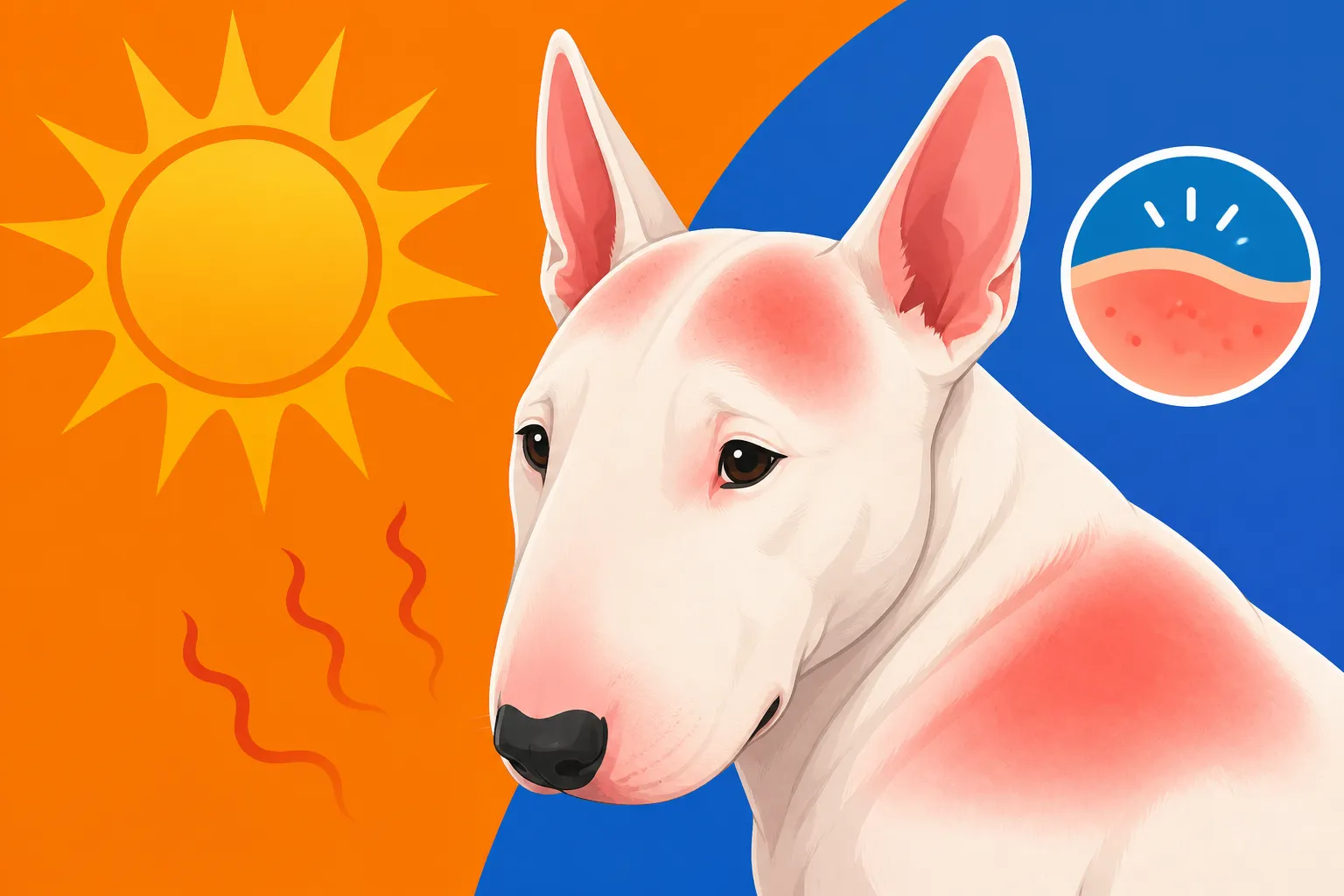
This absence of melanin means their skin is essentially "naked" to the sun's assault. Even if their coat appears dense, the skin underneath is often a delicate, light pink, lacking any defense. This is especially true in areas where the fur is naturally thinner or sparse, like the ears, nose, belly, and inner thighs. The sun's UV-A and UV-B rays penetrate directly, causing cellular damage that manifests as sunburn. It’s a frustrating reality when you just want your dog to enjoy a sunny day, but knowing this fundamental biological fact is the first step in effective prevention.
The Bull Terrier's Naturally Thin Coat
Beyond the lack of pigment, the physical structure of a Bull Terrier's coat contributes significantly to its vulnerability. Unlike breeds with thick double coats or dense, coarse fur, Bull Terriers have a short, flat, hard coat that lies close to the body. While wonderfully easy to maintain from a grooming perspective – no endless brushing or matting – it offers surprisingly little in the way of sun protection. What a Bull Terrier's Coat Is Like might suggest resilience, but when it comes to UV rays, it's quite permeable.
Imagine wearing a thin linen shirt on a blazing hot day; it provides some coverage, but you still feel the heat and can easily burn through it. Your Bull Terrier's coat is similar. It's not designed to be a thick barrier against intense sun. This is particularly noticeable on their backs and flanks, where the hair, though covering the skin, isn't dense enough to block the sun. You can often see their pink skin right through the white fur, highlighting just how exposed they are. This combination of sparse coverage and zero pigmentation makes them uniquely challenged in sunny environments. Why a Bull Terrier's Pink Skin Burns Through Its Coat reveals the core issue: that delicate skin is just too close to the surface.
Genetic Predispositions to Skin Sensitivity
It's not just about the color or texture of the coat; some white Bull Terriers might carry a general genetic predisposition to more sensitive skin overall. While not directly "sunburn specific," this underlying sensitivity can exacerbate the effects of sun exposure, making them react more severely than a dog with robust skin that simply lacks pigment. Their skin is, unfortunately, already considered A Bull Terrier's Skin Is Its Weakest Point in many respects, making sun damage an even greater concern.
This heightened sensitivity means they might not only burn more easily but also experience more discomfort and a slower healing process. It's a cruel irony that such a hardy, robust-looking breed can have such delicate underlying biology. Understanding these layers of vulnerability – the lack of pigment, the thin coat, and potential general skin sensitivity – truly drives home the critical need for proactive sun protection for your white Bull Terrier. It's not just a minor inconvenience; it's a fundamental part of their care.
Identifying Sunburn on Your Bull Terrier's Unique Skin
Spotting sunburn on your Bull Terrier can sometimes be trickier than you'd expect, especially if you're not regularly checking their skin. Their playful, sometimes stoic nature can mean they don't always complain immediately about discomfort, and the redness can be subtle at first. However, once you know what to look for and where to look, you’ll become much more adept at identifying those tell-tale signs. It's all about being observant and making The Weekly Skin Check Every Bull Terrier Needs a priority.
Common Areas Where Sunburn Occurs First
Because of their unique build and coat, certain areas on a white Bull Terrier are prime targets for the sun. These are often places where the fur is thinnest, or where their natural inclination to sunbathe exposes sensitive skin directly.
- Nose and Muzzle: The bridge of the nose, particularly if it’s pink or butterfly-patterned, is extremely vulnerable. Dogs often push their faces into the sun, making this area a hotspot. The delicate skin around the nostrils can also burn.
- Ear Tips and Inner Ears: Bull Terriers' erect ears are often covered with very fine hair, leaving the skin on the tips and the inner surface exposed. They are like little solar panels for UV rays.
- Belly and Groin: Many Bull Terriers love to roll over and expose their tummies to the sun. This skin is typically very thin and completely unpigmented, making it burn quickly and severely.
- Inner Thighs and Armpits: Similar to the belly, these areas have sparse fur and delicate, often pink skin.
- Back and Sides: While covered, the short, thin coat on the back and sides can still allow UV penetration, especially during prolonged exposure or peak sun hours.
Regularly checking these areas, especially after a period outdoors, is crucial. You’re not just looking for a general tan; you’re specifically looking for signs of irritation or damage in these susceptible spots. This proactive approach can make all the difference in catching sunburn early.
The Appearance of Mild vs. Severe Sunburn
The signs of sunburn on a Bull Terrier's skin can range from subtle to quite alarming. Knowing the difference helps you gauge the severity and decide on the appropriate course of action. How to Spot a Sun Damaged Patch on a Bull Terrier involves a keen eye and gentle touch.
Mild Sunburn:
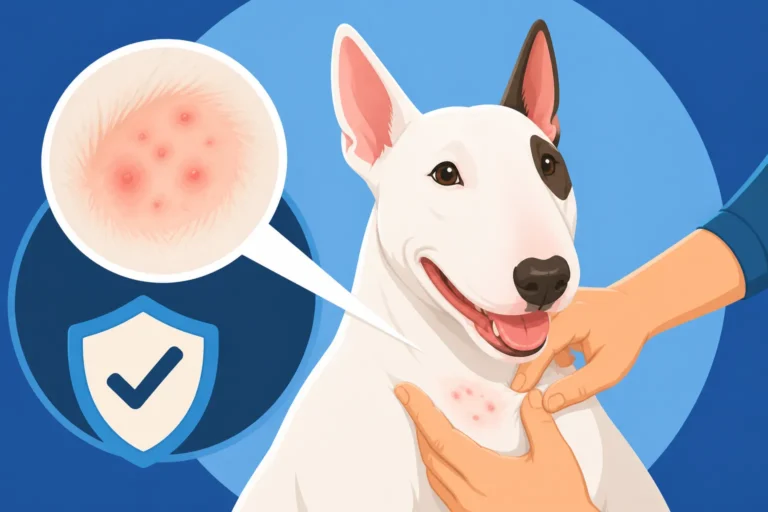
- Redness: The most obvious sign is pink or reddish skin in the exposed areas. On a Bull Terrier's already pinkish skin, this might appear as a deeper, more intense pink or a faint red blush.
- Warmth to the Touch: The affected skin will feel noticeably warmer than surrounding areas.
- Tenderness: Your dog might flinch or show discomfort when you gently touch the sunburned area. They might also lick or scratch at it more than usual.
- Slight Swelling: You might notice a very subtle puffiness in the affected skin.
- Dryness or Flakiness: As the burn starts to heal, the skin might become dry and begin to peel or flake, similar to human sunburn.
Severe Sunburn:
- Intense Redness and Inflammation: The skin will be bright red, swollen, and very hot to the touch.
- Blisters and Oozing: This is a serious sign. Blisters, crusts, or open, weeping sores indicate a deep burn that requires immediate veterinary attention.
- Pain: Your dog will likely be in significant pain, vocalizing, limping, or refusing to be touched. They might become withdrawn or lethargic.
- Hair Loss: In severe cases, the damaged skin can lead to temporary or permanent hair loss in the affected area.
- Systemic Signs: Look for signs like lethargy, fever, loss of appetite, or rapid breathing, which can indicate heatstroke or a systemic reaction to severe burns. These are emergencies.
It's vital to assess the severity carefully. A mild burn might be managed at home, but anything beyond superficial redness and tenderness warrants a call to your veterinarian.
Distinguishing Sunburn from Other Skin Irritations
Sometimes, what looks like sunburn could actually be another skin issue, or sunburn could exacerbate an existing condition. Bull Terriers are prone to various skin ailments, making accurate identification important.
- Allergies: Bull Terriers are often susceptible to environmental or food allergies, which can manifest as redness, itching, rashes, and hot spots. Allergic reactions typically cause widespread itching and can appear anywhere on the body, not just sun-exposed areas. A distinctive feature of allergies is often relentless scratching or licking.
- Infections: Bacterial or yeast infections can cause red, inflamed, and sometimes smelly patches on the skin. These might be secondary to scratching a sunburn or allergy, complicating diagnosis. They often have a characteristic odor and pus or crusting.
- Insect Bites: Bee stings or mosquito bites can cause localized redness and swelling, which might resemble a small burn. However, these are usually more isolated and can have a visible bite mark.
- Demodectic Mange: While not typically presenting as a red "burn," localized Demodectic Mange in a Bull Terrier can cause hair loss and skin irritation, particularly in puppies or immune-compromised dogs. It might look like a patch of dull, rough skin that could be mistaken for chronic sun damage.
When in doubt, especially if the redness persists, worsens, or is accompanied by other symptoms like oozing, strong odor, or extreme itchiness, it’s always best to consult your vet. They can accurately diagnose the issue and ensure your Bull Terrier gets the correct treatment, saving you both stress and potential complications.
Immediate First Aid for a Sunburned Bull Terrier
Discovering your beloved Bull Terrier has a painful sunburn can be alarming. Your first instinct is to help them immediately, and thankfully, there are several steps you can take at home to provide comfort and prevent the situation from worsening. However, it’s crucial to know when home care isn’t sufficient and professional veterinary help is needed.
Cooling and Soothing Affected Areas
The immediate goal is to cool the skin and reduce inflammation and pain. Gentle, consistent cooling can make a big difference in your dog's comfort.
- Cool Compresses: For localized, mild burns, apply cool, damp cloths to the affected areas. You can use a towel soaked in cool (not ice cold) water. Gently press it to the skin for 5-10 minutes at a time, multiple times an hour. Avoid rubbing, which can irritate the skin further.
- Cool Baths or Showers: If the sunburn is widespread, a cool (again, not cold) bath or shower can provide overall relief. Ensure the water pressure is low and gentle, and avoid using any soaps or shampoos unless specifically instructed by your vet, as these can strip natural oils and further dry out the compromised skin. Pat dry very gently with a soft towel.
- Aloe Vera (Pure, Pet-Safe): Once the skin is cool, a thin layer of pure, pet-safe aloe vera gel can be wonderfully soothing. Ensure it's 100% pure aloe, free of lidocaine, benzocaine, alcohol, or other additives that can be toxic or irritating to dogs if licked. You might need to supervise your dog to prevent them from licking it off immediately. Look for brands specifically formulated for pets, which you can often find on sites like Chewy or Amazon.
- Hypoallergenic Moisturizers: After a day or two, if the skin is dry and flaky but no longer red or painful, a veterinarian-approved, hypoallergenic, unscented moisturizer can help prevent cracking and aid healing. Again, avoid human products with harsh chemicals or fragrances.
Remember, the key is gentle care. The skin is delicate and compromised, so avoid any scrubbing, harsh chemicals, or anything that could cause further trauma.
Pain Management and Preventing Further Damage
Beyond cooling, managing pain and ensuring your Bull Terrier doesn't exacerbate the burn through scratching or licking is vital for proper healing.
- Veterinary Pain Relief: Never give your dog human pain medications like ibuprofen, naproxen, or acetaminophen. These are highly toxic to dogs and can cause severe organ damage or death. If your Bull Terrier seems to be in pain, contact your vet. They might prescribe a safe, canine-specific anti-inflammatory or pain reliever.
- E-Collar (Cone of Shame): If your dog is persistently licking or scratching the sunburned area, an Elizabethan collar (E-collar) is your best friend. While they might not love it, preventing self-trauma is paramount for healing and preventing secondary infections. Excessive licking can turn a simple burn into a nasty bacterial infection very quickly.
- Limit Further Sun Exposure: This might seem obvious, but it's crucial. Keep your Bull Terrier indoors, especially during peak sun hours, until the sunburn has completely healed. Even indirect sun can be irritating to damaged skin. This is the time for indoor games and mental enrichment rather than long outdoor adventures.
A mild sunburn generally starts to improve within a few days with diligent home care. If you don’t see improvement or if the pain seems to be increasing, don't hesitate to reach out to your vet.
When Home Care Isn't Enough
While mild sunburns can often be managed at home, certain signs indicate a more serious burn that requires immediate professional veterinary attention. Ignoring these can lead to severe complications.
- Blistering or Open Sores: Any sign of blistering, oozing, or open wounds means the burn is more than superficial. These are prone to infection and require medical treatment, potentially including antibiotics, pain medication, and specialized wound care.
- Signs of Infection: If the sunburned area becomes increasingly red, swollen, hot, or if you notice pus, a foul odor, or fever, it's likely infected. Infections can spread rapidly and are serious.
- Extreme Pain or Lethargy: If your Bull Terrier is in obvious, significant pain, is listless, refusing to eat, or exhibiting other systemic symptoms like vomiting or diarrhea, seek emergency veterinary care. These could be signs of severe burns or even heatstroke.
- Extensive Burns: If a large percentage of your Bull Terrier’s body is sunburned, even if it appears mild, it can lead to systemic dehydration and shock. Treat extensive burns as an emergency.
- No Improvement or Worsening: If, after 24-48 hours of home care, the sunburn isn't improving or appears to be getting worse, it's time for a vet visit. They can offer stronger medications, advanced wound care, and rule out any underlying issues.
A quick phone call to your vet to describe the situation is always a good idea, even for mild concerns. They can provide guidance specific to your dog and help you decide the best course of action. It's always better to be safe than sorry when it comes to your Bull Terrier’s health.
Preventing Sunburn: Strategies for White Bull Terrier Owners
Prevention truly is the best medicine when it comes to sunburn for your white Bull Terrier. Once you understand their unique vulnerability, it becomes clear that a proactive approach is not just helpful but absolutely essential for their health and comfort. It means being mindful of their environment and adapting their routine to keep them safe from the sun's harsh rays.
Scheduling Outdoor Activities Mindfully
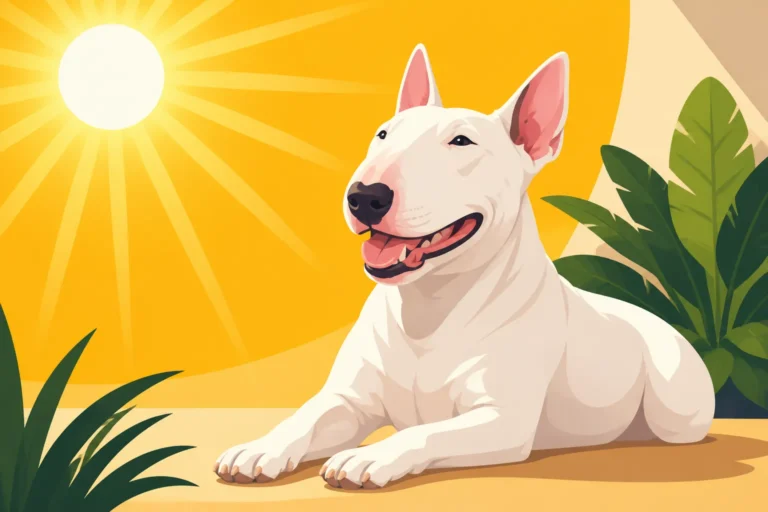
The simplest and most effective way to prevent sunburn is to limit exposure during the sun's peak intensity. This requires a bit of planning, but it's a small adjustment for your dog's well-being.
- Avoid Peak Sun Hours: The sun's UV rays are strongest between approximately 10 AM and 4 PM. This window should be treated as "indoor time" for your white Bull Terrier, especially during spring and summer months. Schedule walks, playtime, and potty breaks for early mornings or late evenings when the sun is lower and less intense. How Well a Bull Terrier Handles Heat is also a factor here; avoiding the hottest parts of the day helps prevent overheating alongside sunburn.
- Check the UV Index: Many weather apps and websites provide the daily UV index. Pay attention to this. A UV index of 3 or higher indicates a moderate to high risk of sun damage for sensitive skin. On these days, extra precautions are a must.
- Short, Shaded Outings: If your Bull Terrier absolutely needs to be outside during these times, keep the outing very short and stick strictly to shaded areas. A quick potty break in the dappled light of trees is fine; an hour at the park in direct sunlight is not.
This mindful scheduling not only reduces sunburn risk but also helps prevent overheating, a dual benefit for your flat-faced friend.
Providing Adequate Shade and Shelter
Even when you're careful about scheduling, your Bull Terrier might still spend some time outdoors, perhaps in a securely fenced yard. Ensuring they have reliable access to shade is non-negotiable.
- Permanent Shade Structures: If your yard is sunny, invest in permanent shade structures like awnings, pergolas, or large, sturdy patio umbrellas. These provide consistent relief from direct sun. Don't rely solely on natural tree shade, as the sun moves, and what's shady at 9 AM might be fully exposed by noon.
- Dog Houses or Kennels: A well-ventilated dog house or kennel with a solid roof can offer excellent shelter. Position it so the entrance isn't facing directly into the afternoon sun.
- Bring Them Inside: The safest shade is always indoors. If you're going to be out in the sun for an extended period, bring your Bull Terrier inside. They thrive on companionship, and being left alone in a yard, even with shade, can lead to boredom and destructive behaviors, not to mention sun exposure.
Remember, even on overcast days, up to 80% of the sun's UV rays can penetrate clouds. So, shade isn't just for bright, sunny days; it's a constant consideration.
Protective Clothing and Gear
Sometimes, avoiding the sun entirely isn't practical for all activities, or your dog just loves being outdoors. This is where physical barriers in the form of clothing and gear become invaluable tools in your sunburn prevention arsenal.
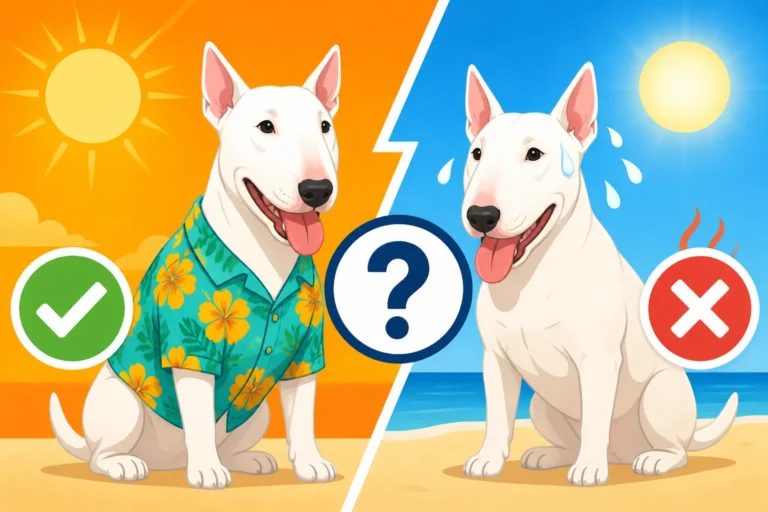
- UV-Protective Apparel: There are fantastic dog shirts and rash guards made from UV-blocking fabrics (often rated UPF 30-50+) specifically designed for canine comfort and movement. These are excellent for covering larger areas like the back and belly. Look for lightweight, breathable materials that won't cause your dog to overheat. Whether a Bull Terrier Needs a Shirt in Summer is often answered with a resounding "yes" by experienced owners. Brands available on Amazon or Chewy often carry a good selection of these.
- Hats and Visors: For protecting the sensitive nose and face, specially designed dog hats or visors can be helpful. Ensure they fit well and don't obstruct your dog's vision or cause discomfort.
- Boots for Hot Pavement: While not directly for sunburn, protecting paw pads from hot pavement is also critical during sunny weather. The pavement can get hot enough to cause burns on paw pads long before the air temperature feels extreme to us.
Introducing protective clothing gradually and positively, perhaps with treats and praise, can help your Bull Terrier get used to wearing it. It’s an investment in their long-term health, allowing them to enjoy some outdoor time without the dangerous side effects of direct sun.
Long-Term Health Risks of Repeated Sun Exposure
While a single sunburn is painful and uncomfortable for your Bull Terrier, the truly insidious danger lies in repeated or chronic sun exposure. Just like in humans, cumulative UV damage takes a toll, leading to far more serious, long-term health consequences that every white Bull Terrier owner must be aware of. Preventing these potential outcomes is why sun protection is not just about comfort but about longevity and quality of life.
Increased Risk of Skin Cancer
This is perhaps the most significant and frightening long-term risk. Repeated sunburns and prolonged sun exposure significantly increase your Bull Terrier's chances of developing various forms of skin cancer. Their unpigmented skin, particularly in areas like the nose, eyelids, and belly, is highly vulnerable to UV-induced cellular changes.
- Squamous Cell Carcinoma (SCC): This is one of the most common and aggressive skin cancers seen in dogs, particularly in white-coated breeds. It often appears on the nose, ear tips, and other sparsely haired areas. SCC can start as a non-healing sore, a red, crusty lesion, or a small, firm bump. If not caught early, it can spread aggressively. Whether Sun Damage Turns Into Skin Cancer in a Bull Terrier is a crucial question, and sadly, the answer is a definitive yes.
- Hemangiosarcoma: While less common on the skin surface than SCC, this aggressive cancer can sometimes manifest as red or black masses, often on the belly or inner thighs, especially in sun-exposed areas.
- Melanoma: Though more commonly associated with dark-pigmented areas like paw pads or mouth, sun exposure can contribute to melanoma development in susceptible individuals, even in unpigmented skin.
Early detection is paramount for skin cancers. Regular, thorough skin checks (like the Weekly Skin Check Every Bull Terrier Needs) are vital. Any new lump, bump, sore that doesn't heal, or change in skin texture or color should be promptly investigated by your veterinarian.
Chronic Dermatitis and Skin Thickening
Beyond cancer, chronic sun exposure can lead to persistent skin irritation and structural changes. This isn't just unsightly; it can be incredibly uncomfortable for your dog.
- Actinic Keratosis (Solar Keratosis): These are pre-cancerous lesions that manifest as rough, scaly patches on sun-damaged skin. They might look like dry skin but are actually areas where the skin cells have begun to mutate due to UV radiation. These can eventually progress into squamous cell carcinoma.
- Solar Dermatitis: Persistent inflammation of the skin due to chronic sun exposure. This can lead to ongoing redness, itching, and discomfort. Your dog might lick or scratch these areas excessively, creating secondary infections.
- Skin Thickening and Leathery Texture: Over time, chronically sun-damaged skin can become thickened, hardened, and lose its elasticity, taking on a leathery or rough texture. This is a sign of irreversible damage and makes the skin more fragile and prone to tearing.
- Pigment Changes: In some cases, chronic sun damage can lead to areas of hyperpigmentation (darker spots) as the skin tries to protect itself, or paradoxically, further depigmentation in already light areas.
Managing chronic dermatitis can be a lifelong challenge, often requiring ongoing veterinary care, special shampoos, and sometimes medications to keep your dog comfortable and prevent secondary issues. It's far easier to prevent the damage than to manage its aftermath.
Other Sun-Related Eye and Immune Issues
The skin isn't the only part of your Bull Terrier that suffers from excessive sun exposure. Other organ systems can also be negatively impacted over time.
- Eye Damage: Just like human eyes, a dog's eyes can be damaged by UV radiation. Prolonged exposure can contribute to the development of cataracts, especially in breeds like the Bull Terrier whose small, triangular eyes might not offer as much natural shading as others. Corneal damage and chronic eye irritation are also possibilities.
- Immune System Suppression: Severe or chronic UV exposure can actually suppress the local immune response in the skin, making your Bull Terrier more vulnerable to infections in damaged areas. This means a minor cut or scrape on sun-damaged skin might take longer to heal or be more prone to bacterial or fungal invasion.
- Heat-Related Illnesses: While not a direct result of UV radiation on the skin, chronic sun exposure often goes hand-in-hand with being overheated. Repeated episodes of near-heatstroke or chronic dehydration from being too warm can have cumulative negative effects on vital organs like the kidneys, liver, and heart.
Understanding these profound and potentially life-threatening long-term risks underscores the critical importance of diligent sun protection for your white Bull Terrier. It's not just about avoiding a temporary rash; it's about safeguarding their health and well-being for their entire life.
Choosing the Right Sun Protection Products
Navigating the world of pet sun protection can feel a bit overwhelming with so many options out there. However, for a white Bull Terrier, selecting the right products is paramount. Not all sunscreens are safe for dogs, and not all protective clothing offers adequate UV protection. Making informed choices ensures your furry friend is truly shielded from the sun's damaging rays.
Safe Canine Sunscreens and Their Ingredients
When it comes to sunscreens, never use human sunscreen on your dog without consulting your veterinarian first. Many human formulations contain ingredients that are toxic if ingested by dogs, and let's be honest, Bull Terriers are masters of licking things off themselves!
-
Look for Dog-Specific Sunscreen: Always opt for sunscreens explicitly formulated for pets. These are designed with non-toxic ingredients that are safe if licked. Brands like Epi-Pet or Warren London are often recommended and can be found on Chewy or Amazon.
-
Key Safe Ingredients: Look for physical blockers like zinc oxide or titanium dioxide. While zinc oxide in large quantities can be toxic if ingested, in pet sunscreens, it's typically formulated to be minimally absorbed and safe in small amounts. However, always confirm with your vet, especially for areas your dog can easily lick. Which Sunscreen Is Safe on a Bull Terrier is a question best answered by checking pet-specific labels and your vet's advice.
-
Avoid Harmful Ingredients:
- PABA (para-aminobenzoic acid): Can cause allergic reactions.
- Zinc Oxide (in large quantities or human formulations): Can cause zinc toxicity if ingested in significant amounts. This is why pet-specific formulations are crucial.
- Salicylates (aspirin derivatives): Can cause gastrointestinal upset and bleeding issues.
- Fragrances and Dyes: These can irritate sensitive skin, which many Bull Terriers already have.
- Oxybenzone: A chemical filter that can be irritating and potentially absorbed systemically.
-
Application Tips:
- Apply sunscreen to sparsely haired areas: ear tips, bridge of the nose, belly, inner thighs, and anywhere their pink skin is visible through their coat.
- Apply generously about 15-20 minutes before sun exposure to allow it to absorb.
- Reapply every 2-4 hours, especially if your dog has been swimming or is licking the area.
- Distract your Bull Terrier after application to minimize licking until it's absorbed.
Protective Clothing: What to Look For
Dog clothing isn't just for fashion; it's a vital tool for sun protection, especially for breeds like the white Bull Terrier. But not all clothing is created equal.
- UPF Rating: Just like human clothing, look for dog shirts, rash guards, or bodysuits with an Ultraviolet Protection Factor (UPF) rating of 30 or higher. This indicates that the fabric effectively blocks a significant percentage of UV radiation. A plain cotton t-shirt, for example, offers very little sun protection once wet or stretched.
- Lightweight and Breathable Fabrics: While you want sun protection, you also don't want your Bull Terrier to overheat. Opt for lightweight, moisture-wicking, and breathable materials like those used in athletic wear. Fabrics like nylon, polyester, or bamboo blends are often good choices.
- Coverage: Choose clothing that covers the most vulnerable areas: the back, sides, and belly. A full-body rash guard or a shirt that extends down the belly is ideal. Some even come with built-in neck coverage.
- Comfort and Fit: Ensure the clothing fits snugly enough to stay in place but isn't restrictive or uncomfortable. It shouldn't chafe or hinder movement. Your Bull Terrier needs to be able to run, play, and relieve themselves without issue. You can find a wide range of sizes and styles suitable for Bull Terriers on platforms like Amazon or Chewy.
- Washing Instructions: Check that the clothing is easy to wash and maintain, as it will likely need frequent cleaning, especially after outdoor adventures.
Avoiding Harmful Human Products
It bears repeating: resist the urge to use your own sunscreen, lotions, or other skin products on your Bull Terrier. The ingredients can be genuinely dangerous.
- After-Sun Lotions: Many human after-sun products contain lidocaine, benzocaine, or menthol for pain relief. While these might feel good to us, they are toxic to dogs if ingested and can cause serious health issues, including cardiac problems and methemoglobinemia.
- Insect Repellents: Human insect repellents containing DEET are highly toxic to dogs. If you need insect protection, choose a pet-specific product or consult your vet about safe alternatives.
- Moisturizers and Body Lotions: Even "natural" human lotions can contain essential oils, fragrances, or other compounds that are irritating or toxic to canine skin and digestive systems. Stick to vet-approved options if your Bull Terrier needs a moisturizer for dry skin.
When a Bull Terrier Needs Sunscreen, the rule of thumb is always "dog-safe first." Always read labels carefully, and if in doubt, consult your veterinarian. Their guidance is invaluable in keeping your Bull Terrier safe and healthy.
Lifestyle Adjustments for Sun-Sensitive Bull Terriers
Owning a white Bull Terrier means understanding that certain aspects of their care will differ from other breeds. Their sun sensitivity isn't just a matter of applying sunscreen; it often requires a broader re-evaluation of their daily routine and environment. Making these lifestyle adjustments ensures they can live a full, happy life without constant risk of painful and dangerous sunburns.
Indoor Enrichment for Hot Days
When the sun is blazing and outdoor activities are curtailed, preventing boredom in an energetic Bull Terrier is paramount. A bored Bull Terrier is often a destructive Bull Terrier! Providing ample indoor enrichment is key.
- Puzzle Toys and Food Dispensers: These are fantastic for mental stimulation. Fill KONGs, snuffle mats, or interactive treat dispensers with portions of their regular kibble or safe, healthy treats. This keeps their brains engaged and burns mental energy without requiring physical exertion in the heat. There are many robust options available from retailers like Chewy or Amazon.
- Training Sessions: Use the time indoors for short, fun training sessions. Work on new tricks, reinforce basic commands, or even try some indoor scent work. Bull Terriers are smart, and they enjoy learning, especially when there's a tasty reward involved.
- Playtime: Engage in indoor play with appropriate toys. Tug-of-war (with rules), fetch down a long hallway, or chasing a flirt pole can provide physical release without direct sun exposure. Always be mindful of preventing them from overheating indoors as well.
- Chew Toys: Provide a variety of durable chew toys. A Bull Terrier's powerful jaws need an outlet, and appropriate chewing can be a great stress reliever and boredom buster.
- Couch Time: Don't underestimate the power of a good cuddle session! Bull Terriers are often very affectionate and enjoy just being close to their people. This also offers a great opportunity for a quiet Weekly Skin Check Every Bull Terrier Needs.
By making indoor time engaging and fun, you reduce the temptation to sneak outside during peak sun hours and keep your Bull Terrier happy and well-behaved.
Creating a Sun-Safe Outdoor Space
Even with careful scheduling and indoor enrichment, your Bull Terrier will still need outdoor access for potty breaks and maybe some supervised playtime. Ensuring their outdoor space is genuinely safe from the sun is critical.
- Assess Sun Patterns: Observe your yard throughout the day to understand how the sun moves and where shade naturally falls. Are there areas that remain shaded for most of the day? If not, you need to create them.
- Invest in High-Quality Shade: As mentioned before, structures like awnings, shade sails, or sturdy umbrellas are important. If you have trees, prune them to maximize their shade potential, but remember, tree shade can be dappled and still allow some UV penetration.
- Cooling Stations: Beyond shade, consider adding a kiddie pool with a few inches of water (supervised, of course, as not all Bull Terriers are natural swimmers and Why Most Bull Terriers Sink) or a cooling mat in a shaded area. These can help keep their core temperature down, reducing the risk of heat-related illness.
- Secure Fencing: A Bull Terrier is an intelligent and determined dog. While this isn't directly sun-related, a secure fence is essential for preventing escapes, which could lead to your dog being exposed to harmful sun while lost.
The goal is to create an outdoor environment where your Bull Terrier can safely enjoy fresh air and relieve themselves without the constant threat of sunburn or overheating.
Routine Skin Checks as a Preventative Measure
This cannot be stressed enough: regular, thorough skin checks are your first line of defense against both immediate sunburn effects and long-term health risks like skin cancer.
- Make it a Habit: Integrate a full-body skin check into your weekly grooming routine, or even daily during sunny seasons. A good time is when your dog is relaxed, perhaps while cuddling on the sofa or after a gentle brush.
- Methodical Approach: Go over your Bull Terrier's entire body systematically. Pay special attention to all the vulnerable areas: nose, ear tips, eyelids, belly, groin, armpits, and the skin beneath sparse fur on their back. Gently part the fur to examine the skin directly.
- What to Look For:
- New Redness or Inflammation: Any unexplained red or irritated patches.
- Dryness, Flakiness, or Peeling: Signs of recent or healing sunburn.
- Scabs or Sores That Don't Heal: A major red flag for potential skin cancer or infection.
- Lumps, Bumps, or Lesions: Any new growths, regardless of size or color.
- Changes in Existing Spots: If a mole or beauty mark changes in size, shape, or color.
- Hair Loss: Unexplained patches of hair loss.
- Document and Photograph: If you find anything suspicious, take clear photographs and note its size and location. This allows you to monitor changes over time and provides valuable information for your vet.
- Consult Your Vet: Do not delay in contacting your veterinarian if you find anything concerning. Early detection of skin cancer, in particular, dramatically improves the prognosis. Whether a Bull Terrier Gets Skin Cancer is a very real concern, and your vigilance can save their life.
By being diligent with these lifestyle adjustments and making skin checks a cornerstone of your Bull Terrier's care, you are actively protecting them from the immediate discomfort of sunburn and the more serious long-term consequences of sun exposure, allowing them to truly thrive.
When to See the Vet for Sunburn Concerns
While basic first aid can address mild sunburns, there are clear instances when a trip to the veterinarian is absolutely necessary. Ignoring severe sunburn or its complications can lead to serious health issues, prolonged pain, and even life-threatening conditions. As a responsible Bull Terrier owner, knowing when to escalate from home care to professional medical attention is critical.
Signs of Infection or Blistering
These are perhaps the most urgent indicators that your Bull Terrier's sunburn is more than just superficial and requires veterinary intervention.
- Blistering: If you observe any fluid-filled blisters on your Bull Terrier’s skin, this is a clear sign of a second-degree burn. These blisters can easily rupture, exposing raw skin to bacteria and leading to infection. Do not attempt to pop them yourself; a vet will know how to manage them hygienically and prevent further damage.
- Oozing or Pus: Any discharge, particularly yellowish, greenish, or cloudy fluid, indicates a bacterial infection. This is common if the skin barrier has been compromised and bacteria from the environment or your dog's own skin have invaded. An infection will require antibiotics, and only a veterinarian can prescribe the correct ones.
- Foul Odor: A strong, unpleasant smell emanating from the sunburned area is another classic sign of infection. Healthy skin shouldn't smell, and a distinct odor points to bacterial or yeast overgrowth.
- Increased Redness, Swelling, and Heat: While some redness and warmth are normal with sunburn, if these symptoms worsen after initial care, or if the area becomes excessively hot to the touch and firm, it suggests a spreading infection or deeper inflammation.
If you see any of these signs, don’t wait. A veterinary visit is needed to prevent the infection from becoming systemic and to ensure proper healing.
Systemic Symptoms Indicating More Serious Issues
Sunburn, especially severe or extensive sunburn, can have effects beyond just the skin. When your Bull Terrier exhibits symptoms affecting their overall health, it's a sign that the situation is critical and demands immediate professional attention.
- Lethargy and Weakness: If your normally energetic Bull Terrier becomes unusually tired, weak, or unresponsive, it could indicate dehydration, pain, or a more serious systemic reaction to severe burns or even heatstroke.
- Fever: Check your dog's temperature (a rectal thermometer is needed for accuracy). A rectal temperature above 103°F (39.4°C) is considered a fever and warrants veterinary attention, especially if accompanied by other signs of illness.
- Loss of Appetite or Vomiting/Diarrhea: These gastrointestinal symptoms can signal that your dog is feeling very unwell, is dehydrated, or that toxins from severe tissue damage are impacting their system.
- Pain that Cannot Be Managed: If your Bull Terrier is visibly in severe pain, constantly whimpering, or reluctant to move or be touched, and home remedies aren't providing relief, your vet can offer prescription-strength pain management that is safe for dogs.
- Signs of Heatstroke: Severe sunburn often goes hand-in-hand with heat exposure. Rapid panting, bright red gums, excessive drooling, staggering, seizures, or collapse are all signs of heatstroke and constitute a dire emergency. How Well a Bull Terrier Handles Heat is a serious consideration, as their body structure can make them vulnerable.
Any combination of these systemic symptoms alongside sunburn should prompt an immediate trip to an emergency veterinary clinic. Time is of the essence in these situations.
Regular Screenings for Skin Abnormalities
Beyond acute sunburn, your veterinarian is also your partner in identifying and monitoring the long-term consequences of sun exposure. Regular check-ups and open communication are vital.
- Annual Wellness Exams: Ensure your Bull Terrier receives a thorough physical examination from your vet every year. During this exam, your vet will perform a comprehensive skin check, palpating for any lumps or bumps that you might have missed. This is especially important as your Bull Terrier ages. Caring for an Old Bull Terrier often involves increased vigilance for such issues.
- Discuss Any Suspicious Lesions: If you’ve noticed a new lump, a persistent sore, or any changes to a previously benign spot on your Bull Terrier’s skin during your Weekly Skin Check Every Bull Terrier Needs, bring it to your vet’s attention immediately. Don't wait until the next annual exam. Early detection of skin cancer, in particular, offers the best prognosis.
- Biopsy for Diagnosis: If your vet finds a suspicious lesion, they might recommend a biopsy. This involves taking a small tissue sample for microscopic examination to determine if it is benign, pre-cancerous, or cancerous. It’s the only definitive way to diagnose skin cancer.
- Ongoing Monitoring: For Bull Terriers with a history of severe sunburn or pre-cancerous lesions, your vet might recommend more frequent skin checks or specific topical treatments to manage their skin health.
Your veterinarian is your most valuable resource in managing your white Bull Terrier's sun sensitivity. Don't hesitate to lean on their expertise for diagnosis, treatment, and proactive strategies to keep your beloved companion healthy and comfortable throughout their life.
Disclaimer
This article is for general informational purposes only and does not constitute professional advice. Laws, prices and regulations vary by location and change over time. Consult a qualified professional for guidance on your specific situation.