Which Indoor Games Tire a Bull Terrier Out
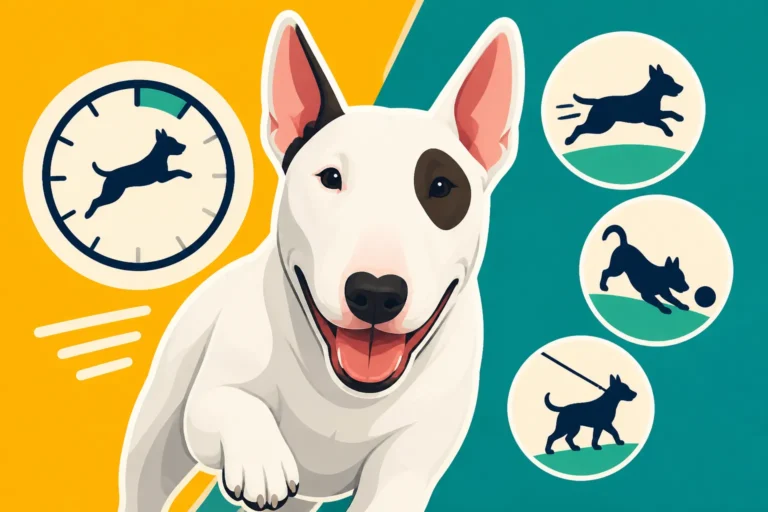
You know that feeling when the weather is just awful, or maybe you've had a long day, and your Bull Terrier is still bouncing off the walls, giving you that look that says, "So, what's next, human?" It's a common struggle for us Bull Terrier parents to find effective ways to burn off their boundless energy, especially when outdoor adventures aren't an option. This guide is all about diving deep into engaging indoor games and activities that will truly tire out your lively Bull Terrier, both mentally and physically, saving your sanity and your furniture in the process.
The Unique Energy of a Bull Terrier Indoors
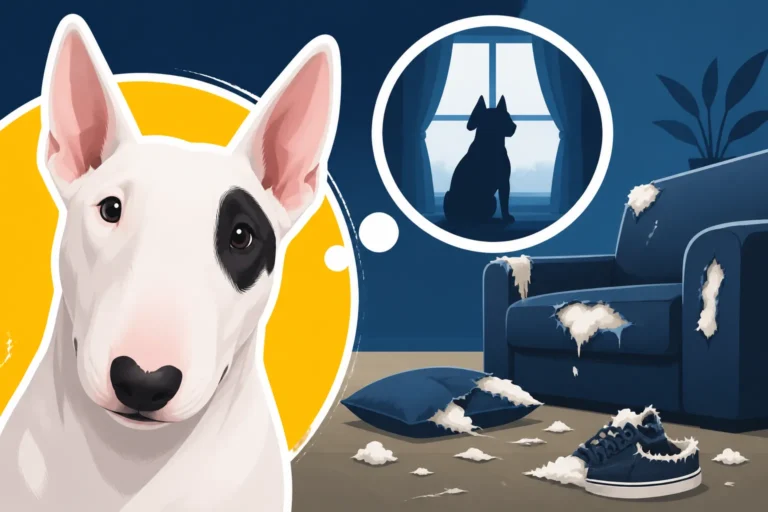
Let's be real, a Bull Terrier's energy isn't just a physical thing; it's a whole-body, whole-mind experience. They're not just running around; they're strategizing, calculating, and sometimes, just plain being a clown. When they're stuck inside, that energy doesn't just evaporate. It needs an outlet, or else it manifests in ways we all dread, like chewing through the sofa or developing an unhealthy obsession with chasing their tail.
Why Outdoor Activities Aren't Always Enough (or Possible)
We all aspire to give our Bull Terriers endless romps in the park or long, scenic hikes. But life happens. There are days when the rain is horizontal, the heat is unbearable, or you're recovering from a tweaked back and can't manage a full-on sprint with a determined seventy-pound dog on the leash. And sometimes, despite a good walk, your Bull Terrier comes back inside, shakes off the outdoor dust, and looks at you as if to say, "Is that all you've got?" Their stamina can be truly remarkable.
Beyond the weather or personal limitations, some Bull Terriers, especially as they age, might have physical issues like Patellar Luxation in a Bull Terrier or arthritis that make prolonged outdoor exertion difficult or even painful. Or perhaps you live in an urban environment with limited safe, off-leash spaces. Whatever the reason, relying solely on outdoor exercise often isn't a sustainable or sufficient strategy for these magnificent, muscular dogs. Their minds need just as much, if not more, workout than their bodies when confined.
The Bull Terrier's Brain: More Than Just Brawn
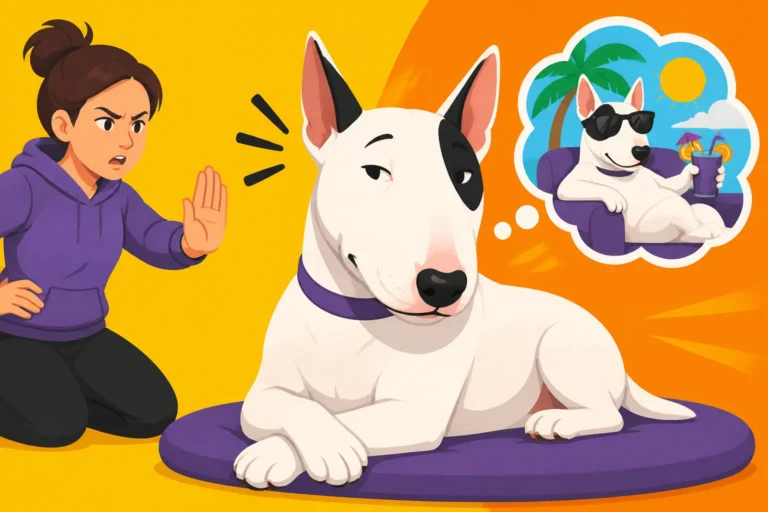
Don't let that goofy grin fool you; Bull Terriers are incredibly smart dogs. They're problem-solvers, albeit often with their own agenda. They're famously stubborn, which means they'll quickly decide that repetitive, boring tasks aren't worth their time. This intelligence, combined with their strong prey drive and terrier tenacity, means they need activities that engage their cognitive abilities as much as their physical ones. A mentally tired Bull Terrier is a truly tired Bull Terrier.
Think about it: chasing a ball for an hour might burn physical energy, but it might not truly satisfy that thinking brain. If their minds aren't engaged, they'll find their own "jobs" to do, and those jobs usually involve things you'd rather they didn't, like remodeling your skirting boards or trying to pull the stuffing out of every cushion. Their strong will also means that simply commanding them to "be calm" is often met with a blank stare or a playful body slam. We need to outsmart them, in a loving way, by providing outlets for their innate drive to explore, hunt, and think.
Brain Games to Exhaust Their Minds
These are the unsung heroes of indoor play, especially when you need to drain that mental battery without running a marathon in your living room. Bull Terriers thrive on challenge and novelty, so these games are perfect for them.
Interactive Puzzle Toys and Slow Feeders
This is probably one of the easiest and most effective ways to engage your Bull Terrier's brain. Forget just dumping food in a bowl; that's a missed opportunity! Puzzle toys turn mealtime into a mental workout. You can find a huge variety of these online at places like Amazon, ranging from simple treat-dispensing balls to multi-step puzzles that require lifting, sliding, and flipping compartments.
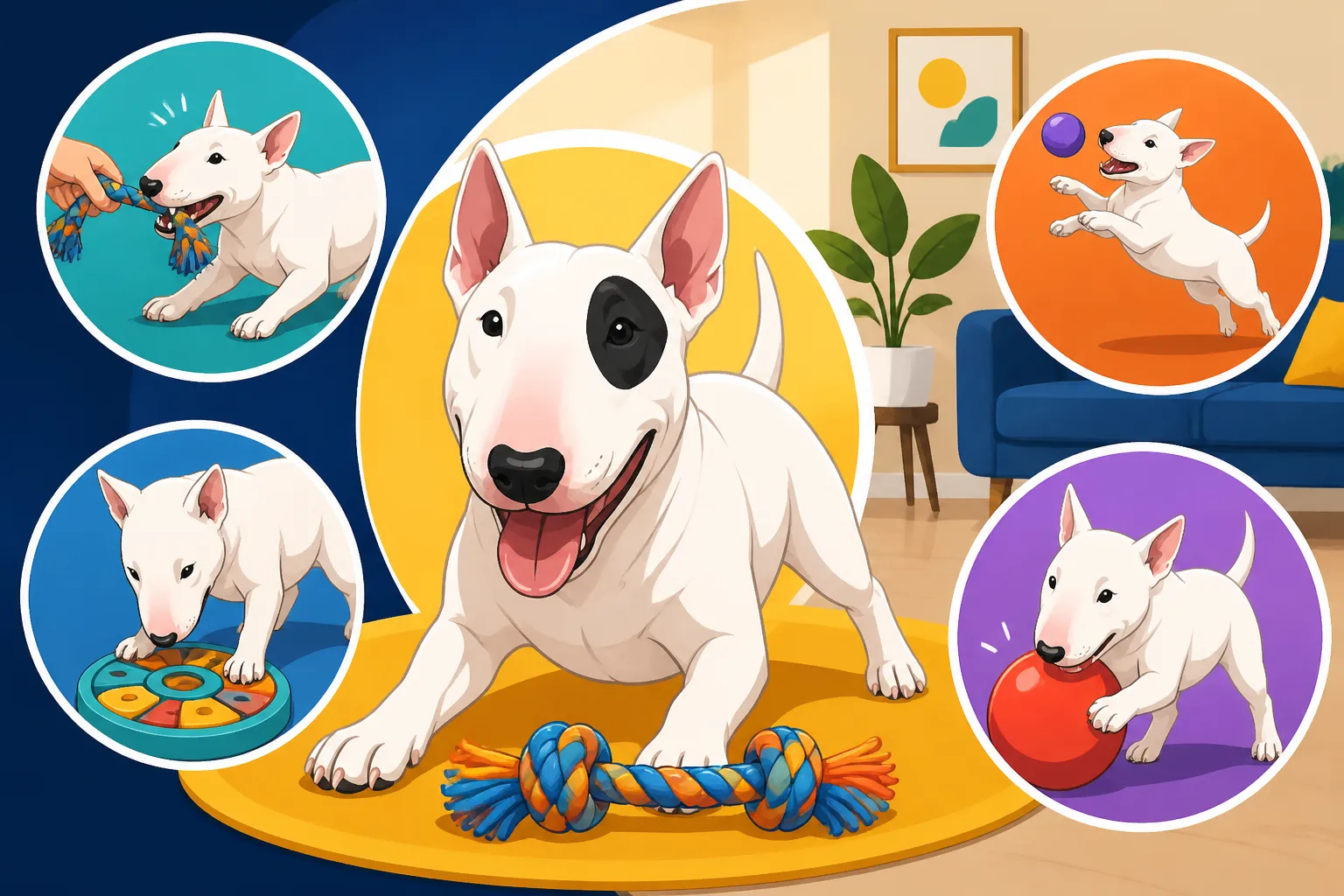
Start with something relatively easy, like a Kong filled with peanut butter or a sturdy treat-dispensing ball. As your Bull Terrier masters these, you can graduate to more complex models that involve multiple steps or even interlocking parts. Some favorites include snuffle mats, which encourage natural foraging behavior, or puzzle feeders where they have to move levers or uncover hidden compartments to get their kibble. This isn't just about slowing down their eating; it's about forcing them to think, plan, and work for their reward. A good 15-20 minute session with a challenging puzzle can be as tiring as a brisk walk for some dogs. Remember to always supervise them, especially with new toys, to ensure they don't try to just dismantle the puzzle to get to the treats, which they might be inclined to do. Why a Bull Terrier Eats Things It Should Not is a real concern here, so choose durable puzzles!
Scent Work and Hide-and-Seek
These games tap into a Bull Terrier's incredible sense of smell and natural hunting instincts. They don't require fancy equipment, just a few treats and your imagination.
- Treat Scavenger Hunt: Start simple. Have your Bull Terrier "stay" in one room while you hide small, high-value treats (think tiny pieces of cheese or cooked chicken) around another room. Begin by hiding them in obvious spots, then gradually increase the difficulty by placing them under blankets, behind furniture, or tucked into corners. Release your dog with a command like "find it!" and let their nose do the work. The mental effort of sniffing out those hidden treasures is surprisingly tiring.
- Hide-and-Seek with You: This is a fantastic bonding game. Have someone distract your Bull Terrier, or put them on a "stay" command, while you go hide. Once you're tucked away (under a blanket, behind a door, in a closet), call their name excitedly. When they find you, reward them with praise, a treat, and lots of enthusiastic petting. This teaches them to use their senses, reinforces recall, and provides a huge payoff when they succeed. It’s also incredibly fun to watch their focused determination as they search for you.
Learning New Tricks and Commands
Bull Terriers might be stubborn, but they love to learn, especially when it's engaging and rewarding. Forget boring repetitions; think short, sharp, fun training sessions that challenge them mentally. Instead of just "sit" and "stay," consider more complex tricks.
Teaching a Bull Terrier new tricks taps into their intelligence and desire to interact with you. Think beyond basic obedience. Can they learn to "bow," "spin," "weave through your legs," or even fetch specific named toys? The key is to keep training sessions short (5-10 minutes tops) and end on a high note. Use high-value rewards, whether it's their favorite squeaky toy or a delicious treat. BAXTER & Bella, for instance, offers fantastic online courses that break down training into manageable, fun steps, which can be a real boon for teaching complex behaviors indoors without needing a physical class. The mental exertion of figuring out a new behavior, connecting a verbal cue to an action, and then performing it reliably is a huge drain on their mental energy. It also strengthens your bond and builds their confidence. Remember that How Many Reps a Bull Terrier Gives You will vary, so be patient and keep it positive!
Active Indoor Play that Keeps Them Moving
While brain games are crucial, a Bull Terrier still needs to move its body. These games focus on bursts of physical activity that can be done safely within the confines of your home.
Structured Fetch and Tug-of-War (with Rules!)
These classic games can absolutely be played indoors, but with a few crucial modifications to ensure safety and prevent over-arousal.
- Indoor Fetch: First, clear some space. Push back furniture, remove breakables. Use a soft, lightweight toy that won't damage walls or furniture, like a soft rubber ball, a crinkle toy, or a plush toy. Throw it a short distance down a hallway or across a large room. The goal isn't distance, but repetition. Teach your Bull Terrier to "drop it" and bring it back, which adds a layer of mental control to the physical activity. This stop-and-start action can be very effective.
- Tug-of-War with Rules: This is a fantastic game for a Bull Terrier, satisfying their natural urge to pull and shake, but it must have rules. Use a dedicated tug toy that’s easy for you to hold and for them to grip. The most important rules are:
- The game stops immediately if their teeth touch your skin.
- They must "drop it" on command.
- You initiate and end the game.
A good 5-10 minute session of intense, controlled tugging can really work those muscles and release pent-up energy. It’s also an incredible way to build confidence and reinforce your leadership. Which Toy a Bull Terrier Will Work For often depends on their individual preference, but durable rubber or braided rope toys are usually a hit.
Obstacle Courses and Agility-Lite
You don't need a professional agility course to bring some of that fun indoors! Use everyday household items to create a simple, engaging obstacle course for your Bull Terrier.
- Weave Poles: Use your legs! Stand with your feet slightly apart and lure your Bull Terrier through your legs in a figure-eight pattern. As they get the hang of it, add a verbal cue like "weave."
- Jumps: Drape a blanket over a couple of sturdy chairs or stack some books to create low hurdles. Start very low and encourage them to jump over, rewarding them generously. Never force them to jump too high, especially puppies or older dogs, to protect their joints.
- Tunnels: Use a child's play tunnel, or even a large cardboard box with both ends cut out. Lure them through with a treat.
- Platform Work: A sturdy ottoman or a low stool can become a "pause table" where they learn to jump up and sit or stand for a moment.
The beauty of an indoor obstacle course is that it combines physical movement with mental direction and problem-solving. It's not just about speed; it's about following instructions and navigating space. Keep it light, fun, and use plenty of positive reinforcement. This can also be a great precursor to formal agility training later on if you're interested in pursuing it, as How a Bull Terrier Does at Agility suggests they can excel!
Indoor Flirt Pole Fun
A flirt pole is essentially a long stick with a lure (a toy or rag) attached to a rope at the end. It's like a giant cat toy for dogs, and Bull Terriers adore them. It mimics the chase of prey, allowing them to sprint, jump, and change direction rapidly in a controlled environment.
Using a flirt pole indoors requires adequate space and a non-slip surface to prevent injury. Clear a large room or a long hallway. Wag the lure along the ground, making it dart and change direction, encouraging your Bull Terrier to chase and "catch" it. Allow them to catch the lure frequently to avoid frustration. The bursts of intense activity and the mental focus on the "prey" are incredibly effective at burning energy. A 10-15 minute session can leave even the most energetic Bull Terrier panting and ready for a nap. Just be mindful of their joints and avoid excessive high jumps or sharp turns on slippery floors. It's a powerful tool for Whether a Flirt Pole Suits a Bull Terrier, and the answer is usually a resounding yes!
Keeping It Fresh: Rotation and Safety
Just like we get bored doing the same workout every day, your Bull Terrier will too. Variety is the spice of life, especially for a clever dog.
Toy Rotation and Novelty
Bull Terriers are intelligent creatures, and they quickly lose interest in toys that are always available. To keep things exciting, implement a toy rotation system. Have a selection of 5-7 toys available at any given time, and keep the rest stored away. Every few days or once a week, swap out the available toys for some from the "toy library." This makes old toys feel new again and prevents your Bull Terrier from getting bored with their collection.
Think about what kind of toys you have. Do you have a good mix of chew toys, puzzle toys, soft squeaky toys, and tug toys? Providing variety within the rotation helps ensure all their play instincts are satisfied. Some days they might want to deconstruct a tough chew, other days they might be in the mood for a brain challenge. Rotating helps you cater to their shifting moods and keeps them engaged with what's on offer. It also means your toys last longer, because they're not constantly being subjected to the might of a Bull Terrier jaw. Consider How Many Toys a Bull Terrier Goes Through a Year – proper rotation can actually reduce that number!
Ensuring Indoor Safety
When engaging in indoor games, safety should always be your top priority. A Bull Terrier, with all its joyful exuberance, can accidentally injure itself or damage your home if precautions aren't taken.
- Clear the Space: Before any active games, move any fragile items, sharp objects, or anything valuable out of the play area. Clear a wide path for fetch or flirt pole activities.
- Appropriate Toys: Always use toys that are sized appropriately for your Bull Terrier and are durable enough to withstand their powerful jaws. Avoid toys with small parts that can be chewed off and swallowed. Regularly inspect toys for damage and discard anything that's broken.
- Supervision is Key: Never leave your Bull Terrier unsupervised with puzzle toys or during active play, especially when introducing new games or toys. You need to be there to ensure they're playing safely and not getting into trouble. This also prevents them from trying to chew on something they shouldn't or ingesting pieces of toys.
- Safe Surfaces: If you have hard floors, consider putting down some mats or a rug to provide better grip and cushioning during active games, reducing the risk of slips or joint stress.
- Bull Terrier Proofing: Beyond active play, ensure your home is generally "Bull Terrier proofed." That means electrical cords are secured, dangerous chemicals are out of reach, and tempting items are stored away. As How to Bull Terrier Proof a Room will tell you, they are masters of finding and getting into things! And if you're using a crate to manage downtime, make sure it's one Which Crate Holds a Bull Terrier securely, as they can be escape artists with flimsy models.
Here's a quick comparison of some indoor game types:
| Game Type | Primary Benefit | Energy Output (Physical) | Energy Output (Mental) | Space Needed | Key Considerations |
|---|---|---|---|---|---|
| Puzzle Toys/Slow Feeders | Mental stimulation | Low | High | Minimal | Supervision for durability; graduated difficulty |
| Scent Work | Mental stimulation | Low-Medium | High | Medium | High-value treats; start easy, increase challenge |
| New Trick Training | Mental stimulation | Low-Medium | High | Minimal | Short sessions; high-value rewards; positive reinforcement |
| Structured Fetch | Physical activity | Medium-High | Low-Medium | Large room/Hallway | Soft, durable toys; clear obstacles; "drop it" command |
| Tug-of-War (with rules) | Physical & Mental | Medium-High | Medium | Medium | Clear rules (no teeth on skin); "drop it" command |
| Indoor Obstacle Course | Physical & Mental | Medium | Medium | Medium-Large | Use safe, sturdy household items; don't force jumps |
| Flirt Pole | Physical & Instinctual | High | Medium | Large room/Hallway | Clear space; appropriate surface; allow frequent "catches" |
Ultimately, finding which indoor games tire a Bull Terrier out effectively is about understanding your individual dog. Some might be utterly exhausted by a complex puzzle, while others need a good session of indoor fetch to settle. The best approach is often a combination of both mental and physical challenges, rotated to keep things fresh and exciting. With a bit of creativity and consistent effort, you can ensure your Bull Terrier remains a happy, well-adjusted (and tired!) companion, even on those days when the great outdoors is simply not an option.
Disclaimer
This article is for general informational purposes only and does not constitute professional advice. Laws, prices and regulations vary by location and change over time. Consult a qualified professional for guidance on your specific situation.