What a Bull Terrier Chews When Left Out
It's a scene many Bull Terrier owners know all too well: you walk through the door after a long day, picturing a happy reunion, only to be greeted by a scene of utter devastation. A chewed-up sofa cushion, the leg of a coffee table splintered, or worse, an electrical cord gnawed through. It's not just frustrating; it's genuinely baffling and disheartening to come home to a chaotic landscape created by the very dog you adore. This guide isn't here to judge, but to explain why your beloved Bull Terrier might turn your home into a chew toy when left unsupervised, what specific items often bear the brunt, and most importantly, how to proactively prevent these destructive behaviors.
The "Why" Behind the Chewing May Surprise You
Bull Terriers are phenomenal dogs – intelligent, full of personality, and undeniably entertaining. But that boundless energy and keen mind mean they need a lot of mental and physical engagement. When these needs aren't met, or when they're grappling with stress, their natural instinct to chew can turn destructive. It’s not about malice; it’s about unmet needs or emotional distress finding an outlet.
Boredom and Underexercise
Imagine being stuck in a room with nothing to do for hours on end. For a Bull Terrier, who is often described as a "three-year-old in a dog suit," this isn't just boring; it's maddening. Their physical stamina is impressive, and their minds are always whirring. If they haven't had enough exercise – a good long walk, a vigorous play session, or some structured training – they'll have a surplus of energy that needs an outlet.
When that energy isn't channeled into appropriate activities, chewing becomes a go-to. It's a self-soothing behavior, a way to pass the time, and a release for pent-up frustration. They might start with something benign, like a stray sock, but quickly move on to more substantial targets. A Bull Terrier who hasn't been properly exercised or mentally stimulated before you leave is practically being asked to find something interesting to do, and often, that 'something' is your furniture. Think about it: chewing releases endorphins, making it feel good for the dog, even if it's bad for your sofa. It's a habit that can quickly become ingrained if not addressed. How Much Exercise a Bull Terrier Actually Needs is a great resource to understand their activity requirements.
Anxiety and Stress Responses
While boredom is a significant factor, destructive chewing can also stem from underlying anxiety, particularly separation anxiety. Bull Terriers bond very closely with their people and can struggle significantly when left alone. The frantic chewing observed in these cases isn't just about passing the time; it's often an attempt to cope with intense stress and fear. Dogs suffering from separation anxiety might try to chew their way out of a room, targeting doors, window sills, or even their crate bars. These dogs aren't being "naughty"; they are in distress.
Beyond separation anxiety, other stressors can trigger chewing. A change in routine, a new environment, loud noises, or even feeling unwell can lead a Bull Terrier to chew. The act of chewing itself can be calming for a dog, helping to lower their stress levels. If you notice the chewing is accompanied by other signs of anxiety, like pacing, drooling, whining, or inappropriate urination/defecation when you're gone, it's crucial to consider stress as the root cause. This isn't a problem that will go away with just more chew toys; it requires a deeper dive into their emotional well-being. Signs a Bull Terrier Has Separation Anxiety delves into recognizing these issues.
Puppy Teething and Exploration
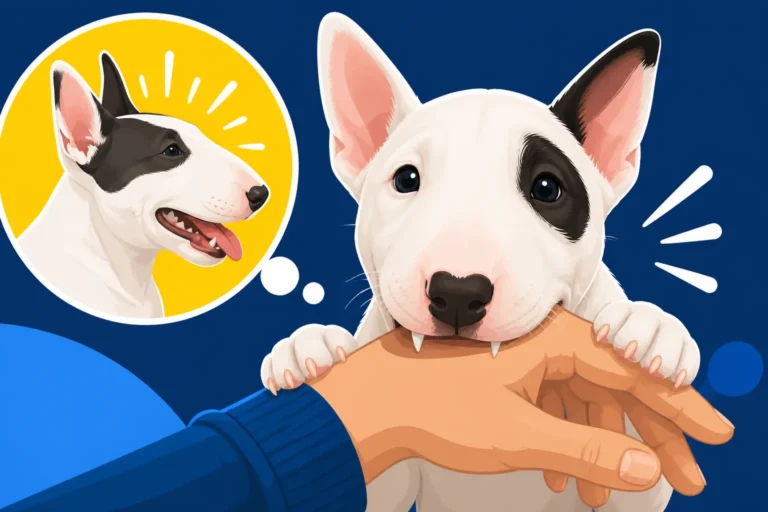
Let's not forget the earliest stages of a Bull Terrier's life. Like all puppies, Bull Terriers go through an intense teething phase. Their little mouths are aching, and chewing is the only way to alleviate that discomfort. During this time, everything is fair game in their eyes – your hands, your clothes, the rug, the furniture. This is a natural, developmental phase.
Beyond teething pain, puppies also explore their world with their mouths. It's how they gather information about objects, textures, and tastes. If not properly guided during this crucial period, a puppy's natural exploratory chewing can morph into destructive adult habits. It's our job as owners to provide appropriate outlets for this instinct and teach them what is and isn't okay to chew from day one. Failing to do so can lay the groundwork for a lifetime of chewing challenges.
The Unfortunate Target List: What Gets Chewed
When a Bull Terrier decides to chew, they don't discriminate much. Their powerful jaws, designed for holding onto things, are incredibly effective at demolishing almost anything they set their minds to. Owners often lament that their Bull Terrier treats their home like a giant chew toy buffet.
Household Items and Furniture
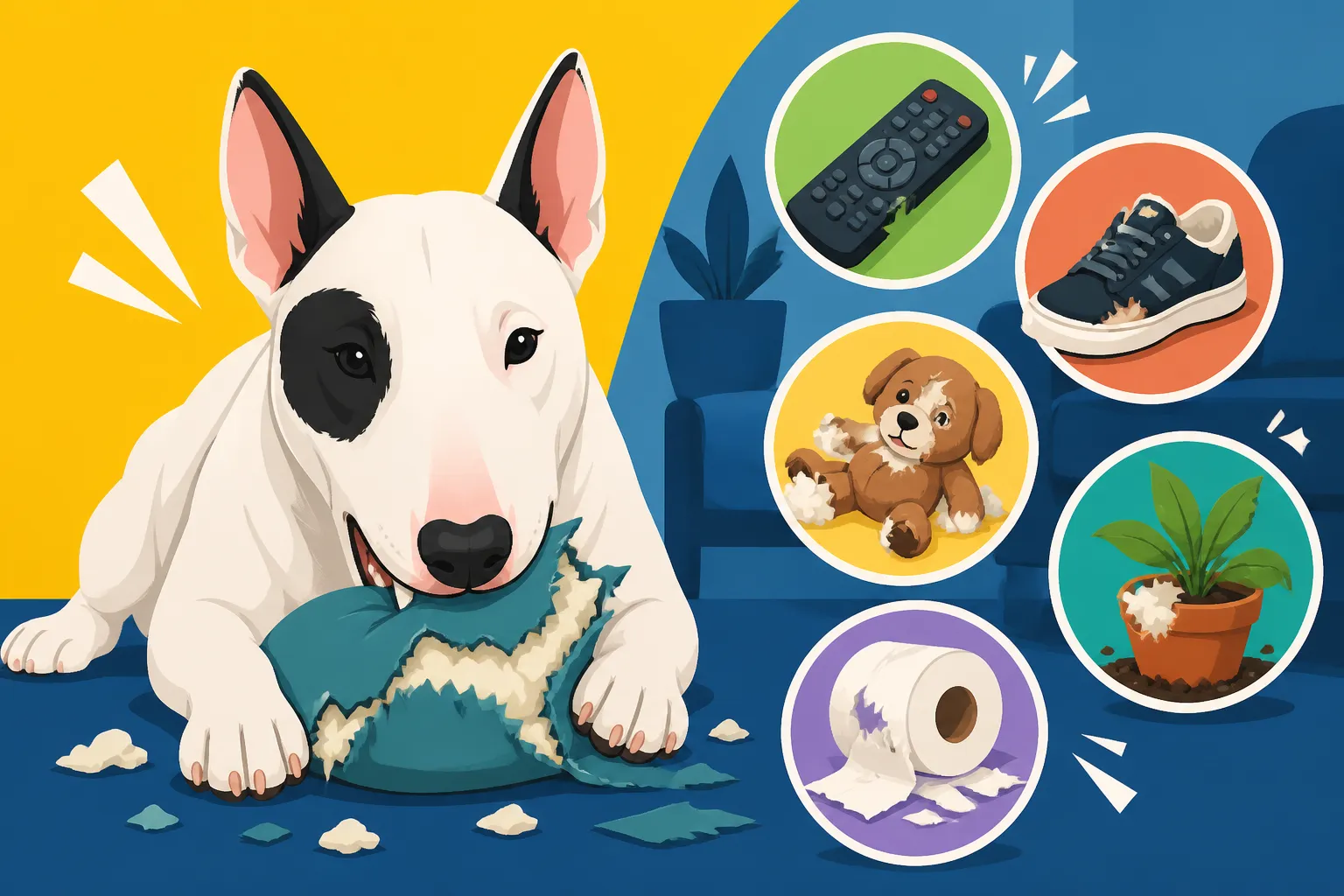
This is often where the most visible and expensive damage occurs. Sofa cushions, chair legs, table corners, wooden trim, and even entire sections of furniture can become targets. I’ve known Bull Terrier owners who’ve come home to find the arm of their favorite armchair completely shredded, or a dining chair leg reduced to splinters. It's not just wood; soft furnishings like throw pillows, blankets, and even dog beds are frequently destroyed. These items offer a satisfying texture and often carry the scent of the household, making them appealing. Remote controls, eyeglasses, phones, and children's toys left within reach are also common casualties. The robust jaws of a Bull Terrier can make short work of plastics, rubber, and even some metals, turning expensive electronics into unrecognizable rubble in minutes. What a Bull Terrier Does to a Sofa is a topic that resonates with many owners!
Walls, Doors, and Electrical Cords
These are the truly disheartening, and potentially dangerous, targets. If separation anxiety is at play, or if your Bull Terrier is trying to escape, doors and door frames become prime candidates. They will scratch, gnaw, and even dig at these exit points, leaving deep gouges and splinters. Drywall is no match for a determined Bull Terrier; large holes can appear surprisingly quickly. This kind of damage is not only costly to repair but also indicates a significant level of distress in your dog.
Even more critically, electrical cords pose a severe hazard. Lamps, phone chargers, appliance cords – anything with a wire is a potential target. A Bull Terrier can easily chew through the insulation, exposing live wires, which can lead to electrocution or start a fire. This isn't just about replacing a cord; it's a life-threatening risk that needs immediate and serious intervention. If you suspect your Bull Terrier is targeting these items, your immediate priority is to secure your home. What a Bull Terrier Does to Drywall gives a good sense of the damage they can inflict.
Personal Belongings and Clothing
Many Bull Terrier owners report returning to find their shoes, socks, underwear, or other personal clothing items in tatters. These items are particularly attractive because they carry your scent – a comforting presence when you're away, but also an easy target for a dog looking to relieve anxiety or boredom. A favorite pair of leather boots, a designer handbag, or even a child's beloved stuffed animal can be utterly ruined. The loss isn't just financial; it's often sentimental. Beyond clothing, items like wallets, keys, and even prescription medication can be chewed, creating serious health risks if ingested. It’s a stark reminder that if it's within reach and chewable, a Bull Terrier might just go for it.
Preventing Destructive Chewing When You're Away
The good news is that destructive chewing is often manageable with a combination of consistent training, proper management, and understanding your Bull Terrier's needs. It takes dedication, but a peaceful home and a happy dog are well worth the effort.
Comprehensive Exercise and Mental Stimulation
This is truly the cornerstone of preventing destructive chewing. A tired Bull Terrier is a good Bull Terrier, both physically and mentally. Before you leave the house, ensure your dog has had a substantial amount of exercise. This isn't just a quick potter around the block; it means a brisk walk, a run in a secure area, or an engaging play session that leaves them pleasantly pooped. Remember, How Far a Bull Terrier Should Walk Before It Gets Silly is quite a distance!
Beyond physical activity, mental stimulation is equally vital. Bull Terriers are smart, and their minds need a workout too. Incorporate short, engaging training sessions into your daily routine. When you leave them alone, provide them with interactive puzzle toys or treat dispensers. Products available on Amazon like durable KONGs stuffed with peanut butter or frozen yogurt, snuffle mats, or sturdy treat-dispensing balls can keep them occupied for a good chunk of time. Rotating these toys keeps them novel and interesting. A Bull Terrier who has spent time solving a puzzle or extracting treats is much less likely to seek out your furniture for entertainment.
Crate Training and Safe Spaces
Proper crate training is an invaluable tool for Bull Terrier owners. A crate, when introduced correctly, becomes a safe, comfortable den for your dog, not a punishment cell. It provides a secure space where they cannot get into trouble or injure themselves when unsupervised. Crucially, for a Bull Terrier, you need a heavy-duty crate. Standard wire crates are often no match for their determination and jaw strength; many owners report their Bull Terrier bending or breaking out of them. Investing in a robust, heavy-gauge steel crate is often necessary. Which Crate Holds a Bull Terrier offers great advice on choosing the right one.
If a crate isn't feasible or your Bull Terrier isn't fully comfortable with it, a dog-proofed room can be an alternative. This means removing anything valuable or dangerous – electrical cords, shoes, small objects, delicate furniture, and anything else that could be chewed or ingested. Ensure windows and doors are secure, and that there are no exposed wires or toxic plants. The key is to eliminate the opportunity for destructive chewing while you're away, gradually expanding their freedom as they prove trustworthy.
Appropriate Chew Toy Management
The market is flooded with chew toys, but for a Bull Terrier, "durable" often needs to mean "nearly indestructible." Your regular squeaky toys won't last five minutes. You need to provide a variety of high-quality, appropriate chew toys specifically designed for power chewers. Look for solid rubber toys, dense nylon bones, or natural chews like bully sticks or yak chews (always supervise these, especially until you know how your dog interacts with them, to prevent choking hazards). Many excellent options can be found on Amazon, often with reviews from other "power chewer" dog owners.
It's also essential to teach your Bull Terrier what is appropriate to chew and what isn't. When you catch them chewing something they shouldn't, calmly interrupt them and immediately redirect them to an approved chew toy. Praise and reward them lavishly when they engage with the correct item. Consistency is key here. By having plenty of suitable chews available and making them more attractive than your belongings, you set your Bull Terrier up for success. Which Toys Survive a Bull Terrier gives you specific recommendations.
Addressing Underlying Issues
If despite all your efforts with exercise, enrichment, and appropriate toys, your Bull Terrier continues destructive chewing, it's time to dig deeper. If you suspect separation anxiety or another anxiety-related issue, consulting with a professional is paramount. Your veterinarian can rule out any underlying medical conditions that might be contributing to anxiety or discomfort. They might also be able to refer you to a certified professional dog trainer or a veterinary behaviorist.
Organizations like BAXTER & Bella offer online puppy and dog training programs that can be incredibly helpful for addressing behavioral challenges like destructive chewing and separation anxiety. Their structured approach often includes guidance on desensitization, counter-conditioning, and management strategies to help your Bull Terrier feel more secure and comfortable when left alone. A behaviorist can help you develop a tailored plan that addresses the root cause of the chewing, rather than just treating the symptoms. Remember, sometimes what looks like stubbornness is actually a cry for help from a dog experiencing genuine distress.
| Chewing Motivation | Common Targets | Prevention Strategy |
|---|---|---|
| Boredom/Underexercise | Furniture, general household items, personal items | Increased exercise, mental stimulation, puzzle toys |
| Separation Anxiety/Stress | Doors, window sills, items with owner scent | Crate training, dog-proofed room, professional behaviorist |
| Puppy Teething/Exploration | Anything accessible, hands, small objects | Abundant appropriate chew toys, redirection, supervision |
| Medical/Dental Pain | Specific areas of the body, unusual items | Vet check-up, pain management |
Disclaimer
This article is for general informational purposes only and does not constitute professional advice. Laws, prices and regulations vary by location and change over time. Consult a qualified professional for guidance on your specific situation.