Why a Bull Terrier Leans on People
If you're a Bull Terrier owner, you know that personal space often becomes a relative term. You might be standing at the kitchen counter, stirring your morning coffee, and suddenly there's a warm, muscular weight pressing against your leg. Or you’re sitting on the sofa, and your Bull Terrier has somehow managed to become part of you, wedging their entire body against yours. This insistent lean is a classic Bull Terrier trait, and it leaves many of us wondering: why exactly do they do it? This guide will dive deep into the fascinating reasons behind this unique Bull Terrier behavior, helping you understand what your quirky companion is trying to communicate.
The Bull Terrier's Unique Language of Leaning
Bull Terriers are known for their distinct personalities – a blend of clownish antics, fierce loyalty, and surprising sensitivity. This makes their communication style quite unique, and leaning is a prime example. It’s not just a casual brush; it's a deliberate, full-body press that speaks volumes about their emotional state and their bond with you.
More Than Just a Cuddle: Understanding Physical Affection
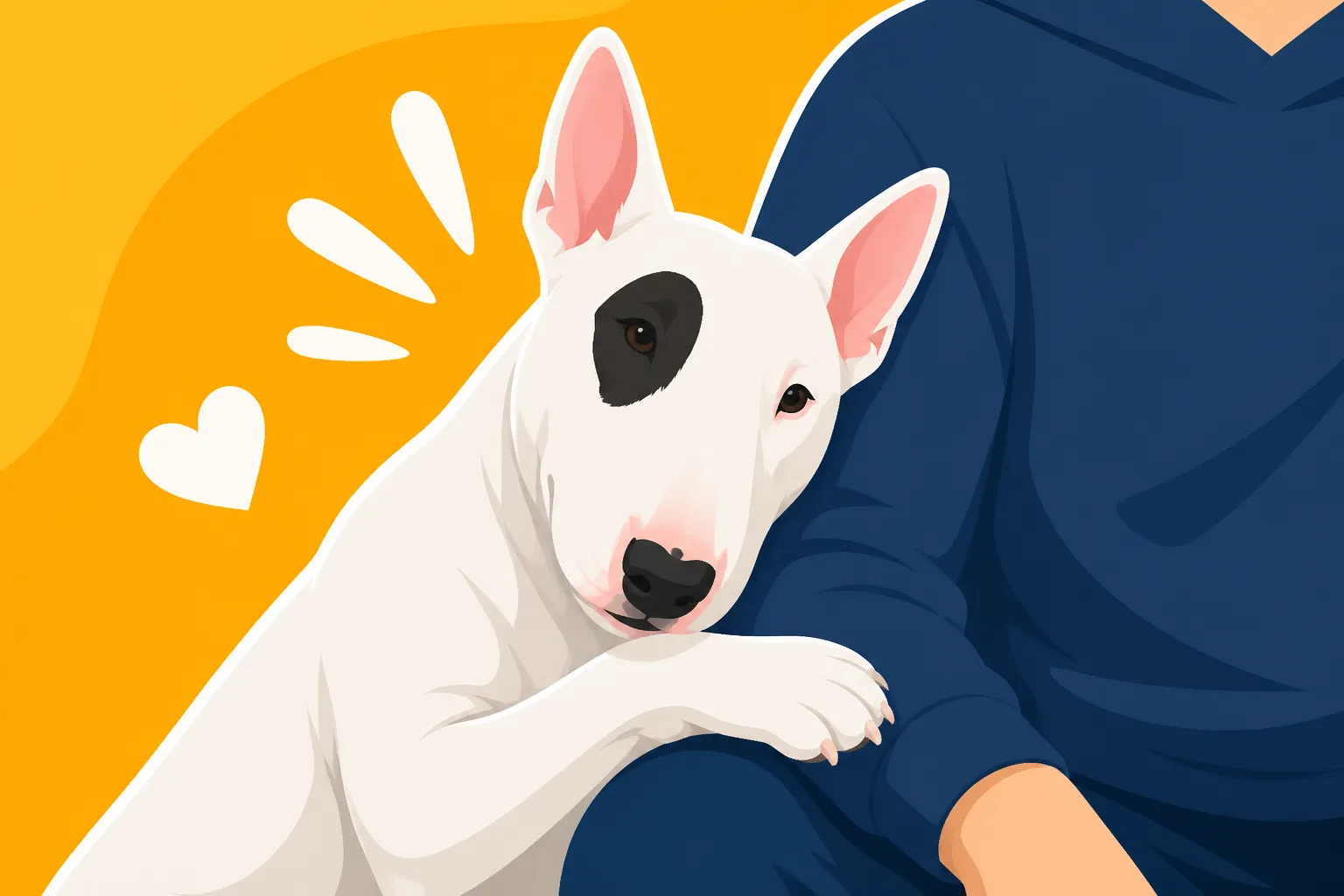
For many breeds, a cuddle might involve a gentle head nuzzle or lying close by. But for a Bull Terrier, physical affection often means direct, unapologetic body contact. They don't just want to be near you; they want to be part of you, even if just for a moment. This isn't usually a subtle invitation; it's a statement. When your Bull Terrier leans into you, they are actively seeking that connection, craving the warmth and reassurance that comes from shared physical space. It's their way of initiating intimacy, a very tangible expression of their devotion.
Think about it: you’re engrossed in a book, and suddenly a sturdy frame is pushing into your side, sometimes so forcefully you find yourself shifting balance. This isn't rudeness; it's their direct approach to saying, "Hey, I see you, and I want to be with you." This deep need for physical presence is often a core part of How Physically Affectionate a Bull Terrier Is, and it's something that truly defines the breed's interaction style with their beloved humans. It's a testament to their desire to be constantly connected, a part of your world, literally.
The "Clown in a Dog Suit" Persona and Body Contact
The nickname "clown in a dog suit" isn't just for their goofy expressions and silly antics. It also perfectly describes their somewhat clumsy yet endearing way of interacting physically. A Bull Terrier isn't always graceful; they are powerful, dense, and full of kinetic energy. When they lean, it’s not always a delicate sidle. It can be a strong, insistent press, sometimes even a minor body slam (which we'll touch on later!). This robust physical presence is a big part of Why a Bull Terrier Shows Affection With Its Whole Body. They commit fully to their affections, and that often means employing their entire sturdy frame.
This breed’s unique build, with its low center of gravity and strong musculature, makes their leaning feel particularly impactful. It’s a trait that often surprises first-time Bull Terrier owners, who might be used to more reserved or lighter-boned breeds. While it might seem a bit much at times, it’s rarely aggressive. Instead, it’s usually an exuberant, full-throttle declaration of affection and a desire for closeness, reflecting What a Bull Terrier's Temperament Is Really Like. They simply don't do things by halves, and that includes showing you how much they appreciate your presence.
Instinctual Roots: The Deep-Seated Reasons Behind the Lean
Beyond mere affection, the Bull Terrier's leaning behavior taps into ancient canine instincts. It’s a primal urge to connect, protect, and feel protected within their social structure, with you at the very heart of it. Understanding these deeper motivations can help you appreciate the significance of this often-daily interaction.
Seeking Security and Proximity in Their Pack
Dogs are pack animals, and even in a domestic setting, they retain strong instincts for social cohesion. Leaning into you is a deeply ingrained way for your Bull Terrier to reinforce their place within your "pack" and to draw comfort from your presence. Historically, canids would huddle together for warmth and safety, and this behavior continues to manifest in our modern companions. When your Bull Terrier presses their body against yours, they are seeking that primal sense of security and belonging. You are their safe harbor, and by physically connecting, they affirm that bond.
This behavior is particularly common when a Bull Terrier feels uncertain or needs reassurance. It’s an unspoken request for comfort, a physical manifestation of their trust in you to keep them safe. It’s why you might notice your Bull Terrier leaning on you more during a loud thunderstorm, or when they encounter a new, unfamiliar person or environment. They are grounding themselves with your steady presence. This deep need for connection also explains Why a Bull Terrier Follows You Everywhere, even into the bathroom! They want to be close, always, seeing you as their ultimate source of safety and guidance.
A Sense of Ownership and Connection
While leaning is usually affectionate, it can also carry a subtle undertone of "ownership" or a declaration of belonging. It's not typically a display of dominance in the negative sense, but rather a gentle way for your Bull Terrier to stake their claim on you. When they lean, especially in the presence of other people or dogs, they are saying, "This human is mine." It's a possessive, yet often endearing, gesture that reinforces their bond and makes it clear who their primary person is.
This "claiming" behavior stems from their incredibly strong loyalty and the deep attachments they form with their family members. A Bull Terrier often chooses a "person" within the household and will devote themselves wholeheartedly to them. Leaning is one tangible way they demonstrate this unwavering allegiance. It's a quiet but firm statement that you are their chosen companion, and they cherish that connection. It speaks to the unique dedication that makes owning a Bull Terrier such a rewarding experience, as they truly invest themselves fully in their human relationships.
Deciphering the Lean: What Your Bull Terrier Might Be Telling You
The Bull Terrier lean isn't a monolithic behavior; it's a nuanced form of communication. The context, the intensity, and accompanying body language can all give you clues as to what your Bull Terrier is trying to convey. Learning to read these signals can deepen your bond and help you respond appropriately.
The "I Want Something" Lean
Sometimes, that insistent lean isn't just about love; it's about a request. Bull Terriers are smart, and they quickly learn that leaning into you often gets a reaction. This lean might be a precursor to asking for a belly rub, for you to drop the remote and play, or even to signal that it’s time for their dinner or a potty break. If the lean is accompanied by intense eye contact, a nudge of the nose, or a paw lift, it’s a good bet they’re trying to tell you something specific.
For example, if your Bull Terrier leans in, then gently nudges their head under your hand, they’re almost certainly asking for pets. If they lean and then shift their weight towards the door, they might be indicating a need to go outside. Learning to differentiate these "request" leans from purely affectionate ones is key. You can even channel this communicative behavior into something more structured. Resources like BAXTER & Bella's online training programs can offer guidance on teaching your Bull Terrier to communicate needs in more precise ways, like ringing a bell for outside, which can be less physically demanding on you!
The "I Need Reassurance" Lean
As mentioned earlier, the lean is a powerful tool for seeking comfort. Bull Terriers, for all their robust appearance, can be quite sensitive. If there are loud noises, new people in the house, or a change in routine, your Bull Terrier might lean into you as a way of saying, "I'm a bit unsure, please reassure me." This lean is often more subtle, perhaps accompanied by slightly flattened ears, a lowered tail, or averted eyes.
In these moments, your response is crucial. A gentle stroke, a calming word, or simply allowing them to press against you can provide the stability they need. It’s important not to over-coddle, as this can inadvertently reinforce their fear, but a quiet acknowledgment of their presence and a steady hand can make all the difference. Understanding this protective instinct can help you navigate challenging situations, ensuring your Bull Terrier feels safe and loved no matter what’s going on around them.
The "I'm Just Happy Here" Lean
Then there's the truly content lean. This is the lean that happens when your Bull Terrier is completely relaxed, perhaps dozing off, with their entire weight comfortably settled against your leg or side. Their body language will be soft – relaxed muscles, slow blinks, maybe a soft sigh. This lean is pure, unadulterated affection and contentment. It's their way of showing you that they feel utterly safe and at peace in your presence.
This "happy lean" is one of the most heartwarming aspects of living with a Bull Terrier. It’s a quiet moment of mutual appreciation, a tangible expression of the deep bond you share. In these moments, simply accept the closeness. It’s a wonderful reminder of How Physically Affectionate a Bull Terrier Is and the unique joy these dogs bring into our lives. These are the moments that cement their place not just in your home, but truly in your heart.
Navigating the Lean: Setting Boundaries and Encouraging Balance
While the Bull Terrier lean is often endearing, there are times when it can become a bit much, especially if your dog is particularly large, strong, or unaware of their own considerable power. Learning to set boundaries respectfully ensures both your comfort and your Bull Terrier's understanding of appropriate interaction.
Teaching Personal Space Gently
It’s perfectly okay to want some personal space, even from your beloved Bull Terrier. The key is to communicate these boundaries gently and consistently, without making them feel rejected. One effective method is to teach a "place" command, where your Bull Terrier learns to go to a designated spot (like a bed or mat) and stay there until released. This allows them to be in the same room, but not constantly physically touching you. Teaching a Bull Terrier to Settle on a Mat is a fantastic skill to build for this very reason.
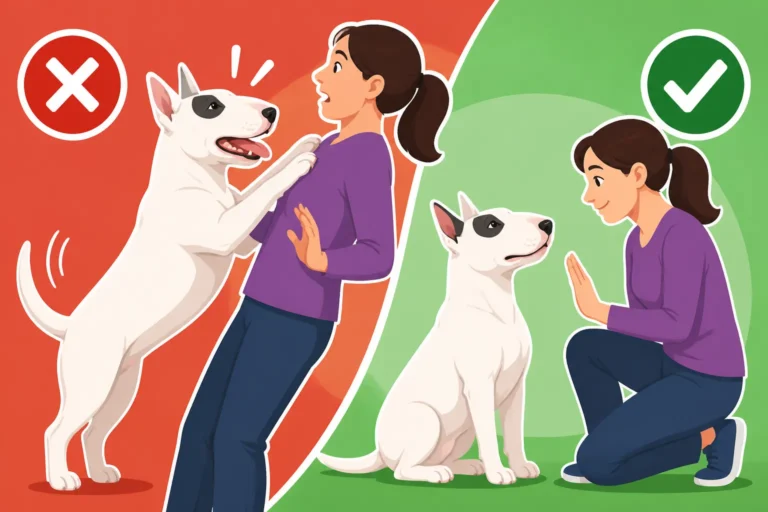
When they lean excessively, you can calmly redirect them to their mat or simply stand up and move away. When they then settle respectfully in their own space, reward them with calm praise or a treat. Avoid pushing them away harshly, as this can confuse or upset a sensitive Bull Terrier. The goal is to teach them that proximity is wonderful, but there are also times for independent relaxation, ensuring they don't feel unwelcome when you need a moment to yourself.
Redirecting Overly Enthusiastic Leaning to Appropriate Behaviors
Sometimes the lean escalates into a full-on shove or body check. This is often an exuberant, though sometimes painful, display of affection or a plea for attention. If your Bull Terrier is prone to Why a Bull Terrier Body Slams, it’s crucial to redirect this energy into more appropriate channels. Instead of pushing you with their body, teach them to sit calmly for attention, or to bring you a toy.
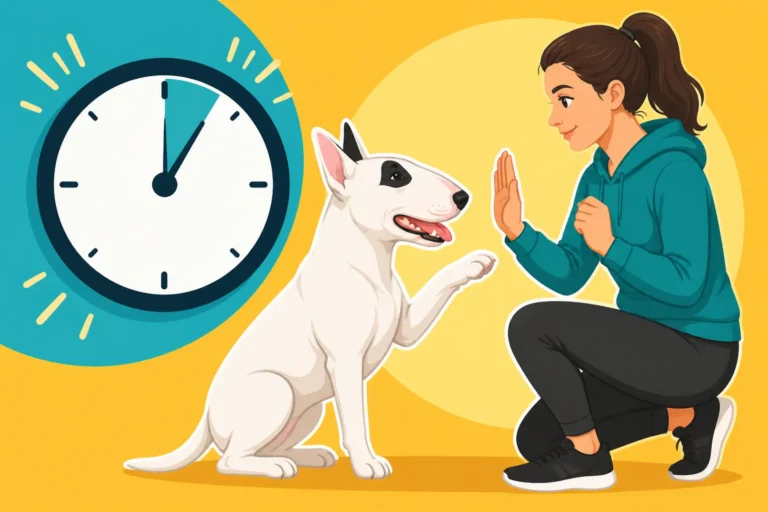
When they start to lean too forcefully, immediately stand up and turn your back, effectively removing the "reward" of your attention. Once they calm down and sit, then you can offer praise and gentle pets. Providing plenty of mental and physical enrichment can also help. A bored Bull Terrier is more likely to engage in attention-seeking behaviors, including excessive leaning or destructive chewing. Investing in durable puzzle toys or robust chew items, easily found on Amazon, can keep their minds engaged and their energy channeled constructively. This can also help address issues if What a Bull Terrier Does When It Is Bored is a common problem in your home, which is often related to a lack of mental stimulation. Ultimately, a Bull Terrier that understands Why a Bull Terrier Needs a Job will be a much happier and better-behaved companion.
Distinguishing Leaning from Other Behaviors
While leaning is a typical and usually benign Bull Terrier trait, it's important for owners to differentiate it from other, less desirable behaviors. Sometimes, what appears to be a lean could be something else entirely, or it could be a symptom of an underlying issue.
Is it Leaning, or Is it Pushing for Dominance?
In older, outdated training theories, any pushy behavior from a dog was often mislabeled as an attempt at "dominance." However, modern canine behavior science tells us that this is rarely the case, especially with leaning. A Bull Terrier’s lean is almost always rooted in affection, security-seeking, or a request, not a challenge to your authority. While some leans might carry a subtle "claiming" aspect as discussed, it's generally not an aggressive or confrontational act.
True dominance-related behaviors are typically accompanied by other, more overt aggressive displays, such as snarling, stiff body language, direct stares, or guarding behaviors over resources. If your Bull Terrier is displaying signs of guarding its person (How a Bull Terrier Guards Its Person) or showing aggressive tendencies when leaning, that's a different issue requiring professional guidance. But for the vast majority of Bull Terriers, their lean is simply an affectionate, if sometimes heavy-handed, way of connecting with the person they adore.
When Leaning Signals Something More
While rare, a sudden change in leaning behavior, especially if accompanied by other concerning symptoms, could potentially signal an underlying health issue. For instance, if your Bull Terrier suddenly starts leaning against furniture or walls more frequently, appears unsteady, or seems disoriented, it could be a sign of vestibular issues, pain, or another neurological problem. Similarly, if they lean and seem to be trying to rest their head or press it into you more than usual, it could indicate discomfort.
Pay attention to any other clues: is your Bull Terrier reluctant to move, limping, eating less, or showing signs of pain when touched? Bull Terriers are famously stoic, and it can be difficult to tell How a Bull Terrier Hides Pain. If you notice a significant or sudden change in their leaning habits, or if it seems to be linked to discomfort or imbalance, it's always best to consult your veterinarian. They can rule out any medical reasons behind the change in behavior and give you peace of mind.
Here's a quick guide to help you decode your Bull Terrier's lean:
| Type of Lean | Body Language Cues | Potential Meaning | Appropriate Response |
|---|---|---|---|
| The Affectionate Lean | Relaxed body, soft eyes, gentle sigh, slow wag | "I love you. I feel safe and happy with you." | Return affection, gentle pets, enjoy the closeness. |
| The Request Lean | Intense eye contact, nudging nose, paw lift, shifts body | "I want something (e.g., pets, food, potty break, play)." | Acknowledge, observe other cues, ask for a sit, then fulfill if appropriate. Use trained cues (e.g., bell for potty). |
| The Reassurance Lean | Slightly lowered head, soft ears, low tail wag or tucked | "I'm a bit nervous or scared, please comfort me." | Calm voice, gentle strokes, allow proximity without over-coddling. Be a steady presence. |
| The Claiming Lean | Stiffens slightly if another person/dog approaches, focused on you | "You're my human. I'm claiming my spot by your side." | Acknowledge, reinforce with calm praise. Manage interactions with others if the dog shows signs of guarding. |
| The Over-Enthusiastic Lean | Full body push, leaning heavily, sometimes knocking you off balance | "I'm super excited! Pay attention to me now!" | Immediately disengage (turn back), wait for calm, then reward calm sitting for attention. Redirect to a toy or activity. |
| The "Something's Wrong" Lean | New behavior, unsteady, trying to brace, signs of pain or discomfort | "I don't feel well. Something hurts, or I'm dizzy." | Consult a vet immediately. Observe for other symptoms (limping, lethargy, loss of appetite). |
Disclaimer
This article is for general informational purposes only and does not constitute professional advice. Laws, prices and regulations vary by location and change over time. Consult a qualified professional for guidance on your specific situation.