Why a Bull Terrier Pulls Toward Everything
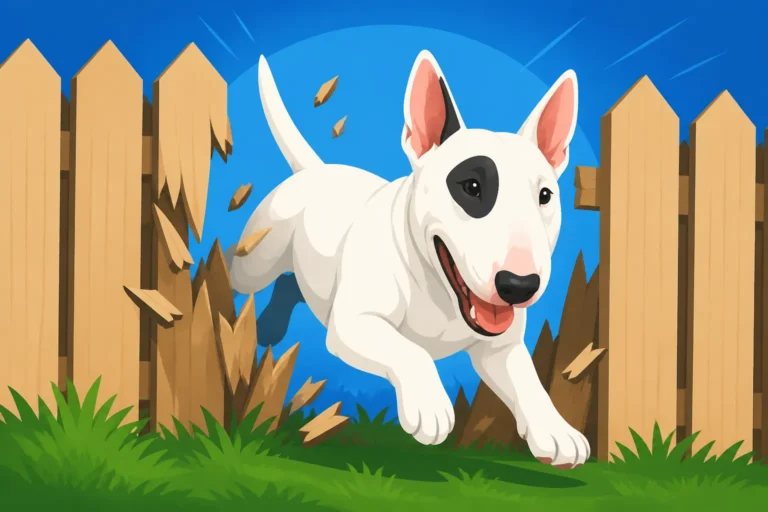
It’s a tale as old as time for many Bull Terrier owners: you step out the door with the best intentions, ready for a pleasant walk, only to find yourself being dragged down the street by what feels like a small, highly enthusiastic locomotive. The sheer power and focus your Bull Terrier exhibits when they decide to pull towards something – anything – can be utterly baffling and incredibly frustrating, often leaving you with sore shoulders and bruised confidence. This guide dives deep into why your Bull Terrier seems determined to pull toward everything, from a distant leaf to a passing squirrel, and provides practical, empathetic strategies to help you both enjoy your walks again.
Understanding the Bull Terrier's Innate Drive to Explore
Let’s be honest, our Bull Terriers are not just pets; they're bundles of pure, unadulterated zeal, often with the physical prowess to back it up. Their history as agile, robust dogs bred for specific tasks has instilled in them a powerful drive and an undeniable curiosity about the world around them. This isn't just a misbehaving dog; it's a dog responding to deep-seated instincts.
The Power of Their Prey Drive and Curiosity
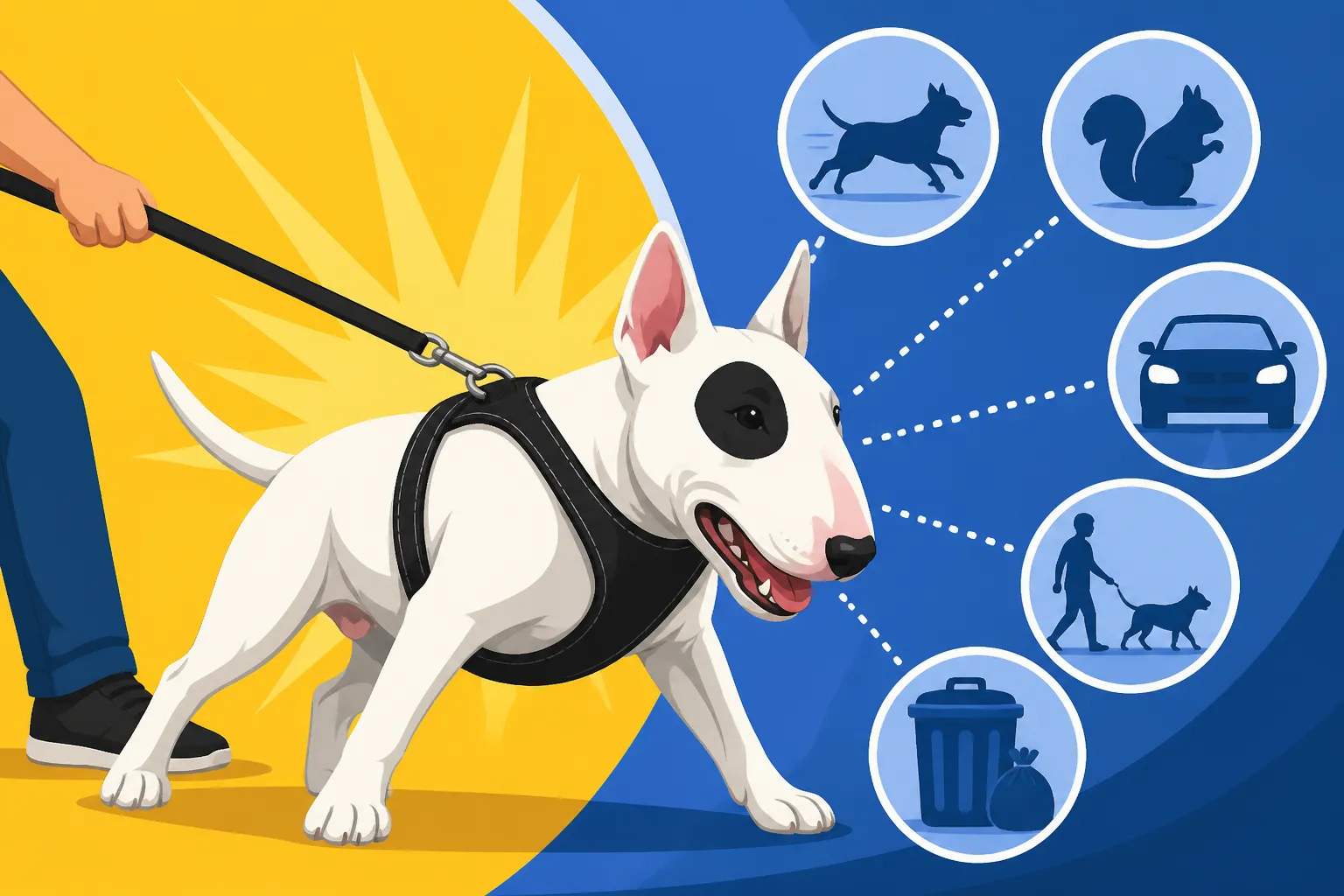
Bull Terriers possess a strong prey drive. It's in their DNA. That flicker of a squirrel across the park, the rustle of leaves, or even a plastic bag blowing down the street can instantly switch on an intense focus. When that instinct takes over, they are not consciously trying to defy you; they are simply responding to a primal urge to investigate, chase, or engage with that perceived "prey." This drive, coupled with their sheer physical strength, means that when they decide to go, they go. It’s not malicious; it’s instinct. You can truly appreciate How Strong a Bull Terrier Is on a Leash when they lock onto something.
Beyond prey drive, Bull Terriers are incredibly curious creatures. Everything is interesting, new, and worth a sniff, a nudge, or a full-speed investigation. They want to know what’s around the next corner, what that smell is, and who that person might be. This boundless curiosity means their attention is constantly being pulled in different directions, and they often feel the need to get to whatever has captured their interest immediately. This translates directly into forward momentum on the leash, often with you still attached.
The "All or Nothing" Bull Terrier Mentality
If you’ve spent any time with a Bull Terrier, you know they tend to do things with their whole heart and soul, whether it’s showering you with affection, zooming around the yard, or deciding they need to investigate a fire hydrant. There's very little middle ground for them; it's often an "all or nothing" approach. When something excites them on a walk, their reaction isn't a gentle tug; it's a full-body commitment to reaching that object of interest.
This intensity makes loose-leash walking particularly challenging. A Bull Terrier doesn't just meander; they stride with purpose. If that purpose is to reach the interesting sniff spot ahead, then every ounce of their considerable muscle will be employed to get there. It takes a conscious effort and consistent training to teach them that the leash is a boundary, not a tow rope for their adventures. This powerful personality is part of why What a Bull Terrier's Temperament Is Really Like is so unique and endearing, but it does come with its challenges on a walk.
Common Reasons Your Bull Terrier Becomes a Leash-Pulling Locomotive
While their inherent drives play a big role, other factors contribute to why your Bull Terrier seems to have a personal vendetta against slack leashes. It’s rarely just one thing; usually, it’s a combination of these elements creating a perfect storm for pulling.
Lack of Consistent Training and Clear Expectations
One of the primary reasons Bull Terriers pull is quite simple: they haven't been consistently taught not to, or the expectations aren't clear. Dogs learn by association and consequence. If pulling gets them to where they want to go, even just a little, they learn that pulling is an effective strategy. It's a self-reinforcing behavior. We, as their humans, often inadvertently reward the pulling by continuing forward momentum, even if we're complaining the whole time.
It's easy to fall into this trap, especially when you're in a hurry or just trying to get through the walk without a major struggle. However, every time a Bull Terrier successfully pulls you towards something, they're getting a clear message: "Pulling works!" This is where breaking that cycle with clear, consistent boundaries and positive reinforcement becomes crucial. Just like teaching any other skill, Teaching a Bull Terrier to Sit and Stay requires clear rules and patient repetition, and loose leash walking is no different.
Insufficient Physical Exercise and Mental Stimulation
A bored or under-exercised Bull Terrier is a powerhouse waiting to explode with energy, and that explosion often happens on the leash. These dogs are strong, active, and intelligent, and they need a significant outlet for their physical and mental energy. If they’re not getting enough appropriate exercise, a walk becomes their prime opportunity to burn off pent-up energy, often leading to frantic pulling and an inability to focus.
Think about it: if your Bull Terrier has been cooped up all day, that first sniff of the outside world is electrifying. They’re not going to stroll casually; they’re going to power walk (or run!) towards everything to soak it all in. Furthermore, mental stimulation is just as vital. A Bull Terrier that isn't regularly challenged with puzzle toys, training sessions, or scent work can quickly become frustrated and channel that frustration into unwanted behaviors, including pulling. This is why Why a Bull Terrier Needs a Job is so important; a tired dog is often a well-behaved dog, both physically and mentally.
Inappropriate or Uncomfortable Equipment
Sometimes, the problem isn't just the dog; it's the tools we use. Many standard collars, especially flat buckle collars, can actually encourage pulling in a powerful breed like the Bull Terrier. When a dog pulls against a flat collar, it puts pressure on their throat and trachea, which can be uncomfortable or even damaging. However, many dogs learn to "pull through" this discomfort because the reward of getting somewhere outweighs the temporary unpleasantness.
Similarly, harnesses vary wildly in their design and effectiveness. Some harnesses, particularly those that clip on the back, can inadvertently engage a dog's opposition reflex, which means they naturally pull harder against pressure. It's like asking a sled dog to pull; a back-clip harness gives them all the leverage they need. The right equipment can make a world of difference in redirecting that pulling power and making walks more enjoyable for both of you. Getting familiar with options like Which Harness Holds a Bull Terrier can be a game-changer.
Effective Strategies and Tools to Reclaim Your Arm
The good news is that while Bull Terriers are powerful and determined, they are also smart and trainable. With the right approach, equipment, and a healthy dose of patience, you can teach your Bull Terrier to walk nicely on a leash.
Training for Loose-Leash Walking
Teaching loose-leash walking requires consistency, patience, and positive reinforcement. The core idea is simple: slack leash equals good things (forward movement, praise, treats), taut leash means nothing good happens (you stop moving). It's a clear binary system your Bull Terrier can understand. Start in a low-distraction environment, like your backyard, and gradually introduce more stimulating surroundings. Online training platforms, like those offered by BAXTER & Bella, can provide structured lessons and support for teaching these foundational skills.
- The "Stop-and-Go" Method: This is a classic for a reason. The moment your Bull Terrier pulls, you stop dead in your tracks. Don’t say anything, don’t yank the leash – just become a tree. Only when the leash slackens, even for a second, do you start walking again. This teaches them that pulling literally gets them nowhere. It takes dedication, especially if your Bull Terrier is a persistent puller, but it works.
- Change of Direction: Another effective method is to abruptly change direction the instant your Bull Terrier starts to pull. If they’re pulling left, you turn right. If they’re pulling straight ahead, you pivot and go backward. This not only interrupts the pulling behavior but also requires them to pay attention to you to anticipate where you're going next. They learn that focusing on you keeps the walk predictable and moving.
- Rewarding Eye Contact and Check-ins: Actively reward your Bull Terrier when they look at you during a walk, especially in distracting environments. Carry high-value treats and praise them generously. This teaches them that checking in with you is more rewarding than fixating on external distractions. You can even combine this with short bursts of Teaching a Bull Terrier to Come Back Mid Zoomie in a safe, enclosed area to build their responsiveness to you.
Specialized Equipment for Better Leash Control
Choosing the right equipment can significantly aid your training efforts. While no tool is a substitute for training, some can help manage the pulling while you teach the desired behavior. You can often find a wide variety of these specialized tools on Amazon.
| Equipment Type | How it Works | Pros | Cons | Best For |
|---|---|---|---|---|
| Front-Clip Harness | Leash attaches to a ring on the dog's chest. When they pull, they're steered sideways. | Redirects pulling force, prevents choking, generally comfortable, does not apply pressure to the throat. | Can sometimes tangle legs or feel awkward for the dog initially. | Strong pullers, dogs with neck/throat issues, good for teaching foundational loose-leash skills. |
| Head Halter | Fits over the nose and behind the ears, giving you control over the dog's head. | Provides excellent control, where the nose goes, the body follows. Prevents jumping and lunging. | Can be initially resisted by some dogs, requires careful introduction to prevent negative associations. | Very strong pullers, dogs that lunge excessively, or those needing precise control for reactivity. |
| Martingale Collar | A limited-slip collar that tightens slightly when the dog pulls, preventing escape. | Prevents dogs from slipping out, provides a gentle reminder without choking, especially good for Bull Terriers with narrow heads. | If not fitted correctly, can still allow some pulling pressure on the neck. Not truly an "anti-pull" device. | Dogs prone to slipping out of collars, general everyday use once loose-leash walking is established. |
| Standard Back-Clip Harness | Leash attaches to a ring on the dog's back. | Comfortable for the dog, good for car rides or relaxed walks. | Can actually encourage pulling due to the opposition reflex, giving the dog more leverage. | Dogs who already walk well on a leash, or for activities like hiking where pulling is acceptable. |
It's important to introduce any new equipment gradually and positively, using treats and praise, so your Bull Terrier associates it with good experiences. You want them to be comfortable and happy wearing it, not resentful. Whether a Head Halter Suits a Bull Terrier or a front-clip harness often depends on your individual dog's temperament and your commitment to proper introduction.
Beyond the Leash: Holistic Approaches to a Calm Walk
While training and equipment are essential, remember that your Bull Terrier's behavior on the leash is often a reflection of their overall well-being. Addressing their fundamental needs can dramatically improve their focus and reduce pulling.
Meeting Their Exercise and Mental Enrichment Needs
As mentioned, a well-exercised Bull Terrier is a calmer Bull Terrier. But it’s not just about duration; it’s about quality of exercise. While How Much Exercise a Bull Terrier Actually Needs can vary, aim for vigorous physical activity that truly tires them out, such as fetch, running, or structured play sessions. Incorporate mental challenges too: hide-and-seek with treats, puzzle toys, or short, engaging training sessions throughout the day.
For dogs with a high prey drive or a tendency to get over-aroused, structured mental work can be more tiring than physical exercise. Scent work, for example, allows them to use their powerful noses in a controlled way, fulfilling that intrinsic drive to investigate without the chaos of pulling towards every moving thing. Consider scattering their kibble in the yard or using snuffle mats to make mealtime a mental workout. This kind of thoughtful enrichment can sometimes reduce the intensity they bring to their walks, making them more amenable to training. What Enrichment a Spinning Bull Terrier Needs might give you some ideas for calming a dog with high energy levels.
Consistency, Patience, and Realistic Expectations
This might be the hardest part for us humans! Consistency is absolutely key. Everyone who walks the Bull Terrier needs to be on the same page with the training methods and equipment. If one person allows pulling and another doesn't, your Bull Terrier will get mixed signals and continue to try what works. It’s a team effort.
Patience is also paramount. You're trying to re-wire years of instinct and learned behavior. There will be good days and bad days. Don’t get discouraged if you have a setback. Celebrate the small victories, like a few steps of loose leash walking, and build on those. Remember, your Bull Terrier isn't being stubborn; they're simply being a Bull Terrier. It's up to us to guide them. How Far a Bull Terrier Should Walk Before It Gets Silly is a great benchmark for knowing when to wrap up a productive session before they get overtired and lose focus. For more intensive training, remember that How Short a Bull Terrier's Training Session Has to Be is usually better; frequent, short, positive sessions yield better results than long, frustrating ones.
Finally, set realistic expectations. While a perfect "heel" might be the goal, aim for "loose leash walking" where the leash has some slack and you're not being pulled. Some days, especially with high distractions, might be tougher than others. The bond and communication you build with your Bull Terrier through consistent, positive training will serve you well, making those walks a joyful experience rather than a tug-of-war. If your Bull Terrier struggles with being left alone, addressing that might also help reduce their "exploding" energy at the start of a walk, as discussed in Whether a Bull Terrier Can Be Left Alone All Day.
Disclaimer
This article is for general informational purposes only and does not constitute professional advice. Laws, prices and regulations vary by location and change over time. Consult a qualified professional for guidance on your specific situation.