What Bull Terrier Owners Wish They Had Known
So, you're enchanted by the Bull Terrier, aren't you? Perhaps you've seen their charming, quirky faces in pictures, heard tales of their clownish antics, or dreamt of a loyal, robust companion. It's easy to fall head over heels for their unique charm. However, many new Bull Terrier owners quickly discover that while they are truly wonderful dogs, they come with a distinct set of characteristics that can be, shall we say, surprising. This comprehensive guide is here to spill the beans on what seasoned Bull Terrier owners universally wish they had known before their first "Bullie" came barreling into their lives, saving you from some common pitfalls and validating the beautiful chaos.
The Bull Terrier's Personality Isn't What You Expect
Let's be frank: the Bull Terrier's reputation as a lovable clown is well-earned, but it's only half the story. Beneath that goofy exterior lies a highly intelligent, intensely stubborn, and incredibly opinionated dog who often believes their ideas are superior to yours. Many first-time owners envision a docile, easily managed dog based on their calm appearance, only to find themselves with a strong-willed, boisterous companion who challenges every expectation.
The "Three-Year-Old in a Dog Suit" Phenomenon
If you've spent any time around Bull Terrier enthusiasts, you've likely heard the phrase: "They're a three-year-old in a dog suit." It's not an exaggeration; it's a fundamental truth that many owners wish they had truly grasped. This isn't about intelligence or capability; it's about their unique blend of boundless energy, selective hearing, and an unwavering desire to do things their way. Just like a toddler, they can be incredibly endearing one moment, and then completely defy logic or instruction the next, often with a mischievous sparkle in their eye.
This translates into daily life in myriad ways. Imagine trying to get your Bull Terrier to come inside when they've decided the garden hose is far more interesting, or attempting to walk politely past a fascinating lamppost when they've committed to a full-body investigation. Their curiosity is endless, and their impulse control, especially in their younger years (which can last until they're three or four years old!), can be incredibly challenging. They'll push boundaries, test limits, and sometimes look at you as if to say, "And what are you going to do about it?" It requires a level of patience and a sense of humor that many owners don't realize they'll need until they're knee-deep in Bull Terrier antics. For a deeper dive, check out Why a Bull Terrier Is Called a Three Year Old in a Dog Suit.
Affectionate, Yes, But Also Bossy
Bull Terriers are known for their deep affection for their human families, often described as "velcro dogs" who want to be right by your side. They thrive on companionship and physical contact, leaning into you, nudging for pets, and often attempting to become a permanent fixture on your lap, regardless of their size. This incredible bond is one of the most rewarding aspects of owning the breed, but it comes with a subtle caveat: they can be incredibly bossy and demanding with their affection.
They won't just ask for attention; they'll often insist upon it. This might manifest as a persistent pawing, a well-placed head nudge to dislodge your book, or even a full-body lean that slowly shoves you off the sofa. Living With a Bull Terrier That Body Slams You for Fun is a real scenario for many owners! They expect to be the center of your universe, and they are not shy about communicating this expectation. While charming, this can be overwhelming if you're not prepared for a dog who doesn't understand personal space and has no qualms about asserting their right to your undivided attention, especially when you're busy with something else. They're not just pets; they're active participants in every aspect of your life, demanding inclusion and making their presence known.
The Stubborn Streak That Requires Creativity
Oh, the stubbornness! This is perhaps the single biggest surprise for many new Bull Terrier owners. They are not dogs that blindly follow commands or seek to please in the way many other breeds do. A Bull Terrier will evaluate your request, weigh it against their current desire, and then make an independent decision. If they don't see the point, or if there's something more interesting happening, your command might as well be spoken in a foreign language. This isn't defiance for the sake of it; it's an inherent part of their intelligent, independent nature.
This means that traditional, repetitive drill-based training methods often fall flat. You'll find yourself needing to get incredibly creative to motivate them, constantly changing up your approach, and finding what truly makes them tick. For some, it's a specific squeaky toy; for others, a high-value treat; for many, it's the sheer joy of a game. Understanding How Stubborn a Bull Terrier Is is key. What works one day might not work the next, and you'll need to develop a thick skin and an endless supply of patience. This stubborn streak extends to almost everything, from house training (some can take longer to grasp it) to leash manners, and even to simply getting them to move from one room to another when they've decided to nap in a prime walkway. It’s a constant negotiation, a dance of wills where consistency and ingenuity are your best tools.
Training a Bull Terrier: It's a Marathon, Not a Sprint
Given their unique temperament, it's no shock that training a Bull Terrier is an ongoing adventure that requires dedication and a departure from conventional wisdom. Many owners assume that once a Bull Terrier reaches adulthood, the intense training phase is over. The reality is, Bull Terriers often require consistent, lifelong engagement to keep them mentally stimulated and well-behaved.
Why Standard Methods Fall Flat
Many dog breeds respond well to repetitive drills and a straightforward "do as I say" approach. Bull Terriers, however, often view such methods as tedious and entirely optional. They learn incredibly quickly, but they also get bored with repetition even faster. If a command or task doesn't make sense to them, or if it's not fun, they'll check out faster than you can say "sit." This can be incredibly frustrating for owners used to more biddable breeds. The old adage that A Bull Terrier Trains When It Sees the Point rings true every single time.
Positive reinforcement, using high-value rewards (whether food, toys, or play), and making training sessions short, fun, and varied are absolutely critical. You're not just teaching commands; you're building a relationship based on mutual respect and making learning a game. For example, rather than drilling "stay" for five minutes straight, integrate it into a fun game of hide-and-seek or use it as a prerequisite for a favorite chew toy. Companies like BAXTER & Bella offer online puppy training programs that emphasize positive methods, which can be invaluable for Bull Terrier owners navigating these unique challenges from the start. They need mental stimulation and engagement, not just rote memorization.
The Importance of Early and Ongoing Socialization
Another revelation for many Bull Terrier owners is the absolute necessity of rigorous, positive socialization from a very young age, and its continuation throughout their lives. Bull Terriers are naturally confident and can sometimes be pushy with other dogs. Without careful and consistent exposure to a wide variety of people, places, sounds, and other well-behaved dogs, they can become wary, overly reactive, or develop undesirable behaviors like resource guarding or dog-on-dog aggression.
Early puppy classes are a great start, but the work doesn't stop there. Regular, supervised interactions with friendly, stable dogs are crucial. This isn't about letting them "work it out"; it's about structured, positive experiences that teach them appropriate social etiquette. For many Bull Terriers, off-leash dog parks can be a recipe for disaster, as their intense play style and occasional pushiness can be misinterpreted by other breeds, potentially leading to conflicts. Instead, seek out playdates with known, compatible dogs, or consider controlled daycare environments that screen their participants carefully. Understanding How a Bull Terrier Gets On With Other Dogs is vital, and sometimes, a household with only one Bull Terrier is the safest and happiest scenario.
Managing Their Incredible Strength and Drive
Bull Terriers are immensely powerful dogs, packed with muscle and driven by an intense prey drive and an almost unbelievable zest for life. This combination means that managing them physically, especially on a leash, can be a major challenge if not addressed early and consistently. Many owners are genuinely shocked by the sheer force a full-grown Bull Terrier can exert when they decide to pull towards a squirrel, another dog, or just a particularly interesting scent. Why a Bull Terrier Pulls Toward Everything is because they are curious, strong, and confident.
Investing in a good quality, strong harness (not just a collar, which can injure their neck or throat) and starting leash training the moment your puppy comes home is non-negotiable. Techniques like loose-leash walking, where they are rewarded for keeping slack in the leash, are far more effective than trying to muscle them into submission. Beyond physical strength, their drive to chew, dig, and investigate is equally powerful. You'll soon discover that "indestructible" is often just a suggestion for a Bull Terrier. Providing appropriate outlets for this drive, such as strong chew toys, puzzle feeders available on platforms like Amazon, and engaging games, is essential to prevent destructive behaviors around the house.
The True Cost Goes Beyond the Purchase Price
When considering a Bull Terrier, many prospective owners budget for the purchase price, food, and routine vet visits. What they often don't account for are the "hidden" or unexpected costs that arise from the breed's unique needs, temperament, and potential health predispositions. It's a significant financial commitment that extends far beyond the basics.
Preparing for the "Bull Terrier Proofing" Project
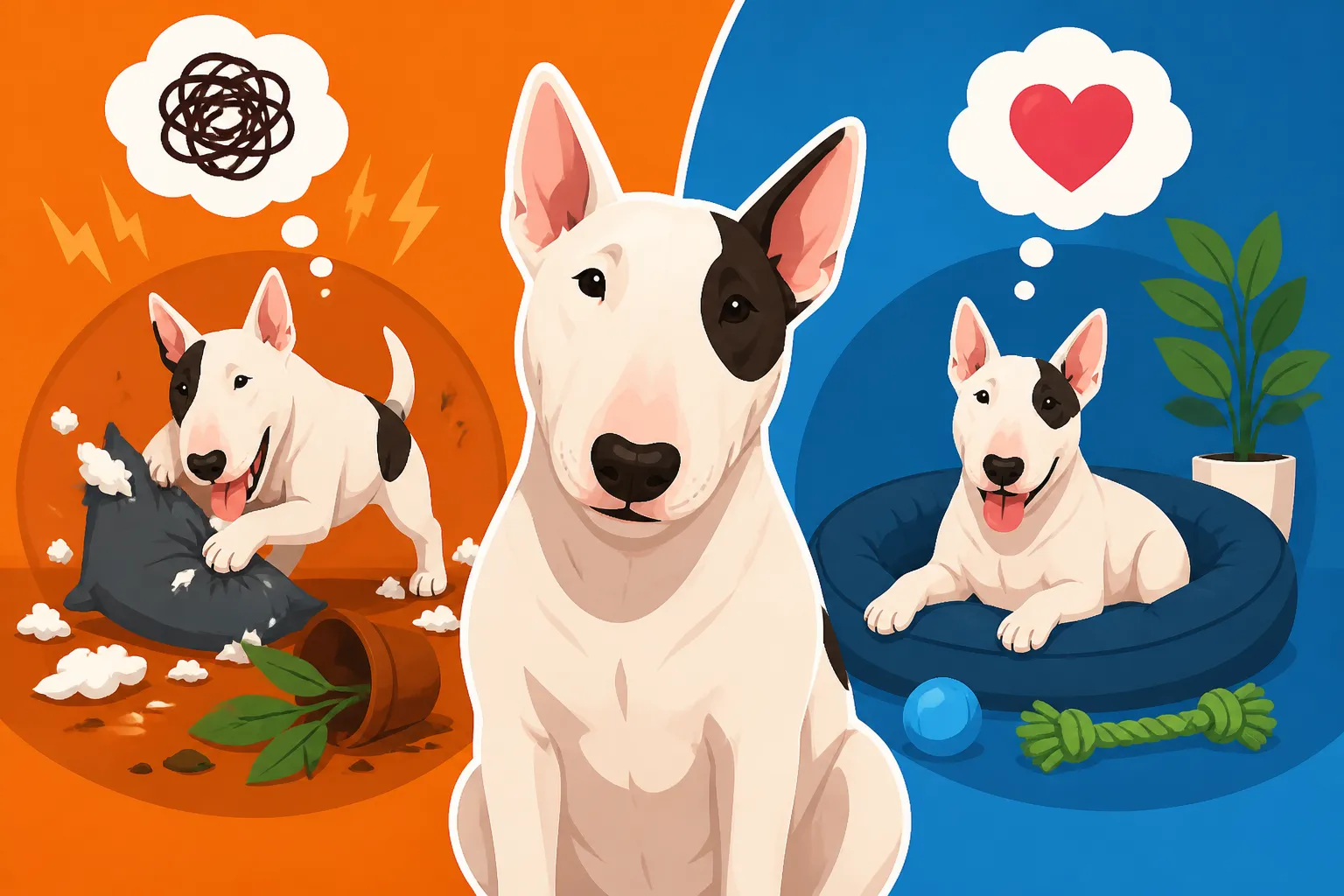
One of the biggest surprises for many new owners is the sheer destructive potential of a bored or under-exercised Bull Terrier. They are intelligent, curious, and have incredibly powerful jaws. If left without adequate mental and physical stimulation, or if given free rein too early, they will find something to do, and it probably won't be redecorating your home in a way you appreciate. From chewing through drywall to gnawing on furniture legs, and transforming seemingly robust toys into confetti, a Bull Terrier can be a wrecking ball. Many learn What a Bull Terrier Chews the hard way.
This means budgeting for what I affectionately call the "Bull Terrier Proofing" project. This includes:
- Heavy-duty crates: A flimsy wire crate won't cut it. Many Bull Terrier owners invest in robust, escape-proof crates, often made of reinforced steel, which come with a higher price tag.
- Indestructible toys: Forget the plush toys and squeaky balls that last five minutes. You'll need a steady supply of hard-wearing, enrichment-focused toys designed for power chewers. Think KONG Extreme, GoughNuts, or West Paw products. These are often more expensive upfront but save money (and frustration) in the long run. Many options are readily available on Amazon.
- Repairs: Be prepared for potential repairs to furniture, door frames, or even floors, especially during their intense puppy and adolescent phases.
- Enrichment items: Puzzle toys, snuffle mats, and long-lasting chews are not luxuries; they are necessities for a Bull Terrier to keep their active minds engaged.
This "destruction budget" is something The Destruction Budget Nobody Warns a Bull Terrier Owner About should absolutely cover, and it's a financial reality that often blindsides new owners.
Health Concerns That Are Breed-Specific
While Bull Terriers are generally a robust breed, they do have specific health concerns that are more prevalent within their lines, and these can lead to significant unexpected veterinary costs. Many new owners are aware of deafness in white Bull Terriers (which necessitates BAER testing), but other issues can be just as, if not more, impactful.
Key areas often include:
- Kidney Disease (Hereditary Nephritis): This is a serious genetic condition that can lead to kidney failure. Regular screening, such as yearly UPC (urine protein to creatinine ratio) tests, is crucial, and if diagnosed, managing it requires specialized diets, medications, and frequent veterinary checks. This is why The Yearly Kidney Screen a Bull Terrier Needs for Life is so important.
- Heart Issues: Conditions like mitral valve dysplasia or aortic stenosis can affect Bull Terriers. A heart murmur in a puppy is not always innocent and often warrants an echocardiogram by a veterinary cardiologist.
- Skin Allergies: A Bull Terrier's Skin Is Its Weakest Point, and they can be prone to various skin issues, including allergies, often requiring special diets, medicated shampoos, or long-term medication.
- Lethal Acrodermatitis (LAD): Though rare, this genetic disorder prevents zinc absorption and is fatal to affected puppies. Responsible breeders test for this, but if you adopt from a less reputable source, this could be a heartbreaking discovery.
These conditions require proactive screening and, if present, can lead to substantial ongoing medical expenses. Therefore, Insuring a Bull Terrier Against What It Actually Gets is not just a good idea, it's almost essential. Pet insurance can help offset the costs of diagnosis, treatment, and long-term management for these conditions, which can run into thousands over a Bull Terrier's lifetime.
Investing in Enrichment and Engagement
Finally, the cost of keeping a Bull Terrier happy and well-adjusted isn't just financial; it's a huge investment of your time and energy. Many owners wish they had known how much dedicated engagement their Bull Terrier would demand. This breed thrives on having a "job" or purpose, even if that purpose is just interactive play or complex puzzle-solving. Without this mental and physical outlet, they become bored, and a bored Bull Terrier is often a destructive Bull Terrier.
This means budgeting for activities that keep their brains busy: advanced obedience classes, scent work, agility (if appropriate for their physique), or even just daily training sessions that incorporate new tricks. It also means committing to significant exercise, often more than a simple walk around the block. While they aren't endurance athletes, they need bursts of intense play, vigorous walks, and opportunities to explore. Thinking that a Bull Terrier will be content with occasional attention is a recipe for disaster and disappointment for both you and the dog. They are truly companions who want to be involved in your life, not just observers.
This table summarizes some common pre-ownership expectations versus the reality of living with a Bull Terrier:
| Expectation (Pre-Bull Terrier) | Reality (Post-Bull Terrier) |
|---|---|
| Easy-going, funny companion | Highly intelligent, fiercely independent, hilarious but demanding |
| Standard dog training applies | Requires immense patience, creativity, and finding their "why" |
| Normal chew toys will suffice | Industrial-strength toys needed, everything is a chew target |
| Minimal grooming, short coat | Regular skin checks vital, sensitive skin prone to issues |
| Will grow out of puppy antics | "Perpetual puppy" energy well into adulthood |
| Minimal health concerns | Breed-specific genetic health tests & yearly screens are critical |
Owning a Bull Terrier is a unique journey, full of laughter, love, and a healthy dose of exasperation. They are not for the faint of heart or the easily discouraged. But for those who are prepared for their quirks, their stubbornness, and their unending demand for attention, the Bull Terrier offers a bond unlike any other and a lifetime of unforgettable moments. Understanding these realities upfront can transform potential frustrations into cherished memories, allowing you to truly appreciate the incredible, one-of-a-kind companion that is the Bull Terrier.
Disclaimer
This article is for general informational purposes only and does not constitute professional advice. Laws, prices and regulations vary by location and change over time. Consult a qualified professional for guidance on your specific situation.