The Age a Bull Terrier Finally Settles
Every Bull Terrier owner eventually asks themselves, often around 2 AM when their beloved, goofy companion is zooming around the living room like a furry torpedo, "When on earth will this dog finally settle down?" It's a common, valid frustration to wonder when the boundless energy, the cheeky stubbornness, and the incessant need for attention might mellow out a bit. This guide is here to shed some light on the typical developmental stages of a Bull Terrier, help you set realistic expectations for their maturity, and offer practical strategies to manage their vibrant personality at any age.
Understanding "Settling Down" in a Bull Terrier
Let's be real, the phrase "settling down" can mean different things to different people. For some, it's about less destructive chewing. For others, it's about an end to the frantic zoomies or the constant demand for playtime. With a Bull Terrier, understanding what "settled" truly means for this unique breed is crucial for your sanity and their well-being.
The Bull Terrier Personality Arc
Bull Terriers are known for their incredibly distinct personalities. They're often described as "a three-year-old in a dog suit," and honestly, that's not far off the mark. As puppies, they are bundles of unadulterated joy and chaos. They explore with their mouths, chew with gusto, and possess an energy level that can make even the most seasoned dog owner question their life choices. This intense puppyhood transitions into a rather prolonged adolescence, where they retain much of that energy but add a layer of testing boundaries and an almost comedic stubbornness.
It's a journey, not a switch. Their clownish nature, their deep affection, and their strong will are inherent to the breed. You'll see their personalities unfold in layers, from the boisterous pup to the slightly more thoughtful adult, but the core "Bull Terrier-ness" remains. They are thinkers, problem-solvers (often to their own advantage!), and deeply connected to their people. Their intelligence means they learn quickly, but their independent spirit means they often weigh whether complying with your request is more beneficial than pursuing their own fascinating agenda.
What "Settled" Doesn't Mean for a Bull Terrier
Here's the honest truth: a "settled" Bull Terrier is rarely a sedate, couch-potato dog. If you're dreaming of a canine companion who spends 20 hours a day napping quietly at your feet, a Bull Terrier might not be the breed for you – or you'll be waiting a very long time. Their energy isn't just physical; it's mental. They are always observing, always thinking, and always ready for action, even if that action is just a sudden burst of "zoomies" across the living room carpet.
What "settling down" does typically mean is a reduction in the sheer intensity and frequency of certain behaviors. The incessant puppy nipping eventually stops. The destructive chewing might be replaced by targeted chewing on appropriate items. The frantic energy might consolidate into more purposeful play sessions and focused activities, rather than constant, undirected motion. It means they might be able to relax more readily when indoors, after having their physical and mental needs met. It's about maturity bringing a greater capacity for self-regulation and a deeper understanding of household rules, rather than a fundamental change in their lively spirit. They still hold onto that mischievous sparkle in their triangular eyes, even as they enter their golden years.
Typical Milestones and the Great Unwinding
Understanding the general timeline of Bull Terrier development can help you anticipate changes and adjust your expectations. While every dog is an individual, there are common phases that most Bull Terriers navigate on their journey to adulthood.
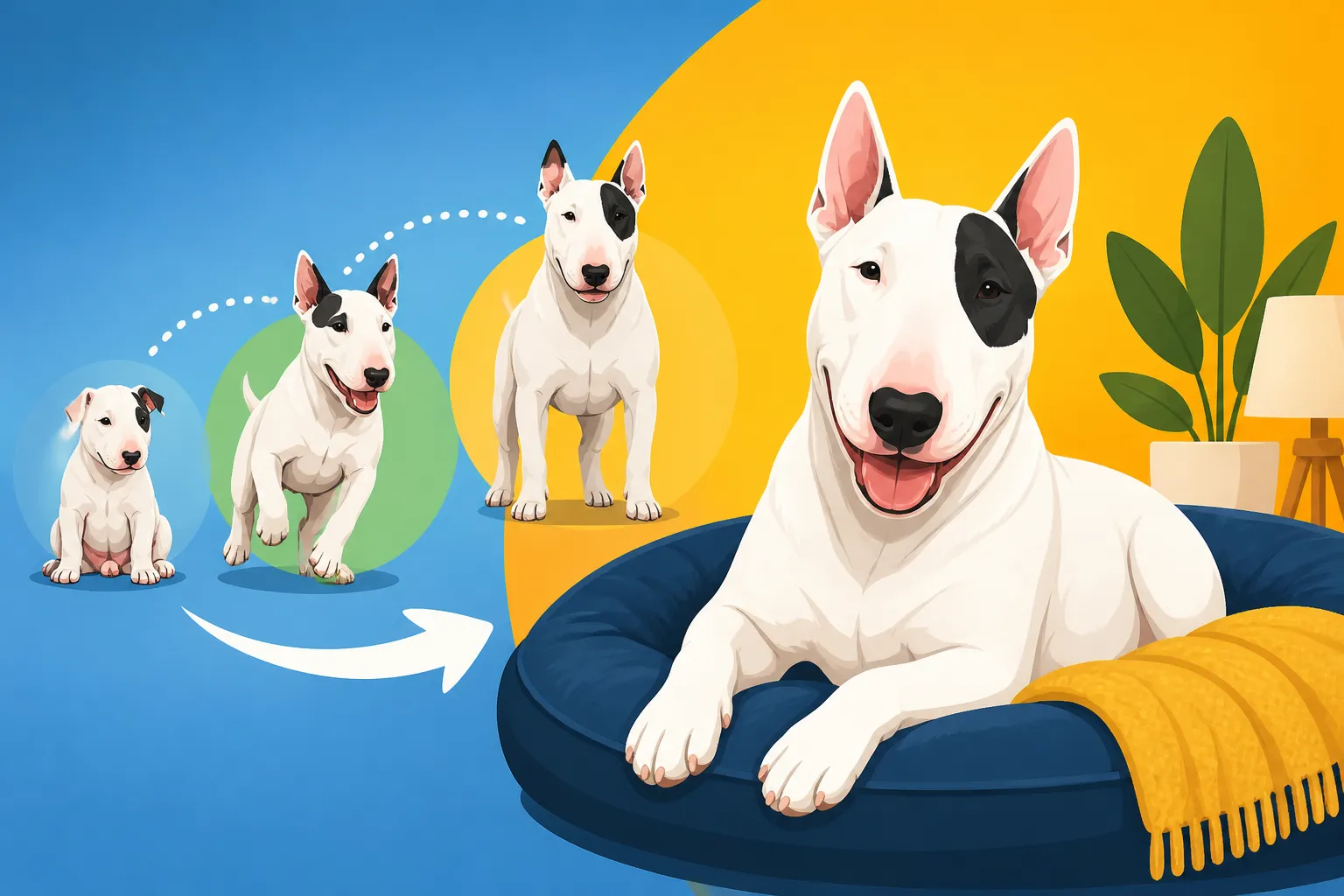
The Wild Puppy Years (0-18 Months)
Oh, the Bull Terrier puppy! If you've got one, you know exactly what I'm talking about. From the moment they arrive, usually around 8-12 weeks, they are little bundles of pure, unadulterated energy. This is the stage of relentless exploration, often with their powerful little jaws. Everything is a toy, everything must be chewed, and every person is an invitation to play, usually involving some level of enthusiastic nipping.
Their physical growth is rapid during this time, but their mental and emotional maturity lags behind. They're learning about the world, their place in it, and what they can get away with. Expect plenty of puppy zoomies, sudden bursts of energy that seem to come from nowhere, and an insatiable curiosity that can lead to mischief. Socialization during this period is critical, exposing them positively to new sights, sounds, people, and appropriate dogs. While their adult personality is still forming, the groundwork for a well-adjusted dog is laid now, even if they're acting like a tiny, adorable wrecking ball.
Adolescence: The "Teenage" Phase (18 Months – 3 Years)
This is often the most challenging period for Bull Terrier owners, and honestly, it's where many people start to feel truly defeated. Your Bull Terrier is now physically mature – they look like an adult dog, with all their strength and size – but their brain is still very much in its rebellious teenage phase. They're pushing boundaries, testing limits, and suddenly seem to "forget" all the training you meticulously instilled in them. They might ignore cues, pull even harder on the leash, and have an opinion on everything. You might hear owners joke, Why a Bull Terrier Is Called a Three Year Old in a Dog Suit.
Their energy levels remain incredibly high, and sometimes even increase as they gain strength and stamina. This isn't just boundless enthusiasm; it's often combined with a developing independence and a strong sense of self. What might seem like stubbornness is often a Bull Terrier simply deciding that your request isn't as interesting as the squirrel on the fence or the fascinating smell under the bush. This phase requires immense patience, consistency, and a sense of humor. Continued training, especially focusing on impulse control and proofing commands in distracting environments, is vital. This is also when dog-on-dog issues can sometimes emerge as their social maturity kicks in, so careful management of interactions is paramount.
Entering Adulthood (3-5 Years): The Shift
Here's the good news: around the three-year mark, you'll typically start to notice a real, discernible shift. This isn't a sudden transformation overnight, but a gradual process. The relentless, frantic energy begins to temper slightly. Your Bull Terrier might still love a good romp, a long walk, or a vigorous play session, but they might also be more willing to settle down afterward. The zoomies become less frequent and perhaps a bit less intense.
By five years old, most Bull Terriers have truly "settled" into their adult personalities. They'll still be playful, goofy, and absolutely devoted, but they often gain a newfound calm and self-control. They understand the routines, they know the rules, and while they'll still test you occasionally (because they're Bull Terriers, after all!), it's with less intensity than their younger selves. Their deep bond with you becomes even more pronounced, and they often become fantastic, albeit still spirited, companions. This is the stage where their impressive physique is matched by a calmer, more confident demeanor, making them a joy to share your life with. Think of it as the reward for your patience through those challenging adolescent years!
| Age Range | Typical Bull Terrier Behaviors | Management Strategies |
|---|---|---|
| 0-6 Months | Nipping, chewing everything, boundless energy, short attention span. | Puppy classes, crate training, chew toy rotation (check Amazon!), frequent potty breaks, early socialization. |
| 6-18 Months | Increased energy, testing boundaries, selective hearing, growing strength. | Consistent training reinforcement, structured exercise (flirt poles, fetch), mental stimulation, continued socialization. |
| 18 Months – 3 Years | Adolescent stubbornness, strong prey drive, high energy, increased confidence. | Advanced obedience, positive reinforcement, impulse control games, heavy-duty toys, consider online training platforms like BAXTER & Bella. |
| 3-5 Years | Gradual calming, deeper bond, more self-control, still playful. | Maintaining exercise and mental stimulation, reinforcing good habits, enjoying their unique personality. |
| 5+ Years | Established routine, settled demeanor, potential for age-related slowdown. | Continue mental and physical engagement, monitor for health changes, adjust exercise as needed, savor the calm. |
Factors Influencing When a Bull Terrier Settles
While there's a general timeline, a number of factors can influence precisely when your individual Bull Terrier decides to dial down the antics a notch or two. It's not just about turning a certain age; it's a complex interplay of genetics, environment, and your efforts as an owner.
Genetics and Individual Temperament
Just like people, dogs are individuals. Even within the same breed, some Bull Terriers are simply born with a naturally higher drive and more intense energy levels than others. This is largely down to genetics. A Bull Terrier from a line known for working or sports might mature with a consistently higher energy output than one from a more relaxed show line, though even show lines can produce some incredible firecrackers!
A good breeder will be transparent about the temperaments of the parents and previous litters, which can offer clues about what to expect. While you can influence behavior through training and environment, you can't fundamentally change a dog's innate temperament. Some Bull Terriers will just have a larger "engine" that takes longer to idle down, and you might find that even well into their senior years, they retain a youthful exuberance that belies their age.
The Role of Training and Socialization
This cannot be stressed enough: consistent training and appropriate socialization are absolutely paramount in helping a Bull Terrier develop into a well-adjusted, "settled" adult. Starting early, even with a tiny puppy, teaches them boundaries, manners, and how to appropriately interact with the world around them. Puppy classes and basic obedience are foundational. Platforms like BAXTER & Bella offer excellent online resources and structured programs that can guide you through these crucial stages, especially if you're a first-time Bull Terrier owner.
A Bull Terrier that understands what's expected of them, that has clear rules, and that has been exposed to a variety of situations in a positive way is far more likely to be calm and confident in new situations. This confidence contributes directly to their ability to settle. Without proper training, a Bull Terrier's natural exuberance and stubborn streak can become overwhelming, leading to a dog that seems perpetually "unsettled" because they lack the tools to self-regulate or understand your expectations. Remember, A Bull Terrier Trains When It Sees the Point, so positive reinforcement and making training fun and rewarding are key.
Exercise and Mental Stimulation
A tired Bull Terrier is a good Bull Terrier, and a mentally stimulated Bull Terrier is even better! Their physical energy is immense, and simply letting them out in the backyard for a few minutes isn't going to cut it. They need structured, vigorous exercise daily. This could mean long walks, intense games of fetch, or even activities like lure coursing or agility if they enjoy it. Remember, How Much Exercise a Bull Terrier Actually Needs is often more than owners anticipate.
Equally important is mental stimulation. Bull Terriers are smart, and if their minds aren't engaged, they'll find their own "jobs," which often involve chewing things they shouldn't or inventing mischievous games. Puzzle toys, chew items from Amazon designed for power chewers, interactive feeders, and short, engaging training sessions can help tire them out mentally. A Bull Terrier that receives sufficient physical and mental outlets will naturally be more inclined to settle down when indoors, reducing those restless, destructive tendencies.
Diet and Health Considerations
What you feed your Bull Terrier can also play a subtle role in their energy levels and overall demeanor. A high-quality, balanced diet provides the necessary fuel without creating excessive "zoominess" from cheap fillers or artificial additives. If you suspect your Bull Terrier is overly hyper or restless, consult your vet about their diet.
Furthermore, underlying health issues can sometimes manifest as behavioral changes. A dog in pain might seem restless or irritable, unable to settle. A dog with certain medical conditions, like hypothyroidism, might appear lethargic, or conversely, some endocrine imbalances could make them seem anxious or agitated. It's always a good idea to ensure your Bull Terrier has regular veterinary check-ups to rule out any medical causes for unusual behavior, especially as they age. Conditions like Hereditary Nephritis Takes Bull Terriers in Their Prime or The Heart Murmur a Bull Terrier Puppy Should Be Checked For can significantly impact their well-being and energy.
Strategies for Living with an Unsettled Bull Terrier
Okay, so you've got a Bull Terrier that's still very much in its "unsettled" phase, or maybe you just want to proactively manage their incredible energy. Don't despair! There are many strategies you can employ to foster a calmer, more harmonious household for everyone.
Consistent Training: The Foundation of Calm
Training isn't just for puppies; it's a lifelong commitment with a Bull Terrier. Consistency is the magic word. Everyone in the household needs to be on the same page with commands, rules, and expectations. Bull Terriers are masters at finding loopholes, so if one person lets them get away with something, they'll exploit it. Focus on short, engaging training sessions, perhaps 5-10 minutes, several times a day. Their attention spans aren't always the longest, as you might discover with How Short a Bull Terrier's Training Session Has to Be.
Positive reinforcement works wonders with this breed. They respond best to rewards (whether high-value treats or their favorite tug toy) and praise, rather than harsh corrections, which can make them shut down or become more stubborn. Work on basic obedience, impulse control exercises (like "leave it" or waiting at the door), and recall. A solid recall is not just about safety, but also about giving them more freedom in safe, enclosed spaces, which helps burn off energy. Consider enrolling in ongoing classes or using online resources like BAXTER & Bella's virtual training programs for continued guidance and fresh ideas.
Structured Exercise Routines
As mentioned, Bull Terriers need a lot of exercise, but it needs to be structured and purposeful. Simply letting them out in a yard often isn't enough; they need to actually do something. Aim for at least 60-90 minutes of dedicated exercise daily, broken into multiple sessions. This might include:
- Brisk Walks: More than just sniffing walks, these should include periods of steady pace. Practice Teaching a Bull Terrier to Walk Without Pulling.
- Fetch or Tug: These are fantastic ways to burn off energy in a shorter amount of time. Always ensure you're in control of the game.
- Flirt Pole: This is an amazing tool for Bull Terriers, tapping into their prey drive in a controlled way, allowing them to chase and "catch" a lure attached to a pole. It’s a great way to tire them out without you having to run miles.
- Safe Off-Leash Play: If you have access to a secure, fenced area, letting them run freely can be incredibly beneficial. However, always exercise caution, as A Bull Terrier With Other Dogs can sometimes be tricky depending on the individual.
Vary the types of exercise to keep them engaged and prevent boredom. A consistent routine also helps them understand when to be active and when to settle.
Mental Enrichment: Keeping Their Minds Busy
A tired body isn't always enough; a Bull Terrier also needs a tired brain. Mental stimulation is just as crucial as physical exercise for helping them settle.
- Puzzle Toys & Food Dispensing Toys: These are fantastic for keeping a Bull Terrier occupied. Fill KONGs with peanut butter, yogurt, or wet food and freeze them. Use puzzle feeders from Amazon that require them to manipulate the toy to get treats. These can keep them busy for a good chunk of time and satisfy their natural desire to work for food. Which Puzzle Toys Occupy a Bull Terrier will be a game changer for you.
- Chew Toys: Bull Terriers are power chewers. Providing appropriate, durable chew toys is essential for redirecting destructive behaviors. Look for tough rubber or nylon chews that can withstand their powerful jaws. Rotate toys frequently to keep them interesting. This also satisfies their natural need to engage their mouths. If you're wondering What a Bull Terrier Chews, the answer is usually everything if not provided with alternatives.
- Scent Work: Bull Terriers have surprisingly good noses, and scent work is an excellent way to engage their minds without a lot of physical exertion. Hide treats around the house or yard and encourage them to find them. This activity is incredibly tiring for their brains.
- Trick Training: Teaching new tricks is a fun way to engage their intelligence and strengthen your bond. Even silly tricks can provide valuable mental exercise.
Creating a Calming Home Environment
Your home environment can significantly impact your Bull Terrier's ability to settle.
- Crate Training: A crate, when used properly, isn't a punishment; it's a safe den for your dog. It can be a fantastic tool for encouraging calm and providing a quiet space. Many Bull Terriers, especially as puppies and adolescents, struggle to truly "turn off" outside of a crate. Make sure it's a sturdy one, as Which Crate Holds a Bull Terrier is important for this breed's strength.
- Establish Routines: Dogs thrive on routine. Consistent feeding times, exercise schedules, and bedtimes can help your Bull Terrier understand the rhythm of the day and anticipate when it's time to settle down.
- Manage Triggers: Identify what gets your Bull Terrier overly excited indoors. Is it people arriving? The mail carrier? Certain noises? Work on managing these triggers. This might involve redirecting their attention, practicing "place" commands, or using white noise to mask external sounds.
- Provide a Designated "Calm Zone": This could be their crate, a special dog bed, or a mat where they are encouraged to relax. Reward them heavily when they choose to settle in this spot.
Living with a Bull Terrier, particularly through their boisterous younger years, is an adventure. While they may not "settle" into the serene, quiet companion some envision, they will mature into a deeply loving, incredibly characterful, and often hilarious member of your family. Patience, consistent effort, and a deep understanding of their unique breed traits are your best tools for enjoying every stage of their wonderful, wild journey.
Disclaimer
This article is for general informational purposes only and does not constitute professional advice. Laws, prices and regulations vary by location and change over time. Consult a qualified professional for guidance on your specific situation.