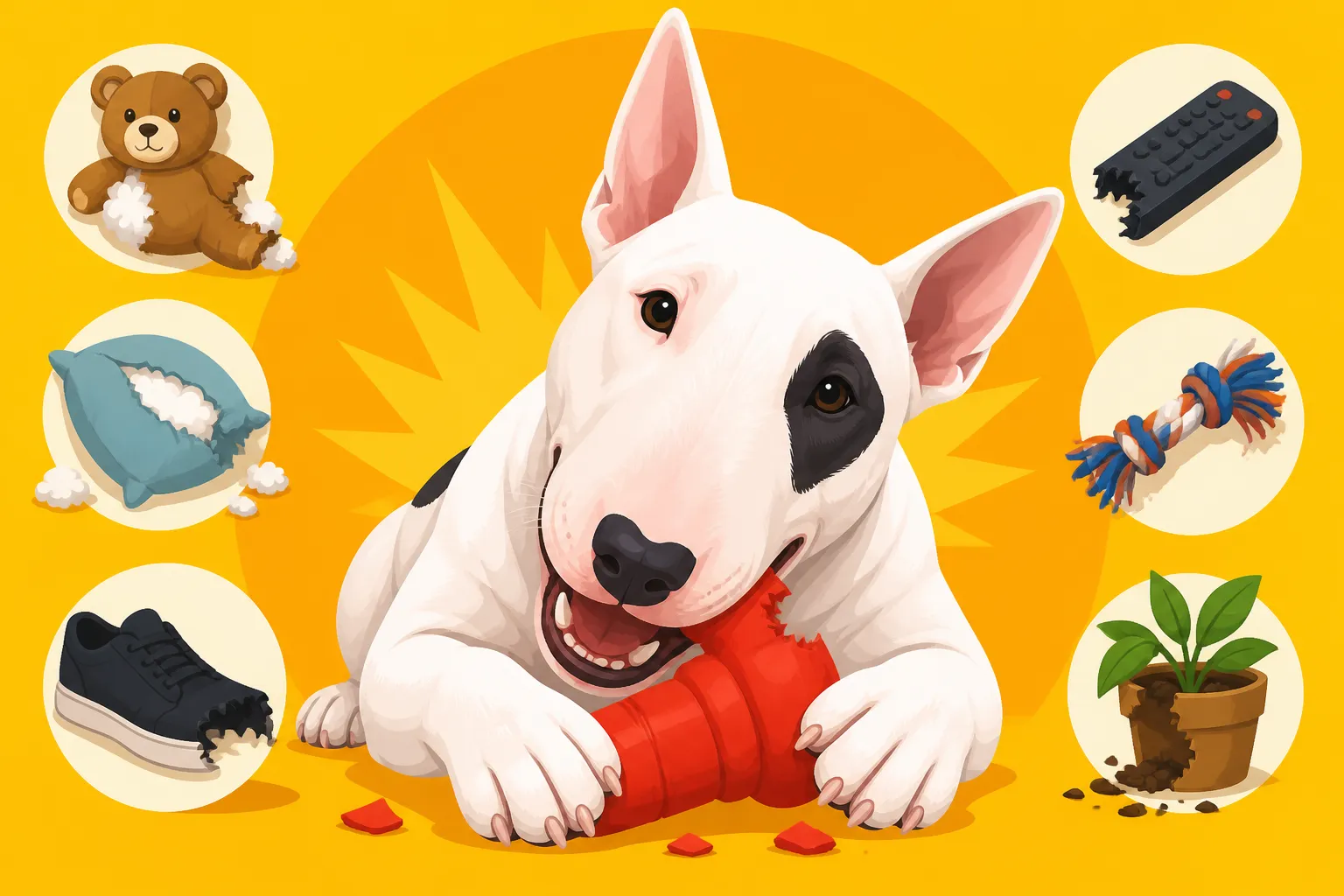
What a Bull Terrier Chews
One of the most common frustrations Bull Terrier owners face, especially when their beloved clown-dog is young, is finding their favorite possessions, or even parts of their home, utterly decimated. It’s not just an annoying habit; destructive chewing can be dangerous for your dog and devastating for your wallet. This guide dives deep into why Bull Terriers chew, what they typically target, and how you can manage this powerful instinct safely and effectively.
The Instinct to Chew: Why Bull Terriers Are Champion Gnawers
Before we can even begin to think about managing a Bull Terrier's chewing habits, we need to understand why they do it. It’s easy to get frustrated and assume they're just being naughty, but chewing is a deeply ingrained, natural behavior for dogs, and particularly pronounced in breeds with powerful jaws and a strong drive to interact with their environment.
It's Not Just Boredom: Understanding the Canine Drive to Chew
While boredom certainly plays a role in magnifying destructive chewing, it's far from the only factor. Puppies, just like human babies, explore the world with their mouths. They're teething, and that incessant urge to gnaw on something, anything, helps relieve the discomfort of new teeth erupting. This stage alone can feel like an eternity if you're constantly replacing shoes or repairing table legs.
Beyond puppyhood, chewing serves several important functions for an adult Bull Terrier. It's a natural stress reliever, much like how some people tap their foot or chew on a pen. When a Bull Terrier feels anxious, under-stimulated, or even overly excited, chewing can be a self-soothing mechanism. It also helps keep their jaws strong and their teeth clean, naturally scraping away plaque and tartar. Think of it as their equivalent of flossing and brushing, just a much more enthusiastic version that often involves your drywall. Understanding these underlying drives helps us approach the problem with empathy rather than just exasperation.
The Bull Terrier's Powerful Jaws and What They Mean for Your Stuff
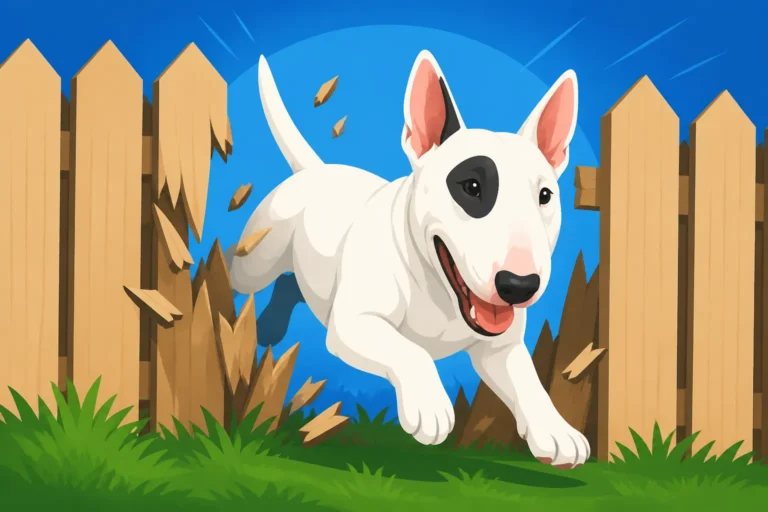
Let's be brutally honest: Bull Terriers are built like tanks, and their jaws are no exception. They possess incredible strength and a determined mindset that makes them formidable chewers. This isn't a delicate breed that will gently gnaw on a plush toy for hours. They are capable of serious demolition, and they will apply that power and tenacity to whatever catches their fancy. This means that items other breeds might just "mouth" or slightly damage, a Bull Terrier can outright destroy.
Their unique head shape, often described as egg-shaped or "downfaced," houses some serious musculature designed for gripping. This strength, combined with their innate curiosity and often mischievous nature, means that almost anything can become a target. From the moment they arrive as a puppy, you’ll witness their potential. Many owners underestimate this power until they come home to a shredded sofa or a hole in a door. It's a stark reminder that what might be an appropriate chew for a smaller, less driven breed simply won't cut it for a Bull Terrier. How Many Chews a Bull Terrier Needs a Week quickly becomes an essential question for their owners.
Common Chewing Targets (and How to Protect Them)
You might think you’ve hidden everything away, but a Bull Terrier has a knack for finding the most irresistible (and often expensive) things to chew. Their curiosity and strength make them adept at turning everyday household items into their personal chew toys.
Furniture, Baseboards, and Drywall: When Your House Becomes a Chew Toy
This is perhaps the most frustrating and costly type of destructive chewing. We’re talking about solid, immovable objects that become fair game. Imagine walking into your living room to find the corner of your antique coffee table rounded off, or a decorative leg on your dining chair looking like a beaver got to it. Baseboards are particularly vulnerable, especially in high-traffic areas or near doors, where a bored or anxious Bull Terrier might decide to "remodel." Drywall, while seemingly unappealing, often falls victim to a Bull Terrier determined to get to something on the other side, or simply because it offers a satisfying textural experience. What a Bull Terrier Does to a Sofa or What a Bull Terrier Does to a Door Frame aren't just hypothetical questions; they're daily realities for some owners.
Protecting your home often means more than just a stern "no." It requires proactive management. Bitter apple sprays can deter some, but a truly determined Bull Terrier might power through it. Physical barriers, like strategically placed furniture or baby gates, become essential. For areas like baseboards, heavy-duty corner guards or even temporarily covering them with thick plastic sheets can help. Ultimately, the best defense is a good offense: ensuring your Bull Terrier has appropriate, appealing chew toys that far outrank the taste of your expensive furniture.
Clothes, Shoes, and Personal Items: The Allure of Human Belongings
There’s something about our personal scent that makes our belongings incredibly appealing to a Bull Terrier. A dropped sock, a discarded t-shirt, or a pair of shoes left by the door are not just items; they are scent-saturated treasures ripe for chewing. Shoes are a particular favorite, perhaps due to their unique shape, texture, and the intense human scent concentrated within them. It’s never the old, worn-out pair they go for; it's always the brand-new, expensive ones you just bought. Many Bull Terrier owners have learned the hard way that "put it away" means everything put away, and probably behind a closed, locked door.
To mitigate this, you need to be meticulous. Don't leave laundry baskets on the floor, keep closet doors firmly shut, and make sure coats and bags are hung up high. If your Bull Terrier has a habit of stealing items, consider using a securely latched hamper or investing in wardrobe organizers. This isn't about punishing them for their natural instincts; it's about setting them up for success by removing temptation. Sometimes, even the mail or an important document can become a victim, showcasing that their preference isn't necessarily about taste, but simply accessibility and novelty.
Beds, Blankets, and Soft Toys: An Ever-Present Challenge
You want your Bull Terrier to be comfortable, so you buy them a plush, cozy bed. You want them to have fun, so you get them a cute, squeaky soft toy. And then, within minutes, sometimes literally seconds, it’s confetti. Bull Terriers approach soft items with an almost surgical precision, finding the weak points and then systematically dismantling them. The stuffing, the squeaker, the fabric—it all becomes part of the chewing experience. This isn't always malicious; sometimes it's pure exuberance, a desire to "kill" the squeaker, or just the joy of ripping things apart.
Replacing these items constantly can get incredibly expensive. For beds, look for heavy-duty, chew-resistant options. Some brands specialize in beds made from durable, ballistic nylon or with reinforced seams. For soft toys, consider skipping them entirely unless they are specifically designed for power chewers and have a very low likelihood of ingestion. Many owners find that stuffing-free toys or those made from extremely tough canvas can last a bit longer. However, the reality is that any soft item will eventually meet its demise. The key is to manage expectations and provide alternatives that are safe and appropriate for their destructive tendencies.
The Danger Zone: Unsafe Chewing Habits to Watch For
While all chewing has its risks, some habits can escalate quickly from an inconvenience to a veterinary emergency. As Bull Terrier owners, we need to be hyper-vigilant about what our dogs are putting in their mouths.
Swallowing Foreign Objects: A Vet's Worst Nightmare
A Bull Terrier’s powerful jaws are designed not just to chew, but to break things into ingestible pieces. This means that fragments of toys, socks, carpet, or even pieces of furniture can be swallowed. This can lead to serious internal blockages, known as foreign body obstructions, which often require expensive and invasive surgery. The signs can range from vomiting and lethargy to a complete loss of appetite and abdominal pain. Why a Bull Terrier Eats Things It Should Not is a critical question because their indiscriminate chewing can quickly turn deadly.
It's not just about what they chew, but what they swallow. Small items like children's toys, coins, batteries, string, or even socks are particularly dangerous. Even pieces of a rawhide chew or bone can become lodged. This is why supervision is paramount, especially with new chews or toys. If you suspect your Bull Terrier has swallowed something unsafe, do not wait. Contact your veterinarian immediately. It’s always better to be overly cautious than to regret delaying treatment. The financial implications can be staggering, quickly depleting What a Bull Terrier's Emergency Fund Should Hold.
Damaging Teeth: When Chewing Becomes Too Aggressive
While chewing is good for dental health, some objects are simply too hard and can cause significant damage to your Bull Terrier's teeth. Items like real bones (especially weight-bearing bones from large animals), antlers, hooves, or even excessively hard nylon chews can fracture teeth. These fractures can expose the sensitive pulp, leading to pain, infection, and requiring costly dental procedures like root canals or extractions. A fractured tooth is not just uncomfortable; it's a gateway for bacteria.
Signs of tooth damage might include reluctance to chew on certain items, drooling, pawing at the mouth, or a change in eating habits. Regularly inspect your Bull Terrier's teeth for chips, cracks, or excessive wear. As a general rule, if you can’t easily make an indentation in a chew toy with your thumbnail, it’s probably too hard for your dog’s teeth. Stick to chews and toys that offer some give but are still durable.
Ingesting Toxins: The Hidden Perils of Household Items
Beyond physical obstructions and dental damage, a Bull Terrier's chewing can lead to exposure to toxic substances. Think about common household items: cleaning supplies, medications, certain houseplants, pest control products, or even the paint on your walls or furniture. Many items are not only a choking hazard but also contain chemicals that are poisonous if ingested.
For instance, a Bull Terrier chewing on an electrical cord risks electrocution or burns. Chewing on painted surfaces could expose them to lead. Even certain wood preservatives or finishes on furniture can be harmful. This is where How to Bull Terrier Proof a Room becomes not just a suggestion, but a vital safety measure. Ensure all chemicals are stored securely, medications are out of reach, and any questionable houseplants are removed. If you suspect your Bull Terrier has ingested a toxic substance, immediately contact your veterinarian or an animal poison control center.
Providing Appropriate Chewing Outlets
Since chewing is a natural and necessary behavior for Bull Terriers, the solution isn't to stop them from chewing entirely, but rather to redirect that powerful instinct towards safe, appropriate outlets. This means investing in toys and chews that can stand up to their formidable jaws.
The Best "Indestructible" Toys for Bull Terriers
Let's be realistic: no toy is truly "indestructible" when faced with a determined Bull Terrier. However, some come incredibly close and are specifically designed to withstand extreme power chewers. These are often made from heavy-duty rubber, like the classic KONG brand toys, or incredibly tough plastics. Look for solid rubber toys that are nearly impossible to break apart into small pieces. Filling a KONG with frozen peanut butter or cream cheese can keep a Bull Terrier occupied for a good long while, turning chewing into a rewarding activity.
Other excellent options include Nylabone power chews (make sure they are specifically for extreme chewers and not too hard to splinter) or robust, solid rubber balls from brands known for their durability. Which Toys Survive a Bull Terrier is a question asked by countless owners, and the answer almost always involves these tougher materials. Always supervise your Bull Terrier with new toys to ensure they can't break off and swallow pieces. If a toy starts to show significant wear or small pieces are breaking off, it's time to replace it.
Edible Chews and Their Considerations
Edible chews can be a fantastic way to satisfy your Bull Terrier's chewing urge, but they come with their own set of considerations. Rawhides, for example, can be controversial. While some dogs digest them fine, others can suffer from blockages if they swallow large, undigested pieces. If you choose rawhide, opt for high-quality, processed rawhides that are more digestible and always supervise.
Natural chews like bully sticks, yak chews (durable but can become choking hazards when small), or dental chews specifically formulated for large, aggressive chewers can be good options. Always check the ingredients and ensure they are made from safe, digestible materials. Some owners find success with dental chews from brands like Greenies or Dentastix, which offer both chewing satisfaction and some dental benefits. However, remember that even edible chews should be given under supervision, especially the first few times, to gauge how your Bull Terrier interacts with them and whether they are prone to swallowing large chunks.
Puzzle Toys and Mental Stimulation as Chewing Diversion
Sometimes, destructive chewing stems from boredom or a lack of mental stimulation. A Bull Terrier is a smart dog, and their brains need a workout just as much as their bodies. This is where puzzle toys shine. These toys require your Bull Terrier to think and problem-solve to get a treat, redirecting their energy into a productive activity rather than chewing your sofa.
Items like treat-dispensing balls, snuffle mats (though these might be too easily destroyed by a true power chewer), or more complex puzzle feeders can keep them engaged. The mental effort involved in figuring out how to get the treats can be incredibly tiring for a Bull Terrier, reducing the likelihood of destructive chewing born out of sheer boredom. These toys aren't meant to be left with your dog unsupervised for long periods, especially if they are prone to trying to chew through the toy itself rather than solving the puzzle. Incorporating these into daily routines can make a significant difference in their overall behavior.
| Chew Type | Pros | Cons | Best Use |
|---|---|---|---|
| Heavy-duty Rubber | Extremely durable, can be stuffed | No nutritional value, can be pricey | Daily use, boredom busting, crate time |
| Nylon Chews | Very durable, promotes dental health | Can be too hard, risk of tooth fractures | Occasional enrichment, dental benefits |
| Bully Sticks | Fully digestible, natural | Can be consumed quickly, pricey, odor | Special treat, supervised chewing |
| Yak Chews | Long-lasting, natural | Becomes small choking hazard, expensive | Supervised, special treat |
| Puzzle Toys | Mental stimulation, boredom relief | Not designed for heavy chewing | Supervised enrichment, mealtime fun |
Managing and Preventing Destructive Chewing
Effective management of Bull Terrier chewing requires a multi-pronged approach that combines environmental control, consistent training, and proactive engagement. It’s about setting boundaries and providing clear alternatives.
Crate Training and Supervision: The First Line of Defense
For a Bull Terrier, especially a puppy or a young adult, crate training is an invaluable tool in managing destructive chewing. A properly introduced crate should be a safe, comfortable den for your dog, not a punishment. When you can't actively supervise your Bull Terrier, the crate provides a secure space where they can't get into trouble. This prevents them from chewing inappropriate items and developing bad habits. Imagine how much less stress you'll feel leaving the house knowing they're safe in their crate with a stuffed KONG, rather than wondering what furniture might be missing a chunk. What a Crate a Bull Terrier Cannot Break Costs is a real consideration because they will test its limits.
Outside the crate, supervision is key. Keep an eagle eye on your Bull Terrier. If you see them heading for something inappropriate, immediately redirect them to an acceptable chew toy. This consistent redirection teaches them what is okay to chew and what isn't. Think of it as teaching a toddler not to put everything in their mouth – it requires patience, consistency, and constant vigilance. A training program like BAXTER & Bella, which offers lifetime support, can be incredibly helpful for new owners navigating these challenging stages, providing guidance on crate training and early redirection.
Environmental Management and "Bull Terrier Proofing"
"Bull Terrier proofing" your home is essential. This means making your environment as safe and temptation-free as possible. Go through your home at their eye level, and then on your hands and knees. What looks appealing? What's within reach? Put away shoes, remote controls, books, plants, and anything valuable or dangerous. Secure electrical cords, either by covering them or making them inaccessible. Use baby gates to block off rooms where you can't supervise or where valuable items are stored.
It's a continuous process, not a one-time fix. As your Bull Terrier grows and learns, their ability to reach new things or figure out how to get past barriers will evolve. Stay one step ahead. If you're struggling to keep them from chewing on a specific piece of furniture, consider temporary covers or even moving the item out of reach until their chewing phase is better managed. This proactive approach significantly reduces opportunities for destructive chewing. How to Bull Terrier Proof a Room means looking at your home through your Bull Terrier's eyes.
Training and Redirection: Teaching Your Bull Terrier What's Okay to Chew
Beyond prevention, active training is crucial. Teach your Bull Terrier a "leave it" command. This can be a lifesaver when they pick up something they shouldn't. Practice it regularly with various items, starting with low-value objects and gradually moving to more tempting ones. When they "leave it" successfully, reward them lavishly with praise, a high-value treat, and immediately present an appropriate chew toy.
Redirection is your best friend. When you catch your Bull Terrier chewing on something inappropriate, don't just scold them. Interrupt the behavior gently, remove the offending item, and immediately offer an acceptable chew toy. Praise them enthusiastically when they take the correct toy. This teaches them that chewing the right thing earns positive attention, while chewing the wrong thing leads to interruption and no reward. Consistency is key here; every family member needs to be on the same page. Puppy classes, which often cover these foundational commands and redirection techniques, can be a great investment for a Bull Terrier owner. What Puppy Classes Cost a Bull Terrier Owner is money well spent if it helps you manage their powerful chewing instincts.
When Chewing Signals a Deeper Problem
While much chewing is normal, excessive or sudden destructive chewing can sometimes be a red flag for underlying issues that need to be addressed. It's important to differentiate between typical Bull Terrier antics and a cry for help.
Separation Anxiety and Stress-Related Chewing
Bull Terriers are deeply attached to their people, and many can struggle with being left alone. If your Bull Terrier only chews destructively when you're out of the house, or if the chewing is accompanied by other behaviors like pacing, excessive vocalization, or house soiling, it might be a sign of separation anxiety. This isn't naughtiness; it's a panic attack. When anxious, chewing can release endorphins, acting as a coping mechanism. Whether a Bull Terrier Gets Separation Anxiety is a very real concern for many owners.
Addressing separation anxiety requires a multifaceted approach, often involving desensitization training, counter-conditioning, and sometimes even medication prescribed by a vet. Simply punishing the chewing won't fix the underlying anxiety and can actually make it worse. Look for resources on gradual departure training and positive association with being alone. Consider consulting with a certified professional dog trainer or a veterinary behaviorist who can help diagnose and create a tailored plan for your Bull Terrier.
Medical Reasons for Excessive Chewing
Believe it or not, sometimes chewing can be linked to a medical condition. Pain, nausea, gastrointestinal upset, or even certain neurological issues can manifest as excessive chewing. For example, a dog experiencing dental pain might chew more aggressively to try and alleviate the discomfort, or a dog with nausea might chew on unusual items. Nutritional deficiencies, though less common with quality commercial diets, could also play a role.
If your Bull Terrier suddenly develops a new, intense chewing habit, especially if it's out of character or accompanied by other symptoms, a trip to the vet is warranted. Rule out any underlying health problems before assuming it's purely behavioral. Your veterinarian can perform a thorough examination, including checking their teeth and gums, and potentially recommending bloodwork or other diagnostics to ensure there isn't a hidden medical cause for the chewing.
Age and Developmental Stages in Chewing Behavior
Chewing intensity often changes with age. As mentioned, puppies chew extensively due to teething. This phase can last for several months, often peaking around 4-6 months of age. During this time, your focus should be on providing ample appropriate outlets and managing their environment. As they mature, chewing might decrease in intensity but remain a lifelong behavior, shifting from exploratory and pain-relief to stress management and enjoyment.
However, older Bull Terriers can also develop new chewing habits. This could be due to pain from arthritis, cognitive dysfunction, or even new anxieties. Similarly, a young adult Bull Terrier (often referred to as a "teenager" until they are around three years old) might go through a rebellious chewing phase, testing boundaries and exploring their environment with renewed vigor. Understanding these developmental stages helps you anticipate and adapt your management strategies, ensuring that you're always providing the right outlets and setting your Bull Terrier up for success, no matter their age.
Disclaimer
This article is for general informational purposes only and does not constitute professional advice. Laws, prices and regulations vary by location and change over time. Consult a qualified professional for guidance on your specific situation.