How a Bull Terrier Plays With Children
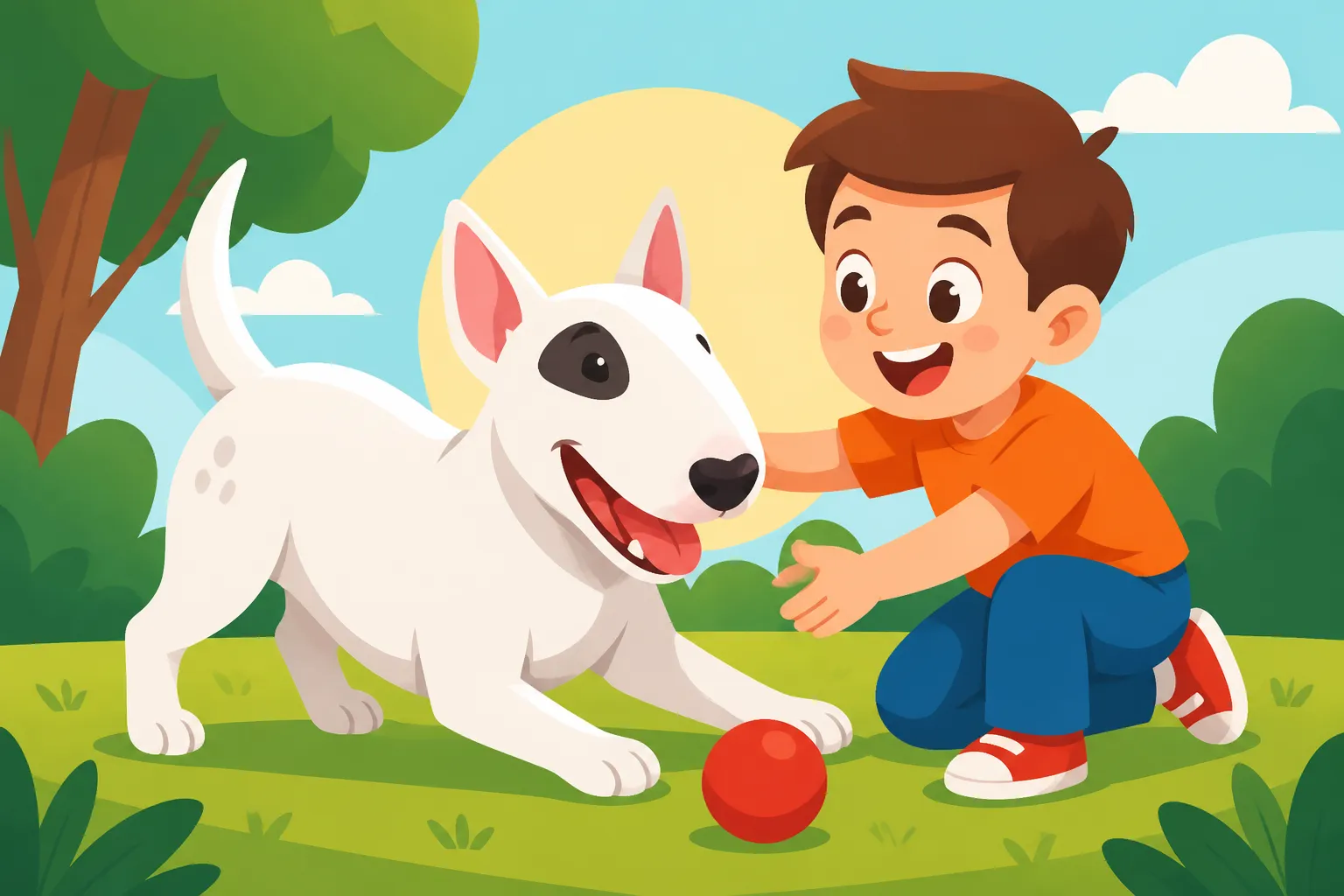
Bringing a Bull Terrier into a home with children is an exciting prospect, but it also comes with a unique set of considerations. Bull Terriers are famous for their exuberant personalities and boundless energy, which can be both charming and a little overwhelming when mixed with the unpredictable movements and noise of kids. Many families worry about finding that sweet spot where everyone can interact safely and joyfully, especially given the breed's strength and sometimes clumsy enthusiasm. This guide aims to help you understand your Bull Terrier's natural play style, teach your children how to engage respectfully, and implement training strategies to ensure harmonious interactions for everyone in the family.
Understanding the Bull Terrier Play Style
Bull Terriers are truly one-of-a-kind, often described as a "three-year-old in a dog suit" due to their perpetual puppy-like antics and robust sense of humor. This isn't a breed known for its delicate touch or quiet demeanor. Their play style is often very physical, full of energetic bursts, enthusiastic nudges, and a general lack of personal space awareness, all delivered with an endearing, clownish spirit.
The Bull Terrier's Unique Energy and Enthusiasm
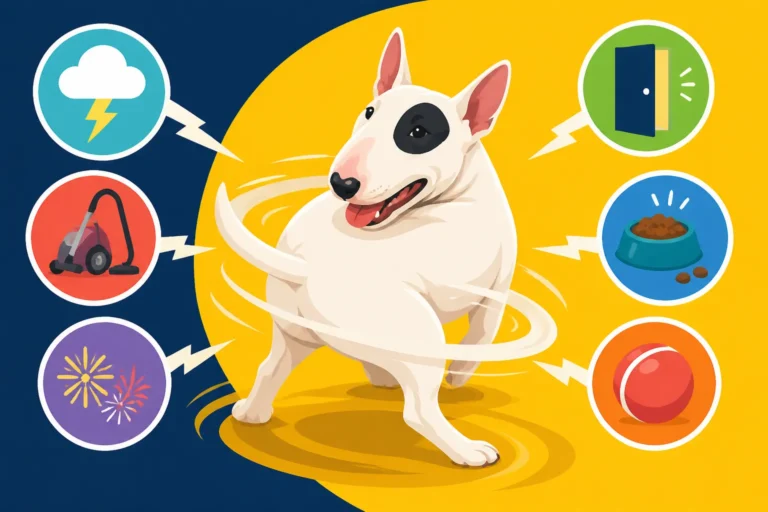
If you’ve spent any time around a Bull Terrier, you know they approach life with a certain joie de vivre that's hard to match. Their energy levels can swing from couch potato mode to a full-throttle zoomie session in mere seconds. This high energy isn't inherently bad, but it means their interactions, especially during play, can be quite intense. They might initiate play with a sudden pounce, a quick nip (often playful, but still a nip!), or a burst of running that can easily trip up a small child. It’s not aggression; it’s just their way of saying, "Let's play!" but it requires careful management.
This breed thrives on engagement and attention, and they often see children as wonderful, bouncy playmates. The problem arises when their idea of fun doesn't quite align with a child's size or understanding. A Bull Terrier might not grasp that a small child can't withstand a full-speed body slam or that tiny fingers aren't designed for mouthing like a chew toy. It's up to us, as their human companions, to bridge that gap and teach both parties how to communicate and play safely.
The "Bully" Play Style: Nudging, Bumping, and Leaning
The term "bully breed" often carries negative connotations, but in the context of play, it simply refers to their physical, contact-oriented style. Bull Terriers love to use their bodies during play and interaction. This means you’ll often find them nudging you with their distinctive egg-shaped head, bumping into your legs, or leaning their full weight against you when seeking affection or attention. This is a common and usually harmless behavior among adult Bull Terrier owners, but it takes on a different dimension when children are involved.
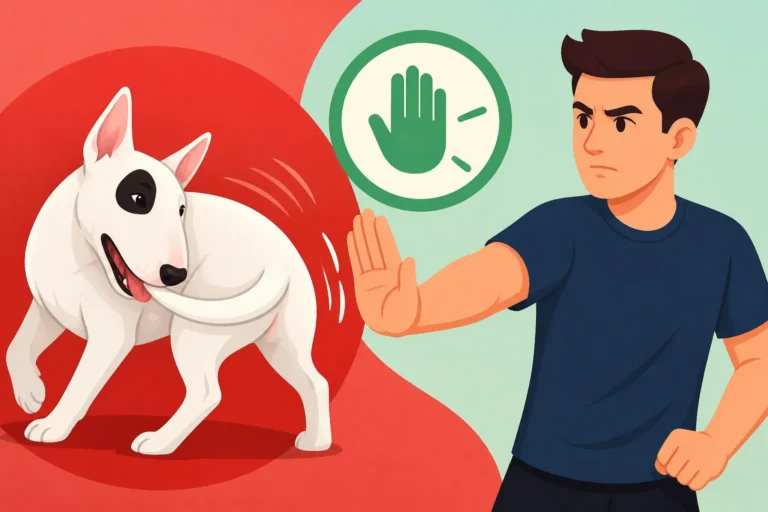
A gentle nudge from a 60-pound Bull Terrier can send a toddler sprawling. A lean that feels comforting to an adult can easily unbalance an older child. Understanding that this is their natural instinct is key, but it doesn't mean it's acceptable behavior around children without proper guidance. These behaviors stem from a place of seeking connection and play, not malice. However, without training, these physical expressions can inadvertently lead to accidents or instill fear in children. It's why consistent training for the dog and clear rules for the children are so vital for harmonious household dynamics. Why a Bull Terrier Leans on People is a behavior that speaks to their desire for closeness, but it needs to be tempered around the younger members of the family.
Setting the Stage for Safe Interactions
Successfully integrating a Bull Terrier and children requires proactive planning and a commitment to creating a secure and predictable environment. It's not about hoping for the best; it's about actively managing the space and teaching everyone how to behave.
The Non-Negotiable Rule of Supervision
This is perhaps the most critical piece of advice for any family with a dog, but especially with a powerful and exuberant breed like the Bull Terrier. Unsupervised interactions between dogs and children, no matter how well-behaved or gentle you believe either party to be, are simply an accident waiting to happen. The dynamic between a dog and a child is complex. Children, especially young ones, often lack the judgment to read a dog's subtle cues or understand the potential consequences of their actions. Conversely, dogs may react instinctively when startled, hurt, or pushed past their comfort zone, even if they generally adore children.
Supervision doesn't just mean being in the same room. It means actively observing the interaction, ready to intervene at a moment's notice. You need to be able to identify signs of stress or over-excitement in your Bull Terrier (ears back, lip licking, yawning, stiff body language) or inappropriate behavior from your child (pulling fur, poking, climbing on the dog). Using baby gates, crates, or tethers can be invaluable tools for managing these interactions, providing brief breaks for both your dog and your children, even when you are present. Think of it as always being a referee, ensuring a fair and safe game for all players.
Creating a Safe Play Environment
Beyond constant supervision, establishing a physically safe environment is paramount. This means more than just child-proofing; it's also about dog-proofing for children. Consider designating specific "dog zones" and "kid zones" within your home. For example, your Bull Terrier might have a cozy crate or bed in a quiet corner where they can retreat and be undisturbed. This is their safe haven, and children must be taught to respect it. Similarly, children should have their own safe spaces where they can play without the dog getting underfoot or inadvertently knocking them over.
Implementing physical barriers like baby gates is a game-changer. These aren't just for toddlers; they're excellent for managing your Bull Terrier's enthusiasm, especially during high-energy times like meal prep or when visitors arrive. Using sturdy gates, perhaps even those designed for larger breeds (you can find plenty of options on Amazon), allows the dog to see and hear the family without being able to barge in or accidentally knock over a child. This also helps with teaching your Bull Terrier to How to Stop a Bull Terrier Greeting at Full Speed, providing a structured way for them to practice calm greetings. Regularly rotating toys and ensuring high-value items (like chew bones or favorite stuffed animals) are put away when children are present can also prevent potential resource guarding issues.
Teaching Children How to Interact
It's not enough to just train your dog; children must also be active participants in learning how to respectfully and safely interact with their Bull Terrier. This partnership is what truly fosters a positive relationship.
Gentle Hands and Respectful Boundaries
Children, especially younger ones, often express affection in ways that dogs might find startling or even painful. They might hug too tightly, pull on ears or tails, or try to climb on the dog like a pony. It's crucial to teach children from a very young age about "gentle hands" and how to pet a dog appropriately. Show them how to stroke the dog's back or chest, avoiding sensitive areas like the head, tail, or paws. Emphasize that dogs are not toys and should be treated with kindness and respect.
Establishing clear boundaries is also vital. Teach children that when the dog is eating, sleeping, or in its designated "safe space" (like a crate or dog bed), they should be left alone. Use simple, consistent language. For example, "Leave Buster alone when he's in his bed" or "Gentle hands with Daisy." For older children, explain why these rules are important, connecting their actions to the dog's comfort and safety. Practice these rules consistently, and be prepared to redirect both the child and the dog if boundaries are crossed. This reciprocal respect forms the bedrock of a healthy relationship. How to Teach a Child to Play With a Bull Terrier focuses on these critical lessons.
Recognizing and Responding to Dog Body Language
One of the most powerful tools you can give a child is the ability to read a dog's body language. Dogs communicate constantly through their posture, facial expressions, and tail movements. Learning these subtle cues can help a child understand when a dog is happy and receptive to interaction, and more importantly, when it's feeling uncomfortable, stressed, or needs space.
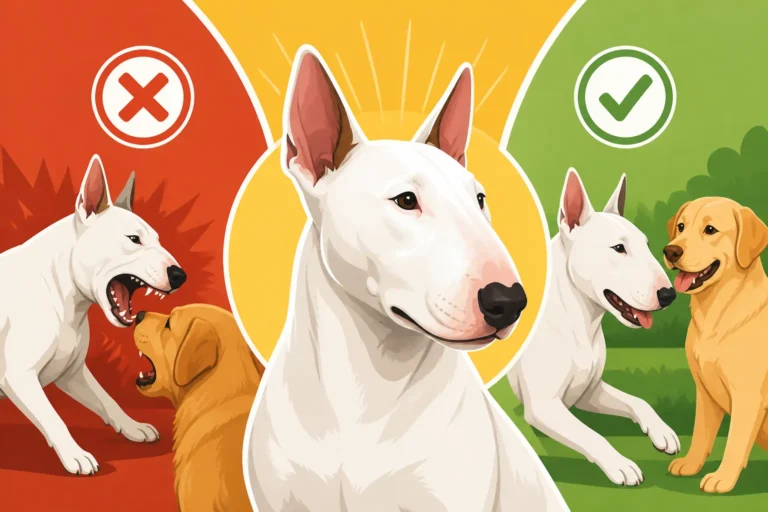
Teach children to look for signs like a relaxed body, a loosely wagging tail, and soft eyes when the dog is happy. Conversely, point out signs of discomfort: a stiff body, tucked tail, ears pinned back, lip licking, yawning, or turning their head away. Explain that if the dog shows any of these signs, it's time to stop interacting and give the dog space. A simple rule of thumb: if the dog walks away, let them. If they look uncomfortable, leave them alone. There are many excellent resources online, including programs from places like BAXTER & Bella, that teach families about dog body language in a child-friendly way. Empowering children with this knowledge helps them develop empathy and fosters safer interactions, understanding that How Much a Bull Terrier Tolerates From a Child can vary.
Training Your Bull Terrier for Child-Friendly Play
While children need to learn how to interact, the bulk of the responsibility for appropriate behavior lies with the adult and the dog. Training your Bull Terrier is non-negotiable for a peaceful, safe, and joyful family life.
Teaching Impulse Control and Calm Greetings
Bull Terriers are naturally boisterous, and their excitement can easily escalate. Teaching impulse control is fundamental to ensuring safe interactions with children. This means working on commands like "sit," "stay," and "wait" in a variety of environments, especially when exciting things are happening. Practice these skills frequently, not just in formal training sessions but throughout the day. For instance, before going outside, ask for a "sit" and "wait" at the door. Before food is placed down, ask for a "sit" and "wait." Reinforce calm behavior consistently.
When it comes to greeting children, aim for a "four on the floor" policy. Teach your Bull Terrier that jumping up is not an acceptable way to say hello. Practice having your dog sit or lie down calmly when children approach, rewarding them with praise or a small, low-value treat for keeping all four paws on the ground. Keep greetings brief and calm at first, gradually increasing duration as your dog masters self-control. This will prevent accidental knocks and scrapes and instill good manners from a young age. Teaching a Bull Terrier to Sit and Stay is foundational for this.
Managing the Mouthiness and Nipping Instinct
Bull Terrier puppies, like most puppies, explore the world with their mouths. They nip, mouth, and chew everything, including human hands and clothing. While this is normal puppy behavior, it's absolutely crucial to teach them bite inhibition and to redirect mouthing behavior away from people, especially children. Bull Terriers have powerful jaws, and even playful nips can be painful and frightening for a child. Teaching a Bull Terrier to Play Gently is a specific training goal you'll want to achieve.
When your Bull Terrier puppy mouths you or a child, respond immediately with a sharp "ouch!" or "no!" and withdraw attention. This teaches them that biting makes the fun stop. Then, redirect them to an appropriate chew toy. Provide plenty of durable chew toys, like those found on Amazon, to satisfy their need to chew. You can also use frozen Kongs or puzzle toys to keep them occupied. Consistency is key here. Every single instance of mouthing a person should result in a clear, consistent correction and redirection. As they mature, this foundational training will help prevent them from accidentally hurting a child during enthusiastic play. Remember, What a Harsh Correction Does to a Bull Terrier might shut them down, so focus on redirection and positive reinforcement.
Common Pitfalls and How to Avoid Them
Even with the best intentions and training, living with a Bull Terrier and children can present challenges. Being aware of common pitfalls can help you navigate them more effectively.
Over-Excitement and Rough Play Escalation
One of the biggest challenges with Bull Terriers is their tendency to get over-excited, especially during play. What starts as a fun game of tug or chase can quickly escalate into frantic zoomies, body slamming, or rough mouthing. When children are involved, this escalation can become dangerous. The key is to recognize the signs of impending over-excitement and intervene before it gets out of control.
Look for signs like frantic running, increased panting, hard staring, or sudden bursts of energy. If you see these, it's time for a "time out." Interrupt the play session, ask your Bull Terrier for a calm "sit" or "down," or simply put them on a leash for a few minutes until they calm down. Redirect their energy into a calmer activity, like a puzzle toy or a quiet chew. Teach children to stop playing if the dog gets too rough or excited. It's better to end a play session slightly early than to let it spiral into an unsafe situation. For some Bull Terriers, even something as seemingly innocuous as a game of fetch can trigger over-excitement; learn to identify their thresholds and manage them accordingly. How a Bull Terrier Plays With Children should always prioritize safety and calmness over intense activity.
Resource Guarding and Protective Behaviors
While Bull Terriers are generally good-natured, some individuals can develop resource guarding behaviors, where they become protective over their food, toys, sleeping spots, or even their favorite people. This can be particularly concerning when children are present, as a child might inadvertently approach a guarded item or person and provoke a growl or snap.
To prevent resource guarding, start early. Teach your Bull Terrier that human hands near their food bowl or toys mean good things. For example, while they are eating, occasionally walk by and drop an even tastier treat into their bowl. This builds a positive association. Practice trading toys: offer a higher-value treat in exchange for a toy, then give the toy back. This teaches them that letting go of an item is rewarding. With children, enforce the rule that they never bother the dog while it's eating or chewing a high-value item. Keep food bowls and special chews in a designated, child-free area. Similarly, if your Bull Terrier is particularly bonded to a specific person (which can happen, as How a Bull Terrier Bonds to a Child is very strong), ensure they don't become overly possessive or defensive of that individual. Early and consistent training is crucial in managing these protective instincts before they become problematic.
Table: Safe vs. Unsafe Play with Bull Terriers and Children
| Category | Safe Play Scenarios | Unsafe Play Scenarios |
|---|---|---|
| Interaction | Gentle petting on back/chest | Pulling ears/tail, climbing on dog, hugging tightly |
| Dog Behavior | Calm body, loose wagging tail, soft eyes, voluntarily approaching | Stiff body, tucked tail, lip licking, growling, prolonged staring |
| Child Behavior | Asking an adult before approaching, respecting dog's space | Chasing dog, bothering dog while eating/sleeping, screaming loudly |
| Play Type | Supervised fetch, short tug games with rules, treat puzzles | Rough wrestling, chasing games with no boundaries, unsupervised tug |
| Environment | Designated dog-free zones, dog in crate/on leash for breaks | Free-for-all play in high-traffic areas, dog's food/toys accessible to kids |
| Adult Role | Active supervision, consistent training, teaching children | Passive observation, inconsistent rules, assuming dog is "good" |
Continuous Learning and Support
Raising a Bull Terrier alongside children is an ongoing journey that requires patience, consistency, and a commitment to continuous learning. Just like children grow and change, so too does your dog, and their interactions will evolve over time. What works for a puppy might need adjustment for a teenager, and an aging dog might require even more specific considerations. Caring for a Bull Terrier Past Eight can bring new challenges.
Consider enrolling in a family-friendly dog training class, even if your Bull Terrier has basic obedience. These classes often provide valuable insights into managing dog-child dynamics in a controlled environment. Online resources, like the comprehensive programs offered by BAXTER & Bella, can also provide ongoing support and guidance for specific behavioral challenges or to simply reinforce good habits. Never hesitate to seek advice from a certified professional dog trainer or veterinary behaviorist if you encounter persistent issues or feel overwhelmed. They can offer tailored strategies and ensure everyone in your household remains safe and happy. Building a strong foundation of mutual respect and understanding is the best way to ensure your Bull Terrier and your children can thrive together for many wonderful years.
Disclaimer
This article is for general informational purposes only and does not constitute professional advice. Laws, prices and regulations vary by location and change over time. Consult a qualified professional for guidance on your specific situation.