How Mouthy a Bull Terrier Puppy Is
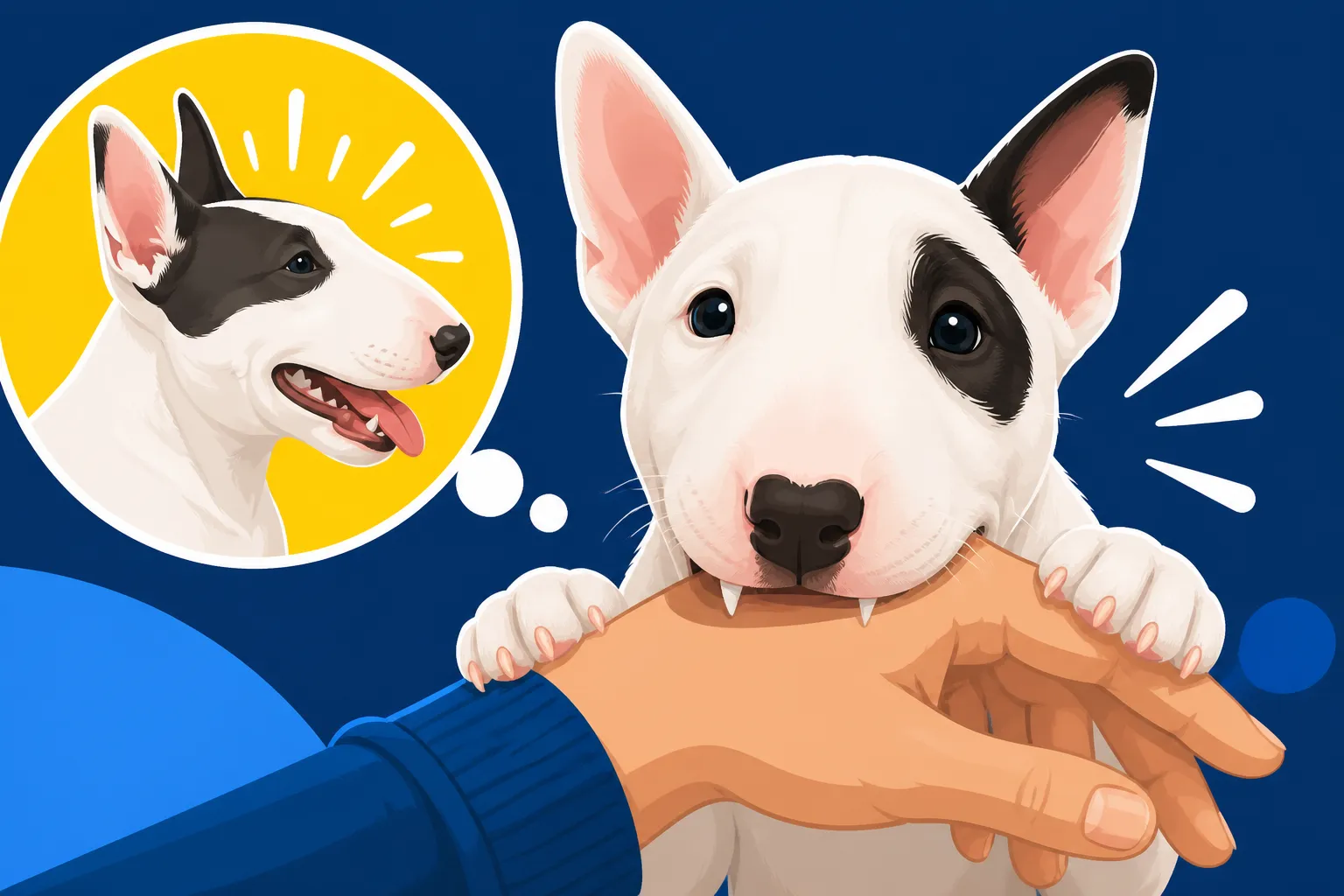
That adorable, round little Bull Terrier puppy nose can often be attached to a mouth that seems to want to explore everything with its teeth. Many new Bull Terrier owners quickly discover their cuddly fluff ball has an unnerving resemblance to a miniature, land-based shark. This can be frustrating, painful, and honestly, a little alarming, leaving you wondering if this level of nipping is normal or if you've got a problem on your hands. This guide is here to walk you through why your Bull Terrier puppy is so mouthy and, more importantly, how to gently and effectively teach them appropriate bite inhibition.
The Bull Terrier Puppy's "Land Shark" Phase
It’s a common scenario: you’ve brought home your precious Bull Terrier puppy, full of dreams of cuddles and playful romps. Instead, you find yourself navigating a furry piranha, constantly deflecting needle-sharp puppy teeth from your hands, ankles, and anything else within reach. This isn't just a Bull Terrier thing, of course, all puppies explore with their mouths, but there are certain characteristics of our beloved Bullies that can make this phase particularly intense. You’re not alone in feeling like you've adopted a tiny, adorable monster.
Why Bull Terriers Are Particularly Mouthy
Bull Terriers, with their strong, powerful jaws and innate curiosity, tend to be more orally fixated than many other breeds. They were originally bred for strength and tenacity, and while today’s Bull Terrier is far removed from its historical purposes, some of those instincts still manifest. For a Bull Terrier puppy, their mouth is their primary tool for understanding the world around them. They pick things up, they chew on them, they nip at them – it’s how they gather information. This breed's high energy and sometimes intense play style also contribute to their mouthy nature. They can get incredibly excited, and when that excitement peaks, the nipping often follows. It’s not malice; it’s just how they express themselves and explore their environment, often with more vigor than other breeds might. Their natural exuberance means they might not realize the force of their nips, leading to more painful encounters for human family members.
Normal Puppy Biting vs. Problematic Nipping
It’s crucial to understand the difference between normal puppy exploratory nipping and something that might escalate into a more problematic behavior. All puppies, regardless of breed, will bite. They bite their littermates, their mother, and eventually, their human families. This is a vital part of their development, as it’s how they learn bite inhibition – essentially, how hard is too hard? When they nip a littermate too hard, the littermate yelps and stops playing, teaching the aggressor a lesson. When you bring your puppy home, you become the primary teacher of this lesson.
Normal puppy nipping usually involves short, sharp nips, often during playtime or when seeking attention. It might hurt, but it's typically not aggressive, nor is it meant to cause harm. Problematic nipping, on the other hand, might be accompanied by growling, snarling, stiff body language, or a reluctance to let go. If your puppy is constantly lunging and biting with intent to hurt, or if the bites break the skin deeply and frequently, it’s veering into territory that requires more immediate and serious intervention. Most Bull Terrier puppies are in the "normal, but intense" category. They just need consistent guidance to learn the rules of human interaction. For more insights on their early behavior, you might find How Much Sleep a Bull Terrier Puppy Needs helpful, as overtiredness can often contribute to nipping.
The Role of Genetics and Breed Traits
While we often think of Bull Terriers as being tough and resilient, their genetics also contribute to their unique personality and behaviors, including their mouthiness. Their powerful jaw structure, coupled with an inherent drive to hold and tug, means they naturally gravitate towards using their mouths. This isn't a flaw in their temperament, but rather a characteristic that requires understanding and appropriate channeling. Some lines may even have a higher prey drive, which can translate into chasing and nipping at moving feet or clothes.
Breeders play a significant role here, too. A responsible breeder will have started the socialization process, exposing puppies to different textures and sounds, and allowing them ample time with their littermates and mother to learn crucial social cues, including bite inhibition. Puppies who are removed from their litter too early often miss out on these critical lessons, potentially leading to more severe nipping problems down the line. When looking for a puppy, understanding What an Untested Bull Terrier Puppy Signals can give you an idea of a breeder's commitment to the health and temperament of their line, which indirectly impacts behavior.
Understanding the Motivation Behind the Mouthiness
Before you can effectively address your Bull Terrier puppy’s nipping, it helps to understand why they’re doing it. It’s rarely out of malice or aggression, but rather a combination of natural developmental stages and attempts to communicate. Think of it as their way of speaking before they’ve learned the human language.
Teething and Oral Exploration
Just like human babies, Bull Terrier puppies go through a teething phase that can be incredibly uncomfortable. From about three weeks to six months, their baby teeth fall out, and their adult teeth emerge. During this time, they have an intense urge to chew and mouth everything to relieve the pressure and discomfort in their gums. Your hands and ankles, with their interesting textures and movements, become prime targets for this relief.
Imagine having a constant ache in your gums – you'd want something to gnaw on, too! Providing appropriate outlets for this natural urge is paramount. Without proper chew toys and redirection, your puppy will simply find other "toys" to soothe their gums, and those often happen to be parts of your body or household items. This phase is temporary, but the habits formed during it can last a lifetime, so consistent management is key.
Play Behavior and Communication
For puppies, especially high-energy breeds like Bull Terriers, nipping is a huge part of how they play and communicate. When they roughhouse with their littermates, they use their mouths. They learn boundaries through this play – a sharp yelp from a sibling teaches them they’ve gone too far. When they join your family, they instinctively try to replicate this play with you. They might nip to initiate play, to get your attention, or to try and continue a game they enjoy.
It’s their way of saying, "Hey, let's play!" or "Look at me!" The trick is to teach them that while mouthing is okay with other dogs, it’s not acceptable with human skin. This is where you step in as their new "littermate" to teach them the rules of human interaction. This is why How a Bull Terrier Plays With Children is so important, as boundaries must be even clearer with younger family members.
Overstimulation and Attention Seeking
Sometimes, nipping can be a sign that your Bull Terrier puppy is overstimulated, overtired, or simply seeking attention. A puppy who hasn’t had enough mental or physical exercise might resort to nipping out of sheer boredom or excess energy. Conversely, a puppy who has been playing too hard or for too long can become overstimulated, leading to frantic, uncontrolled nipping.
Think of it like a toddler having a tantrum when they’re past their bedtime. For a Bull Terrier puppy, those sharp nips might be their version of a "time-out, please!" signal. They might also learn that nipping gets a quick reaction from you – even a negative one. For a puppy craving interaction, any attention is good attention. So, inadvertently, by yelling or pulling away, you might actually be reinforcing the behavior. Understanding this dynamic is crucial for effective intervention.
Practical Strategies for Managing Puppy Nipping
Now that we've dug into why your Bull Terrier puppy is so mouthy, let's talk about the practical steps you can take to manage and redirect this behavior. Consistency is your best friend here, as Bull Terriers are smart and will test boundaries!
Bite Inhibition: Teaching Soft Mouths
The ultimate goal isn't necessarily to stop your puppy from ever putting their mouth on you, but to teach them how much pressure is acceptable. This is called bite inhibition. When your Bull Terrier puppy nips you, react as a littermate would:
- Exaggerated Yelp: Let out a loud, high-pitched "ouch!" or "yip!" The goal is to startle your puppy, not to scare them.
- Withdraw Attention: Immediately pull your hand or body part away, and completely ignore your puppy for about 10-20 seconds. Turn your back, cross your arms, and disengage. This mimics what a littermate would do by ending play.
- Resume Play (if appropriate): If your puppy calms down, you can re-engage with them. If the nipping starts again, repeat the process. The idea is to teach them that hard bites end the fun.
- Practice Gentle Mouthing: Once your puppy starts to understand, you can gently introduce your hands for petting, rewarding soft interactions with praise and treats. If they mouth gently, say "good gentle" and reward.
This method works because it uses a language your puppy understands. It's not punishment; it's communication that their bite was too hard. For more detailed steps, be sure to check out Teaching a Bull Terrier Puppy to Stop Nipping.
Redirection with Appropriate Chew Toys
A Bull Terrier puppy's need to chew is powerful, especially during teething. Instead of fighting it, redirect it. Always have a variety of appropriate chew toys readily available.
- Offer an Alternative: The moment your puppy’s mouth touches your skin, redirect them to a chew toy. Put the toy in their mouth and praise them for chewing on it. This teaches them, "Not my hand, this is for chewing."
- Variety is Key: Bull Terriers can be picky, and they get bored easily. Offer different textures, shapes, and sizes of chew toys. Some puppies prefer soft rubber, others tough nylon, or even frozen Kongs filled with peanut butter (check the ingredients for dog safety!).
- Durability Matters: Bull Terriers have strong jaws. Invest in durable, "power chewer" toys. Brands like Kong and Nylabone are often recommended. You can find a vast selection of these on platforms like Amazon, from tough rubber toys to robust nylon chews that can withstand their powerful jaws. This helps prevent them from destroying and ingesting pieces of less durable toys, which can be a serious health hazard.
| Type of Chew Toy | Best For | Benefits | Considerations |
|---|---|---|---|
| Rubber Chew Toys | Teething, moderate chewers | Durable, bounce, can be stuffed | Some can be destroyed by power chewers |
| Nylon Chew Toys | Strong chewers, long-lasting | Very durable, satisfy chewing instinct | Can be hard on teeth if puppy chews too aggressively |
| Rope Toys | Tuggers, interactive play | Good for fetch and tug, dental cleaning | Can unravel, ingested strings a hazard |
| Puzzle Toys | Mental stimulation, slower eating | Engages brain, dispenses treats gradually | Can be destroyed if not robust, requires supervision |
| Edible Chews | Short-term satisfaction | Satisfies natural chewing, often digestible | Supervise to prevent choking, check ingredients |
For more ideas on keeping your Bully busy, check out Which Puzzle Toys Occupy a Bull Terrier and How Many Chews a Bull Terrier Needs a Week.
Time-Outs and Disengagement
If the yelping and redirection aren't working, or if your puppy becomes over-aroused and simply won't stop nipping, a brief time-out can be highly effective. The key is that the time-out should be short, consistent, and immediately follow the undesirable behavior.
- Withdraw: The moment the nipping becomes too much, or if your puppy isn't responding to redirection, calmly stand up and walk away. Don't yell or make a big fuss.
- Physical Barrier: If walking away isn't enough, gently put your puppy in a designated "time-out" spot, like a crate (which should be a positive place, not a punishment zone), a puppy-proofed bathroom, or behind a baby gate in a quiet area.
- Short Duration: The time-out should only last for 30-60 seconds, or until your puppy has calmed down. The goal is to break the cycle of over-excitement and nipping, not to isolate them for a long period.
- Release and Resume: Once they are quiet and calm, let them out and resume interaction. If the nipping starts again, repeat the time-out immediately. Your Bull Terrier puppy will quickly learn that nipping means the fun stops. This helps reinforce the idea that calm behavior earns your attention.
Establishing Clear Boundaries and Consistent Training
Managing puppy mouthiness isn't just about stopping the behavior; it's about teaching your Bull Terrier puppy what to do instead. This requires clear, consistent boundaries and positive reinforcement training. Remember, Bull Terriers are smart and can be a bit stubborn; they learn when they see the point, so make sure the "point" of good behavior is always rewarding!
The "No Bite" Cue and Its Application
While the "yelp and withdraw" method teaches bite inhibition, a verbal cue like "no bite" can be added as your puppy matures. This cue should be paired with the consequence of nipping, but it's essential to use it correctly to avoid confusion.
- Consistent Verbal Cue: When your puppy nips too hard, immediately say "no bite" in a firm, calm voice, then follow with the yelp and withdraw tactic. The verbal cue acts as a signal before the consequence.
- Short and Sharp: Keep the cue brief and consistent. Avoid long sentences or repeating it endlessly, which can dilute its meaning.
- Positive Reinforcement for Soft Mouths: Crucially, actively reward your puppy when they interact with you without mouthing or when they take a treat gently. Say "good gentle!" and give praise or a higher-value treat. This teaches them the alternative desired behavior.
- Avoid Punishment: Never hit or physically punish your Bull Terrier puppy for nipping. This can break their trust, make them fearful, or even escalate the behavior into fear-based aggression. Bull Terriers respond much better to positive reinforcement and clear communication. They might even become more likely to guard resources or people if they associate you with harsh corrections.
Handling Exercises and Desensitization
Many Bull Terrier puppies nip because they're not used to being handled, especially around sensitive areas like their paws, ears, or muzzle. Regular, positive handling exercises can desensitize them and make them more comfortable.
- Gentle Touch: Start by gently touching your puppy all over their body for short periods. Pair each touch with a delicious treat or praise. The goal is to create a positive association with handling.
- Focus on Sensitive Areas: Gradually work your way to more sensitive areas. Touch their paws, lift their ears, gently open their mouth, and touch their tail. If they react with a nip or try to pull away, stop, wait for them to calm, and then try again more gently.
- Practice Often: Do these exercises daily, keeping sessions short and positive. This not only helps with nipping but also makes future vet visits, grooming sessions, and nail trims (which can be a real battle with a Bull Terrier!) much easier. Consistent handling helps build their tolerance for touch and makes them less likely to use their mouth as a defense mechanism.
Structured Puppy Classes and Professional Guidance
Sometimes, managing a particularly mouthy Bull Terrier puppy requires a little extra help. This is where puppy classes and professional trainers truly shine.
- Socialization Opportunities: Puppy classes offer invaluable, supervised socialization with other puppies and people. This environment allows them to learn appropriate play etiquette and bite inhibition from their peers, similar to their littermate experiences.
- Expert Guidance: A good trainer can observe your puppy's specific behaviors and provide tailored advice. They can help you refine your techniques and ensure you're communicating effectively with your Bull Terrier. For example, a program like BAXTER & Bella offers online resources and live coaching that can be incredibly useful for addressing specific behavioral challenges from the comfort of your home, supplementing in-person classes. They often provide structured curricula that cover everything from basic obedience to problem behaviors like nipping.
- Consistent Practice: Puppy classes provide a structured setting where you and your puppy can practice commands and boundaries under distraction, which is crucial for a breed as easily distracted as a Bull Terrier. Attending these classes also builds your confidence as a handler, equipping you with the tools to manage your dog's behavior effectively outside of class. Whether a Bull Terrier Should Do Puppy Class is a question many new owners have, and the answer is almost always yes!
What to Do When Nipping Escalates or Persists
While most Bull Terrier puppy nipping is a normal developmental phase, there are times when it can escalate or persist beyond what's typical. It’s important to recognize these signs and know when to seek professional help to prevent the behavior from becoming a deeply ingrained problem.
Recognizing Signs of Over-Arousal
Bull Terriers are known for their exuberance, but this can sometimes tip over into over-arousal, where they become so excited they lose control, and nipping intensifies. Signs of over-arousal include:
- Frantic, uncontrolled movements: Zoomies that seem to lack purpose, bumping into things, inability to settle.
- Excessive barking or growling during play: What might start as playful vocalization can turn into something more intense.
- Harder, more persistent nipping: The nips start to really hurt, and your puppy might not respond to your yelps or attempts to disengage.
- Difficulty disengaging: Your puppy struggles to stop playing, even when you try to end the session. They might jump on you repeatedly or continue to mouth.
- Panting, wide eyes, stiff body language: These can indicate a higher stress or excitement level.
When you see these signs, it's time to end the interaction immediately and give your puppy a chance to decompress. This might mean a brief time-out in their crate or a quiet room until they can settle down. Teaching your Bull Terrier to Settle on a Mat can be an invaluable tool for managing over-arousal. Preventing over-arousal is often easier than trying to stop it once it's started, so look for signs of increasing excitement and intervene before it becomes too much.
When to Seek Veterinary or Behavioral Consult
If you've consistently applied the strategies above for several weeks and the nipping isn't improving, or if it's accompanied by genuinely aggressive behavior (snarling, growling, biting with intent to harm, resource guarding, or fear-based aggression), it’s time to consult with a professional.
- Your Veterinarian First: Always rule out any underlying medical issues. Pain, discomfort (especially with teething that might not be progressing normally), or even certain neurological conditions can sometimes manifest as increased mouthiness or irritability. A vet visit can ensure your puppy isn't experiencing any physical problems contributing to the behavior. They might suggest a full health panel to rule out any genetic predispositions to health issues that could impact temperament, as covered in Which Health Tests a Bull Terrier Breeder Should Run.
- Certified Professional Dog Trainer or Behaviorist: If health issues are ruled out, seek help from a certified professional dog trainer (CPDT-KA) or a veterinary behaviorist. These professionals have specialized knowledge to assess the root cause of the behavior and create a customized modification plan. They can help you identify subtle cues you might be missing and provide hands-on guidance for more complex cases. They are especially helpful if the nipping seems to be escalating or if you're struggling to apply the techniques effectively.
Addressing Underlying Issues
Sometimes, persistent mouthiness can be a symptom of deeper underlying issues, such as anxiety, stress, or even insufficient mental or physical stimulation. Bull Terriers are intelligent dogs who need a "job" to do.
- Anxiety: Puppies can experience separation anxiety or general anxiety, which might manifest as excessive chewing or nipping. Are they getting enough one-on-one time? Are they left alone for too long? Why a Bull Terrier Cannot Be Left Alone All Day explains how crucial companionship is for this breed.
- Lack of Stimulation: A bored Bull Terrier is a destructive Bull Terrier. If they're not getting enough appropriate outlets for their energy and intelligence, they'll find their own, often undesirable, ways to occupy themselves, including excessive nipping and chewing. This is where a focus on activities like those mentioned in Why a Bull Terrier Needs a Job becomes vital.
- Pain or Discomfort: As mentioned, sometimes physical pain can cause irritability and increased nipping. If your puppy suddenly becomes more mouthy or reacts badly to being touched in a certain area, a vet check is paramount.
Addressing these underlying factors often resolves or significantly reduces problematic nipping. A holistic approach that considers your puppy's physical health, mental well-being, and training needs is always the most effective.
Long-Term Management and Expectations
Even after your Bull Terrier puppy has moved past the intense nipping stage, it’s important to remember that they are a strong, powerful breed. Consistent management and understanding their needs will be an ongoing part of your life together. The habits you build now will shape the adult dog they become.
Continuing Chew Toy Management into Adulthood
While the sharp puppy teeth disappear, the Bull Terrier’s powerful jaw and inherent love for chewing don’t. This breed thrives on having appropriate things to chew on throughout their lives.
- Lifelong Chewers: Expect your Bull Terrier to be a lifelong chewer. Continue to provide a variety of durable chew toys. Rotate them to keep things interesting. What worked for teething might need to evolve to something even tougher for their adult jaws.
- Mental Stimulation: Chewing is not just physical; it's mentally stimulating. Offering a long-lasting chew or a puzzle toy can help prevent boredom and destructive chewing, especially if you need to leave them alone for short periods. Don't forget, How Many Chews a Bull Terrier Needs a Week applies to adults too!
- Safety First: Always supervise new chew toys to ensure they are safe and won't break into pieces that could be swallowed. Regularly inspect toys for wear and tear and replace them when they become too small or damaged.
Socialization and Play Etiquette with Other Dogs
A well-socialized Bull Terrier is generally a well-behaved Bull Terrier, and this includes their interactions with other dogs. Continued positive exposure is vital.
- Structured Playdates: Arrange playdates with calm, well-matched dogs who tolerate a Bull Terrier’s boisterous play style. Supervise closely and intervene if play becomes too rough or one dog seems stressed.
- Leash Manners: Teach excellent leash manners. This helps prevent reactive behaviors and allows for controlled greetings, reducing the likelihood of excited nipping or jumping when encountering other dogs or people. Teaching a Bull Terrier to Walk Without Pulling is a critical skill for any owner.
- Reading Body Language: Learn to read both your Bull Terrier’s and other dogs’ body language. This will help you know when to intervene, redirect, or simply remove your dog from a potentially stressful situation before nipping or other undesirable behaviors occur.
- Individual Differences: Remember, not all Bull Terriers will be dog-park dogs. Some may prefer the company of a select few canine friends. Respect their individual preferences to set them up for success.
The Importance of Exercise and Mental Stimulation
A tired Bull Terrier is a good Bull Terrier – and a less mouthy one! These dogs have immense energy and intelligence that needs to be channeled productively.
- Physical Exercise: Regular, vigorous exercise is non-negotiable. This could be long walks, runs (once their joints are fully developed), flirt pole play, or structured games of fetch. A physically drained Bull Terrier is far less likely to resort to destructive or attention-seeking nipping behaviors. How Much Exercise a Bull Terrier Actually Needs is more than most people expect!
- Mental Stimulation: Don't forget the brain! Bull Terriers thrive on mental challenges. Incorporate training sessions, puzzle toys, scent work, or even learning new tricks into their daily routine. Just a few minutes of mentally challenging work can be as tiring as a long walk. This taps into their problem-solving abilities and prevents boredom, a common trigger for mouthiness.
- Consistency is Key: A consistent routine of exercise, training, and mental engagement will help your Bull Terrier feel secure, reduce anxiety, and provide appropriate outlets for their natural drives, leading to a much calmer and less mouthy companion. With a Bull Terrier, you truly get out what you put in, and a well-exercised and stimulated dog is a joy to live with.
Ultimately, navigating the mouthy puppy phase with a Bull Terrier requires patience, consistency, and a deep understanding of their unique breed traits. With the right approach, you'll teach your beloved "land shark" how to be a gentle, well-mannered companion who still gets to enjoy all the fun of being a Bull Terrier. The payoff is a loyal, loving, and wonderfully quirky companion who will bring immense joy to your life for The Ten to Fourteen Years a Bull Terrier Gets.
Disclaimer
This article is for general informational purposes only and does not constitute professional advice. Laws, prices and regulations vary by location and change over time. Consult a qualified professional for guidance on your specific situation.