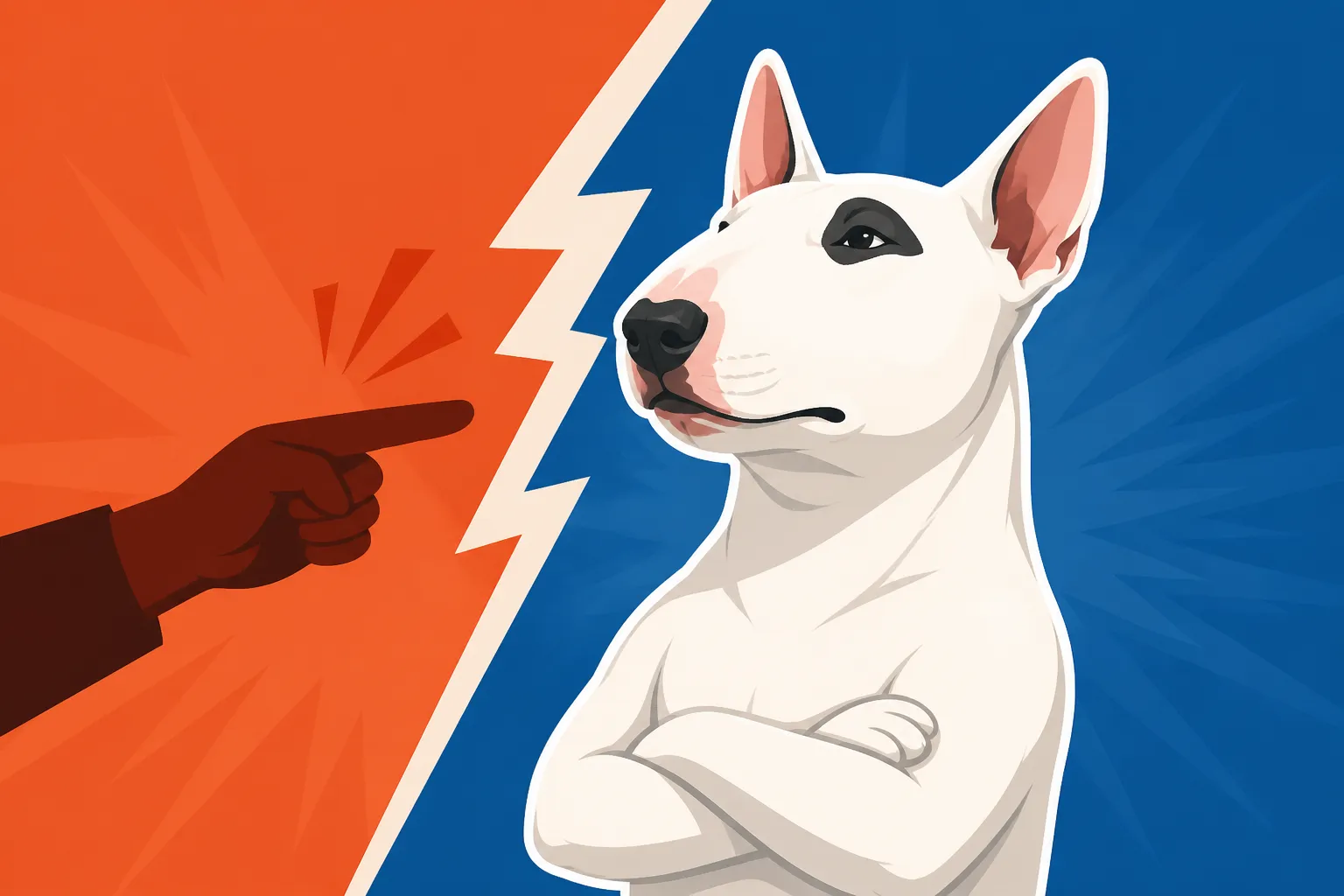
How Stubborn a Bull Terrier Is
Oh, the infamous Bull Terrier stubbornness! If you're currently wrestling with a four-legged, egg-headed charmer who seems to have a selective hearing switch, you are absolutely not alone. Many Bull Terrier owners find themselves at their wit's end trying to understand why their otherwise loving and playful companion suddenly transforms into a solid, immovable object with its own agenda. This guide will help you understand the unique Bull Terrier mindset, identify common expressions of their stubborn streak, and equip you with practical, empathetic strategies to navigate and even appreciate this quirky trait.
Understanding the Bull Terrier Mindset
Calling a Bull Terrier "stubborn" isn't quite right; it implies they're deliberately difficult. In reality, their "stubbornness" is often a cocktail of high intelligence, strong will, independent thinking, and an unwavering focus on what they deem important at any given moment. They aren't trying to annoy you; they're simply operating on their own highly logical, albeit often inconvenient, terms.
Intelligence vs. Compliance
Bull Terriers are undeniably smart. They can learn commands quickly, solve puzzles, and even figure out complex situations (like how to open a child-proof gate or extract a treat from a seemingly impenetrable container). However, their intelligence doesn't automatically translate into blind obedience. Unlike some breeds eager to please their human, Bull Terriers often weigh the request against their own perceived benefit or current interest. If fetching a ball isn't as appealing as sniffing a particularly interesting patch of grass, that patch of grass will win every single time. It's not that they don't understand what you're asking; it's that they often choose not to comply if there's no compelling reason for them to do so. They possess a problem-solving brain, but that problem-solving is often directed toward their own desires rather than yours.
This can be incredibly frustrating for an owner who's put in the effort to train. You know they know "sit," "stay," or "come," but in a high-distraction environment, it's as if the words evaporate into thin air. Many a Bull Terrier owner has stood in a park, calling their dog's name, only to watch their beloved companion glance back, acknowledge the call, and then continue their independent exploration with a wagging tail that seems to say, "I heard you, but I'm busy."
Their Own Idea of a Good Time
A Bull Terrier lives life on its own terms, often with an internal compass pointing directly towards fun and mischief. If your idea of a good time (like practicing obedience drills) clashes with their idea of a good time (like chasing squirrels or wrestling with a favorite toy), guess who usually wins in their mind? This isn't malice; it's pure, unadulterated Bull Terrier joy in pursuit of whatever captures their fancy. They are, after all, often referred to as Why a Bull Terrier Is Called a Three Year Old in a Dog Suit. They have the boundless energy and often the single-minded focus of a toddler discovering something new.
This independent spirit means that traditional, repetitive training methods can quickly bore them. They thrive on novelty and engagement, and if a task feels tedious, they'll simply "check out." It's like asking a brilliant but easily distracted child to do rote memorization when they'd rather be building a complex LEGO castle. You'll see their focus drift, their ears swivel in another direction, and suddenly, they're more interested in a speck of dust than your carefully delivered command. This isn't rebellion; it's a prioritization of internal motivation over external instruction.
The "What's In It For Me?" Mentality
This is perhaps the cornerstone of Bull Terrier "stubbornness." They are transactional learners. They are not intrinsically motivated by the desire to please their owner in the same way some other breeds are. For a Bull Terrier, every command is a negotiation. If the reward for complying is greater than the perceived reward of doing their own thing, they will comply. If it's not, well, good luck! This means you need to be constantly evaluating and upping your "value proposition" during training.
Think about it: why should your Bull Terrier come when called if the reward is just a pat on the head, when there's a fascinating smell over yonder? The smell is a much higher-value reward to them. This isn't to say they don't love you or enjoy your company – they absolutely do, and often express it with full-body enthusiasm. But when it comes to structured tasks, their brain immediately runs a cost-benefit analysis. This is why you'll often hear Bull Terrier owners say that A Bull Terrier Trains When It Sees the Point. They need a clear, compelling reason to engage, and that reason usually comes in the form of a high-value treat, a favorite toy, or a burst of enthusiastic play.
Common Manifestations of Bull Terrier Stubbornness
Their unique personality translates into some very specific behaviors that owners often label as stubborn. Recognising these patterns can help you anticipate them and adjust your approach.
Selective Hearing on Walks
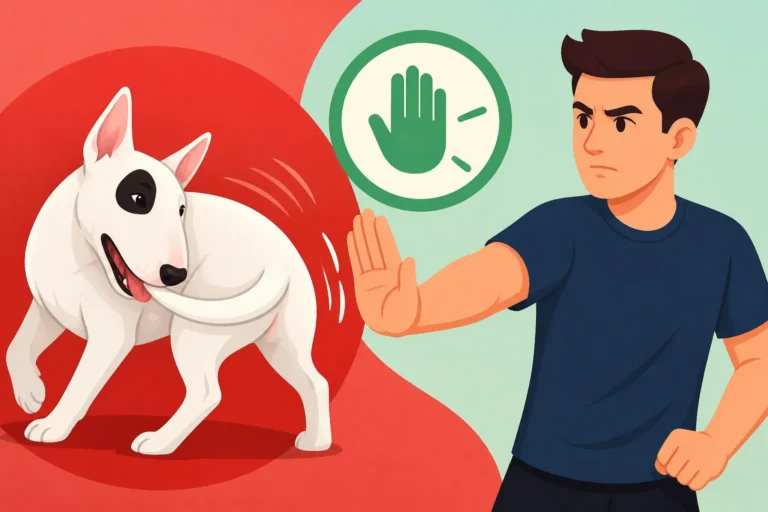
Ah, the walk! A joyous occasion for most dogs, but for a Bull Terrier, it's an olfactory adventure and a personal exploration mission. Your carefully taught "heel" command might work beautifully in your quiet backyard, but introduce a bustling park with new smells, other dogs, and intriguing sounds, and suddenly your Bull Terrier has developed a profound case of selective hearing. They might plant all four feet and refuse to budge from a particularly interesting scent, or pull with surprising strength towards something that has captured their attention, completely oblivious to your tugs and calls.
This isn't about disrespect; it's about their intense focus on the environment. Their senses are overwhelmed, and their natural curiosity takes over. When they dig in their heels, it's often because they are deeply engrossed in something, and breaking that focus requires a significant effort on your part. Trying to drag them will likely only make them resist more firmly. It becomes a battle of wills, and often, their will is stronger, or at least, more determined in the moment. This can make walks, which should be enjoyable, a source of constant frustration, especially if they are strong pullers despite training. Many owners find themselves investing in special harnesses or even head halters just to manage this powerful breed on a leash.
Refusal to Move During Training
Picture this: you're working on a new command, your Bull Terrier has done it beautifully a few times, and then suddenly… nothing. They plop down, stare off into the distance, or simply look at you with an expression that clearly states, "I'm done." They might even yawn dramatically or start grooming themselves, signaling that they've mentally checked out. This refusal to engage can be incredibly disheartening, especially when you know they're capable.
This is often their way of saying they're bored, tired, or simply not motivated enough by what you're offering. They don't have infinite patience for repetitive drills. They are too smart for that. How Short a Bull Terrier's Training Session Has to Be is often a crucial lesson for new owners. Trying to push through their disengagement will usually backfire, leading to frustration for both of you and potentially creating a negative association with training. They might even just lie down and refuse to get up, becoming a furry, immovable lump.
Ignoring Cues for Fun
This ties back to their "what's in it for me" mentality. If you've been consistent with training, your Bull Terrier likely knows a wide array of cues. But knowing them and executing them are two different things, especially when a higher-value activity presents itself. Asking for a "down-stay" when a friend walks through the door, or a "come" when they're mid-zoomie in the yard, often results in them pretending they didn't hear you. The thrill of the moment simply outweighs the potential reward for compliance.
This isn't about being disobedient; it's about making a choice. Their internal calculation prioritizes the immediate, exciting stimulus over your request. This is why proofing commands in varied environments and with increasing distractions is so vital, and why your reward needs to match or exceed the distraction. If your Bull Terrier decides a game of chase is more fun than returning to you, it's because you haven't yet presented a reward that can compete with the joy of the chase. This means always having your highest-value treats or their absolute favorite squeaky toy ready to go, especially in scenarios where you need a rock-solid recall or an immediate response.
Effective Strategies for Training a "Stubborn" Bull Terrier
Working with a Bull Terrier's distinct personality requires a different approach than you might use for other breeds. Forget harsh corrections or endless repetitions; those will only make them shut down. Instead, focus on engagement, motivation, and making training a collaborative, rewarding experience.
Keeping Training Sessions Short and Sweet
For a Bull Terrier, less is often more. Their attention spans can be surprisingly short when it comes to structured learning, especially if it feels repetitive. Aim for frequent, short training bursts rather than one long, drawn-out session. Five to ten minutes, two or three times a day, is far more effective than an hour-long session once a week. This keeps them engaged, prevents boredom, and ensures that each session ends on a positive note before they have a chance to "check out."
During these short sessions, focus on high-energy, exciting interactions. Use games to teach commands, incorporate lots of movement, and keep the tone upbeat. If you notice their focus beginning to wane, end the session immediately with a success (even if it's just a simple "sit") and a big reward. You want them to leave every training session thinking, "That was fun! What's next?" This builds positive associations and keeps them eager for the next opportunity to work with you. You might find that their enthusiasm dips significantly if you push beyond their natural engagement window, leading to frustration for both of you.
Finding the Ultimate Motivator
This is where your detective skills come in. What does your Bull Terrier truly love? For some, it's a specific squeaky toy. For others, it's a particular type of high-value food reward – think bits of cooked chicken, cheese, or hot dogs, not just dry kibble. Some Bull Terriers are ball fanatics, while others live for a good game of tug. Identifying Which Reward Outranks a Bull Terrier's Own Idea is paramount. Once you know their ultimate motivator, use it strategically. Reserve these top-tier rewards for the most challenging training scenarios or for when you need an immediate, reliable response.
For example, if your Bull Terrier is usually indifferent to treats but goes absolutely wild for a tennis ball, use that ball as your primary reward. A quick game of fetch after a successful recall can be far more motivating than any edible treat. Experiment with different rewards, and don't be afraid to switch them up to keep things fresh and exciting. What works one day might not be as effective the next. This also extends to praise; while not always a primary motivator, enthusiastic verbal praise and physical affection can be crucial additions to their reward system, especially if you're the "one person" they bond most closely with.
Consistency and Patience are Paramount
Training a Bull Terrier is a marathon, not a sprint. Consistency from every member of the household is crucial. Ensure everyone uses the same commands, the same hand signals, and the same expectations. Inconsistency will only confuse your intelligent Bull Terrier, giving them an excuse to fall back on their "selective hearing." Patience is equally important; there will be days when it feels like you're making no progress, or even going backward.
Avoid What a Harsh Correction Does to a Bull Terrier. Bull Terriers are sensitive and will often shut down or become more resistant if they feel pressured or unfairly treated. Positive reinforcement, clear communication, and a calm, confident demeanor on your part will yield far better results. Remember that every "stubborn" moment is an opportunity to learn more about your dog and refine your training approach. If something isn't working, it's not a failure on your dog's part; it's a signal to try a different strategy. Sometimes, just walking away and revisiting the training later when both of you are feeling more refreshed can make all the difference.
The Role of Environment and Enrichment in Managing Stubbornness
"Stubbornness" can often be a symptom of unmet needs or an inappropriate environment. A bored Bull Terrier is a "stubborn" Bull Terrier, or worse, a destructive one. Addressing their innate drives through proper enrichment and management can significantly reduce perceived stubborn behaviors.
Mental Stimulation to Combat Boredom
A Bull Terrier with nothing to do will invent its own entertainment, and that entertainment often involves things you'd rather they didn't do. These are smart dogs that need to use their brains. Puzzle toys, interactive feeders, and scent work are excellent ways to provide mental stimulation. Brands like Kong or other heavy-duty puzzle toys found on platforms like Amazon can be invaluable for keeping their minds engaged and preventing them from getting bored.
Think beyond just physical exercise. A fifteen-minute scent game can be as tiring, if not more so, than a long walk. Hide treats around the house and encourage them to sniff them out. Teach them new tricks that require problem-solving. This kind of mental engagement channels their intelligence productively, reducing the likelihood of them "stubbornly" refusing to listen because they're simply under-stimulated. Providing a "job" for your Bull Terrier, even if it's just a daily puzzle, can make a huge difference in their overall cooperativeness and willingness to engage with you. This taps into Why a Bull Terrier Needs a Job.
Physical Exercise and Outlet for Energy
While mental stimulation is crucial, physical exercise remains vital. Bull Terriers are powerful, athletic dogs with a surprising amount of stamina. How Much Exercise a Bull Terrier Actually Needs can vary, but generally, they require daily vigorous activity to stay happy and well-behaved. Without an adequate outlet for their energy, they can become restless, destructive, and yes, "stubborn" in their refusal to settle or listen.
A long walk, a good run in a secure area (if safe to do so), or intense play sessions are essential. However, remember that "stubbornness" on walks can make exercise challenging. Consider secure dog parks (if your Bull Terrier is well-socialized and tolerates other dogs) or enclosed fields where they can really stretch their legs without the constant battle of the leash. Physical exertion helps burn off excess energy, making them more receptive to training and less likely to dig in their heels purely out of boredom or pent-up excitement.
Predictability and Routine
Bull Terriers, despite their independent streak, often thrive on routine. Knowing what to expect throughout the day can provide a sense of security and reduce anxiety, which can sometimes manifest as "stubborn" resistance. Consistent meal times, potty breaks, exercise schedules, and even designated quiet times can create a predictable environment that helps them feel more settled.
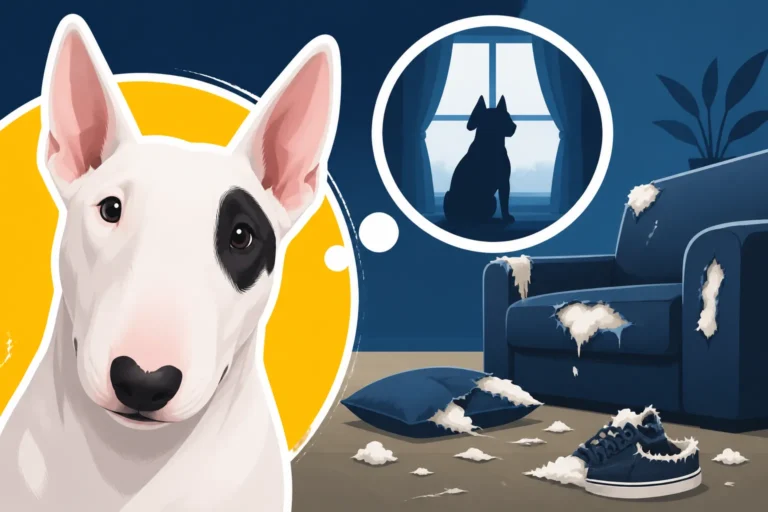
A well-established routine also allows you to integrate training seamlessly into their day, rather than it feeling like an arbitrary demand. If your Bull Terrier knows that after their morning walk comes a short training session followed by breakfast, they are more likely to engage willingly. This predictability reduces the chances of them being "stubborn" because they're unsure what's expected or feeling overwhelmed by a sudden shift in schedule. Furthermore, a consistent environment and management plan help prevent the kind of boredom and frustration that leads to What a Bull Terrier Does When It Is Bored.
When Stubbornness Becomes a Problem
While many Bull Terrier owners learn to lovingly embrace their dog's quirks, there are times when "stubbornness" might be more than just a personality trait. It's important to differentiate between typical breed behavior and underlying issues that might require professional intervention.
Distinguishing Stubbornness from Behavioral Issues
Sometimes, what appears to be stubbornness can actually be a sign of something else. For example, a sudden refusal to walk or move could indicate pain or discomfort, requiring a vet check. Persistent resistance to training, especially when combined with other concerning behaviors like excessive barking, aggression, or anxiety, might point to deeper behavioral issues like fear, insecurity, or even a lack of proper socialization. A Bull Terrier who suddenly Why a Bull Terrier Shuts Down Under Pressure might be signaling an emotional struggle, not just a stubborn streak.
It's crucial to observe your Bull Terrier's body language carefully. Are they simply ignoring you, or are there signs of stress, such as lip-licking, yawning (not out of tiredness), looking away, or stiffening their body? A truly "stubborn" Bull Terrier might just be choosing not to engage, but a Bull Terrier experiencing fear or anxiety might be displaying avoidance behaviors. If you notice a significant change in behavior or if their "stubbornness" is accompanied by signs of distress, it's always best to rule out any underlying medical or behavioral conditions. How Much Sleep a Bull Terrier Puppy Needs is also something to consider; an overtired pup might simply be too exhausted to comply.
When to Consult a Professional Trainer or Behaviorist
If you've tried various positive reinforcement methods, increased enrichment, and ensured consistency, but your Bull Terrier's "stubbornness" remains overwhelming or starts to escalate into more problematic behaviors, it's time to seek professional help. A certified professional dog trainer or a veterinary behaviorist can offer tailored strategies and insights into your specific dog's behavior. They can help you identify triggers, refine your communication, and develop a personalized training plan that respects your Bull Terrier's unique personality.
Online resources like those offered by BAXTER & Bella can be a great starting point, providing structured programs and expert guidance that you can access from home. However, for persistent or severe issues, in-person consultation allows a professional to observe your dog in their environment and provide hands-on coaching. They can teach you how to read your dog's body language more effectively and implement techniques that specifically address the Bull Terrier's independent nature.
The Importance of Early Intervention
Addressing "stubborn" tendencies or any emerging behavioral concerns early on is always more effective than waiting for them to become deeply ingrained habits. Puppyhood and adolescence are critical periods for shaping a Bull Terrier's behavior and building a strong, trusting relationship. The sooner you establish clear boundaries, consistent expectations, and effective communication, the better equipped you'll both be to navigate their independent streak.
Early intervention helps prevent minor "stubbornness" from escalating into more significant challenges down the road. It also reinforces the idea that working with you is a positive and rewarding experience. Think of it as investing in your relationship; the more effort you put into understanding and guiding your Bull Terrier during their formative years, the stronger your bond will be, and the more harmonious your life together will become. Don't be afraid to reach out for help if you feel out of your depth; a little expert guidance can make a world of difference.
Here's a quick overview of common Bull Terrier "stubborn" behaviors and potential strategies:
| Behavior | What it Looks Like | Possible Underlying Reason | Effective Strategy |
|---|---|---|---|
| Selective Hearing (Recall) | Ignores calls, continues sniffing/playing. | Higher-value distraction, low motivation for recall. | High-value rewards, consistent practice in varied environments, make coming back a party. |
| Leash Pulling/Planting | Pulls strongly towards interesting scents, suddenly stops and won't move. | Intense focus on environment, strong prey drive, boredom with walking pattern. | Front-clip harness or head halter, positive reinforcement for loose leash, frequent changes of direction, sniff breaks. |
| Refusal to "Work" | Lies down, yawns, grooms, stares off during training. | Boredom, fatigue, low motivation for current task. | Keep sessions short & engaging, use ultimate motivators, end on a high note, vary activities. |
| Ignoring Known Cues | Knows a command but chooses not to execute it (e.g., "stay" when visitor arrives). | Distraction value too high, reward value too low. | Practice in increasingly distracting environments, higher value rewards, proofing exercises, make compliance more rewarding. |
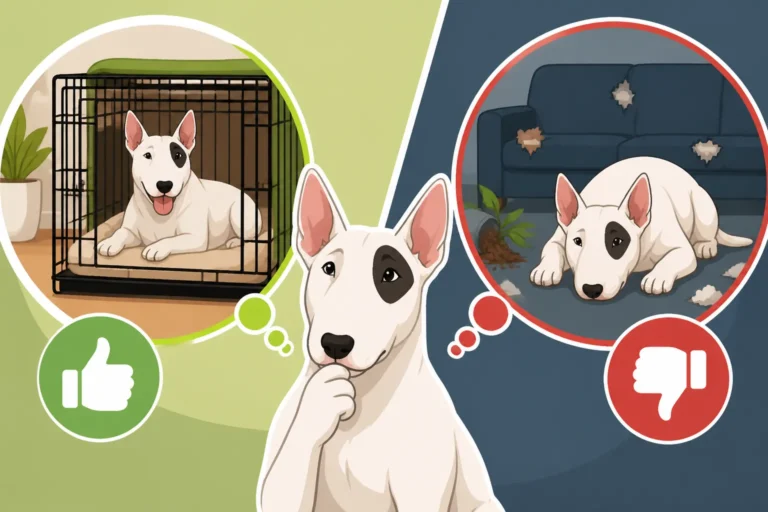
| Destructive Chewing | Chews furniture, shoes, walls when left alone. | Boredom, anxiety, insufficient mental/physical exercise. | Provide ample appropriate chew toys (e.g., tough Amazon options), puzzle feeders, increase exercise and mental stimulation. |
Disclaimer
This article is for general informational purposes only and does not constitute professional advice. Laws, prices and regulations vary by location and change over time. Consult a qualified professional for guidance on your specific situation.