How Long a Colored Bull Terrier Waitlist Runs
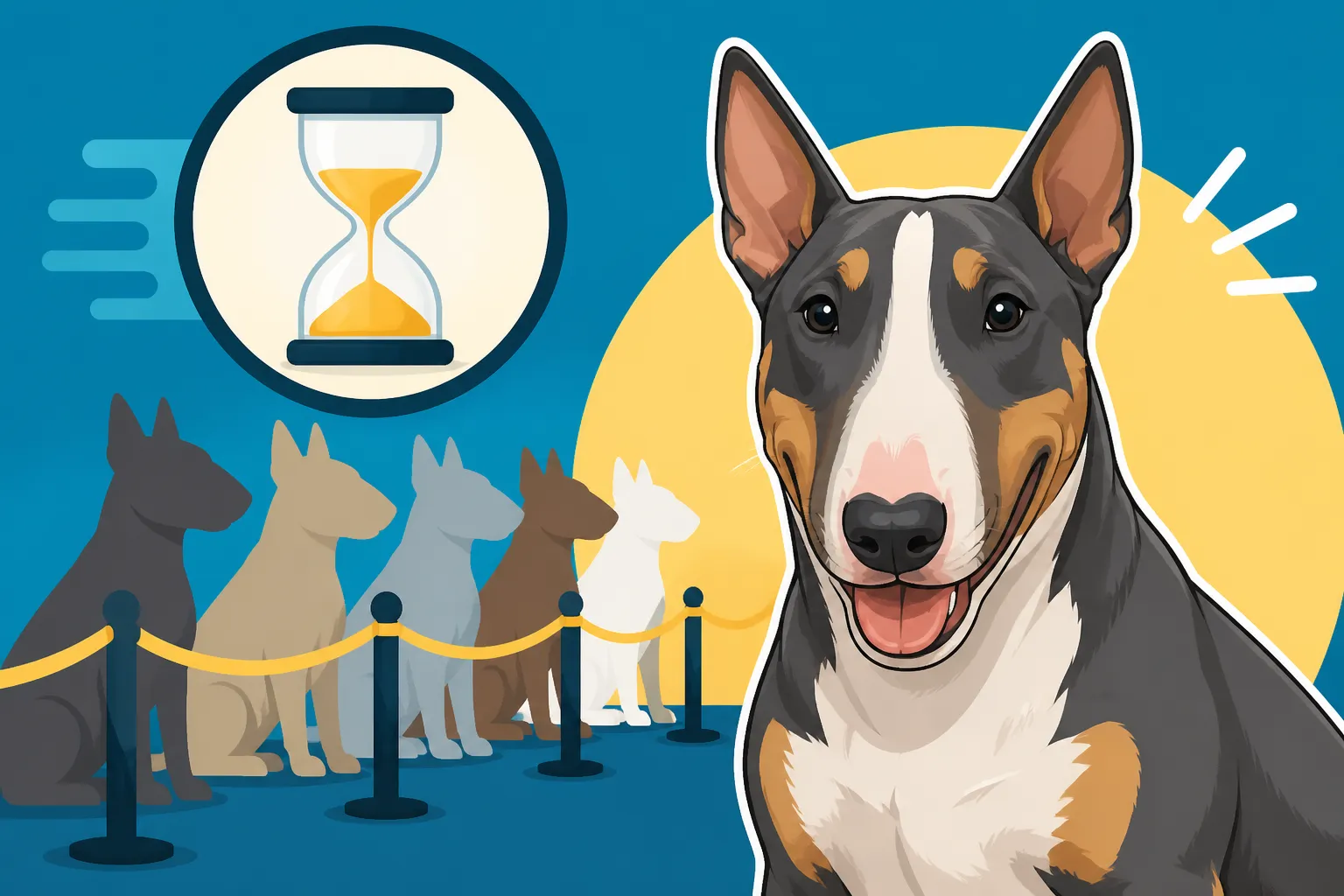
You've set your heart on a beautiful colored Bull Terrier, envisioning that striking brindle or a classic red and white companion. But as you start looking, you quickly discover that getting one of these uniquely marked dogs isn't as simple as picking up a puppy next weekend. The reality for many hopeful owners is a long, often frustrating, wait. This guide is here to shed light on why these waitlists can stretch for months, or even years, and help you understand the journey to bringing a colored Bull Terrier into your home.
The Allure and Scarcity of Colored Bull Terriers
It’s easy to see why colored Bull Terriers hold such appeal. While the iconic white Bull Terrier with its smooth, egg-shaped head is instantly recognizable, the variety of colors – brindle, red, tricolor, fawn, black and white – brings out different aspects of the breed's character and beauty. This visual distinction, combined with careful breeding practices, contributes significantly to the often-extended wait times prospective owners face.
Why Specific Colors Can Be More Sought After
Certain color patterns seem to capture the imagination more than others. Brindles, with their tiger-stripe markings, or the rich, deep reds, often create a striking visual that stands out. This isn't to say a classic white Bull Terrier isn't equally cherished, but the unique aesthetics of a well-marked colored dog can often lead to higher demand among fanciers. People might have a specific image in mind, perhaps from seeing a particular dog online or at a show, and that sets them on a quest for that exact look.
What many don't realize is that these preferences, while understandable, don't necessarily align with the natural distribution of colors in a litter. A breeder might hope for a variety, but genetics can be wonderfully unpredictable. You might want a brindle, but the litter could be mostly white or red. This mismatch between specific demand and genetic probability naturally extends the wait for those with very particular color preferences. Ethical breeders prioritize health and temperament above all, meaning color is often a happy accident rather than the primary goal.
The Role of Ethical Breeding in Limited Availability
When you’re seeking a Bull Terrier, especially a colored one, you'll inevitably encounter breeders. It's crucial to understand that reputable breeders are not running puppy mills. They typically breed only a few carefully planned litters a year, or sometimes even less frequently. Their focus is on preserving the health, temperament, and conformation of the breed, not on churning out puppies to meet demand. This careful, deliberate approach means there will always be a limited number of puppies available at any given time.
An ethical breeder will meticulously screen their breeding dogs for known health issues within the breed, such as heart conditions, kidney disease, and deafness. You can read more about these critical screenings in articles like Which Health Tests a Bull Terrier Breeder Should Run or What a Bull Terrier Breeder Should Have Tested. They are investing significant time, effort, and financial resources into ensuring their puppies have the best possible start. This dedication to health and quality naturally limits the frequency of litters and, subsequently, the number of puppies, leading to longer waitlists.
Factors That Lengthen a Bull Terrier Waitlist
The journey to getting a Bull Terrier, particularly a colored one, is rarely a quick one. Several interlocking factors contribute to the often-lengthy waitlists. It's not just about demand; it's also about responsible breeding practices, genetic realities, and the individual breeder's capacity. Understanding these elements can help set realistic expectations.
Breeder Reputation and Demand
Imagine a breeder who consistently produces healthy, well-socialized, and structurally sound Bull Terriers. Their dogs excel in various venues, from conformation shows to family homes. Word of mouth spreads quickly, and prospective owners are eager to get a puppy from their lines. These breeders, often with decades of experience, will naturally have the longest waitlists. Their reputation precedes them, and people are willing to wait for quality and peace of mind.
Conversely, a breeder with little to no online presence, vague answers about health testing, or a suspiciously short waitlist might be a red flag. It's often true that "good things come to those who wait" when it comes to finding a responsible breeder. If you find a breeder who always has puppies available immediately, it's worth asking deeper questions about their breeding practices, parent health, and socialization efforts. The wait isn't just for a puppy; it's for a well-bred, healthy family member.
Breeding Frequency and Litter Size
Bull Terriers are not known for massive litters. While individual litter sizes can vary, a typical Bull Terrier litter might range from 4 to 8 puppies. Contrast this with other breeds that might regularly have 10-12 puppies, and you can see why the supply of Bull Terrier puppies is inherently smaller. Female Bull Terriers are also not bred every single heat cycle by responsible breeders; they need time to recover physically and mentally between litters.
Furthermore, a breeder often has specific goals for each litter beyond just producing puppies for pet homes. They might be looking to keep a puppy for their own show or breeding program, or they might have specific requests from other reputable breeders for certain traits. This means that out of a small litter, only a fraction might even be available to the general public. This careful selection process further reduces immediate availability and can push you further down a list.
Specific Color and Sex Preferences
While some people are happy with any healthy Bull Terrier puppy, many prospective owners have specific preferences for color or sex. You might desperately want a brindle male, or a tri-color female. This specificity significantly narrows the pool of available puppies for you. If a breeder has a litter of six and only one of them is a brindle male, that single puppy might have several families vying for him.
The genetic roulette of dog breeding means that even if both parents carry genes for various colors, there's no guarantee of how many puppies of a specific color will appear in a litter, or even if that color will be present at all. For example, Whether a Colored Bull Terrier Is Healthier is a common question, and the answer is usually no, but the desire for a specific color still drives demand. This unpredictability means you might have to wait through several litters until the desired combination of color and sex becomes available from your chosen breeder.
Health Testing and Puppy Placement
Reputable Bull Terrier breeders invest heavily in health testing their breeding stock. This includes comprehensive checks for heart conditions, kidney disease, patellar luxation, and inherited deafness (especially in white Bull Terriers). These tests ensure that parents are healthy and help minimize the risk of passing on genetic conditions. For instance, testing for things like What Hereditary Nephritis Does to a Bull Terrier or The Heart Murmur a Bull Terrier Puppy Should Be Checked For are standard.
This commitment to health means breeders might not breed a dog if test results aren't ideal, or they might breed less frequently to ensure their dogs are in peak condition. Once puppies are born, they also undergo health checks. For example, all white Bull Terriers, and often colored ones too, should undergo a BAER test for hearing. You can find more details in What a BAER Test Tells a Bull Terrier Owner. Puppies are not typically placed in homes until they are at least 8 weeks old, and often closer to 10 or 12 weeks, giving the breeder time to assess individual temperaments and ensure they go to the most suitable homes. This careful placement process adds another layer to the wait.
Navigating the Waitlist Process for a Colored Bull Terrier
Getting onto a waitlist is just the beginning of your journey to finding a colored Bull Terrier. It's a process that requires patience, good communication, and due diligence. Understanding how these lists work and what to expect will help you navigate it successfully and avoid potential pitfalls.
Getting on a Reputable Breeder's Waitlist
First and foremost, you need to find reputable breeders. This often involves research through national breed clubs (like the Bull Terrier Club of America), attending dog shows, and getting referrals from experienced Bull Terrier owners. Once you identify a few breeders whose philosophies align with yours, reach out to them. Expect a thorough questionnaire about your lifestyle, experience with dogs, living situation, and what you're looking for in a Bull Terrier. This isn't an interrogation; it's a responsible breeder's way of ensuring their puppies go to suitable homes.
Many breeders will ask for a deposit to secure your spot on a waiting list, which can be non-refundable. Make sure you understand their policies clearly. Be prepared to wait—sometimes for many months, potentially even over a year or two for a particularly in-demand color or specific breeding. The conversation shouldn't just be one-way; ask the breeder about their health testing protocols, how they socialize their puppies, and what kind of ongoing support they offer. You might also want to ask Which Questions to Ask a Bull Terrier Breeder.
Understanding How Waitlists Are Managed
Waitlists aren't always a strict "first come, first served" system. While some breeders might prioritize based on when you initially contacted them, many will match puppies to families based on temperament, lifestyle, and the specific needs of the puppy. For example, if you're an active family looking for a dog to join you on hikes, and a particular puppy in the litter is showing signs of being a calm, couch-potato type, the breeder might suggest a different puppy or a future litter that might better suit your activity level.
It's also common for breeders to give preference to past buyers, co-owners, or individuals who are involved in dog sports or showing. This isn't unfair; it rewards loyalty and dedication to their lines and the breed. Communication is key during this time. Stay in touch with your chosen breeder, providing updates on any changes in your life that might affect your ability to care for a Bull Terrier. This shows commitment and keeps you top of mind.
Red Flags to Watch Out For
While waiting for your dream Bull Terrier, be vigilant for any red flags. Breeders who always have puppies available immediately, especially for rare or highly sought-after colors, should raise a brow. This could indicate overbreeding, poor health testing, or simply a lack of care in placement. Another warning sign is a breeder who pressures you for a deposit without asking many questions about your home or experience. A responsible breeder wants to know a lot about you.
Be wary of breeders who cannot or will not provide verifiable health clearances for the parents (OFA, CERF, BAER test results, annual UPC ratios for kidney health, etc.) or who offer puppies at unusually low prices. While What a Bull Terrier Puppy Costs From a Breeder can vary, extremely low prices often come at the expense of health testing and proper care. Always insist on seeing proof of health testing, visiting the facility if possible (or arranging a video call), and meeting the puppy's parents if they are on-site.
Managing Expectations and Considering Alternatives
Waiting for a specific colored Bull Terrier can test the patience of even the most dedicated dog lover. It's essential to manage your expectations throughout this process and be open to alternatives if your ideal puppy isn't available within your desired timeframe. Remember, the goal is a healthy, happy Bull Terrier that fits well into your home, regardless of its exact shade.
The Value of Patience and Flexibility
The longest part of the journey is often the wait. You might be told the wait is six months, only for it to stretch to a year or more due to smaller-than-expected litters, a breeding not taking, or the specific color you desire simply not appearing. This is where patience truly becomes a virtue. Use this time wisely: research Bull Terrier care, learn about their unique temperament (you might find A Bull Terrier Trains When It Sees the Point and What a Bull Terrier's Temperament Is Really Like insightful reads), and prepare your home for a new puppy.
Being flexible with your preferences can also shorten your wait. If you're open to a broader range of colors, or even either sex, your chances of a quicker match improve dramatically. Remember that Bull Terriers come in a beautiful array of colors, from solid white to various brindle patterns, red, fawn, and tricolor. While you might have an initial preference, the individual personality of the dog is far more important than its exact coat color.
Considering an Older Bull Terrier or Rescue
If the thought of waiting for a puppy is too much, or if you're looking for a dog with an established personality, consider an older Bull Terrier or one from a rescue organization. Many wonderful Bull Terriers end up in rescue through no fault of their own, often due to owners underestimating the breed's energy or stubbornness. You can learn more about this in Why a Bull Terrier Ends Up in Rescue at Eighteen Months.
Rescue organizations, like those affiliated with the Bull Terrier Club of America, often have both colored and white adult Bull Terriers available. These dogs are typically fostered in homes, allowing the rescue to accurately assess their temperament and needs. They often come spayed/neutered, up-to-date on vaccinations, and sometimes even with basic training. While a rescue dog's health history might be less comprehensive than a puppy from a reputable breeder, many rescues do conduct health checks before placement. This can be a rewarding way to bring a Bull Terrier into your life without the long waitlist for a specific colored puppy.
Budgeting for Your Bull Terrier While You Wait
Waiting for a puppy is also a perfect opportunity to get your finances in order for your new arrival. Bull Terriers are not inexpensive dogs to own, both in terms of initial purchase price and ongoing care. For instance, you'll need a budget for high-quality food, which you can often find at places like Chewy, durable toys that can stand up to that powerful Bull Terrier jaw, and robust training classes.
Beyond the basics, you need to prepare for potential health costs. Bull Terriers, while generally robust, are prone to certain breed-specific ailments. Investing in pet insurance from providers like Healthy Paws can be a lifesaver if your Bull Terrier develops a condition like kidney disease or a heart issue. Even a healthy Bull Terrier can incur unexpected vet bills. You can explore options like custom meal plans from services like Ollie once your pup is home, but the planning starts now.
Here's a quick overview of factors that typically influence wait times for a colored Bull Terrier:
| Factor | Impact on Wait Time (Generally) | Notes |
|---|---|---|
| Breeder Reputation | Longer | Highly sought-after breeders often have waiting lists extending 1-2 years or more. |
| Breeding Frequency | Longer | Responsible breeders breed infrequently, perhaps once a year or less for a particular female. |
| Litter Size | Variable (can lengthen) | Smaller litters mean fewer puppies available for placement. |
| Specific Color Preference | Longer | Desiring a rare or specific color (e.g., specific brindle patterns) will likely extend your wait. |
| Specific Sex Preference | Longer | Limits your options if a litter has an uneven male/female ratio. |
| Health Testing | Can lengthen | Breeders might wait for specific test results or adjust breeding plans based on outcomes. |
| Geographic Location | Variable | Fewer reputable breeders in your immediate area might mean looking further afield, adding to the wait. |
| Flexibility | Shorter | Being open to any healthy Bull Terrier, regardless of sex or exact color, can significantly reduce waiting. |
This process of waiting, researching, and preparing truly becomes a part of the bonding experience, even before your Bull Terrier puppy arrives.
Disclaimer
This article is for general informational purposes only and does not constitute professional advice. Laws, prices and regulations vary by location and change over time. Consult a qualified professional for guidance on your specific situation.