What a Bull Terrier Destroys in Its First Year
Bringing a Bull Terrier puppy home is an exhilarating experience, full of goofy grins and boundless energy. But many new owners quickly discover a challenging reality: the sheer, unadulterated chewing and destruction that can accompany their beloved companion's first year. This guide will walk you through what to expect, why it happens, and how to safeguard your home and sanity during this intense phase.
The Puppy Stage: A Landmine of Little Teeth and Big Curiosity
That adorable little Bull Terrier puppy is a chewing machine, and it's not personal. It's a combination of instinct, development, and an insatiable desire to explore their world with their mouths. Understanding this fundamental truth is the first step in managing the inevitable.
Why Bull Terrier Puppies Chew Everything
Just like human babies, Bull Terrier puppies explore their environment primarily through their mouths. Their world is a sensory buffet, and every object is an invitation to be tasted, gnawed, and tested for its structural integrity. This exploratory chewing is perfectly normal and necessary for their development. Beyond exploration, there's the undeniable discomfort of teething. As those sharp little puppy teeth fall out and their strong adult teeth push through, your Bull Terrier's gums will be sore and itchy. Chewing provides immense relief, acting as a natural massage for their tender mouths. They're not being naughty; they're trying to feel better.
It’s easy to get frustrated when you find your favorite shoe in shreds, but remember the underlying biological drive. Their jaws are developing, their instincts are kicking in, and they have no concept of monetary value or sentimental attachment. It's all just stuff waiting to be investigated.
Common Targets of Puppy Destruction
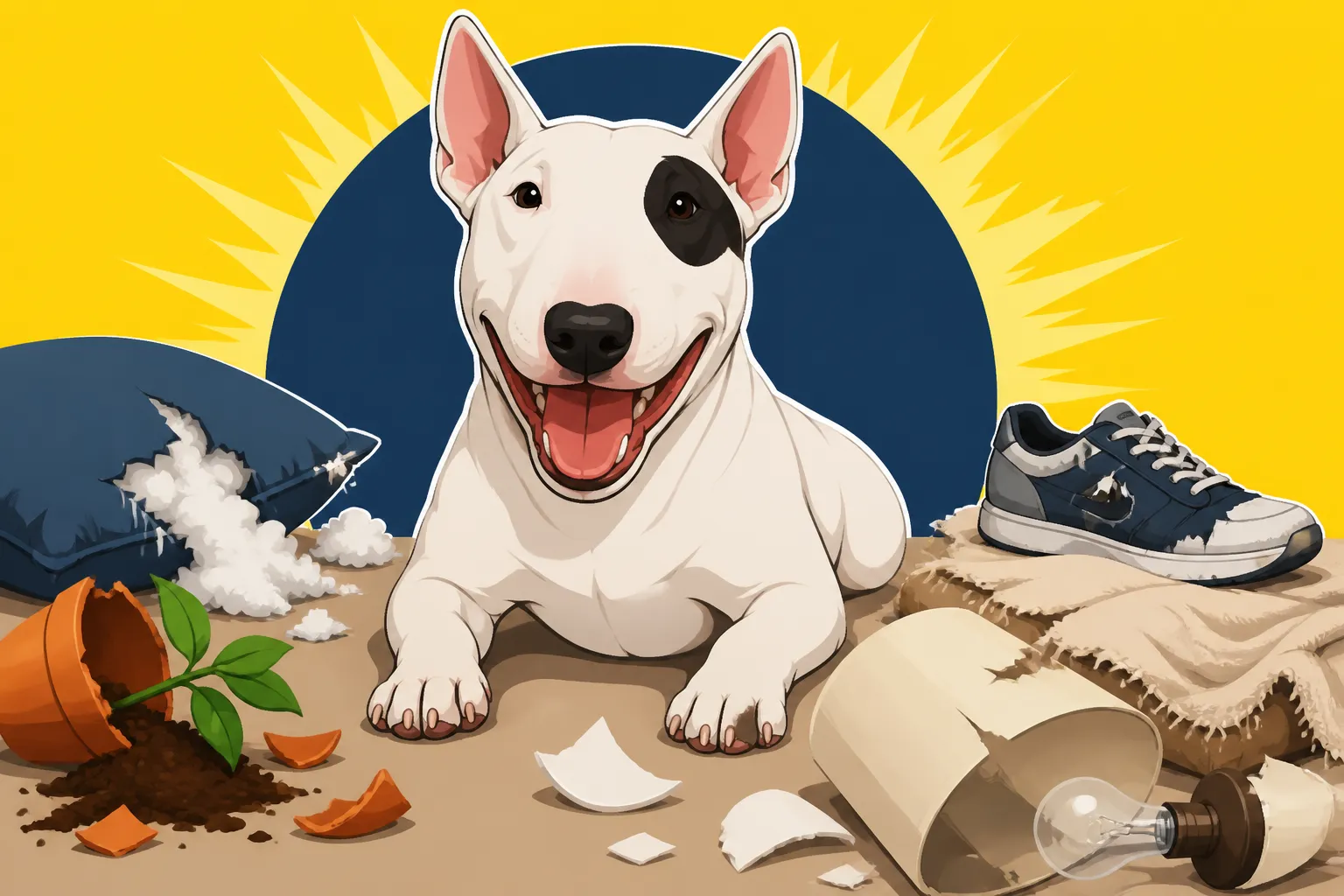
When your Bull Terrier puppy is in this intense chewing phase, almost anything within reach is fair game. Furniture legs often bear the brunt, especially chair and table legs that offer a satisfying density to gnaw on. Baseboards and door frames are also popular, presenting tempting edges and textures. You might come home to discover a brand new design feature carved into your woodwork. Electrical cords are a huge danger, as their thin, pliable nature makes them irresistible to a curious puppy, and the consequences of chewing live wires can be tragic. Always make sure these are secured and out of reach.
Household items like shoes, remote controls, books, and even children's toys (especially plush ones) can be quickly dismembered. Think about anything at their eye level when they're standing on all fours, or anything that might dangle enticingly. They aren't trying to be destructive; they're simply following their instincts. This is why understanding What a Bull Terrier Chews When Left Out is crucial for proactive protection.
Minimizing Damage During Teething
To navigate the puppy teething phase with minimal destruction, redirection is your best friend. Always have a variety of appropriate chew toys readily available. When you catch your puppy chewing something they shouldn't, firmly interrupt the behavior, then immediately offer a suitable toy. Praise them enthusiastically when they take the toy. Rotating toys can keep them interesting; don't leave all of them out at once. Puppy-specific chew toys, often made of softer rubber or fabric that can be frozen, can provide extra relief for sore gums.
Bitter sprays can act as a deterrent for specific items they keep targeting, though some Bull Terriers seem completely immune to their taste. Supervision is key: actively watching your puppy allows you to intervene before bad habits form. When you can't supervise, a secure, puppy-proofed area or a crate is indispensable. You might also find helpful information in guides about How to Bull Terrier Proof a Room.
The Adolescent Rampage: When Energy Meets Opportunity
Once your Bull Terrier leaves the tiny puppy stage, usually around 6-12 months, they hit adolescence. This is often when the true destructive potential reveals itself, driven by a combination of burgeoning physical strength, mental development, and often, an excess of unchanneled energy.
The Surge of Destructive Energy in Adolescence
As your Bull Terrier transitions from puppyhood to adolescence, they're not just getting bigger; they're getting stronger, faster, and more self-assured. Their jaws become incredibly powerful, capable of dismantling objects that a younger puppy couldn't even dent. This physical growth is coupled with a significant surge in energy. They need more exercise, more mental stimulation, and more purposeful activity than ever before. If this energy isn't directed positively, it will find an outlet, and that outlet is often destructive chewing, digging, or even outright demolition.
It's a common story: an owner thinks their Bull Terrier is past the worst of the chewing, only for their favorite armchair to become the victim of an adolescent burst of energy. This phase highlights why consistent training and ample appropriate outlets are so vital. Think about How Much Exercise a Bull Terrier Actually Needs to truly tire them out.
The Scale of Adolescent Destruction
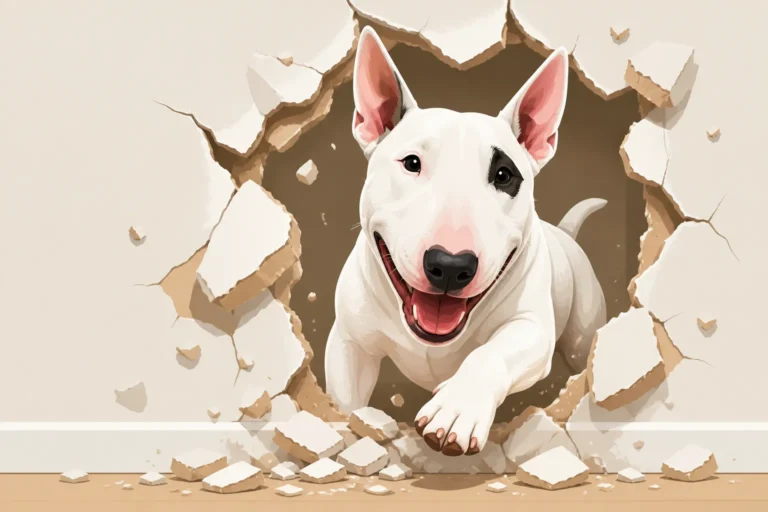
While a puppy might nibble at a chair leg, an adolescent Bull Terrier can quite literally take a chunk out of it. We're talking about shredded sofas, ripped up carpets, gouged door frames, and even holes in drywall. Their strength means they can easily access higher places, pull down curtains, or drag items off counters that were previously safe. The destruction becomes less about gentle exploration and more about forceful engagement. It's not uncommon for personal items like glasses, phones, or wallets left carelessly on a coffee table to become mangled beyond repair.
The financial toll can be substantial. Imagine replacing an entire sofa, repairing flooring, or patching large sections of drywall. This is when many owners start to truly understand The Destruction Budget Nobody Warns a Bull Terrier Owner About. These aren't minor fixes; they require significant investment in time and money.
Understanding the Motivation Behind the Mayhem
Often, adolescent destruction isn't simply boredom, though that's a big part of it. It can stem from frustration, anxiety, or an urgent need for mental engagement. A Bull Terrier left alone for long periods without adequate exercise or mental stimulation might resort to destructive behaviors as a way to self-soothe or simply pass the time. Separation anxiety can manifest as extreme chewing, barking, or scratching at exits. This isn't malicious behavior; it's a dog coping (or failing to cope) with an emotional state.
Consider why a Bull Terrier might be chewing. Are they getting enough walks, play sessions, and training? Are they truly comfortable and secure when left alone, or are there Signs a Bull Terrier Has Separation Anxiety that need to be addressed? Understanding the root cause is critical for effective management.
Fortifying Your Home: Bull Terrier Proofing Strategies
With a Bull Terrier, "puppy-proofing" is an ongoing, evolving process that quickly becomes "Bull Terrier-proofing." It requires a strategic and often creative approach to protect your home and ensure your dog's safety.
Securing the Environment
The first line of defense is to remove temptation. Walk through your home and get down on your Bull Terrier's level. What looks interesting? What's within reach? Put away shoes, bags, remote controls, and anything else that isn't dog-safe or meant for chewing. Secure electrical cords, either by bundling them tightly and running them behind furniture or by using cord protectors. Gates can be invaluable for restricting access to certain rooms when you can't supervise, like bedrooms or offices filled with valuable electronics. For serious chewers, consider covering wooden furniture legs with thick plastic protectors or applying bitter-tasting sprays regularly. Remember, if they can reach it, they might chew it.
Indestructible Toys and Chews
"Indestructible" is a strong word, and for a Bull Terrier, it's more of a challenge than a promise. Their powerful jaws can make short work of many toys marketed as tough. You'll need to experiment to find what truly stands up to their chewing power. Look for solid rubber toys, like those from Kong or Nylabone, designed for aggressive chewers. Certain types of natural chews, such as antlers or large, dense bones (always supervised and appropriate for your dog's size), can also be excellent choices. Avoid anything that can be easily broken into small pieces and swallowed.
It’s an investment to find Which Toys Survive a Bull Terrier, but it's far cheaper than replacing furniture. Rotating these truly tough toys helps maintain their novelty and interest. Brands like Chewy often have a wide selection of heavy-duty options, and reading reviews from other Bull Terrier owners can be incredibly helpful.
Crate Training for Peace of Mind
Crate training isn't just about housebreaking; it's an essential tool for managing a Bull Terrier's destructive tendencies, especially in their first year. A properly introduced and comfortable crate provides a safe, secure den for your dog when you can't directly supervise them, preventing them from developing bad chewing habits on household items. It also gives them a quiet place to rest without temptation.
However, not just any crate will do for a determined Bull Terrier. They are notorious for busting out of flimsy wire crates. You might need to invest in Which Crate Holds a Bull Terrier—often a heavy-duty, reinforced model designed for escape artists. Introduce the crate slowly and positively, making it a comfortable retreat rather than a punishment. Never use the crate as a place to confine them for excessively long periods, as this can lead to frustration and distress. For more on this, check out Whether a Crate Helps a Bull Terrier Left Alone.
The Mental Game: Addressing Boredom and Anxiety
Beyond physical containment and indestructible toys, a major part of preventing destruction in a Bull Terrier's first year lies in addressing their mental and emotional needs. A bored or anxious Bull Terrier is a destructive Bull Terrier.
The Link Between Boredom and Destruction
Bull Terriers are intelligent, energetic dogs that thrive on engagement. If they're not given enough mental and physical stimulation, they get bored. And a bored Bull Terrier will absolutely invent their own entertainment, which usually involves destroying something. This isn't out of malice, but a natural outlet for pent-up energy and an active mind. They might chew on inappropriate items, dig in the garden, or even bark excessively. This is why it's so important to prevent What a Bull Terrier Does When It Is Bored.
Regular walks, training sessions, puzzle toys, and interactive play are crucial. Think about ways to make them think – not just run. Hide-and-seek with treats, scent work games, or learning new tricks can be just as tiring, if not more so, than a physical run.
Managing Separation Anxiety and Loneliness
Many Bull Terriers form strong bonds with their human families and can struggle with being left alone. This can manifest as separation anxiety, a genuine and distressing condition that often leads to destructive behaviors when the owner is absent. Chewing through doors, windowsills, or even walls is common, especially around exit points, as they try to "escape" their loneliness. Excessive barking, house-soiling, and self-mutilation can also be signs.
If you suspect separation anxiety, it's vital to address it with patience and, potentially, professional help. This isn't something a Bull Terrier "grows out of." Desensitization exercises, creating a calm departure routine, and providing engaging distractions can help. Consider if Why a Bull Terrier Cannot Be Left Alone All Day is contributing to these issues. Sometimes, a vet might recommend medication in conjunction with behavior modification.
Enrichment and Exercise as Preventative Measures
Preventing destruction means a holistic approach to your Bull Terrier's well-being. Daily, vigorous exercise is non-negotiable. This isn't just a quick walk around the block; it's a dedicated session to burn off their considerable energy. Beyond physical exertion, mental enrichment is key. Food puzzle toys, interactive feeders, and chew toys filled with treats (like those available from Chewy) can keep them occupied for extended periods.
Training sessions, even short ones, provide mental stimulation and reinforce good behavior. Enrolling in puppy classes and then advanced obedience or even dog sports like agility or rally can be incredibly beneficial. A tired and mentally satisfied Bull Terrier is far less likely to turn their attention to your sofa. This dedication to their well-being is vital for a happy coexistence, especially given the costs discussed in What the First Year With a Bull Terrier Totals.
The Financial Aftermath: What You'll Replace (and Insure)
The reality of Bull Terrier ownership in the first year often comes with an unexpected line item in the budget: replacement costs for destroyed items and, sometimes, significant veterinary bills. Being prepared for this can soften the blow.
The Cost of Replacing Damaged Goods
Let's not sugarcoat it: Bull Terriers can be expensive if you're not prepared for their destructive potential. That beautiful sofa? Could be a chew toy. Your favorite pair of designer shoes? A delightful snack. The list goes on. Consider the potential for damage to:
- Furniture: Sofas, chairs, coffee tables, dining table legs.
- Carpets and Flooring: Chewed edges, digging holes.
- Door Frames and Baseboards: Gouged and splintered wood.
- Personal Items: Phones, remote controls, glasses, books.
- Clothing and Linens: Laundry baskets often present a tempting target.
Many owners find themselves replacing multiple items within the first year alone. This is where What a Bull Terrier Does to a Sofa, What a Bull Terrier Does to a Door Frame, and What a Bull Terrier Does to Drywall become very real, very costly scenarios. A table summarizing common destruction and potential costs can be sobering:
| Item Commonly Destroyed | Typical Damage | Potential Replacement Cost (Estimate Range) |
|---|---|---|
| Sofa/Armchair | Ripped fabric, chewed legs, stuffing pulled out | Several hundred to over a thousand |
| Door Frames/Baseboards | Gnawed wood, splintering, deep gouges | Hundred to several hundred per area |
| Carpeting/Flooring | Shredded areas, dug-up patches | Several hundred to over a thousand |
| Shoes/Clothing | Ripped, chewed beyond repair | Varies widely (personal items) |
| Remote Controls/Electronics | Chewed buttons, internal damage | Fifty to several hundred |
| Houseplants | Knocked over, eaten (can be toxic) | Varies, potential vet bill |
| Dog Beds | Ripped apart, stuffing removed | Fifty to a few hundred (depending on 'indestructible' claims) |
This is why budgeting for The Destruction Budget Nobody Warns a Bull Terrier Owner About is so critical.
Unexpected Vet Bills from Ingested Items
Beyond the visible destruction, one of the most frightening aspects of a Bull Terrier's chewing habit is the potential for them to swallow non-food items. Small pieces of toys, fabric, socks, remote control batteries, or even splinters from furniture can cause serious internal damage. This can lead to:
- Gastrointestinal Upset: Vomiting, diarrhea, lethargy.
- Obstructions: Items getting stuck in the esophagus, stomach, or intestines, often requiring emergency surgery.
- Toxic Ingestions: Batteries, certain houseplants, medications.
These situations are not only terrifying but can result in massive, unexpected veterinary bills. Emergency surgery for an intestinal obstruction can run into thousands of dollars. It's a stark reminder that Bull Terrier-proofing isn't just about protecting your belongings, but protecting your dog's life. This is where pet insurance, like plans offered by Healthy Paws, can become a financial lifesaver.
The Value of Comprehensive Pet Insurance
Given the propensity for Bull Terriers to get into trouble, financially protecting yourself with comprehensive pet insurance is a wise decision. While it won't cover the cost of a new sofa, it can be invaluable for those emergency vet visits stemming from ingested foreign objects, toxic exposures, or even injuries sustained during an enthusiastic bout of destruction. Many policies cover accidents, illnesses, and emergency care, which can significantly offset the financial burden of an unexpected medical crisis.
When selecting a plan, it’s important to understand what's covered regarding emergency care and accidental ingestion. Some plans may have waiting periods or exclusions for pre-existing conditions, so it's best to enroll your Bull Terrier while they are young and healthy. Researching options and understanding Insuring a Bull Terrier Against What It Actually Gets can provide immense peace of mind. While brands like Ollie focus on nutrition, ensuring your Bull Terrier's health includes anticipating and planning for the unexpected, which insurance helps cover.
Disclaimer
This article is for general informational purposes only and does not constitute professional advice. Laws, prices and regulations vary by location and change over time. Consult a qualified professional for guidance on your specific situation.