What People Get Wrong About the Bull Terrier
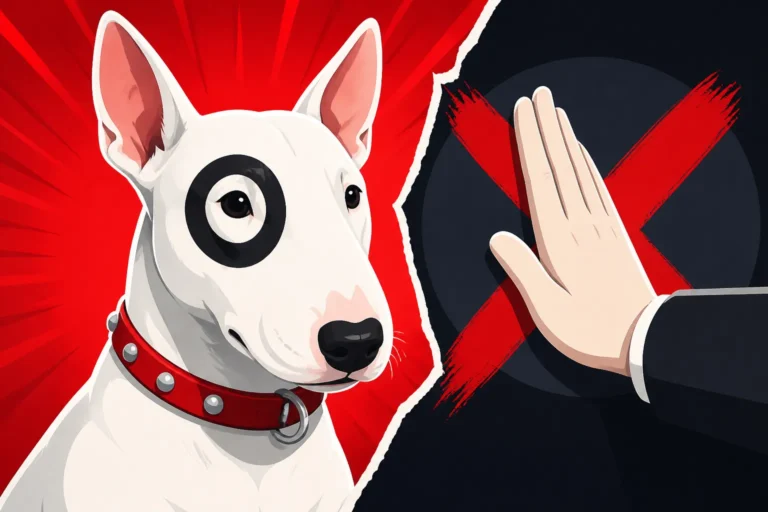
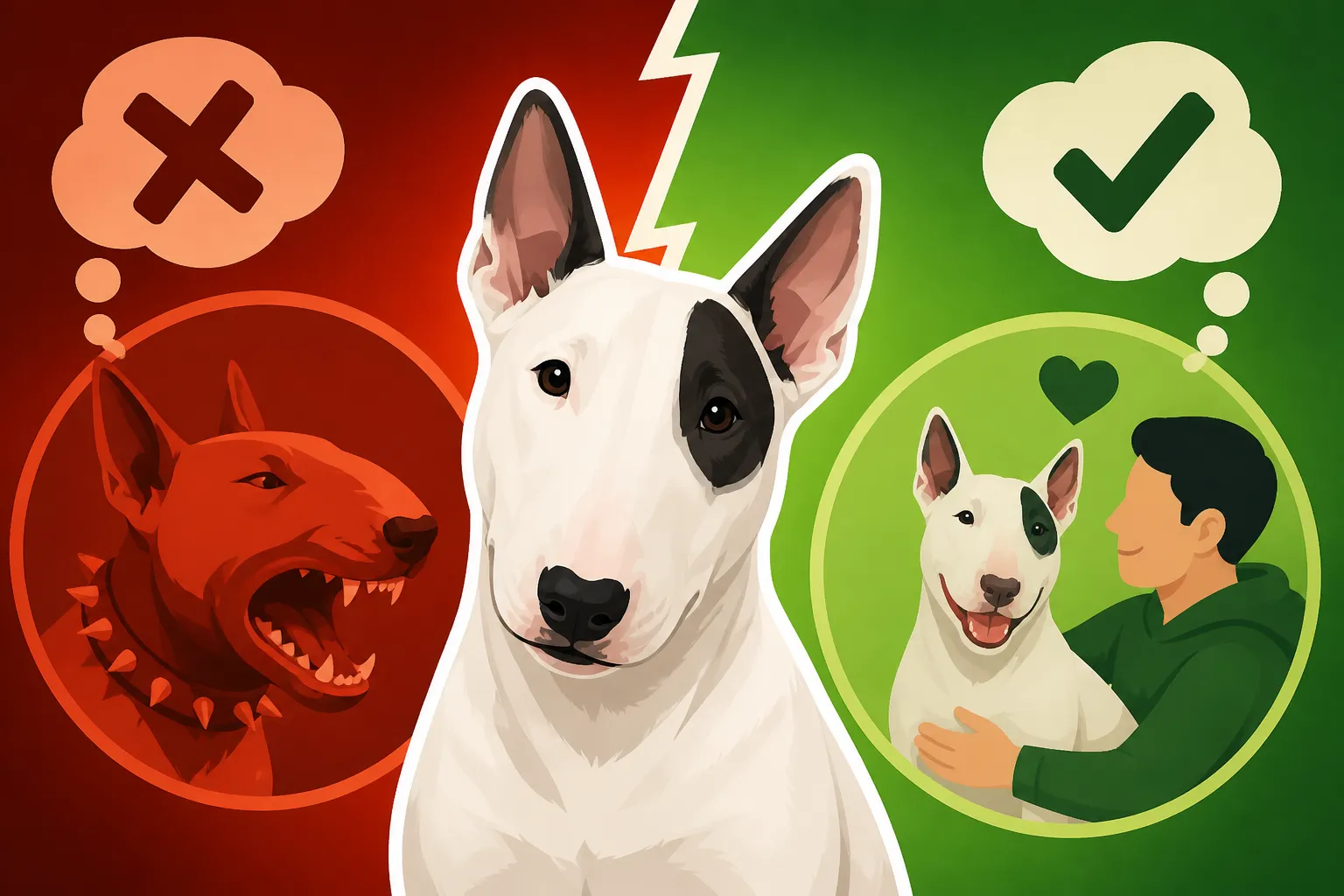
A Bull Terrier’s clownish grin and egg-shaped head can make people think they know the breed before they’ve met one. That often leads to unfair assumptions about aggression, stubbornness, exercise, and family life. This guide separates common myths from the everyday realities, so you can understand what living with a Bull Terrier actually asks of a dog and its people.
Myth one: Bull Terriers are naturally aggressive
A breed’s history is not a personality guarantee
Bull Terriers have a complicated history, and that history is often reduced to a simple, alarming label. The breed developed in nineteenth-century England from earlier bull-and-terrier types, but modern Bull Terriers are companion dogs with individual temperaments. Their past does not tell you exactly how a particular dog will behave in your home, on a walk, or around another dog.
It is worth learning where the breed came from without treating history as a prediction. The breed’s development involved deliberate changes in both appearance and purpose; it did not leave every Bull Terrier with an unavoidable tendency to attack. For more background, Where the Bull Terrier Comes From explains the breed’s origins, while Whether the Bull Terrier Was a Fighting Dog looks at one of the assumptions that still follows it.
A dog’s behavior is shaped by many things: inherited temperament, early experiences, socialization, training, health, and the circumstances around an encounter. A frightened dog may growl, a dog in pain may snap, and a poorly managed dog may learn that lunging makes other dogs move away. Those are behavior and welfare concerns—not proof that every dog of the breed is dangerous.
Strong, exuberant, and sometimes difficult to manage are not the same as aggressive
Bull Terriers are solid, energetic dogs. If one pulls hard toward a squirrel, barges into a visitor, or gets overexcited during play, that can be a real handling challenge. It is also different from an intent to harm. Calling every boisterous greeting or rough play session “aggression” can make it harder to see what is actually happening and what kind of support the dog needs.
That distinction matters in real life. Imagine a young Bull Terrier who charges up to another dog with a stiff body and intense staring. The right response is not to dismiss the behavior as “just the breed,” nor to assume a fight is inevitable. Give the dogs space, manage the leash safely, and observe the posture and context. A qualified, reward-based trainer can help you assess the pattern and develop a plan.
Responsible ownership includes preventing situations a dog is not ready to handle. Use a secure leash, avoid forcing greetings, and do not expect a dog park to provide safe socialization. If a dog has a bite history or is showing repeated threatening behavior, get professional guidance rather than relying on breed stereotypes or internet advice.
Myth two: Bull Terriers are stubborn because they are not smart
Independent thinking can look like disobedience
Many owners have had the experience of giving a familiar cue and watching their Bull Terrier pause as if considering whether it is worth doing. That can feel like defiance, especially when the dog performs the same cue perfectly in the kitchen but ignores it beside a busy sidewalk.
Often, the dog has learned the cue in one setting but not in every setting. A cue that works in a quiet room may not yet be reliable around people, food smells, bicycles, or other dogs. Some Bull Terriers are also highly motivated by their own interests. They may need a clearer reward, shorter practice, and more gradual training than a person expects.
A practical session might last only a few minutes. Ask for a simple behavior, reward it promptly, and stop while the dog is still engaged. If the dog checks out after several repetitions, change the activity instead of repeating the cue louder. A Bull Terrier Trains When It Sees the Point explores why motivation can matter so much, and How Short a Bull Terrier's Training Session Has to Be offers a useful way to think about practice length.
Consistency beats a contest of wills
Trying to overpower a Bull Terrier can create a tense relationship without teaching the dog what to do instead. A harsh correction may interrupt a behavior in the moment, but it can also make a dog wary, frustrated, or less willing to engage. Clear rules, patient repetition, and well-timed rewards are usually more useful than turning training into a battle.
For example, if your dog jumps on guests, practice a different greeting routine before company arrives. Reward four paws on the floor, use a leash or gate to manage the first few minutes, and ask visitors to avoid rewarding jumping with attention. If your Bull Terrier pulls, teach a loose-leash skill in a quiet area before trying it on a crowded street.
Training should also account for the dog in front of you. One Bull Terrier may work for food; another may prefer a toy or a chance to sniff. A puzzle feeder or sturdy chew can help occupy a dog during quiet time. If you shop for supplies through Chewy, check product dimensions and supervision guidance rather than assuming a toy described as tough will withstand every dog’s chewing style.
Myth three: a short coat makes Bull Terriers low maintenance
Easy grooming does not mean no care
A Bull Terrier’s short coat does not usually require elaborate trimming, but that is only one part of caring for the dog. The breed can have sensitive skin, and a short coat offers limited protection from intense sun, cold weather, and irritating surfaces. A small red patch, recurring itch, or bald area deserves attention rather than being brushed off as a harmless quirk.
White Bull Terriers may have particularly visible pink skin, but skin problems are not limited to white dogs. Check the body regularly, including the belly, paws, ears, and the areas where a collar or harness sits. Notice whether irritation appears after walks, bathing, a change in food, or contact with a new bedding material. A Bull Terrier's Skin Is Its Weakest Point and How to Check a Bull Terrier's Skin Weekly explain why these checks are worth making part of a routine.
The coat itself is straightforward to care for: regular brushing can lift loose hair, and baths are generally needed when the dog is dirty or has a veterinary reason for them. Overbathing or using a harsh product can irritate skin, so choose grooming products carefully. If an itch is persistent, spreading, or accompanied by sores, ask a veterinarian for an assessment instead of repeatedly switching shampoos.
Sun, weather, and comfort still need planning
A short coat can make hot or cold weather more noticeable. On a bright day, give a dog access to shade and fresh water, and avoid assuming that a Bull Terrier will know when to stop sunbathing. Pale or exposed skin, especially around the nose and ears, may need protection. Ask a veterinarian which sunscreen is appropriate for your dog; human products are not automatically safe for pets.
In cold weather, watch how your dog responds rather than using a single rule for every Bull Terrier. Some are comfortable on a brisk walk; others quickly become reluctant, shiver, or seek warmth. A well-fitting coat may help in chilly conditions, while a cooling break and a shorter walk may be sensible in heat.
Practical gear can help, but it is not a substitute for watching the dog. When comparing supplies on Chewy or elsewhere, look for a comfortable fit and materials that do not rub irritated skin. A garment that twists under the chest or traps heat may be less useful than simply shortening the outing. Sunburn on a White Bull Terrier covers sun exposure in more detail.
Myth four: every Bull Terrier is the same kind of family dog
A breed reputation cannot replace an individual assessment
Some Bull Terriers are affectionate, playful companions who enjoy being close to their people. Others may be more intense, sensitive, or selective about the situations they enjoy. It is a mistake to promise that every Bull Terrier will be perfect with children, other dogs, or cats simply because of its breed—or to assume that no Bull Terrier can live safely in a family.
A dog’s age, past experience, training, health, and temperament all matter. A puppy raised around children still needs supervision and teaching. Children need to learn not to climb on a dog, disturb it while eating, or take its toys. Adults should provide a quiet resting area where the dog can retreat and make sure interactions are actively supervised.
The same individual approach applies to other pets. A Bull Terrier may live comfortably with a familiar dog, but that does not mean it will enjoy every unfamiliar dog at close range. Introductions should be planned, gradual, and supervised. If you already have pets, ask a rescue or breeder about the particular dog’s observed history rather than relying on a general breed claim. A Bull Terrier With Other Dogs and Living With a Bull Terrier and a Cat discuss the practical questions behind those decisions.
The real commitment is daily structure
Bull Terriers need more than a quick walk around the block and a backyard. They benefit from movement, training, social interaction, and activities that give them something constructive to do. The right balance depends on age, health, and temperament. A long, overstimulating outing is not automatically better than a thoughtfully paced walk followed by a short training game and rest.
A typical day might include a morning walk with time to sniff, a few minutes of cue practice, a safe chew or food puzzle, and another outing later. That routine can be adjusted for a puppy, an older dog, or one recovering from an illness. If your dog becomes frantic, destructive, or unable to settle, consider whether it needs more appropriate enrichment—or whether it is overtired and needs a calmer routine.
| Common assumption | A more useful way to think about it |
|---|---|
| Every Bull Terrier is aggressive | Assess the individual dog’s behavior, history, health, and environment |
| A Bull Terrier is too stubborn to train | Use clear cues, short sessions, and rewards that matter to that dog |
| A short coat means little care | Skin checks, weather awareness, and basic grooming still matter |
| The breed is automatically good or bad with children | Supervision, boundaries, and the individual dog’s temperament matter |
| A tired dog only needs more exercise | Balance physical activity with training, enrichment, and rest |
Bull Terriers can be funny, affectionate, and wonderfully engaging, but those qualities do not erase the practical work of living with a strong, energetic dog. Before choosing one, think honestly about your schedule, experience, household, and ability to provide training and supervision. If you already share your life with a Bull Terrier, look at the dog’s individual needs rather than trying to make it fit a stereotype.
When buying toys or enrichment items, Chewy’s listings may help you compare sizes and materials, but inspect each item for wear and supervise chewing. No product description can guarantee that a determined dog will not damage or swallow a toy. For broader breed context, What People Get Wrong About the Bull Terrier is best answered by spending time with well-managed individual dogs and asking knowledgeable owners about the ordinary routines, not only the funny stories.
Disclaimer
This article is for general informational purposes only and does not constitute professional advice. Laws, prices and regulations vary by location and change over time. Consult a qualified professional for guidance on your specific situation.