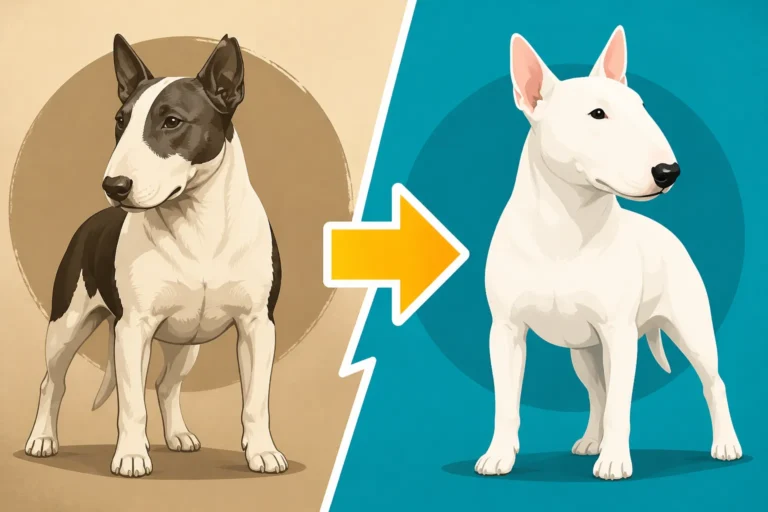
Where the Bull Terrier Ranks in AKC Registrations
It can be incredibly disheartening when you fall in love with a particular dog breed, only to find that very few people seem to know about them, or worse, they get lumped in with other, often misunderstood, breeds. For Bull Terrier enthusiasts, this is a common experience, leading to questions about their actual place in the canine world. This guide is here to shed some light on where the Bull Terrier stands in American Kennel Club (AKC) registrations, exploring what those rankings really mean for this unique and charming breed, and separating fact from often-frustrating fiction about their perceived popularity.
Understanding AKC Registration: What It Really Means for a Breed
When we talk about AKC registration numbers, it's easy to assume they're a direct measure of how "good" or "popular" a breed is, but that's a bit too simplistic. The AKC tracks purebred dogs that are registered with them, which primarily reflects the number of puppies being bred and registered by official breeders. It gives us a snapshot of breeding activity and public interest, but it doesn't always tell the full story about a breed's place in people's hearts or homes.
How the AKC Tracks Breed Popularity
The American Kennel Club, as the oldest and largest purebred dog registry in the United States, plays a huge role in documenting the various breeds. Each year, they release a list ranking breeds by the number of individual dogs registered within that calendar year. This ranking often becomes a talking point, signaling which breeds are experiencing a surge in demand and which ones are holding steady or perhaps seeing a decline. It's a barometer of the purebred dog world, reflecting trends in ownership and breeding. However, it’s important to remember that these numbers represent registered purebreds, not necessarily all dogs owned in the country, nor does it capture the popularity of mixed breeds or dogs from non-AKC registries.
For a Bull Terrier owner, looking at these lists can sometimes feel a bit like searching for a needle in a haystack compared to, say, a Labrador Retriever or a German Shepherd. You might scroll down quite a ways before you see our beloved "egg-headed" friends appear. This isn't a slight against the breed; it simply indicates that there are fewer of them being registered compared to some of the perennial top-rankers. It speaks to a more niche appeal, a dedicated following, and perhaps a more specialized type of owner who truly appreciates what a Bull Terrier brings to the table.
The Difference Between Popularity and Suitability
It's a common misconception that a higher AKC ranking automatically means a breed is "better" or more "suitable" for the average family. In reality, popularity can sometimes lead to irresponsible breeding practices, with breeders prioritizing quantity over health and temperament to meet demand. For a breed like the Bull Terrier, which may not always sit at the very top of the charts, this can actually be a quiet advantage. A lower rank often means that reputable breeders aren't chasing fleeting trends but are instead focused on preserving the breed's unique qualities, health, and sound temperament.
A less popular breed also means that finding a well-bred puppy might require more effort – more research into ethical breeders, longer waiting lists, and sometimes traveling further. But for those who have put in the time to understand What a Bull Terrier's Temperament Is Really Like, this effort is well worth it. You're not just getting a dog; you're often joining a community of dedicated enthusiasts. The suitability of a Bull Terrier for a particular home depends far more on that home's lifestyle, experience, and commitment than on its position in a popularity contest. Their distinct personality and needs mean they thrive best with owners who truly understand and appreciate them, regardless of what the general public is clamoring for.
The Bull Terrier's Journey Through AKC Rankings
The Bull Terrier's standing in the AKC ranks hasn't always been static. Like many breeds, their popularity has ebbed and flowed over the years, influenced by everything from historical events to pop culture. Understanding this journey can give us a better perspective on their current position and why they hold a special place for those of us who adore them.
Historical Peaks and Valleys
The Bull Terrier has a fascinating history, tracing its roots back to 19th-century England, where it was initially developed by James Hinks. Where the Bull Terrier Comes From is a tale of selective breeding to create a powerful yet handsome companion. When the AKC first recognized the breed, a milestone reached as far back as 1885 for the Standard Bull Terrier, their numbers naturally started relatively low. Over the decades, their unique look and spirited personality garnered a loyal following, and their registration numbers saw periods of steady growth.
There were times when the Bull Terrier enjoyed a greater spotlight, perhaps in specific regions or among certain demographics. However, they've never quite reached the stratospheric popularity of some of the "household name" breeds. This isn't necessarily a bad thing. Often, breeds that become too popular too quickly suffer from an influx of inexperienced breeders looking to make a quick profit, leading to health issues and temperament problems. The Bull Terrier's more measured ascent and sustained, albeit moderate, presence in the rankings suggest a more stable breeding community, focused on quality rather than sheer numbers. You can find essential items for any Bull Terrier, regardless of popularity, through retailers like Chewy, making ownership accessible.
Factors Influencing a Breed's Rank
Several factors play into where a breed lands on the AKC's annual list. For the Bull Terrier, their distinctive appearance—that iconic egg-shaped head and deep-set, triangular eyes—makes them instantly recognizable but also potentially polarizing. They're not everyone's cup of tea, and that's okay. Their strong, independent personalities, sometimes described as a "three-year-old in a dog suit," mean they require a committed owner who understands their specific needs for training and socialization.
- Media Exposure: A breed can see a significant bump in popularity if featured prominently in movies, TV shows, or advertisements.
- Breed-Specific Legislation (BSL): Unfortunately, some breeds face negative perceptions or even bans in certain areas, which can understandably impact their ownership and registration numbers. While the Bull Terrier doesn't typically face the same widespread BSL as some other "bully breeds," they sometimes get lumped into general categories, which can affect public perception.
- Health Concerns: While Bull Terriers are generally healthy, they do have some breed-specific health concerns, such as deafness in white Bull Terriers and kidney disease (hereditary nephritis), which responsible breeders screen for. Awareness of these issues and the commitment required for responsible ownership can influence a prospective owner's decision. What a Bull Terrier Breeder Should Have Tested is crucial information for any potential owner.
- Size and Living Space: As a medium-to-large breed with high energy, Bull Terriers often require more space and exercise than smaller, less active dogs, which can be a limiting factor for urban dwellers.
These interconnected factors collectively influence how many people choose to welcome a Bull Terrier into their homes and, consequently, how many are registered with the AKC each year.
Where the Bull Terrier Stands Today (And Why It Matters)
If you're wondering, "Is the Bull Terrier considered a common breed or a rare one?" the answer usually lies somewhere in the middle. They aren't in the top ten, nor are they on the verge of extinction. Their current ranking reflects a steady, if not soaring, presence in the purebred dog world, indicative of a dedicated fan base rather than mass market appeal.
Current Ranking and What It Implies
While I can't give you an exact, up-to-the-minute AKC ranking due to my training data cutoff, historically, the Bull Terrier (Standard) has hovered in the middle-to-lower end of the top 100 breeds. They are consistently recognized but are not among the most frequently registered dogs. This implies several things for both the breed and prospective owners.
Firstly, it means that finding a Bull Terrier puppy typically involves working with dedicated, often small-scale, breeders who are deeply invested in the health and future of their lines. This can be a positive, as these breeders are generally more knowledgeable and selective about their placements, ensuring their puppies go to suitable homes. It also means that What a Bull Terrier Costs to Buy in 2026 from a reputable breeder might reflect the investment in health testing and quality breeding, rather than market demand alone.
Secondly, it speaks to the loyalty of Bull Terrier owners. People who choose this breed often do so after extensive research and a clear understanding of its unique personality and needs. They are usually not impulse buyers simply following a trend. This creates a strong, supportive community around the breed, where experienced owners are often happy to share insights and advice.
Dispelling Myths About "Rare" or "Common" Breeds
When a breed isn't topping the popularity charts, it can sometimes be labeled "rare," which isn't always accurate. "Rare" often implies that the breed is difficult to find, or its numbers are critically low. While Bull Terriers aren't as ubiquitous as some breeds, they are certainly not rare in the sense of being endangered. There are established breed clubs and active breeders across various regions, often listed on platforms like Chewy's informational sections or through national breed club websites.
Conversely, some assume that if a breed isn't in the top 10, it must be inherently problematic or difficult. This is far from the truth for the Bull Terrier. Their specific ranking reflects their unique niche. They're a breed that requires a specific type of owner – someone who appreciates their clownish antics, is prepared for their stubborn streak, and can provide consistent training and socialization. Their lower ranking simply means that not every dog owner is looking for that particular combination of traits, and that's perfectly fine. It allows the breed to maintain its distinct character without being diluted by overbreeding or misguided attempts to make them fit a mainstream mold.
Here's a conceptual look at how a breed's ranking might fluctuate:
| Decade (Conceptual) | General Bull Terrier Rank (Conceptual) | Notable Influencing Factors |
|---|---|---|
| Early 1900s | Low (Outside top 100) | New to AKC, niche appeal |
| Mid-20th Century | Moderate (Top 70-80) | Growing recognition, unique look |
| Late 20th Century | Higher (Top 50-60) | Increased media presence (e.g., Spuds MacKenzie) |
| Early 21st Century | Stabilized (Mid-range) | Post-boom equilibrium, dedicated owners |
| Present | Consistent (Mid-range) | Sustained interest from loyal enthusiasts |
This table illustrates that rankings are dynamic and influenced by various internal and external factors.
The Impact of Media and Public Perception on Rankings
The power of media cannot be overstated when it comes to a breed's public profile and, consequently, its AKC registration numbers. A single appearance in a popular advertisement or film can dramatically shift public interest, often leading to a boom in demand. For the Bull Terrier, this phenomenon is a significant part of their modern history.
The "Spuds MacKenzie" Effect and its Aftermath
Ask anyone who was around in the late 1980s about famous Bull Terriers, and chances are they'll mention Spuds MacKenzie. This charismatic Bull Terrier, the canine mascot for Bud Light, became an overnight sensation. The commercials depicted Spuds as the ultimate party animal, surrounded by beautiful people and always having a blast. The campaign was wildly successful, making Spuds a pop culture icon.
This massive exposure had a direct and significant impact on the Bull Terrier's AKC registrations. There was a noticeable surge in demand for Bull Terrier puppies, with many people suddenly wanting a "Spuds." Whether Spuds MacKenzie Caused a Bull Terrier Boom is an undeniable part of breed history. While this brought the breed into the public consciousness, it also had its downsides. Many people purchased Bull Terriers without fully understanding the breed's temperament, health needs, or exercise requirements, leading to some dogs ending up in shelters or rescues when owners realized they weren't quite the laid-back party animal portrayed on TV. This period highlighted how fleeting media-driven popularity can be and the importance of educating prospective owners.
Modern Influences and Social Media
In today's digital age, the "Spuds MacKenzie effect" can manifest in new ways through social media. A viral video, a popular dog influencer, or even a well-placed product advertisement can still cause a breed's popularity to spike. While less dramatic than the Spuds phenomenon, consistent exposure on platforms like Instagram or TikTok can subtly influence public perception and interest.
For the Bull Terrier, you might see them featured by niche dog accounts or in fashion spreads, highlighting their distinctive look. This kind of exposure often attracts people who appreciate the aesthetic and unique charm of the breed. However, responsible breeders remain cautious, knowing that genuine interest, based on a deep understanding of the breed, is far more sustainable and beneficial than fleeting trends. They still aim to educate potential owners about the realities of owning a Bull Terrier, ensuring a good match for The Ten to Fourteen Years a Bull Terrier Gets. Owners often share their Bull Terriers' personalities and antics on social media, showcasing not just their appearance but also their vibrant spirit, which can be seen in the durable toys and supplies they get from places like Chewy.
Why AKC Rankings Aren't the Whole Story for Bull Terrier Owners
While AKC rankings provide an interesting snapshot of breed registration, they really don't tell you much about the day-to-day reality or the deep satisfaction of owning a Bull Terrier. For those of us who share our lives with these wonderful dogs, their rank on a list is far less important than their health, happiness, and the bond we share.
Focusing on Health and Temperament Over Trends
A responsible Bull Terrier owner, or someone seriously considering getting one, should always prioritize health and temperament above any perceived popularity. The fact that the Bull Terrier isn't consistently in the top ten actually has some hidden benefits for the breed's integrity. It means that there's generally less pressure on breeders to mass-produce puppies, which can sometimes lead to cutting corners on vital health testing.
Instead, many Bull Terrier breeders are focused on preserving the breed's unique characteristics while diligently working to minimize the prevalence of known health issues. For example, ensuring that a white Bull Terrier is Why a White Bull Terrier Should Be BAER Tested for deafness, or that breeding stock is screened for hereditary nephritis, is far more critical than how many puppies are registered in a year. When you're dealing with a breed that has specific health considerations, choosing a reputable breeder who conducts all recommended health screens is paramount, regardless of what any popularity contest indicates. This focus ensures that the puppies born have the best chance at a long, healthy life.
The Dedicated Community Behind the Breed
One of the most remarkable aspects of owning a Bull Terrier, regardless of their AKC rank, is the passionate and dedicated community that surrounds them. Because they are not a "mainstream" breed, Bull Terrier owners often find a kindred spirit in others who appreciate their unique quirks and charms. This often translates into strong breed clubs, active online forums, and a willingness among owners to share their experiences and support one another.
This community often plays a vital role in educating new owners about everything from How Much Exercise a Bull Terrier Actually Needs to navigating their sometimes-stubborn personalities. They're a resource for finding responsible breeders, understanding common behavioral traits, and even locating specialized products that cater to the breed's needs—whether it's an indestructible chew toy or a specific type of food you found on Chewy. The bond among Bull Terrier enthusiasts is strong, built on a shared love for these "clowns in a dog suit" who, despite their moderate AKC ranking, leave an immeasurable impact on the lives of those fortunate enough to call them family. For us, the Bull Terrier isn't just a number on a list; they're a cherished companion, full of character and endless affection.
Disclaimer
This article is for general informational purposes only and does not constitute professional advice. Laws, prices and regulations vary by location and change over time. Consult a qualified professional for guidance on your specific situation.