Whether the Bull Terrier Was a Fighting Dog
It's a question that echoes through every Bull Terrier owner's journey, often whispered with concern or outright stated as a judgment: "Was the Bull Terrier a fighting dog?" Many people hear "Bull Terrier" and immediately conjure up images of a brutal past, worrying about an aggressive nature inherited from ancestors. This perception can be frustrating, even hurtful, for those who know and love these incredibly affectionate and clownish companions. This guide aims to pull back the curtain on the breed's origins, separating historical fact from lingering myth, to truly understand the Bull Terrier's development and its place in history.
The Raw Origins: Before the Modern Bull Terrier
To understand the Bull Terrier, we first need to look back to a time before its existence, to the brutal world of 19th-century England and the dogs that were truly bred for combat. The breed we know today didn't just appear out of thin air; it has ancestors that certainly participated in gruesome sports. This is where a lot of the confusion and stigma originate, as people often conflate the modern breed with its very distant, fighting-bred forebears.
The Original "Bull and Terrier" Dogs
Before James Hinks began his work, there were rough-and-tumble dogs known simply as "Bull and Terriers." These weren't a standardized breed with a uniform appearance or temperament, but rather a type of dog created by crossing Old English Bulldogs with various terrier breeds, primarily for the purposes of bull-baiting, bear-baiting, and, most commonly, dog fighting. These activities, though horrifying to us today, were a grim reality of the era, and dogs were specifically bred for their tenacity, strength, and aggression towards other animals. What the Bull and Terrier Was
These early crosses were undeniably powerful animals, built with strong jaws, immense courage, and a deep-seated drive to engage. Their existence is an undeniable part of the genetic tapestry that eventually led to the Bull Terrier, but it's crucial to understand that their purpose was entirely different from what Hinks later set out to achieve. They were functional dogs for a barbaric purpose, and their traits were honed for exactly that.
The Demise of Blood Sports
The tides of public opinion eventually began to turn against these cruel blood sports. Laws were enacted to prohibit bull-baiting and dog fighting, making these activities illegal, though they certainly continued underground for many years. This shift created an opportunity for breeders to redirect their focus from combat to companionship and exhibition. Without the legal demand for fighting dogs, the need for a different kind of "bull-and-terrier" type emerged—one that could still embody courage and strength but without the inherent aggression towards other dogs or people.
This societal change was a pivotal moment. It allowed for the creative and visionary work of individuals like James Hinks, who saw potential in these powerful dogs beyond the fighting pit. The transition from illegal blood sports to legal dog shows was not instantaneous, but it provided the framework for the development of new breeds, including the Bull Terrier, with very different intentions and outcomes. It wasn't about erasing history, but about consciously forging a new path for these dogs.
James Hinks: The Visionary Behind the White Cavalier
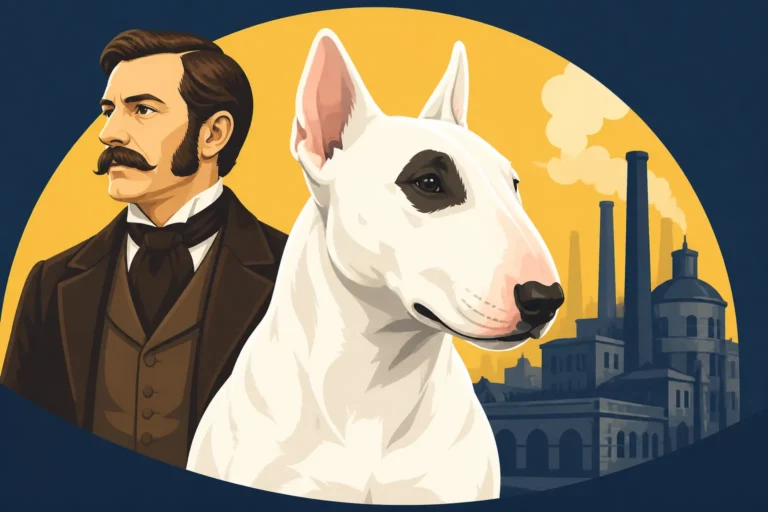
If you want to talk about the Bull Terrier, you absolutely have to talk about James Hinks. He wasn't just another dog breeder; he was a true visionary who took the existing "bull and terrier" type and completely reimagined its purpose and appearance. His goal was not to perpetuate fighting, but to create a dog that embodied strength, elegance, and above all, companionship for the gentlemen of his time. This is where the modern Bull Terrier truly begins its story, far removed from the brutal world of its ancestors.
Hinks's Breeding Goals
James Hinks, working out of Birmingham, England, in the 1860s, had a very specific vision. He wanted a dog that possessed the courage and tenacity of the old fighting stock, but with a refined, gentlemanly demeanor and a striking appearance. His ideal dog would be the "White Cavalier"—a dignified, clean-lined animal that would be a loyal companion and a standout in the show ring, not a brute in a pit. He consciously selected for traits that would move the breed away from outright dog-on-dog aggression and towards a more stable, human-friendly temperament. Who James Hinks Was
This was a radical departure from the breeding practices of the earlier "bull and terrier" types. Hinks wasn't looking for a dog to win a fight by mauling its opponent; he wanted a dog that could win a wager through its sheer spirit and elegance, without a scratch. He understood that courage didn't have to equal bloodlust, and he set out to prove it through his meticulous breeding program.
The Breeds That Shaped the Bull Terrier
To achieve his vision, Hinks famously introduced other breeds into his lines, most notably the now-extinct English White Terrier, the Dalmatian, and possibly even some Pointer or Greyhound stock for elegance and athleticism. The English White Terrier contributed to the desired all-white coat and refined structure, while the Dalmatian likely influenced the muscular build, stamina, and even temperament. These crosses were deliberate choices to move away from the coarse, often aggressive, fighting dogs of the past. Which Breeds Went Into the Bull Terrier
The result was a dog that was physically distinct from its ancestors. It had a cleaner, more symmetrical head, a sleek white coat, and a more uniform build. Crucially, Hinks prioritized dogs with a stable temperament, meaning they were less likely to instigate fights and more inclined to be agreeable companions. This careful selection and cross-breeding were key to transforming the "bull and terrier" into the distinctive and much-loved Bull Terrier we recognize today.
The Myth of the Fighting Prowess: The White Cavalier Legend
The "White Cavalier" nickname for the Bull Terrier isn't just a quaint historical aside; it's central to understanding how the breed was intended to be perceived and used by its creator, James Hinks. This wasn't a breed designed for the blood-soaked arenas of illicit dog fights. Instead, it was conceived as a symbol of gentlemanly sport, courage, and refinement, standing in stark contrast to the brutal fighting dogs of an earlier era.
The 1862 Cremorne Show Anecdote
Perhaps the most famous story illustrating the Bull Terrier's shift from brawler to "cavalier" comes from the 1862 Cremorne Dog Show in London. The anecdote tells of James Hinks taking his white Bull Terrier bitch, Puss, to the show. After winning first prize, Puss was allegedly challenged to a fight by another dog, often described as an Old English Bulldog type. The story goes that Puss emerged victorious, but crucially, without a single mark on her. Hinks then presented her back in the show ring the very next day, pristine and triumphant, proving her courage without cruelty. What Puss the Bull Terrier Did at Cremorne
Whether this story is entirely accurate in every detail or embellished over time, its essence speaks volumes about Hinks's intention. It wasn't about Puss inflicting damage; it was about her courage, her ability to hold her own, and her pristine appearance afterward. This emphasized the desired temperament of the new Bull Terrier: brave and resilient, but not vicious or disfiguring. It highlighted a dog that could stand up for itself but was above the brutal tactics of the fighting pit.
The True Meaning of "Cavalier"
The term "White Cavalier" itself evokes an image of chivalry, elegance, and gentlemanly conduct. Hinks deliberately cultivated this image. His Bull Terriers were meant to be companions for the fashionable and well-to-do, dogs that could accompany their owners with pride and grace, rather than being hidden away for nefarious purposes. They were a statement of status and taste, embodying courage and strength, yes, but tempered with dignity and a placid temperament towards people. The White Cavalier: Why the Bull Terrier Never Started Fights
This reputation was actively built and maintained by Hinks and early fanciers. They were promoting a breed that could demonstrate impressive stamina and spirit in the ring, or in controlled encounters, but whose ultimate purpose was to be a loyal, affectionate, and striking companion. The breed's development moved it decisively away from the fighting ring and firmly into the world of exhibition and family life.
The Evolving Role of the Bull Terrier
The Bull Terrier's journey didn't stop with James Hinks's initial vision. As dog breeding evolved and societal attitudes continued to shift, the breed’s role and perception also transformed. From the Victorian era's companion for gentlemen to a beloved family member today, the Bull Terrier has continuously adapted, shedding the old myths and embracing its true calling as a unique and devoted pet.
From Show Ring to Family Home
After its introduction, the Bull Terrier quickly gained popularity in the show ring, lauded for its distinctive appearance and confident demeanor. However, its appeal wasn't limited to competitive circles. Owners soon discovered that beneath the powerful exterior and unique egg-shaped head lay a deeply affectionate, often goofy, personality. They proved themselves to be devoted companions, eager to be part of family life. This dual appeal—a striking show dog and a loving pet—solidified their place in many homes.
The breed's intelligence and strong bond with humans meant they thrived on interaction and companionship. They weren't meant to be kennel dogs or yard ornaments; they craved inclusion. This innate desire to be near their people helped further distance them from any lingering association with fighting dogs, as their affectionate nature became increasingly evident to all who lived with them.
Modern Temperament and Training
Today, the Bull Terrier is renowned for its clownish antics, unwavering loyalty, and robust personality. They are often described as "three-year-olds in a dog suit" due to their playful, sometimes stubborn, and endlessly entertaining nature. While they certainly possess the strength and tenacity inherited from their distant past, modern breeding has focused heavily on temperament, ensuring they are stable and friendly towards people. What a Bull Terrier's Temperament Is Really Like
However, their strong prey drive, common in many terrier breeds, and their sometimes-intense play style mean they require consistent training and early socialization. While they are typically wonderful with their human families, especially children they are raised with, their interactions with other dogs need careful management. This isn't a sign of an inherent "fighting dog" nature, but rather a characteristic of a powerful breed that needs proper guidance and respect for its strength and instincts. Companies like Chewy offer a wide array of training aids, from durable chew toys to high-value treats, that can be invaluable in channeling a Bull Terrier's energy and focus during training.
Dispelling Lingering Misconceptions
Despite generations of dedicated breeding efforts to create the wonderful companions we know today, the shadow of the Bull Terrier's ancestors, and the misunderstanding of its history, still occasionally looms. It's a frustrating reality for Bull Terrier enthusiasts who often have to defend their beloved breed against outdated stereotypes. Let's tackle some of the reasons these misconceptions persist and how we can work to challenge them.
Appearance vs. Reality
One of the biggest factors contributing to the "fighting dog" misconception is the Bull Terrier's powerful and distinctive appearance. Their muscular build, strong jaws, and intense gaze, coupled with their often imposing presence, can unfortunately lead some people to make immediate, unfounded assumptions about their temperament. People often judge a book by its cover, and with Bull Terriers, that 'cover' can sometimes lead to unfair prejudice.
It's vital to remember that appearance is not a reliable indicator of a dog's disposition. A Bull Terrier's strength and unique physical traits are the result of selective breeding for specific aesthetic standards and robustness, not for aggression. Their egg-shaped head and triangular eyes, for instance, are hallmarks of the breed's unique look, not indicators of a propensity for violence. True Bull Terrier enthusiasts know that behind that formidable exterior lies a heart of gold, eager for cuddles and clowning around.
Breed-Specific Legislation and Media Portrayals
Another significant contributor to the negative perception of Bull Terriers (and many other "bully breed" types) is breed-specific legislation (BSL) and often sensationalized media portrayals. BSL, which restricts or bans certain breeds based on their appearance rather than individual behavior, fuels the idea that certain dogs are inherently dangerous. This legislation often lumps Bull Terriers in with other breeds perceived as "pit bulls," despite their distinct lineage and temperament.
Compounding this, irresponsible journalism can quickly demonize an entire breed based on isolated incidents, often without considering factors like upbringing, training, or responsible ownership. These portrayals, while rare for Bull Terriers specifically, often contribute to a general climate of fear and misinformation around strong, muscular breeds, painting them all with the same broad, negative brush. This makes it challenging for owners to counteract these ingrained biases.
The Importance of Education and Responsible Ownership
The most effective way to dispel these lingering misconceptions is through education and responsible ownership. Every Bull Terrier owner has the opportunity to be an ambassador for their breed. By demonstrating that their dogs are well-trained, well-socialized, and loving members of their families, they can slowly chip away at the stereotypes. It's about showing, not just telling, the world what a Bull Terrier truly is.
Furthermore, advocating against BSL and supporting breed-neutral dangerous dog laws that focus on individual dog behavior and owner accountability is crucial. Promoting responsible breeding practices that prioritize health and temperament, coupled with comprehensive puppy socialization and ongoing training, ensures that Bull Terriers continue to be the wonderful companions Hinks envisioned. Finding appropriate, highly-rated training treats and durable toys, readily available from places like Chewy, can significantly aid in these socialization and training efforts. When it comes to living harmoniously with other dogs, careful introductions and continued positive experiences are paramount. A Bull Terrier With Other Dogs
Bull Terriers in Today's World: Companions Above All
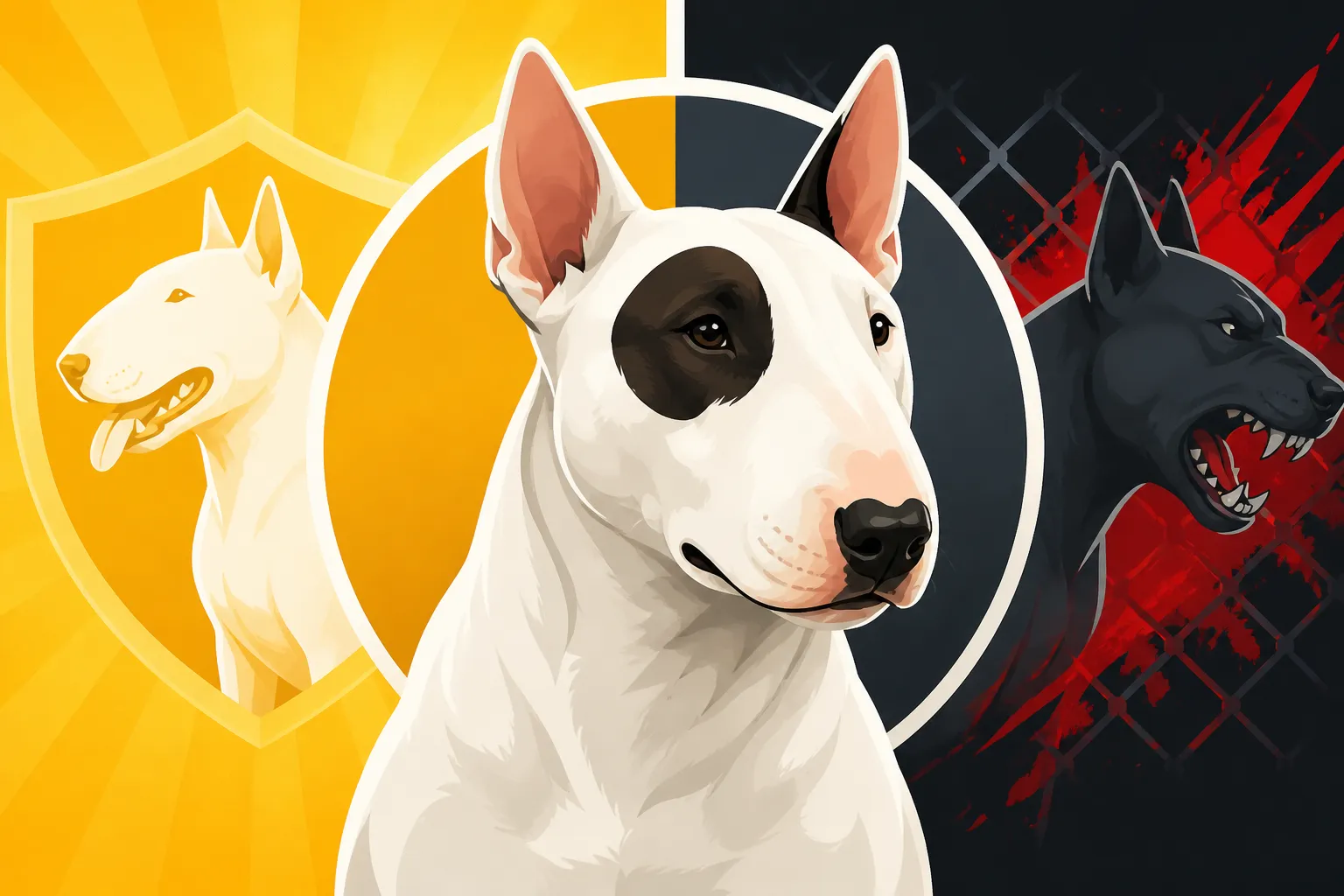
When you truly understand the history and careful development of the Bull Terrier, it becomes abundantly clear that this breed, as we know it today, was never intended to be a fighting dog. It was a dog born from a vision of refinement, courage, and companionship, a "White Cavalier" meant to stand proudly beside its owner, not to brutalize another animal. Today's Bull Terriers embody this legacy more than ever, gracing homes around the world with their unparalleled charm and devotion.
The Heart of a Companion
The modern Bull Terrier is, at its core, a companion animal. They thrive on human interaction and genuinely want to be part of everything their family does. Whether it's sprawling on the sofa for a cuddle, accompanying you on an adventure, or performing silly tricks for attention, their greatest joy comes from being by your side. They are known for their profound loyalty, often bonding deeply with their chosen people and eager to participate in all aspects of family life. Why a Bull Terrier Follows You Everywhere
This deep-seated desire for connection is a testament to the decades of intentional breeding that focused on temperament and sociability towards humans. While their exuberance and strength mean they require attentive training and socialization, these traits are characteristic of a powerful, energetic breed, not a relic of a fighting past. Their clownish spirit and affectionate nature are the true hallmarks of the breed, making them truly unique and beloved pets.
Challenging Misinformation Through Experience
For those of us who share our lives with a Bull Terrier, the question of their fighting past is often met with a shake of the head and a gentle smile. We know the reality: the soft snores of a Bull Terrier curled up on the couch, the joyous wiggles that greet us at the door, the intense focus during a training session, or the comical antics that can turn any bad day around. Our personal experiences stand in stark contrast to the outdated myths.
Every Bull Terrier living a happy, well-adjusted life in a loving home is a powerful counter-narrative to the misconception. It's a continuous process of educating the public, one wagging tail and goofy grin at a time. The Bull Terrier's journey from the rough-and-tumble "bull and terrier" types to the cherished "White Cavalier" of today is a remarkable story of transformation, a testament to the power of selective breeding and the enduring human-canine bond. They are not fighting dogs; they are companions, clowns, and loyal hearts, through and through.
Understanding the Difference Between Ancestry and Breed Purpose
It's easy to get tangled in the threads of history when discussing breeds like the Bull Terrier. The lineage of many breeds traces back to utilitarian purposes, some of which were unfortunately brutal. However, to truly understand a breed, we must differentiate between its distant ancestry and the deliberate purpose and intent of its creation as a distinct breed. The Bull Terrier offers a prime example of this crucial distinction.
The Ancestral Influence vs. Modern Intent
Undeniably, the Bull Terrier carries the genetic echo of the old "bull and terrier" dogs, which were indeed used for fighting. This inheritance gave the Bull Terrier its foundational strength, courage, and a certain tenacity. These are qualities that, when channeled positively, contribute to the breed's resilience, athleticism, and its endearing, often stubborn, personality. However, James Hinks's intervention was precisely about taking these foundational traits and repurposing them for an entirely different goal.
His aim was to create a "gentleman's companion," a dog that was physically formidable but temperamentally stable and amiable with people. He bred for a distinct aesthetic and a character that was brave but not vicious. So, while the Bull Terrier's ancestry is rooted in a fighting type, its specific breed purpose, as conceived and developed, was never to be a fighting dog. This is a subtle but profoundly important difference that often gets overlooked. Think of it like a powerful engine: it can be used for a racing car, or it can be used for a luxury tourer. The engine is powerful, but its ultimate use is determined by its design and intent.
Moving Forward: Appreciating the Breed for What It Is
Ultimately, the most important takeaway for anyone considering a Bull Terrier, or simply trying to understand them, is to appreciate the breed for what it is today. They are quirky, intelligent, energetic, and profoundly loving dogs who thrive on companionship and active engagement. They require dedicated owners who understand their need for training, socialization, and plenty of mental and physical stimulation. They might be strong and boisterous, often demonstrating their affection with full-body enthusiasm, earning them the nickname of a "three-year-old in a dog suit," but this is their playful nature, not an aggressive one. Why a Bull Terrier Is Called a Three Year Old in a Dog Suit
By focusing on responsible ownership, ethical breeding, and continuous education, we can continue to champion the Bull Terrier as the magnificent companion it was truly meant to be. This means dispelling old myths, celebrating their unique personality, and ensuring they receive the care, training, and love they deserve to flourish as loyal and beloved family members. Their history is interesting, but their present and future as cherished companions is what truly matters.
Disclaimer
This article is for general informational purposes only and does not constitute professional advice. Laws, prices and regulations vary by location and change over time. Consult a qualified professional for guidance on your specific situation.